On this page
Sunday brunch has a different energy from a formal dinner party. The pace is slower, the food can be shared from platters, and nobody expects an elaborate sequence of courses. A successful brunch should leave you enough time to pour coffee, greet your guests and enjoy your own table.
Hosting it well begins with choosing a small menu that works in your kitchen. This guide walks through how to host a casual Sunday brunch, from invitations and make-ahead decisions to the order you cook and the way you serve. The goal is a gathering that feels thoughtful without becoming exhausting.
Set the Tone Before You Plan the Menu
Decide what casual means for your group. It could be an intimate brunch for four, a family gathering with children or an open-house-style morning where guests arrive over a longer window. That choice determines whether you want a hot casserole served at one time or flexible self-serve food.
Share a clear start time and a realistic idea of when you'll serve. Ask about allergies, dietary restrictions and preferences before choosing recipes. A comfortable gathering is one where everyone can eat something suitable.
Choose One Centrepiece Dish
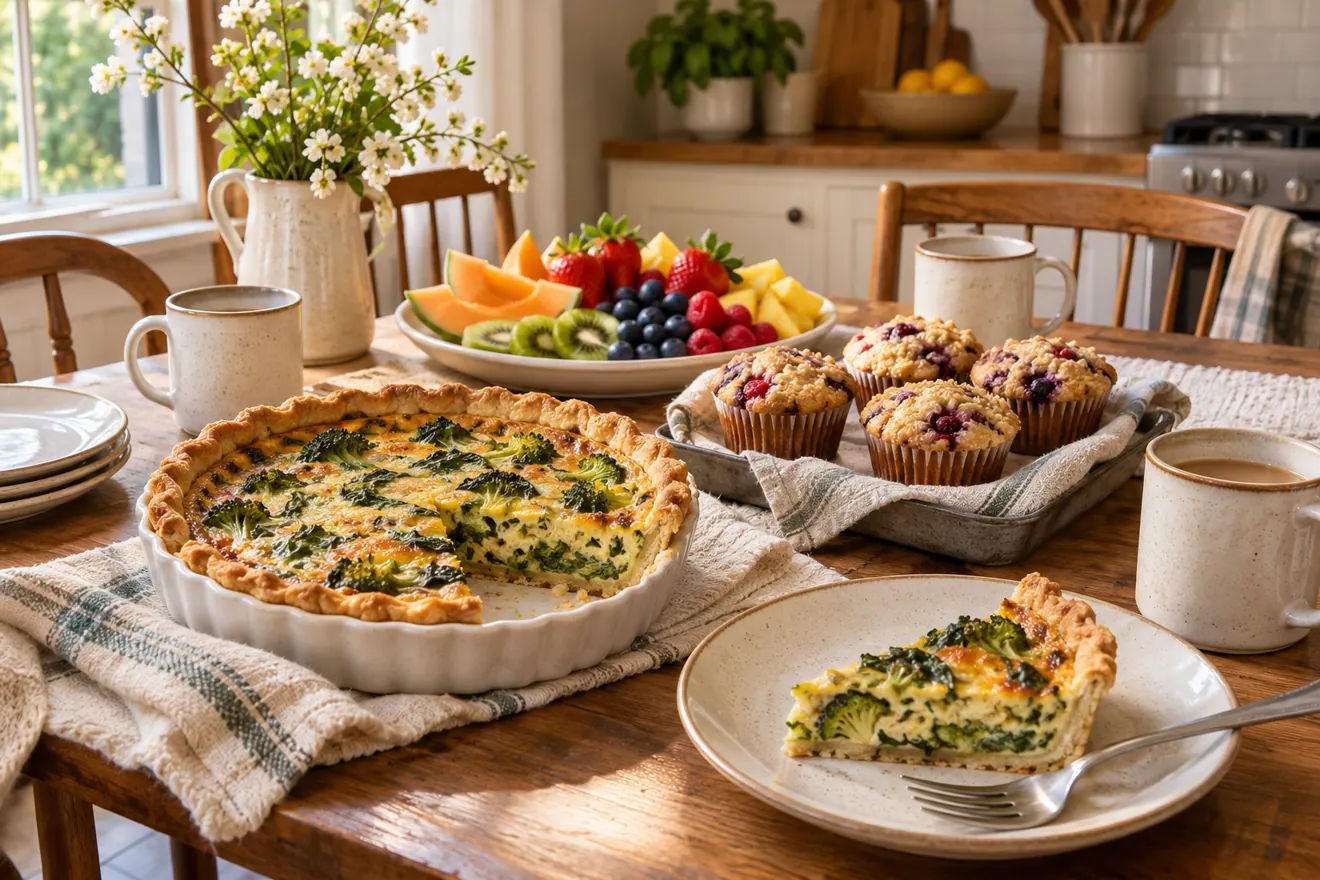
Make one main dish the centre of the meal: a baked French toast casserole, egg bake, quiche or a tested sheet-pan pancake. The right choice depends on whether guests prefer sweet or savoury breakfast and how much oven space you have.
Don't make a big casserole, a pancake station and a batch of made-to-order eggs unless someone else will help cook. The point is to host, not operate a restaurant service.
1. Savoury Egg Casserole
A savoury casserole made with eggs, cheese, vegetables and appropriate bread or potatoes can feed several guests. Choose a tested formula and follow instructions on cooking vegetables before adding them, since some release enough water to make the filling wet.
Use safe egg handling and bake to the recipe's required doneness. Casseroles containing eggs and dairy require appropriate refrigeration before and after service.
For an individually portioned alternative, try Breakfast Egg Muffins. Check the centre of each portion as directed.

2. Baked French Toast
A sweet baked French toast dish can be especially convenient when guests arrive at roughly the same time. Some recipes support overnight assembly in the refrigerator, moving much of the work to Saturday evening.
Choose a recipe designed for overnight storage rather than improvising. Serve with fruit and a modest amount of maple syrup or another topping. A sweet main may benefit from a simple savoury side.
The Vegan French Toast Casserole supports covered refrigerated overnight preparation.

3. Sheet-Pan Pancakes
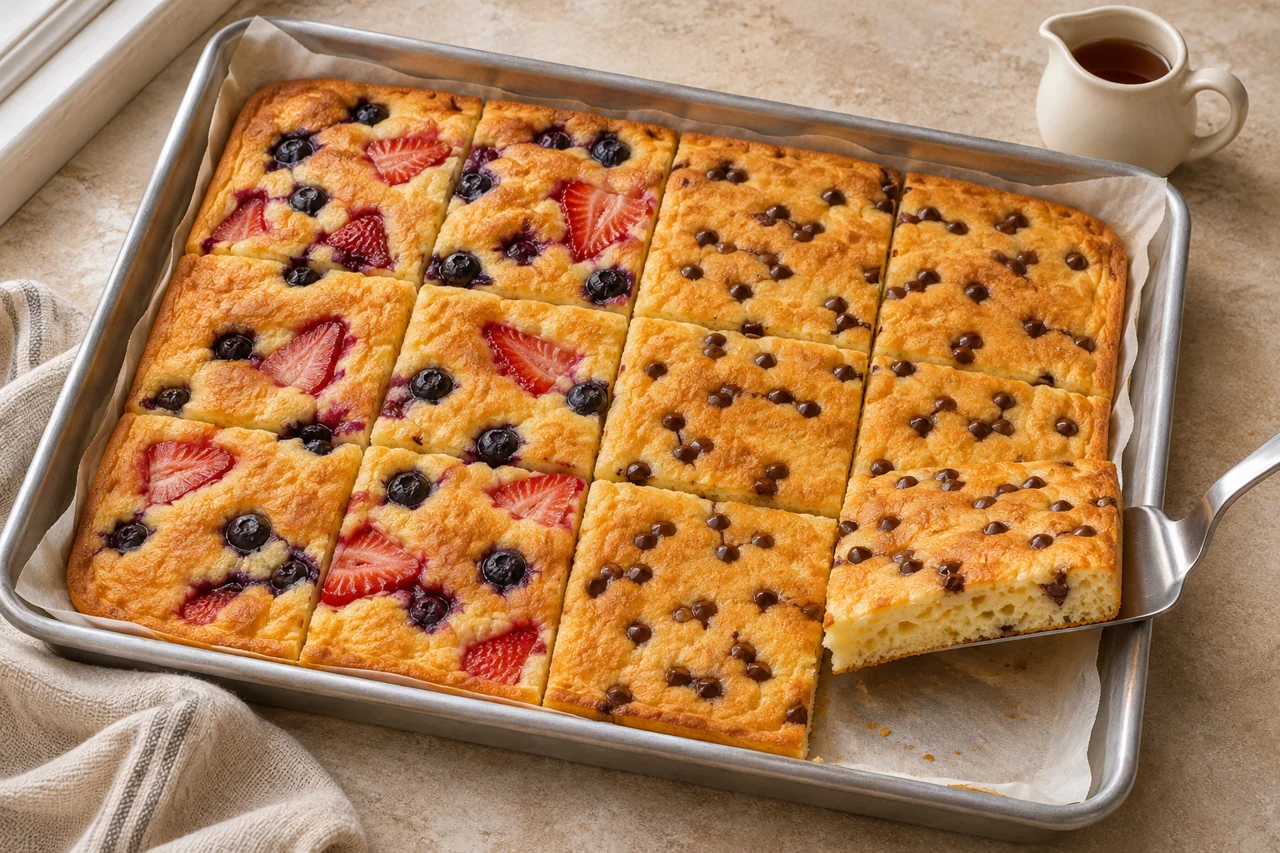
A baked pancake can avoid the constant flipping of individual portions. Select a tested sheet-pan formula and bake in the specified pan, since batter depth affects whether it sets properly.
Cut into squares and offer toppings separately. Guests can choose the amount they want without making several custom batches.
Try Sheet-Pan Pancakes if you would rather bake one tray while guests arrive.
4. Quiche and Salad
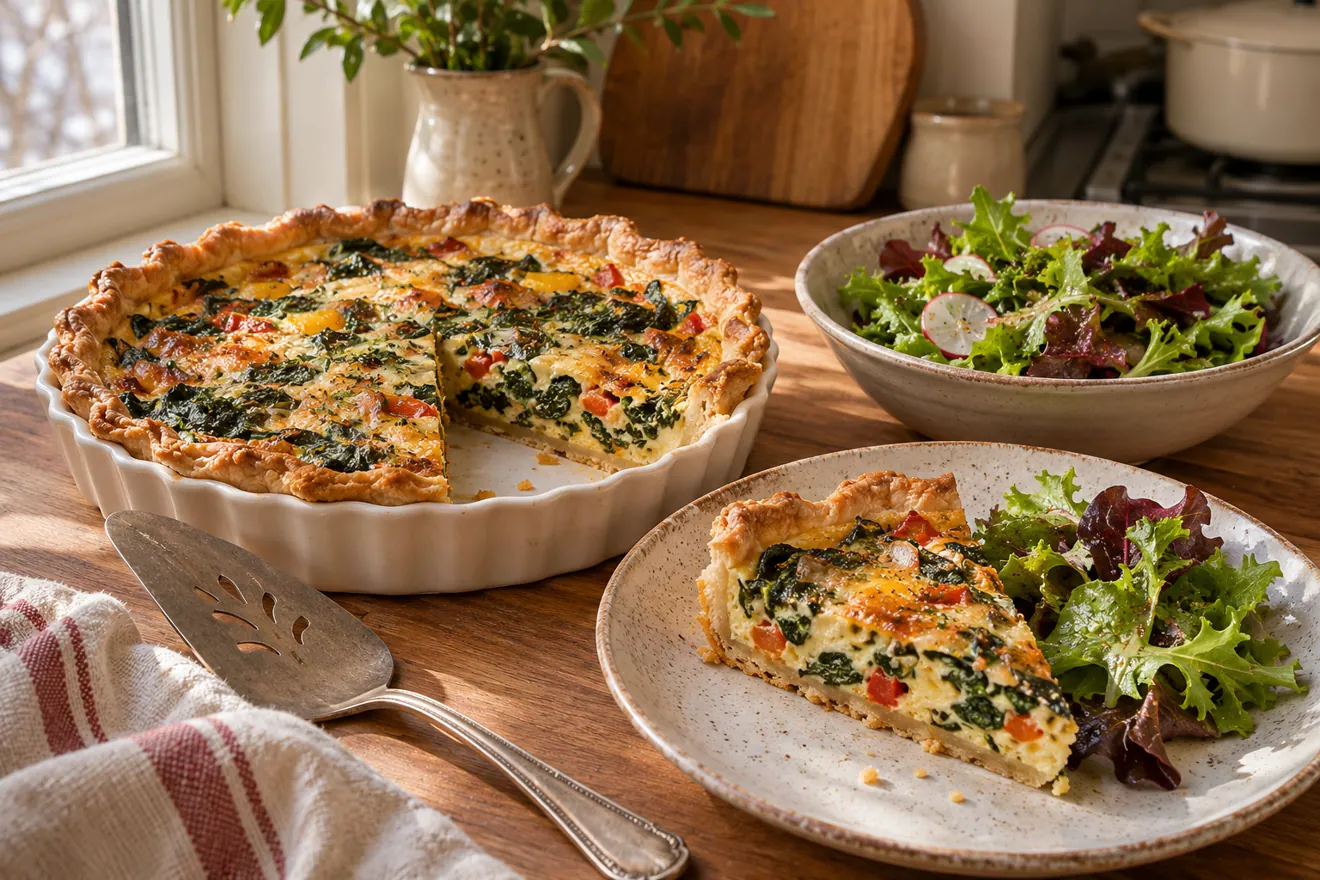
Quiche is a lovely option when you want a savoury, slightly more grown-up menu. A crisp pastry shell and properly set custard can be paired with a light salad and bread.
Follow the quiche recipe's preparation, chilling and reheating guidance. A pre-baked shell may help with moisture control where specified, but not every quiche method requires the same steps.
5. Muffins and Scones
For a simple fresh-baked option alongside fruit and tea, our basic scones serves approximately eight. Plan the oven time alongside your savoury dish so brunch is relaxed rather than rushed.
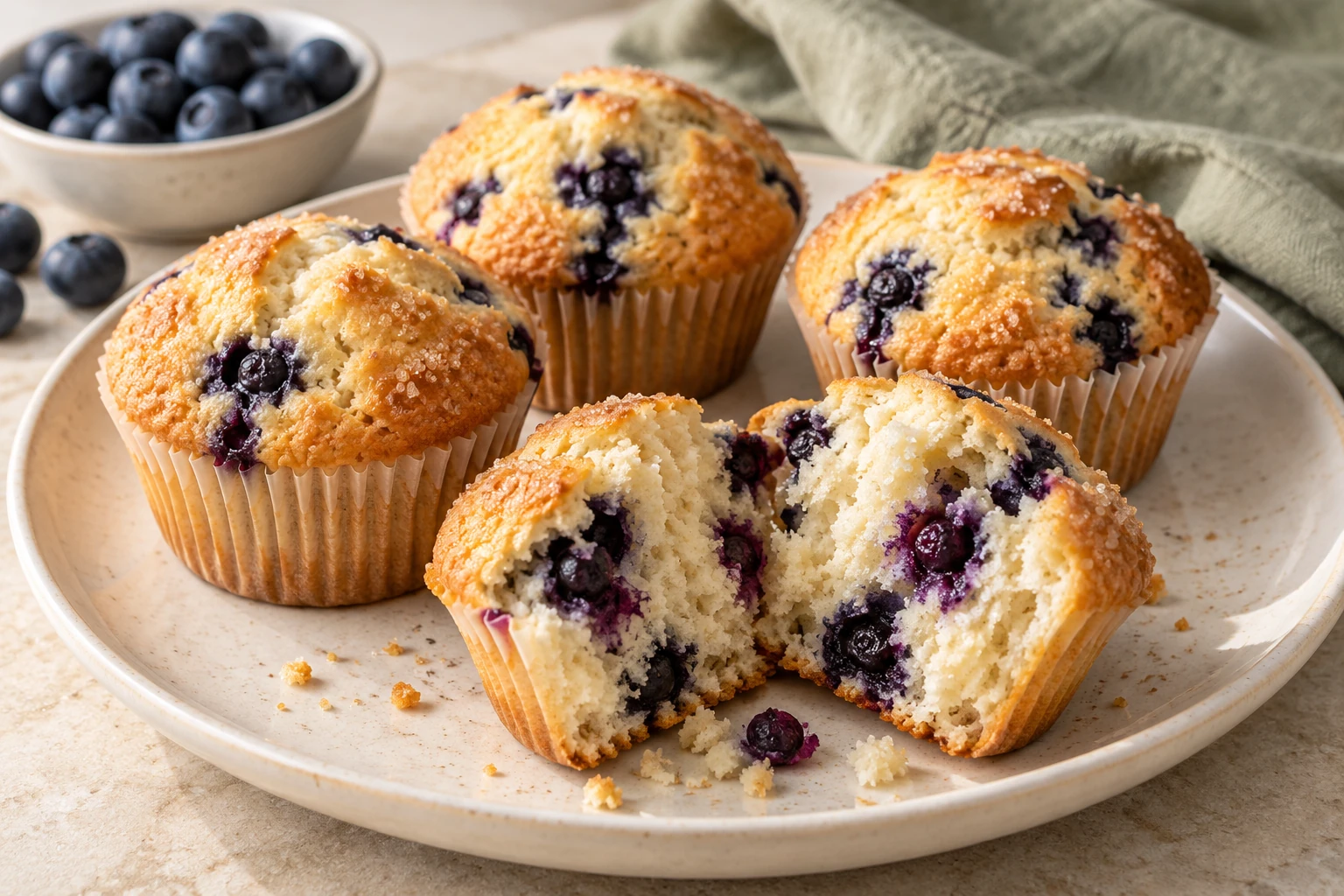
A small basket of muffins or scones adds a homemade touch without making them the entire meal. Choose a flavour that contrasts with the main dish: berry muffins with egg casserole, for example, or plain scones with baked French toast.
Bake ahead when the recipe supports it, then store correctly. If you want freshly baked scones, use a proven make-ahead dough method that fits your morning schedule.
Bake Blueberry Muffins ahead, then add fresh scones only if you have enough oven space.
6. A Seasonal Fruit Platter
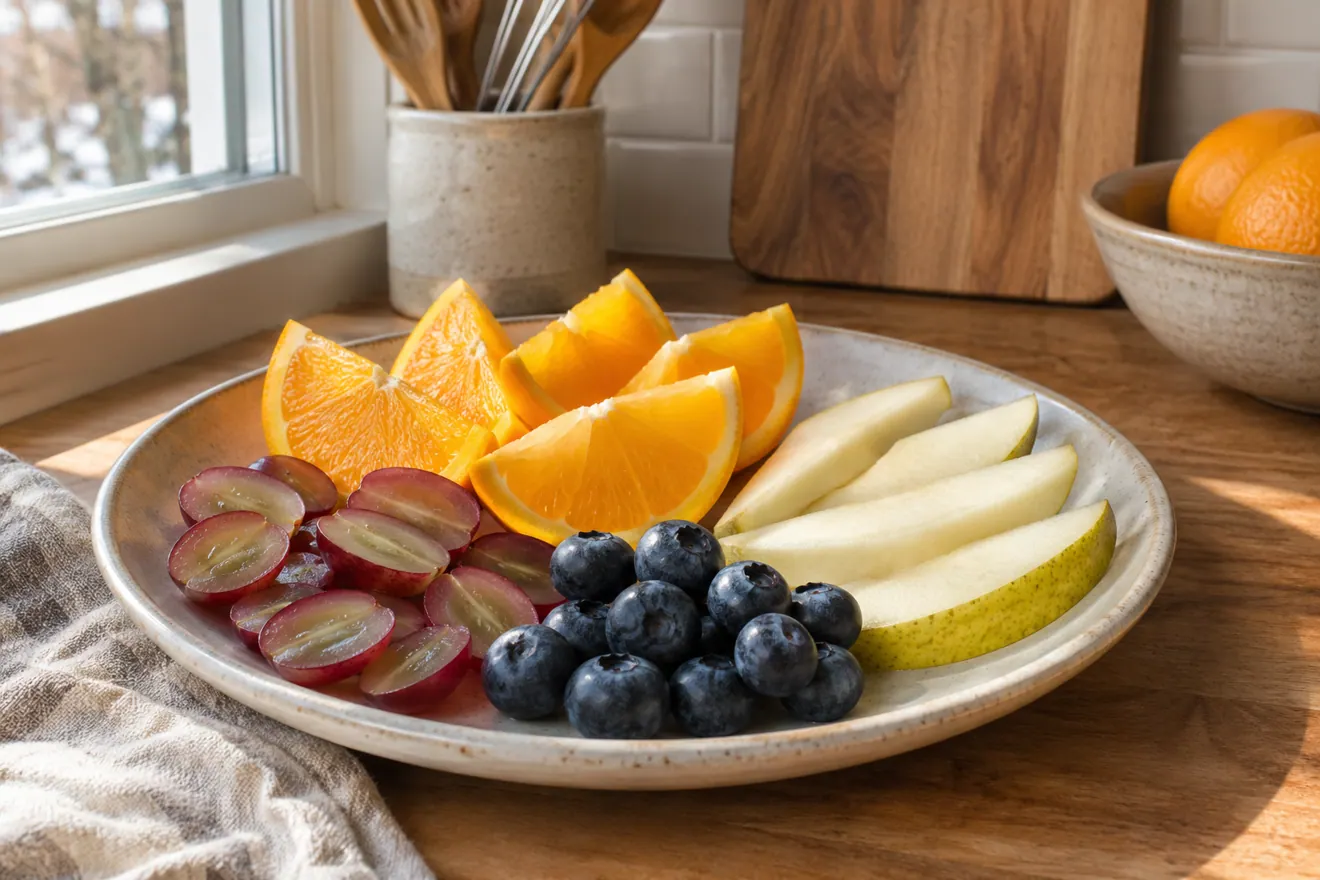
A bowl or platter of fresh fruit gives guests something light alongside rich bread and egg dishes. Choose fruit that looks and tastes good in season rather than buying several expensive varieties for decoration.
Wash and prepare properly, and cut fruit close enough to serving that it stays appealing. Use appropriate cold storage for cut fruit and any dairy accompaniments according to food-safety guidance.
7. A Simple Yogurt Bar
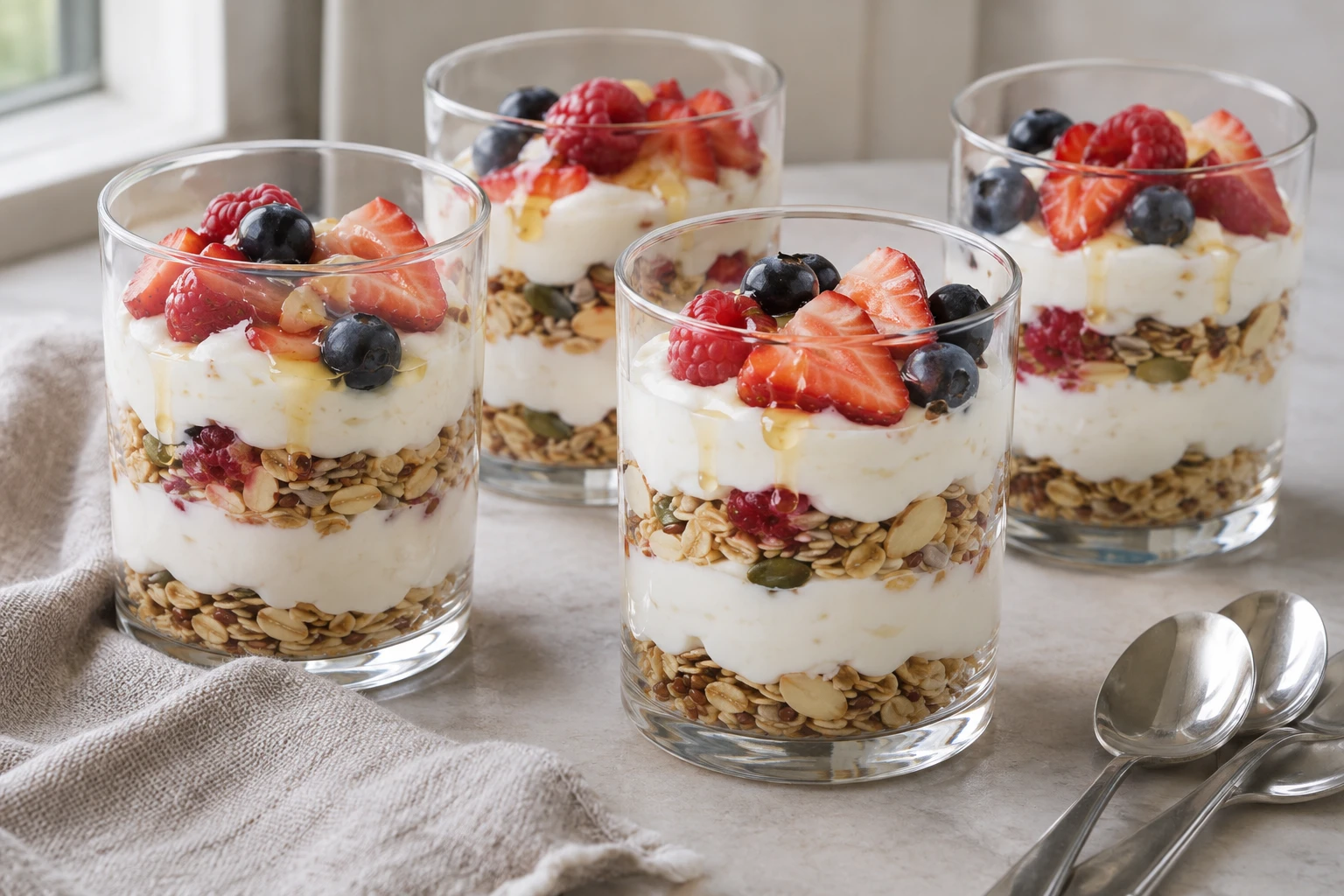
Plain yogurt, fruit and crunchy granola can suit guests with different appetites. Keep yogurt refrigerated and put out only the quantity likely to be eaten promptly. Add granola close to serving so it stays crisp.
Label nuts and other allergens in granola. If serving children, use age-appropriate toppings and avoid hard or large pieces that could pose choking risks.
Use Greek Yogurt Parfait for a serving idea, keeping yogurt cold and crunchy toppings separate until serving.
8. Coffee, Tea and One Other Drink
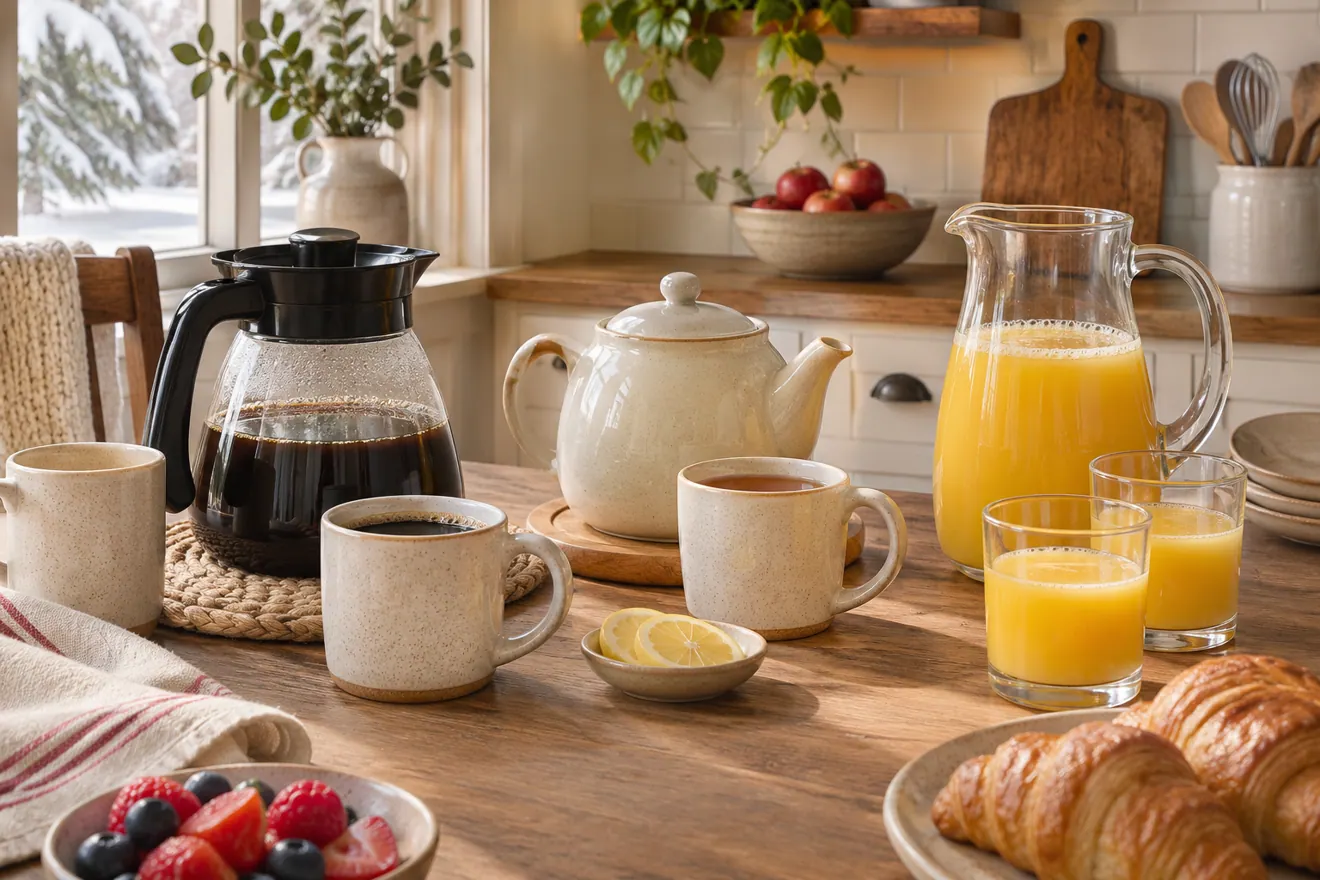
A casual brunch doesn't need a complicated beverage menu. Make coffee and tea easy to refill, then offer water and perhaps one juice or other non-alcoholic drink. Place cups, milk and alternatives where guests can find them.
Refrigerate milk and other perishable components between uses. If your coffee machine serves only one cup at a time, start brewing before guests arrive or prepare another suitable beverage option for the group.
A Balanced Brunch Menu for Four
For an intimate gathering, make a quiche or a small egg bake with a salad or fruit platter and a few warm muffins. That offers savoury, fresh and sweet elements without extra courses.
Check the recipe yield to avoid making an oversized casserole with more leftovers than you'll enjoy.
A Balanced Brunch Menu for Eight
Choose a recipe-approved French toast casserole yielding about eight portions, fruit, yogurt and coffee. If you expect guests who prefer savoury food, add a small egg dish or another suitable option rather than a second large sweet main.
Make sure the oven timeline accommodates the casserole's bake and rest periods.
A Balanced Brunch Menu for Twelve
For a larger group, consider two pans of a tested egg casserole, a loaf or muffin tray and seasonal fruit. Keep drinks self-serve and set up a table where guests can move without crowding the oven.
Use original pan sizes or a tested scaled formula rather than piling double batter into a single deep dish and guessing at the baking time.
Set Up the Table the Evening Before
Lay out clean plates, cutlery, cups, napkins and serving utensils. Put the main platter in place temporarily to see whether it fits. Move decorations that might block access to the food.
A simple vase, linen napkins or a small seasonal accent can set the mood. Avoid elaborate centrepieces that make conversation difficult across the table.
Saturday Preparation Checklist
Buy ingredients, prepare recipe-approved make-ahead components and clear refrigerator space. Bake suitable muffins or loaves, cool them and store as directed. Set up the coffee station with nonperishable supplies.
Leave milk, yogurt, eggs and other perishable ingredients under proper refrigeration. An overnight custard casserole must be kept cold according to its instructions.
Sunday Morning: Work Backward from Serving Time
Read the main recipe's bake time, preheat requirement and resting period. Work backward to decide when it enters the oven. Prepare fresh fruit and simple accompaniments while it bakes, then bring out chilled items shortly before service.
For example, if guests arrive at 10 a.m., you might begin kitchen preparation around 8:30 or 9 depending on the menu. These are planning examples; a yeast dough or longer casserole could require earlier preparation.
Pick a serving time and calculate when the slowest item should enter the oven. Include its rest time and a little time to set out utensils. Make the cold side and coffee while it bakes. Have a clock or timer ready so the host can sit down as soon as the main is served.
Set Up Self-Serve Stations
Place beverages away from the main serving line if the room allows. Group plates and napkins together and keep appropriate serving tools beside each dish. A self-serve arrangement gives the host more time to talk instead of assembling every plate.
For parties with young children, position hot foods and heavy stands away from low edges, and ensure adults control serving from hot dishes.
Leave a clear landing spot for a guest’s plate next to the main. Keep cups on the coffee side and use a separate spoon in each topping. Put only the first portion of yogurt or cut fruit out, then refill as service continues.
How to Keep Food at the Right Temperature
Keep chilled yogurt and other perishable items at 4°C (40°F) or colder until serving. Cook egg dishes to 74°C (165°F) and hold hot foods at 60°C (140°F) or hotter if they cannot be served promptly.
Put out small portions and refill from temperature-controlled storage. For a guest who will arrive late, keep one portion refrigerated and reheat it to 74°C (165°F) before serving.
Welcoming Guests with Dietary Needs
Ask about restrictions well before Sunday. A vegetarian option, a suitable dairy-free choice or another alternative should be deliberate and sufficient, not an afterthought. Read packaged ingredient labels and consider cross-contact from shared utensils or work surfaces.
Avoid making unverified claims that a homemade dish is allergy-safe. Guests with serious allergies may need specific arrangements.
Don't Forget Cleanup Planning
Clear the sink and dishwasher before guests arrive. Put a basket or tray nearby for used cups and plates, and ask a helper to refill drinks if needed. A little organization can prevent the kitchen from filling with dishes while everyone is still eating.
You don't have to wash everything immediately. Focus on refrigerating leftovers safely, then enjoy the conversation.
What to Do if People Arrive Late
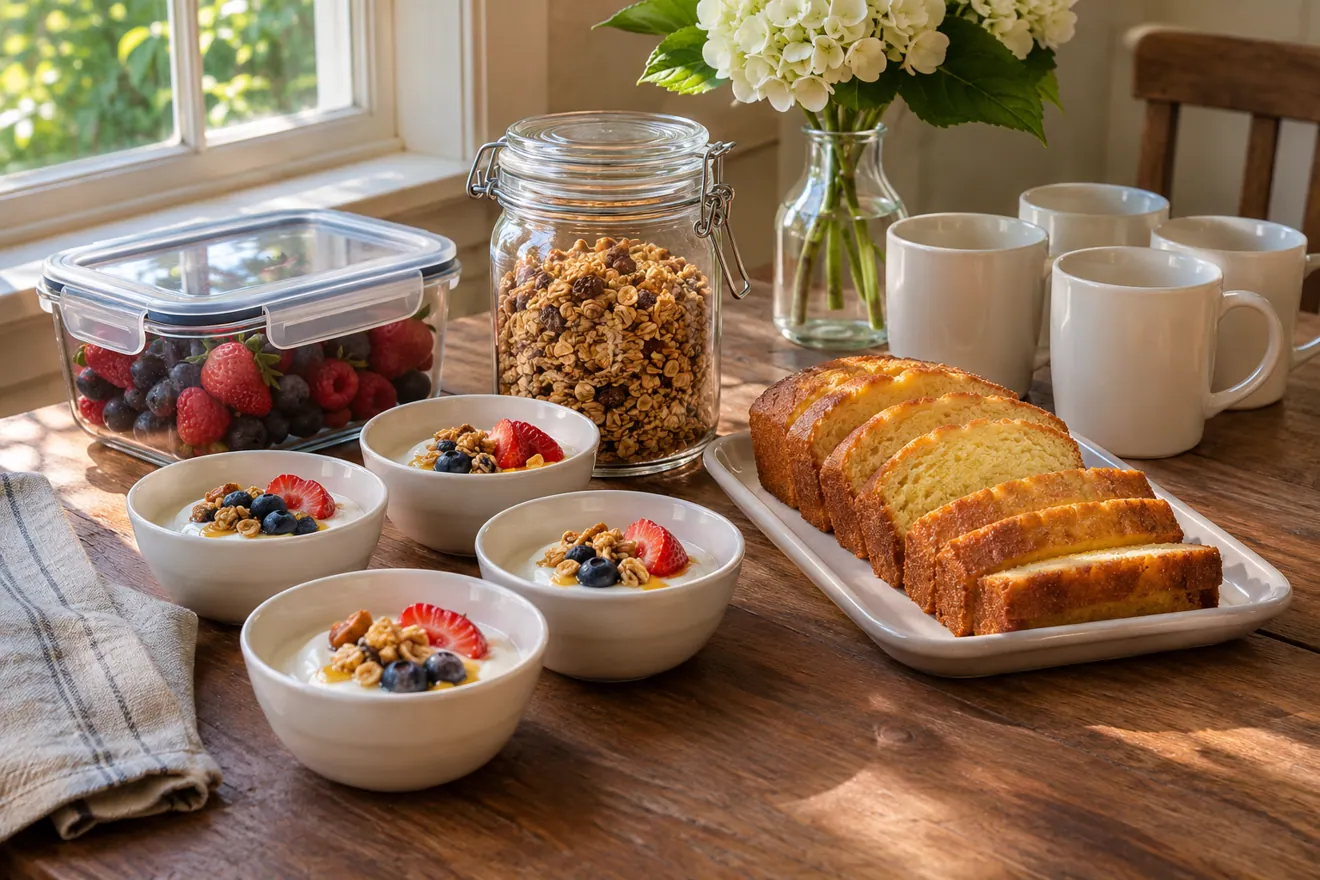
If guests are arriving across a long window, choose flexible foods such as yogurt, fruit, muffins and toast along with a smaller hot dish served at a defined time. It is difficult to keep delicate eggs or crisp pancakes at ideal quality for hours.
Never leave perishable food uncontrolled just to accommodate a late arrival. Store extra portions safely and reheat according to the recipe when needed.
Common Sunday Brunch Mistakes
Too many mains: cooking continues long after guests arrive. Not checking oven space: casseroles compete for different temperatures. Forgetting the cooling period: muffins can't be packed or frosted. Leaving perishable food out: the table becomes unsafe. Overdecorating: guests cannot reach their plates or see each other.
Frequently Asked Questions
What is the easiest Sunday brunch to host?
One recipe-approved baked casserole, a fruit platter and a pre-baked loaf or muffins can make a satisfying menu with limited last-minute work.
How many dishes should I make?
One main with two simple accompaniments is often plenty for a small group. Adjust the quantities and dietary options to your guest count.
Can I make brunch on Saturday?
Some components can be prepared a day ahead, especially suitable loaves, muffins and specific overnight casseroles. Follow their storage guidance.
Should I plate everyone's food?
A self-serve approach often feels more relaxed, particularly for informal gatherings. Provide suitable utensils and temperature control.
The Best Host Gets to Have Brunch Too
Casual Sunday brunch is about sharing a slow morning, not producing an elaborate restaurant menu. Make one dependable dish, set the table ahead, let simple sides do their work and leave room for conversation. A relaxed host can make a modest menu feel like a special occasion.
Some images are AI-generated illustrations of the dishes and techniques described.
IN PICTURES
From the baking notebook
FROM THE RECIPE BOX


