On this page
A baked pie can be a wonderful make-ahead dessert—provided you freeze the kind of pie that handles freezing well. A fully baked apple pie may be more forgiving than a delicate custard or cream pie, and a lattice fruit pie needs different protection from a fragile meringue topping. If you've ever pulled a soggy pastry or watery filling from the freezer, the problem may have started before it was wrapped.
This guide explains how to freeze a baked pie, protect its crust and plan a safe thaw or reheat. It focuses on general techniques, while emphasizing the exact recipe's instructions because different fillings and pastries behave differently.
First Decide Whether the Pie Should Be Frozen Baked
Many recipes for apple, berry or other baked fruit pies include freezing directions. Some can be frozen whole; others are better in portions. The baked fruit filling generally has enough structure to hold, although the crust may soften as it thaws.
Pumpkin, pecan, custard and cream pies vary more. Some recipes support freezing, but others may separate, become grainy or weep after thawing. Meringue toppings and whipped cream are often vulnerable to moisture changes. Check the recipe before treating all pies as freezer-friendly.
Cool the Pie Properly
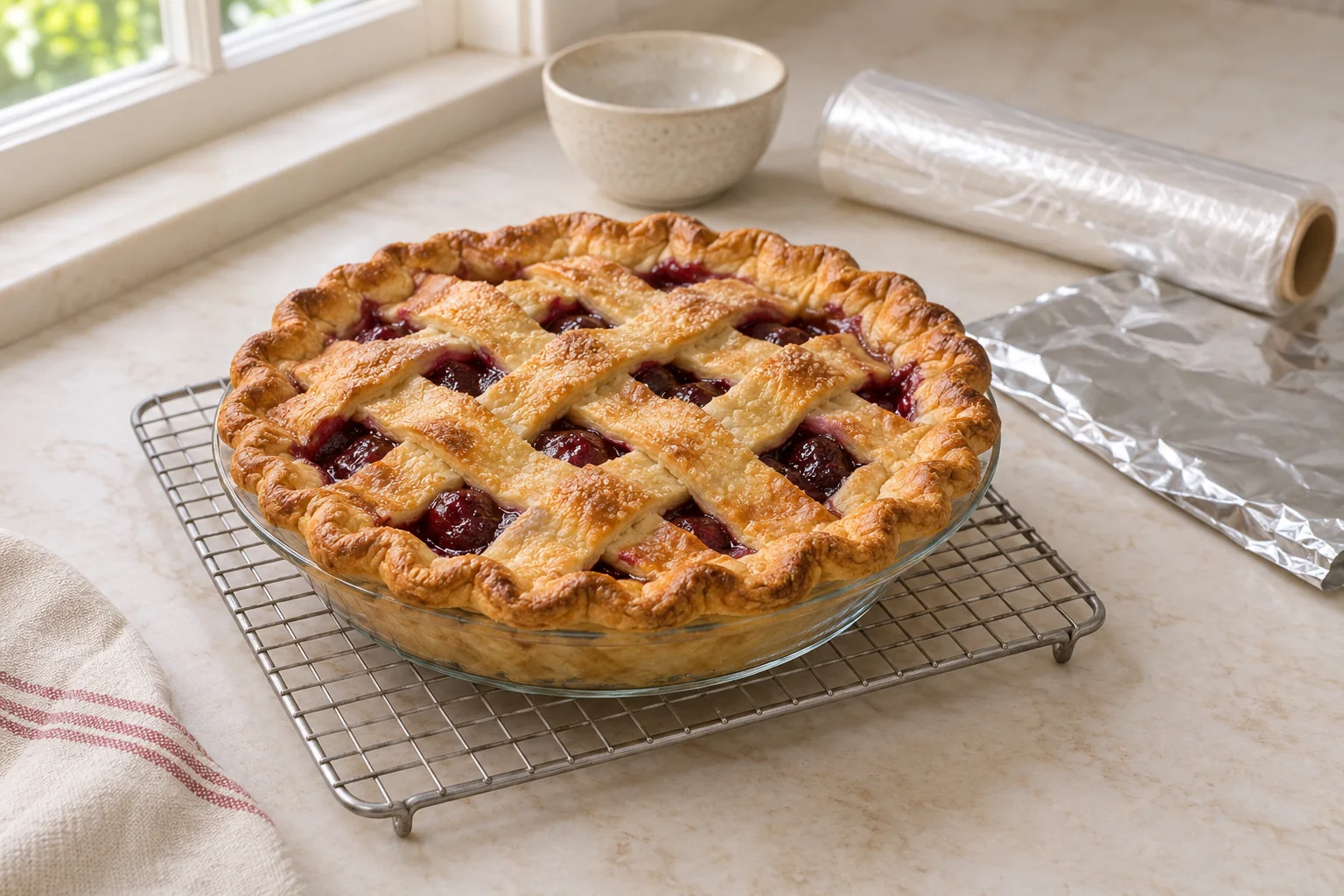
Cooling is the first essential step. A piping-hot fruit pie wrapped tightly can create condensation that softens the crust and forms ice crystals. Let the pie cool as the recipe directs before packaging.
Perishable pies containing egg or dairy need prompt, safe cooling and refrigeration; do not leave them sitting out indefinitely in pursuit of room-temperature perfection. If the recipe specifies chilling before freezing, follow that step.
Freeze Whole or by the Slice?
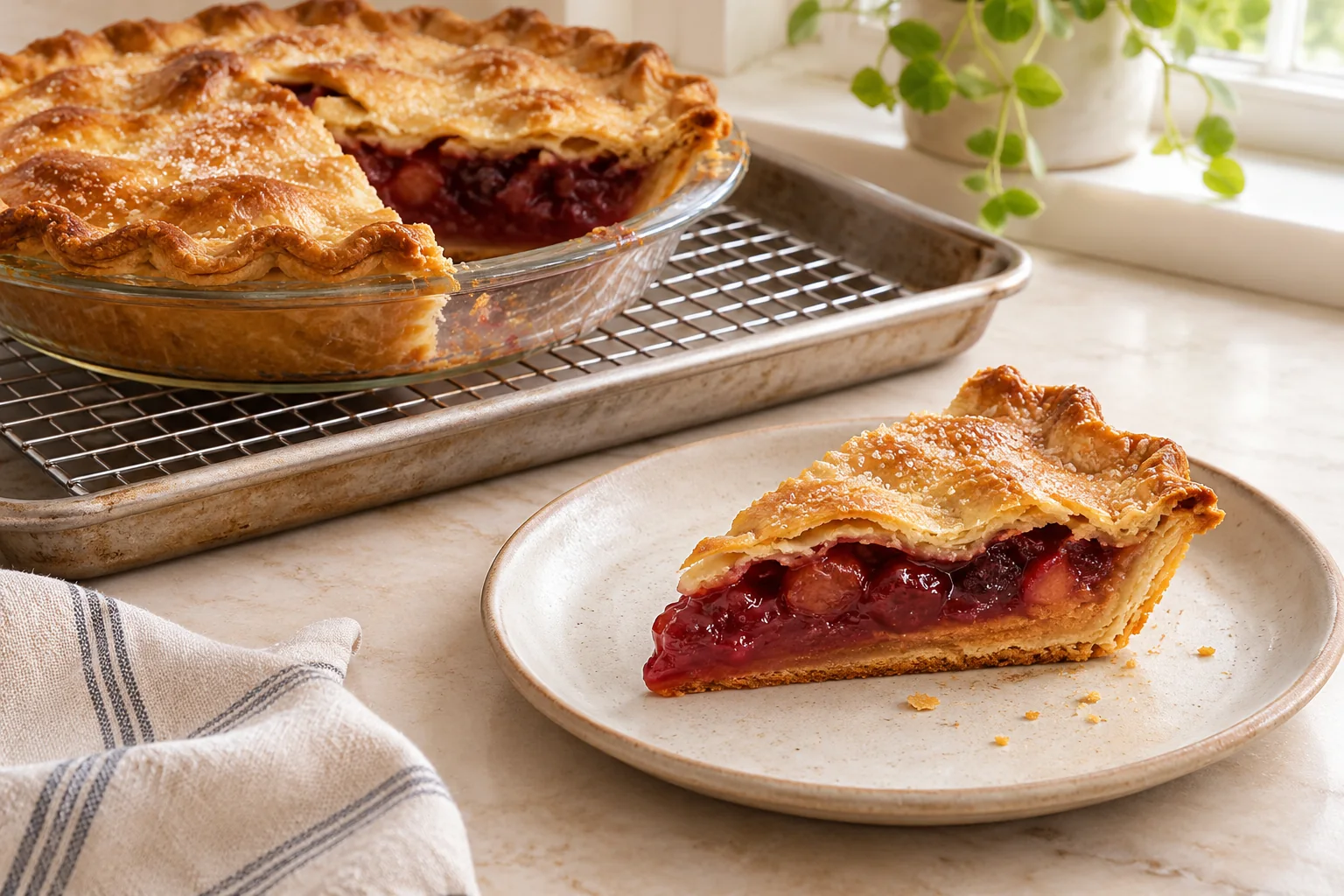
Freezing the whole pie protects its appearance and can be convenient for an upcoming family dinner. It may also require more freezer space and longer, more careful thawing. Slices are easier for small households: you can take out one portion without disturbing the entire pie.
For slices, allow the filling to set before cutting. Wrap individual wedges with suitable freezer-safe materials and protect them inside a rigid container so the crust doesn't crumble under other packages.
Choose Safe, Suitable Packaging
Use freezer-safe wrap or containers that limit exposure to air and odours. For a whole pie, protect the surface without pressing decorations flat. A rigid box or container helps prevent damage when the freezer is crowded.
Label with the filling, freezing date, pan material and the recipe's thawing or reheating instructions. If you freeze in the baking dish, verify the material's suitability for freezer storage and later reheating.
What If the Pie Has a Crumb Topping?
Crumb toppings are more fragile than a double crust. They may absorb moisture during thawing and lose crunch. Some recipes offer a reheating method that refreshes the topping; others are best frozen before baking.
Protect the streusel from crushing with a rigid cover. Avoid adding a fresh glaze or powdered sugar before freezing unless the recipe directs it.
How to Thaw a Baked Fruit Pie
Some baked fruit pie recipes recommend thawing before reheating, while others can be warmed from frozen. Follow the specific method. An unsuitable thaw may allow fruit juices to soak the crust or leave the center icy while the edges overheat.
For pies with perishable egg or dairy fillings, use safe refrigerator thawing, not overnight counter thawing. Plan enough time for a whole dense pie; a single slice thaws far faster than a full deep dish.
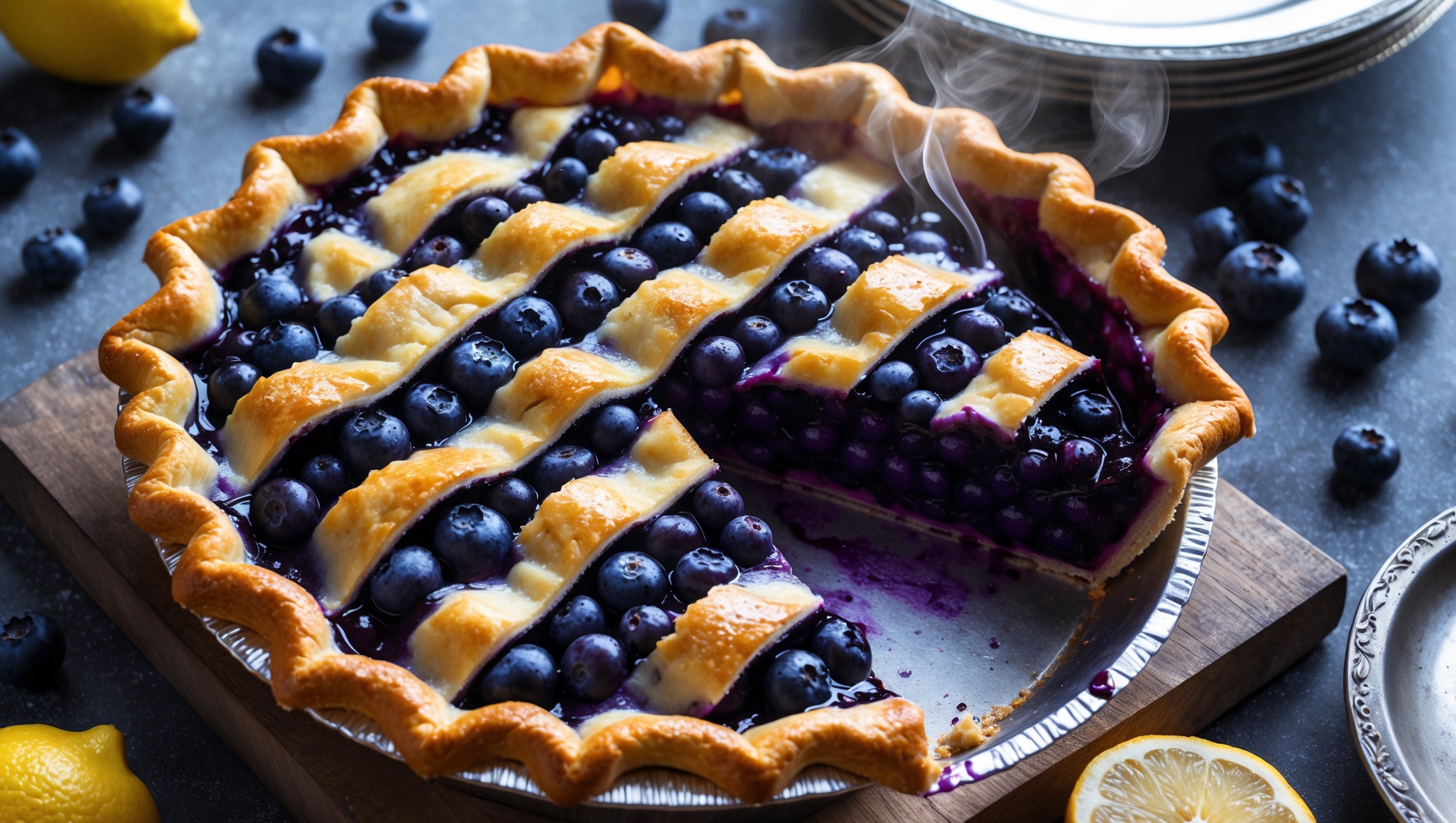
Recipe to try: Blueberry Pie. Blueberries release juice differently from apple slices. Follow this pie’s filling formula and allow its cooked filling to set before cutting.
How to Reheat Without Burning the Edges
Use the recipe's recommended oven temperature, timing and covering method. Reheating in an oven can refresh some fruit pie crusts better than microwaving, which often softens pastry. However, high heat can overbrown a crust before the filling is warmed through.
A loose foil shield over darkening edges may help if the recipe calls for it. Keep the pie on a suitable baking sheet to catch juices, and verify that the dish can tolerate the temperature changes.
Be Careful with Glass and Ceramic Dishes
A glass dish moved directly from deep freezing into a hot oven may crack or shatter due to thermal shock. Follow the manufacturer's instructions. If the pie was frozen in a dish that isn't safely suitable for the reheating method, do not improvise by exposing it to sudden temperature changes.
For future make-ahead projects, selecting an appropriate metal pie pan or freezing slices in containers may simplify reheating.
What About Pumpkin and Custard Pies?
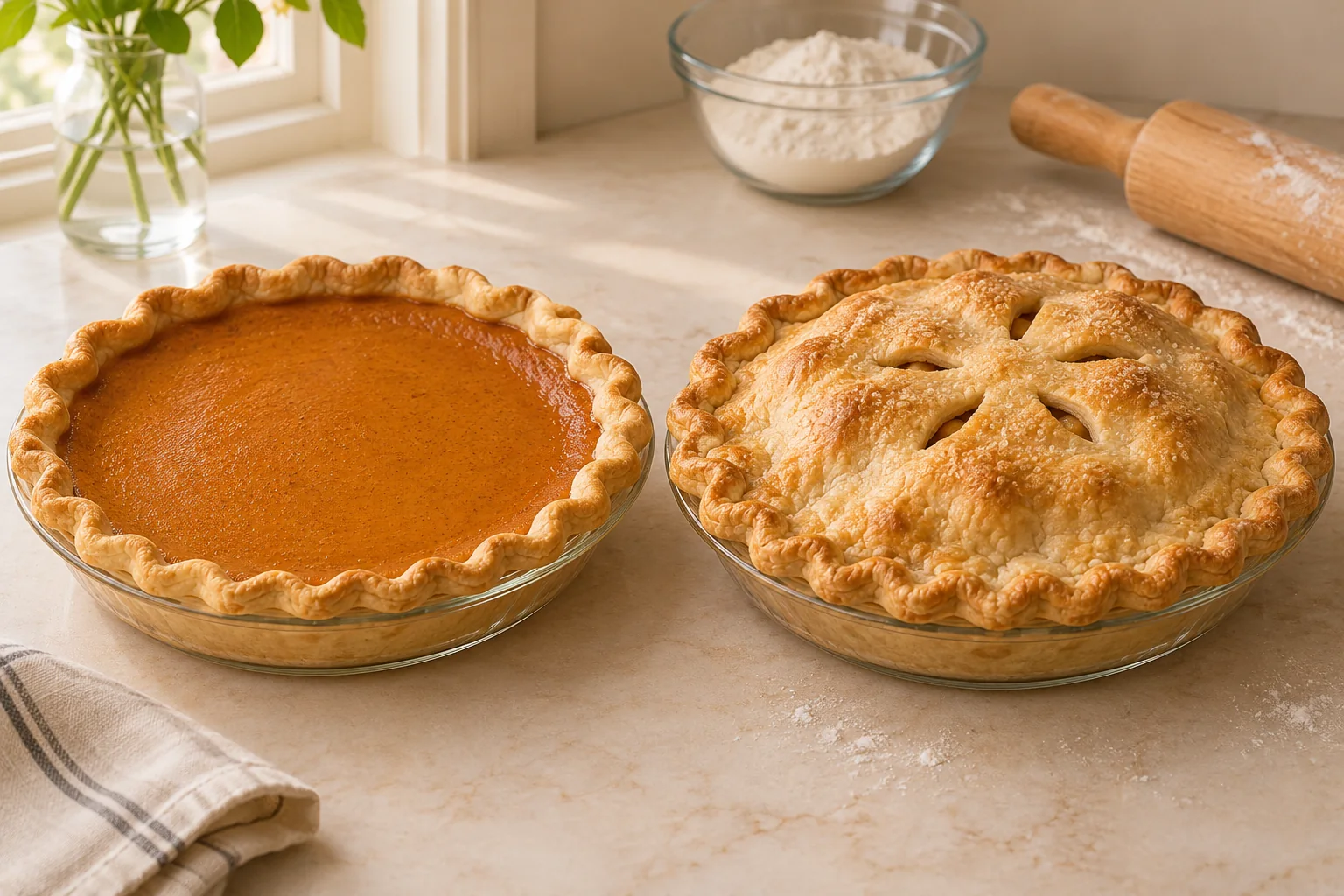
These fillings contain egg and often dairy, so they require careful temperature management. Freezing may affect texture, particularly for smooth custards. If the specific recipe supports freezing, follow its chilling and refrigerator-thaw directions; otherwise, baking closer to serving may be a better choice.
Never leave a custard pie at room temperature overnight to thaw. Keep it refrigerated at 4°C (40°F) or colder as required.
Can You Refreeze Thawed Pie?
Repeated freeze-thaw cycles can make pastry soggy and fruit fillings watery. Safety depends on how the pie was thawed and handled; avoid planning to refreeze a dessert after extended room-temperature exposure. Freeze smaller portions from the start to reduce waste.
When in doubt about time or temperature abuse, discard the pie rather than trying to rescue it with the freezer.
Why a Frozen Pie May Become Soggy
Condensation from wrapping while warm, poorly sealed packaging, overly wet filling, long thawing in unsuitable conditions and microwaving can all affect texture. Some loss of crispness is normal; freezing changes how water moves through pastry and fruit.
For future pies, consider freezing the unbaked assembled pie if the recipe was developed for that method. Baking from frozen can sometimes give a fresher crust than reheating a fully baked pie.
A Practical Pie-Freezing Checklist
Confirm that the recipe allows freezing. Cool or chill safely. Decide between whole and sliced portions. Choose suitable packaging and a safe dish. Label with date and exact reheating directions. Freeze level at −18°C (0°F) or colder. Before serving, allow the appropriate thawing time and reheat only by the supported method.
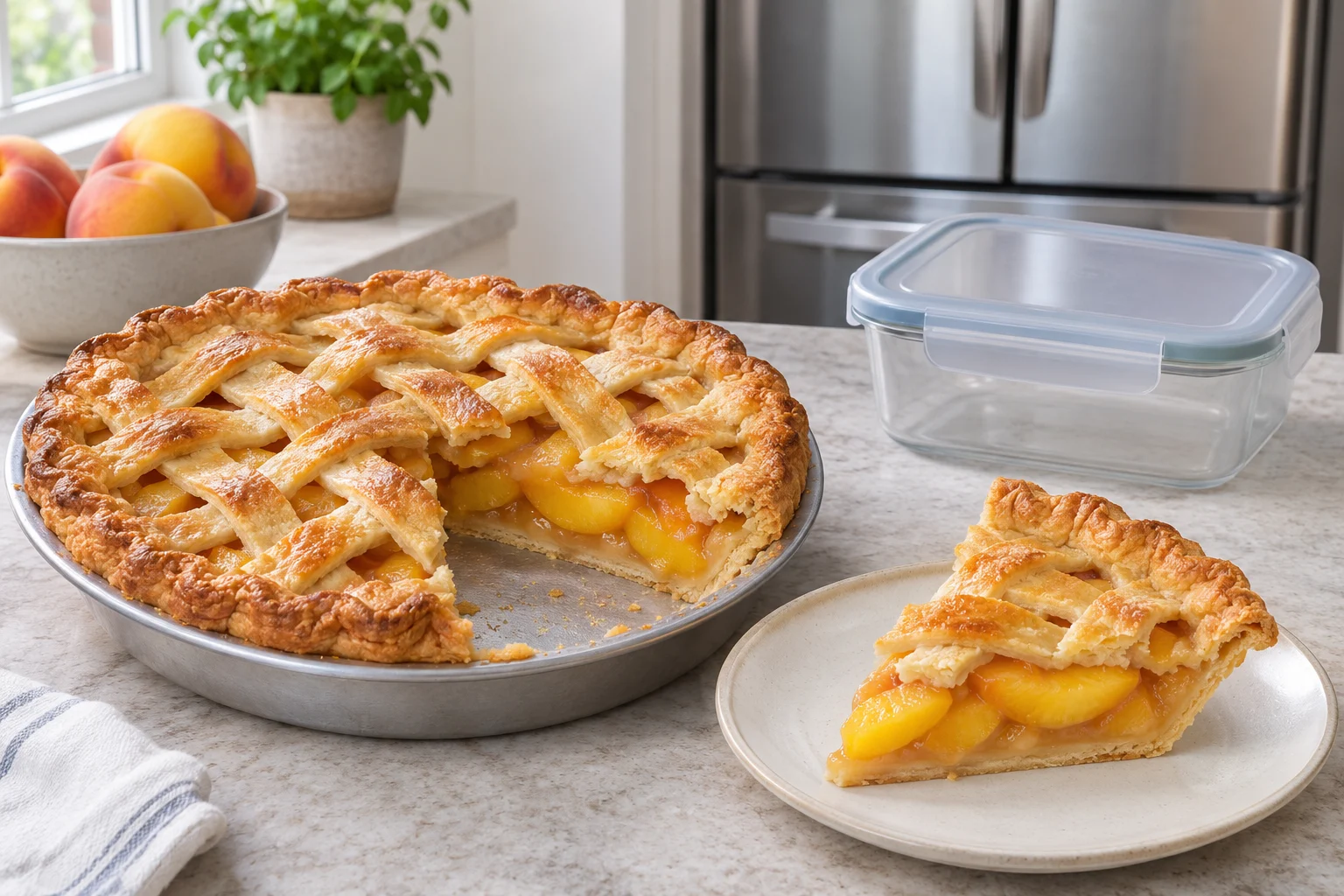
Recipe to try: Fresh Peach Pie. Peaches bring their own moisture and texture. Use this recipe’s preparation and thickener rather than borrowing an apple-pie ratio.
Frequently Asked Questions
Can you freeze homemade apple pie after baking?
Many apple pie recipes allow it. Cool properly, wrap protectively and follow that recipe's thawing and reheating instructions.
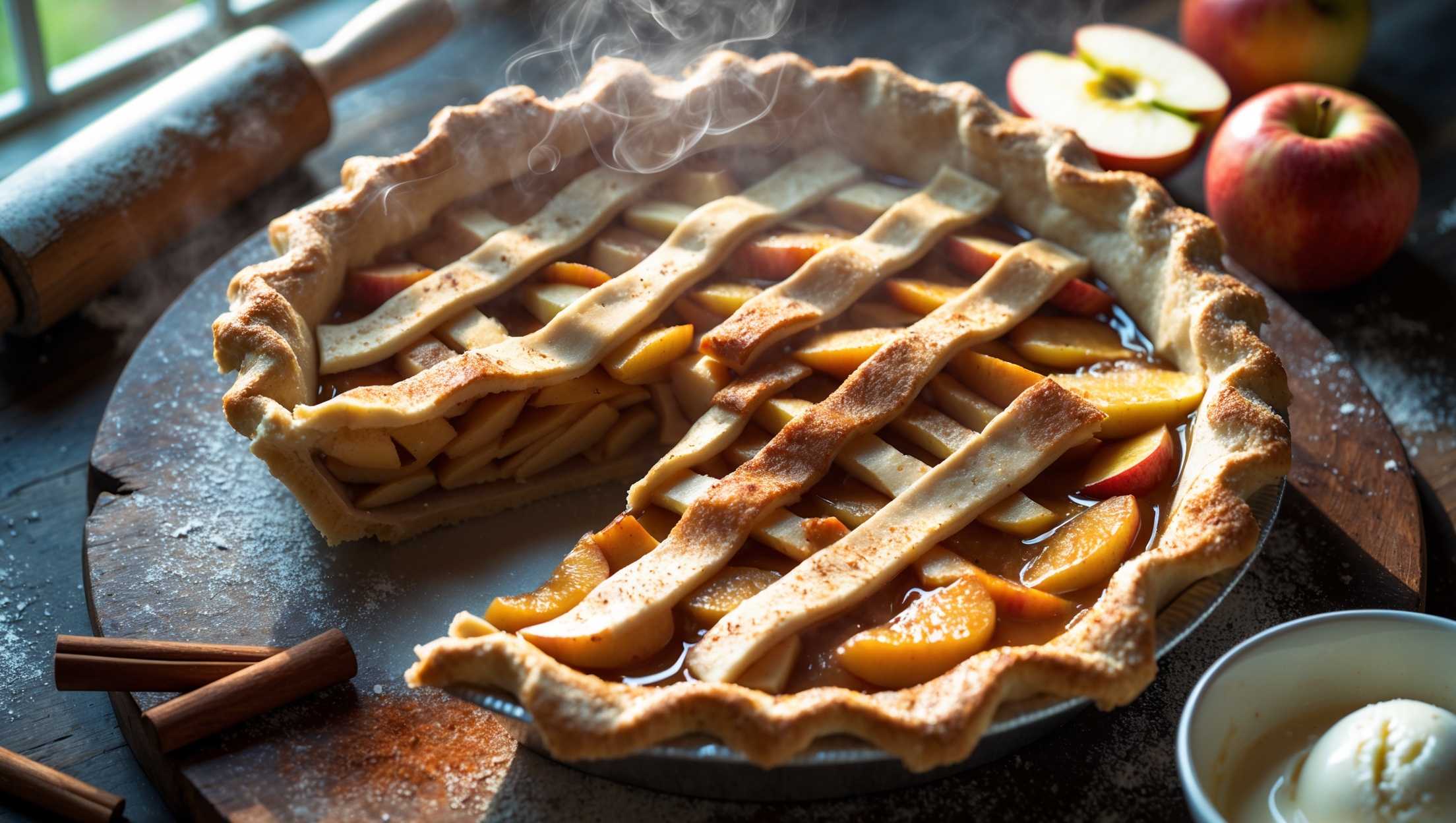
Recipe to try: Classic Apple Pie. Use the apple preparation, filling quantities and pastry method specified for this pie. A different fruit can require a different thickener balance.
Should I freeze the pie in its dish?
Only if the dish is freezer-safe and you can reheat it without unsafe temperature changes. Manufacturer guidance matters, especially for glass.
Will a baked pie taste freshly baked after freezing?
It may still taste very good, but some fillings release liquid and crusts can lose crispness. Recipe choice, packaging and reheating technique influence the result.
How long does a frozen baked pie last?
Use the recipe's quality window and record the freezing date. Freezer life varies with filling, packaging and storage conditions.
Is microwaving a pie slice okay?
Some recipes allow gentle microwaving, but it often softens pastry. For a crisp crust, use the recipe's oven reheating directions where appropriate.
Freeze the Pie, Preserve the Pleasure
A baked pie doesn't have to be a same-day undertaking. Choose a freezer-friendly recipe, allow proper cooling, wrap carefully and plan the serving method before freezing. A little attention to the crust and filling will do more than any last-minute trick after thawing.
IN PICTURES
From the baking notebook
FROM THE RECIPE BOX


