On this page
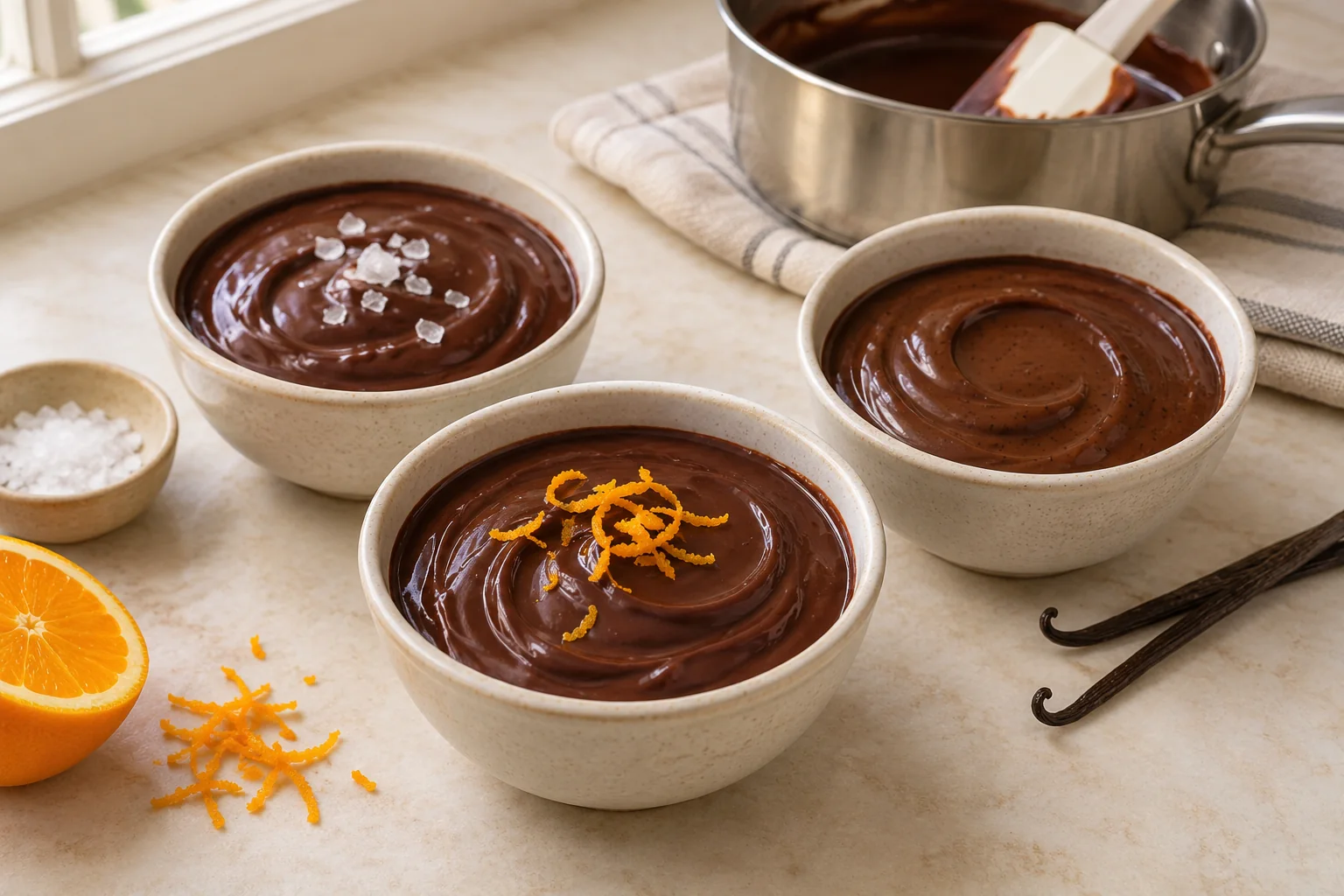
Chocolate ganache is delicious on its own: glossy, rich and surprisingly versatile. But the same basic idea can become an orange-scented cake filling, an espresso truffle centre or a delicate tea-infused frosting. The challenge is adding flavour without upsetting the careful balance that makes ganache smooth.
Ganache isn't simply a mixture you can stir unlimited ingredients into. The way you introduce coffee, citrus, extracts, nuts or fruit affects its water content, fat balance and ability to set. The best approach is to match the flavouring technique to the ingredient—and to the type of ganache you want at the end.
Understand Ganache Before Flavoring It
Traditional ganache combines chocolate with cream or another liquid to form a smooth emulsion. The chocolate contributes cocoa solids, cocoa butter and sugar; the liquid phase allows those components to form a cohesive texture. Some formulations also include butter, glucose syrup, invert sugar or stabilizers for particular purposes.
A cake drip needs to flow at the right rate, a truffle filling needs a firm set, and whipped ganache needs the correct structure to hold air. Even a small flavour addition can affect those goals if it introduces extra water or fat.
Choose Chocolate That Complements the Flavour
Dark chocolate works especially well with coffee, orange, warm spices and certain tart fruits. Milk chocolate is naturally sweeter and can pair beautifully with caramel, hazelnut and gentle coffee notes. White chocolate provides a pale, creamy base for vanilla, citrus and delicate berry flavours.
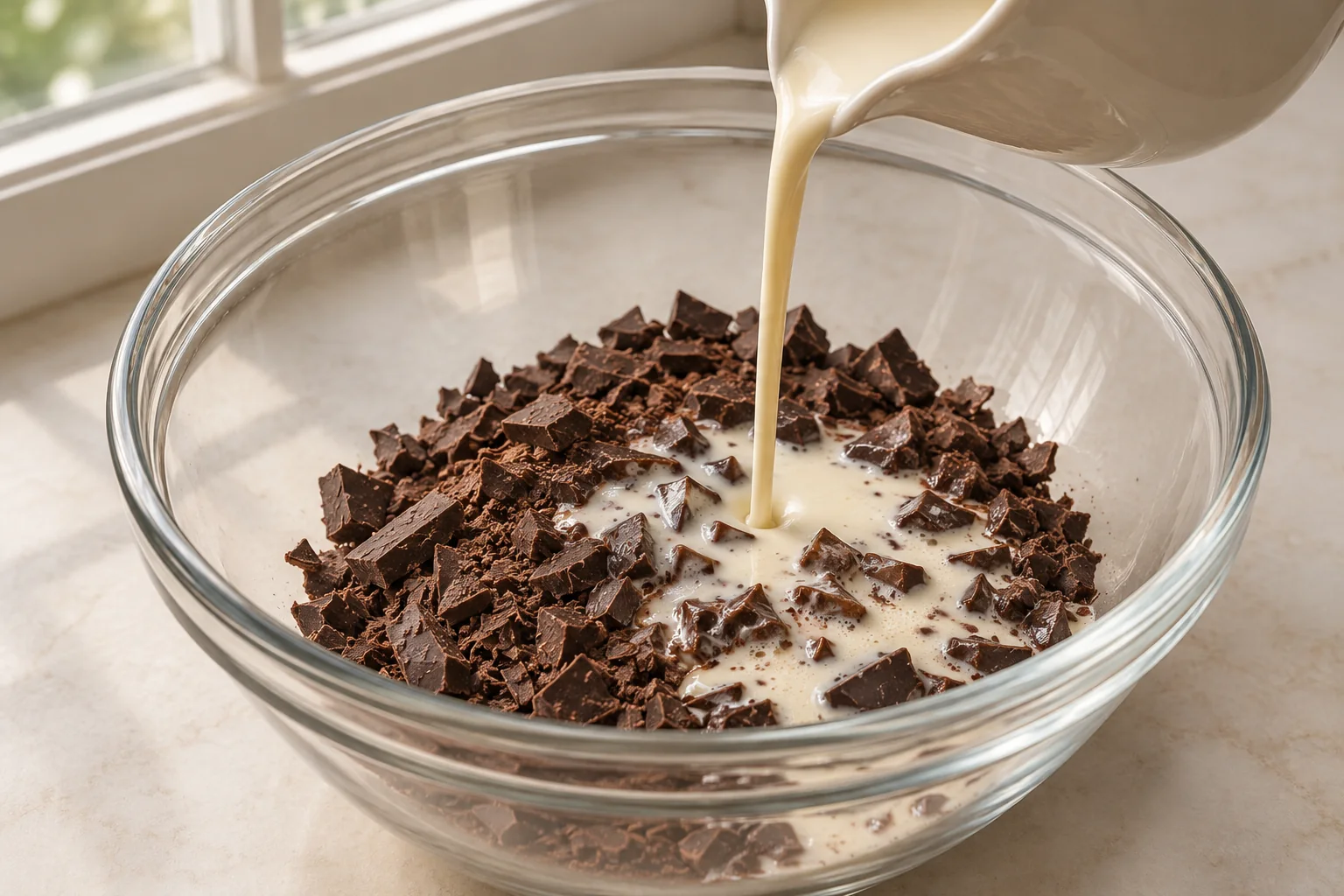
Don't use one ganache ratio for all three chocolate types. Cocoa butter, milk solids, cocoa solids and sugar content change the way ganache thickens. Select a recipe appropriate for the chosen chocolate before adding flavour.
Three Ways to Add Flavor
Infusion: steep aromatic ingredients in the cream, strain and use the flavoured cream in the ganache. Measured concentrated additions: use a small quantity of suitable extract, espresso powder or spice according to a tested formula. Reformulation: adjust the recipe when adding substantial fruit purée, nut paste, liquid coffee or alcohol.
Infusing cream is often the easiest route for a clean flavour with minimal texture change, provided you restore any liquid lost during heating or straining according to the recipe.
1. Vanilla Bean Ganache
Vanilla is a gentle way to enhance chocolate without competing with it. A split vanilla bean can be steeped in cream following a tested recipe, giving a rounded aroma to dark, milk or white chocolate ganache.
Vanilla paste or extract may also work in a measured quantity. Too much liquid extract can change the mixture, so don't assume a tablespoon is automatically better than a teaspoon.
2. Espresso and Coffee Ganache
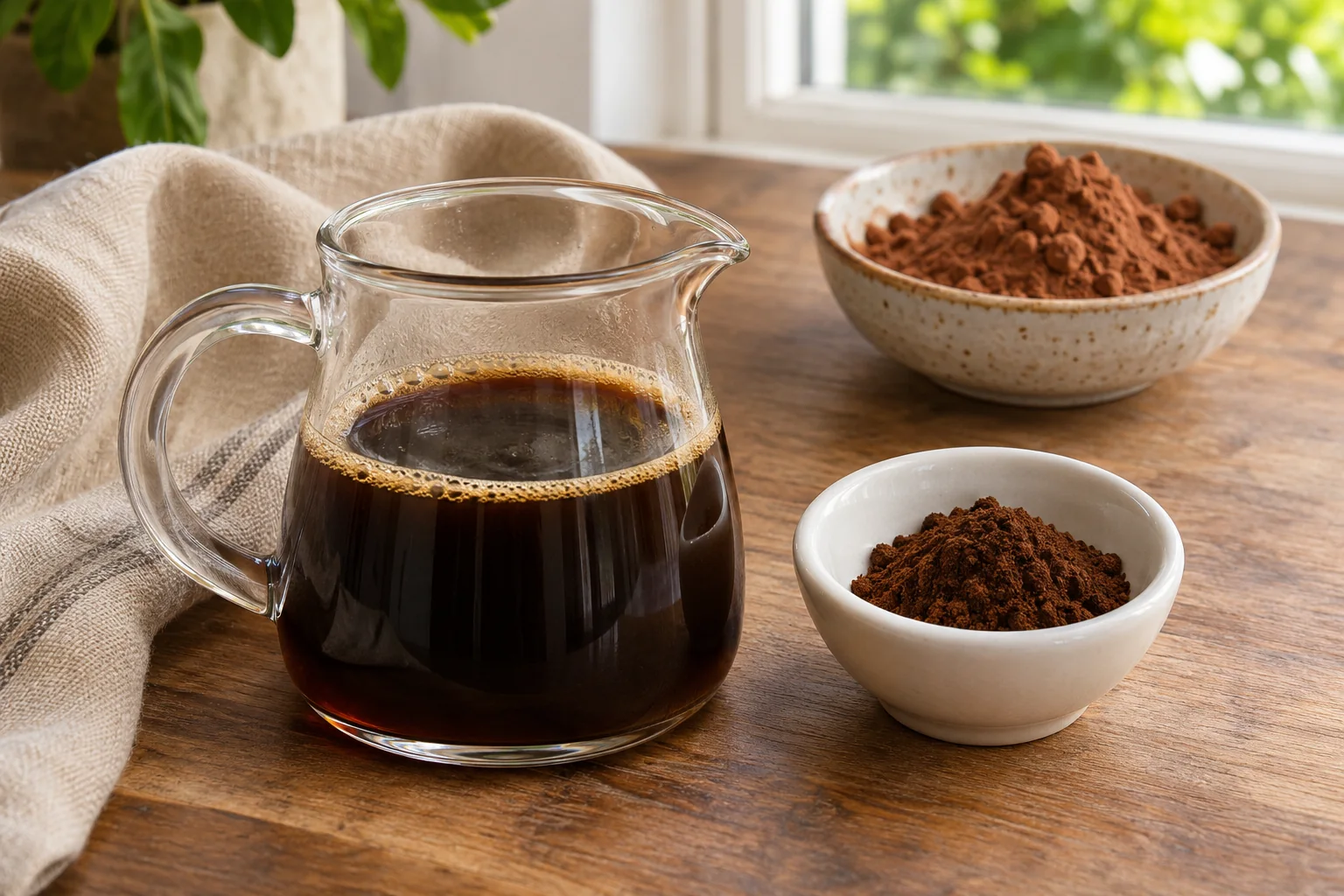
Coffee deepens the roasted flavour of dark chocolate and can add a pleasant bitterness to sweeter milk chocolate. Some ganache formulas use a small amount of instant espresso powder, while others replace part of the liquid with brewed coffee.
Those techniques are not interchangeable. Brewed coffee contributes substantial water, while soluble espresso powder adds flavour more compactly. Use a formula developed for the ingredient form and dissolve it thoroughly.
3. Orange Ganache
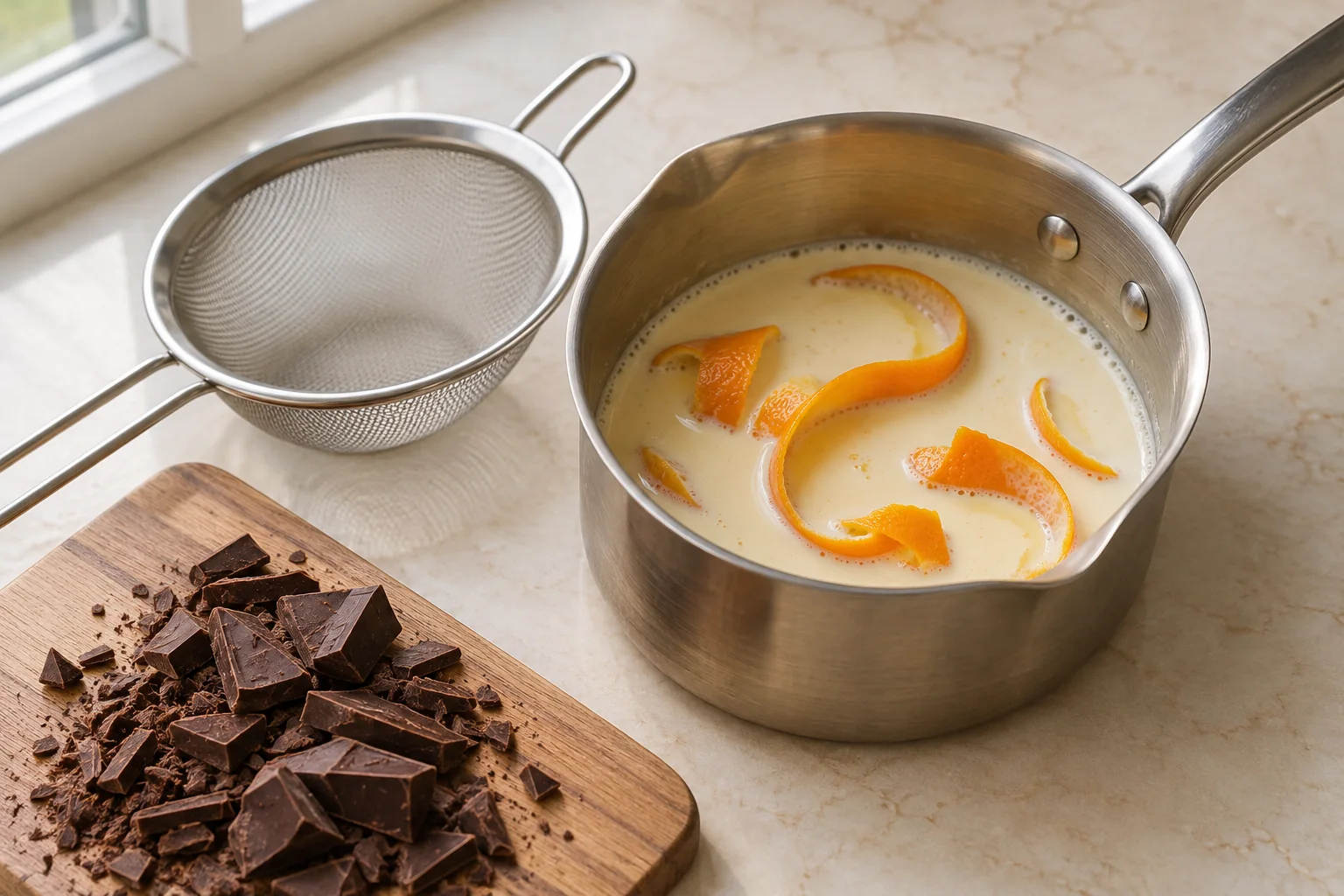
Orange zest brings fragrant oils without the same water content as orange juice. One approach is to gently infuse warm cream with zest, strain it and use the flavoured cream in the ganache.
Choose fruit with a clean rind and avoid the bitter white pith. Orange juice and citrus purées add acidity and liquid, so they require a tested ganache formula rather than an unmeasured splash into finished chocolate.
4. Lemon or Lime with White Chocolate
White chocolate's sweetness often benefits from a bright citrus contrast. A small amount of finely grated zest or a suitable infused cream can add fragrance while preserving the ganache's creamy character.
If you want a distinctly tart lemon or lime ganache, choose a fruit-based recipe that accounts for the juice or purée. High acidity and extra water can affect emulsion stability and set.
5. Earl Grey Tea Ganache
Black tea scented with bergamot makes an elegant flavour pairing with milk chocolate or dark chocolate. A tested method gently heats cream with tea, allows a controlled steep and strains out the leaves before adding the liquid to chocolate.
Be careful about oversteeping, which may produce astringency. If tea leaves absorb cream, the measured liquid balance can change; use a recipe that tells you how to account for the loss.
6. Chai-Spiced Ganache
Cardamom, cinnamon, cloves, ginger and other chai-inspired spices can bring warmth to chocolate. You can steep whole spices in cream in a carefully controlled infusion, then strain thoroughly.
A gentle spice profile is usually more versatile than an overwhelmingly strong one. Use tested amounts so the flavour supports the chocolate and the mixture doesn't become gritty with undissolved spice powder.
7. Cinnamon Ganache
Cinnamon can work with dark chocolate, milk chocolate or caramel. Infusing cream with a cinnamon stick gives a different texture from stirring ground cinnamon directly into finished ganache.
Finely ground cinnamon may leave visible flecks or slight grittiness when overused. If a perfectly smooth coating is essential, use an infusion method designed for that finish.
8. Mint Ganache
Mint can be introduced through fresh leaves infused into cream or a carefully measured food-safe flavouring. Fresh mint requires clean handling and appropriate straining. Peppermint flavourings can be very strong, so start with a tested quantity rather than tasting drops from an undiluted concentrate.
Mint is especially effective with dark chocolate, but too much can overwhelm the entire dessert. Remember that oil-based flavourings and alcohol-based extracts may behave differently in the mixture.
9. Hazelnut Ganache
Hazelnut pairs naturally with milk and dark chocolate. Praline paste and pure nut paste contribute fat and solids, not just aroma. Adding a large spoonful changes the overall formula and may affect firmness.
Use a hazelnut ganache recipe that includes the nut paste in its measured ingredients. Clearly identify tree nuts on finished desserts and account for cross-contact in the kitchen.
10. Peanut Butter Ganache
Peanut butter is delicious with chocolate but introduces its own fat, solids and sometimes sugar. Stirring it into a finished ganache can produce a texture different from the original recipe, particularly if the peanut butter separates.
Choose a recipe written specifically for peanut-butter ganache. Read labels and be careful when sharing food because peanuts are a major allergen.
11. Raspberry Ganache
Raspberry makes a striking contrast to both dark and white chocolate. Yet the fruit contributes water and acidity that must be balanced against the chocolate and any cream. A purée-based formula may call for specific solids, sweeteners or additional cocoa butter to stabilize the result.
For a straightforward cake, another option is to use plain chocolate ganache with a separate thin layer of prepared raspberry filling, provided the cake recipe supports it. That gives flavour contrast without improvising a complex fruit emulsion.
12. Passion Fruit Ganache
Passion fruit's acidity and perfume can pair beautifully with sweet white chocolate or milk chocolate. Professional confectionery recipes sometimes make passion fruit ganache by combining measured purée with chocolate and other ingredients in a precisely designed emulsion.
Do not simply replace all the cream in a dark ganache with passion fruit juice and expect the same firmness.
13. Coconut Ganache
Coconut cream can contribute coconut flavour and a rich texture, but it has a different fat and water profile from dairy whipping cream. Some dairy-free ganache formulas are built around coconut cream; others use a particular plant-based product with stabilizers.
Use the correct coconut product specified by the recipe. Coconut milk from a carton, canned coconut milk and thick canned coconut cream are not direct equivalents.
14. Salted Caramel Ganache
Chocolate and caramel make a deeply satisfying combination, particularly for cake fillings and truffles. Caramel adds sugar and sometimes cream and butter, so it changes the ganache formula rather than functioning like a few drops of extract.
Choose a tested salted-caramel ganache recipe designed for its intended consistency. If using a separate caramel layer in a cake, make sure it isn't so fluid that it escapes between the sponge layers.
15. Floral or Herbal Ganache
Lavender, rosemary and other edible culinary herbs can add a delicate aroma through carefully measured cream infusions. Their flavours become overpowering easily, and not all garden flowers are safe to eat.
Use culinary-grade, food-safe ingredients, a validated recipe and accurate steeping times. Avoid essential oils unless they are expressly formulated and approved for food use at a specified dosage.
How to Infuse Cream Without Losing the Ratio
Begin with the measured cream called for in an infusion-based ganache recipe. Heat it with the aromatics as directed, steep for the prescribed time and strain. Tea leaves, herbs and spices can retain some liquid, while prolonged heating can cause evaporation.
A good recipe may instruct you to reweigh the strained cream and restore any loss with the specified liquid. That step matters because ganache texture is sensitive to changes in total water and fat.
When to Add Extracts
Some flavour extracts are incorporated after the chocolate and cream have formed a smooth emulsion; others are added to the warm cream first. The correct timing depends on the flavouring and recipe.
Don't add concentrated extracts while tasting extremely hot ganache. Allow a small sample to cool safely before assessing the flavour, since heat can change how sweetness and aromas are perceived.
Why Liquid Fruit Flavourings Can Cause Trouble
Fruit juice and purée introduce significant water, acids and natural sugars. This changes the emulsion and can alter the set of a truffle or cake drip. Some acidic fruits also have enzymes or other components that affect certain dairy preparations.
A measured fruit ganache recipe is more reliable than stirring a few tablespoons of fresh fruit into an existing ganache. Keep the fruit's storage and handling requirements in mind.
How to Flavor Whipped Ganache
Whipped ganache is designed to be aerated after chilling. The flavouring should usually be built into the unwhipped emulsion according to the chosen recipe. Adding liquid to fully whipped ganache may deflate it or create a broken texture.
For infused whipped ganache, many professional formulas first emulsify warm cream and chocolate, add cold cream, refrigerate and whip only when thoroughly chilled.
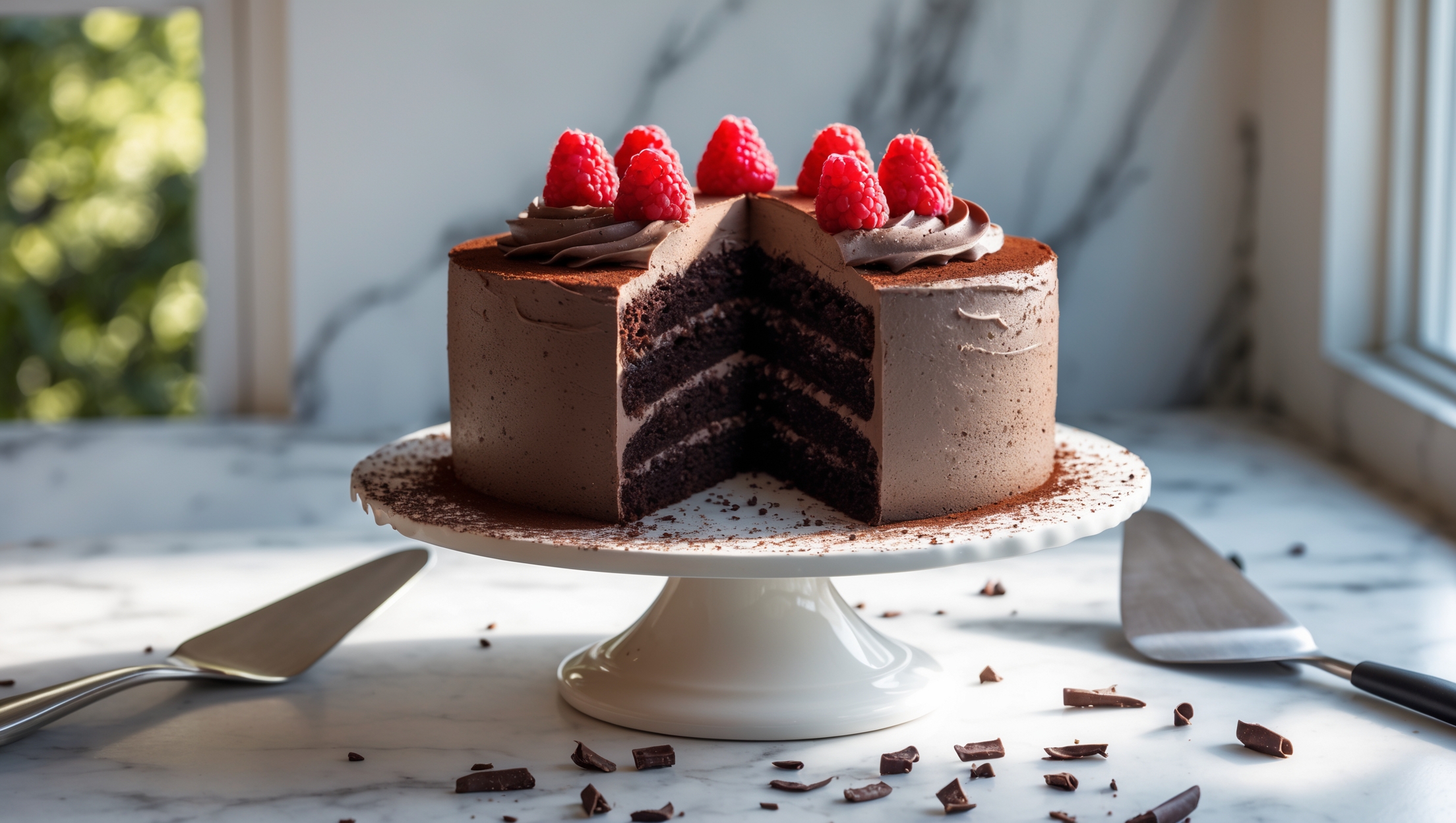
Recipe to try: Chocolate Layer Cake. Chocolate cake provides a larger baking project for practising ingredient preparation. Keep the batter and frosting instructions together.
How to Keep Ganache Smooth
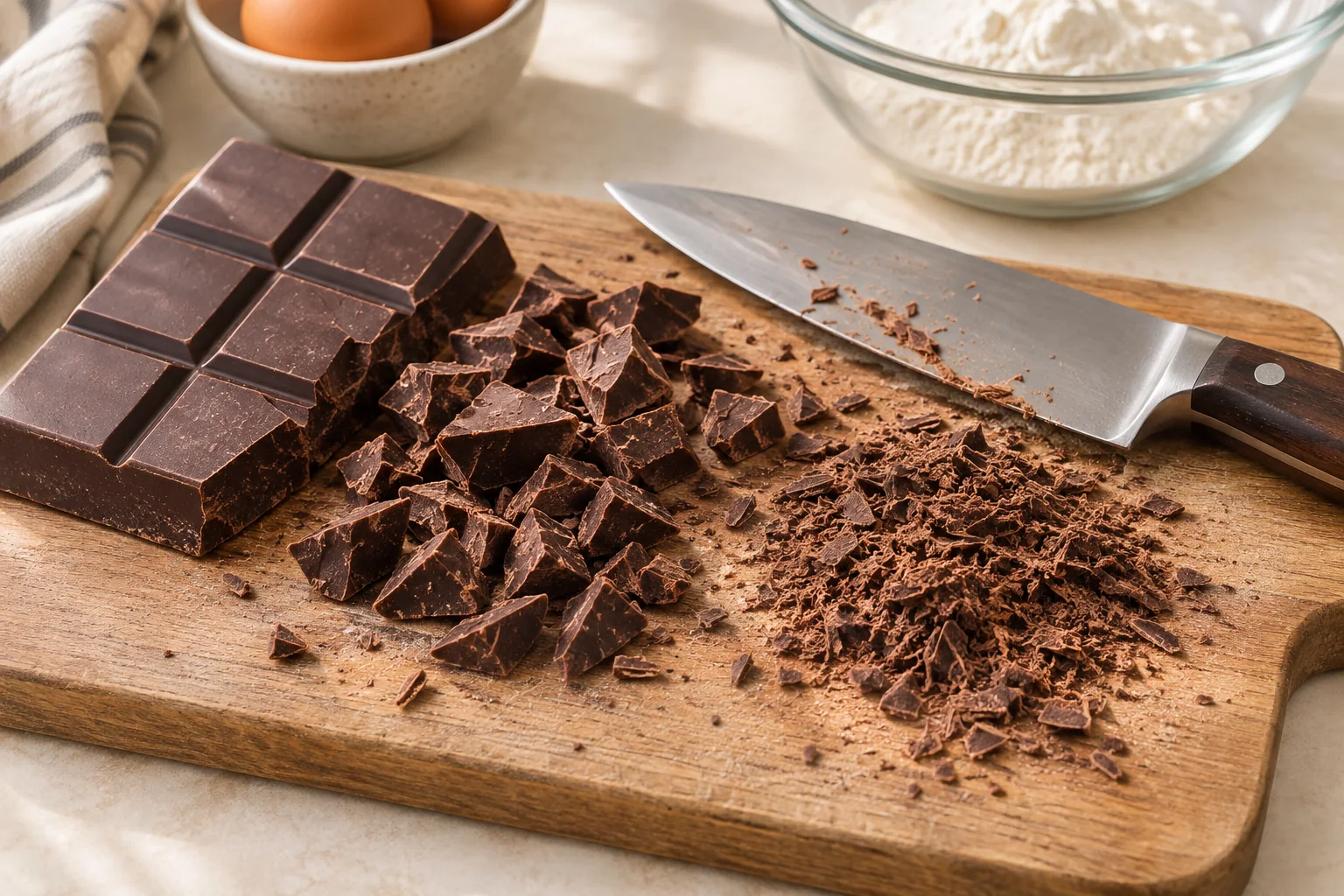
Finely chop the chocolate, weigh ingredients, warm the liquid appropriately and build the emulsion gradually as directed. Some recipes use an immersion blender held beneath the surface to reduce air bubbles and achieve a fine texture.
Stop and assess if the ganache becomes oily or grainy. More heat and vigorous whipping aren't guaranteed fixes. A recipe-specific warm-liquid repair may help a broken emulsion, but the finished firmness may change.
Flavorings That Usually Need Reformulation
Large quantities of liqueur, strong coffee, fruit purée, citrus juice, caramel sauce, peanut butter or nut paste contribute substantial liquid, fat, acidity or sugar. They're wonderful ingredients, but they generally call for a ganache formula designed around them.
For a first experiment, choose a flavour that can be infused into cream, such as vanilla, cinnamon or tea, rather than changing several structural ingredients at once.
Ganache for Drips, Fillings and Truffles
For a cake drip, the ganache needs the right flow at the cake's temperature. For a filling, it needs enough body to support the layers. For truffles, it must set firmly enough to shape. Flavouring amounts should be tested with that particular use in mind.
If you have leftover thin flavored ganache, it may make a delicious sauce, but it won't necessarily become a stable truffle centre merely by chilling longer.
Recipe to try: Chocolate Tart. A chocolate tart offers a complete pastry-and-filling project. Use the chocolate and liquid quantities specified for its filling.

Storage and Food Safety
Homemade ganache containing dairy cream is perishable. Follow the formula's storage guidance and refrigerate at 4°C (40°F) or colder when required. Fresh fruit, herbal infusions and other additions can affect shelf life, so don't automatically apply a plain ganache's storage window to a newly flavored version.
For confectionery sold to others or held at room temperature for extended periods, professionally validated water activity, formulation and food safety may be needed. A home recipe isn't automatically shelf-stable because it contains chocolate.
Frequently Asked Questions
Can I add vanilla extract to chocolate ganache?
Many recipes allow a measured amount. Follow the formula and avoid pouring in extra liquid without considering texture.
How do you make coffee ganache?
Use a recipe designed for instant espresso powder, brewed coffee or infused cream. They contribute different amounts of liquid.
Recipe to try: Mocha Bundt Cake. Coffee and chocolate come together in this Bundt cake. Use its own glaze proportions for the intended consistency.

Can I add fruit purée directly to ganache?
Only when the recipe accounts for its water, sugar and acidity. Fruit ganache often needs a purpose-built formula.
What is the easiest ganache flavour for beginners?
A vanilla or warm-spice cream infusion is an approachable starting point with a tested recipe.
Why did my flavored ganache split?
The new ingredient may have altered the emulsion, or the mixture may have overheated. Check the recipe's ratios and how the flavour was incorporated.
Flavour That Belongs in the Ganache
The most elegant flavoured ganaches taste integrated rather than as if a new ingredient was stirred in at the end. Infuse aromatic ingredients carefully, reformulate for substantial liquid or fat additions and choose chocolate that complements the flavour. A little restraint often produces the smoothest texture and the most memorable taste.
IN PICTURES
From the baking notebook
FROM THE RECIPE BOX


