On this page
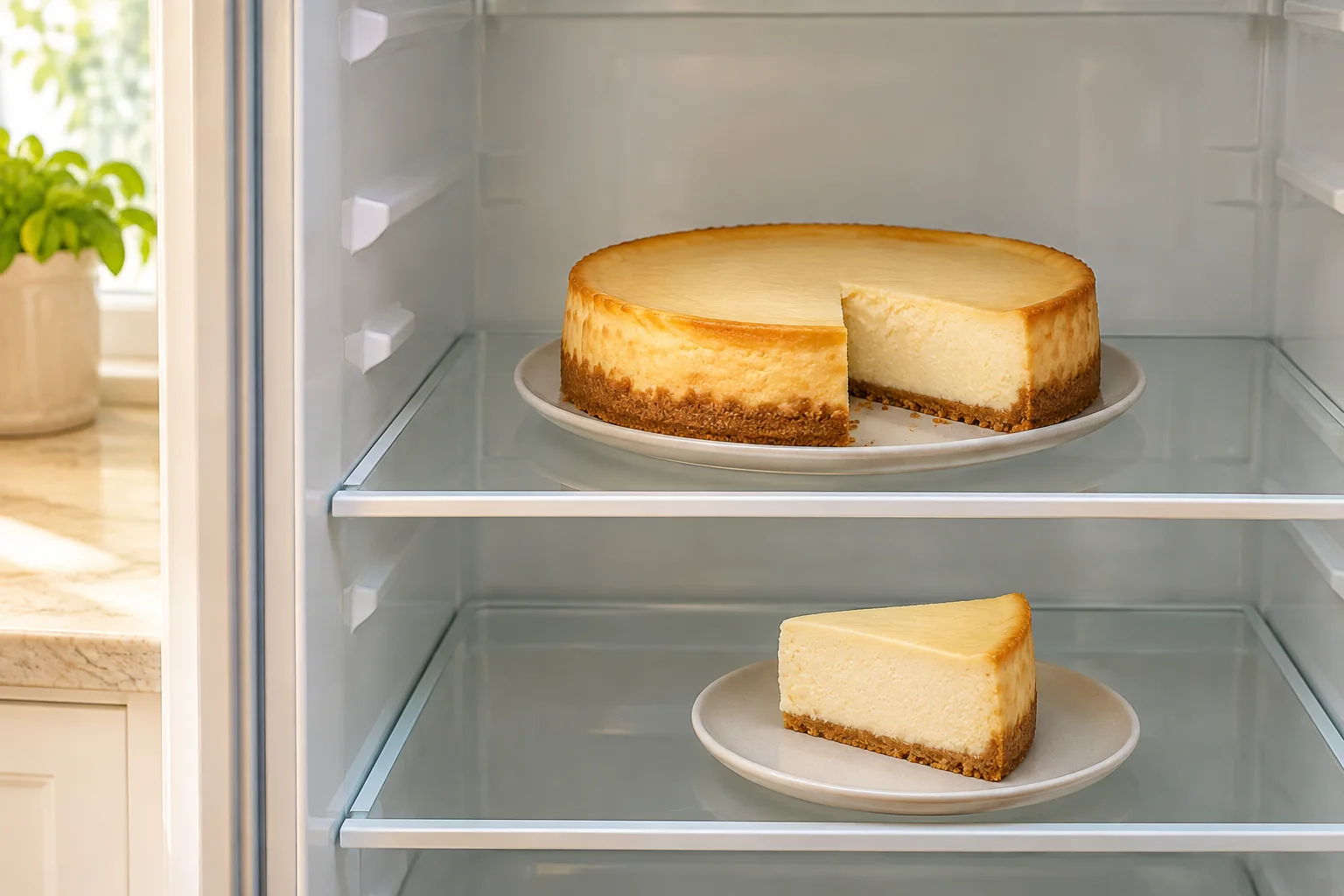
Cheesecake often looks finished when you turn off the oven or smooth the top of a no-bake filling. Yet that is only the beginning of the setting process. A baked cheesecake needs to cool and then chill until the egg-and-dairy custard is firm and pleasant to slice. A no-bake cheesecake may rely entirely on refrigeration to hold its shape. The right waiting period depends on the recipe and pan, but planning it in advance makes serving far less stressful.
The short answer
Plan several hours of refrigerator time for a full-size cheesecake; many formulas need an overnight chill. Baked and no-bake fillings set differently, so use the complete chilling time in your chosen recipe. Smaller portions may chill sooner, but size alone does not establish a safe or reliable serving time.
Cooling is different from chilling
Cooling refers to bringing a hot baked cheesecake down toward a safe temperature after the oven. Chilling means holding the cheesecake in the refrigerator so it sets further and remains safe to store. They are separate steps. An hour in a switched-off oven is not the same as an hour in a refrigerator.
Why baked cheesecake firms as it cools
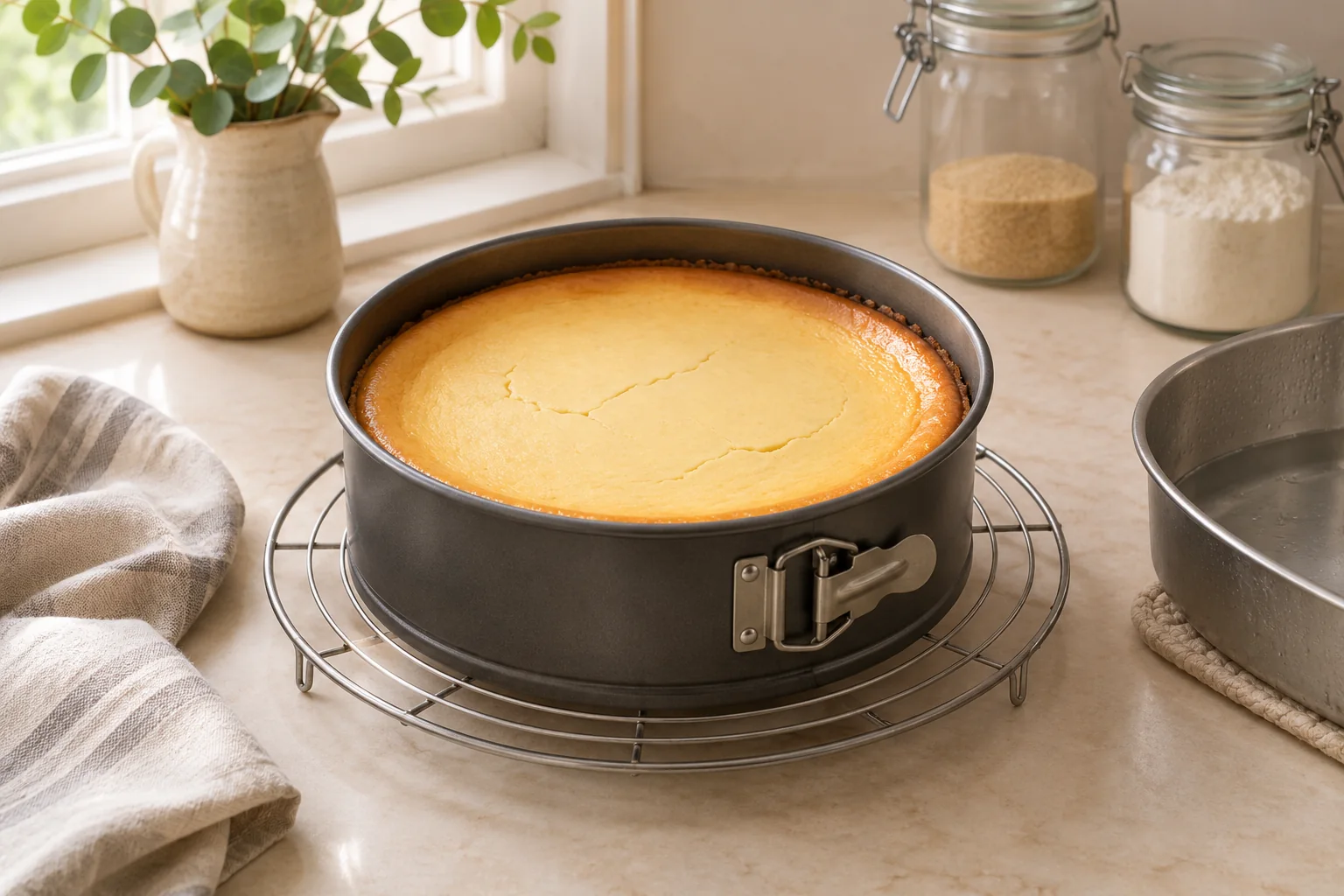
In a baked cheesecake, egg proteins gradually set in a rich dairy mixture. The centre may still wobble when the oven is switched off because heat continues moving inward. As the cake cools and chills, the structure becomes more stable. Overbaking to make the centre completely rigid in the oven can create a dry, cracked cake.
Why no-bake cheesecake needs longer cold setting
A no-bake filling often contains whipped cream, cream cheese and sometimes gelatin or another stabilizer. Its firmness develops through chilled fat structure, air retention and gelling rather than egg proteins baking in the oven. Removing the ring before it has set can make the filling slump or spread across the serving plate.
Baked New York-style cheesecake
Rich New York-style cakes are often deep and contain a high proportion of cream cheese. Their centres take time to finish setting and become uniformly chilled. Some recipes cool gradually in a switched-off oven before refrigeration. An overnight rest is often convenient for clean slices, though the exact time is formula-dependent.
Recipe to try: Classic New York Cheesecake. Rich, velvety cheesecake with a buttery graham cracker crust and that signature dense-yet-creamy texture that melts slowly on your tongue.
Plan a baked-cheesecake schedule
Write the cooling and refrigerator stages beside the baking time before you start. A deep cheesecake can take far longer to become uniformly cold than it takes to bake. Reserve enough refrigerator space, and plan to finish the cake ahead of the meal rather than rely on last-minute chilling.
Plan a no-bake setting window
A no-bake filling must complete its stated refrigerator set before the ring is removed. Whipped-cream, gelatin-set and other formulas have different schedules; firmness at the edge does not prove the middle is ready. Choose the recipe first, then work backward from serving time.
Recipe to try: No-Bake Cheesecake. Use the filling and full refrigerator-setting time in this no-bake formula; chilling is part of its structure.

Mini cheesecakes can chill differently
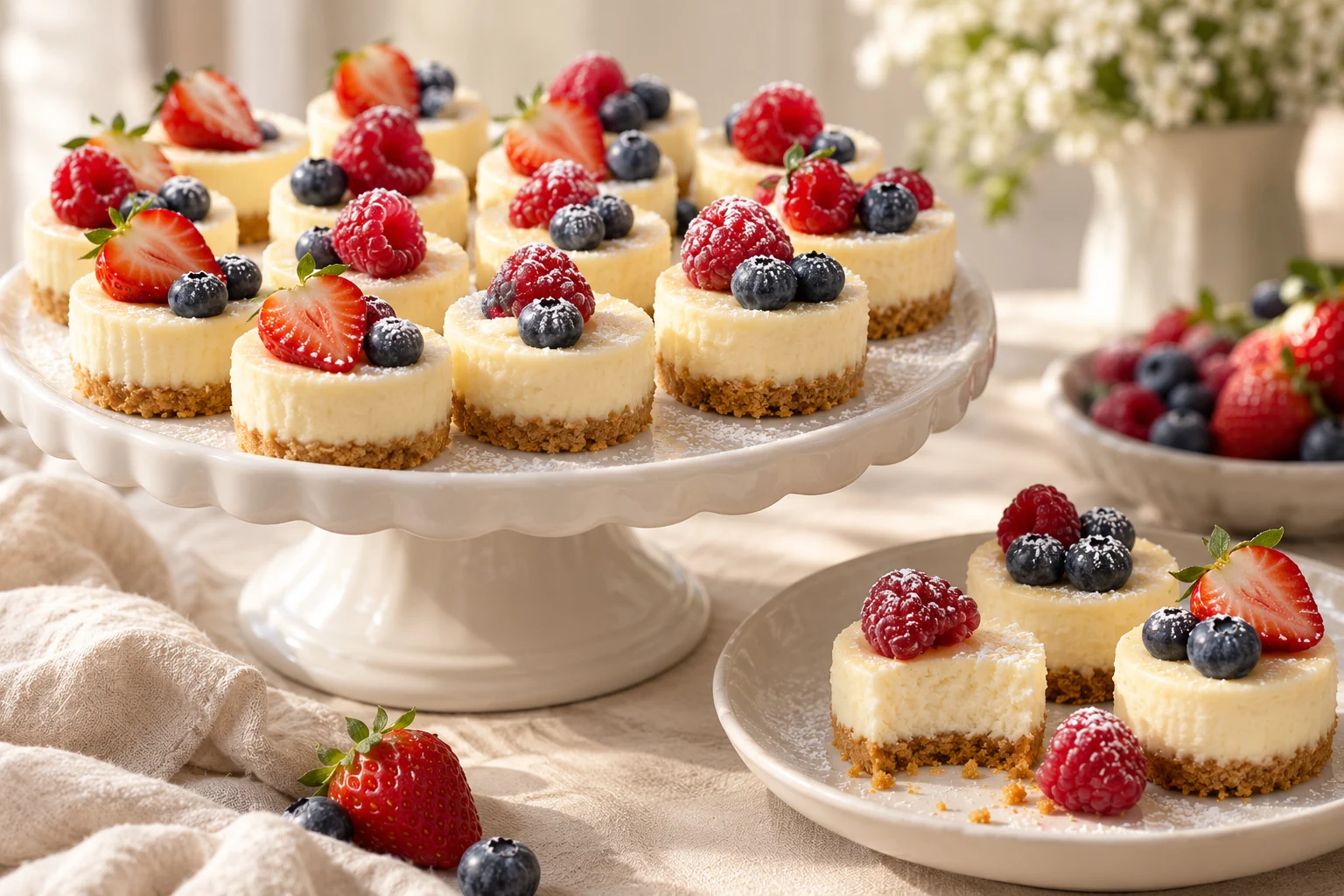
Small cheesecakes have less distance for heat to travel, but they still need their recipe's cooling and chilling stages. Keep them supported in their pan or liners as directed, refrigerate promptly, and wait until each centre is fully chilled and holds its shape before unmoulding.
Recipe to try: Mini Cheesecake Bites. Creamy, decadent mini cheesecake bites with a buttery biscuit base and versatile topping options create the perfect two-bite dessert for any occasion.
Why cheesecake shouldn't be sliced warm
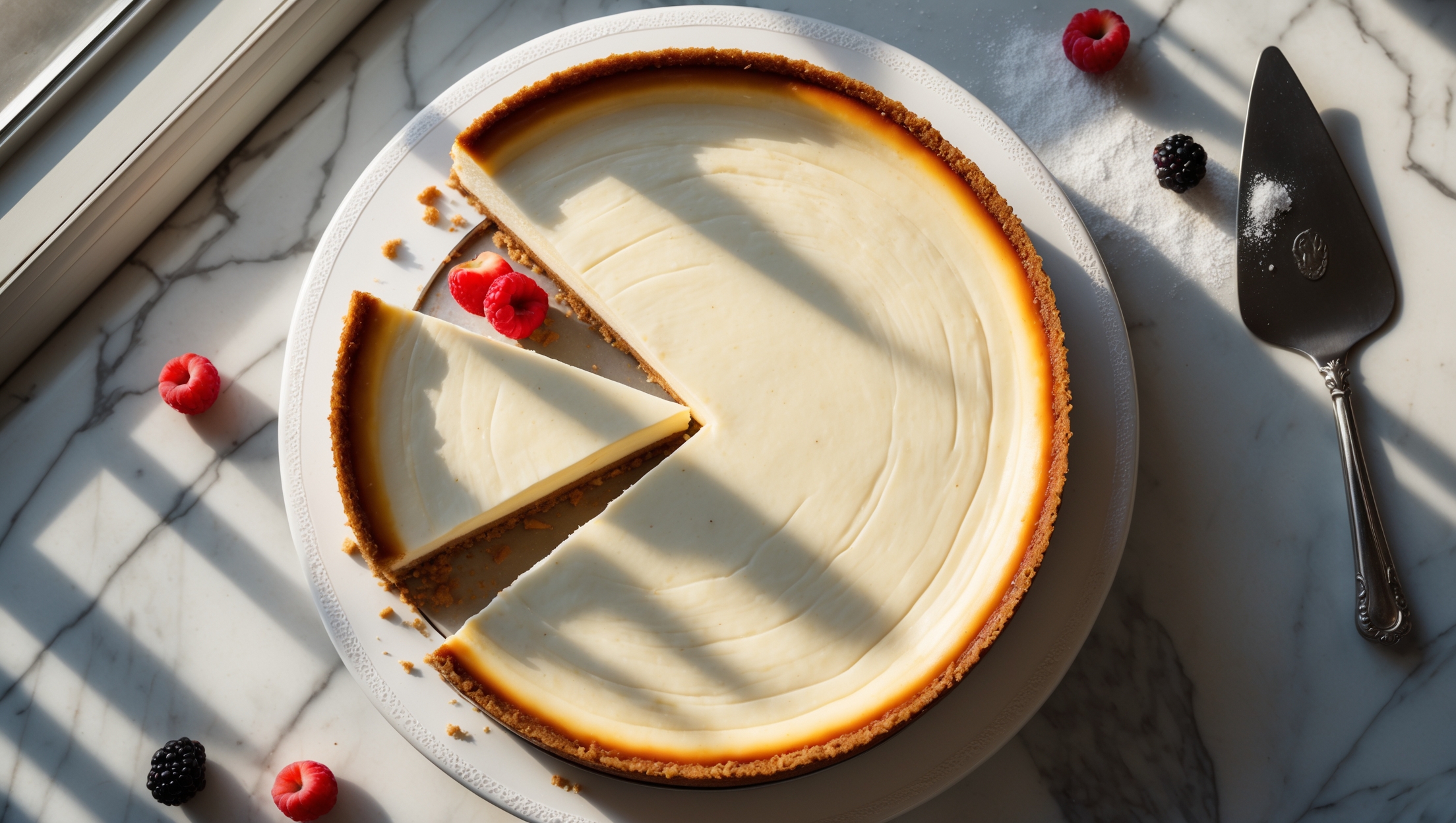
A warm baked cheesecake can be soft enough to smear on the knife and lose its shape when lifted. Its crumb crust is also vulnerable to cracking. The flavour may be pleasant, but if you want tidy wedges for an occasion, chill fully before slicing.
A slight oven wobble versus a loose filling
Many baked cheesecakes are ready to leave the oven when the outer portion is set and the centre jiggles gently. This is not permission to stop while the whole surface sloshes like uncooked batter. Use the recipe's precise visual cues or thermometer guidance to determine actual doneness before the cooling stage.
Chilling cannot finish an underbaked custard
A refrigerator firms fat and helps the set filling stabilize, but it doesn't supply the controlled heat needed to safely cook raw egg custard. If the centre was genuinely underbaked, an overnight refrigerator stay doesn't fix the cooking error. Follow a tested recipe's safe doneness criteria.
Why slow cooling can reduce cracks
Rapid contraction can contribute to cracks. If a recipe specifies a short oven rest, include it in your cooling plan and monitor the elapsed time. Do not extend room-temperature or cooling-oven holding for appearance: prompt refrigeration and safe cooling take priority over a perfectly uncracked surface.
What about the two-hour food-safety limit?
Cheesecake is perishable. Refrigerate promptly and keep it at 4°C (40°F) or below. Do not let the cooling process become hours of warm holding; time spent in a cooling oven also matters once the food is below safe hot-holding temperature. Discard perishable food left out too long rather than relying on smell or appearance. For serving, keep total unrefrigerated time within two hours, or one hour above 32°C (90°F).
Refrigerator temperature matters
Maintain the refrigerator at 4°C (40°F) or below using an appliance thermometer when possible. A crowded or warm fridge can take longer to chill a large cheesecake and may compromise other stored foods. Use the cooling and storage arrangement stated by the recipe and allow adequate cold airflow.
Should you cover the cheesecake immediately?
Covering a still-warm cake tightly can trap condensation that wets the surface or crust. Many recipes have you cool first, then cover for refrigeration once appropriate. Follow the specific timing, including any short uncovered chilling stage that protects the surface before final wrapping.
Why deep pans take longer
A tall ten-inch cake has a thick centre and a substantial mass of dairy. Even when its outer edge feels cool, the centre may still be warm. A shallow nine-inch formula and a deep New York cake should not be expected to reach serving firmness in identical periods.
Can you chill cheesecake in the freezer?
Freezing isn't an automatic replacement for refrigerator setting. A partially frozen exterior may feel firm while the centre remains soft, and thawing can introduce condensation or alter the filling. Use a recipe specifically designed for freezing or frozen cheesecake rather than trying to shortcut the chilling stage.
How to tell when it's ready to serve
The surface should feel stable according to the formula, the centre should no longer be soft enough to flow, and the cake should be thoroughly refrigerated. When you cut a sample wedge, it should support itself on a server. For a no-bake formula, the filling should retain the slice shape prescribed by the recipe rather than slide away.
What if it still looks loose after chilling?
First confirm you allowed the full specified time at a reliably cold temperature. If the no-bake filling still flows, inspect whipped-cream stiffness, cream cheese proportions, gelatin preparation or ingredient substitutions. For baked cheesecake, the problem may have begun with underbaking or an incorrect filling ratio.
What if the cheesecake becomes too firm?
A very cold baked cake can feel dense because dairy fat is firmer at refrigerator temperature. Some formulas suggest letting a plated portion lose a little chill before eating. Keep the cheesecake's perishable-food exposure within safe limits and don't leave the whole cake out for hours to soften.
How long before a dinner party should you bake?
For many full-size baked cakes, preparing the cheesecake the previous day is convenient. A rich recipe such as our Pecan Pie Cheesecake especially benefits from planning the cooling and chilling window before serving. That leaves time for controlled cooling, a substantial refrigerator rest, and neat cutting before guests arrive. If making mini cheesecakes, the timing may be shorter, but preparing ahead still reduces last-minute handling.
Recipe to try: Pecan Pie Cheesecake. This indulgent dessert marries the buttery, caramelized flavors of pecan pie with the velvety richness of cheesecake for an unforgettable holiday showstopper.

When to add fruit topping
Fresh berries, whipped cream or loose fruit sauce may look best when added after the cheesecake is fully chilled and near serving. Our Mango Cheesecake is a useful example of a chilled fruit-topped finish. A baked sour-cream layer or recipe-designed fruit swirl may need earlier assembly. Avoid adding watery topping during warm cooling unless the formula directs it.
Recipe to try: Mango Cheesecake. A luscious no-bake cheesecake with a buttery biscuit base, velvety cream cheese filling, and vibrant mango topping that balances creamy richness with tropical sweetness.

When to remove the springform ring
A fully chilled cake is generally easier to release without damaging its sides, but some recipes ask you to loosen the edge during the cooling stage to prevent cracking. Follow the recipe's order. An early attempt to remove the ring can collapse a delicate no-bake filling.
How to cut after chilling
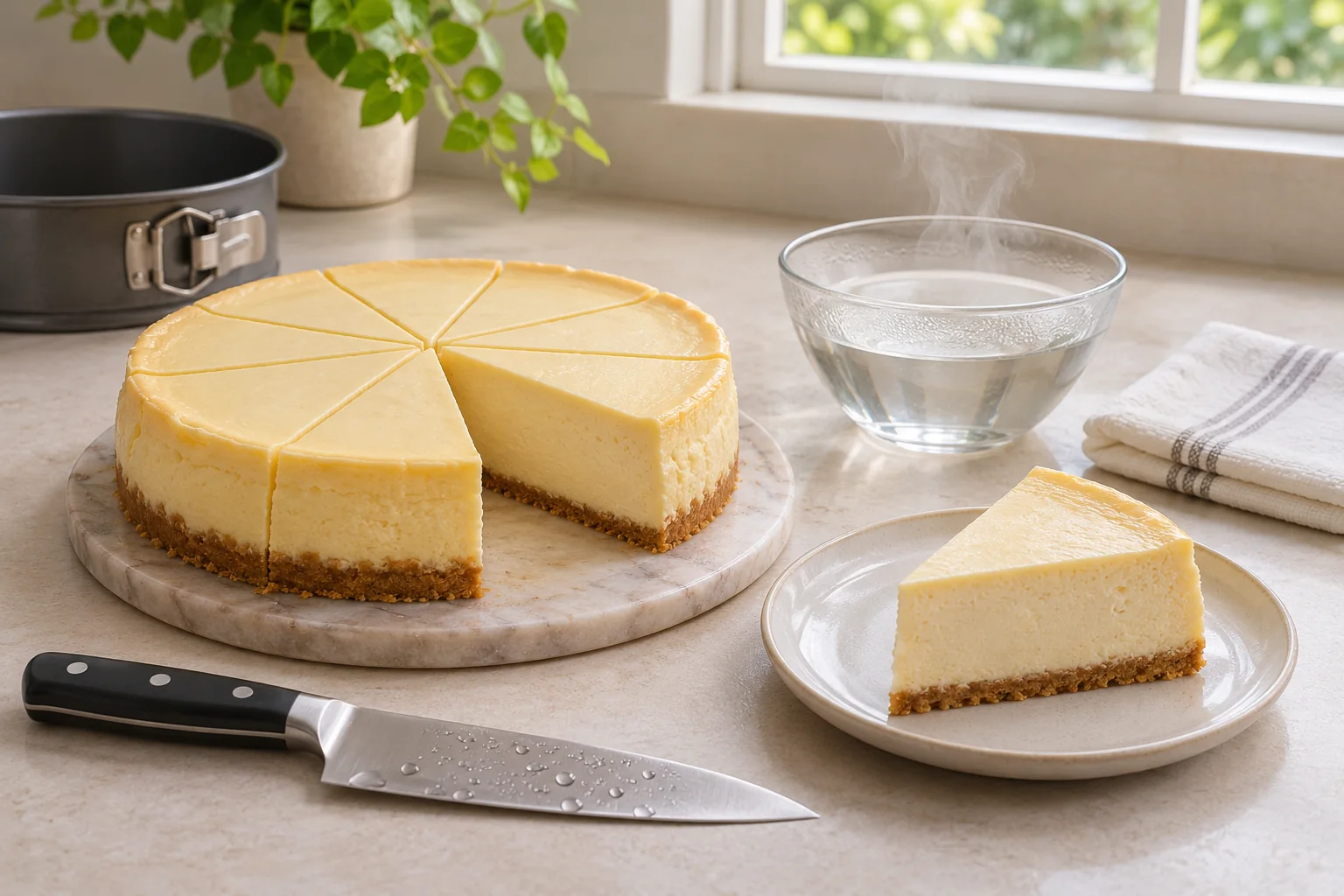
Use a long sharp knife. If dipping it in hot water, wipe it fully dry before cutting and keep fingers clear of the blade. Clean the knife between slices so crumbs and filling do not drag across the next cut face. Serve promptly and return leftovers to refrigeration.
What if the crust is soggy?
A wet crust can result from loose filling, condensation, poor baking of a crumb base or lengthy contact with fruit sauces. Longer chilling cannot reliably rescue an underbaked crust. For the next cake, follow its crust preparation and cool the filling as directed.
Can you keep cheesecake refrigerated overnight?
Yes, many recipes expressly recommend overnight chilling, provided the cake is stored safely and covered as directed. Overnight is often the easiest way to obtain a smooth, fully cold texture. It doesn't justify ignoring the recipe's maximum storage period or leaving perishable toppings exposed.
Serving from the refrigerator
Bring the cake out only when you're ready to portion and serve, especially in a warm room. A platter can look beautiful without sitting at room temperature for an extended buffet period. Return leftovers promptly to cold storage in a suitable covered container.
A make-ahead timeline
First: bake the crust and filling according to the recipe, or prepare the no-bake filling. Second: complete any recipe-directed controlled cooling. Third: refrigerate for the full setting time, often several hours or overnight. Finally: release, cut and decorate near service while maintaining safe cold storage.
Frequently asked questions
Is four hours always enough? No; many full-size recipes specify longer. Can no-bake cheesecake set in one hour? Not unless its tested formula says so. Is the centre supposed to wobble coming out of the oven? Often gently, with properly set edges. Can chilling rescue raw custard? No. Does a mini cheesecake set faster? It may, but follow its recipe.
The best serving time begins with the recipe
Cheesecake is a dessert to plan rather than rush. Read the cooling and chilling instructions before you begin mixing, reserve enough refrigerator space and wait for the filling to reach its intended set. That patience produces a smooth slice, a better texture and a calmer serving day.
IN PICTURES
From the baking notebook
FROM THE RECIPE BOX


