On this page
Baking a cake for a birthday, wedding or holiday shouldn't mean doing every single step on the morning of the celebration. Cake layers can often be baked ahead, and many frostings and fillings have make-ahead options too. The trick is understanding which components tolerate refrigeration or freezing, how to prevent them drying out, and when to assemble for the best texture.
How far in advance can you bake a cake? There isn't one answer that suits a plain vanilla sponge, a whipped-cream cake and a custard-filled celebration cake. But with a reliable recipe and a written timeline, you can spread the work across several days or weeks without compromising quality.
The Short Answer
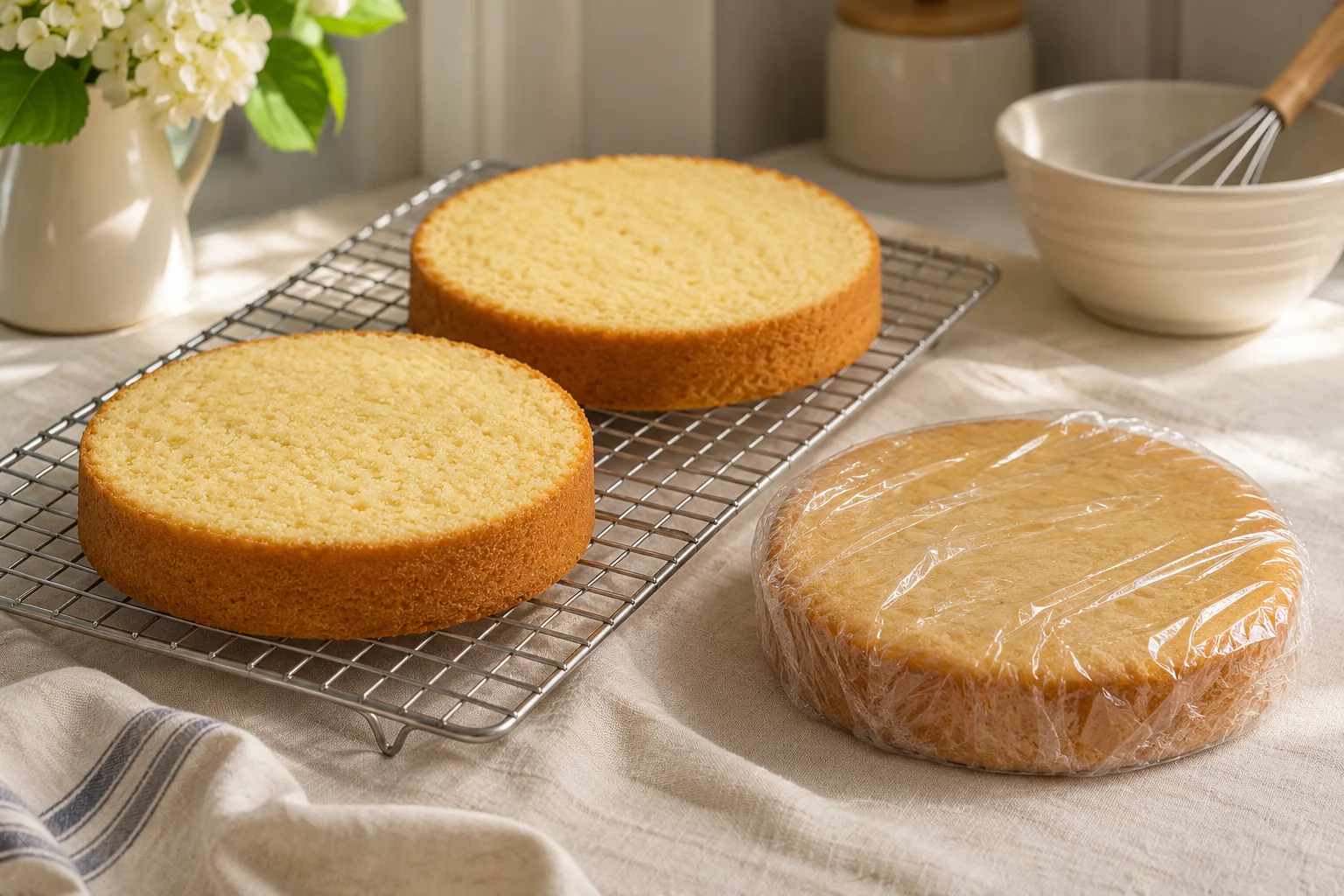
Some cake layers can be baked a day or several days ahead, stored tightly wrapped under their recipe's instructions, then filled and frosted nearer serving. Many plain unfrosted layers also freeze well when properly cooled and protected from freezer air.
Read the cake, frosting and filling storage directions before deciding on a two- or three-day plan. Schedule anything that needs to be fresh, including cut fruit, for the day of serving.
Start by Looking at the Complete Cake
List its components: sponge, soaking syrup, filling, outer frosting, glaze and decoration. Each has different storage considerations. A baked plain cake layer may keep in the freezer much better than a fresh whipped-cream filling, while a chocolate drip may look best added after the cake has been chilled.
The shortest applicable storage or safety window usually determines the finished cake's handling. Don't plan around how long the plain sponge lasts if the assembled dessert contains fresh cream, egg custard or cut fruit.
For a straightforward project, see Classic Vanilla Layer Cake. Map out the cake and frosting before picking a baking day. Add a separate step if you plan to use a perishable filling.

One Day Ahead: Often the Easiest Option
For a straightforward layer cake, baking the layers the day before can significantly reduce stress. Cool them fully, wrap as the recipe instructs and refrigerate or store appropriately. Prepare a compatible buttercream if the formula permits it.
On celebration day, level the layers, fill, crumb-coat, chill and decorate. Make sure you allow time for frosting to soften to a spreadable texture if it was refrigerated overnight.
Two or Three Days Ahead
Some tested cake recipes allow a longer refrigerated preparation window, especially for well-wrapped unfrosted layers and certain buttercreams. The specific cake formula matters: fat content, moisture, frosting type and filling ingredients influence quality and safety.
A three-day plan might be to bake layers first, prepare frosting and filling on the next day, and assemble on the final day. Follow individual storage directions rather than assuming all components can spend three days in the same refrigerator container.
One or More Weeks Ahead: Use the Freezer When Suitable
Freezing can be an effective way to schedule cake preparation much earlier. Many unfrosted butter cakes, sponge layers and loaf cakes freeze well when wrapped properly, although delicate cakes and certain fillings may be exceptions.
Cool unfrosted layers fully before wrapping and freezing. Use the storage instructions for the cake you are making, because the recipe and packaging affect how long the texture will hold.
Step 1: Bake the Cake Fully
Don't underbake intentionally because you plan to freeze the layers. A cake needs to be correctly baked and its structure set before cooling and storage. Follow the recipe's doneness cues, which might include a springy centre, a cake tester or an appropriate internal temperature where specified.
Underbaked cake can retain a gummy centre even after freezing, and frosting won't fix its texture.
Step 2: Cool Properly
Let layers rest in their pans for the specified time, then transfer them to a rack if directed. Air circulation helps prevent excess moisture from gathering beneath the cake. A still-hot cake sealed tightly in plastic can trap steam and produce a sticky surface.
For cakes with perishable additions, don't leave them at room temperature indefinitely while cooling. Follow safe cooling and refrigeration guidance and the specific recipe.
Step 3: Wrap to Limit Drying
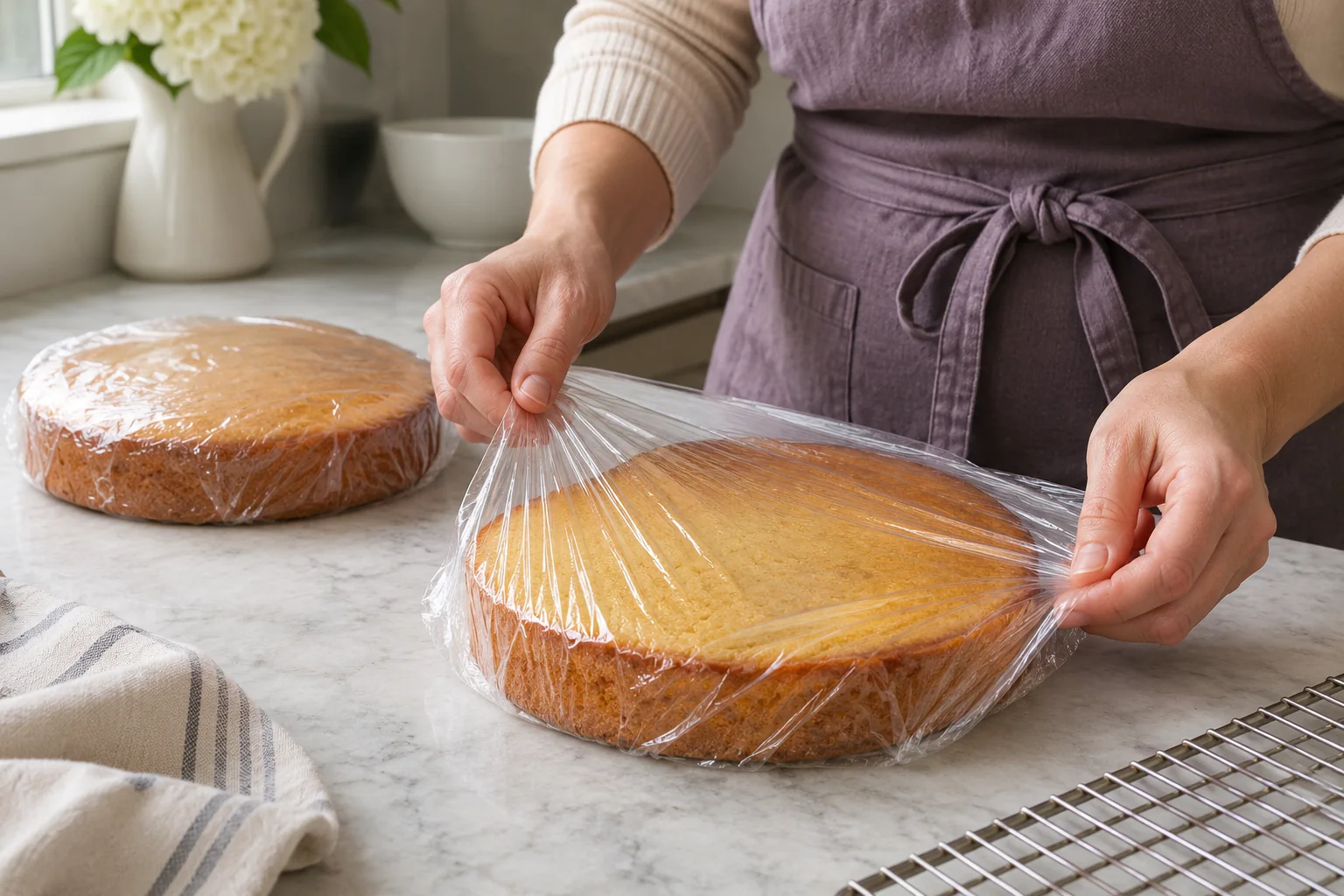
Freezer air can dry out exposed cake and allow it to absorb surrounding odours. Wrap cooled layers tightly as recommended, using suitable food-safe packaging. A double layer of wrap can offer additional protection for longer storage.
Label each package with the cake type, date and layer size. That makes it easier to plan assembly and prevents confusion when you have several similar-looking layers in the freezer.
Wrap each cooled layer on its own. Set it on a flat cake board or tray while you wrap so the layer stays level and is easy to move to the freezer.
Step 4: Freeze Flat
Place layers on a flat, level surface in the freezer so they retain their shape. Protect delicate cakes from being crushed by containers or heavier foods. Don't force a warm cake into a crowded freezer without a suitable cooling plan.
For unusually large layers, measure freezer shelves and door clearance before baking. It's better to know your cake fits while it's still in the recipe-planning stage.
How Long Does a Frozen Layer Taste Fresh?
The safe freezer storage and best eating quality are not the same question. Properly frozen food may remain safe for a long time under consistent conditions, but cake texture and flavour can deteriorate with extended storage.
Follow the storage directions for the cake you are making and allow time to thaw it before assembly. A plain wrapped layer and a fully decorated cake have different storage needs, especially when a filling or frosting is perishable.
How to Thaw Frozen Cake Layers
Many cake recipes recommend thawing well-wrapped layers in the refrigerator overnight before assembly or serving. Keeping them protected during thawing can limit condensation directly on the surface, but follow the chosen recipe's instructions.
Don't leave a cream-filled or custard-filled cake on the counter to thaw slowly. Its safety requirements are different from those of a plain frozen sponge.
Can You Frost a Partially Frozen Cake?
Some cake-decorating methods use thoroughly chilled or slightly firm layers because they're easier to handle and shed fewer crumbs. But a layer that is rock-hard or forming condensation can cause problems with frosting adhesion or assembly.
Check the frosting and cake directions. A cool layer can be easier to handle, and some cakes need to thaw before frosting so you can avoid surface condensation.
When Should You Make Buttercream?
Many buttercreams can be prepared before assembly when the recipe permits it. American buttercream, Swiss meringue buttercream and Italian meringue buttercream may have different storage and rewhipping instructions.
If buttercream has been refrigerated, allow it to return to the specified working temperature and mix as directed to restore smoothness. Don't microwave an entire bowl aggressively; melted areas can produce separation and weaken the texture.
When Should You Make Ganache?
Ganache often benefits from a setting period, but its ideal timing depends on whether it will be poured, spread or whipped. A drip must remain fluid enough to move, while a cake filling usually needs a thicker texture.
If your recipe gives make-ahead directions for ganache, follow its storage and reheating instructions. Keep cream-based ganache refrigerated when made ahead and allow time to bring it to a spreadable consistency before assembly.
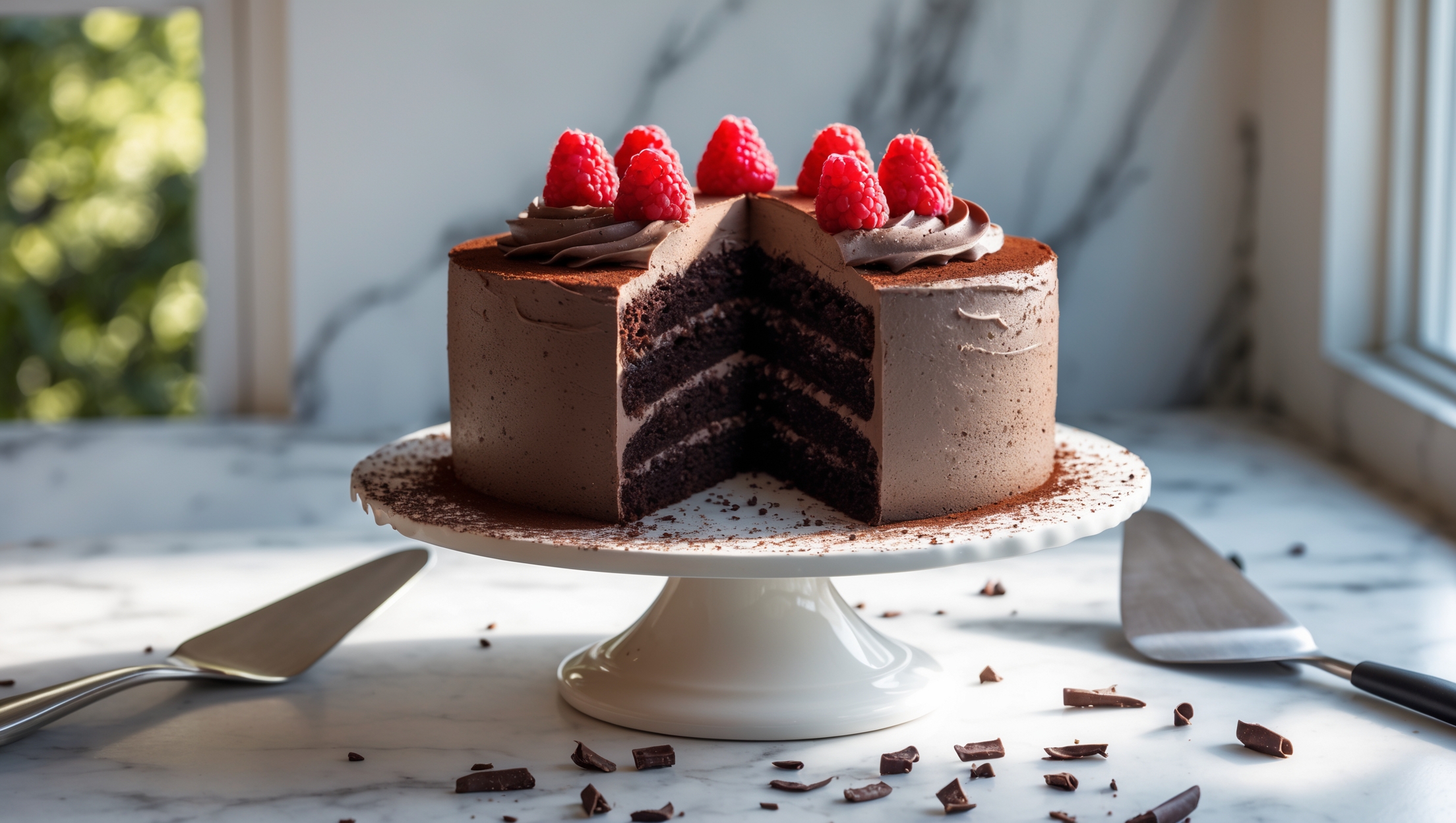
If you are making Chocolate Layer Cake, follow its own instructions for the frosting. Use separate make-ahead directions only if you decide to add a different component such as ganache.
When Should You Make Fruit Fillings?
Cooked jam-style fillings may be suitable for advance preparation under their recipe's chilled-storage window. Fresh fruit layers, whipped cream and delicate berry decorations often look and taste best added closer to serving.
Fruit releases moisture over time and can soften cake layers or discolor frosting. If the cake needs to be assembled far ahead, choose a filling formula developed for that schedule.
When to Assemble a Layer Cake
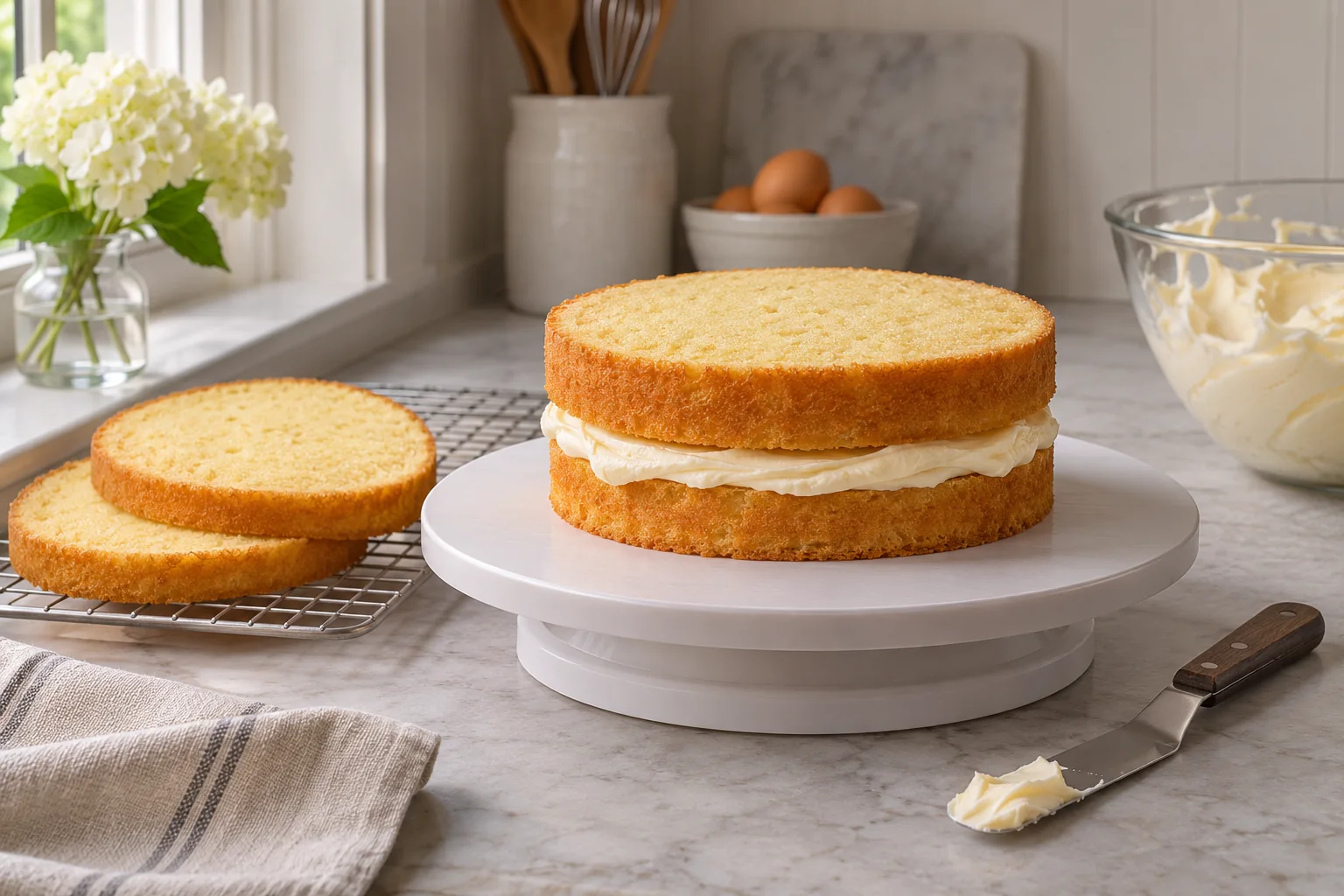
For many home celebration cakes, assembling the day before or the day of serving works well. This allows the frosting to set while minimizing time for wetter fillings to soak into the sponge.
A crumb coat followed by refrigeration can improve the finish. If you're stacking tall layers, level them and use a frosting dam for softer fillings where the recipe calls for it.
Allow time to level the layers, fill them and chill the crumb coat if the frosting calls for it. Finish delicate toppings shortly before serving.
Can You Freeze a Fully Frosted Cake?
Sometimes. Certain buttercream-covered cakes freeze successfully after the frosting has set, while mousse fillings, some custards and fresh fruit toppings may not hold their texture.
Before freezing a fully frosted cake, check the frosting and filling’s directions for freezing and thawing. For easier handling and fresher decorations, freeze plain layers and finish the cake closer to serving.
What About Cream Cheese Frosting?
Cream cheese frosting is perishable and generally requires refrigeration. A cake with cream cheese filling or frosting should be stored according to its complete recipe and kept at safe temperatures before serving.
Freezing performance varies. Some frostings thaw smoothly; others may become watery or grainy. Test a small portion before freezing an entire special-occasion cake.
What About Whipped-Cream Cakes?
Fresh whipped cream is delicate and perishable. It can deflate or lose its appealing texture over time, and some versions do not freeze and thaw well. Stabilized whipped-cream recipes have their own assembly and storage instructions.
If you're making a whipped-cream cake for a celebration, it's often sensible to bake suitable layers ahead but assemble and decorate closer to the event, with adequate refrigeration.
A Sample Three-Day Birthday Cake Schedule
Three days before: shop, read every component recipe, bake layers if their storage guidance permits and wrap once fully cooled. Two days before: prepare recipe-approved frosting or fillings and refrigerate as directed. One day before: assemble, crumb-coat, chill and apply the main frosting. Serving day: finish delicate decorations, transport safely and serve according to the cake's temperature requirements.
Adjust this plan if the cake uses mousse, fresh fruit, custard or a decoration that cannot tolerate early assembly.
If you prefer a simpler bake, Vanilla Sheet Cake with Buttercream saves the layer-stacking step. Keep the cake and frosting on the schedule in the recipe.

A Sample Freezer-First Celebration Schedule
One to three weeks before: bake tested freezer-friendly cake layers, cool, double-wrap, label and freeze. One day before: thaw in the refrigerator as the cake recipe directs. Serving day or day before: prepare fresh fillings and frost, allowing their required setting times.
Do not assume this timeline suits every delicate sponge, cream filling or elaborate wedding cake. Recipe-specific instructions take priority.
Transporting a Make-Ahead Cake
Transport the cake chilled as needed on a sturdy board in a rigid box. Keep the box level and prevent sliding. Hot car interiors can soften buttercream and chocolate ganache even if the cake left the refrigerator firm.
For very tall cakes or cakes needing special supports, follow a construction and transport method developed for that design.
Food Safety During Storage
Keep cakes with perishable fillings or frostings at 4°C (40°F) or colder where required. Freezers should generally be maintained at −18°C (0°F) or colder. Don't let a finished cake sit at an uncontrolled room temperature for an extended period merely because it was fully chilled the day before.
Proper wrapping protects quality but doesn't replace refrigeration for cream, mousse, custard or fresh fruit components.
Common Make-Ahead Mistakes
Wrapping warm layers: traps steam and creates sticky surfaces. Freezing without protection: leads to drying and off-odours. Assuming every frosting freezes well: produces separation or texture problems. Assembling wet fruit layers too early: softens the sponge. Transporting without chilling: a stable cake can slide or sag.
Frequently Asked Questions
Can I bake cake layers two days before a birthday?
Often, with a recipe that supports advance preparation and suitable wrapping and refrigeration or freezing.
Can I bake a cake a week early?
Many plain cake layers can be frozen a week or more ahead when the recipe permits it and packaging is adequate.
Should I refrigerate an unfrosted cake?
Follow the cake formula's storage instructions. Some plain cakes allow short room-temperature storage; perishable additions require refrigeration.
Can I decorate the cake the night before?
Usually possible for many buttercream cakes, but check the stability and storage of the complete filling and frosting arrangement.
Does freezing make cake dry?
Poor packaging or very long freezing may harm texture. Fully cooling and wrapping cake layers carefully helps preserve quality.
Plan the Cake, Not the Panic
Baking ahead works beautifully when you understand the different needs of sponge, filling, frosting and decoration. Choose a recipe with clear storage guidance, freeze suitable layers properly and leave delicate finishing for the right day. That makes your celebration more enjoyable—without asking the cake to do something its ingredients cannot support.
IN PICTURES
From the baking notebook
FROM THE RECIPE BOX


