On this page
A child's first real baking project is a small milestone. They get to measure something, stir a bowl, make decisions and see the ingredients change in the oven. The best first recipes are simple enough to complete with an adult's help and forgiving enough that a little uneven mixing or a crooked cookie shape doesn't spoil the fun.
These first baking recipes for kids are designed as project ideas, not untested stand-alone formulas. Choose a reliable recipe written for the specific method, then assign age-appropriate jobs. With a sturdy bowl, an organized counter and sensible expectations, children can enjoy baking without needing professional equipment.
What Makes a Good First Baking Recipe?
A short ingredient list, clear steps and manageable waiting time are helpful. Choose a recipe that requires no complicated sugar work, long fermentation or delicate pastry technique for the first session.
Look for opportunities to stir, scoop, press, sprinkle or count. Baking with children is easier when they have real tasks rather than standing beside an adult who performs every step.
If the child wants to touch and shape dough, choose cutout cookies and prepare the chilled dough yourself. If they want to do most of the stirring, choose banana muffins. If they prefer a short job, choose apple crumble and ask them to scatter the topping. Pick one skill for the day and show that action once before handing them the tool.
Start With a Simple Kitchen-Safety Routine
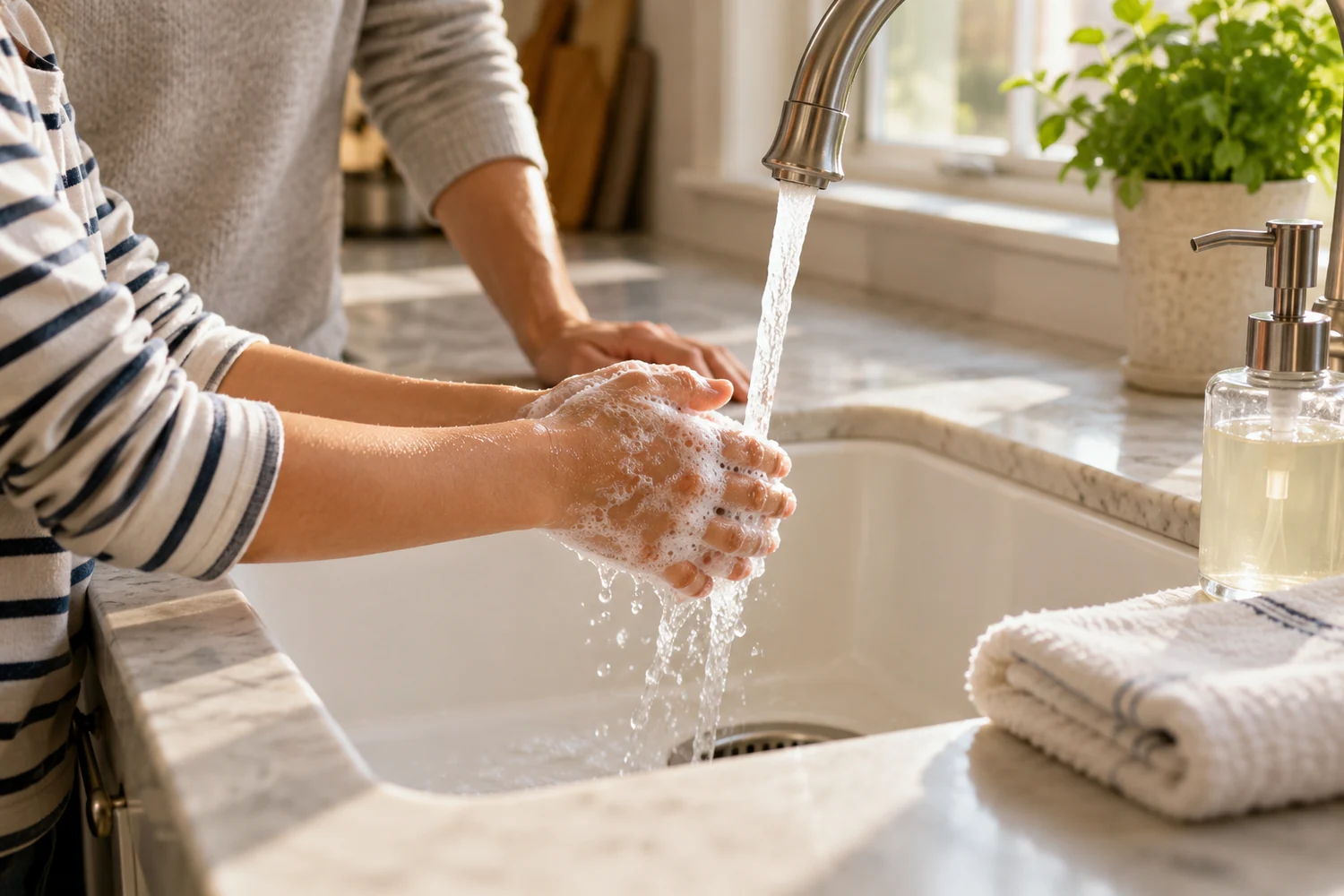
Wash hands, tie back hair and clear the work area. The supervising adult handles the oven, the hot trays, knives and heated ingredients. Raw flour and eggs can carry harmful germs, so save tasting for fully baked and cooled food. Check allergies and avoid small, hard decorations for younger children. See Health Canada’s flour handling guidance for more on handling flour.
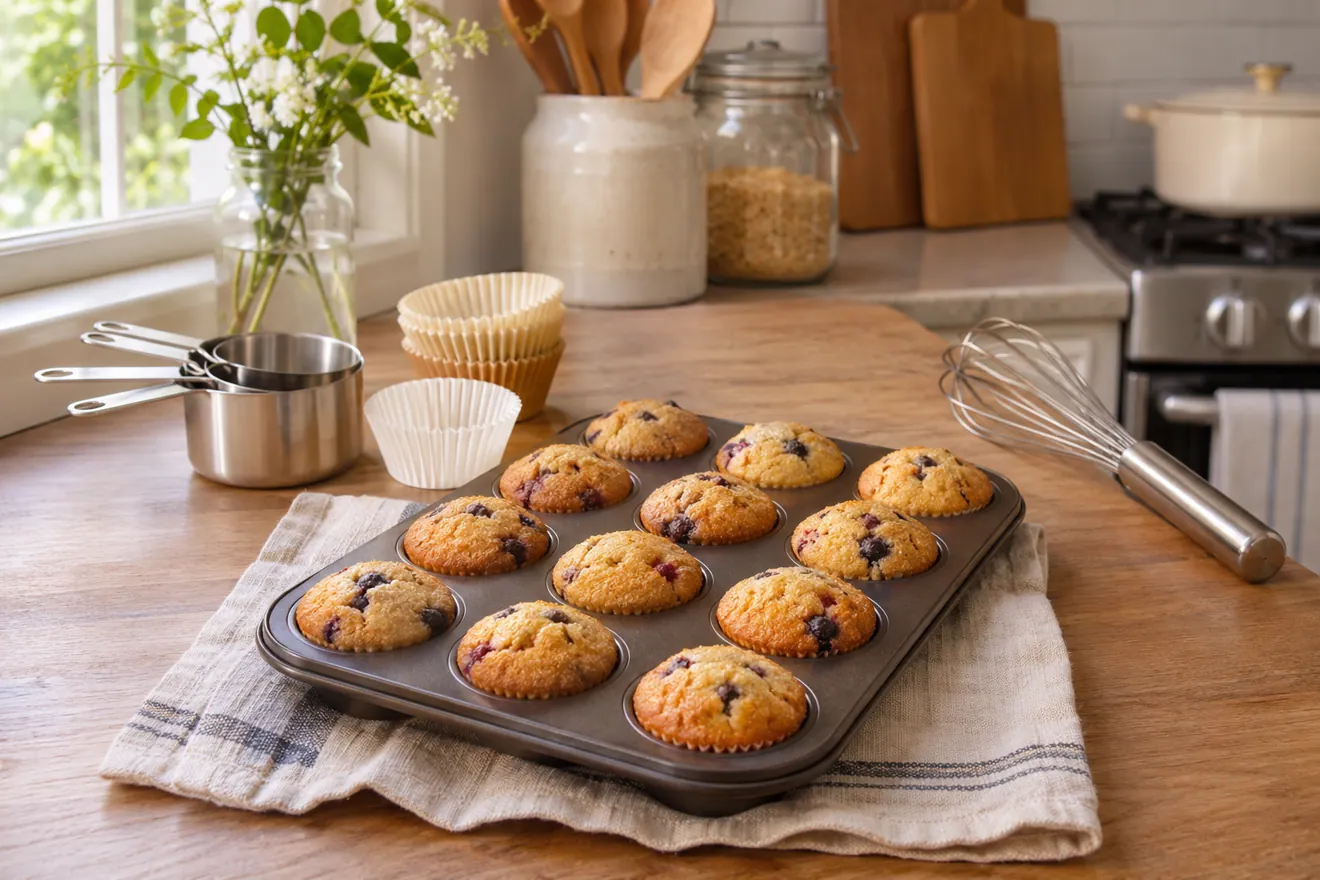
1. Banana Muffins
Banana muffins are a wonderful beginning because mashing bananas is satisfying and the batter can often be mixed by hand when the recipe calls for it. A child can count paper liners, measure dry ingredients with help and gently fold the mixture.
Use the stated quantity of banana; too much may leave wet centers. An adult manages the oven and checks doneness in the crumb rather than inside a soft fruit piece.
Our Protein Banana Oat Muffins give beginners a chance to mash and measure. Check the ingredients, including any optional nuts.

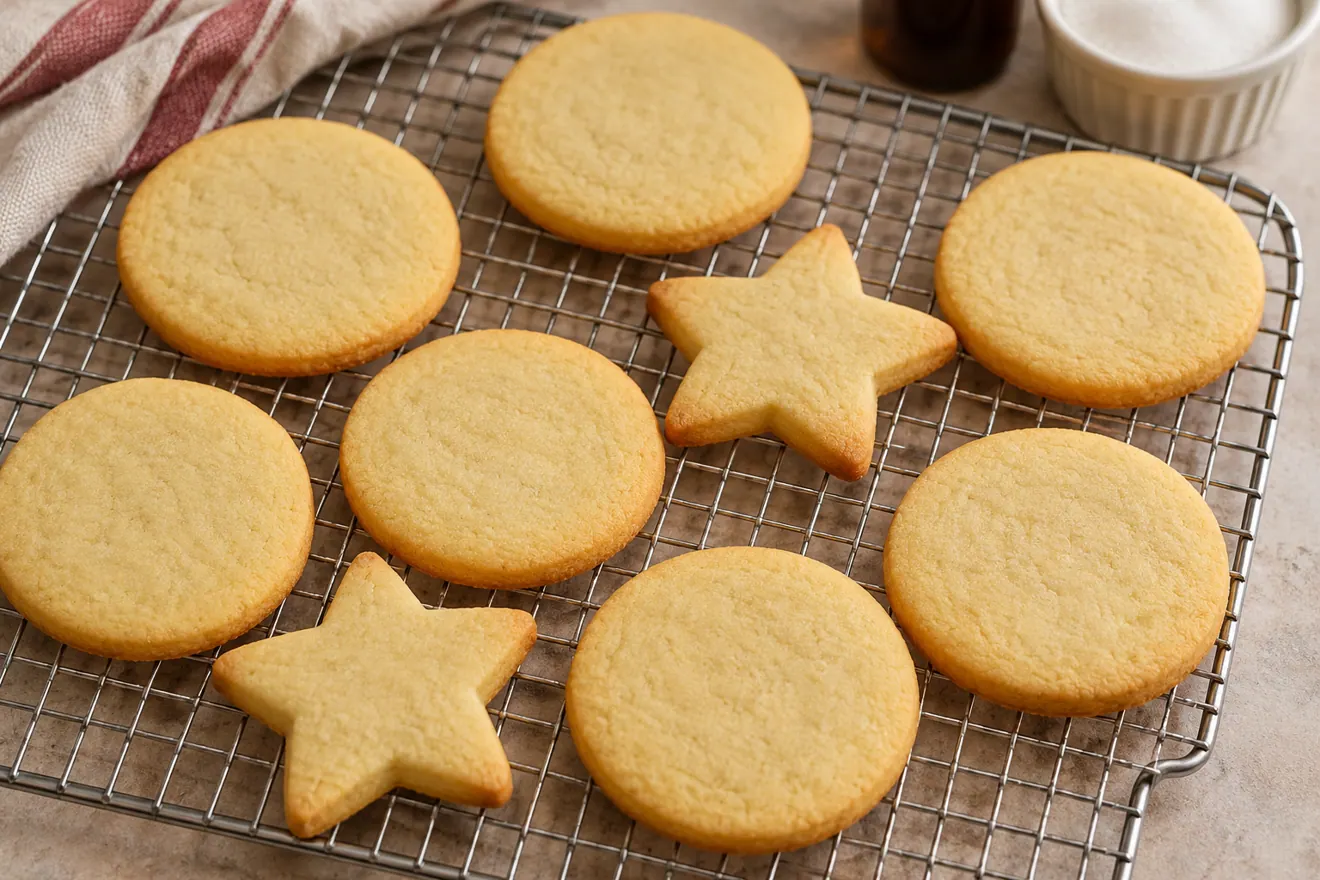
2. Simple Sugar Cookies
A reliable cutout-cookie dough gives young bakers a chance to roll and press shapes. Make the dough ahead if chilling is required so the activity doesn't involve long waiting periods.
Choose large, sturdy cutters and help transfer delicate shapes. Decorate only after the cookies cool, using a small selection of icing colours.
For another cutout project, try gingerbread cutouts. An adult can prepare and chill the dough in advance.
3. Easy Chocolate Brownies
A hand-mixed brownie recipe introduces whisking, measuring and preparing a baking pan. Cocoa-based versions can avoid the need to melt chocolate, although the method still must be followed exactly.
Let the brownies cool before cutting, and give children small squares to enjoy. A properly baked tender center is different from raw batter.
Air Fryer Brownies use a whisk. An adult melts the chocolate and checks for a set centre without wet batter.

4. Apple Crumble
Apple crumble is more forgiving than a delicate pastry because the topping can be scattered freely. An adult cuts the apples, while a child measures oats, sprinkles cinnamon and helps distribute the crumb topping.
The filling's sugar and thickener should be measured carefully. Too much liquid can make the bottom soupy, while an overly pressed topping may become dense.
For a small-batch option, try Air Fryer Apple Crisp. An adult handles the apple slicing and hot dishes.

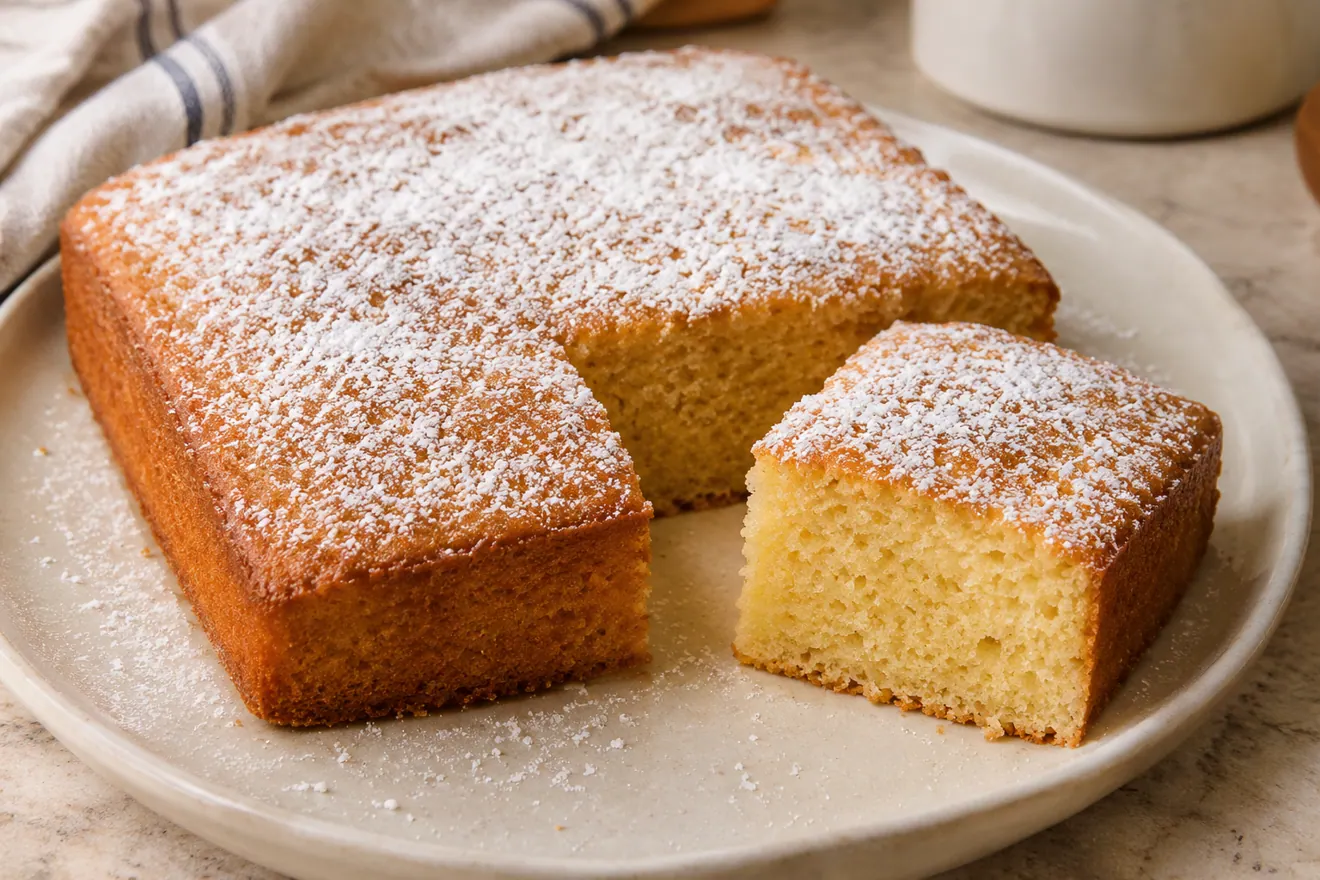
5. Vanilla Snack Cake
A simple one-pan cake is a great project for an older beginner. Choose a recipe built for hand mixing or a straightforward method. Children can combine ingredients and pour the batter into the prepared pan.
Skip elaborate layer assembly. Once the cake is completely cooled, add a simple glaze or let the child create a design with age-appropriate toppings.
6. Oatmeal Cookies
Oatmeal cookies can teach the difference between dry ingredients and wet ingredients, as well as how dough portions spread during baking. Select a formula that fits the equipment you have; some oatmeal recipes require creaming with a mixer.
Use a scoop for consistent portions and leave the spacing directed by the recipe. Count the finished cookies together once they've cooled.
An adult can supervise the creaming step in our Oatmeal Chocolate Chip Cookies while a beginner measures the oats and helps scoop.

7. Mini Muffins
If small portions appeal to your beginning baker, our mini muffins recipe offers banana, zucchini and apple variations. An adult should supervise the mixing and take responsibility for the oven and hot pan.
Mini muffins are inviting because each child gets a small individual bake. Use a recipe specifically written for mini pans or one with reliable conversion guidance, since mini muffins bake differently from standard ones.
Keep the flavours simple, such as vanilla, banana or appropriately prepared blueberries. Let an adult fill cups if batter handling near hot equipment could be an issue.

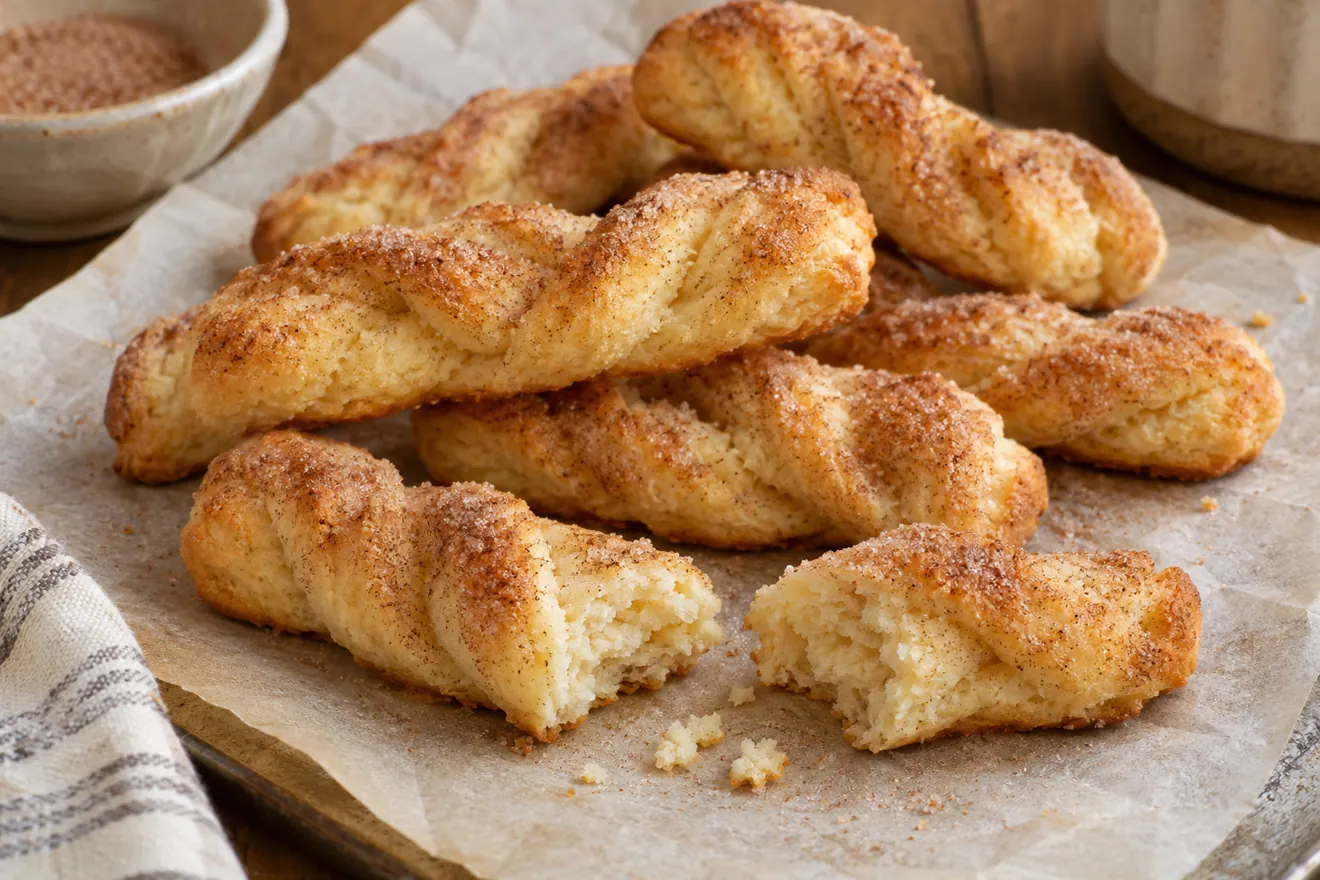
8. Cinnamon-Sugar Biscuit Twists
For a shaping project, a suitable pastry or biscuit dough can be cut into strips and twisted with a little cinnamon sugar. Work from a tested recipe; using dough intended for biscuits is not automatically the same as making laminated puff pastry.
An adult should perform sharp cutting and handle the oven. Let sugary pastries cool to a safe temperature before tasting.
9. No-Knead Bread
For an older child ready to observe fermentation, a simple no-knead yeast bread can be memorable. Stirring dough is only the beginning: a long rise lets children see how bubbles form and volume changes.
Some recipes require dangerously hot covered pots. An adult must manage these steps, and families should choose an age-appropriate method and equipment.
Try No-Knead Whole Wheat Bread if you can plan around its long rise and an adult can manage the hot Dutch oven.

10. Homemade Granola
Granola is a measuring and stirring activity with an easy-to-see result. Choose a tested baked granola recipe using oats and suitable add-ins. Children can help spread the mixture on a tray after an adult handles any heated sweetener.
Allow the mixture to cool to develop crunch. Whole nuts and hard clusters may be unsuitable for younger children, and allergies require careful consideration.
Try Air Fryer Granola for a measuring activity when the listed ingredients suit the household.

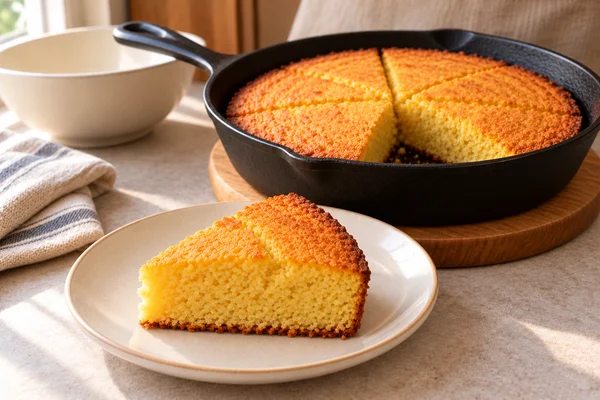
11. Simple Cornbread
A hand-mixed cornbread recipe can be a fun introduction to a savoury bake. Children can compare the colour and texture of cornmeal with wheat flour and help combine measured ingredients.
Use the correct pan and follow the formula's mixing method. A skillet recipe may involve dangerously hot cast iron, so choose a baking-pan version for younger helpers.
Our Classic Cornbread method gives a baking-dish option so the child can help far from a preheated skillet.
12. Baked Oatmeal Squares
Baked oatmeal is an approachable breakfast project when made from a suitable recipe. Children can stir oats and spices, then add recipe-approved fruit.
If eggs or milk are included, follow proper cooking and refrigerated storage instructions. Allow the dish to cool enough to portion safely.
Our Baked Oatmeal is a place to start if the nuts suit your household. Cook the egg mixture to 74°C (165°F) and chill leftovers promptly.

Age-by-Age Baking Jobs
Preschoolers
Short, supervised activities work best: pressing cutters, placing liners and stirring a small cool mixture. Give just one instruction at a time. Keep hard candies and small decorations out of reach.
Ages 5–8
Children may enjoy measuring, whisking, scooping and reading simple recipe steps. Demonstrate how to hold a bowl steady and how to check the next step before adding an ingredient.
Older Children and Teens
Let them weigh ingredients, read an entire recipe, plan the baking timeline and observe how temperature affects the dough. Supervision should still fit their experience with ovens and sharp tools.
Teach Measuring Without Making It a Test
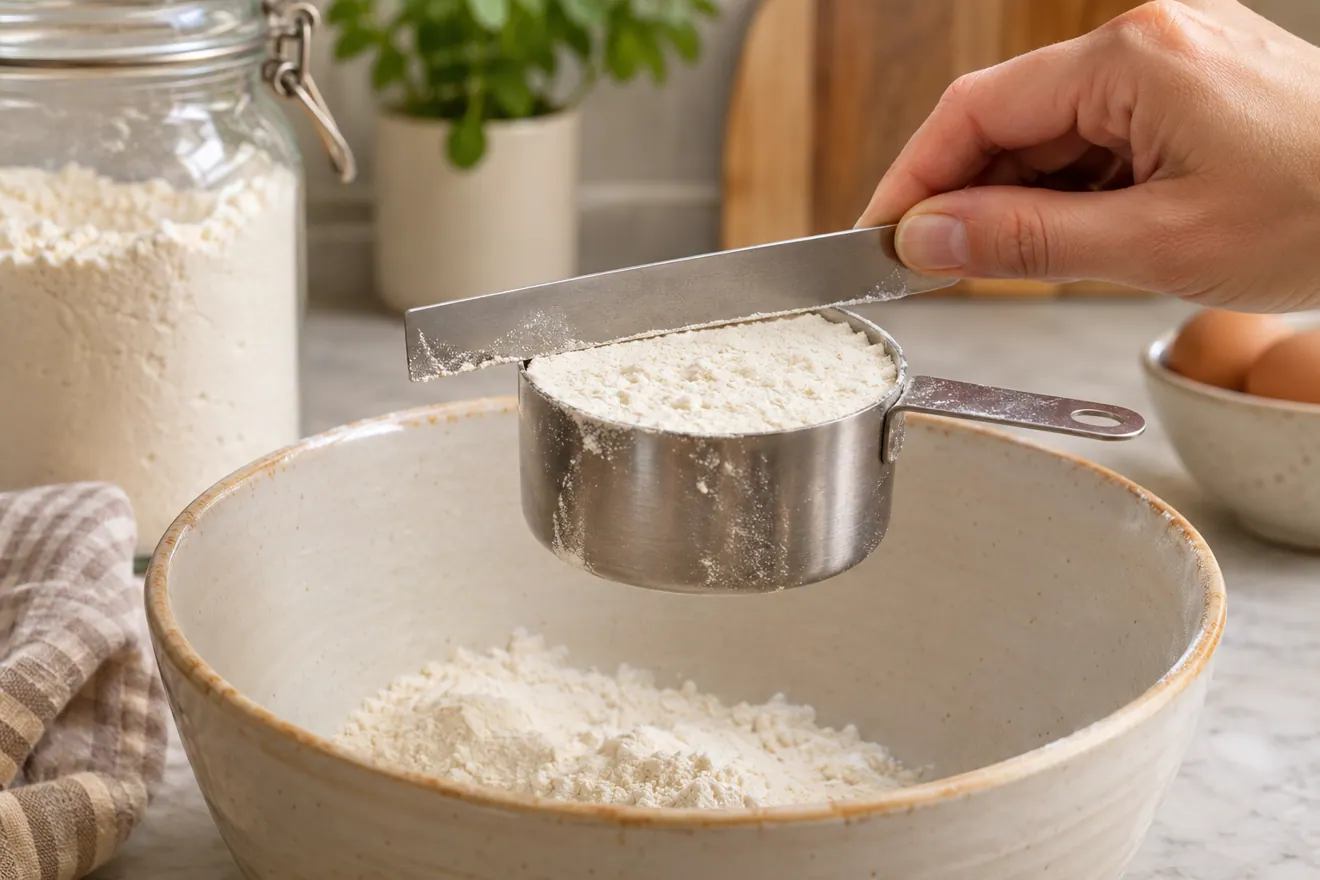
Start with a clear measuring method. Explain that cups for liquids and dry ingredients may be used differently, and that a scale can be especially useful for flour. Let children count scoops and check markings rather than expecting perfect accuracy the first time.
Baking requires some precision, but a gentle correction is more educational than restarting every time a little flour lands on the table.
If the recipe lists grams, put the bowl on the scale and zero it before each ingredient. Let the child decide when the display has reached the target while you control the pouring. If the recipe uses cups, show how to level one dry measure before they try. Measuring modest amounts into separate small containers makes an accidental spill easier to recover.
Why the Recipe's Mixing Method Matters
Some muffins use a gentle fold because extended mixing develops gluten and may toughen the crumb. Some cakes depend on creamed butter and sugar for aeration. A yeast dough may require kneading to develop strength.
Explain these differences simply. Don't tell children to stir every batter as hard as possible or always stop after exactly ten turns. Instead, follow the recipe and observe the result.
Make the First Session Short and Successful
Plan one main bake and perhaps a simple decorating step. Prepare ingredients in advance if that helps the child stay engaged. Choose a recipe whose active preparation fits the child's attention span, and remember to allow for baking and cooling.
If the child loses interest, let the adult finish safely. They can return later to eat or decorate the result.
Set out an extra paper liner or two and plan a short break while the bake is in the oven. End by comparing the finished food with what the child predicted before baking: they might point out a colour, smell, rise or change in texture. That observation is a good stopping point for the first session, even if the adult handles the cleanup.
What to Do If Something Goes Wrong
Uneven cookies, lumpy batter and messy counters are common during first attempts. If muffins turn dense, review measuring and mixing. If cookies spread, check dough temperature and the recipe's chill instructions. If the cake sticks, consider pan preparation and cooling time.
Choose one issue to improve next time instead of making the activity feel like an exam. Learning why something happened can be more useful than producing a perfect result.
Food Allergies and Sharing
Ask about allergies before baking for classmates, neighbours or friends. Read labels for wheat, milk, eggs, nuts and other ingredients, and be aware of cross-contact from shared utensils and surfaces.
Check school rules before sending homemade food. A fun family project may need to stay at home rather than being shared in a classroom.
Frequently Asked Questions
What should a child bake first?
Hand-mixed muffins, simple cookies or a fruit crumble are good choices because they offer clear tasks without advanced equipment.
Can a five-year-old make a cake?
They can help with age-appropriate tasks under direct supervision, while an adult manages the oven, hot pans and any sharp tools.
Do kids need a special baking set?
No. A stable bowl, spatula, measuring tools and a suitable pan are often enough. Choose tools that are comfortable and safe for the child.
Can children taste the batter?
Ordinary raw batter and cookie dough should not be tasted because uncooked flour and eggs can carry harmful germs.
The First Recipe Is Just the Beginning
The best beginner bake gives a child something real to do and a result they can be proud of. Choose a dependable recipe, keep the setup safe and let curiosity lead. A little flour on the counter is a small price for the confidence that comes from saying, “I made this.”
Some images are AI-generated illustrations of the dishes and techniques described.
IN PICTURES
From the baking notebook
FROM THE RECIPE BOX


