On this page
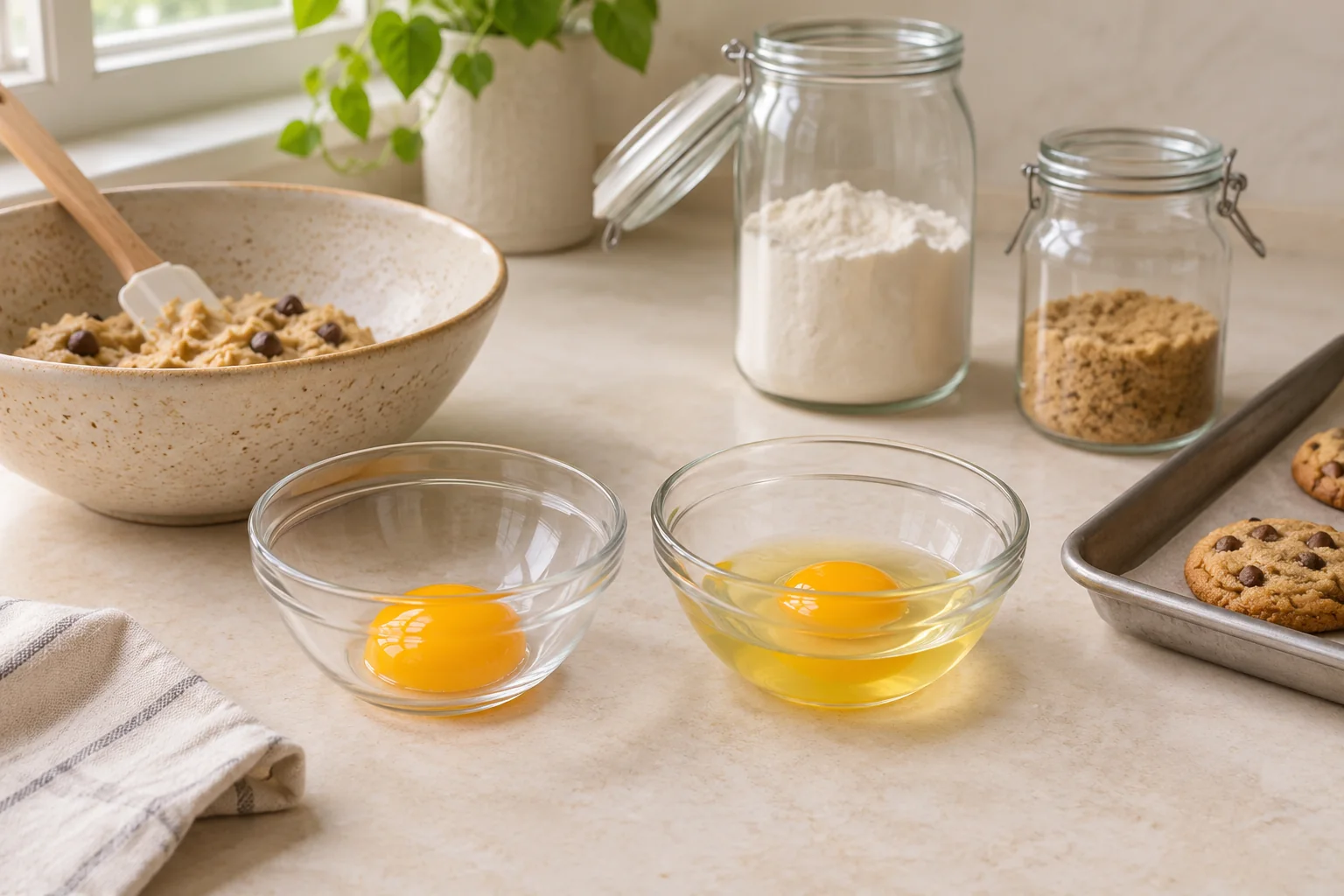
One cookie recipe uses a whole egg, another uses just the yolk, and a third asks for a whole egg plus an extra yolk. These choices aren't arbitrary. Egg whites and yolks have different proportions of water, protein, fat and emulsifiers, so they influence cookie spread, structure and the way a warm centre feels. Understanding the differences helps you interpret recipes without turning every egg substitution into a guessing game.
What a whole egg contributes
A whole chicken egg includes a water-rich white and a yolk containing fat, proteins and emulsifiers. Together they bind ingredients and influence moisture, lift and structure as the cookie bakes. The size matters; a large egg and an extra-large egg may not provide identical liquid quantities.
What the egg white contributes
Egg whites contain mostly water and proteins. During baking, those proteins coagulate and contribute structure. In recipes that whip egg whites, they can also hold air for lift. Conventional drop-cookie dough may use the white primarily for moisture and binding rather than a separate foam.
What the yolk contributes
Egg yolks supply fat, emulsifiers such as lecithin, colour and proteins, along with some water. Their composition can help create a rich, cohesive texture. In some cookie formulas, an extra yolk is associated with chewiness and tenderness, but the outcome depends on the rest of the recipe.
Why a recipe uses only yolk
A small-batch or rich shortbread-style cookie may rely on yolk rather than a whole egg to limit the amount of water from the white and add richness. The dough can behave differently in spread and crumb. You cannot assume every yolk-only formula will produce a soft cookie without knowing the butter and sugar proportions.
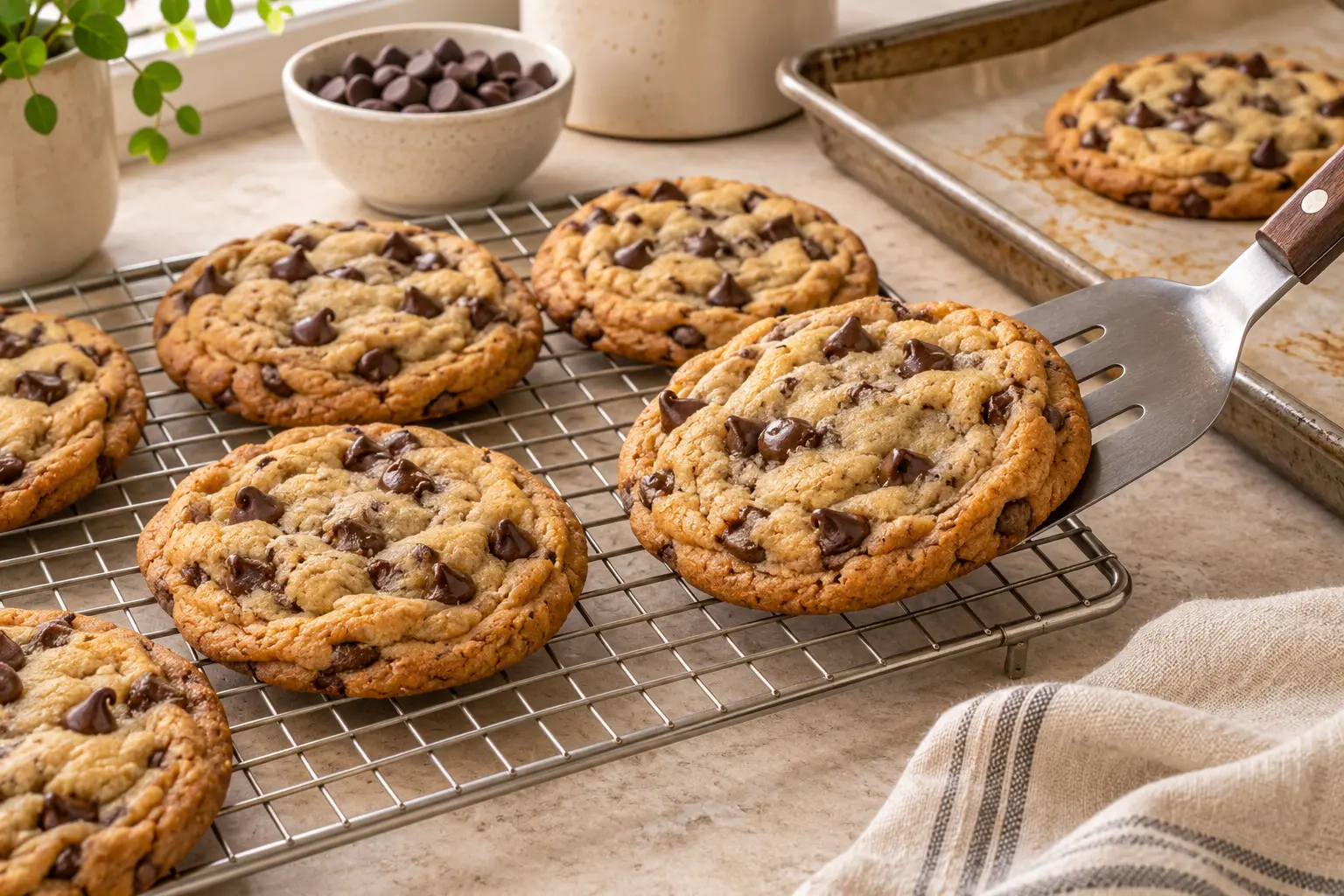
Recipe to try: Chewy Chocolate Chip Cookies. For a chewy cookie option, use this complete formula. Sugar, flour and cooling work together; changing only baking time is not the whole method.
Why whole eggs are common
A whole egg is convenient, economical and provides balanced protein and liquid for many classic cookies. It helps the dough hold together without needing separate egg handling. Chocolate chip, oatmeal and sugar cookie recipes may all use whole eggs, though some include additional yolks.
Recipe to try: Classic Chocolate Chip Cookies. Use the stated butter texture, dough portions and bake time together to establish a consistent cookie baseline.

How water changes spread
Egg white contributes moisture that can affect dough consistency and steam generation. But cookie spread is governed by many factors, including butter temperature, sugar, flour and baking-sheet heat. Replacing a yolk with a white can alter the dough, yet doesn't guarantee thinner cookies in every formula.
How fat changes eating texture
A yolk provides fat that can contribute to a tender mouthfeel. An extra yolk may make an otherwise well-balanced dough feel richer. Too much relative to flour can make cookies greasy or soft in an undesirable way; a recipe must balance the additional fat and moisture.
The role of emulsifiers
Egg-yolk emulsifiers help water-based and fat-based ingredients combine into a relatively uniform dough. That can improve mixing and final texture in certain recipes. Emulsifiers aren't a substitute for correct butter temperature or proper incorporation of flour.
What about chewiness?
Chewiness is influenced by sugar type, flour protein, moisture and baking. Some formulas use extra yolks to create a denser chewy impression, but baking longer can still dry that cookie out. Choose a tested chewy-cookie recipe instead of automatically adding a yolk to a favourite formula.
What about cakiness?
Eggs can provide structure and, in some mixing methods, aeration. Using more whole egg than specified may contribute to a firmer or cakier crumb if other ingredients support that outcome. Leavening and mixing are also important, so egg choice alone doesn't define a cakey cookie.
Why changing egg size matters
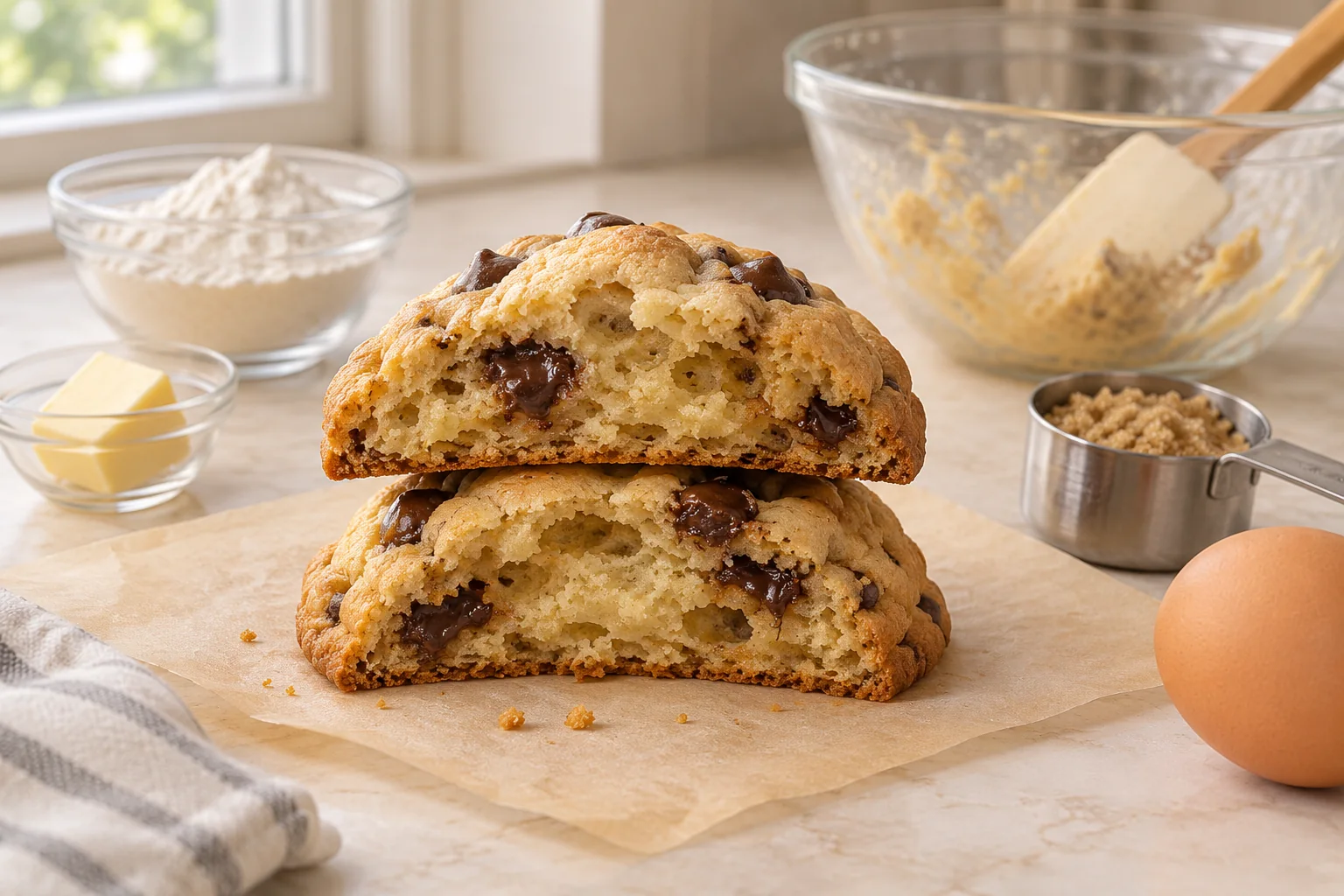
If a small dough calls for one large egg, replacing it with two small eggs or one extra-large egg may noticeably change hydration. Use the egg size specified or a weight-based substitution provided by the recipe. This is particularly important in small-batch cookie baking.
How to use part of an egg
When scaling a tested formula, beat a whole egg in a clean bowl and weigh the required portion. Don't estimate that half the shell's contents equals half an egg by weight. Use the leftover egg promptly in another properly cooked preparation and maintain safe handling.
Can egg yolk replace a whole egg?
Not directly at a one-for-one count. A yolk is smaller and contains proportionally more fat and less water than a whole egg. Removing the white changes the dough's structure. Use a recipe-developed conversion if you need yolks only.
Can a whole egg replace two yolks?
The total weight and water-to-fat balance will change. Depending on the formula, cookies may be firmer, more cakey or simply different in spread. Choose a compatible recipe using whole eggs rather than assuming any two yolks equal one whole egg.
What about egg-free cookies?
Some cookies contain no eggs and rely on butter, flour, sugar or another binder for structure. Vegan egg replacements such as flax gel or commercial blends affect hydration and texture differently. A tested egg-free recipe is more dependable than substituting water for a whole egg.
Why yolks colour cookies
Yolks contain pigments that add a warm hue to dough. Browning during baking also depends on sugar, oven heat and other ingredients. A golden cookie isn't necessarily rich in yolks, and a paler cookie isn't automatically less cooked.
When separating eggs
Cold eggs are often easier to separate cleanly. Avoid contaminating whites if a recipe will whip them; even small amounts of fat may interfere. Store any separated component appropriately and cook as directed. Raw eggs and raw cookie dough shouldn't be tasted.
What if your cookies are too dry?
Overbaking or excess flour may be more important than egg choice. Don't add an extra whole egg without examining the intended dough structure, because that can cause spreading or cakiness. Revisit measurement and bake time before changing the formula.
What if cookies spread too much?
Warm butter, too little flour or a hot baking sheet often matter more than using a yolk. Follow chilling instructions and weigh ingredients. Compare with the recipe before deciding to remove the white from every egg.
Frequently asked questions
Does an extra yolk make cookies chewy? It can contribute, but isn't sufficient by itself. Are egg whites drying? They add water and structure; the full formulation controls dryness. Can I swap yolk for whole egg? Not without adjusting ratios. Does egg size matter? Yes, especially in small batches.
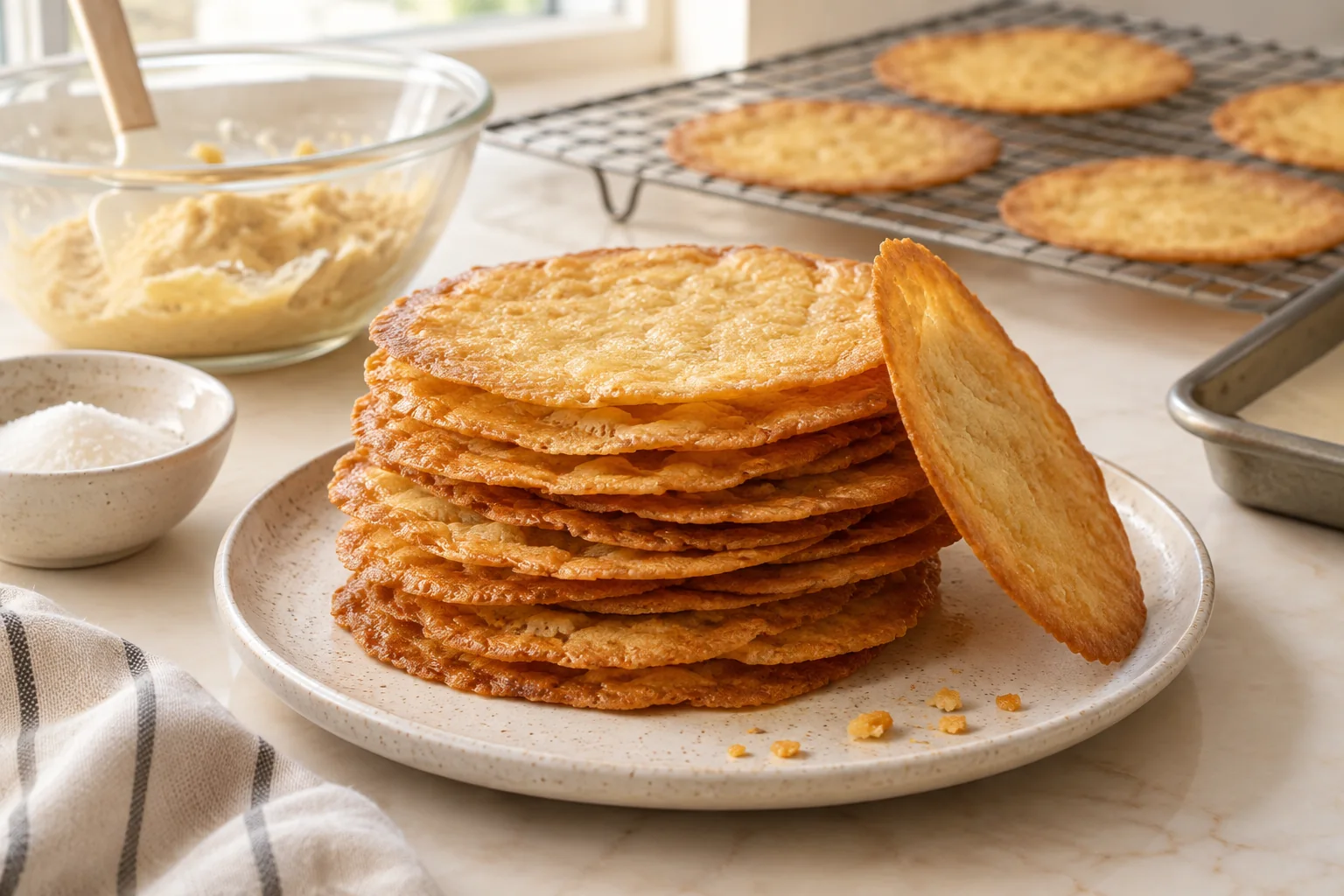
Recipe to try: Crispy Chocolate Chip Cookies. For a crisp cookie option, start with this formula and follow its baking and cooling cues. Thinness alone does not guarantee a crisp texture.
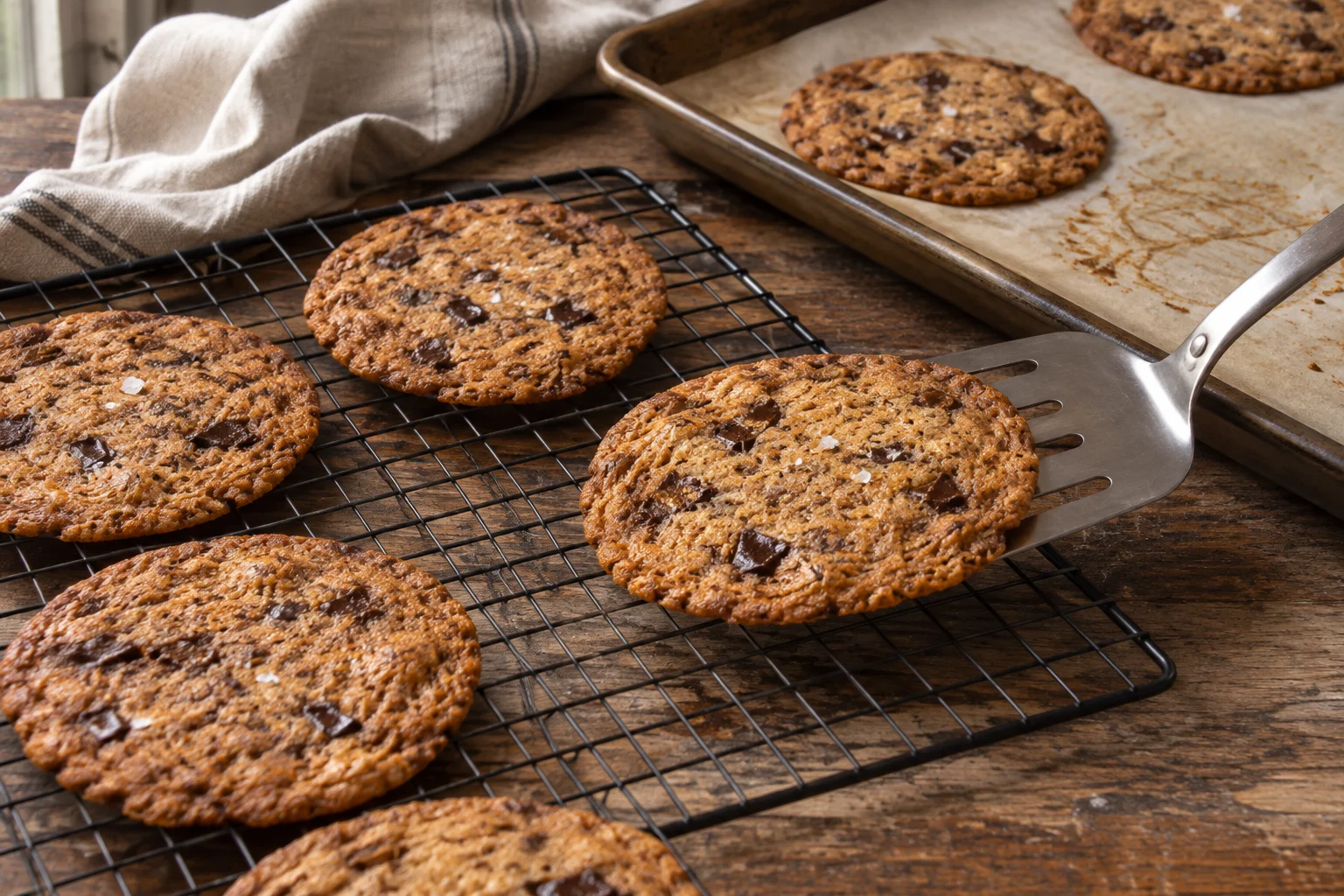
Read the egg instruction as part of the formula
Whole eggs create a balanced ingredient input; yolks can make a recipe richer and change the moisture balance. Choose a recipe whose egg combination matches the texture you want, and resist swapping components without measuring what changes.
IN PICTURES
From the baking notebook
FROM THE RECIPE BOX


