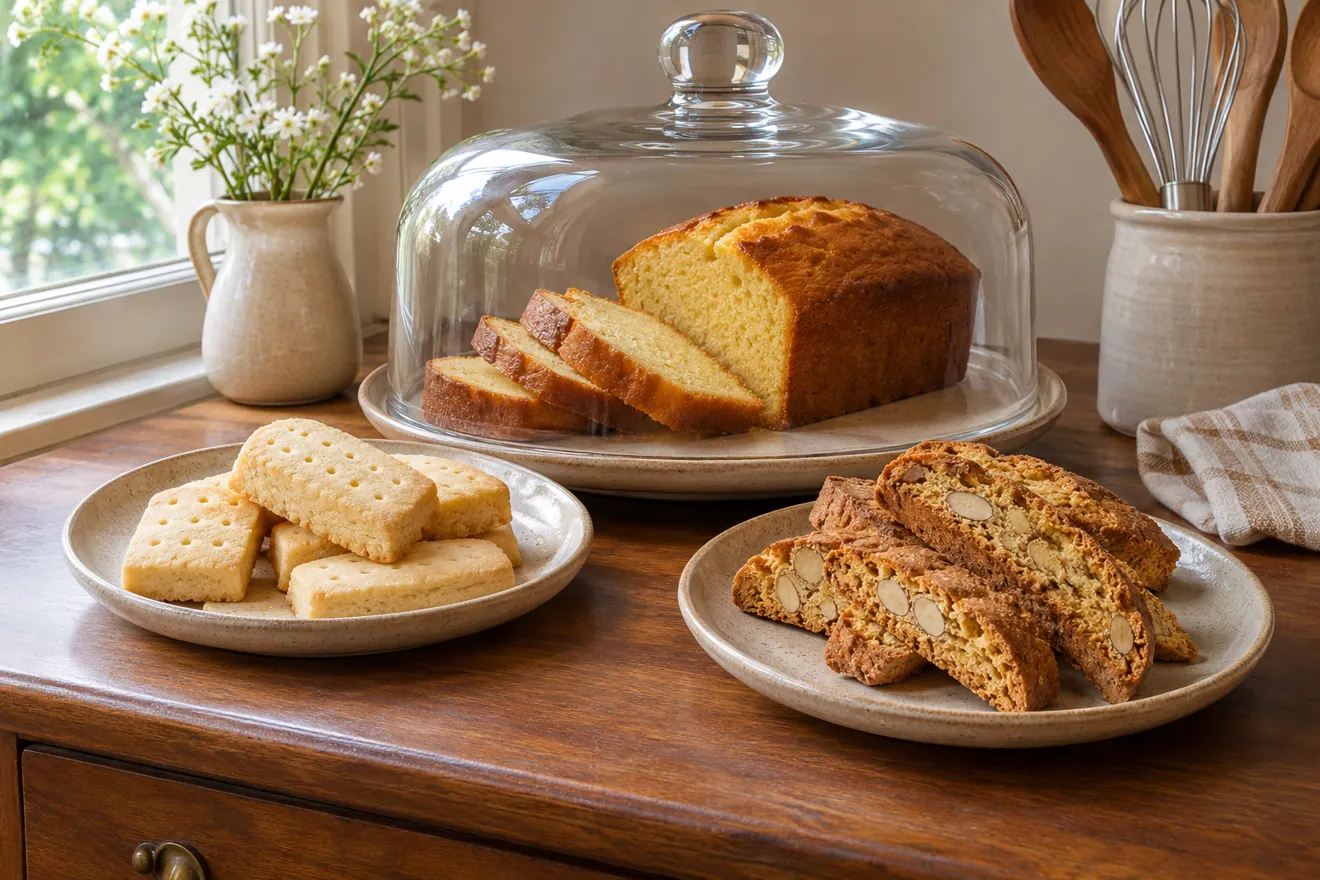
On this page
When you are setting up a dessert table, one of the most important questions isn't about decoration: which desserts can actually sit out at room temperature? A cookie platter and a custard tart may look equally ready to serve, but they have very different storage needs. Understanding the difference helps you plan a beautiful display without compromising food safety.
Some plain baked goods are suitable for room-temperature storage according to their recipes. Others need refrigeration even though they were baked, glazed or covered in chocolate. Here is a practical guide to recognizing the difference, choosing recipes for a long gathering and managing the table as guests come and go.
What Counts as Room Temperature?
In recipes, room temperature usually refers to an ordinary indoor environment, not a sunny outdoor picnic table, the trunk of a car or a warm room beside a radiator. Actual temperature and humidity affect both food safety and quality.
For party planning, distinguish between storage—how a product should be kept before and after serving—and short-term display—the period it is placed on a buffet. A dessert stored in the refrigerator may be set on a table briefly for serving under applicable food-safety guidance, but that does not make it shelf-stable.
What Makes a Dessert Perishable?
Water activity, acidity, ingredients, preparation and how the food is handled all affect whether microorganisms can grow. It isn't safe to make blanket claims based on one visible ingredient. A plain dry cookie can behave very differently from a cream-filled sandwich cookie.
Homemade custards, cream-based fillings, cheesecake, mousse and many fresh dairy frostings usually require refrigeration. A commercially formulated packaged product may have different storage rules than a homemade version. Follow the exact recipe or package guidance rather than generalizing.
1. Plain Sugar Cookies
Many simple baked sugar-cookie recipes provide room-temperature storage instructions. They're easy to portion and can sit on a dry, covered tray during an appropriate serving period. Decorated versions need separate consideration: icing ingredients affect whether the finished cookie is suitable for the table.
Royal icing formulated to dry firm may be more practical for stacking than soft buttercream. If the icing contains perishable ingredients, follow its refrigeration rules rather than assuming the plain cookie determines storage.

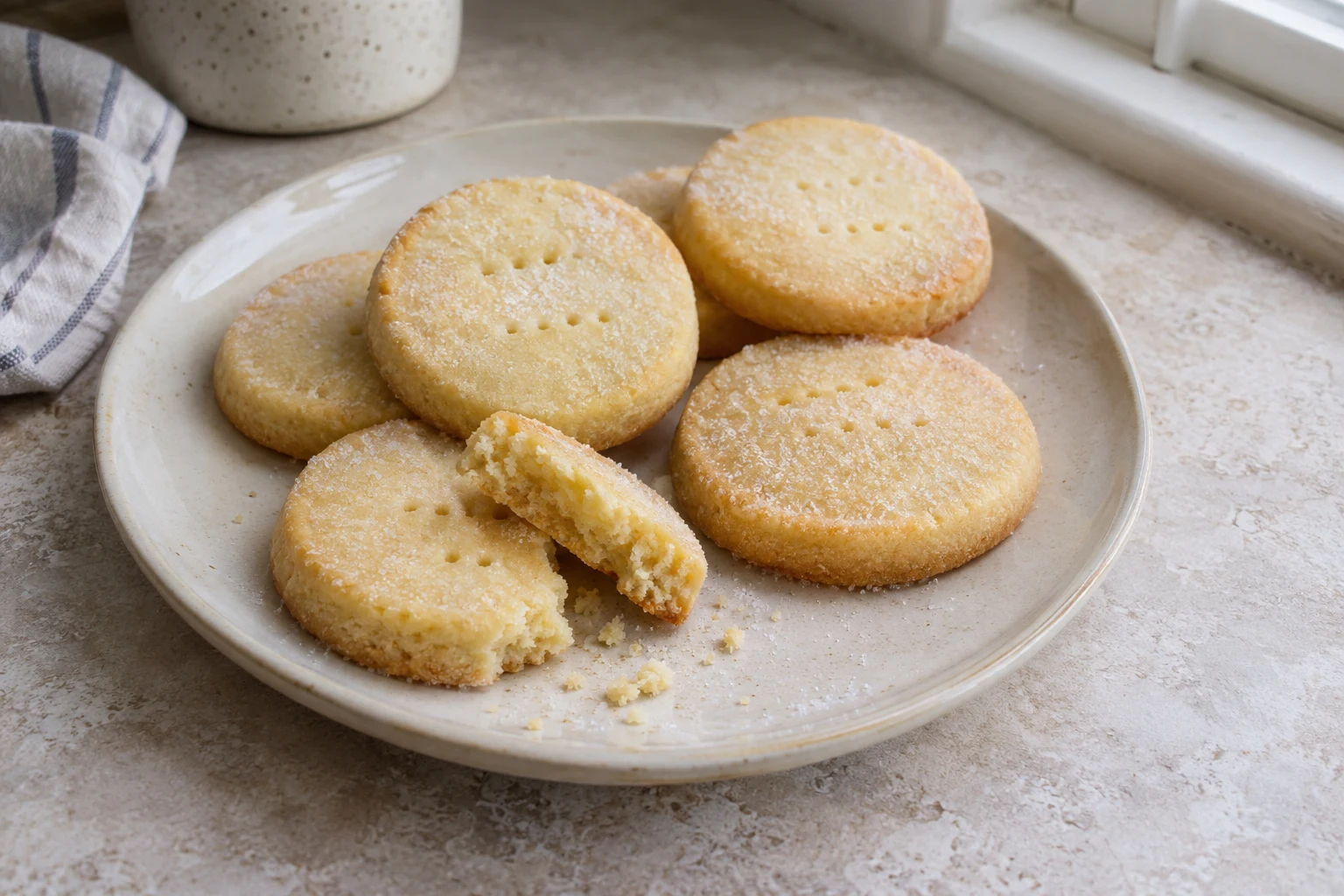
2. Shortbread
For a simple shortbread example, explore our vegan shortbread cookies. Storage requirements still depend on the complete finished recipe and any toppings added afterward.
Well-baked shortbread is often a good candidate for a room-temperature cookie tin when a tested recipe allows it. Its crisp texture is convenient for parties because guests can take an individual piece without utensils.
Keep it away from steam and humidity. Packing warm shortbread can trap condensation and ruin the crisp texture even when safety is not the main issue.
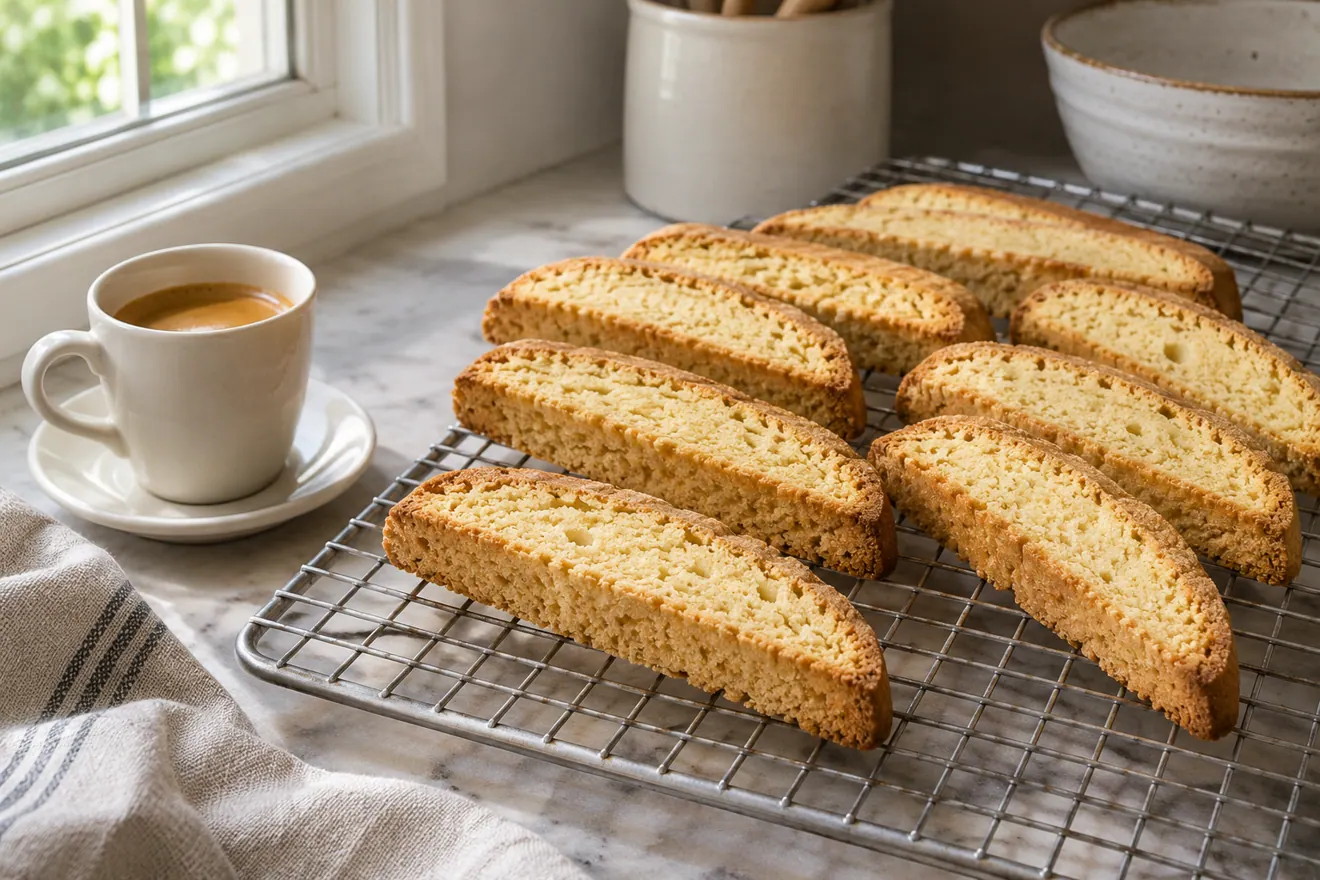
3. Biscotti
Biscotti are intentionally crisp and dry, which makes many simple versions practical for serving with tea or coffee. A reliable recipe should state appropriate storage conditions. Chocolate coatings or fillings can change how well biscotti tolerate warm rooms.
Provide a separate small tray near hot drinks, and avoid storing them beside soft, moist cakes that may affect their texture.
4. Plain Chocolate Chip Cookies
Some ordinary chocolate chip cookies have recipe-supported room-temperature storage. Their quality is best when the cookies have cooled fully before going into a sealed container.
A chocolate chip may soften in a hot room even if the underlying cookie has a suitable storage window. If the cookie contains cream cheese, custard or another perishable filling, the requirements can change substantially.
The plain Classic Chocolate Chip Cookies are an example with recipe-specific storage guidance. Use that guidance for the finished cookie as written.

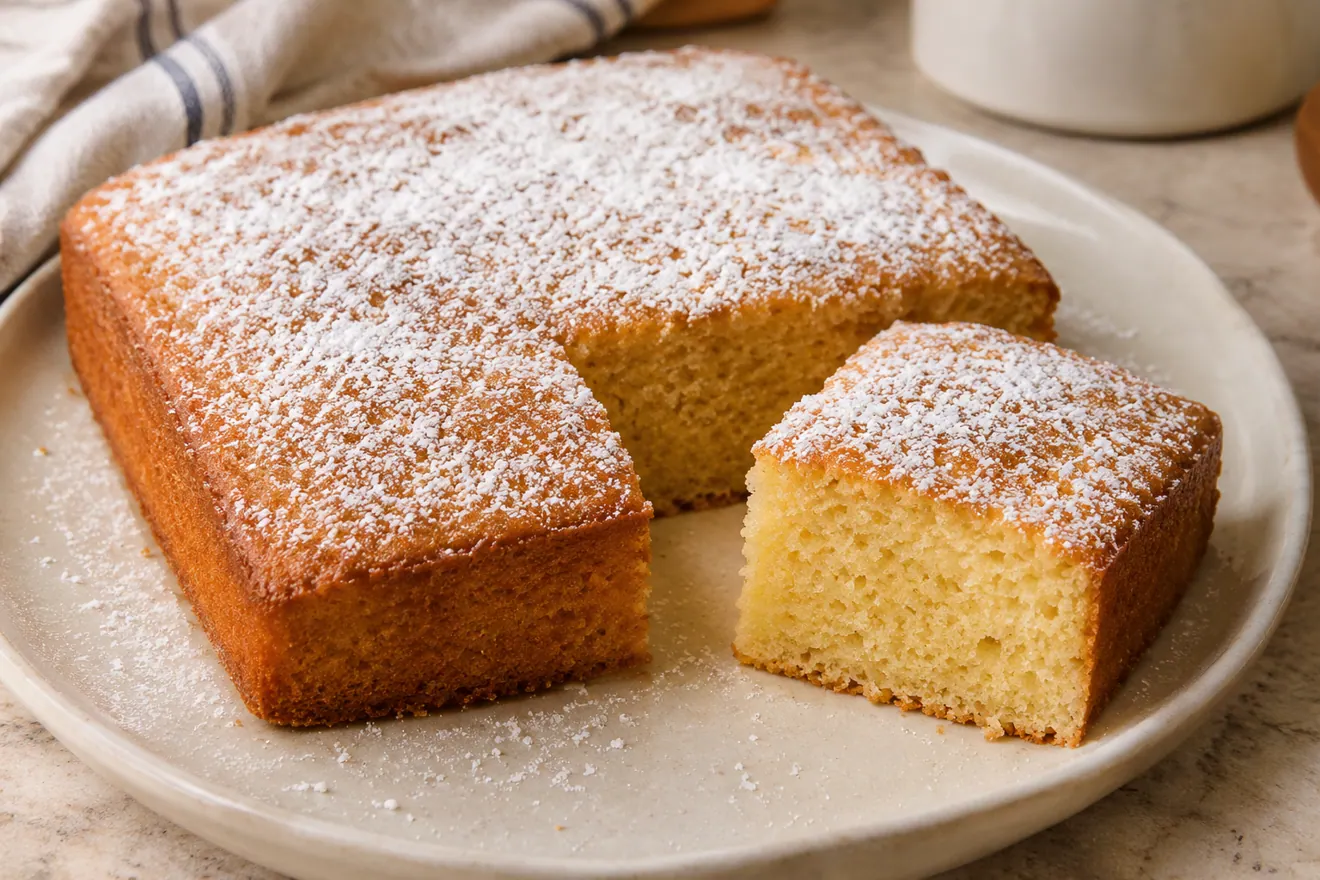
5. Unfrosted Vanilla Cake
Some simple cakes are written for covered room-temperature storage over a limited period. An unfrosted vanilla snack cake or plain sponge may be more practical for a buffet than a cake filled with whipped cream.
The recipe's moisture and ingredients still matter. If the cake contains a perishable filling or glaze, use the storage directions for the complete assembled dessert.
Our White Sheet Cake gives a fully baked single-layer base. It can be served plain, and a frosting or filling may change how it should be stored.
6. Certain Loaf Cakes
Some lemon, banana and spice loaf recipes can be stored at room temperature under their specific instructions. Transporting the loaf whole and slicing near serving can protect its texture.
Do not assume every fruit-heavy loaf is safe to leave out. Extra moist fruit, a fresh dairy glaze or a custard swirl can create different storage needs. Use a tested recipe and follow its guidance.
Our Iced Lemon Loaf uses a lemon-and-sugar icing. A version covered in a cream-based glaze would have its own cold-storage needs.

7. Plain Brownies
Many plain brownie recipes permit short room-temperature storage in a suitable container. A dense brownie can be cut into tidy pieces and displayed on a low platter.
Brownies with cheesecake swirls, fresh cream layers or perishable frostings may require refrigeration. Treat the finished brownie as a whole product and read the storage instructions before placing it on a long buffet.
Our Air Fryer Brownies are baked until no wet batter remains. Prepare and serve them without adding a perishable layer if you need the plain version.

8. Simple Blondies
Like some brownies, certain blondies are suitable for room-temperature storage when the recipe says so. A tray cut into squares is convenient for a birthday or potluck because guests can serve themselves.
Check additions such as cream-based frosting, fresh fruit fillings or caramel components. The base recipe's storage window doesn't automatically apply after major changes.
Check the finished recipe for Gluten-Free Blondies and label the almond flour for guests.

9. Suitable Plain Muffins
Some baked muffins with no perishable filling have recipe-supported room-temperature storage. They can be served whole or in mini format, depending on the occasion.
A muffin with cream-cheese filling or other perishable inclusions should be refrigerated as required. Cool baked muffins before covering so trapped steam doesn't leave the paper liners soggy.
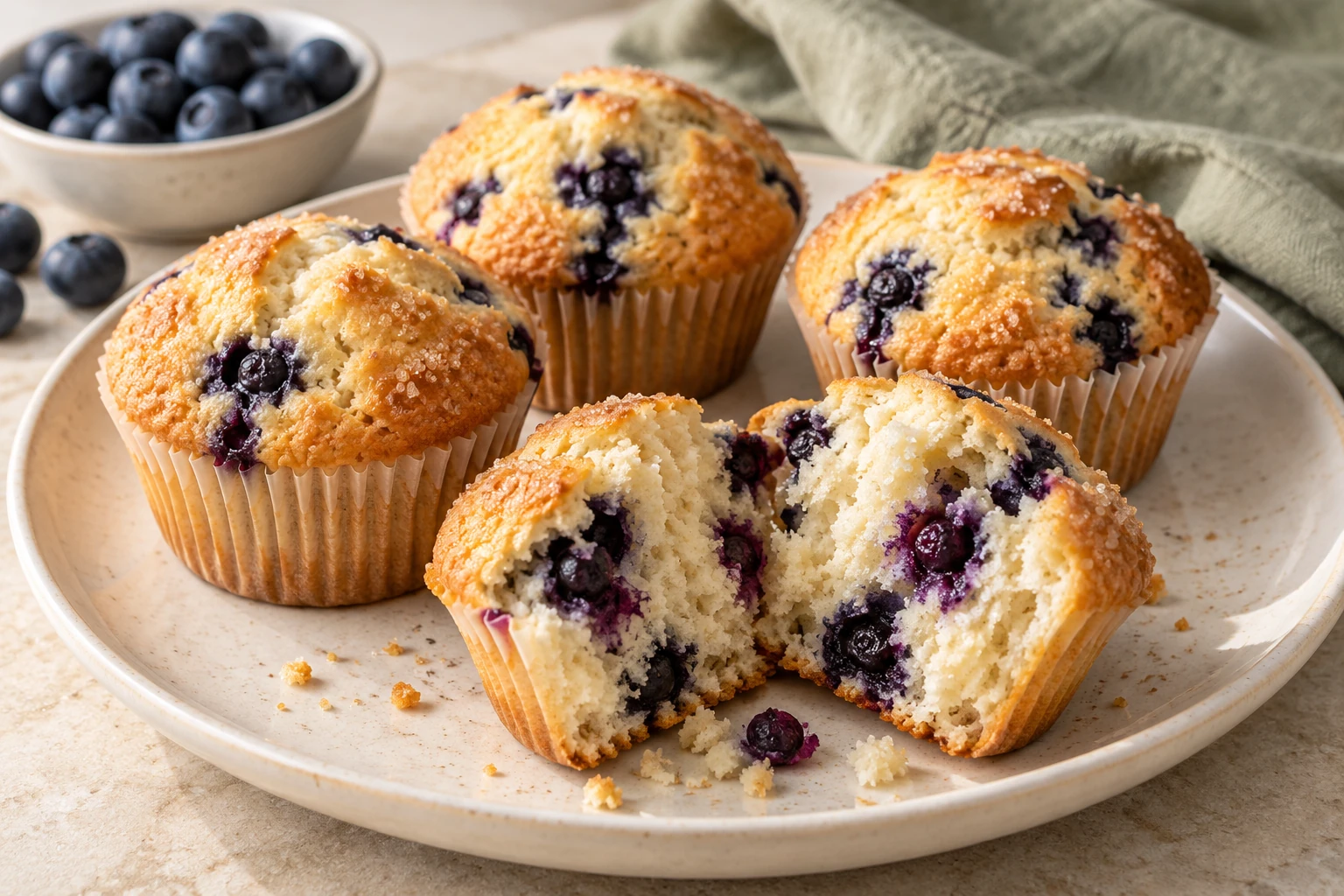
Our Blueberry Muffins bake the berries into the batter, with no frosting or dairy filling.
10. Some Nut and Oat Bars
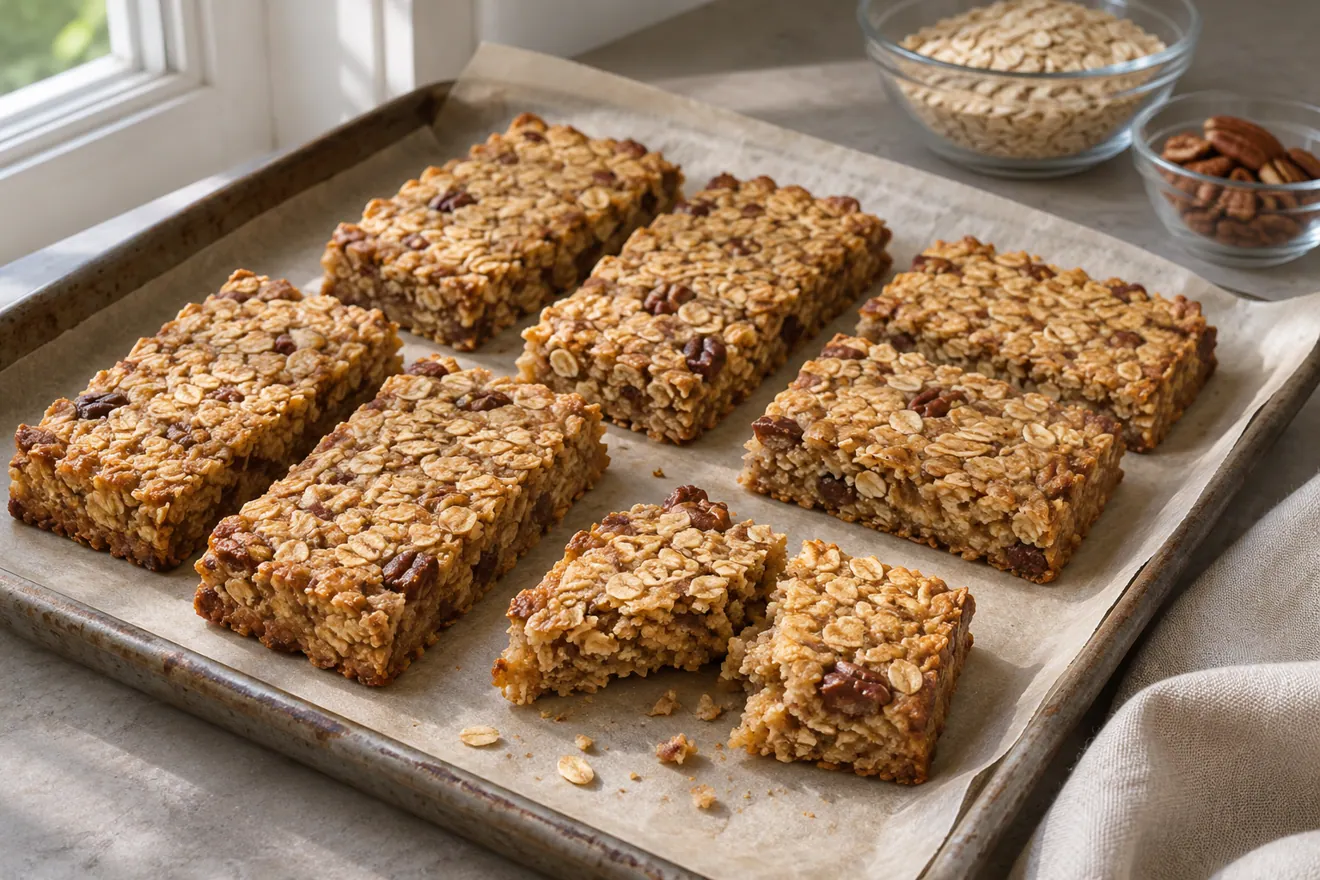
Bars made with oats, baked ingredients and suitable binders can sometimes be stored without refrigeration, but formulations vary widely. A raw or lightly set bar with dairy, fresh fruit or other moist fillings may have different safety needs.
For a party, choose a recipe with an explicit storage period. Label tree nuts, peanuts, seeds and other allergens when sharing.
Why Lemon Bars Are Different from Lemon Cake
A lemon drizzle loaf and a lemon curd bar are not interchangeable storage categories. A lemon curd filling often contains eggs and needs careful refrigeration; a plain baked citrus cake may have a recipe-supported room-temperature window.
Likewise, a fruit-filled tart with pastry cream differs from a plain fruit loaf. The visible flavour—lemon, chocolate, vanilla or berry—doesn't determine safety. The complete formulation and preparation do.
Can Pumpkin Pie Sit Out?
Homemade pumpkin pie is a custard pie, typically made with eggs and milk or cream. It requires proper refrigeration and applicable serving-time controls. Do not leave it on the counter overnight because it looks like a baked fruit pie.
For a Thanksgiving table, keep pumpkin pie chilled until closer to serving, then return leftovers to the refrigerator promptly. Follow authoritative food-safety guidance for the time it may remain outside refrigeration.
What About Cheesecake?
Homemade cheesecake usually contains cream cheese and eggs and needs refrigeration. A fully baked cheesecake is still a perishable dairy-rich dessert. Display it for serving according to applicable guidance, not all afternoon for decoration.
Use a chilled carrier for transport and confirm the host has space in the refrigerator. If you cannot maintain suitable conditions, bring a different dessert rather than risking the cheesecake.
Buttercream, Ganache and Royal Icing
Follow the storage directions for the exact frosting or filling. Water content, sugar and acidity affect whether it needs refrigeration. An untested cream cheese, fresh cream or custard topping belongs in the refrigerator. Read University of Minnesota Extension’s guide to frosting and filling safety for an explanation of why formulas behave differently.
Adding a filling or switching to a cream-based topping can move a room-temperature cake into the chilled group.
How to Plan a Dessert Table for a Long Event
Separate desserts into those approved for room-temperature display and those requiring chilling. Place the sturdy cookies and suitable bars on the table early. Keep cheesecake, custard and cream-filled pastries in controlled cold storage until their serving window.
Rather than placing every perishable dessert on the table at the beginning, set out a smaller platter and replenish with properly stored portions. This helps maintain freshness and reduces waste.
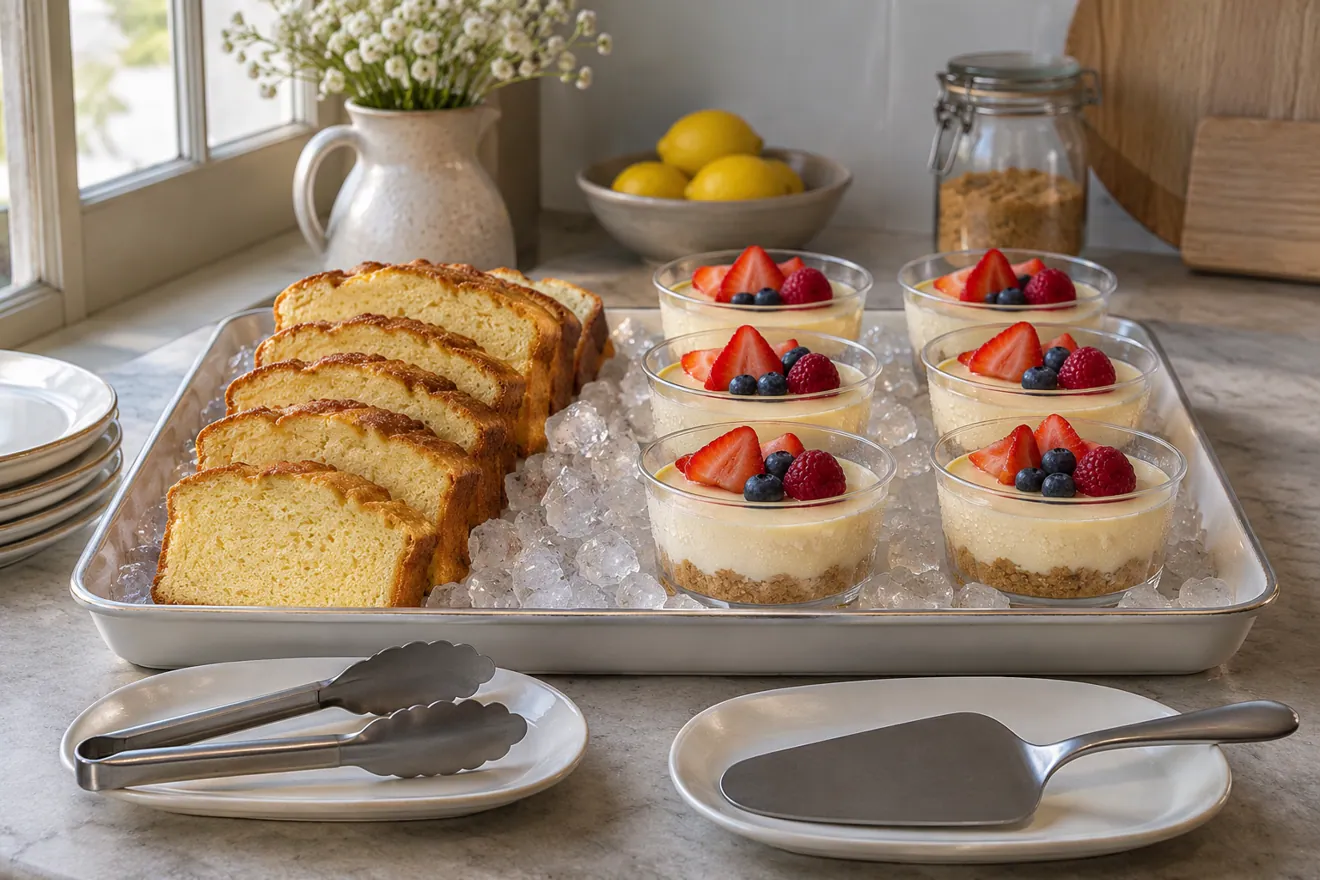
Plan two routes from preparation to service. Put suitable plain bakes in covered containers at the table. Keep plated portions of mousse or cheesecake refrigerated until a guest is ready to eat them. If you use ice for temporary display, check that it keeps the actual food at 4°C (40°F) or colder. A tray that simply feels cool is an unreliable check.
Temperature Control Matters
Keep food that requires refrigeration at 4°C (40°F) or colder. Discard perishable desserts after more than two hours total without temperature control at indoor room temperature. Health Canada advises a shorter one-hour limit on hot summer days. Time spent out during packing, travel and serving adds up. See the leftover guidance and summer food safety tips.
Use a thermometer to check the temperature of your cooler or food. Shade and a cover protect food from heat and insects, and perishable desserts still need reliable cold storage.
Keeping the Table Clean
Use clean trays and utensils, and put serving tools beside each dessert. Separate products with important allergen differences where practical, although physical separation alone doesn't guarantee against cross-contact.
Protect desserts from handling by guests who haven't washed their hands and from environmental contamination. A small number of well-maintained trays is more appealing than an oversized unattended spread.
How to Handle Leftovers
Promptly chill perishable portions that stayed within safe serving limits. If a custard, mousse or dairy-filled dessert has exceeded those limits or its holding time is unknown, discard it. Pack plain bakes according to the original recipe directions and mark the date.
Common Questions About Room-Temperature Desserts
Can cupcakes sit out?
Plain cupcakes and certain frostings may have recipe-supported room-temperature storage, while cream cheese, custard and other perishable toppings require refrigeration. Check the complete recipe.
Can a fruit tart stay on a buffet?
It depends on the tart. A fresh-fruit tart with pastry cream typically requires refrigeration, while another tart may have different requirements. Follow the specific filling and storage instructions.
Do chocolate desserts always need refrigeration?
No. Some plain cookies and brownies don't, but mousse, cream ganache and certain fillings do. Chocolate flavour alone says nothing reliable about storage safety.
How do I know if a homemade dessert is shelf-stable?
Use a tested recipe with clear room-temperature storage guidance. If instructions are missing, don't assume the dessert is safe to hold unrefrigerated for an extended period.
Does a tight lid make perishable dessert safe?
No. An airtight container can protect against some contamination and staling, but it doesn't remove the need for refrigeration when ingredients require it.
Build the Table Around the Food's Needs
The most successful dessert table pairs beautiful presentation with correct storage. Choose sturdy, recipe-approved room-temperature treats for an easy display, and bring out refrigerated desserts only under suitable serving conditions. Knowing when a dessert can sit out is part of baking thoughtfully for other people.
Some images are AI-generated illustrations of the desserts and techniques described.
IN PICTURES
From the baking notebook
FROM THE RECIPE BOX


