On this page
A well-finished pie edge does more than make a dessert attractive. On a double-crust pie, it helps join the upper and lower sheets; on a single-crust custard pie, it forms a defined border above the filling. Decorative edges can be simple enough for a beginner or intricate enough for a celebration. Whatever the pattern, pastry that is the right thickness, cool and relaxed will hold the design better than warm stretched dough.
Start with a properly fitted shell
Before decorating, roll pastry to the recipe's thickness and make the circle large enough to cover the bottom, sides and overhang without stretching. Dough pulled into the pan often shrinks during baking. A crimp cannot permanently anchor a shell that was stretched too tightly in the first place.
Understand the edge's job
A decorative rim frames the filling and, for double-crust fruit pies, can help seal two pieces of dough. It must remain substantial enough to bake without breaking. Avoid piling multiple thick layers onto a thin base simply to create more decoration.
Fold the overhang under
Many classic crust methods trim to a measured overhang and fold it beneath itself to create a stable rim. For double-crust pies, the two overhangs can be joined and folded together. Follow the specific recipe to avoid excessively thick dough at the lip.
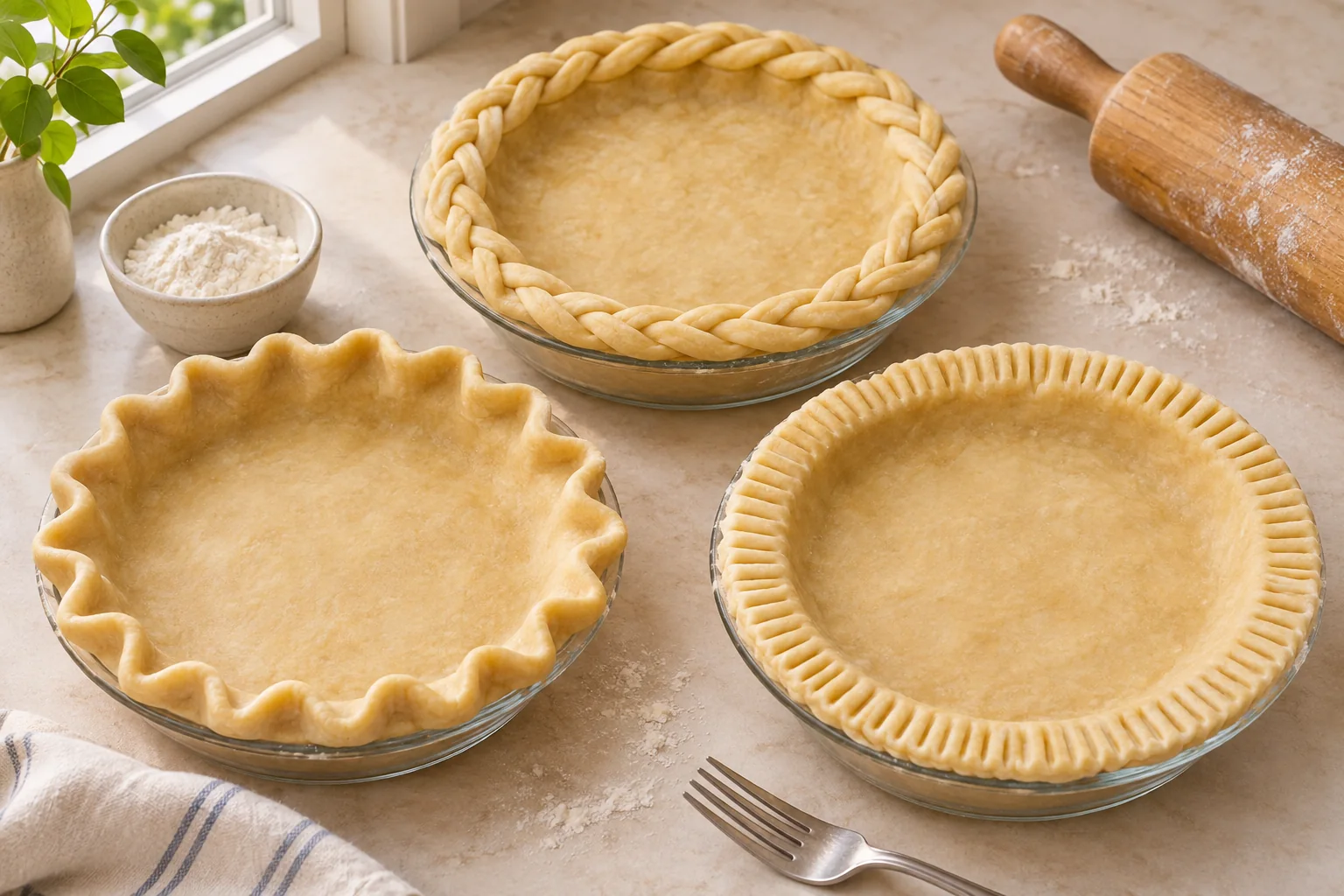
Classic three-finger flute
Use the index finger of one hand against two fingers of the other to pinch small waves around the rim. Keep the pressure gentle and the spacing consistent. A simple regular pattern can look more elegant than irregular deep pinches that cut through the pastry.
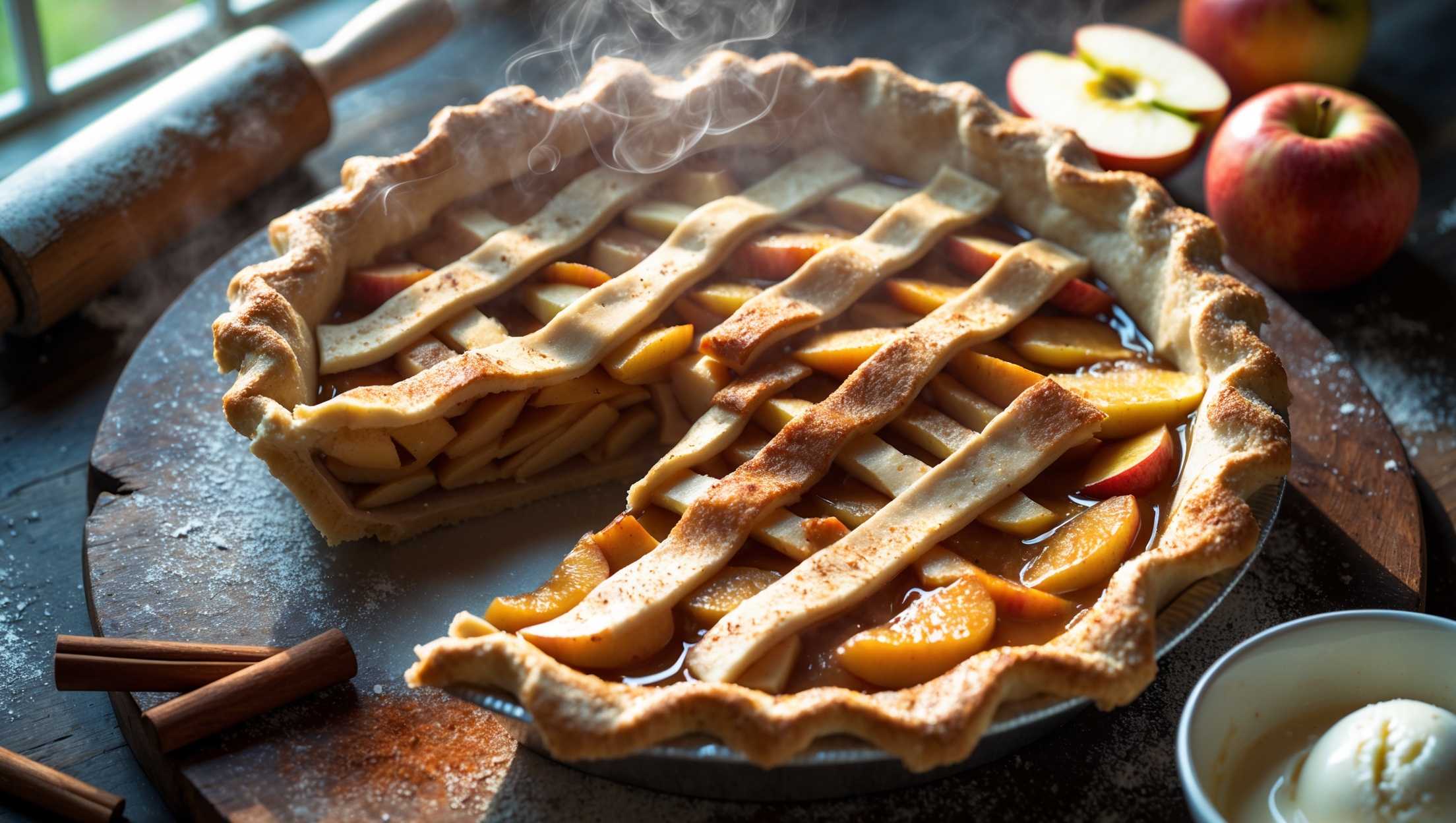
Recipe to try: Classic Apple Pie. Use the apple preparation, filling quantities and pastry method specified for this pie. A different fruit can require a different thickener balance.
Fork-crimped edges
A floured fork pressed lightly into the folded rim makes repeated parallel impressions. This is particularly useful for hand pies and small pies. Don't press so deeply that the tines slice through the seal or flatten the pastry into a very thin strip.
A rope edge
Rope-style crimps are formed with a sequence of angled pinches that suggest a twisted cord. Each small movement overlaps visually with the previous one. Practice a short section first to find the spacing; the technique is easier on pastry that is cool but not brittle.
Scalloped impressions
The rounded back of a clean spoon or a small pastry tool can produce shallow repeated scallops. Keep every mark at a similar angle. A deeply notched edge may tear as it expands, so favour modest impressions that preserve an even rim.
Braided pastry
Cut three relatively thin strips of pastry and braid them gently according to an appropriate pie-decorating method. Chill briefly if they become sticky. A braid can be attached around the rim with the recipe's recommended wash, but a thick braid may need more baking time than a simple flute.
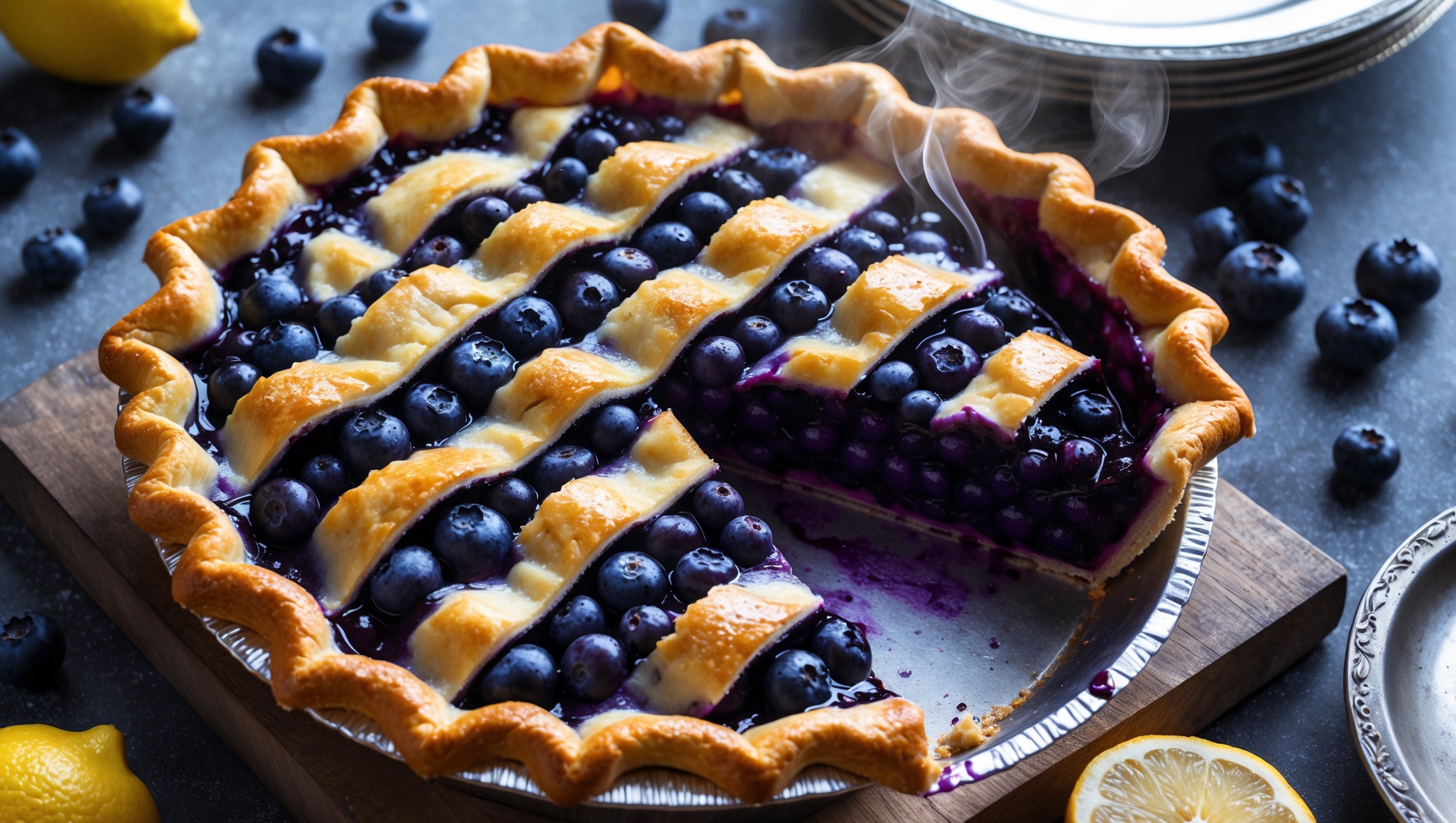
Recipe to try: Blueberry Pie. Blueberries release juice differently from apple slices. Follow this pie’s filling formula and allow its cooked filling to set before cutting.
Leaf cutouts
Use a small food-safe cutter to shape leaves from chilled scraps, then add shallow vein marks without cutting through. Arrange them around the perimeter or near the centre of a top crust. A few repeating leaves can look more controlled than a dense overlapping layer.
Stars and seasonal shapes
Small stars, hearts and autumn leaves give a pie an immediate occasion-specific look. Keep the pastry pieces a similar thickness to ensure even baking. Decorative dough can cover functional vents, so plan steam openings separately for a solid fruit-pie top.
Keep top crust vents functional
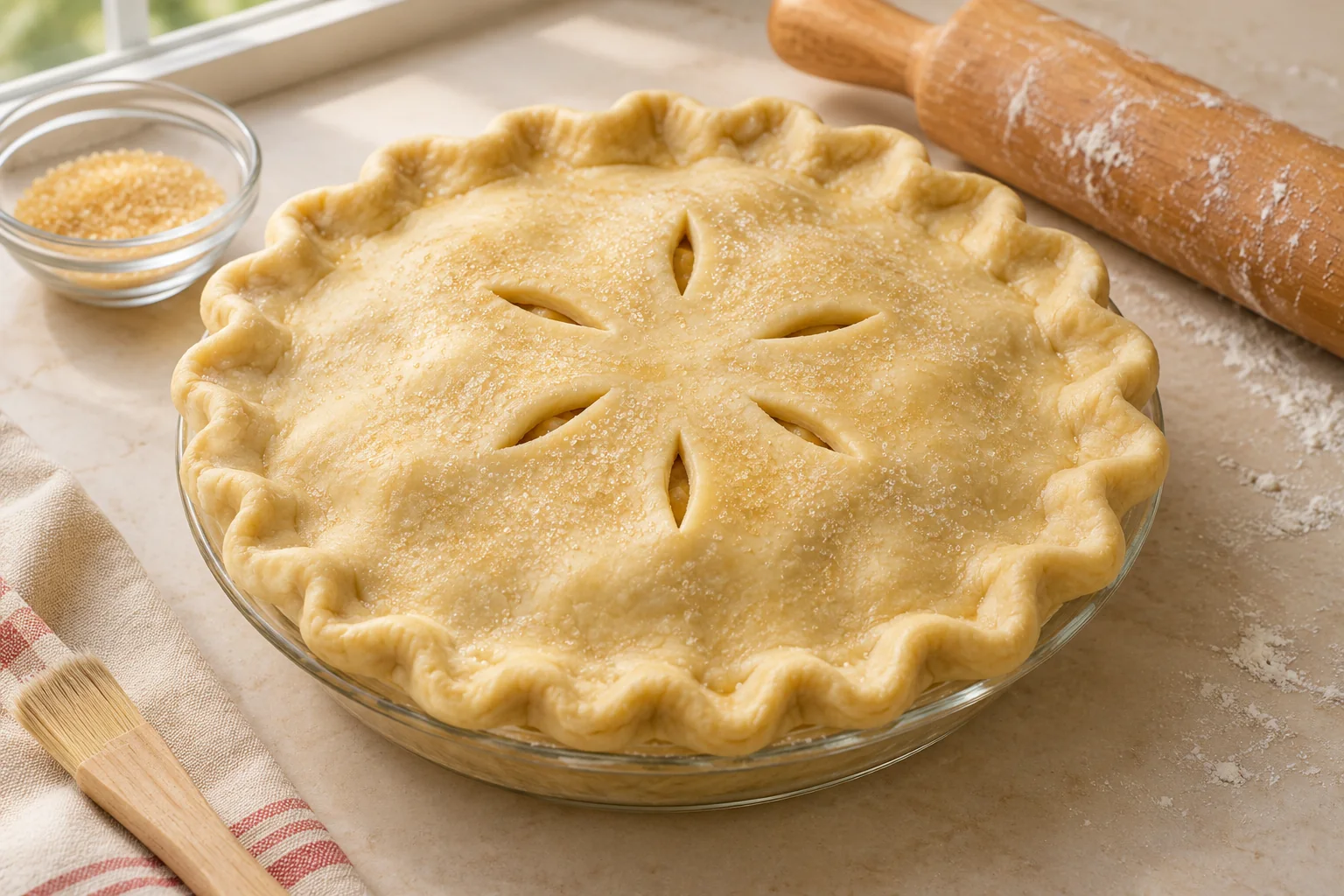
Fruit filling releases steam during baking. A fully covered pastry lid needs purposeful openings; an elaborate leaf arrangement isn't a substitute if every gap seals. Add discreet slashes or cutouts where the recipe permits and keep hot bubbling filling in mind.
Why cold dough holds patterns
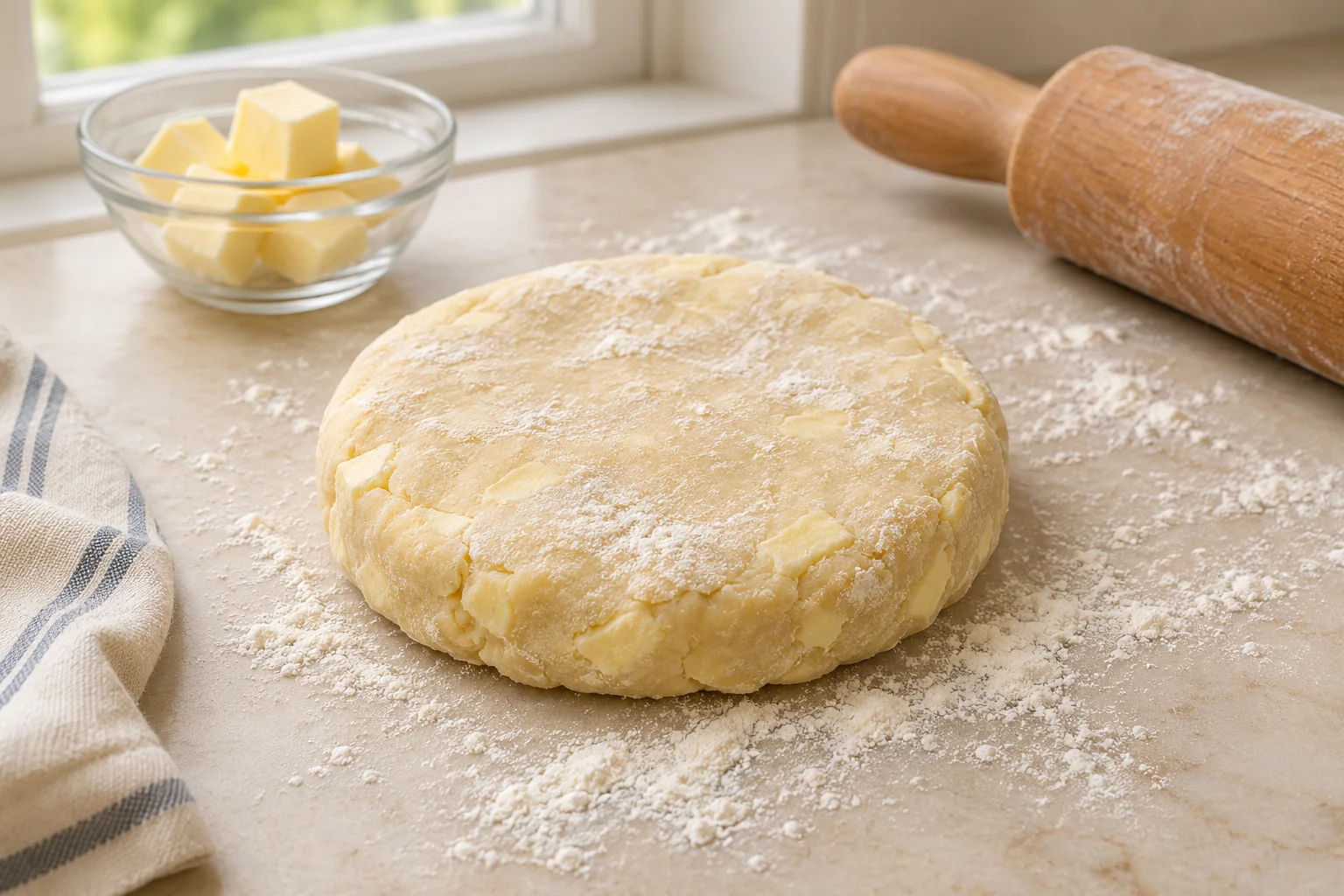
Warm butter softens and decorative marks can blur before the pastry sets. A recipe-approved chill after trimming and crimping helps firm fat and relax gluten.
Why freezing everything isn't ideal
Some pastry formulas freeze shaped crusts before baking, but a rock-hard dough can fracture or behave differently in glass and ceramic dishes. Follow the recipe and pan manufacturer's instructions. A controlled refrigerator rest is often enough for an ordinary pie rim.
How to brush on egg wash
Many recipes use a thin beaten egg wash for shine or colour. Apply evenly without letting thick puddles collect between leaves or braid strands. Avoid washing raw pastry far beyond the safe handling window; keep assembled pies properly cold before baking.
Protect an exposed rim
The edge may brown faster than the filled centre. A foil ring or commercial pie shield can protect it during the later baking stage when specified. Don't assume an elaborate thick decoration justifies removing the pie before the filling has cooked properly.
What if the decoration cracks?
Dough that's too cold or dry may split under fine manipulation; dough that's too warm may stretch and lose definition. Adjust to a workable temperature using recipe guidance rather than repeatedly gathering scraps and kneading them into a tough mass.
What if the edge sinks?
Check pan fit, excessive fat softness, inadequate rest and whether the shell was properly supported during blind baking. A deep crimp may collapse if the whole crust is sliding down the wall. The most useful fix is usually upstream, not a more elaborate pattern.
For mini pies
Small pie rims need smaller-scale designs. A full-size rope pattern can overwhelm a muffin-pan tartlet. Try a neat fork crimp or a single ring of tiny leaves, making sure the pastry doesn't become too thick relative to the filling.
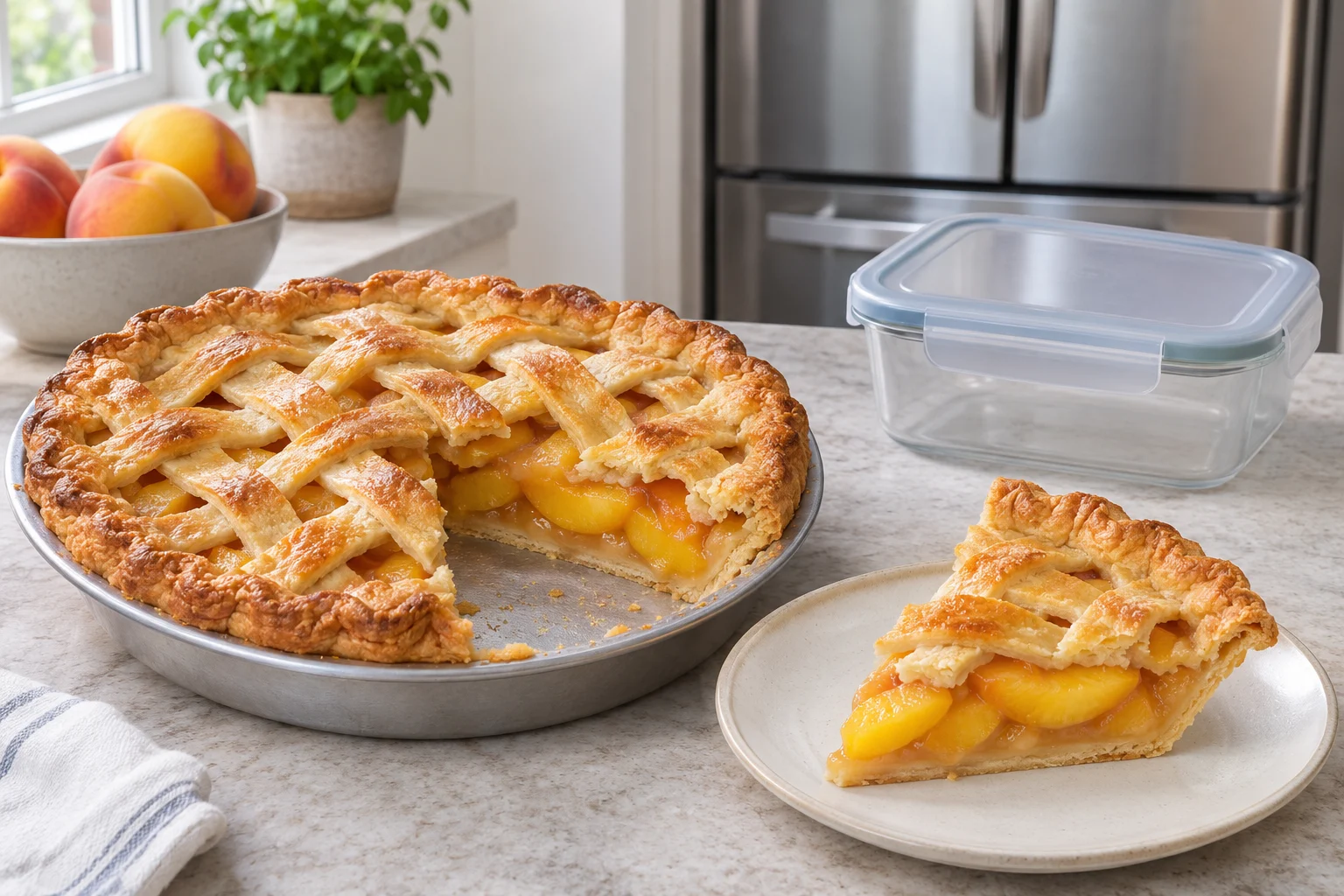
Recipe to try: Fresh Peach Pie. Peaches bring their own moisture and texture. Use this recipe’s preparation and thickener rather than borrowing an apple-pie ratio.
Frequently asked questions
Which edge is easiest? A fork crimp or classic flute. Can I reuse scraps? Some formulas allow gentle rerolling, though repeated handling toughens them. Do I need egg wash? Only if desired and supported by the recipe. Can a braid seal the lid? It helps visually, but the underlying pastry still needs a proper join.
Make decoration serve the pie
Start with an even, well-fitted rim, choose one consistent pattern, keep pastry cool and preserve any required vents. A pie that bakes neatly and holds its filling makes every decorative detail look more intentional.
IN PICTURES
From the baking notebook
FROM THE RECIPE BOX


