On this page
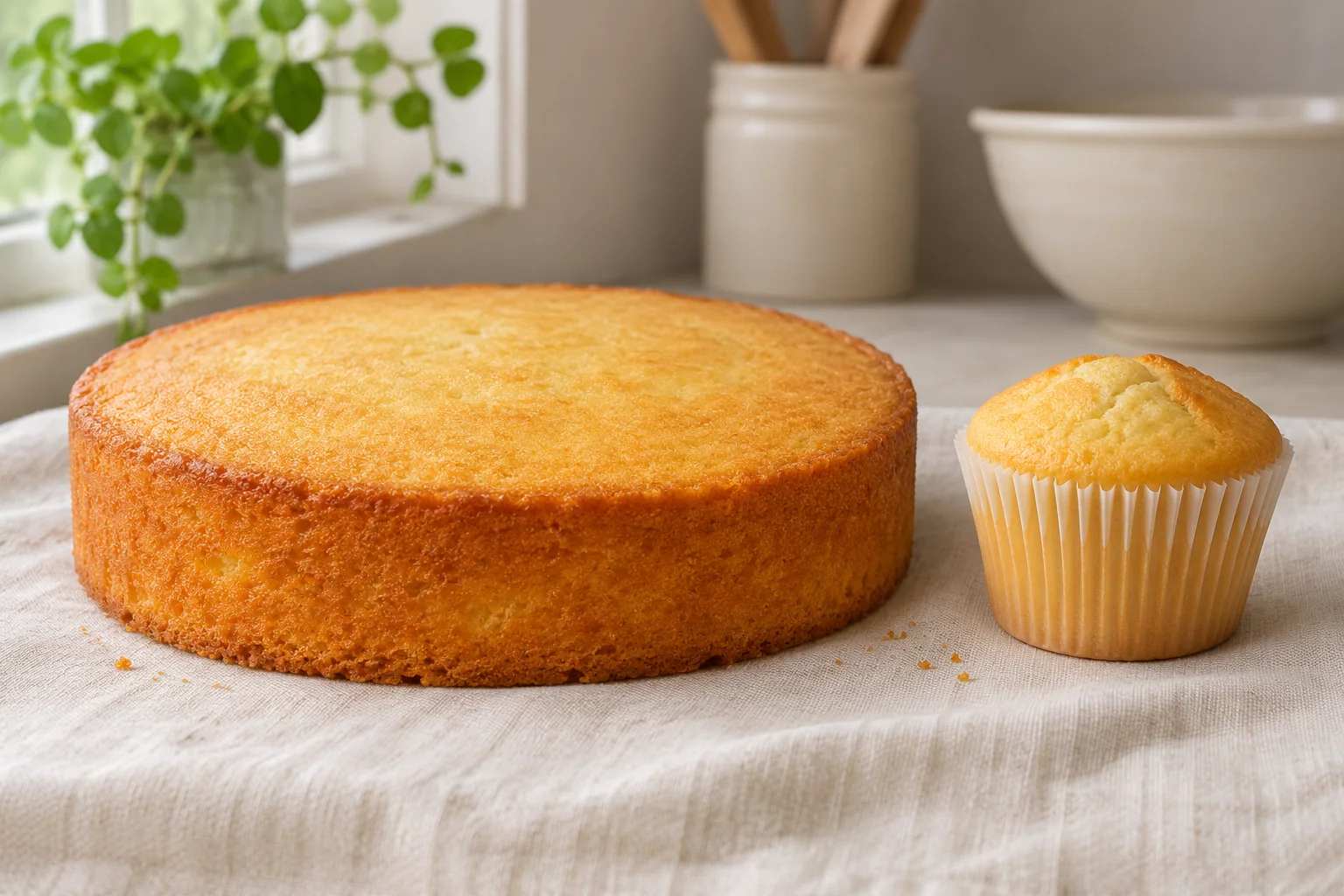
A favourite chocolate layer cake doesn't have to remain a layer cake. Sometimes cupcakes are exactly what you need for a birthday, a bake sale or a party where guests want their own little dessert. The batter may be perfectly suited to individual portions, but you cannot simply pour it into paper liners and use the original cake's baking time.
Converting a cake recipe into cupcakes requires attention to batter yield, pan size, oven temperature, doneness and frosting. The reverse conversion—from cupcakes to layers—requires just as much care. Here's how to adapt recipes without changing the ingredients unnecessarily.
Can Every Cake Become Cupcakes?
Many conventional butter cakes, oil-based cakes and chocolate cakes can be made as cupcakes. Their batter has enough structure to rise in individual wells, and the flavour translates naturally. However, very delicate sponge cakes, angel food cakes, flourless cakes and recipes that depend on a special pan or baking method may not convert predictably.
Start with a conventional cake batter and read the method from mixing through cooling. Check the intended pan, oven setting and doneness cues. When you change the pan, start checking the smaller portions earlier and let the first tray guide the next one.
Step 1: Read the Cake Recipe Completely
Before measuring anything, note the pan size, number of cake layers, mixing method, oven temperature and total batter yield. A recipe for two tall eight-inch rounds contains a very different volume of batter from one shallow six-inch cake.
Look for special instructions, such as hot coffee added to chocolate batter, beaten egg whites folded in at the end, or a water bath. Some techniques make the cake more delicate or require a pan-specific method.
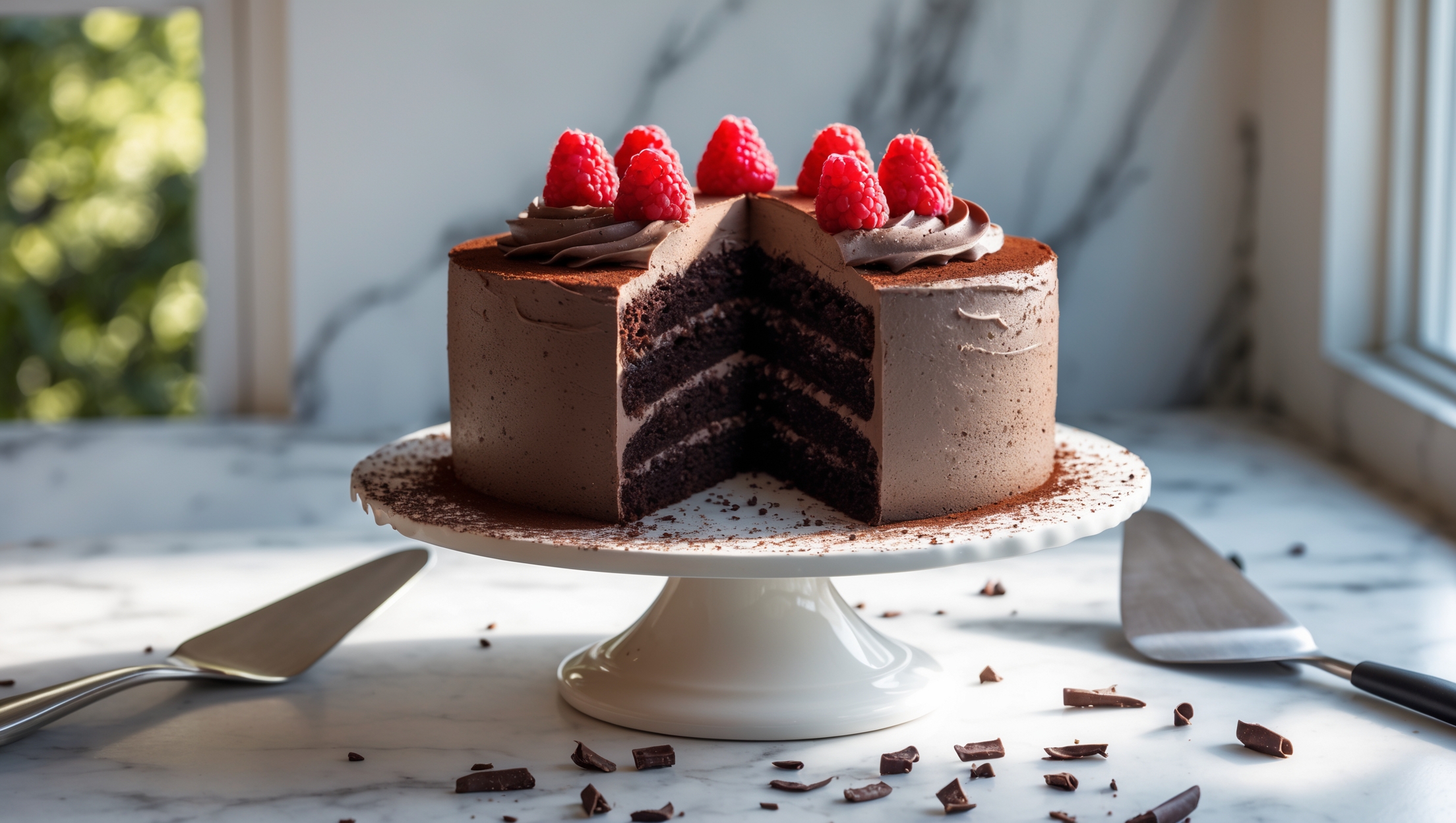
Use Chocolate Layer Cake as a layer-cake reference. Compare its instructions with Vegan Chocolate Cupcakes to see how a cupcake recipe describes portioning and the baked centre. They are different formulas, so follow each recipe’s quantities when you bake it.
Step 2: Estimate the Number of Cupcakes
A conventional recipe that makes one nine-by-thirteen-inch cake or two standard eight- or nine-inch layers can often yield roughly twenty-four standard cupcakes, though actual yields vary with depth and recipe.
Use the developer's yield when supplied. A batter that fills two shallow cake pans may give a different number of cupcakes from one intended to produce two tall layers. Never overfill liners merely to use up all the batter.
Step 3: Choose the Right Muffin Pan
Use a standard metal cupcake pan with properly fitting paper liners for a conventional conversion. Mini and jumbo pans create different batter depths and require their own baking times.
A light metal pan may bake differently from dark nonstick or silicone moulds. For your first conversion, use ordinary standard-size wells unless the recipe specifies another format.
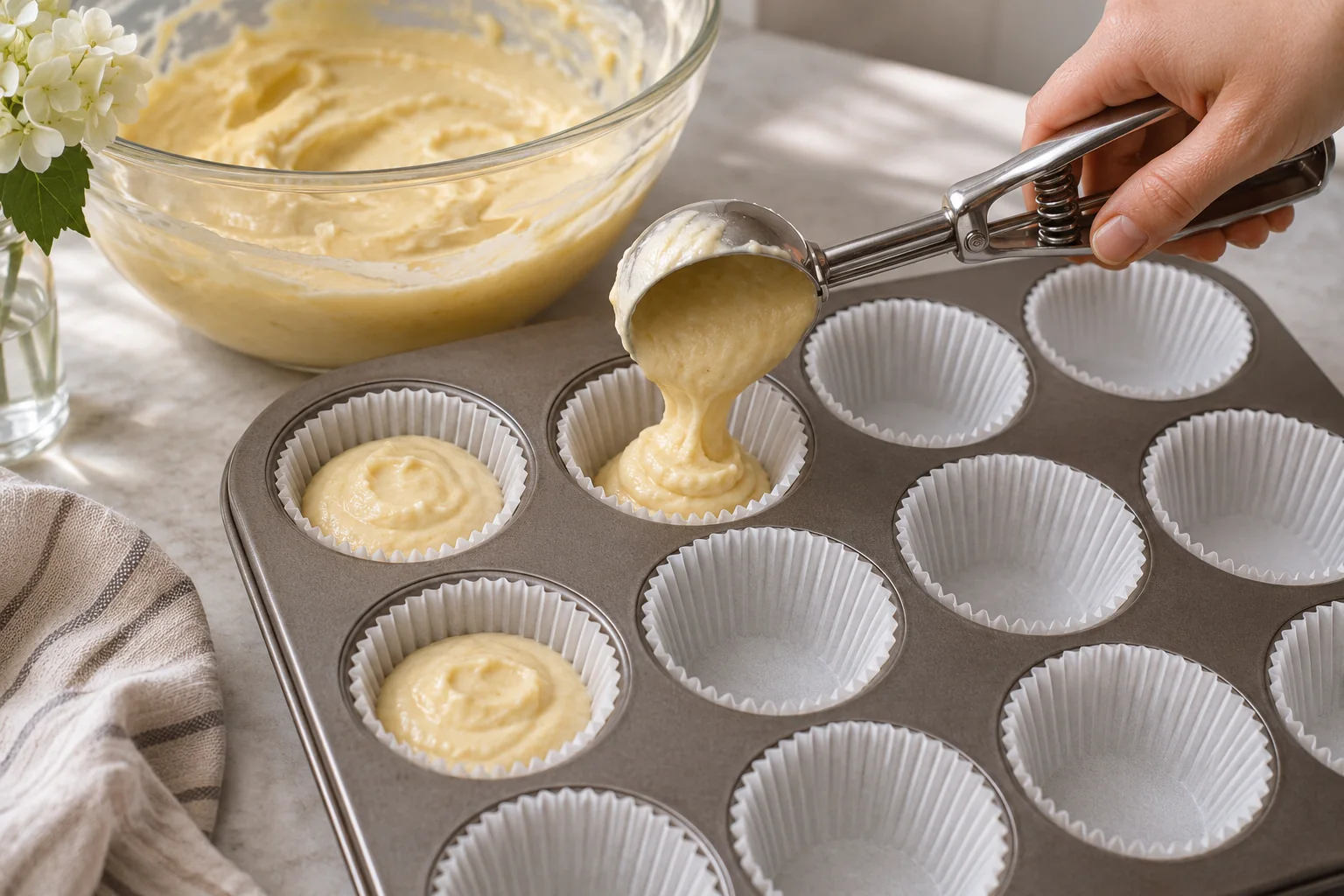
Step 4: Fill Each Liner Consistently
Many cupcake recipes fill wells somewhere around half to two-thirds or three-quarters full, depending on how much the batter expands. There is no universally correct fill line.
Follow the original recipe's cupcake guidance if it has any; otherwise, use a moderate starting fill and bake a small test batch. A cookie scoop or measured jug keeps every portion similar. Excess batter may overflow, while very little batter can make a short, dry cupcake.
Set the pan on a scale and portion the first liner to the intended height. Note the batter weight, then use a similar amount for the rest. If you have a little batter left over, use a separate liner so the first tray stays evenly portioned.
Step 5: Start with the Recipe's Oven Temperature
Many conventional cake recipes convert at their stated baking temperature, but don't assume every cake behaves identically. Pan material and cupcake size affect how rapidly the exterior sets.
Preheat fully and use the recommended oven rack. If the recipe specifies a reduced temperature for cupcakes, use it. Avoid altering the temperature and ingredients simultaneously, because troubleshooting becomes difficult.
Step 6: Begin Checking Earlier
Cupcakes usually bake in less time than a full layer because the portions are smaller and heat reaches the centre more quickly. A cake that takes thirty or forty minutes in a round pan may need substantially less time in a standard cupcake pan.
Use the original oven temperature as a starting point for a conventional cake batter. Begin checking the smaller portions before the original layers would be ready, then look for the centre, crumb and spring-back cues in the recipe.
Step 7: Check the Centre, Not Just the Colour
A cupcake is generally ready when its top springs back lightly and a tester inserted into the cake crumb comes out clean or with the moist crumbs specified by the recipe. Chocolate cupcakes can appear dark long before they are fully baked, so colour alone is unreliable.
Test a cupcake near the centre of the pan. If it contains chocolate chips or fruit, avoid pushing the tester directly into an inclusion that could look like raw batter.
Step 8: Cool Properly
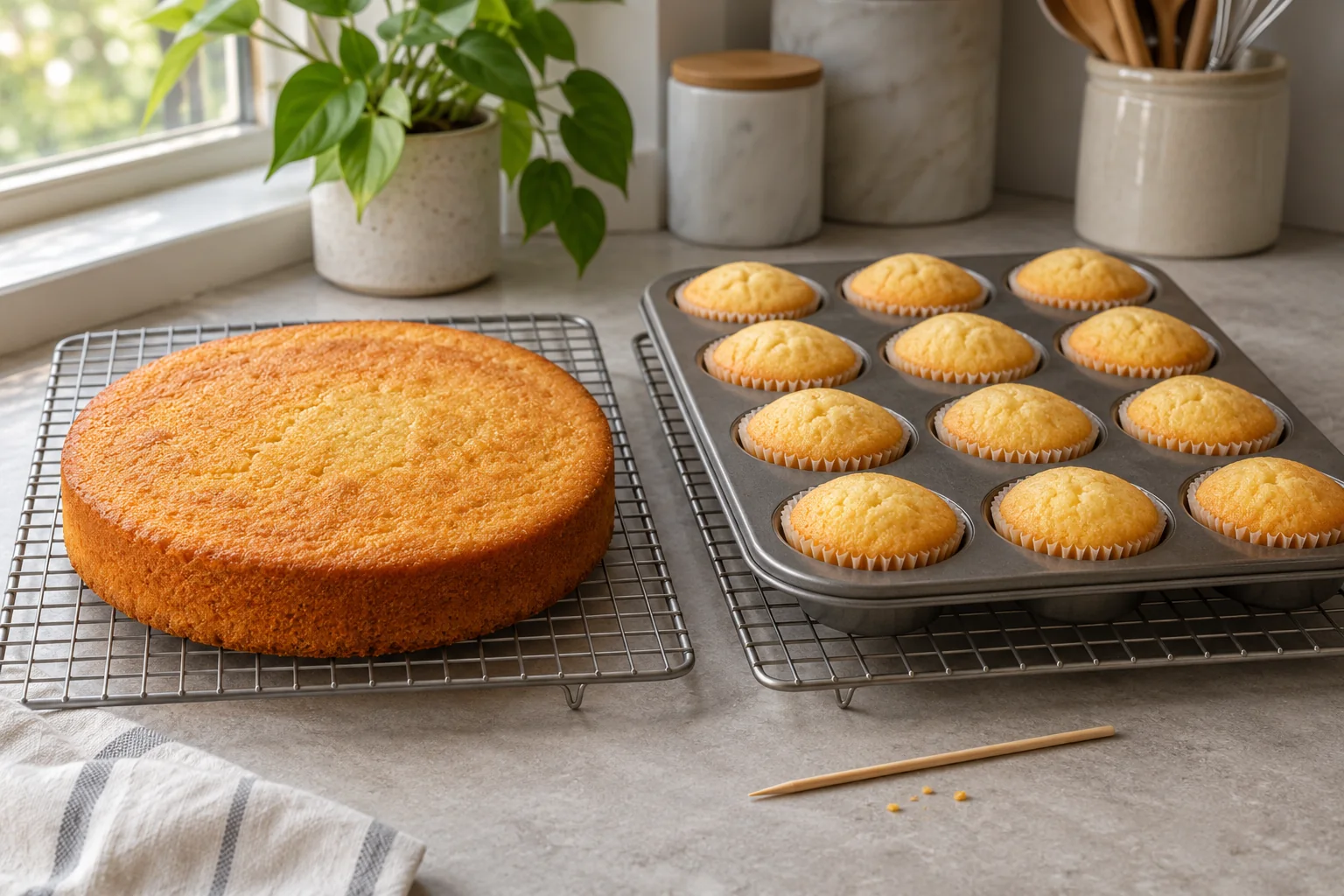
Let cupcakes rest in the tin for the time given by the recipe, then transfer them to a wire rack where appropriate. Leaving them in a hot pan for too long can continue cooking the bases and allow moisture to condense against paper liners.
Wait until the cupcakes have cooled fully before frosting. Warm cakes can melt buttercream, soften cream cheese frosting and cause decorations to slide.
Compare the cooling directions in Vegan Vanilla Bean Cupcakes and Classic Vanilla Layer Cake. A small cupcake can be moved to a rack once it firms up. A full cake layer needs enough support to turn out without splitting.
Do You Need to Change the Batter Ingredients?
Usually, start by keeping the original formula intact for conventional cake batter. Do not add extra baking powder simply because cupcakes are smaller. Chemical leavening, sugar, fat and eggs work together to build the intended structure.
If the cake uses a highly specialized baking method, choose a tested cupcake recipe rather than forcing the formula into another shape. The goal is a reliable new format, not an improvised reformulation.
How Much Frosting Will You Need?
Frosting requirements depend on whether you're spreading a modest layer or piping tall bakery-style swirls. A layer cake may use large amounts of frosting between its layers and around the outside, while cupcakes have exposed tops but no sides to cover.
Begin with the recipe's stated frosting yield if available. For high decorative swirls, you may need an additional batch. For small, simple swirls, the original frosting quantity may be sufficient. Keep perishable frostings refrigerated as required.
Converting Cupcakes into a Layer Cake
The reverse direction is possible with some conventional cupcake recipes, but you need to match total batter volume to the intended layer pans. Use the pan dimensions recommended by a trusted conversion chart or formula rather than assuming twenty-four cupcakes automatically become two deep nine-inch layers.
Use the appropriate pan preparation, then bake for the layer-cake time range indicated by a tested adaptation. Large pans need longer for heat to reach the centre, and a cupcake's original baking time won't be sufficient.
If you need a larger cake on a deadline, start with a formula already written for the pan you have. Our Vanilla Sheet Cake with Buttercream gives you a one-pan option.

Can You Use a Bundt Cake Recipe for Cupcakes?
Some Bundt cakes use a typical butter cake batter and may translate well; others rely on a dense structure, specific crust development or particular pan size. If converting, check whether the recipe developer offers a cupcake version.
A dense Bundt batter might create shorter or heavier cupcakes than a purpose-built recipe. Don't count on one universal adjustment to fix the difference.
What About Cheesecake, Angel Food Cake or Chiffon?
These are special cases. Cheesecake is a custard-style mixture and may need a particular baking and chilling method. Angel food relies heavily on whipped egg foam and special pan structure. Chiffon also has distinctive aeration and cooling needs.
Choose a recipe explicitly written for miniature versions instead of treating these batters as ordinary cake conversions.
How to Avoid Overflowing Cupcakes
Overflow may come from filling liners too high, using too much leavening or an unexpectedly vigorous batter rise. Keep portions consistent, check the recipe's leavener measurements and leave enough room for expansion.
A trial batch with a few liners filled to different levels can help establish the right amount for an unfamiliar recipe without sacrificing the entire bowl of batter.
What If Your Converted Cupcakes Sink?
Check whether they were fully baked and whether the batter or leavening quantity was altered. Sunken cupcakes often have under-set centres. Other causes may include incorrect oven temperature, overfilled liners or substantial untested substitutions.
Use the original mixing method, measure accurately and change one variable at a time on the next batch.
What If They Turn Out Dry?
Because cupcakes are smaller, they can overbake quickly. Start checking early and take them out when they meet the recipe's doneness cues. A longer baking time intended for a full cake may dry the smaller portions.
Also check the pan's material and oven accuracy. Dark pans can brown surfaces differently from light metal tins.
Mini Cupcakes and Jumbo Cupcakes
Mini cupcakes usually need a shorter bake time and smaller, more precise portions, while jumbo cupcakes need longer to set their larger centres. Don't use a standard-cupcake bake time without adjustment.
Choose a recipe tested for the intended size whenever possible. Oversized paper liners in standard tins do not create true jumbo cupcake capacity.
Storage and Food Safety
Plain cupcakes with suitable frostings can have different storage requirements from cupcakes filled with custard, mousse, cream or fruit. Follow the complete recipe, not just the original unfrosted cake's storage instructions.
For frostings and fillings requiring refrigeration, keep them at 4°C (40°F) or colder as recommended, and use appropriate safe serving and transport practices.
A Practical Conversion Checklist
- Confirm that the original recipe is a conventional cake suitable for conversion.
- Check the total batter yield and choose the pan size.
- Use correctly fitting liners and fill them consistently.
- Start with the specified temperature and check for doneness earlier.
- Cool properly before frosting.
- Recalculate frosting for the decorating style and follow safe storage.
Record the pan size, batter weight per cup or pan, and when you first checked the centre. Those three notes will make the next batch easier to repeat.

Frequently Asked Questions
Can I use any cake mix to make cupcakes?
Many packaged mixes include cupcake directions. Use the instructions on the actual product rather than guessing the yield and time.
Does a cake recipe need more baking powder for cupcakes?
Usually not for conventional batter. Extra leavening can cause too much rise followed by sinking.
Should cupcakes bake at the same temperature as cake?
Often they can start at the recipe's temperature, but their baking time is shorter. Follow tested conversion guidance where available.
How do I know how many cupcakes a cake will make?
Use the cake recipe's batter yield and standard liner capacity. A conventional two-layer cake often makes approximately twenty-four standard cupcakes, but the actual yield varies.
Can I convert cupcakes back into a layer cake?
Sometimes, with suitable pan volume and longer bake time. A tested cake version is the most reliable approach.
Same Cake, a Different Celebration
Converting layers to cupcakes is mostly a matter of controlling portion size and baking time. Keep the recipe's formula intact when suitable, use a pan that fits the batter and check the smaller cakes carefully as they bake. With those habits, your favourite celebration cake can become a tray of individual treats.
IN PICTURES
From the baking notebook
FROM THE RECIPE BOX


