On this page
A recipe that calls for cold butter isn't being fussy for the sake of it. The butter's temperature changes how it mixes with flour, traps air and behaves in the oven. Cold cubes create separate pockets in pastry; softened butter supports creaming for certain cakes; melted butter disperses through brownies and chewy-cookie batters. Understanding these differences makes baking failures much easier to diagnose.
Butter does more than add flavour
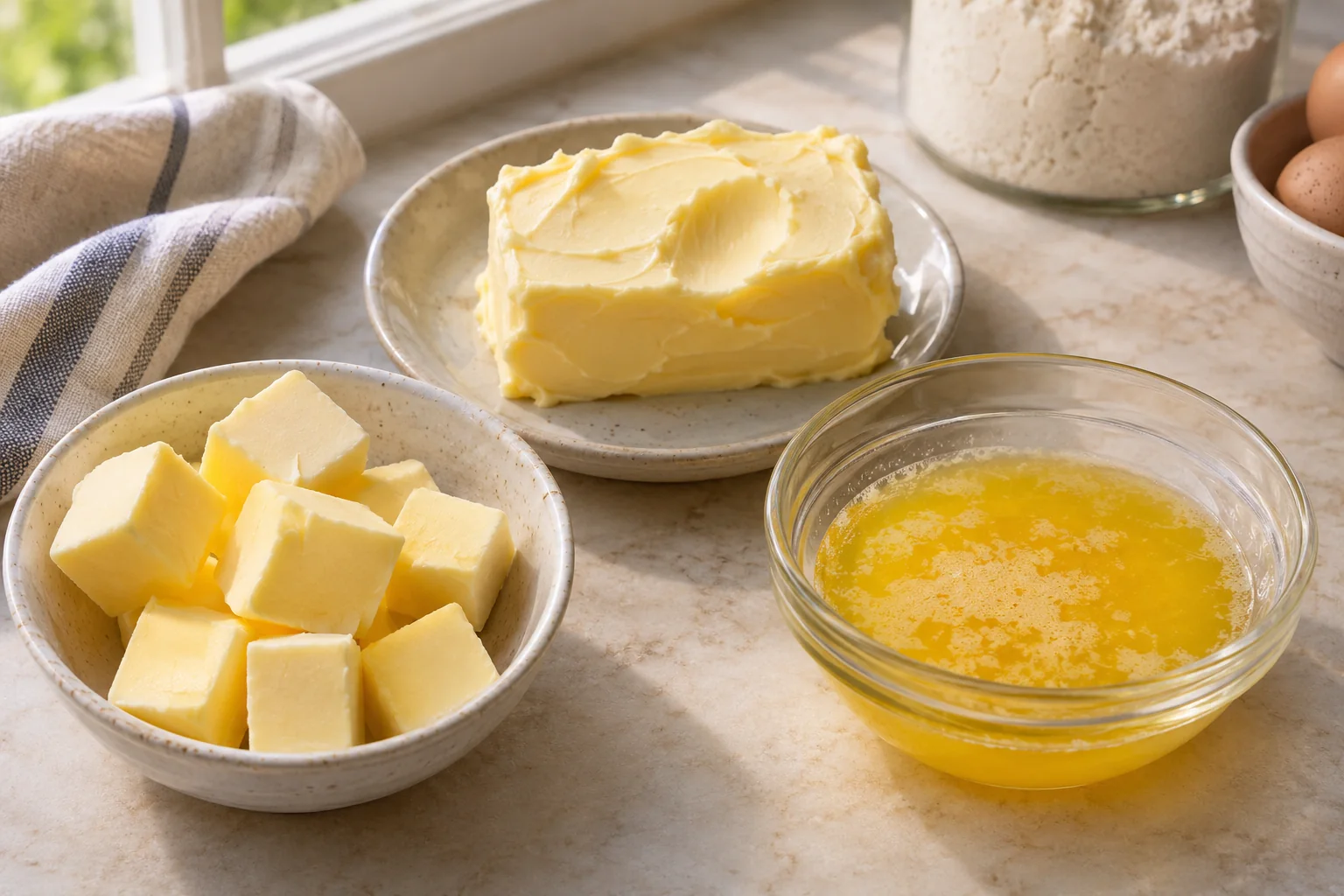
Butter contains milk fat, water and milk solids. When cold, much of its fat is crystalline and firm. At a moderate temperature it becomes pliable but retains structure. When melted it is liquid and no longer acts like the solid fat used for creaming or pastry lamination. The recipe's method depends on that physical state.
What cold butter does
Cold butter can remain in distinct small pieces or sheets within a dough. During baking, the butter melts and its water contributes steam, helping separate layers in pastry and certain biscuits. If butter warms and smears into the flour before baking, the resulting texture can become more uniform and less flaky.
What softened butter does
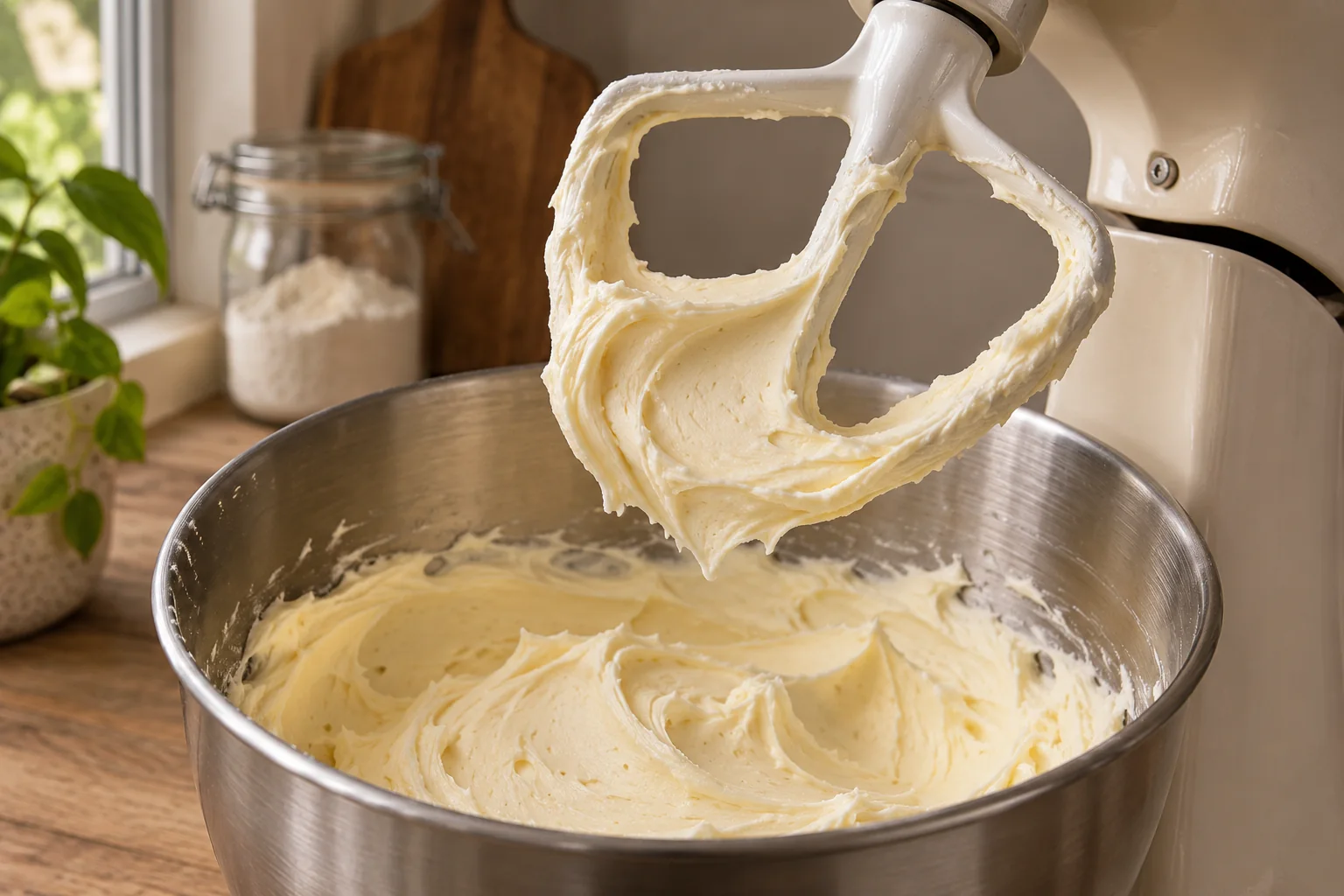
Properly softened butter bends and accepts a fingertip indentation but still holds its shape. During conventional creaming, sugar helps create little air pockets in the pliable fat. Those pockets contribute to the cake's rise and fine crumb, along with its eggs and leavening. Melted butter cannot behave identically in this method.
What melted butter does
Melted butter distributes easily into batter and contributes flavour and tenderness without forming the same creaming structure. Many brownie, quick-bread and chewy-cookie recipes use it intentionally. It may need to cool before adding eggs or other temperature-sensitive ingredients; hot fat can disrupt the mixture.
Cold butter in pie crust
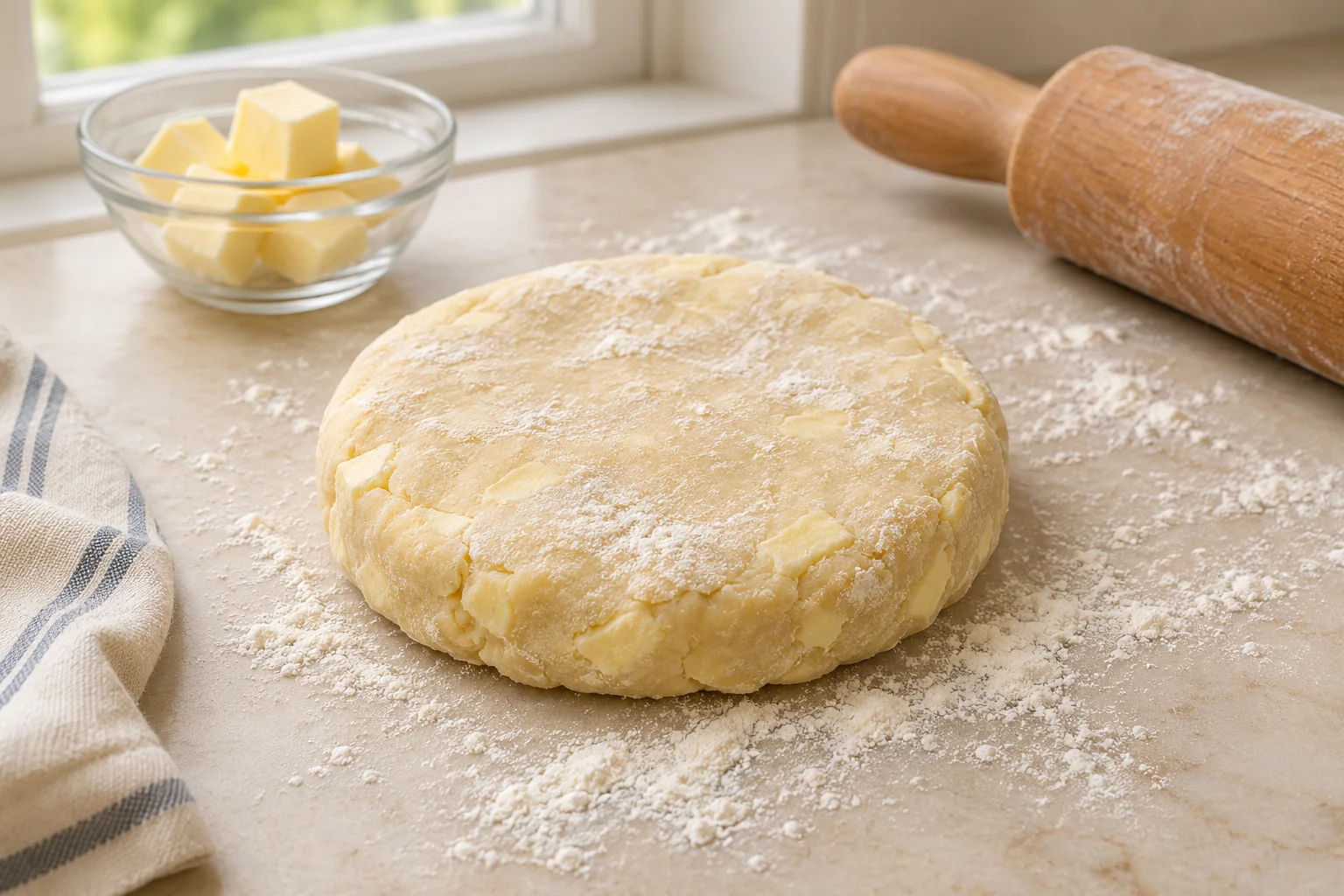
Many flaky pie crust recipes need butter pieces visible in the dough. Rolling flattens those pieces into thin sections, which can separate layers during baking. Work efficiently, chill as instructed, and avoid substituting melted butter into a recipe specifically developed for cold fat.
Cold butter in biscuits and scones
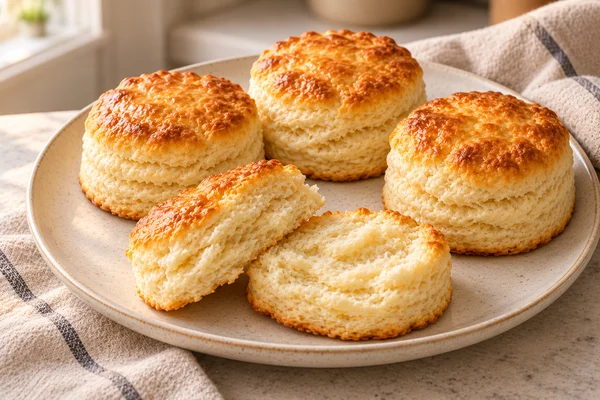
Certain cut-biscuit and scone recipes depend on cold butter cut into the dry ingredients. Warm butter can smear rather than remain as small distinct pieces. Not all biscuit methods work this way, though: cream biscuits and some melted-butter recipes are deliberately different preparations.
Recipe to try: Buttermilk Biscuits. The dough starts with very cold cubed butter. Keep that preparation separate from a creamed-butter cake method.
Butter for laminated pastry
Croissants and puff pastry require butter and dough to have compatible firmness. Butter that is too hard may crack through the dough, while overly warm butter can spread into the layers. The goal is workable, cool butter, not simply the coldest butter possible.
Softened butter in vanilla cake
Many butter cakes begin by beating softened butter with sugar. Butter that is too firm resists mixing; butter that is almost melted may not hold the intended bubbles. For a dependable cake, use the texture and temperature specified by the recipe and avoid rushing the creaming stage.
Recipe to try: Classic Vanilla Layer Cake. This cake calls for room-temperature butter. Prepare the ingredients and pans before beginning its mixing sequence.

Butter temperature for cookies
Softened-butter cookies and melted-butter cookies often spread and chew differently. Cookie thickness also depends on flour, sugar, egg and baking conditions, so cold dough alone is not a universal cure for flat cookies. The correct butter state depends on the specific formula.
Recipe to try: Classic Chocolate Chip Cookies. Use the stated butter texture, dough portions and bake time together to establish a consistent cookie baseline.

Melted butter in brownies
Brownies often aim for a dense, fudgy texture rather than the aerated crumb of a traditional butter cake. Melted butter blends readily with cocoa or melted chocolate and sugars. Some recipes whip eggs for structure; others use oil. Follow the complete method instead of converting butter to another state automatically.
Melted butter in muffins
Some muffins use a simple wet-and-dry mixing method with cooled melted butter. If you pour it into very cold milk, small bits of fat may solidify before the batter is evenly mixed. Use the ingredient temperatures and mixing sequence specified in the recipe.
How soft is room-temperature butter?
Room temperature depends on the kitchen. A cool room and a hot summer kitchen can make the same stick feel completely different. Use the sensory test: the butter should give under light pressure while staying solid, not collapse into a greasy pool.
Can a microwave soften butter?
Microwaves heat unevenly. A stick can be melted at its edges but still hard in the middle. That is especially troublesome for cake recipes relying on creaming. If using an approved quick-softening method, check the butter often and stop well before it becomes liquid.
What if the butter has already melted?
For a recipe designed around creaming, cooled melted butter may not regain the same crystal structure and performance right away. Choose a recipe written for melted butter or start with correctly softened butter when precise cake texture matters. If the recipe required melted butter, no fix is needed.
Cold butter and gluten development
In certain pastry methods, solid butter coats some flour while leaving other portions available to hydrate and form structure. Handling and liquid also influence gluten. Overworking a pastry dough can make it tougher even if the butter began cold, so temperature isn't the only variable.
Butter in frosting
Buttercream requires fat that's soft enough to mix but sufficiently firm to hold a spreadable structure. Cold pieces can leave lumps; warm butter can make frosting loose or greasy. Swiss and Italian meringue buttercreams have their own temperature-sensitive mixing and recovery directions.
Storage and safe handling
Butter is a dairy product. Follow its package directions and the recipe's guidance on how long it can be held outside refrigeration during preparation. A cake batter containing eggs and milk should not sit at room temperature indefinitely because you were waiting for the butter to soften.
Frequently asked questions
Can I replace melted butter with softened butter? Only when the recipe or a tested conversion supports it. Does cold butter make every cookie thicker? No. Why is soft butter important for creaming? Its plastic texture can capture air. Can I use oil instead of melted butter? Sometimes, but oil does not contain butter's water and milk solids, so amounts and results can differ.
Final Takeaway
Butter temperature is part of the recipe, just like flour weight and oven heat. Use cold butter for techniques requiring distinct pieces and layers, softened butter where the batter relies on creaming, and melted butter where a fluid fat creates the intended crumb. A small amount of planning at this stage often prevents a much bigger problem after baking.
IN PICTURES
From the baking notebook
FROM THE RECIPE BOX


