On this page
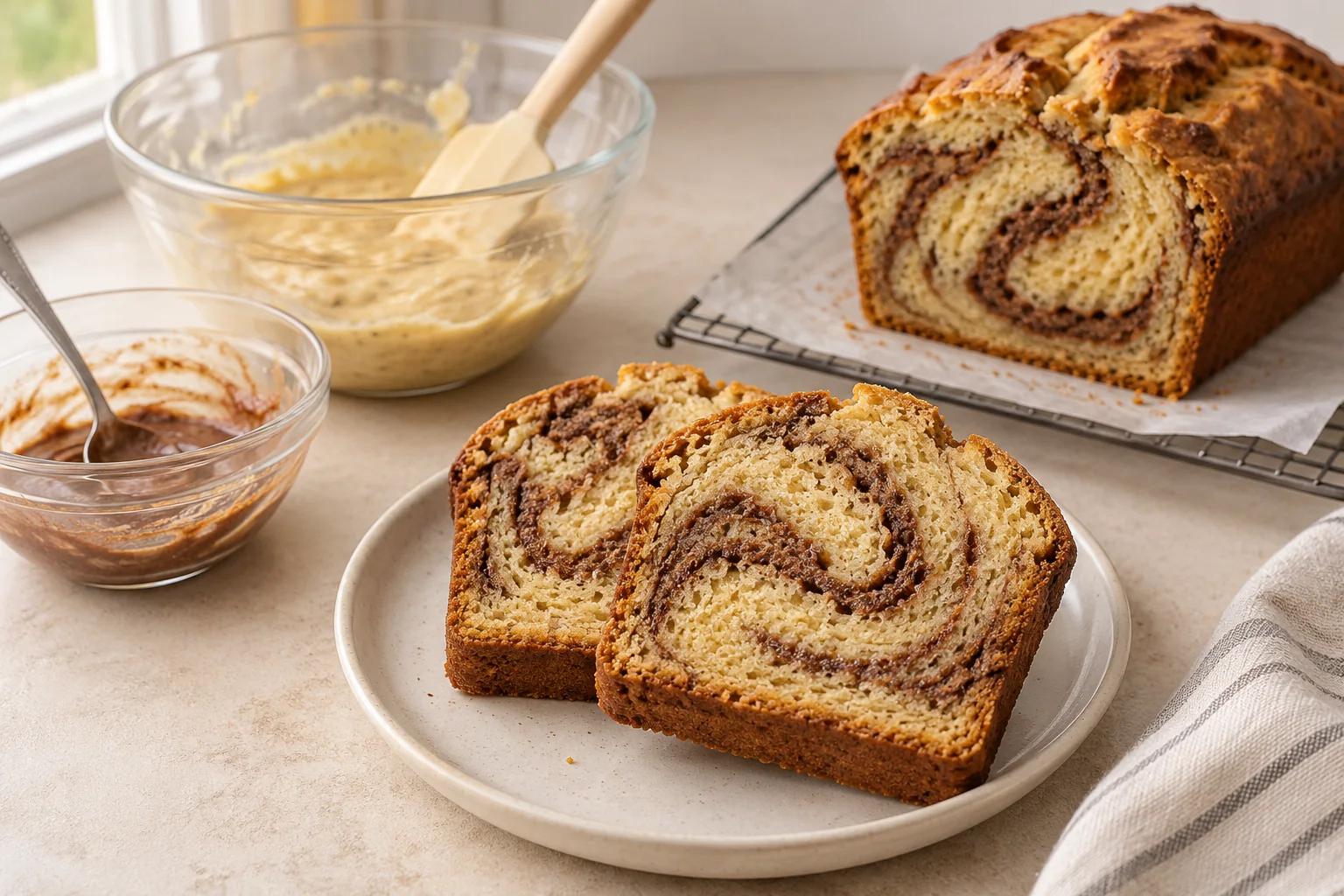
A ribbon of cinnamon sugar or a glossy dark chocolate swirl can make a humble loaf look like something from a bakery window. The trick is getting a beautiful pattern without mixing the swirl completely into the batter—or leaving a thick, wet stripe that won't bake through. Swirling is a technique with two parts: choosing a filling that suits the loaf and moving it just enough to create distinct layers.
What creates a swirl in quick bread?
A swirl is a contrasting mixture dispersed through a base batter in deliberate ribbons rather than fully blended into it. The contrast may come from cinnamon sugar, a cocoa-flavoured portion of batter, a thick fruit preparation or a cream cheese mixture. Different fillings behave differently when heated, so a method suitable for dry cinnamon sugar isn't necessarily right for soft dairy filling.
Choose a compatible base batter
Banana bread, pumpkin bread, zucchini loaf and certain butter-rich lemon loaves can be good foundations for swirls. The batter should be substantial enough to support the contrasting mixture without having it immediately sink or disperse. A very thin batter may require a recipe designed from scratch for a swirl effect.
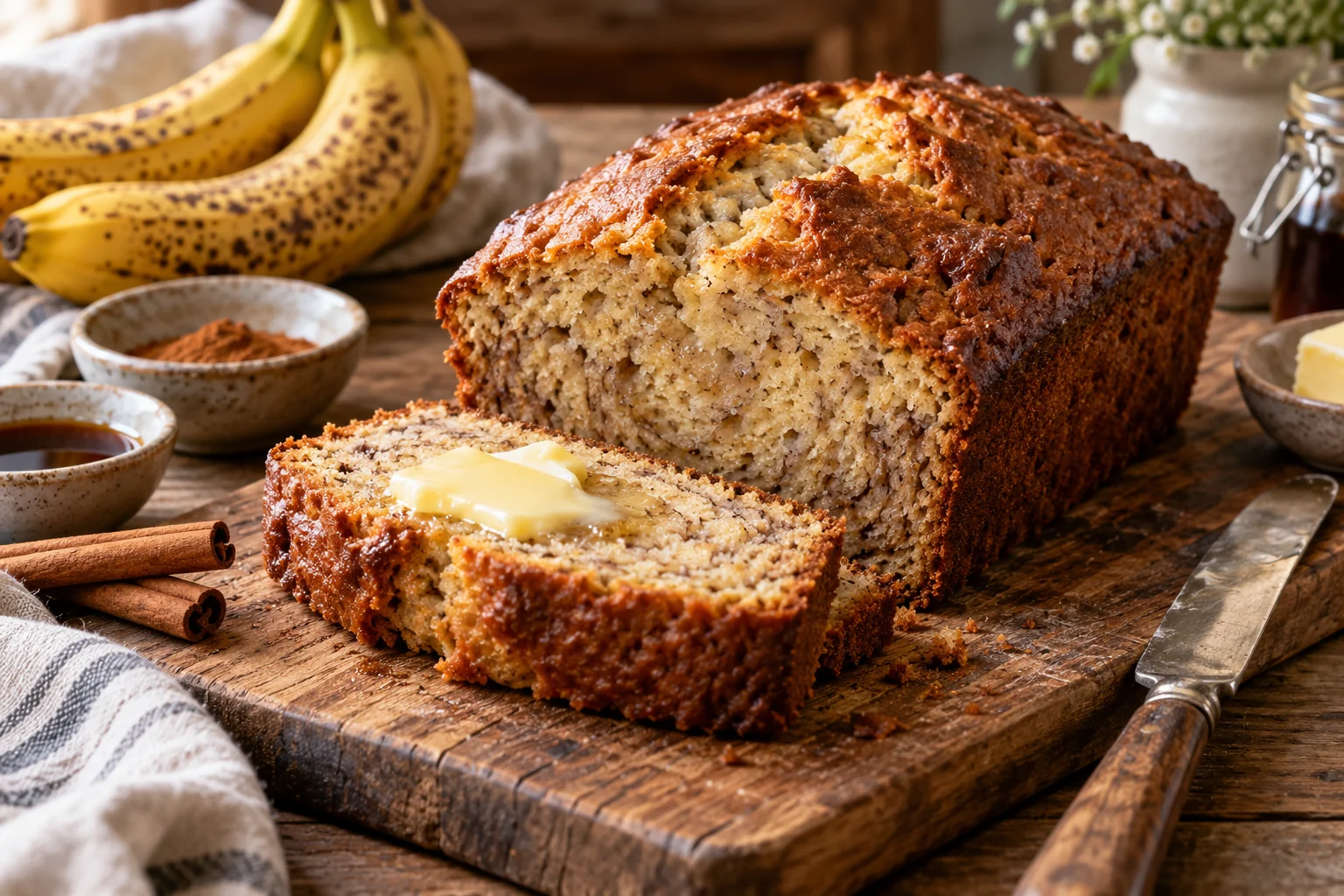
Recipe to try: Classic Banana Bread. Weigh the banana and use the specified loaf pan. Extra fruit or a deeper pan can change the centre’s baking time.
Think about viscosity before you begin
When a swirl is much thinner than the surrounding batter, it can run to the bottom or form irregular wet pockets. A very stiff filling may stay in a solid lump instead of creating a ribbon. Ideally, the chosen recipe has already balanced both components so they can move through one another without completely merging.
The most dependable technique: layering
Many swirl loaf recipes alternate portions of plain batter and filling. For example, spread a measured layer of batter in the pan, add some filling, then cover with another layer. Repeat only as instructed. Layering gives the filling a defined path instead of forcing all of it through a full pan of batter.
How much should you swirl?
A few gentle passes with a skewer, butter knife or thin spatula may be enough. Overworking the mixture blends its colours and turns an attractive ribbon into one uniform batter. Stop while the two mixtures remain visibly distinct. A successful swirl is often less dramatic in the unbaked pan than it looks after slicing.
A simple S-shaped movement
In some recipes, a single S-shaped motion lengthwise through the loaf creates a broad marbled effect. Other formulas call for a zigzag pattern or several short figure-eight motions. Move the tool slowly, reaching the depth specified by the recipe, rather than plunging repeatedly until the whole batter is streaked.
Cinnamon-sugar swirls
Dry cinnamon sugar is one of the simplest combinations for banana and pumpkin breads. A tested recipe may sprinkle the mixture between batter layers or combine it with butter and flour to create a thicker filling. Avoid adding large amounts of loose sugar to an unrelated formula, since melting sugar can leave gaps or sticky tunnels.
The difference between cinnamon ribbon and cinnamon topping
A surface topping bakes into the crust, while an interior ribbon must be supported by surrounding batter. Using a streusel topping inside a loaf may produce a crumbly layer or separate sections rather than the desired thin swirl. Choose a recipe that tells you where each cinnamon mixture belongs.
Chocolate batter swirls
For a marble loaf, some recipes divide the base batter and add cocoa to one portion, then alternate the two. Cocoa changes the dry-solids balance, so a tested formula may include extra liquid in the chocolate portion. Simply dumping cocoa powder into half of any finished batter can make that half too stiff or dry.
Melted chocolate swirls
Melted chocolate can make a glossy ribbon, but a thick pool of chocolate may harden or sink differently from cake batter. Follow a recipe designed for this approach and cool melted chocolate to the specified temperature before adding it. Very hot chocolate may affect the batter's butter or eggs.
Using chocolate-hazelnut spread
A thick spread can produce attractive streaks when used in measured amounts, but it contributes oil, sugar and sometimes nuts. If warmed too much, it may become thin and settle unevenly. Use a tested swirl loaf formula and label the nut allergen clearly.
Jam and fruit swirls
Fruit jam or compote can create bright colour and acidity. But a runny or watery jam may soak into the crumb and cause gummy areas. Choose a thick fruit filling tested for baking; don't stir raw, watery fruit purée into a standard loaf without accounting for its extra liquid.
Raspberry or strawberry swirls
Raspberry pairs naturally with chocolate or vanilla quick bread, and strawberry can look beautiful in a pale loaf. Seeds, fruit chunks and liquid influence the pattern. A concentrated filling generally holds a more defined ribbon than loose crushed berries. Follow the recipe's suggested consistency.
Cream cheese swirls
Cream cheese can create a beautiful pale ribbon through banana or pumpkin bread. Because it contains dairy and sometimes egg, it requires a carefully tested formula and proper baking and chilling.
Why cream cheese fillings can create a large crack
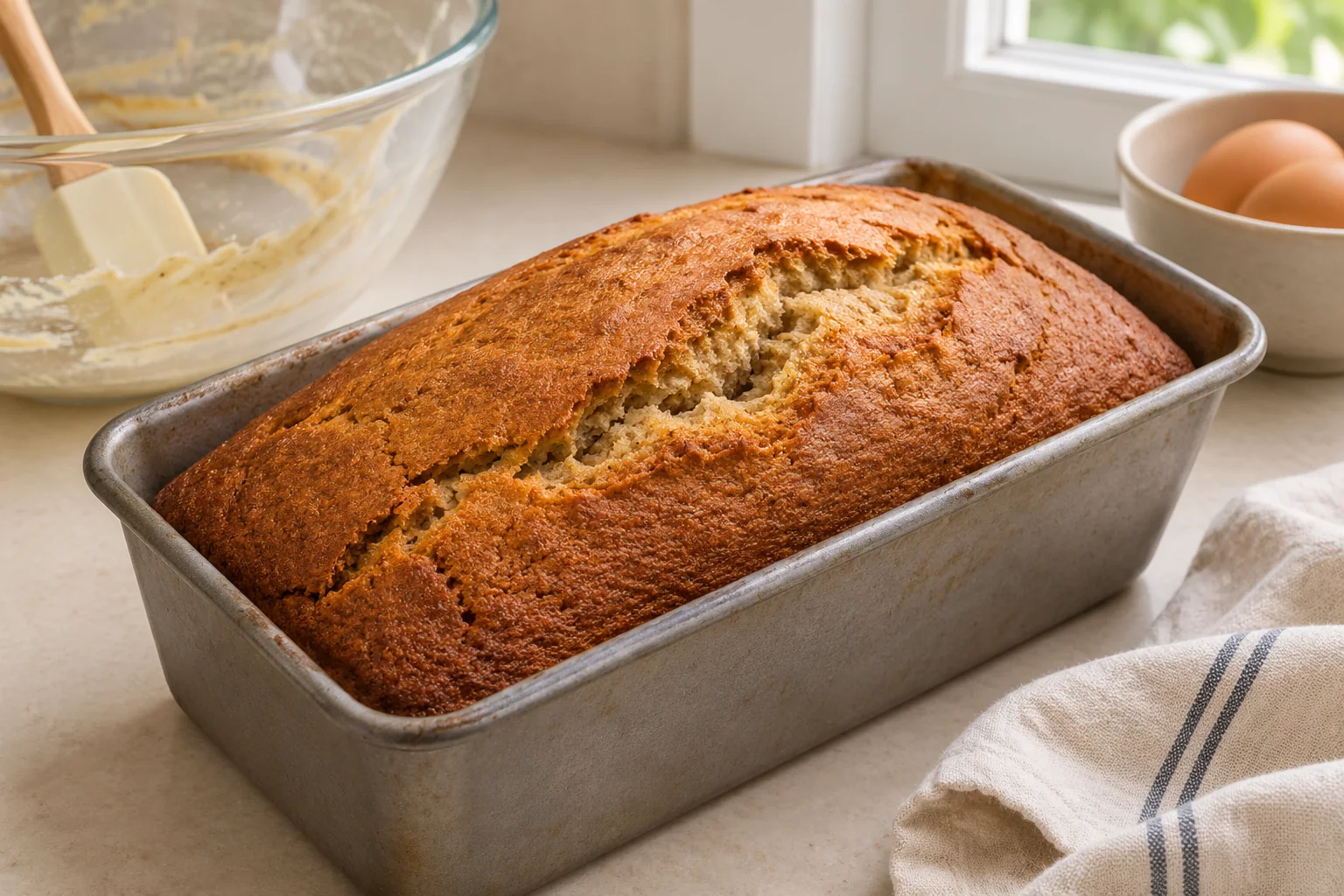
Cream cheese filling may expand differently from the surrounding batter. The loaf's top can develop a larger crack because the filling and centre need room to rise. This may be normal for a cream cheese-swirl recipe, but the centre must still reach the formula's required doneness.
How to avoid a gummy swirl
Do not add extra wet filling to make the ribbon thicker. Follow the measured quantity and layer placement, and check the deepest centre of the loaf before removing it from the oven. A skewer dipped through jam or chocolate may appear wet even when surrounding crumb is baked; assess actual raw batter separately.
How to prevent a swirl from sinking
A filling that's too thin or heavy for the base batter can drift downward. The batter's viscosity and how you divide layers matter. A thin bottom layer may not support a large mound of cream cheese. The recipe should specify how much base batter goes below each filling portion.
Should the swirl mixture be chilled?
Some fillings are easier to handle cold; others need to be softened to spread without tearing the batter. Use the instructions for that particular filling. Never leave egg- or dairy-based swirls unrefrigerated for an extended time while mixing or waiting for the oven.
What tool gives the cleanest pattern?
A narrow butter knife, skewer or small offset spatula can work well, depending on pan depth and filling thickness. Use a clean food-safe tool, move deliberately and avoid scraping the nonstick pan coating. A very wide spatula can mix the filling more than intended.
How pan shape changes the marble effect
A standard loaf pan gives a deep cross-section in which a ribbon can be seen clearly when sliced. Mini loaves require smaller, more controlled filling portions. If using a larger, shallower pan, a pattern made with the same total filling may spread differently. Choose a tested pan conversion.
Recipe to try: Pumpkin Bread. Pumpkin bread offers another moist loaf to compare. Follow its measured purée, leavening and pan instructions.

Swirls in muffins
Miniature cinnamon or cream cheese ribbons can work in muffins when the formula is written for individual portions. A small amount of filling is enough, and bake times may differ from a full loaf. Filling too close to the liner edge can leak or stick.
Why the pattern vanished after baking
The swirl may have been mixed too thoroughly, the two batters may have had similar colours, or the filling may have spread during baking. A modest number of tool passes and a clear colour contrast often improve the result. If the batter is fundamentally too fluid, choose a tested marble-loaf formula.
Serving, slicing and storage
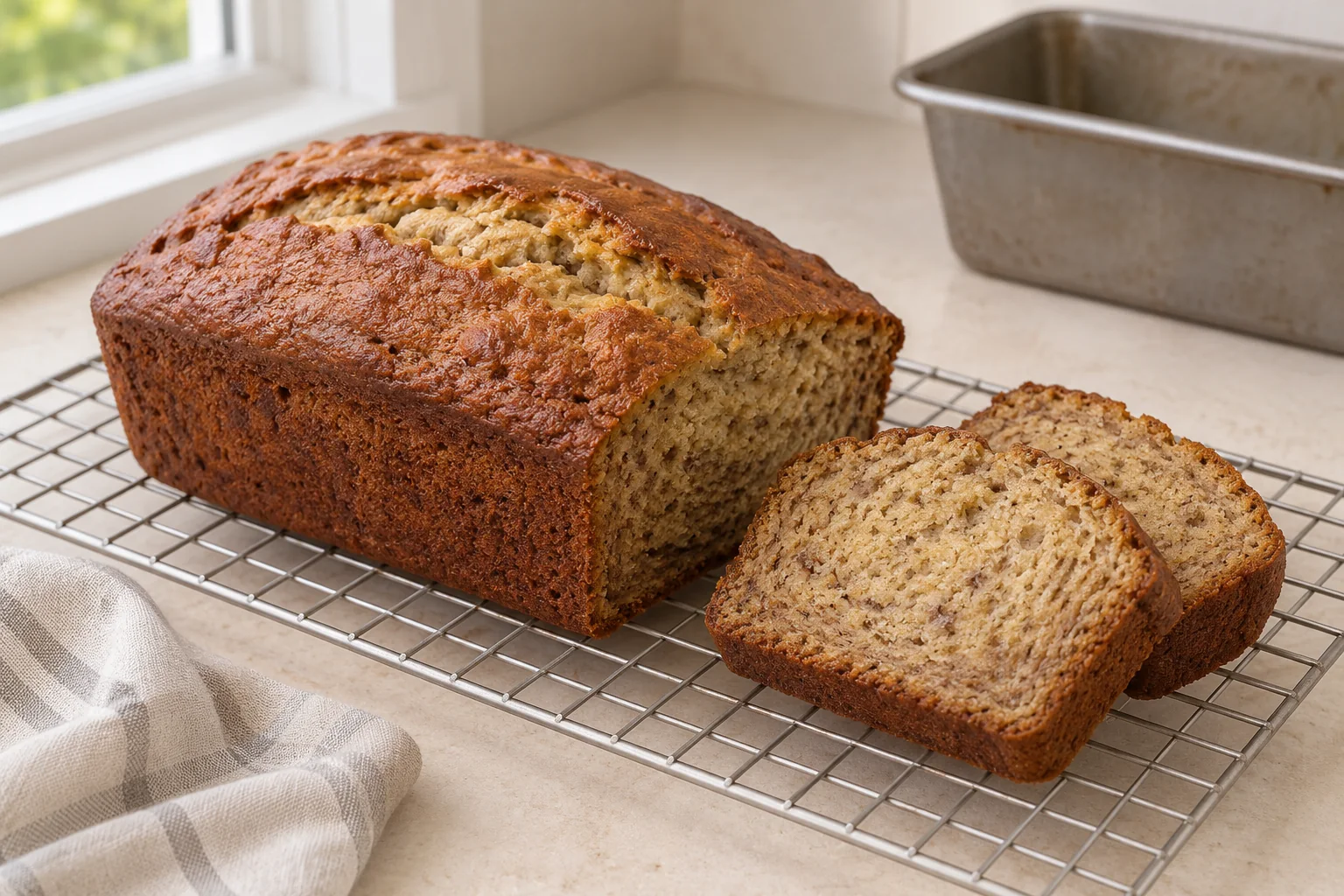
Let the loaf cool according to the recipe before cutting so the crumb and filling have time to set. A warm cream cheese layer may smear across the knife, obscuring the pattern. Store the finished loaf according to its most perishable ingredient and keep cream cheese-swirl preparations appropriately refrigerated.
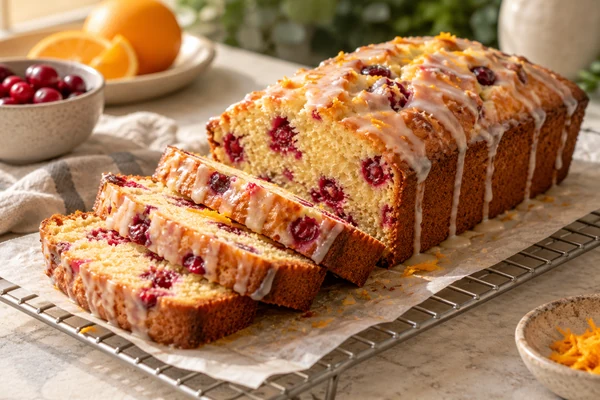
Recipe to try: Cranberry Orange Bread. The loaf pairs cranberries with orange zest. Use the specified cranberry type and loaf pan for its batter.
Frequently asked questions
How many swirls should I make? Usually only a few controlled passes; follow the recipe. Can I use jam? Yes, if it is thick and suitable for the batter. Why is my centre wet? Excess filling or underbaking may be responsible. Can I marble any banana bread? For consistent results use a formula designed for a filling or chocolate-batter variation.
A simple swirl-building workflow
Prepare the pan and fully preheat the oven. Mix the base batter and the filling exactly as specified. Alternate measured layers rather than piling all the filling in one place. Make a restrained pattern and bake until the centre is properly set. The reward is a clean, beautiful cross-section that tastes as intentional as it looks.
IN PICTURES
From the baking notebook
FROM THE RECIPE BOX


