
On this page
On a busy evening, a casserole can be the difference between assembling dinner from whatever is left in the refrigerator and sitting down to something comforting that was planned with care. A baking dish can hold tender pasta, vegetables, a creamy sauce, and a crisp topping—or layers of tortillas, beans, seasoned meat, and melted cheese. The appeal is not that every casserole is magically quick. It is that much of the work happens before the dish goes into the oven, making serving, portioning, and leftovers easier to manage.
This guide collects real casserole recipes from What’s Baking? and explains how to choose among them, what their published ingredients actually contain, which dishes are best suited to meal preparation, and how to avoid common texture problems. You'll find chicken, beef, breakfast, pasta, vegetarian, and fully plant-based options, plus a realistic five-evening plan. Each linked recipe card remains the authority for precise quantities and step-by-step cooking directions; the descriptions below are practical companions, not independently tested replacement formulas.
There is one important correction to make before we begin: several links in the original version of this article described dishes that were completely different from their linked recipes. An Alfredo recipe was presented as a chicken bake, vegan lentil shepherd's pie was described as beef under sweet potatoes, and a spinach-and-wild-rice casserole was called quinoa. Those descriptions have been corrected so that readers know what they are clicking and cooking.
What makes a casserole useful on a busy weeknight?
A casserole is generally a mixture or layered combination of ingredients cooked in an ovenproof dish, although some related skillets and bakes use a different vessel. The convenience comes from combining components rather than finishing several separate side dishes at the same time. That said, many recipes still require boiling pasta, browning meat, preparing sauce, or cooking grains before baking. Consider both the preparation and cooking stages when deciding whether a recipe fits your evening.
Choose the kind of casserole that matches your resources. A pasta bake is appealing when you already have dry pasta and cheese. A tortilla-layered bake can work when beans, corn, and jarred sauce are available. A vegetable casserole suits a day when you need to use fresh produce. A breakfast bake can turn into a weekend brunch or a savoury evening meal. None of these choices has to be the healthiest, cheapest, or fastest in every household.
Think about three practical questions: Is any raw meat involved? Does the recipe need ingredients prepared separately? Will the final dish be eaten immediately, chilled for another day, or frozen? Your answers determine the safe cooking method and how much time to allow.
Chicken casserole recipes: Creamy, crisp, and satisfying
1. Cheesy Chicken and Broccoli Tater Tot Bake
The Cheesy Chicken & Broccoli Tater Tot Bake brings together diced chicken breast, broccoli, tater tots, onion, garlic, milk, stock, and several cheeses. It is a classic contrast of textures: soft savoury filling under a crisp potato topping. The published card lists 20 minutes of prep and 40 minutes of cooking, so plan for more than a half-hour start-to-finish dinner.

To keep the top appealing, avoid covering the tater tots with excess sauce. Cut broccoli into similar-sized florets, use the quantities in the recipe card, and leave enough oven space for heat circulation. Because the recipe begins with raw chicken, use a digital food thermometer to confirm safe doneness rather than relying only on browning. This is a good choice for a hearty family supper; it is not a dairy-free or vegetarian casserole as written.
2. Buffalo Chicken Pasta Bake
The Buffalo Chicken Pasta Bake combines penne, chicken breast, buffalo sauce, cream cheese, sour cream, milk, mozzarella, and cheddar. The published preparation and cooking times are 20 and 30 minutes, respectively. Its appeal comes from the sharp heat of buffalo sauce cushioned by a rich, creamy pasta filling.
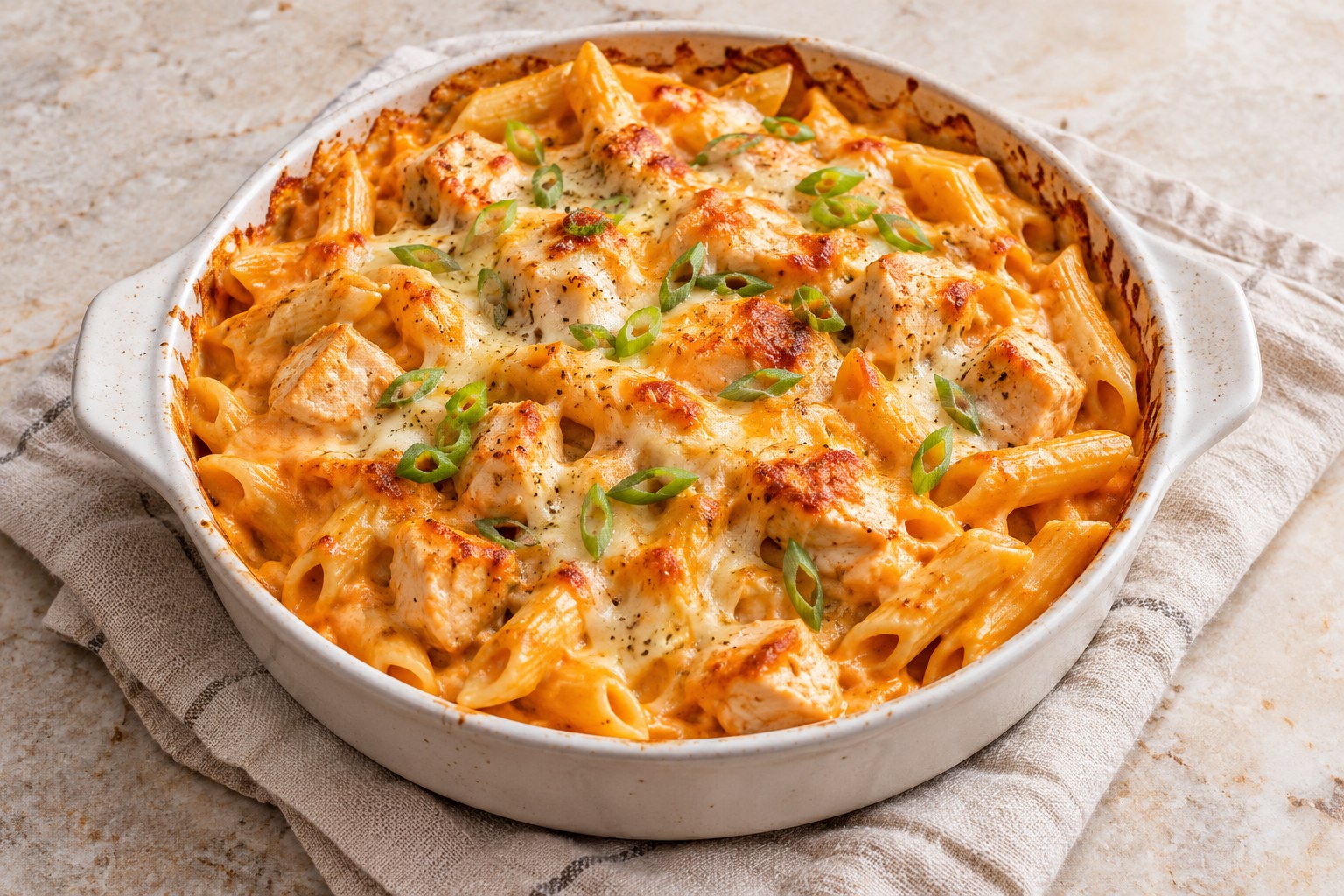
This is not necessarily the ideal first spicy dish for every child. When serving people with different heat preferences, choose a milder recipe for the main dish or adjust only as permitted by the recipe; adding a great deal of liquid to dilute the sauce can change the consistency. Cook the pasta as directed rather than allowing it to become very soft before baking. Finish with the spring onion garnish just before serving so it stays fresh against the warm cheese. It contains dairy, wheat, and chicken as published.
3. King Ranch Chicken Casserole
The King Ranch Chicken Casserole builds layers with chicken, corn tortillas, red and green peppers, diced tomatoes, green chilies, cream cheese, sour cream, cheddar, and Monterey Jack. The listed stages are 25 minutes of preparation and 45 minutes of cooking, making it a weekend or earlier-evening project rather than a last-minute shortcut.
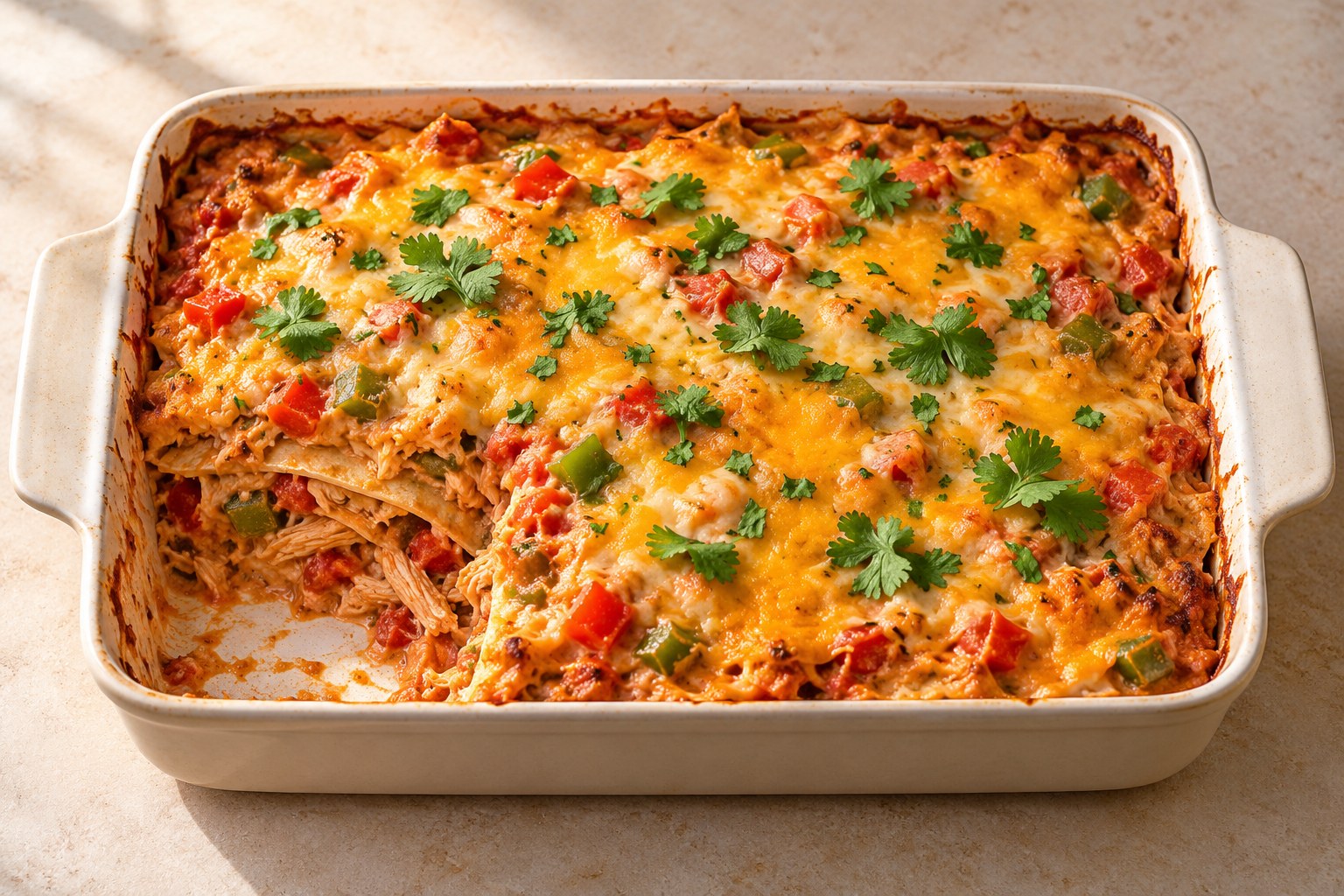
The best texture depends on allowing the tortillas to soften without turning everything into soup. Keep the filling proportions in balance, distribute the chicken evenly, and follow the layering directions in the original recipe. Let the baked casserole rest briefly before serving; this helps individual portions hold together. Corn tortillas do not automatically make the entire recipe certified gluten-free, because sauces, seasonings, equipment, and other ingredients still need label checks. It is a substantial make-and-share dish for a family gathering.
4. Chicken Alfredo Pasta Bake
Unlike the mismatched link in the original roundup, the actual Chicken Alfredo Pasta Bake uses chicken breasts, fettuccine, garlic, cream, chicken stock, Parmesan, and mozzarella. It also contains butter and flour. The published card lists 25 minutes of prep and 35 minutes of cooking. This is specifically a chicken casserole, not the site's separate conventional Fettuccine Alfredo recipe.
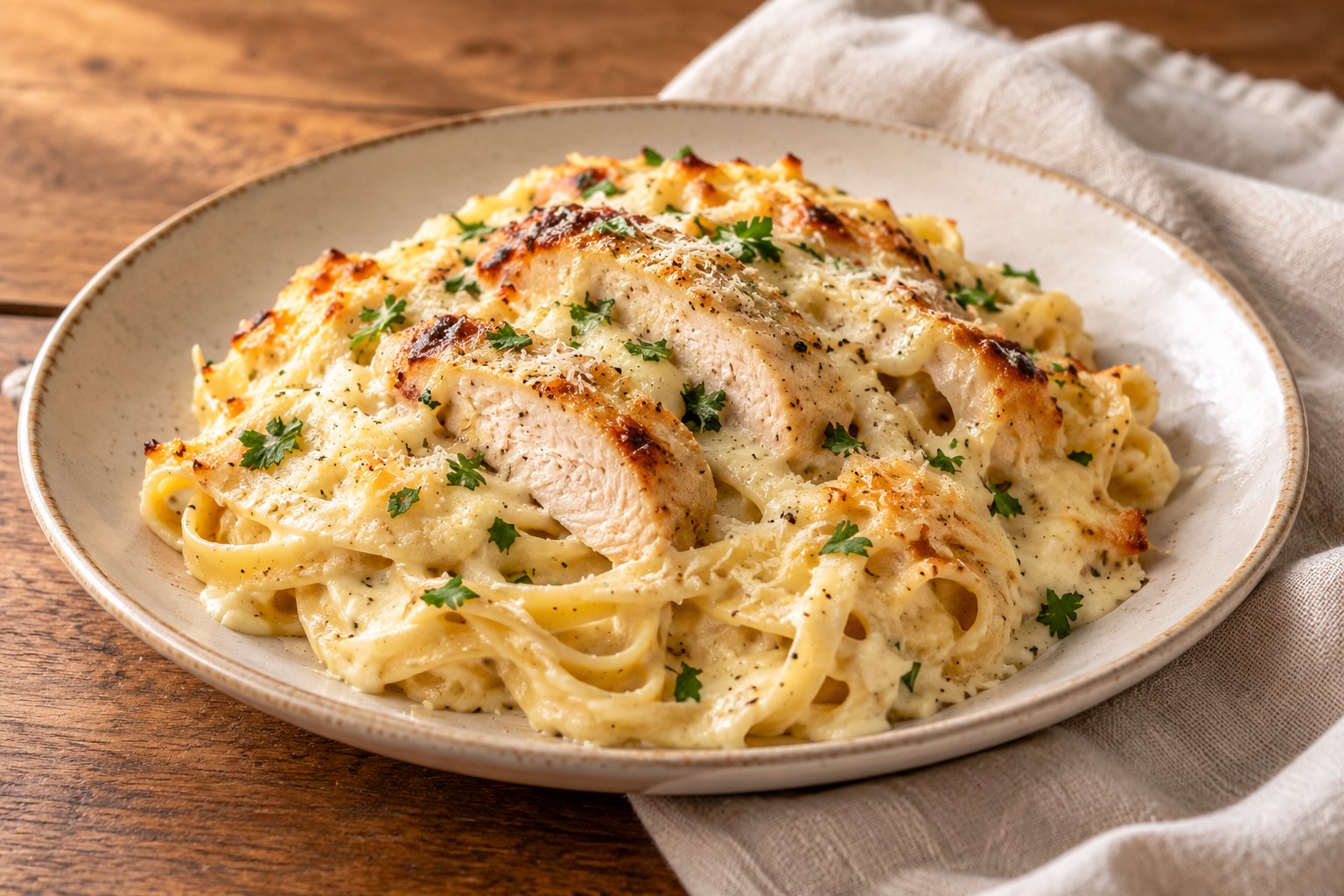
A creamy pasta bake can dry out if the sauce is too thick before it enters the oven. Follow the recipe's sauce method and avoid repeatedly baking it until the cheese becomes hard. When reheating, a small amount of suitable liquid may help the portion loosen, but safe reheating temperature still matters. The dish contains substantial dairy and wheat; a lighter-sounding name or a small serving does not alter its ingredients. Serve with a simple vegetable side if you want a fresh contrast.
5. Chicken Pasta Bake with Vegetables
The Chicken Pasta Bake uses penne, chicken breast, bell pepper, mushrooms, onion, a butter-and-flour sauce, milk, cheddar, and Parmesan. Its recipe card lists 20 minutes of preparation plus 35 minutes cooking. Compared with the Alfredo version, its vegetables and seasoning give it a different character rather than simply repeating the same dish.
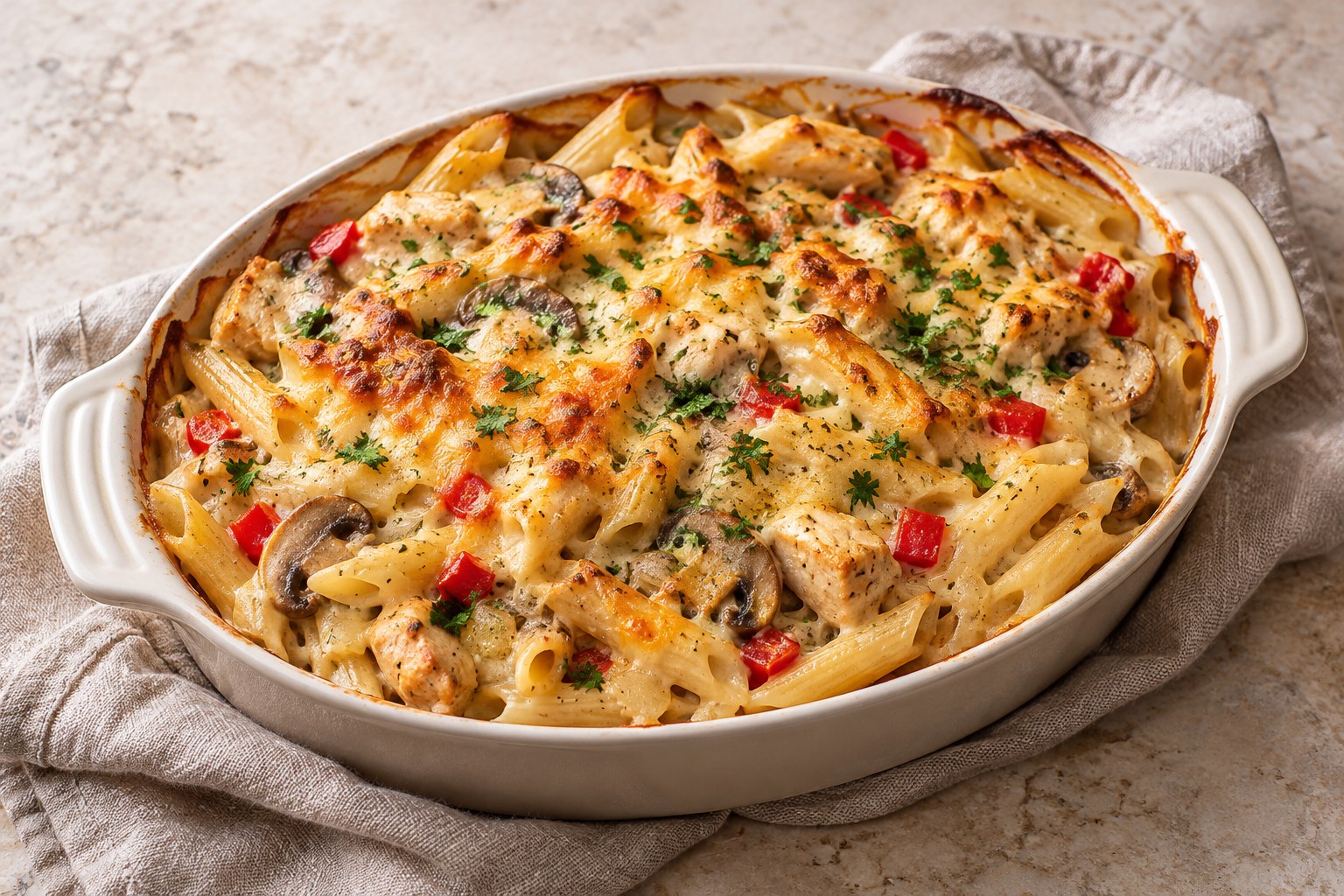
This is a useful option when you want familiar pasta but need a way to incorporate cooked vegetables directly into the main. Cut the chicken into even pieces and ensure the final casserole is cooked safely throughout. If preparing components earlier, refrigerate cooked ingredients promptly and keep them covered until assembly. Add freshly chopped parsley just before serving. As with any pasta bake, avoid overcooking the noodles twice; follow the published timing and check that the middle is hot, not just the cheese on the surface.
Beef casseroles: Layered tortillas and comfort-food bakes
6. Beef Enchilada Casserole
The Beef Enchilada Casserole layers seasoned ground beef with enchilada sauce, corn tortillas, black beans, corn, and a cheddar–Monterey Jack blend. The recipe lists 25 minutes of preparation and 30 minutes of cooking. It is an especially practical option when a family likes tortilla-based meals but you do not want to roll individual enchiladas.
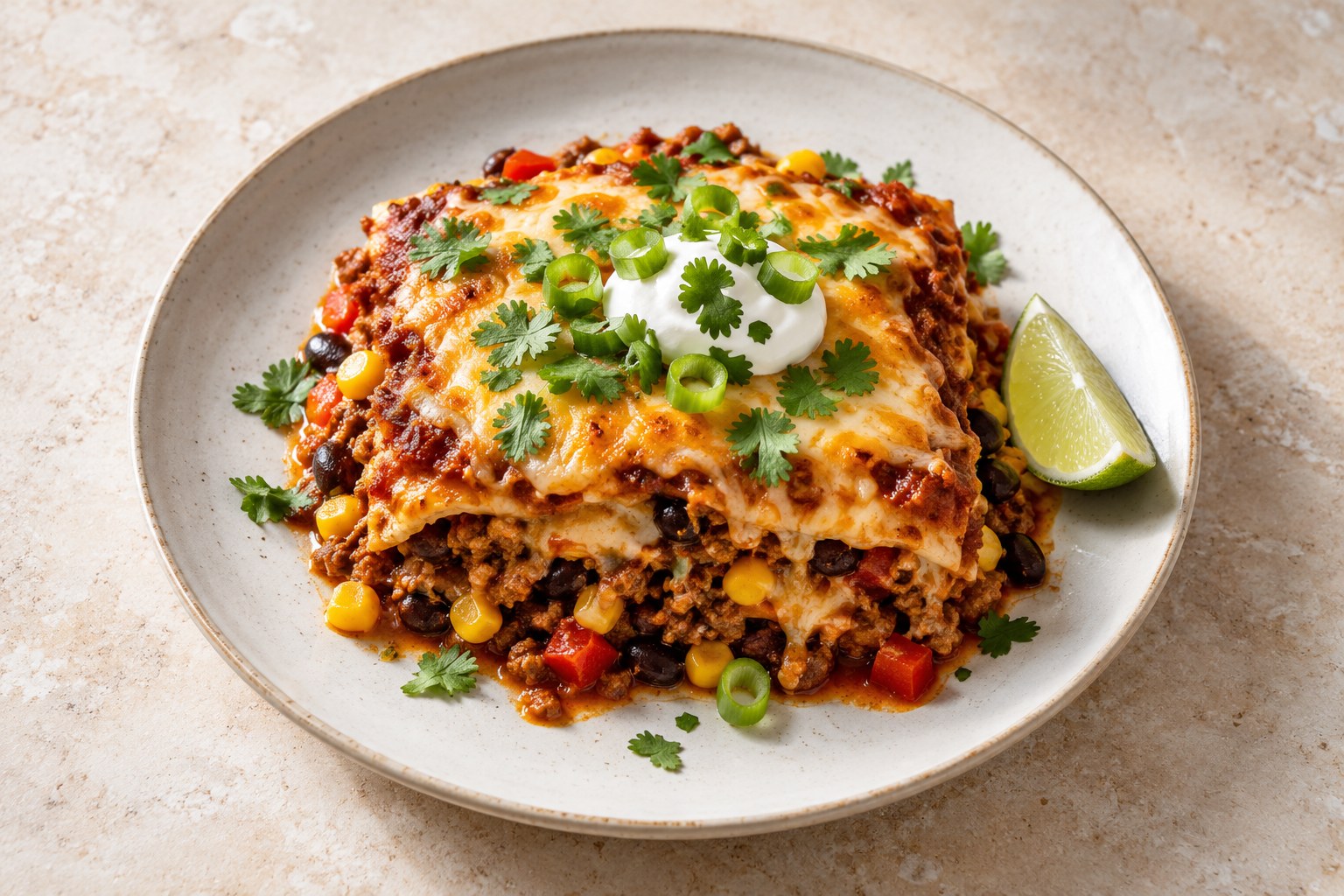
Brown the beef according to the actual instructions, drain or manage excess fat as appropriate, and distribute the sauce through the layers. Drier tortilla edges and wetter centres are clues that the filling was not spread evenly. Fresh cilantro, lime, or sour cream can be added at the table so everyone adjusts their own portion. It contains beef and dairy as published. It also contains beans, so the original claim that a separate cauliflower dish was a beef-and-rice casserole should not be carried over to this recipe.
7. Cheesy Ground Beef and Cauliflower Casserole
The real Cheesy Ground Beef & Cauliflower Casserole features ground beef, cauliflower florets, pepper, onion, cream cheese, stock, cheddar, mozzarella, and Parmesan—not rice. The published stages are 20 minutes prep and 35 minutes cooking. It offers a vegetable-rich alternative to a pasta bake, though it remains a rich, dairy-containing meal.
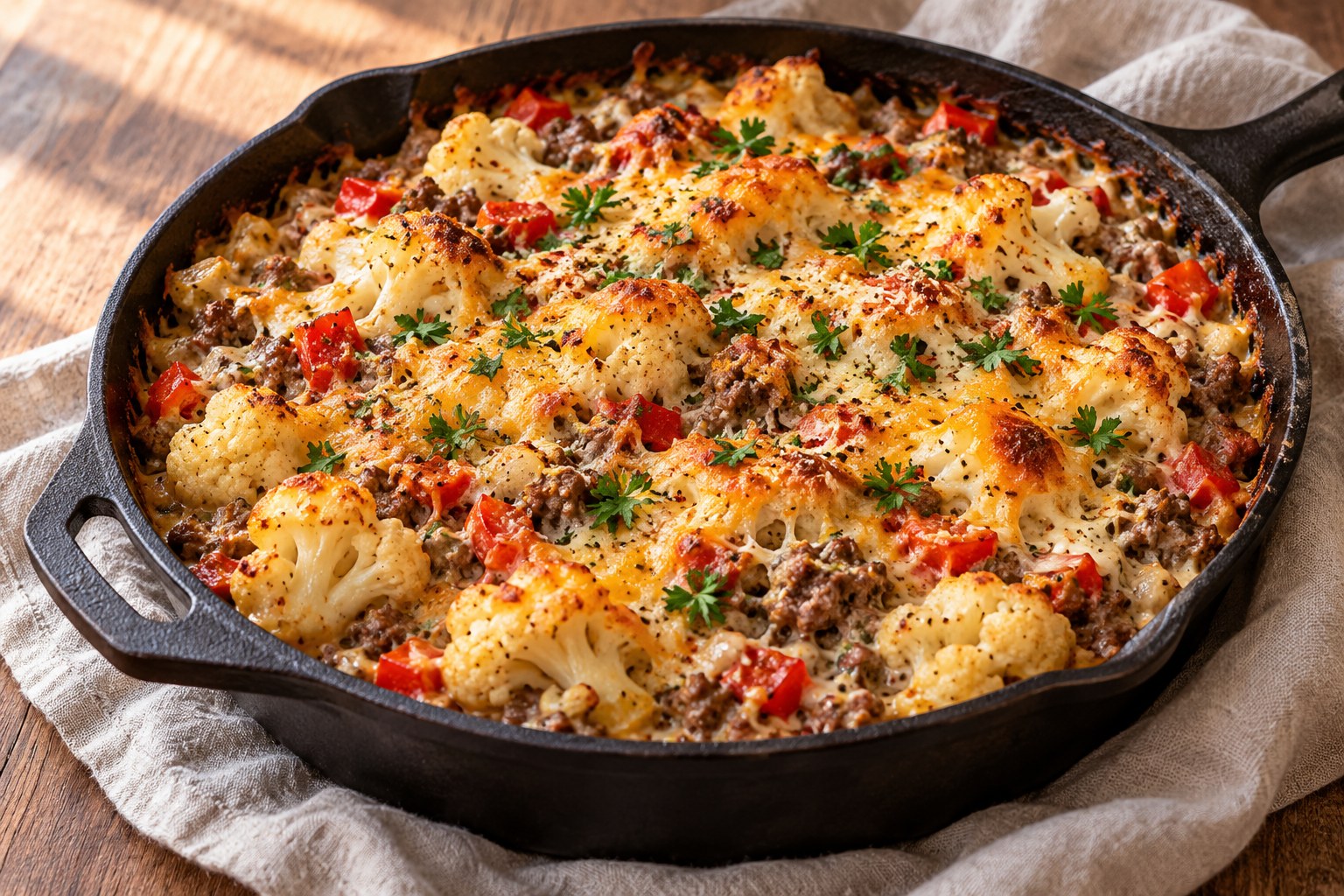
Cauliflower gives off moisture as it cooks. Keep florets fairly uniform and do not improvise extra liquid without considering what it will do to the sauce. A short rest before serving can help the cheese mixture settle. If a household needs to avoid dairy, this exact published version is not suitable without recipe development or a trusted tested substitute. Remember that reducing starch does not automatically make a dish nutritionally appropriate for every dietary requirement; choose according to actual ingredients and needs.
8. Taco Tortilla Casserole
The Taco Tortilla Casserole uses ground beef, canned tomatoes, black beans, corn, corn tortillas, taco seasoning, cheddar, and Monterey Jack. The recipe lists 20 minutes of preparation and 35 minutes of cooking. It shares some ingredients with the beef enchilada casserole, but the seasoning and tomato base create a different flavour and structure.
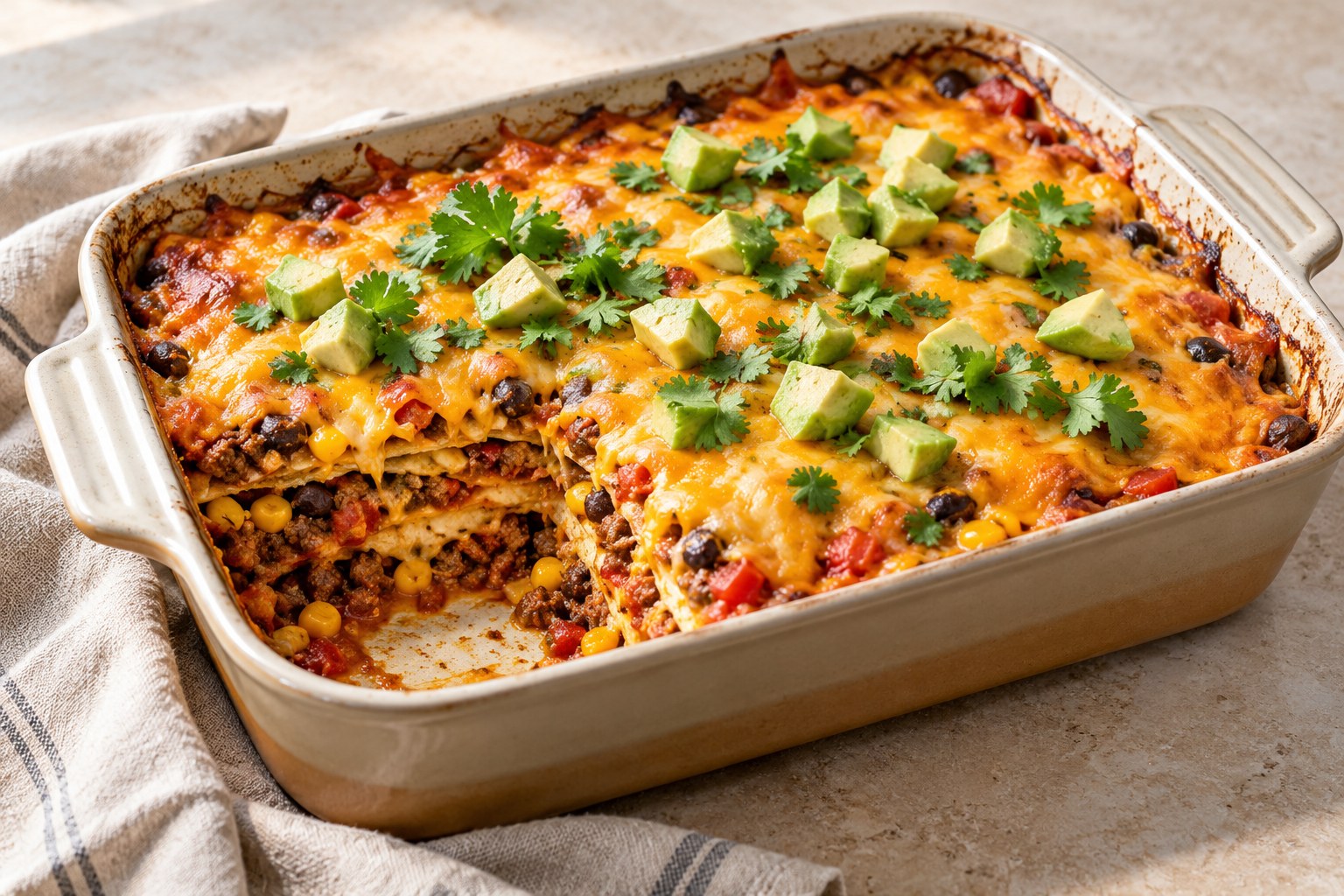
This is a sensible candidate for using a can of beans and a few pantry staples, although the complete dish still requires fresh and refrigerated ingredients. Keep the layered filling evenly distributed and wait until the centre is fully heated. Offer avocado or cilantro after baking rather than making them part of a long oven stage. For meal planning, choose this or the enchilada casserole in a given week rather than cooking two closely related meals back-to-back unless you are deliberately using the same prepared components.
Vegetarian casseroles: Vegetables, pasta, rice, and cheese
9. Baked Greek Orzo Casserole
The Baked Greek Orzo Casserole contains orzo pasta, zucchini, red pepper, tomatoes, vegetable stock, Kalamata olives, feta, herbs, and lemon. It is not the vegetarian enchilada casserole described in the old article. The published card lists 20 minutes prep and 45 minutes cooking.
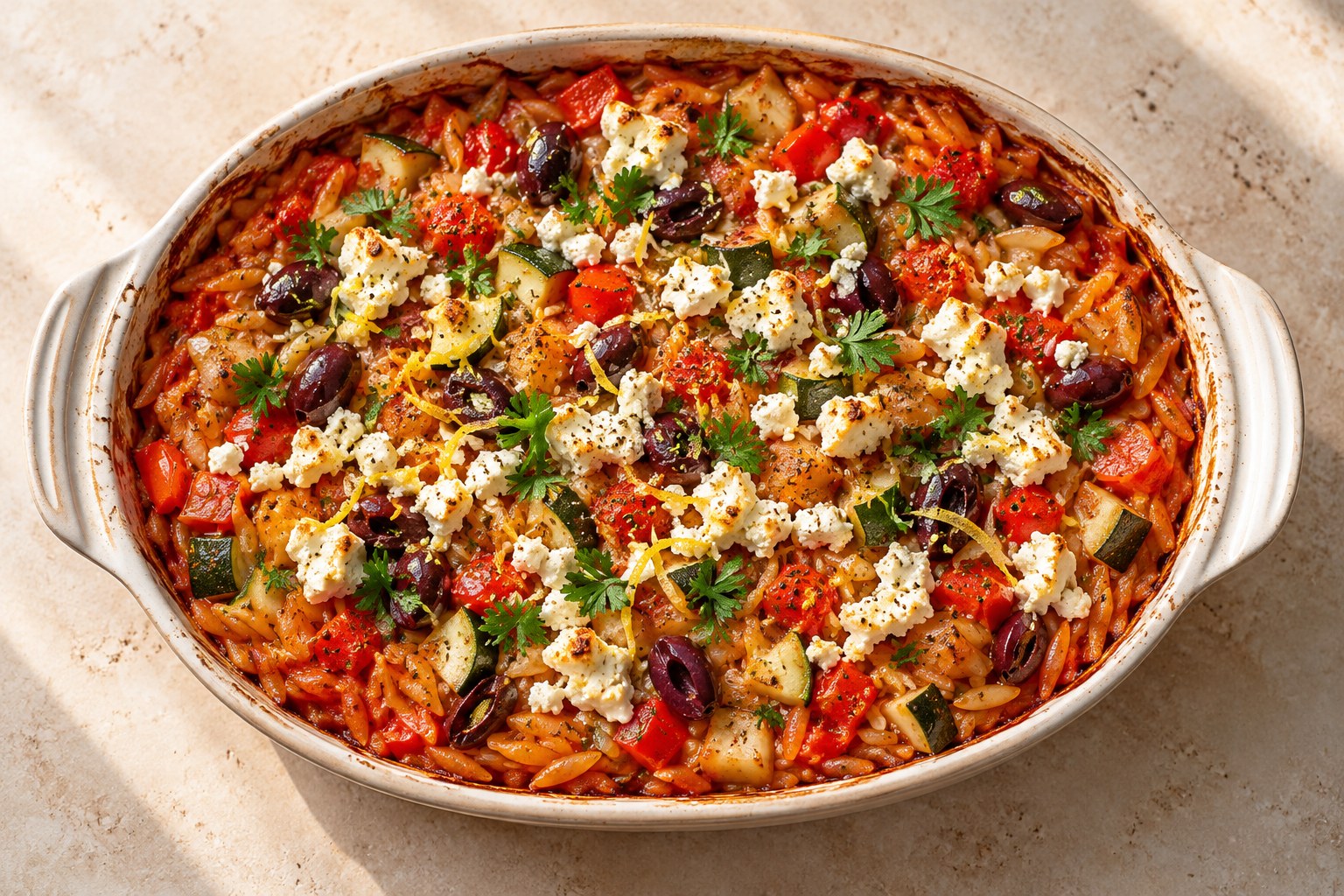
Orzo is pasta rather than rice, and the standard recipe is not gluten-free. Its bright lemon and salty feta can be a welcome change after several cream-heavy casseroles. Taste and adjust seasoning in the manner specified by the recipe: olives and feta already contribute salt, so adding more without checking may make the dish overly salty. If serving with a salad or roasted vegetables, choose a simple preparation to avoid duplicating flavours. The published dish contains dairy and wheat, despite its vegetable-forward appearance.
10. Skillet Spinach, Mushroom and Wild Rice Casserole
The Skillet Spinach, Mushroom & Wild Rice Casserole features a wild rice blend, assorted mushrooms, spinach, vegetable stock, cream, Gruyère, Parmesan, and herbs. It is not a quinoa casserole. The published preparation and cooking times are 25 and 45 minutes, respectively.

Wild rice blends vary in how long they absorb liquid, so respect the published method rather than replacing them with instant rice or quinoa and assuming the same result. Browning mushrooms properly helps prevent a watery final texture; crowded pans often steam the mushrooms instead. The cheese makes this vegetarian-style recipe unsuitable for vegans. Check the exact cheese, soy sauce, and stock products for any dietary restrictions. It works especially well when you want a savoury dish with a different texture from pasta or potatoes.
11. Baked Ziti Alfredo with Spinach
The Baked Ziti Alfredo with Spinach uses ziti or penne, spinach, a milk-and-cream Alfredo sauce, Parmesan, mozzarella, and ricotta. It is not baked ziti with Italian sausage as the old article claimed. The recipe lists 25 minutes prep and 35 minutes cooking and makes an eight-serving dish according to its card.
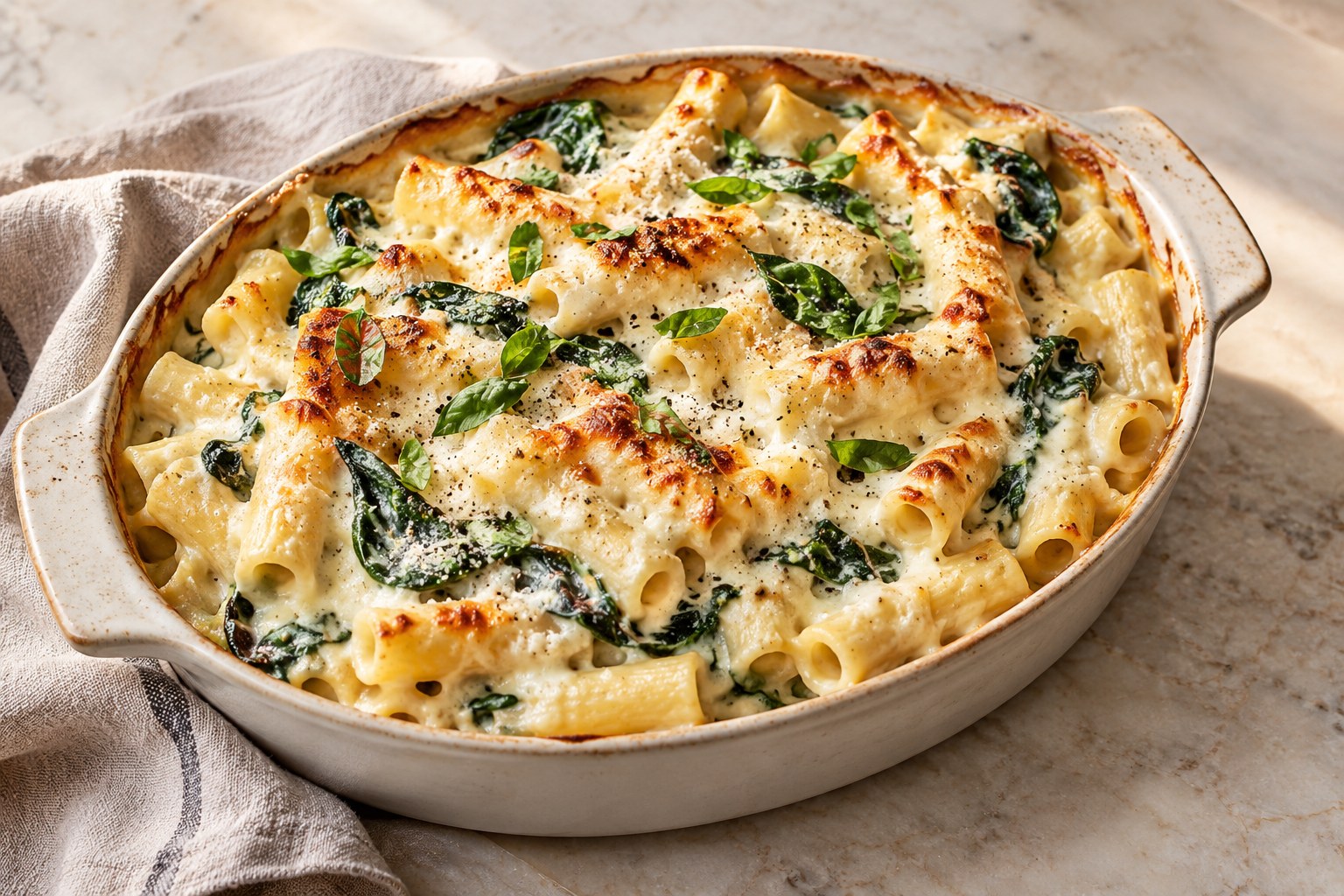
This is an easy one to misread because ziti is often paired with tomato sauce and meat. Here the appeal is a pale, creamy sauce with green spinach throughout. Cook pasta to the stage required by the recipe so it does not become soft during baking. If freezing portions, expect some cream sauces to separate or look grainy after thawing; stir gently while reheating and follow safe temperatures. Serve something crisp and fresh alongside rather than another heavy cheese dish.
12. Ravioli Lasagna Bake
The Ravioli Lasagna Bake uses cheese ravioli, marinara sauce, ricotta, egg, Parmesan, mozzarella, and basil. Its published timing is 15 minutes of preparation plus 40 minutes cooking. This can be a genuinely convenient assembly option because ravioli replaces the separate pasta sheets and layered filling typically used for lasagna.
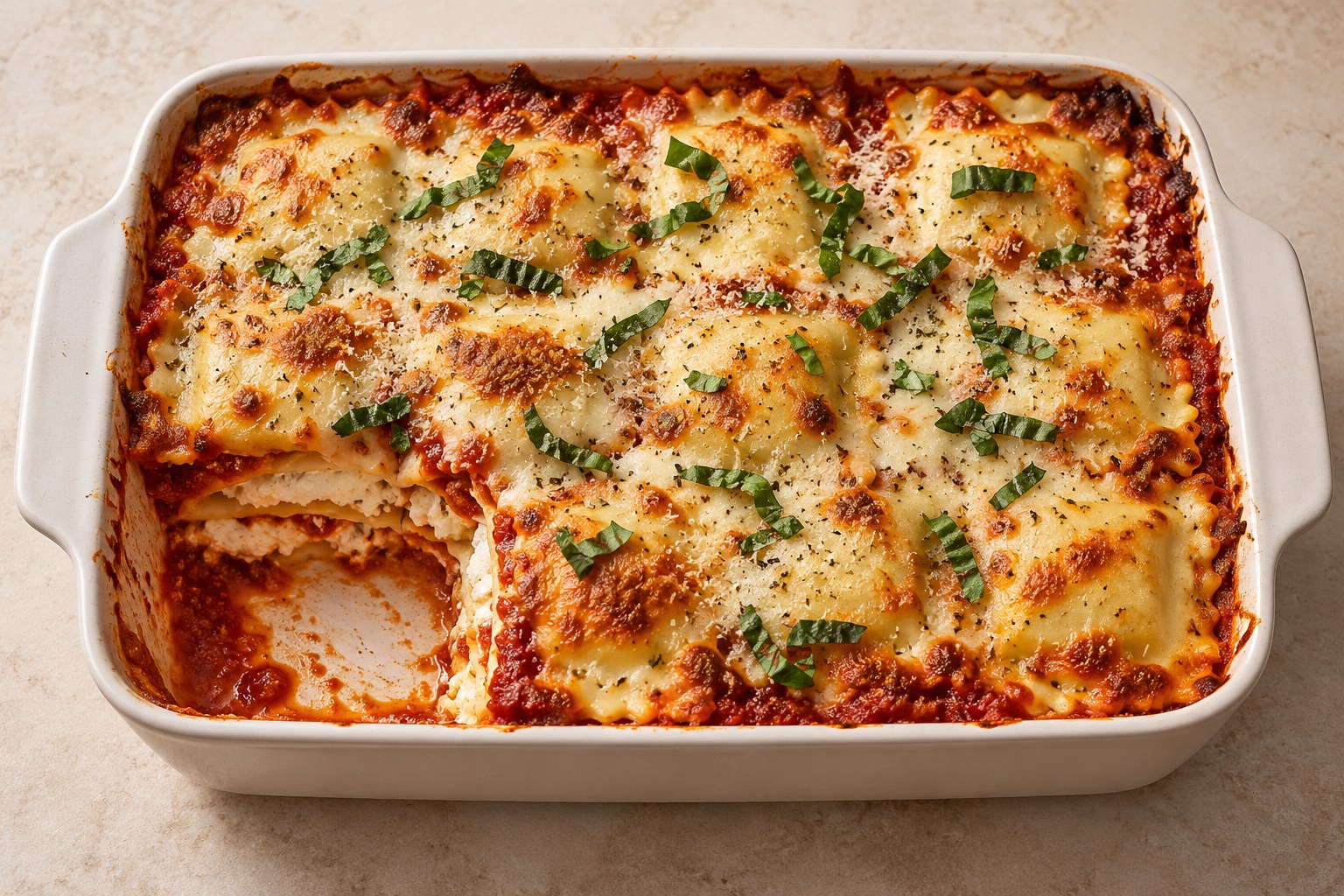
Check whether your ravioli is fresh or frozen and follow the method specific to that form. Make sure the sauce surrounds the pasta so exposed pieces do not become overly hard. This casserole contains dairy, eggs, and wheat in its published form and should not be labelled vegan or egg-free. It is especially suitable for a night when you need a familiar main dish without preparing homemade pasta, but allow enough time for the dish to heat through and rest briefly before cutting.
13. Breakfast Hashbrown Casserole
The Breakfast Hashbrown Casserole combines thawed hashbrowns, breakfast sausage, eggs, milk, cream, onion, pepper, cheddar, and mozzarella. The published card lists 20 minutes of preparation and 45 minutes cooking. It is built for a substantial weekend breakfast or brunch and can also work as a breakfast-for-dinner meal.
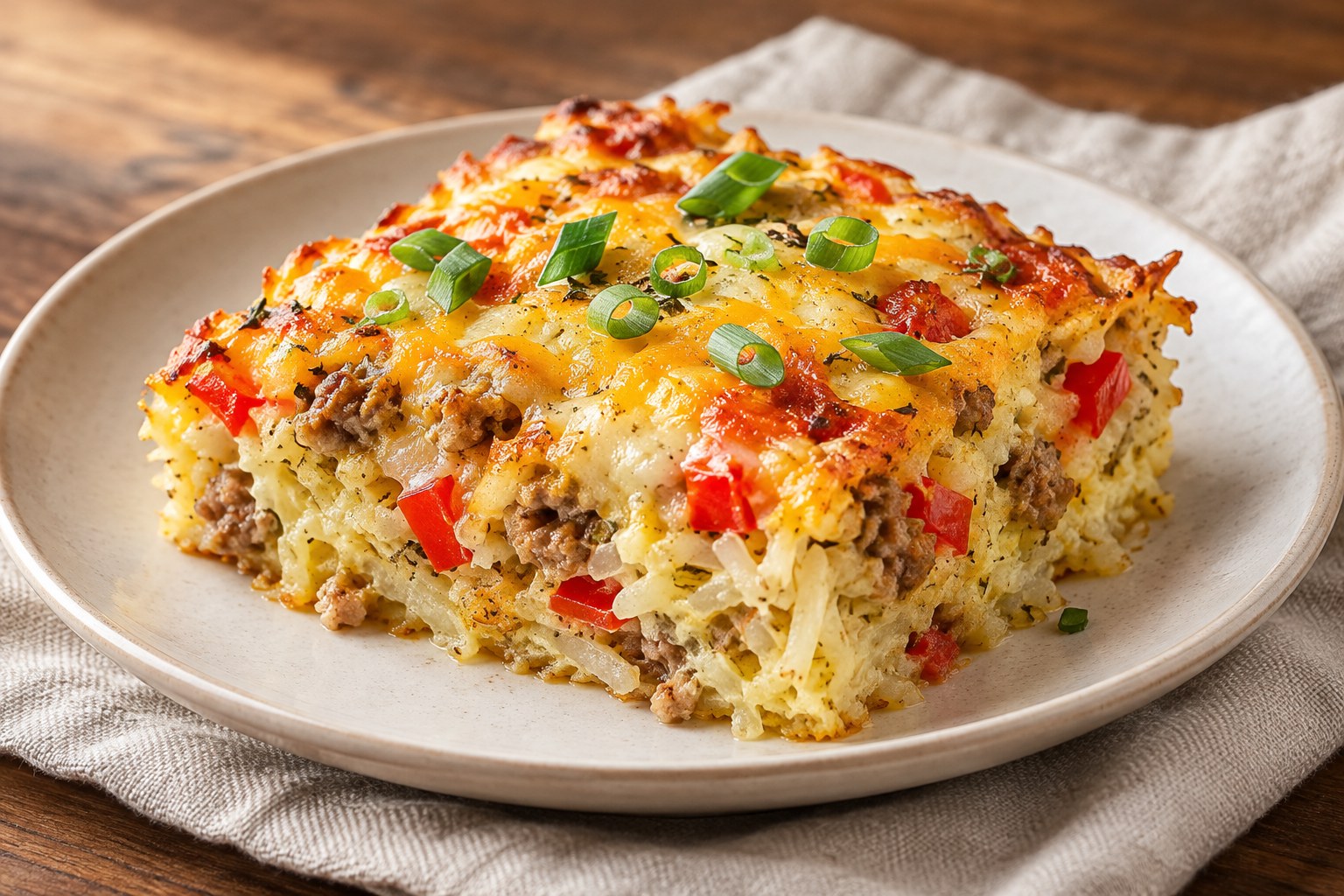
Because eggs and sausage are involved, the centre needs to reach a safe temperature, not merely look golden on top. The published recipe is neither vegetarian nor dairy-free unless a permitted sausage option and additional properly developed substitutions are used. Preparation may be simplified by chopping suitable vegetables in advance, but assembled raw-egg mixtures should be handled and stored carefully. Serve portions with fruit or a simple vegetable accompaniment if desired, and refrigerate leftovers promptly.
Plant-based casseroles that are genuinely free of meat
14. Vegan Shepherd's Pie
The Vegan Shepherd's Pie is a lentil-and-vegetable bake with carrots, celery, mushrooms, peas, and a topping made from ordinary potatoes, olive oil, and unsweetened plant milk. It does not contain the beef or sweet-potato mash described in the original roundup. The recipe lists 30 minutes of preparation and 45 minutes of cooking.
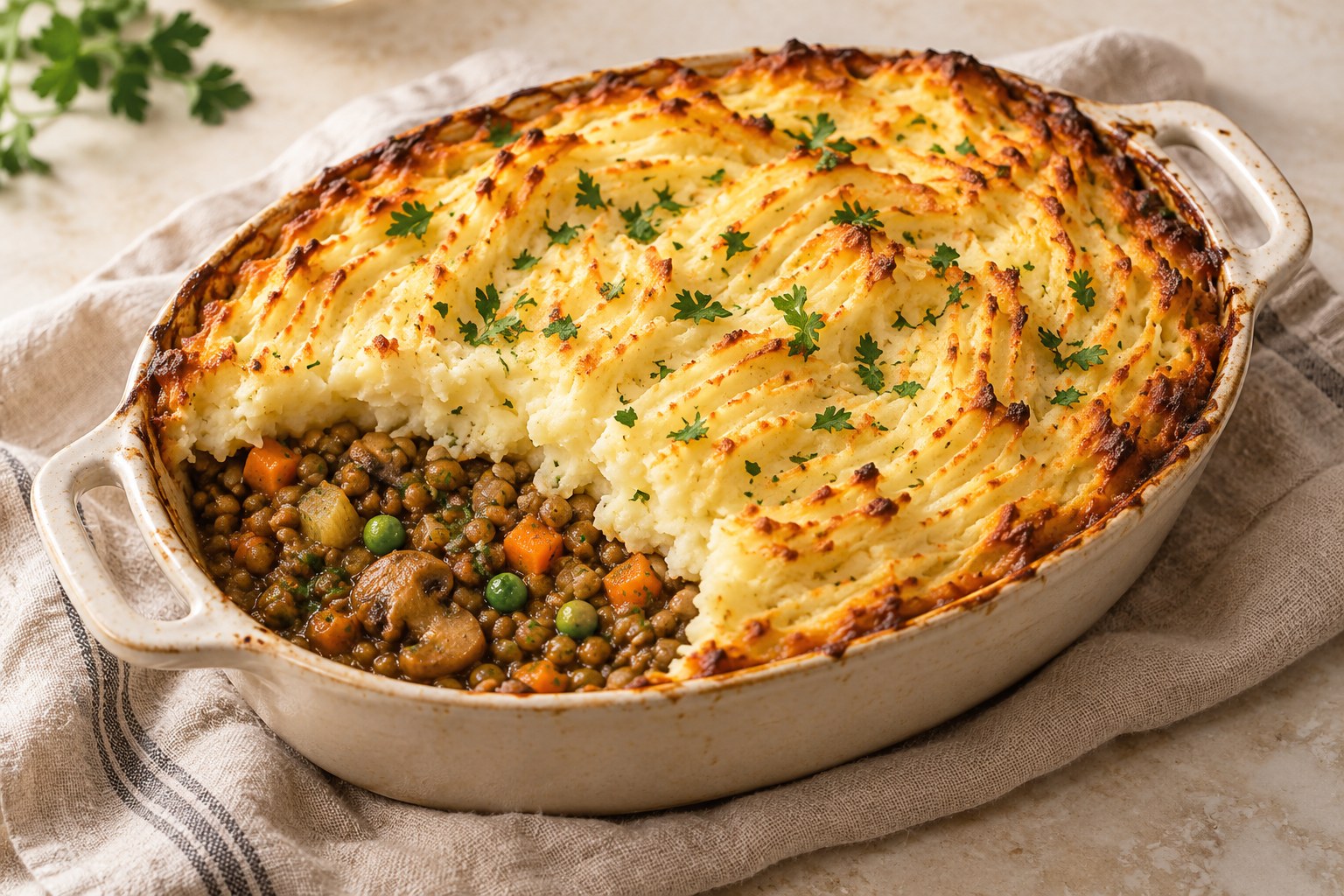
The filling should have enough moisture to remain tender but not so much that the potato layer sinks into soup. Lentils supply body; mushrooms and herbs contribute savoury depth. Follow the actual preparation steps instead of substituting uncooked beans or an entirely different topping. Its optional ingredients include vegan Worcestershire sauce and nutritional yeast; check packaged seasonings and plant milks for individual dietary needs. This is a true plant-based option that can sit comfortably at the centre of a family supper.
15. Vegan Eggplant Parmesan Casserole
The Vegan Eggplant Parmesan Casserole uses eggplant slices, flour, plant milk, panko breadcrumbs, marinara, vegan mozzarella, and a vegan Parmesan-style topping. It is a substantial oven recipe with a listed 45 minutes of prep and 50 minutes of cooking, so it suits a more relaxed night or a planned cooking session.
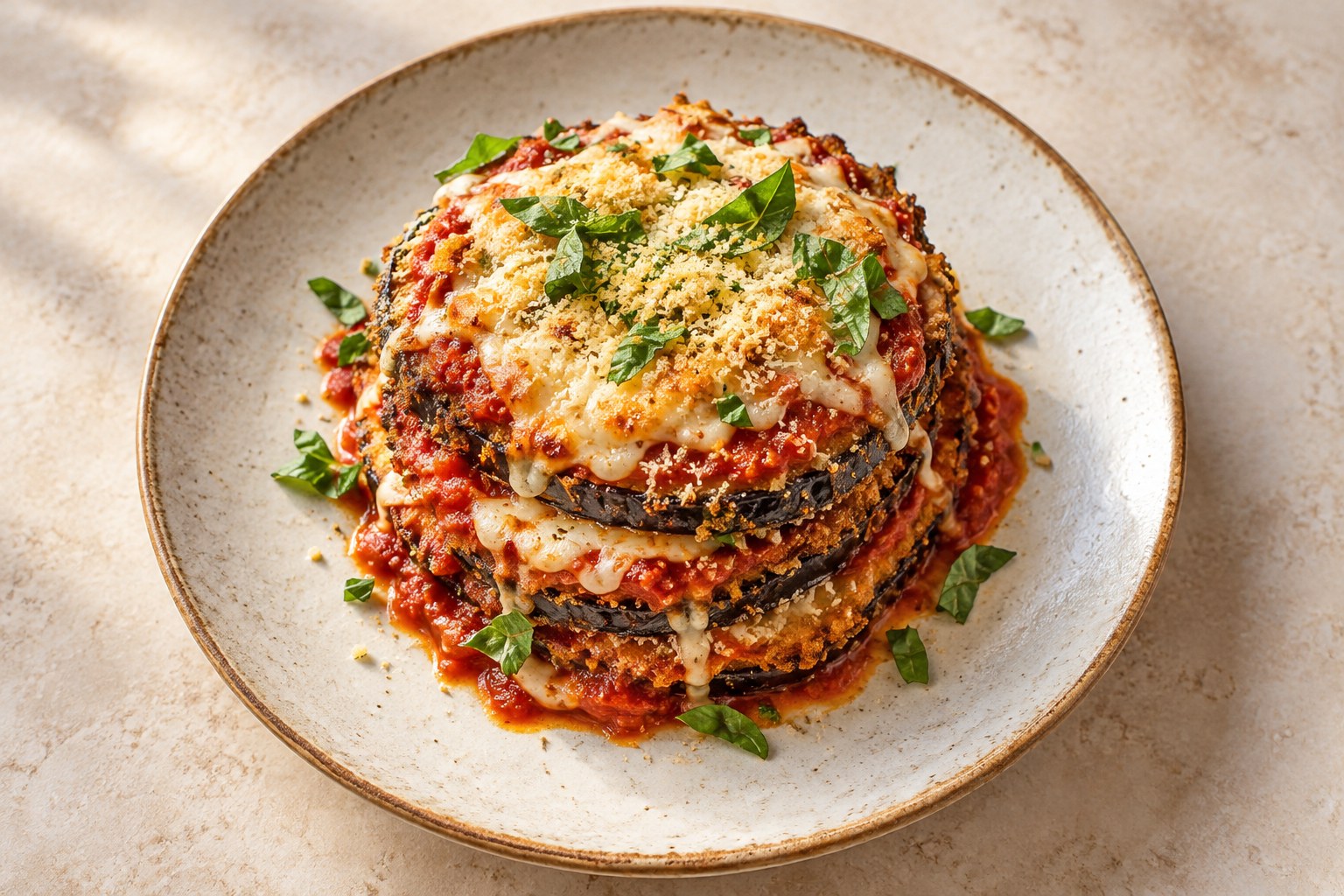
Eggplant can hold a surprising amount of moisture. Consistent slice thickness and the pre-baking or coating method specified in the recipe help the final layers stay structured. Be aware that ordinary panko and plain flour often contain wheat; “vegan” does not mean “gluten-free.” Some vegan Parmesan alternatives contain nuts, so check packaged cheese products and the recipe's alternatives. This dish can be paired with a green salad, but the breaded eggplant layers provide enough texture that you may not need another rich side.
16. Vegan Tuna-Style Casserole with Hearts of Palm
The Vegan Tuna Casserole is actually a hearts-of-palm pasta casserole, not conventional canned-tuna casserole. Shell pasta, peas, soaked cashews, vegetable stock, nutritional yeast, lemon, dill, optional nori, and breadcrumbs create the creamy, savoury effect. The published timings are 20 minutes of prep and 30 minutes cooking, but the ingredient list also calls for cashew soaking, which may take additional time.
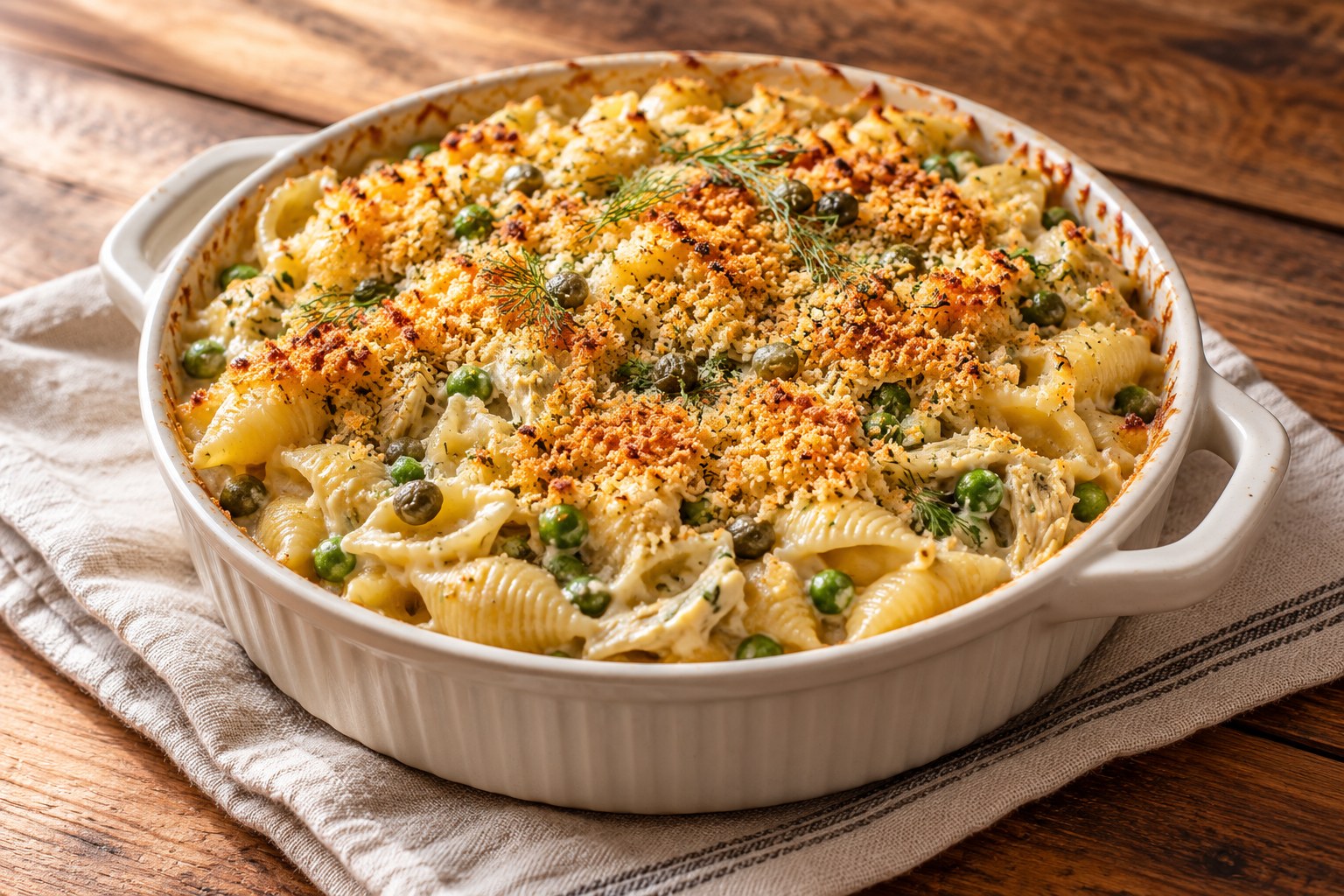
The distinction matters for allergies and expectations. This dish contains tree nuts and typically wheat-based pasta or breadcrumbs unless appropriate ingredients are substituted. Hearts of palm supply texture; they do not provide the same nutritional profile as fish. Chop or flake them as directed and blend the cashew sauce until smooth. Readers seeking a plant-based comfort-food bake may enjoy this; readers expecting seafood should use a different recipe.
17. Vegan Potato and Leek Casserole
The Vegan Potato and Leek Casserole layers sliced potatoes and leeks with a sauce made from plant-based milk, cornstarch, herbs, and nutritional yeast. A breadcrumb topping provides contrast. The card lists 25 minutes of preparation and 45 minutes cooking. It is not the loaded baked potato casserole with bacon and dairy linked incorrectly in the old article.

Potatoes of uneven thickness cook at different rates, so aim for consistent slices. Wash leeks thoroughly because grit can hide between the layers. Check that breadcrumbs and plant milk fit the dietary needs of those eating. This casserole makes a satisfying vegetable-focused side dish or part of a bigger plant-based meal; if serving it as dinner, consider an additional protein-rich accompaniment rather than assuming the potatoes alone create a complete meal.
18. Vegan Tater Tot Casserole
The Vegan Tater Tot Casserole uses frozen tater tots, mushrooms, plant-based mince or tofu, carrot, pepper, peas, corn, plant milk, and a savoury sauce. It is not a bacon cheeseburger bake. The published stages are 25 minutes of prep and 45 minutes cooking, with an eight-serving yield noted on the recipe card.

The topping will be most appealing when the potatoes remain exposed to oven heat. Thick fillings need to be spread evenly so the centre heats as well as the edges. Check the ingredient list of the tater tots, plant-based mince, stock, and seasonings rather than assuming any processed plant-based product is free from every allergen. For a flexible family dinner, the vegetables and crispy topping create a familiar format while keeping the published recipe free from meat.
19. Vegan Cornbread Stuffing Casserole
The Vegan Cornbread Stuffing Casserole combines crumbled day-old vegan cornbread with onion, celery, carrots, cranberries, pecans or walnuts, herbs, vegetable broth, plant milk, and flaxseed. The listed stages are 40 minutes prep and 45 minutes cooking, not including preparation of the original cornbread if it needs to be made first.
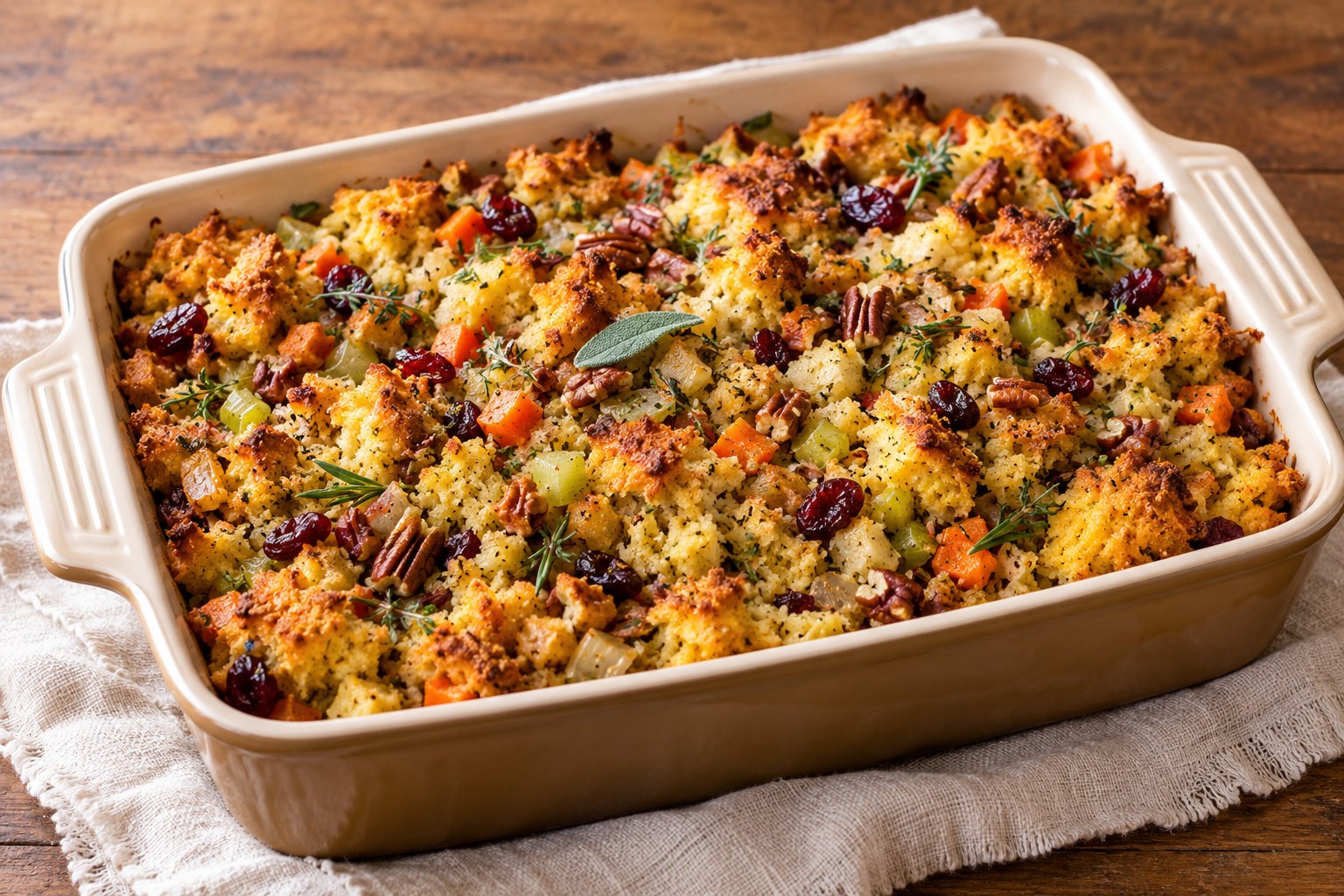
This is a savoury stuffing dish—not BBQ chicken and cornbread. It is especially appealing for holiday menus or an autumn potluck, though it may be more of a side than a stand-alone weeknight main. Nuts are included, and cornbread ingredients need checking if wheat, dairy, or egg avoidance is important. Pay attention to the liquid ratio so the stuffing is moist but not soggy. Use the published recipe rather than adding meat that would contradict its vegan description.
20. Vegan Sweet Potato Casserole
The Vegan Sweet Potato Casserole contains mashed sweet potato, maple syrup, coconut milk, cinnamon, nutmeg, and a topping of oats, pecans, sugar, flour, and coconut oil. The published recipe is a sweet, holiday-style casserole, not a savoury sweet-potato-and-black-bean dinner. It lists 30 minutes of preparation and 45 minutes cooking.

This difference matters for planning a balanced menu. It makes sense as a holiday side or sweet accompaniment, not as the protein-rich main meal promised by the original article. Its standard topping contains pecans and ordinary flour. The recipe mentions a gluten-free blend as an alternative, but that does not automatically certify the whole dish gluten-free. If serving a guest with allergies, check every ingredient and any cross-contact issues carefully.
How to choose a casserole for tonight: A useful decision guide
If you have about an hour including cooking, consider the Buffalo Chicken Pasta Bake, Beef Enchilada Casserole, or Ravioli Lasagna Bake, provided the necessary ingredients and preparation steps are ready. Published times are estimates, not guarantees, and ovens, knife skills, and starting temperatures vary. If you are starting with raw frozen meat or have to make sauce from scratch, allow more time.
If you want a vegetarian dish, the Baked Greek Orzo Casserole or Skillet Spinach, Mushroom and Wild Rice Casserole are natural candidates, remembering that both contain dairy. If you need a fully plant-based dish, choose the Vegan Shepherd's Pie, Vegan Eggplant Parmesan, or Vegan Tater Tot Casserole, keeping individual allergens in mind. For brunch, the Breakfast Hashbrown Casserole has the right shape and flavour profile.
When cooking for a potluck, choose a recipe that can be transported in a sturdy, covered, food-safe container and kept at a safe temperature until serving. A cheese-heavy dish may travel differently from one with a crisp topping. Do not leave perishable casseroles on the buffet table indefinitely because they are easier to serve from a baking dish.
Make-ahead casseroles: Which steps actually help?
The most useful preparation is often ingredient preparation, not fully assembling everything days in advance. Chop onions and peppers, grate cheese, and measure dry seasonings before the evening rush. Cook pasta or grains only when the recipe specifically allows advance preparation; they can absorb moisture and soften further as a casserole sits. Never assume that raw chicken mixed into a dish can be safely stored for days just because it will eventually go into the oven.
You can prepare a sauce or filling in advance if the recipe and food-safety guidance support it, then cool and refrigerate promptly in an appropriately sized container. Keep cooked and raw components separate when necessary. If you fully assemble an overnight casserole, follow the recipe's make-ahead instructions rather than treating all dishes as interchangeable. Breakfast egg bakes, delicate ravioli, crispy potato toppings, and crunchy breadcrumbs do not respond to long storage in the same way.
To keep weeknights realistic, cook one substantial casserole and plan one future serving from leftovers, instead of making five full trays on Sunday and storing them all in the refrigerator. Freeze safe portions that will not be eaten promptly, label them, and rotate them into the schedule when needed.
A five-evening casserole plan that avoids repetition
Monday: Chicken Pasta Bake. Prepare the published chicken-and-vegetable pasta dish. Serve a simple salad or cut vegetables alongside. Cool and refrigerate suitable leftovers promptly, and reserve one appropriately stored portion for another meal.
Tuesday: Baked Greek Orzo Casserole. Move away from cream-heavy pasta toward tomatoes, olives, lemon, zucchini, and feta. This is a dairy-containing vegetarian recipe, not a vegan one. If the week is busy, pre-chop suitable vegetables earlier.
Wednesday: Vegan Shepherd's Pie. Lentils and vegetables give you a plant-based dinner with a traditional potato topping. Follow the published cooking method; do not assume that using dry lentils shortens the time required for a fully cooked filling.
Thursday: Ravioli Lasagna Bake. This uses an easy assembly format, helpful after several nights of cooking. It still contains egg, cheese, and wheat. Serve a lighter accompaniment if desired, then refrigerate leftovers promptly.
Friday: Beef Enchilada Casserole or Vegan Tater Tot Casserole. Choose based on dietary needs and pantry supplies. Both offer layers and a satisfying oven-baked finish, but their ingredients and allergens differ. If you already used beef during the week, the plant-based casserole adds welcome variety.
This is an illustrative plan, not a nutritional prescription. Swap days to fit work schedules, ingredient availability, dietary restrictions, and leftover needs. No family needs five different casseroles every week; the point is to show how different textures and flavour profiles can prevent a repetitive menu.
How to keep a casserole from turning watery
Watery filling is often caused by excess moisture in vegetables, insufficient thickening, or additional liquid not accounted for in the original recipe. Mushrooms, zucchini, spinach, and frozen vegetables may release moisture during cooking. The proper solution depends on the particular recipe: some vegetables should be cooked or drained first, while others rely on the oven to finish reducing the sauce.
Before changing the formula, ask whether the vegetables were measured correctly, whether frozen produce was treated as directed, and whether a watery ingredient was added as an improvisation. Do not respond by adding large amounts of flour or cornstarch at the end, especially when the recipe was designed around a precise sauce ratio. For a dish that appears wet immediately after baking, resting may help it settle—but resting cannot fix completely raw vegetables or an undercooked centre.
How to avoid dry pasta and tough edges
Pasta continues absorbing moisture while it bakes, so a casserole can turn dry when noodles are cooked too far initially, the baking dish is too large, or the sauce quantity is reduced. Keep the published ratio of pasta to sauce, and avoid an unapproved swap of one pasta shape for another that changes volume substantially. A tightly packed pan is not always an advantage: an unusually deep layer can take longer to heat through than the original baking dish.
If the top browns too quickly, follow the recipe's covering or foil instructions instead of randomly lowering the oven temperature. Check that the centre is fully cooked, especially if the dish contains meat. When reheating one portion, use a cover appropriate to the appliance and distribute heat evenly; a dry rim is not proof that the middle is safely hot.
Crispy toppings: When to add them and why
Tater tots, breadcrumbs, grated cheese, and pastry-like toppings each behave differently. The exposed surface of a tater tot needs circulating oven heat to crisp. Breadcrumbs may burn if spread too thin or placed under a broiler for too long. Cheese can brown before a cold, deep filling reaches a safe internal temperature.
Follow the layering and topping stage of each recipe card. Do not bury the tots under wet filling, and do not assume that a dark-golden topping guarantees fully cooked chicken or eggs underneath. If preparing a casserole ahead, consider whether the recipe calls for a topping added immediately before baking; adding it early can allow it to absorb moisture and lose contrast. A successful casserole balances the temperature of the centre with the texture of the top.
Food safety: Cooking, chilling, and reheating a full baking dish
Casseroles can contain several higher-risk ingredients at once, including poultry, eggs, dairy, and cooked grains. Health Canada's safe cooking guidance lists 74°C (165°F) as the target internal temperature for casseroles, stuffing, and egg dishes. Use a clean digital food thermometer in the centre rather than deciding that bubbling edges or browned cheese mean the entire dish is safe. Raw chicken must also be cooked safely according to applicable temperature guidance.
Refrigerate leftovers promptly. Divide a large hot casserole into shallower containers so it cools efficiently, and follow Health Canada's specific leftovers guidance: eat refrigerated leftovers within two to three days, or freeze them for later use. Date each container. Do not leave a filled baking dish sitting at room temperature for hours while everyone grazes.
When reheating, bring leftovers to 74°C (165°F) in the centre, stirring or redistributing a portion where feasible for even heating. Do not repeatedly reheat the whole tray and put it back in the fridge. A frozen dish may need refrigerator thawing or an appropriately adjusted cooking method, and the baking vessel must be rated for those temperature changes. Food safety always takes priority over getting a perfectly crisp top.
Dietary needs: Read beyond the recipe's headline
“Vegetarian,” “vegan,” “gluten-free,” and “high-protein” do not all mean the same thing. The Baked Greek Orzo Casserole is vegetarian but contains feta and wheat pasta. The Vegan Tuna Casserole contains no fish as written, yet it uses cashews and often wheat-based pasta and breadcrumbs. The Skillet Spinach, Mushroom and Wild Rice Casserole contains dairy and soy sauce, which may affect dietary or allergen planning. The Vegan Cornbread Stuffing has pecans or walnuts and may contain gluten depending on the cornbread used.
When cooking for someone with a medically important allergy or dietary restriction, read the complete ingredient list, check packaged labels, and consider cross-contact. Ingredient substitutions can also change thickening, baking time, and structure; do not guarantee that swapping cheese, flour, or pasta makes the entire casserole safe or technically equivalent. Choose a verified, suitable recipe when a strict restriction must be met.
Budget and ingredient planning without misleading shortcuts
A casserole can stretch meat and vegetables across more portions, but not all are cheap. Several published recipes call for multiple cheeses, cream, or specialty ingredients, which can increase costs. Make the budget decision before choosing the recipe: compare the ingredients you already have with those you would need to buy. The Beef Enchilada Casserole, for example, shares pantry components with the Taco Tortilla Casserole; that overlap might help if you are planning several meals over two weeks.
Potatoes, onions, canned tomatoes, beans, pasta, and frozen vegetables can form a useful pantry base, but do not substitute them indiscriminately into a published formula. If you have cauliflower but no rice, choose the actual Cheesy Ground Beef and Cauliflower Casserole instead of calling it a beef-and-rice bake. If you want a meatless dish, choose the actual Baked Greek Orzo or Vegan Shepherd's Pie instead of linking a different recipe under an invented title. Accurate planning saves money by reducing failed adaptations.
Frequently asked questions about easy casserole dinners
Are all casserole recipes one-pot meals?
No. A casserole may finish in one baking dish but require a pot for pasta, a frying pan for browning meat, and a saucepan for sauce. Read the full recipe method before promising minimal washing-up. The Ravioli Lasagna Bake uses fewer preparation stages than a homemade layered lasagna, but it still needs careful assembly and baking.
What's a truly quick casserole on this list?
By listed prep and cooking stages, the Buffalo Chicken Pasta Bake, Beef Enchilada Casserole, or Ravioli Lasagna Bake may be relatively manageable. Their approximate stated durations are not guarantees, and ingredient starting temperatures and skill levels affect timing. Assemble and cook safely rather than racing the oven clock.
Can I freeze a pasta casserole?
Often, but results vary. Cream-based sauces can separate, and pasta may soften after thawing. Use a recipe that provides freezing instructions where possible, wrap and label portions safely, and reheat properly. Freezing does not repair a casserole that was poorly cooked before storage.
Should I cover a casserole in the oven?
That depends on the recipe and its topping. Covering protects moisture but inhibits browning; leaving a dish exposed can create a crisp top but allow edges to dry. Follow the instructions for the specific casserole rather than a blanket rule. A foil cover should not be allowed to touch elements or other unsafe hot surfaces.
Why does my casserole look cooked at the edge but cold in the middle?
A deep or oversized filling can heat unevenly, especially if assembled from very cold ingredients. Use the proper baking dish and do not rely on edge bubbling. Measure the centre with a food thermometer and follow the recipe's time and temperature guidance; keep cooking until the safe internal temperature is reached.
What's the difference between vegan shepherd's pie and beef shepherd's pie?
The What’s Baking? recipe linked here is explicitly a lentil-and-vegetable vegan version with potatoes on top. Describing it as beef or sweet potato changes both its core ingredients and what readers expect. For an animal-protein version, find a separately tested recipe rather than rewriting the title of this one.
Can I call a dish gluten-free because it contains corn tortillas or rice?
No. Other ingredients can contain wheat or gluten, including sauces, breadcrumbs, pasta, soy sauce, and prepared seasonings. Cross-contact may also matter. Check the whole formula and suitable product labels, especially when cooking for someone with celiac disease.
How long should I keep casserole leftovers?
Follow Health Canada's detailed leftovers advice: refrigerate promptly and use refrigerated leftovers within two to three days, or freeze them for later. Reheat to 74°C (165°F) and avoid repeatedly reheating the same batch.
How do I make casseroles appealing to picky eaters?
Try a familiar texture or ingredient, serve suitable components on the side if possible, and avoid pressure. A tater tot topping or recognizable pasta shape may help a dish feel familiar, but there is no guarantee every person will enjoy every casserole. Choose a recipe that works for your family's actual preferences.
Final thoughts: A useful casserole is an accurately described one
Good easy casserole recipes for weeknight dinners offer comfort and practical planning, not magic shortcuts. A pan of ravioli lasagna can simplify assembly. A Greek orzo bake can bring vegetables and bright flavour to the table. A vegan shepherd's pie can provide a substantial plant-based dinner. A cheesy chicken-and-broccoli tater tot bake can make a relaxed family night feel special.
Start with the actual What’s Baking? casserole recipes, read the ingredient list and full cooking method, and choose one dish that suits the time you have. Keep different dietary categories clear, use safe food temperatures, and plan leftovers while the dish is still fresh. The result is not just a bubbling tray from the oven—it is a meal that does what its recipe promised.
IN PICTURES
From the baking notebook
FROM THE RECIPE BOX


