Directions
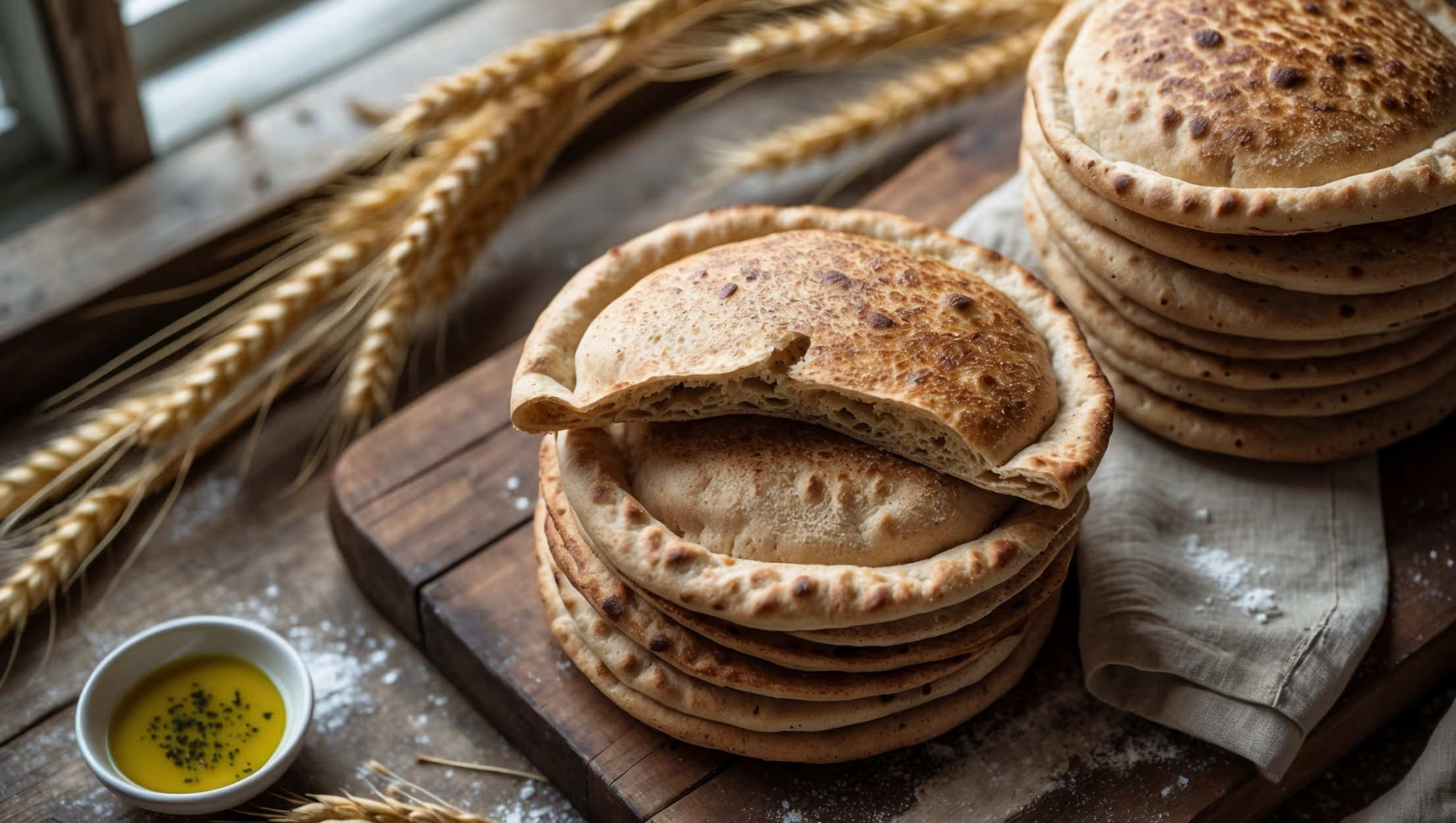
<ol class="no-list-style"><li class="MethodStepper"><h4 class="step-title">Step 1</h4>Begin by activating the yeast. In a small bowl, combine 75ml of the warm water (40-43°C/105-110°F) with the honey, stirring until dissolved. Sprinkle the yeast over the top and let it sit for 5-10 minutes until foamy. This foaming action confirms your yeast is alive and active - crucial for proper rising.</li><li class="MethodStepper"><h4 class="step-title">Step 2</h4>In a large mixing bowl or stand mixer bowl, combine the whole wheat flour, all-purpose flour, and salt. Make a well in the center and pour in the activated yeast mixture, olive oil, and about 175ml of the remaining warm water. Mix initially with a wooden spoon or on low speed with a dough hook.</li><li class="MethodStepper"><h4 class="step-title">Step 3</h4>Gradually add the remaining water as needed to form a soft, slightly tacky dough that cleans the sides of the bowl. Whole wheat flour absorbs more moisture than white flour, so be patient and adjust accordingly - you'll know it's right when the dough feels slightly tacky but not sticky.</li><li class="MethodStepper"><h4 class="step-title">Step 4</h4>Knead the dough for 8-10 minutes by hand on a lightly floured surface (or 5-6 minutes in a stand mixer). The dough should become smooth and elastic - when you press it gently with your finger, it should slowly spring back. This extended kneading develops the gluten structure necessary for proper pocket formation.</li><li class="MethodStepper"><h4 class="step-title">Step 5</h4>Shape the dough into a ball and place in a lightly oiled bowl, turning once to coat. Cover with a damp kitchen towel or plastic wrap and let rise in a warm, draft-free spot for 1-1.5 hours, or until doubled in size. The slow rise develops flavor and texture in your pitas.</li><li class="MethodStepper"><h4 class="step-title">Step 6</h4>Once risen, gently punch down the dough to release air bubbles and transfer to a lightly floured work surface. Divide the dough into 8 equal pieces (using a kitchen scale helps ensure uniformity). Shape each piece into a ball by tucking the edges underneath and rolling between your palms.</li><li class="MethodStepper"><h4 class="step-title">Step 7</h4>Cover the dough balls with a kitchen towel and let rest for 15 minutes. This relaxes the gluten and makes rolling much easier. Meanwhile, place your pizza stone or heavy baking sheet in the oven and preheat to 250°C (480°F). The stone needs to be scorching hot to create the steam necessary for pocket formation.</li><li class="MethodStepper"><h4 class="step-title">Step 8</h4>Working with one ball at a time while keeping others covered, roll each into a circle about 18cm (7 inches) in diameter and 5mm (¼ inch) thick. Aim for even thickness throughout - thinner centers and thicker edges won't puff properly. Let the rolled pitas rest for 5 minutes before baking.</li><li class="MethodStepper"><h4 class="step-title">Step 9</h4>Carefully place 2-3 pitas (depending on your stone/sheet size) directly onto the hot stone or baking sheet. Bake for 2-3 minutes until they puff dramatically and the tops begin to take on a light golden color. Don't be tempted to open the oven door during the first minute - the trapped heat creates the steam that forms the pocket!</li><li class="MethodStepper"><h4 class="step-title">Step 10</h4>Remove pitas with tongs and wrap immediately in a clean kitchen towel to keep them soft and pliable as they cool. Continue with remaining dough. Allow pitas to cool completely before cutting open or storing. Enjoy your fresh whole wheat pitas with your favorite fillings, or alongside dips like hummus and baba ganoush.</li></ol>