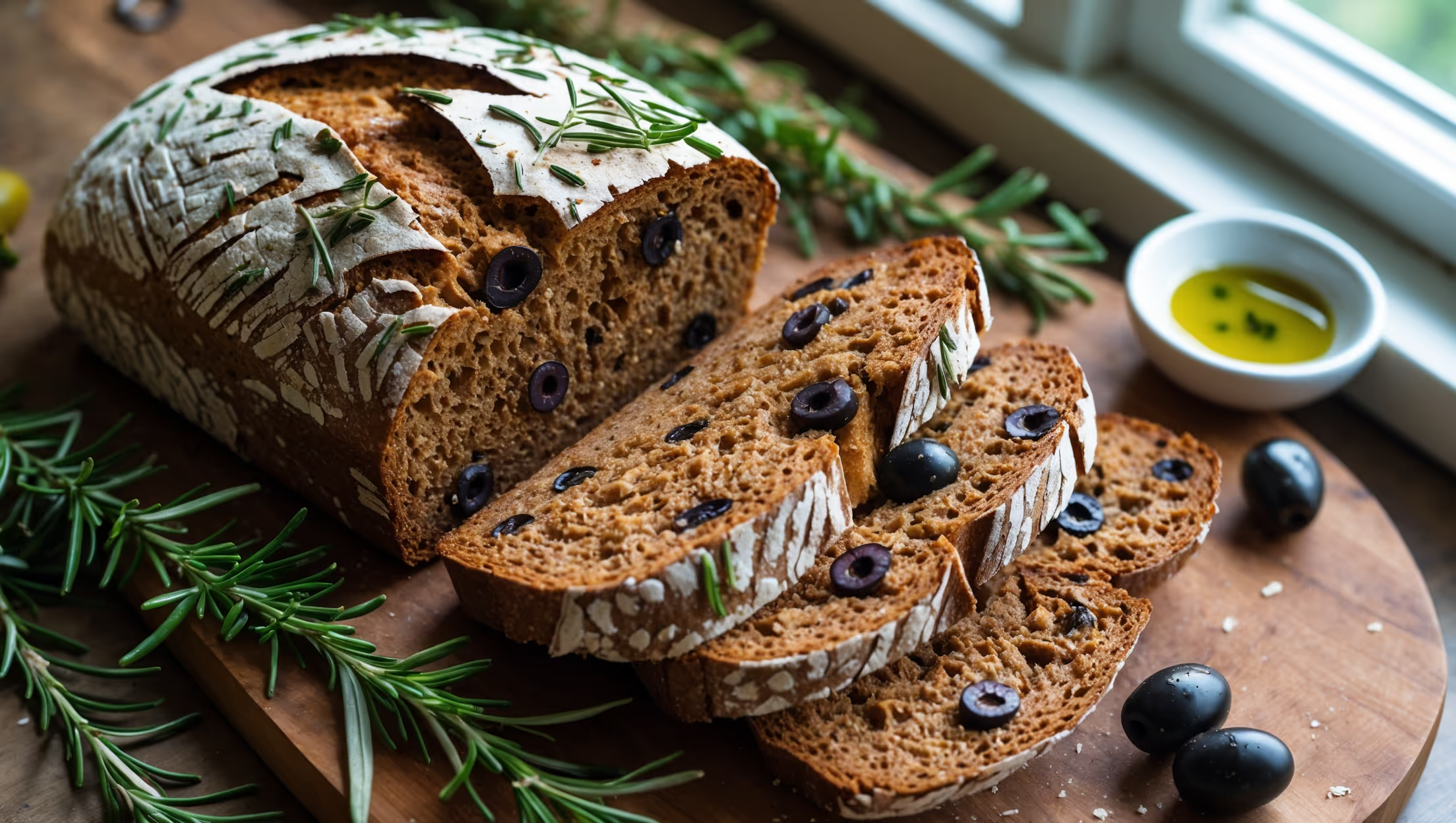
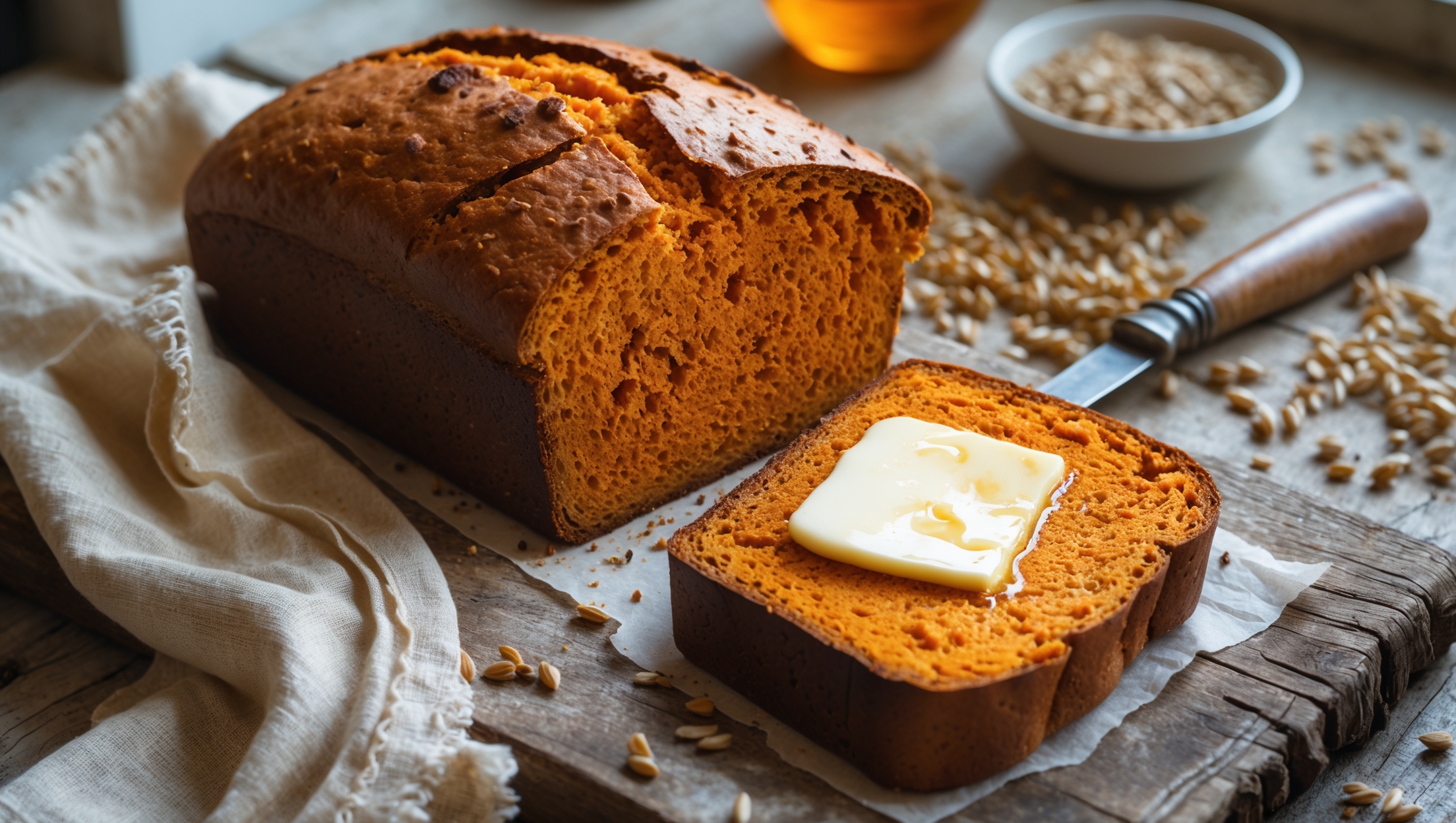
Directions
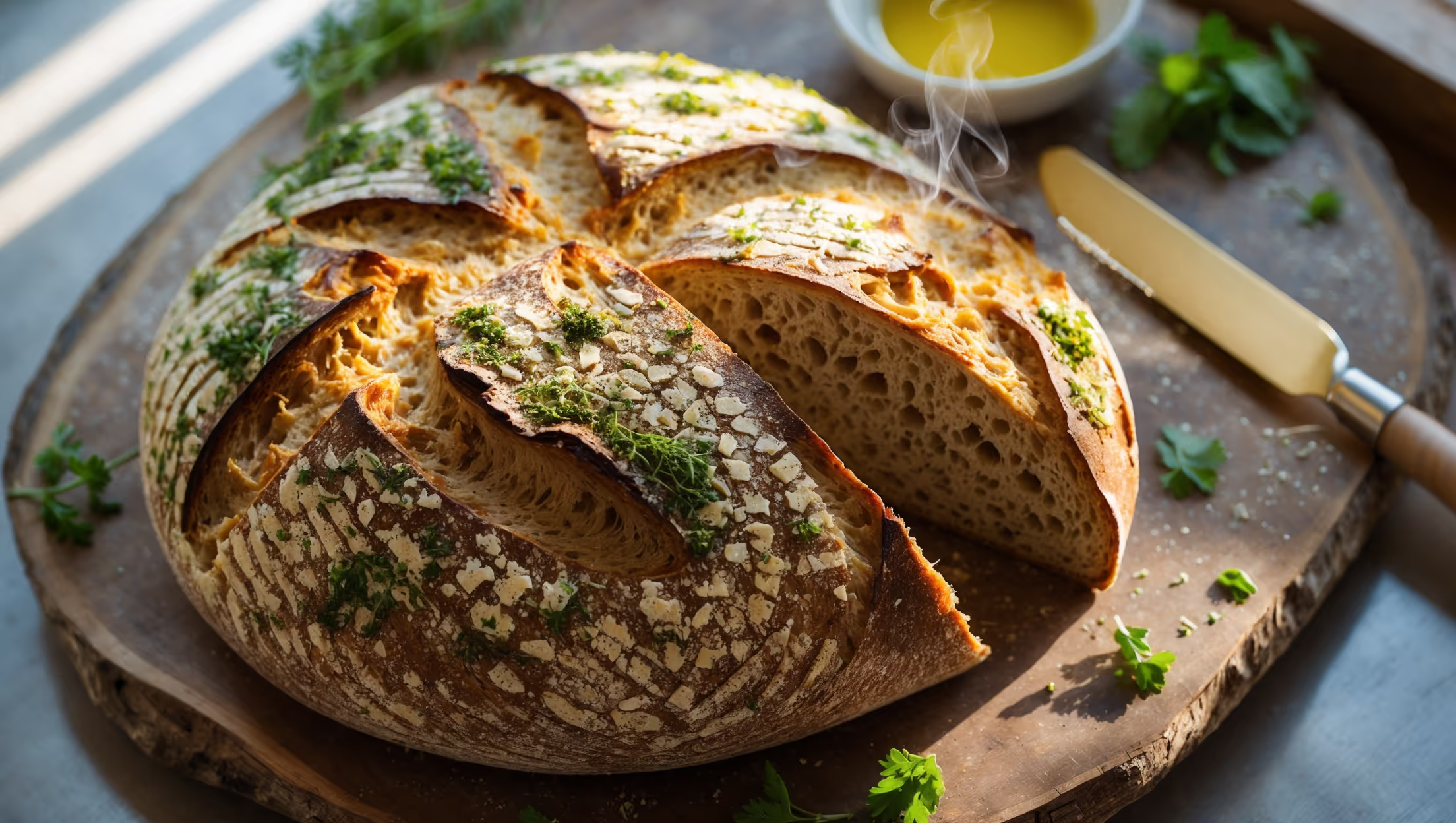
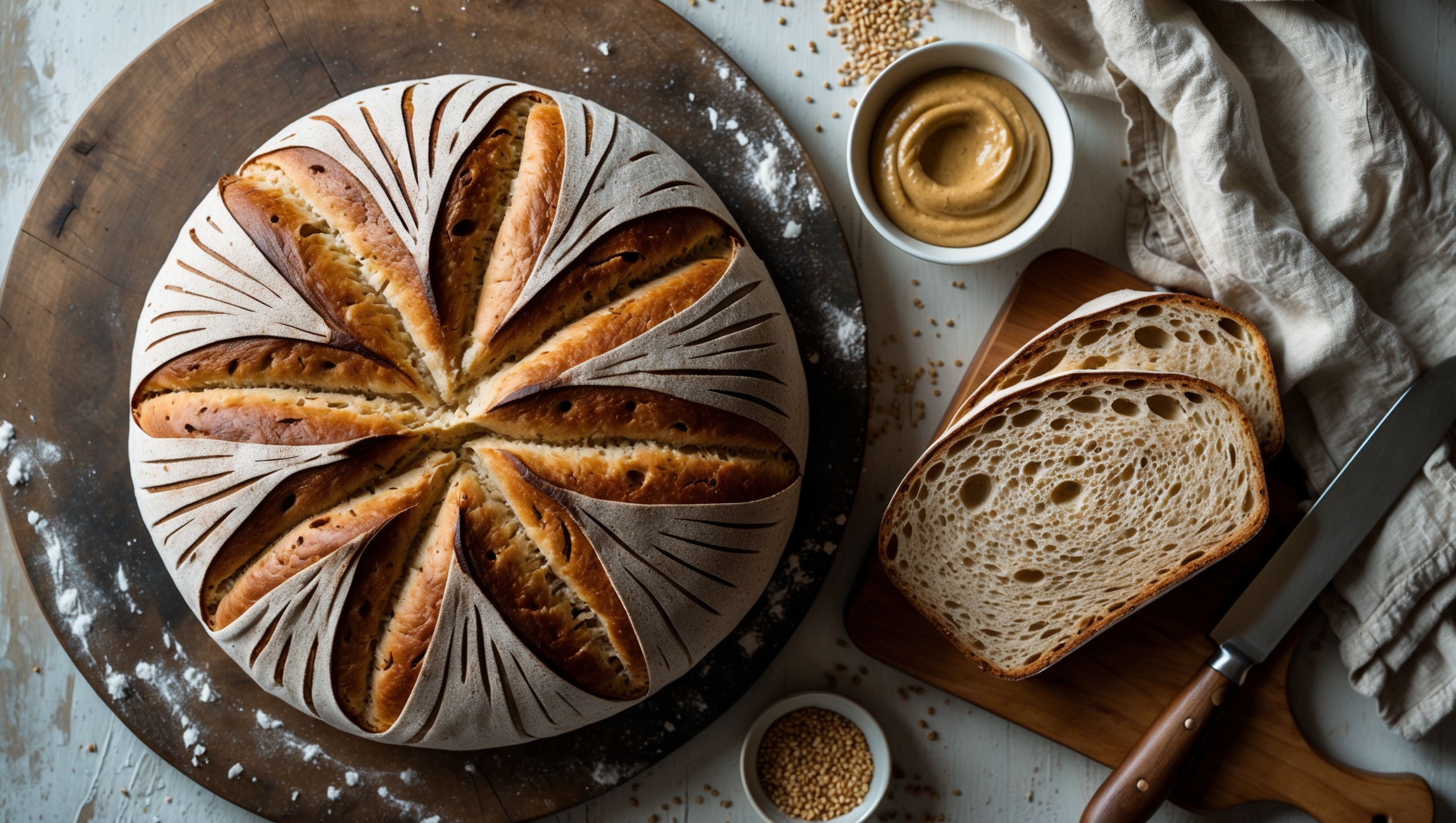
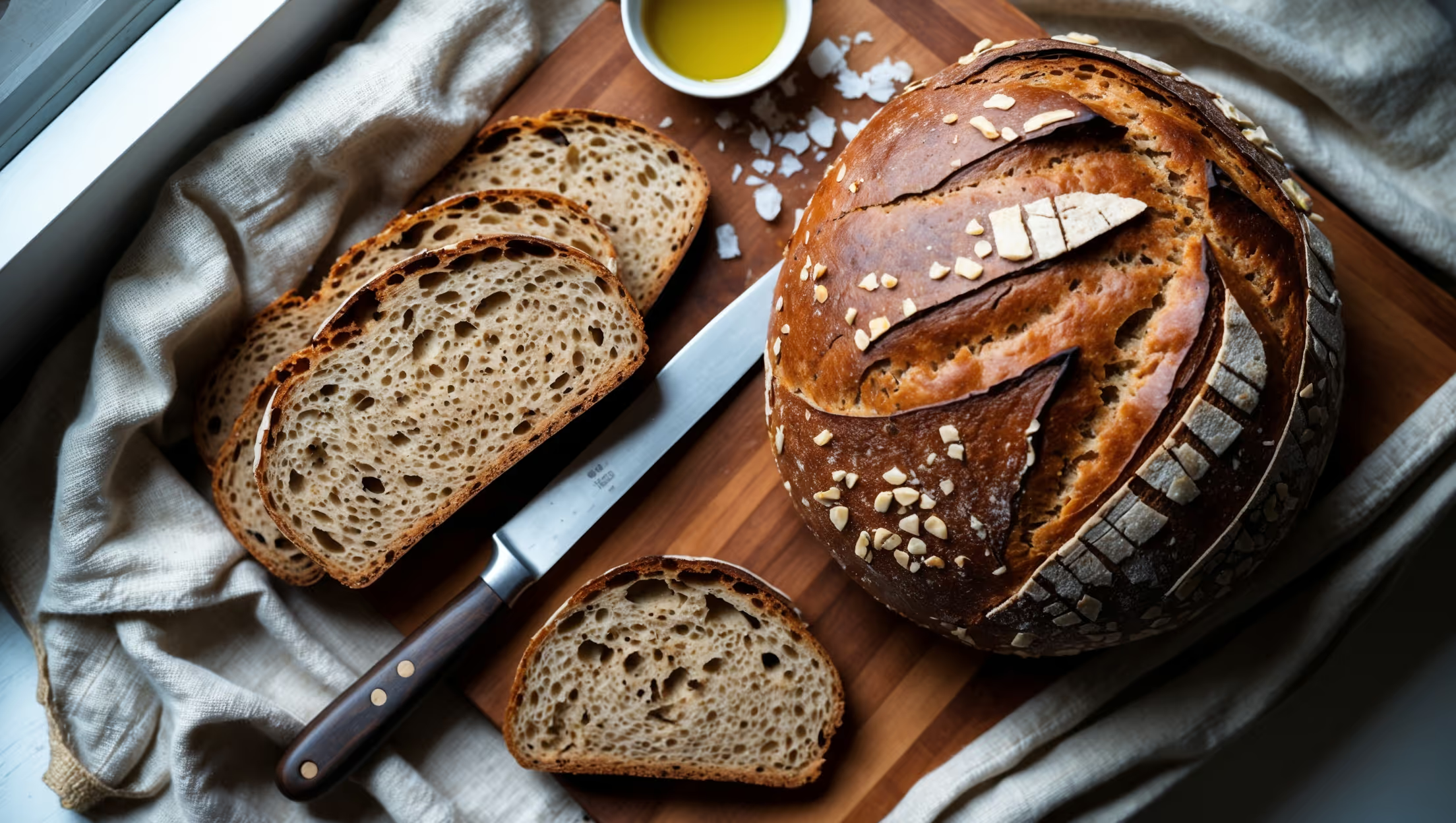
<ol class="no-list-style"><li class="MethodStepper"><h4 class="step-title">Step 1</h4>In a large mixing bowl, combine the whole wheat flour, bread flour, salt, and instant yeast (if using active dry yeast, activate it first in the warm water with honey for 5-10 minutes until foamy). The salt and yeast should be added on opposite sides of the bowl as direct contact can inhibit yeast activity.</li><li class="MethodStepper"><h4 class="step-title">Step 2</h4>In a separate bowl, mix the warm water, olive oil, and honey until combined. The honey feeds the yeast and helps achieve a beautiful browning of the crust during baking.</li><li class="MethodStepper"><h4 class="step-title">Step 3</h4>Make a well in the center of your dry ingredients and pour in the liquid mixture. Begin mixing with a wooden spoon until a shaggy dough forms, then add 75g of the grated Parmesan (reserving 25g for topping), the chopped rosemary, thyme, sage, and garlic powder.</li><li class="MethodStepper"><h4 class="step-title">Step 4</h4>Turn the dough onto a lightly floured surface and knead for 8-10 minutes until smooth and elastic. The dough should spring back when poked gently with your finger. Alternatively, use a stand mixer with a dough hook on medium speed for 6-8 minutes. Whole wheat flour absorbs more water than white flour, so if your dough feels dry, add water 1 tablespoon at a time.</li><li class="MethodStepper"><h4 class="step-title">Step 5</h4>Place the dough in a lightly oiled bowl, cover with a damp cloth or plastic wrap, and let rise in a warm place (about 24°C) for 1.5-2 hours, or until doubled in size. The longer fermentation develops better flavor and texture in whole wheat bread.</li><li class="MethodStepper"><h4 class="step-title">Step 6</h4>Once doubled, gently punch down the dough to release excess air bubbles. Turn out onto a lightly floured surface and shape into a round loaf by folding the edges toward the center, then flipping over and using cupped hands to create tension across the surface by pulling the dough toward you in a circular motion.</li><li class="MethodStepper"><h4 class="step-title">Step 7</h4>Transfer the shaped dough to a floured proofing basket or a bowl lined with a well-floured kitchen towel, seam side up. Cover and let rise for another 45-60 minutes until it passes the gentle poke test - when you poke the dough with your finger, it should spring back slowly but not completely.</li><li class="MethodStepper"><h4 class="step-title">Step 8</h4>While the dough is on its second rise, place your Dutch oven or baking stone in the oven and preheat to 230°C. Creating steam during the initial baking helps develop a crispy, crackly crust.</li><li class="MethodStepper"><h4 class="step-title">Step 9</h4>When ready to bake, carefully turn the dough out onto a piece of parchment paper. Score the top with a lame or sharp knife in your desired pattern - this controls the expansion during baking. Sprinkle with the remaining 25g of Parmesan and a few additional herb leaves if desired.</li><li class="MethodStepper"><h4 class="step-title">Step 10</h4>Carefully transfer the dough with the parchment paper into the preheated Dutch oven, cover with the lid, and bake for 25 minutes. Then remove the lid and continue baking for another 15 minutes until the bread is deeply golden and sounds hollow when tapped on the bottom (internal temperature should reach 95-98°C).</li><li class="MethodStepper"><h4 class="step-title">Step 11</h4>Transfer to a wire rack and let cool for at least 1 hour before slicing. This resting period is crucial as it allows the crumb structure to set properly and the flavors to develop fully. The aroma of Parmesan and herbs will fill your kitchen as it cools!</li></ol>