Directions
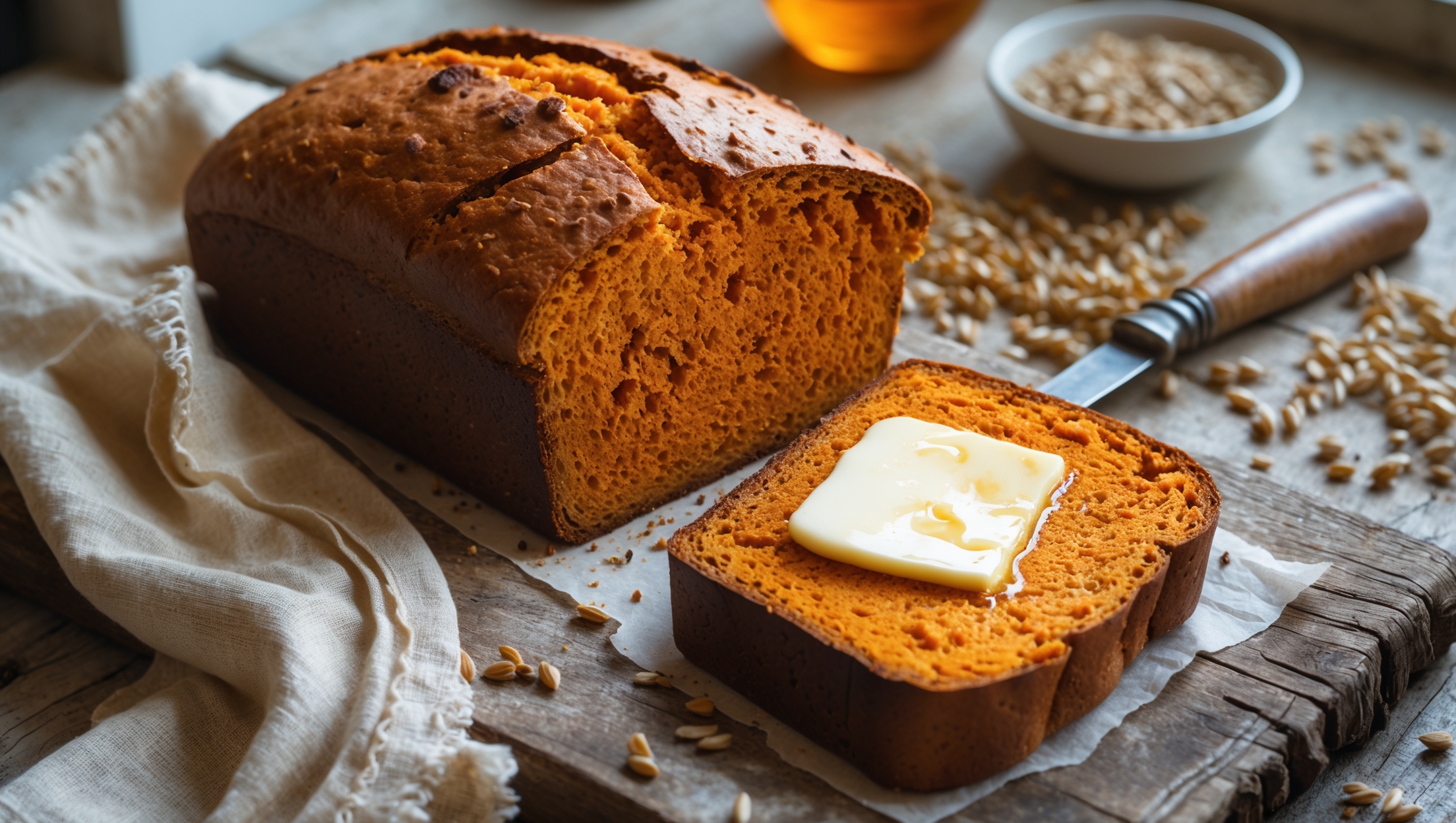
<ol class="no-list-style"><li class="MethodStepper"><h4 class="step-title">Step 1</h4>Begin by preparing your sweet potato. Preheat your oven to 200°C. Wash and pierce a medium sweet potato (approximately 300g) several times with a fork. Place on a baking sheet and roast for 45-60 minutes until completely soft when pierced. Once cool enough to handle, remove the skin and mash the flesh thoroughly with a fork until smooth. Measure out 250g and set aside to cool completely. The natural sugars in roasted sweet potatoes will caramelize slightly, adding depth of flavor to your bread.</li><li class="MethodStepper"><h4 class="step-title">Step 2</h4>In a small bowl, combine the warm water (38°C - just warm to the touch, not hot) with the honey and sprinkle the yeast over the top. Let sit for 5-10 minutes until foamy and active. This step confirms your yeast is alive and creates a favorable environment for it to begin multiplying. If your mixture doesn't foam, your yeast may be dead, and you should start again with fresh yeast.</li><li class="MethodStepper"><h4 class="step-title">Step 3</h4>In the bowl of your stand mixer, combine the whole wheat flour, bread flour, salt, and spices if using. Mix briefly with the dough hook to combine. The bread flour provides necessary gluten strength while the whole wheat contributes flavor, nutrition, and lovely texture.</li><li class="MethodStepper"><h4 class="step-title">Step 4</h4>Add the cooled sweet potato purée, activated yeast mixture, and softened butter to the flour mixture. Mix on low speed for 2-3 minutes until ingredients are incorporated. Increase to medium-low speed and knead for 8-10 minutes until the dough becomes smooth and elastic. It should still be slightly tacky but not sticky. The natural moisture from the sweet potato helps create a softer dough that will yield a moist crumb.</li><li class="MethodStepper"><h4 class="step-title">Step 5</h4>If adding nuts, fold them in gently by hand at the end of kneading. Transfer the dough to a lightly oiled bowl, turning once to coat with oil. Cover with plastic wrap or a damp cloth and place in a warm, draft-free spot to rise until doubled in size, about 1-1.5 hours. The ideal temperature for proofing is 24-27°C.</li><li class="MethodStepper"><h4 class="step-title">Step 6</h4>Once doubled, gently punch down the dough to release excess air bubbles. Turn out onto a lightly floured surface and shape into a rectangle roughly the length of your loaf pan. Fold the long sides toward the center, then roll the dough from one short end to the other, creating tension on the surface as you roll. Pinch the seam closed and place seam-side down in a greased and parchment-lined loaf pan.</li><li class="MethodStepper"><h4 class="step-title">Step 7</h4>Cover loosely and allow to rise again until the dough crowns about 2.5cm (1 inch) above the rim of the pan, approximately 45-60 minutes. Meanwhile, preheat your oven to 180°C and place a rack in the middle position. If using a baking stone, place it on the rack now to preheat.</li><li class="MethodStepper"><h4 class="step-title">Step 8</h4>When the dough has risen properly, gently brush the top with beaten egg and sprinkle with rolled oats. Using a sharp knife or bread lame, make a 1cm deep slash down the center of the loaf to control the expansion during baking.</li><li class="MethodStepper"><h4 class="step-title">Step 9</h4>Bake for 40-45 minutes until the crust is deep golden brown and the internal temperature reaches 95-98°C. The bread should sound hollow when tapped on the bottom. If the top is browning too quickly, tent loosely with aluminum foil after 25 minutes.</li><li class="MethodStepper"><h4 class="step-title">Step 10</h4>Remove from the oven and immediately turn out onto a wire rack to cool completely, at least 2 hours before slicing. This resting period allows the crumb structure to set and moisture to distribute evenly throughout the loaf. Cutting too soon will result in a gummy texture and squashed slices.</li><li class="MethodStepper"><h4 class="step-title">Step 11</h4>Store in an airtight container or bread bag at room temperature for up to 3 days. For longer storage, slice the completely cooled bread and freeze with parchment paper between slices for easy toasting. The natural moisture from the sweet potatoes helps this bread stay fresh longer than typical whole wheat loaves.</li></ol>