Whole Grain Naan Recipe

Soft, pillowy whole grain naan bread with nutty undertones and authentic charred spots, perfect for scooping up curries or enjoying with a drizzle of garlic butter.
Difficulty:
Intermediate
Prep Time:
25 mins
Cook Time:
15 mins
Serves:
8 naan breads
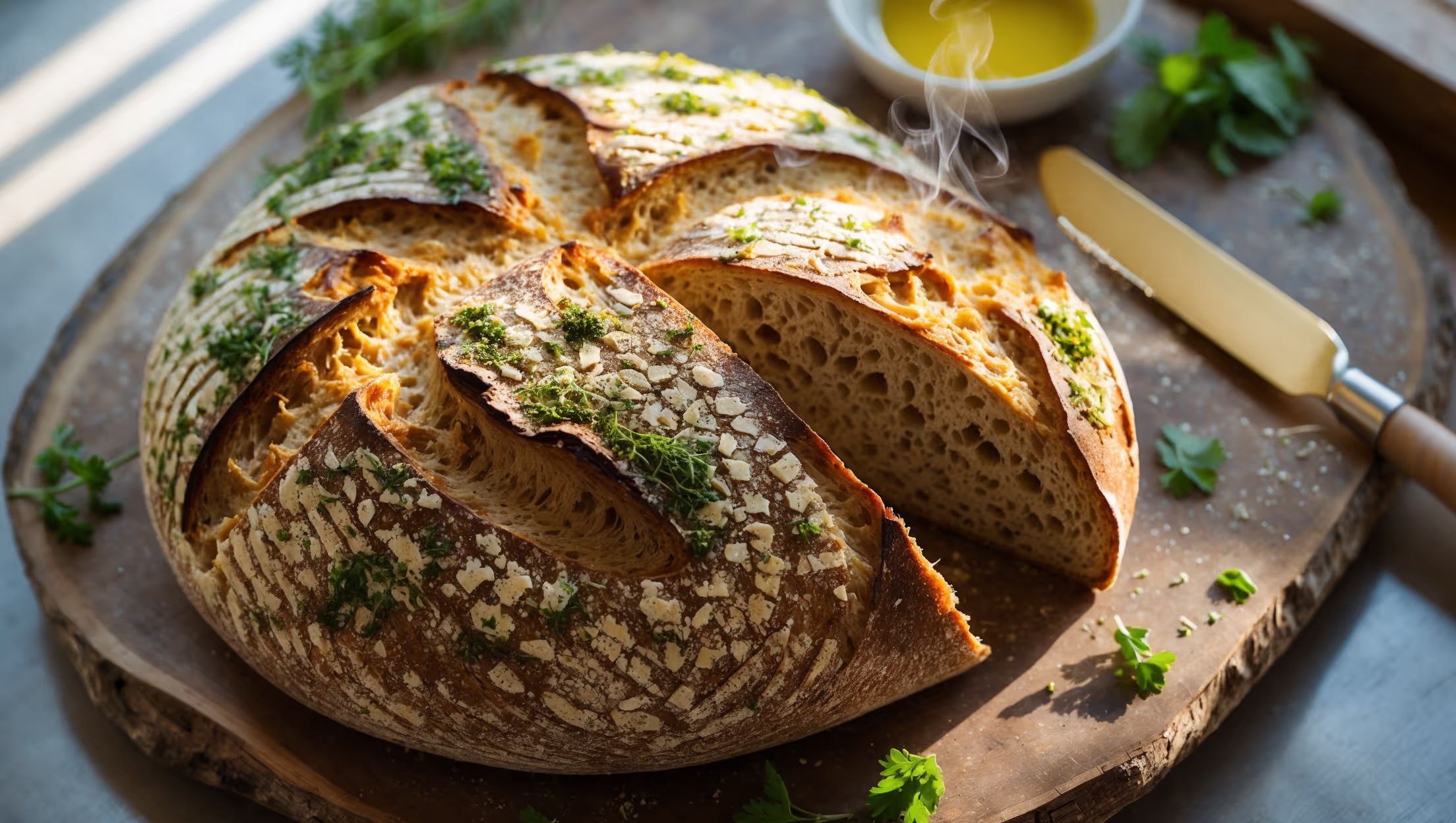
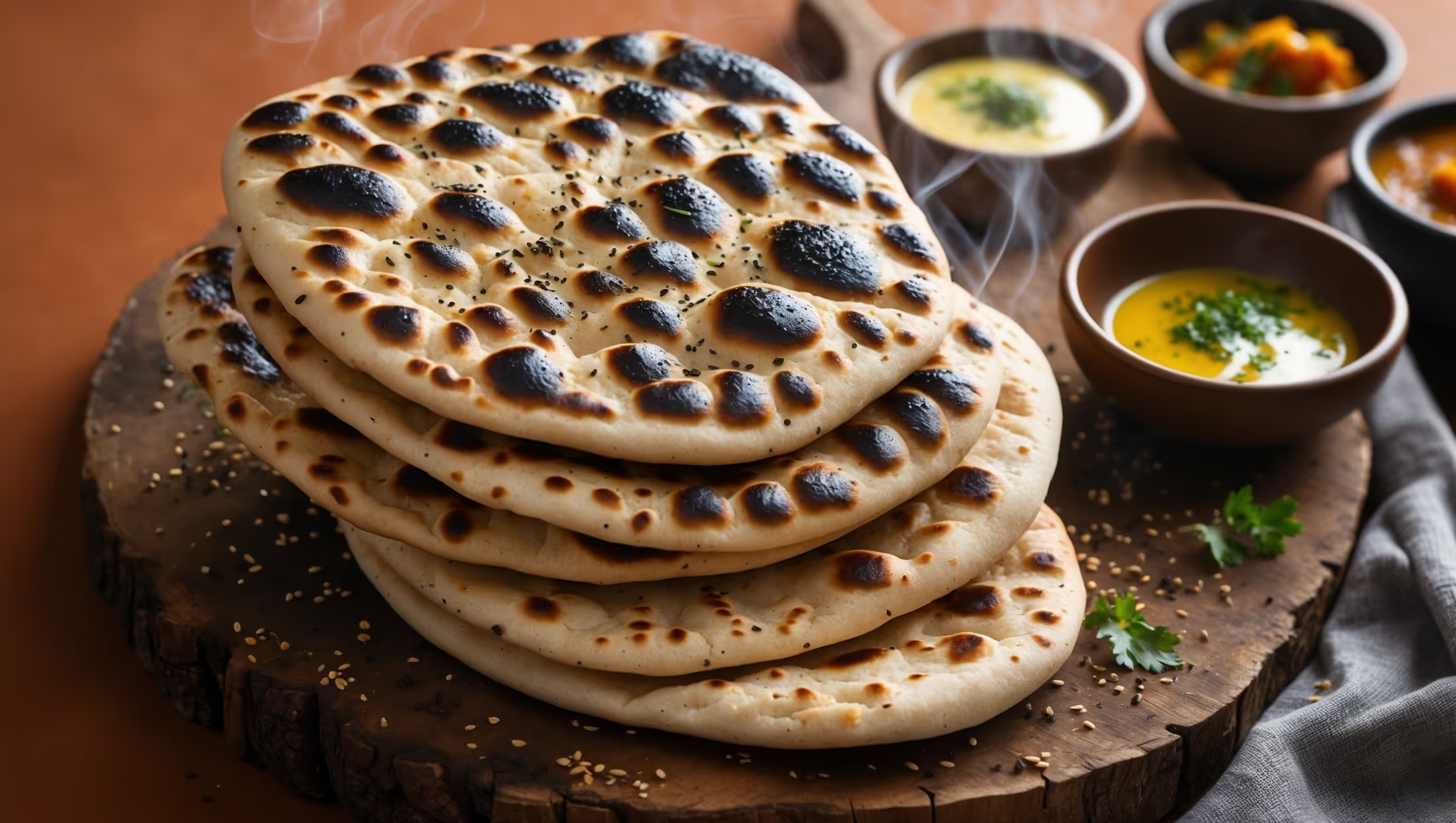
An overhead shot showcases a stack of freshly baked whole grain naan, their surfaces beautifully blistered with dark charred spots against the warm brown backdrop. A cross-section reveals the bread's airy, tender interior contrasting with its slightly crisp exterior. The naan breads are arranged on a rustic wooden board alongside small bowls of melted garlic butter and fresh herbs. In soft natural light, steam gently rises from the just-cooked breads, highlighting their warmth. A sprinkle of nigella seeds adds visual texture, while a partial view of colorful curry in the corner suggests serving possibilities. The scene captures the wholesome, earthy tones of the whole grain flour and the traditional tandoor-style baking technique.

Ingredients

<ul class="ingredients-main-list"><li class="ingredients-single-item">250g whole wheat flour</li><li class="ingredients-single-item">150g all-purpose flour</li><li class="ingredients-single-item">1 tsp salt</li><li class="ingredients-single-item">1 tsp sugar</li><li class="ingredients-single-item">7g active dry yeast (1 packet)</li><li class="ingredients-single-item">120ml warm water (40-45°C)</li><li class="ingredients-single-item">120ml plain yogurt, room temperature</li><li class="ingredients-single-item">2 tbsp olive oil</li><li class="ingredients-single-item">1 tbsp nigella seeds (optional)</li><li class="ingredients-single-item">30g melted butter for brushing</li><li class="ingredients-single-item">2 cloves garlic, finely minced (optional, for garlic naan)</li><li class="ingredients-single-item">Fresh coriander, chopped (optional, for garnish)</li></ul>

Equipment

<ul class="equipment-main-list"><li class="equipment-single-item">Cast iron skillet or heavy-bottomed pan</li><li class="equipment-single-item">Kitchen towel</li><li class="equipment-single-item">Rolling pin</li><li class="equipment-single-item">Pastry brush</li></ul>
BAKE SMARTER

Kitchen Converter

Quickly switch between common baking units without leaving the recipe.

Convert
Result—

Volume uses US cups, tablespoons, and teaspoons. Converting weight to volume depends on the ingredient.

Directions

<ol class="no-list-style"><li class="MethodStepper"><h4 class="step-title">Step 1</h4>In a small bowl, combine the warm water, sugar, and yeast. Stir gently and let it sit for 5-10 minutes until frothy. This activation step ensures your yeast is alive and will provide the necessary rise for your naan.</li><li class="MethodStepper"><h4 class="step-title">Step 2</h4>In a large mixing bowl, whisk together the whole wheat flour, all-purpose flour, and salt. The combination of flours creates the perfect balance—whole wheat for nutrition and flavor, all-purpose for lightness.</li><li class="MethodStepper"><h4 class="step-title">Step 3</h4>Make a well in the center of your flour mixture. Pour in the activated yeast mixture, yogurt, and olive oil. The yogurt is crucial here—it adds tenderness and a subtle tang that makes authentic naan so special.</li><li class="MethodStepper"><h4 class="step-title">Step 4</h4>Mix everything together with a wooden spoon until a shaggy dough forms, then transfer to a lightly floured surface. Knead for 8-10 minutes until smooth and elastic. Don't rush this step—proper kneading develops the gluten, giving your naan its characteristic chewy texture.</li><li class="MethodStepper"><h4 class="step-title">Step 5</h4>Place the dough in an oiled bowl, cover with a damp kitchen towel, and let it rise in a warm spot for 1-2 hours, or until doubled in size. The slow rise allows flavor development and proper structure.</li><li class="MethodStepper"><h4 class="step-title">Step 6</h4>Once risen, gently punch down the dough and divide it into 8 equal pieces. Roll each piece into a ball, then cover with a kitchen towel and let rest for 10 minutes. This brief rest relaxes the gluten, making the dough easier to shape.</li><li class="MethodStepper"><h4 class="step-title">Step 7</h4>On a lightly floured surface, roll each ball into an oval or teardrop shape, about 20cm long and 15cm wide. Aim for about 5mm thickness. Sprinkle one side with nigella seeds if using, pressing them gently into the dough.</li><li class="MethodStepper"><h4 class="step-title">Step 8</h4>Heat your cast iron skillet or heavy pan over high heat until very hot. This high heat mimics a tandoor oven, creating the signature blistered spots.</li><li class="MethodStepper"><h4 class="step-title">Step 9</h4>Place one naan, seed-side down, onto the dry hot pan. Cook for about 1 minute until bubbles form on the surface and the bottom develops dark spots. Flip and cook for another 1-2 minutes. The bread should puff up dramatically—this is exactly what you want!</li><li class="MethodStepper"><h4 class="step-title">Step 10</h4>If you have a gas stove, you can briefly hold the cooked side directly over the flame using tongs to get extra char. Be careful and watch it constantly—this only takes seconds.</li><li class="MethodStepper"><h4 class="step-title">Step 11</h4>Transfer the cooked naan to a plate and brush with melted butter or garlic butter if desired. Cover with a kitchen towel to keep warm while you cook the remaining breads.</li><li class="MethodStepper"><h4 class="step-title">Step 12</h4>Serve your whole grain naan warm, garnished with fresh coriander if desired. These are best enjoyed fresh, but can be reheated in a hot oven or toaster. For storage, cool completely, then wrap tightly and store at room temperature for 2 days, refrigerate for up to 5 days, or freeze for up to 3 months.</li></ol>
Nutrition Facts (per serving)

🍽️ Serving Size: 1 naan bread
🔥 Calories: 170 calories
🥑 Fat: 4 g
🧈 Saturated Fat: 1.5 g
🍞 Carbohydrates: 29 g
🍭 Sugar: 2 g
🍗 Protein: 6 g
🫀 Cholesterol: 5 mg
🧂 Sodium: 290 mg

Chef’s Notes

A few helpful details for making this recipe.

Why does authentic naan have those distinctive charred spots?

The characteristic charred spots on naan come from cooking at extremely high temperatures. Traditional tandoor ovens reach 480°C, but you can replicate this at home with a very hot cast iron pan or by briefly exposing the bread to a gas flame, creating the same delicious caramelization and smoky flavour.

Can I make flatbread without yogurt or with plant-based alternatives?

Yes! While yogurt creates traditional tenderness in naan, you can substitute plant-based yogurt (coconut, soy, or almond) for a vegan version. If you're out of yogurt entirely, use an equal amount of milk or plant milk with 1 tablespoon of lemon juice added to create the necessary acidity.

How do I store homemade Indian flatbreads to keep them soft?

To keep flatbreads soft, cool them completely then wrap tightly in foil or cling film and store at room temperature for 2 days. For longer storage, refrigerate up to 5 days or freeze for 3 months. To reheat, lightly sprinkle with water and warm in a hot pan or oven until soft and pliable.

Want to try something else in ...

More recipes you might like

Keep exploring with more recipes from What's Baking.