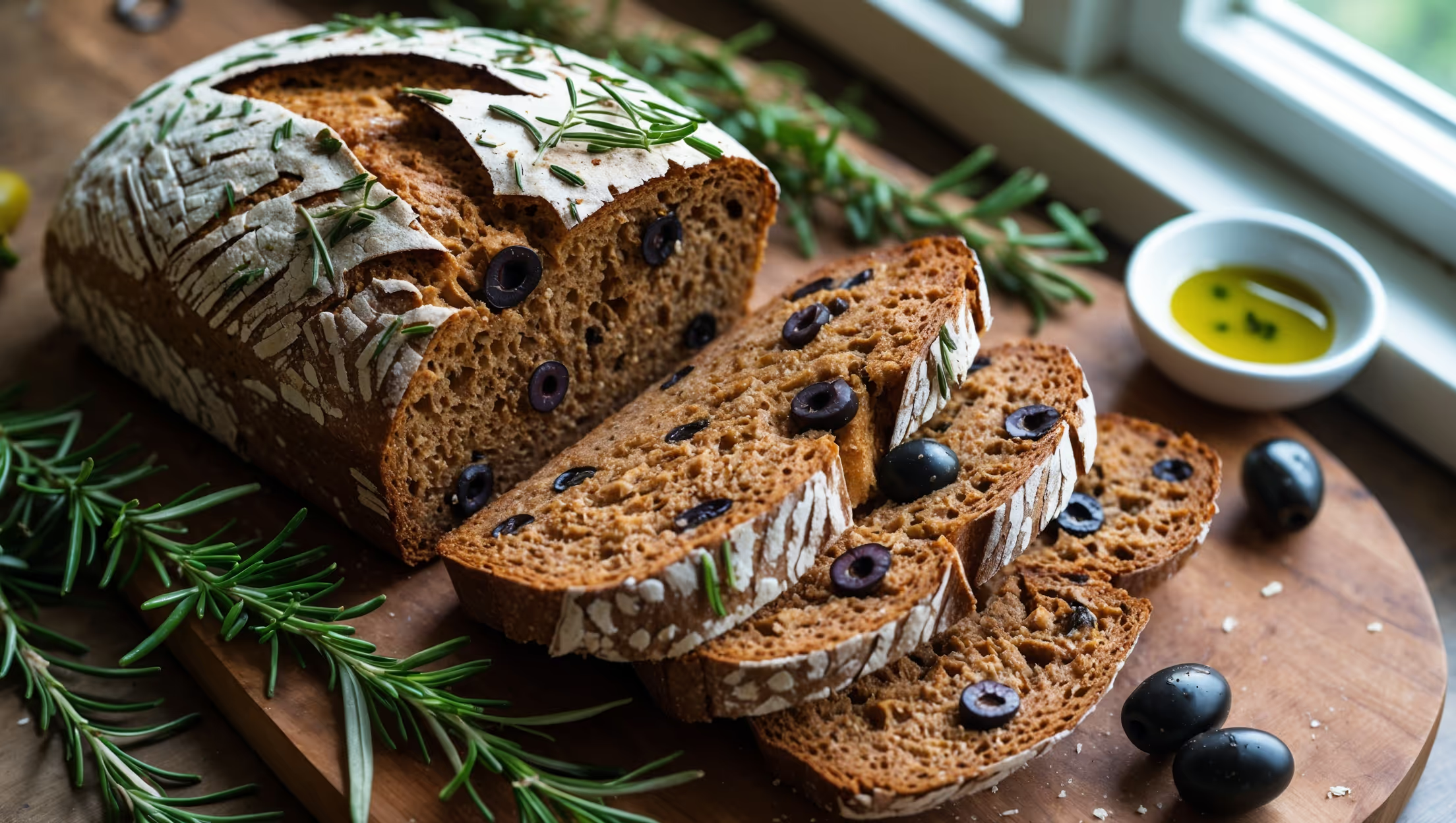
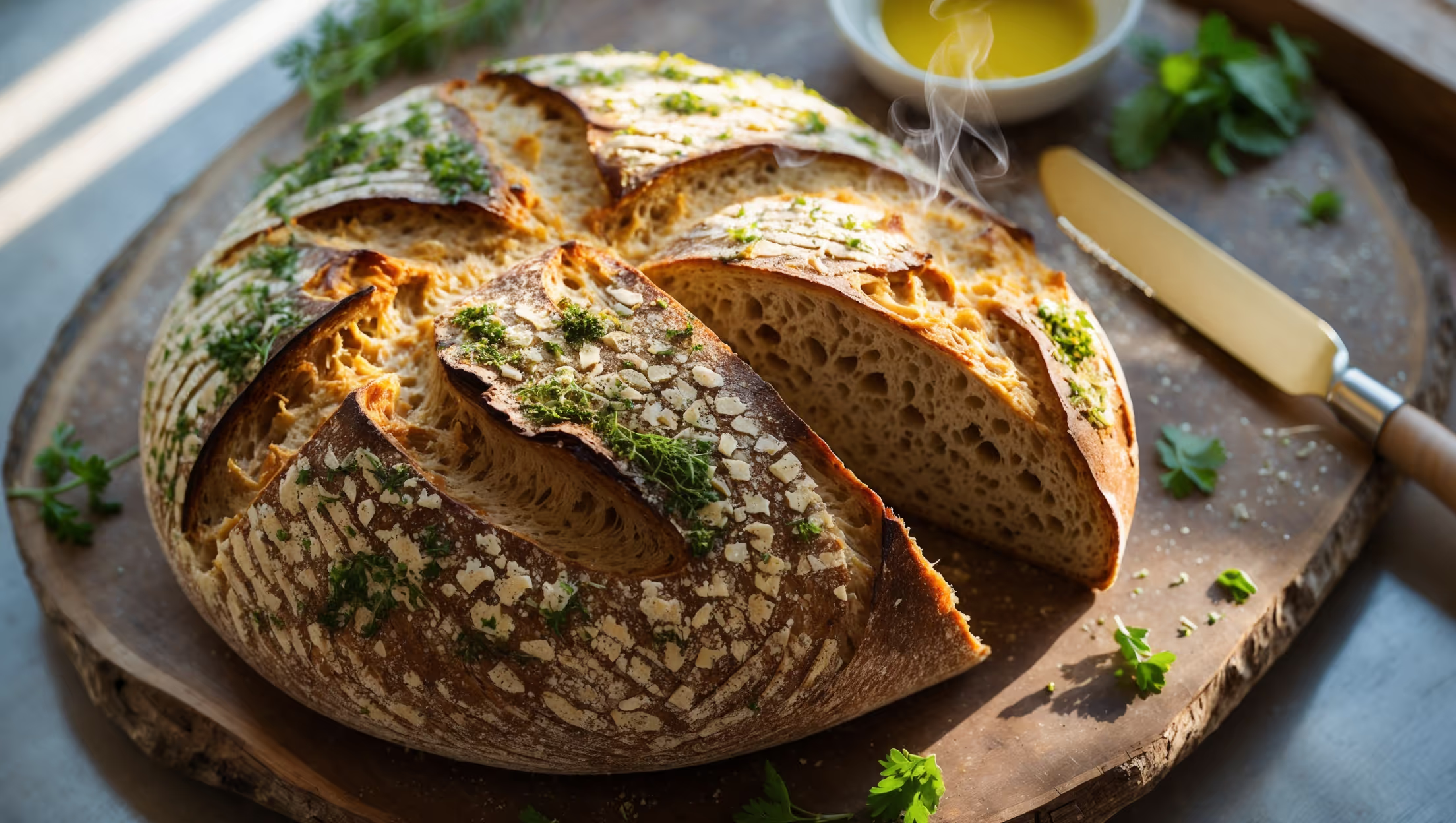
Directions
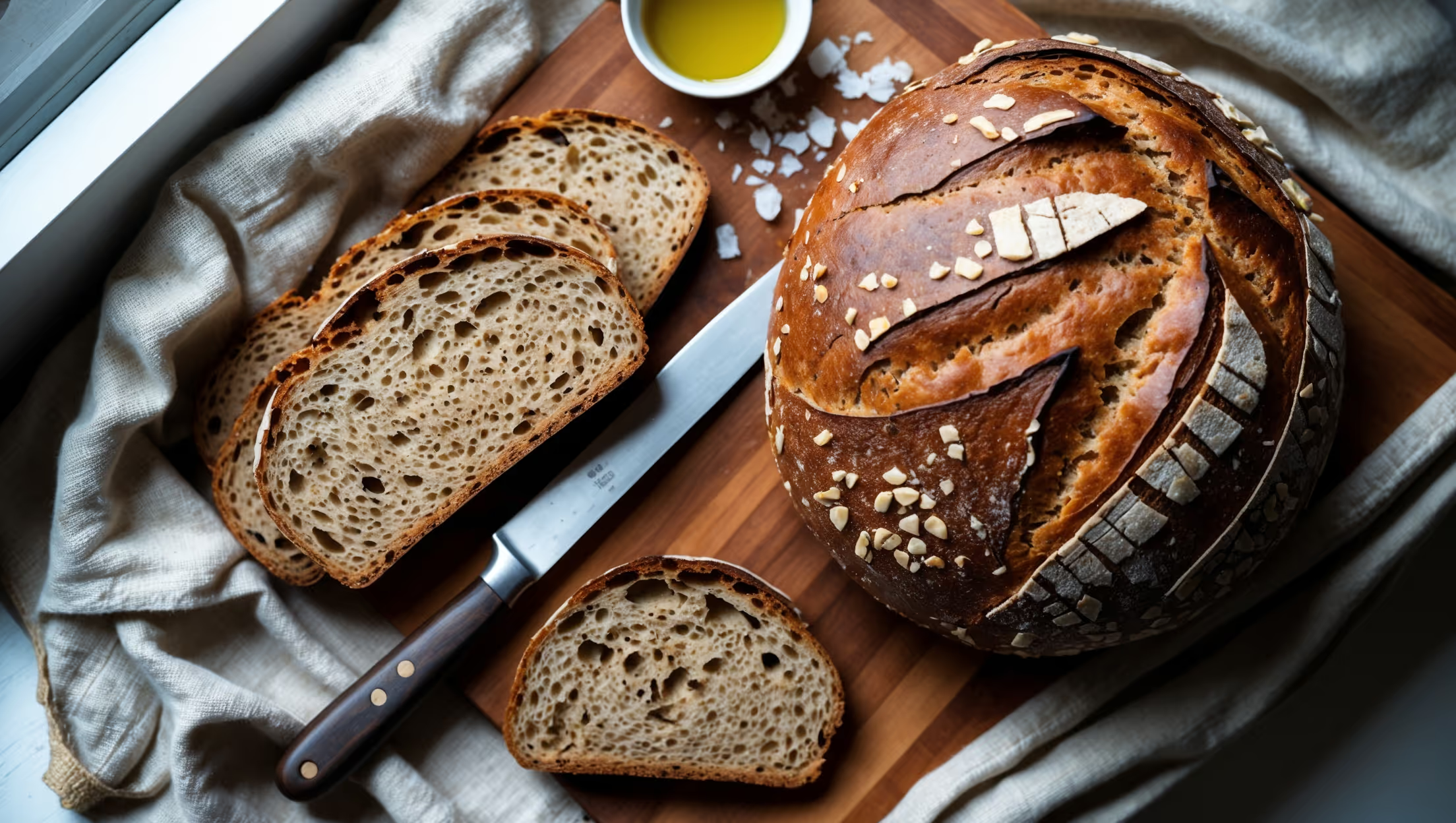
<ol class="no-list-style"><li class="MethodStepper"><h4 class="step-title">Step 1</h4>In a large mixing bowl or the bowl of your stand mixer, combine 300g whole wheat flour, 200g bread flour, and 15g ground turmeric. The vibrant yellow turmeric will initially appear quite bright, but will mellow during baking to a beautiful golden hue. Whisk these dry ingredients together until evenly colored.</li><li class="MethodStepper"><h4 class="step-title">Step 2</h4>Add 10g salt and 5g freshly ground black pepper to one side of the bowl, and 7g instant dried yeast to the opposite side. It's important to keep the salt and yeast separate initially as direct contact with salt can inhibit yeast activity.</li><li class="MethodStepper"><h4 class="step-title">Step 3</h4>Make a well in the center of your dry ingredients and pour in 30g honey, 30ml olive oil, and 350ml warm water (about 40°C). The temperature is crucial here – too hot will kill the yeast, too cool will slow fermentation. It should feel warm but comfortable to touch.</li><li class="MethodStepper"><h4 class="step-title">Step 4</h4>Using a wooden spoon or the dough hook attachment on your stand mixer at low speed, combine all ingredients until a shaggy dough forms with no dry spots remaining. This initial mixing stage helps distribute the yeast and begin gluten development.</li><li class="MethodStepper"><h4 class="step-title">Step 5</h4>Increase mixer speed to medium-low and knead for 8-10 minutes, or if kneading by hand, turn onto a lightly floured surface and knead for about 12-15 minutes. The dough is ready when it becomes smooth, elastic, and passes the window pane test – when a small piece can be stretched thin enough to see light through without tearing. This indicates proper gluten development.</li><li class="MethodStepper"><h4 class="step-title">Step 6</h4>Form the dough into a ball and place in a lightly oiled bowl, turning once to coat all sides. Cover with cling film or a damp tea towel and leave in a warm place (around 24-27°C) to rise until doubled in size, approximately 1-1.5 hours. The turmeric in the dough helps provide a beautiful color while the dough rises.</li><li class="MethodStepper"><h4 class="step-title">Step 7</h4>Once doubled, gently punch down the dough to release excess air bubbles. Turn onto a lightly floured surface and shape into a rectangle roughly the length of your loaf tin. Fold the longer sides into the middle, then roll from one short end to the other, creating surface tension as you roll. Pinch the seam closed at the bottom.</li><li class="MethodStepper"><h4 class="step-title">Step 8</h4>Place the shaped dough seam-side down in a greased and lined 900g loaf tin. Cover again and allow to rise for 45-60 minutes, or until the dough has risen about 2-3cm above the rim of the tin. This second rise, called proofing, allows the yeast to create carbon dioxide, which will give your bread its final volume.</li><li class="MethodStepper"><h4 class="step-title">Step 9</h4>While the dough is on its second rise, preheat your oven to 220°C. Place a small oven-safe dish with water on the bottom rack to create steam, which will help develop a beautiful crust.</li><li class="MethodStepper"><h4 class="step-title">Step 10</h4>When the dough has finished proofing, use a sharp knife or bread lame to score the top with a single long slash or pattern of your choice, about 1cm deep. This controlled cut allows the bread to expand properly during baking. If using, sprinkle with sesame or poppy seeds.</li><li class="MethodStepper"><h4 class="step-title">Step 11</h4>Bake at 220°C for 15 minutes to achieve initial rise (this is called "oven spring"), then reduce temperature to 190°C and continue baking for 30 minutes more. The bread is done when the crust is golden brown and the loaf sounds hollow when tapped on the bottom. If in doubt, the internal temperature should read 95-98°C on a thermometer.</li><li class="MethodStepper"><h4 class="step-title">Step 12</h4>Remove from the oven and immediately turn out onto a wire rack to cool completely, at least 1 hour. This cooling period is crucial as it allows the crumb structure to set and prevents a gummy texture. The turmeric aroma will fill your kitchen as it cools – that's the magic happening!</li></ol>