On this page
A gorgeous meringue topping can develop beads of syrup or a watery layer beneath it after cooling. Bakers call this weeping, although the exact droplets can arise from different problems. Moisture may escape because sugar hasn't dissolved, a meringue was incorrectly cooked, the pie filling released water or storage conditions encouraged condensation. The right solution depends on whether droplets sit on top or collect between the meringue and filling.
What weeping looks like
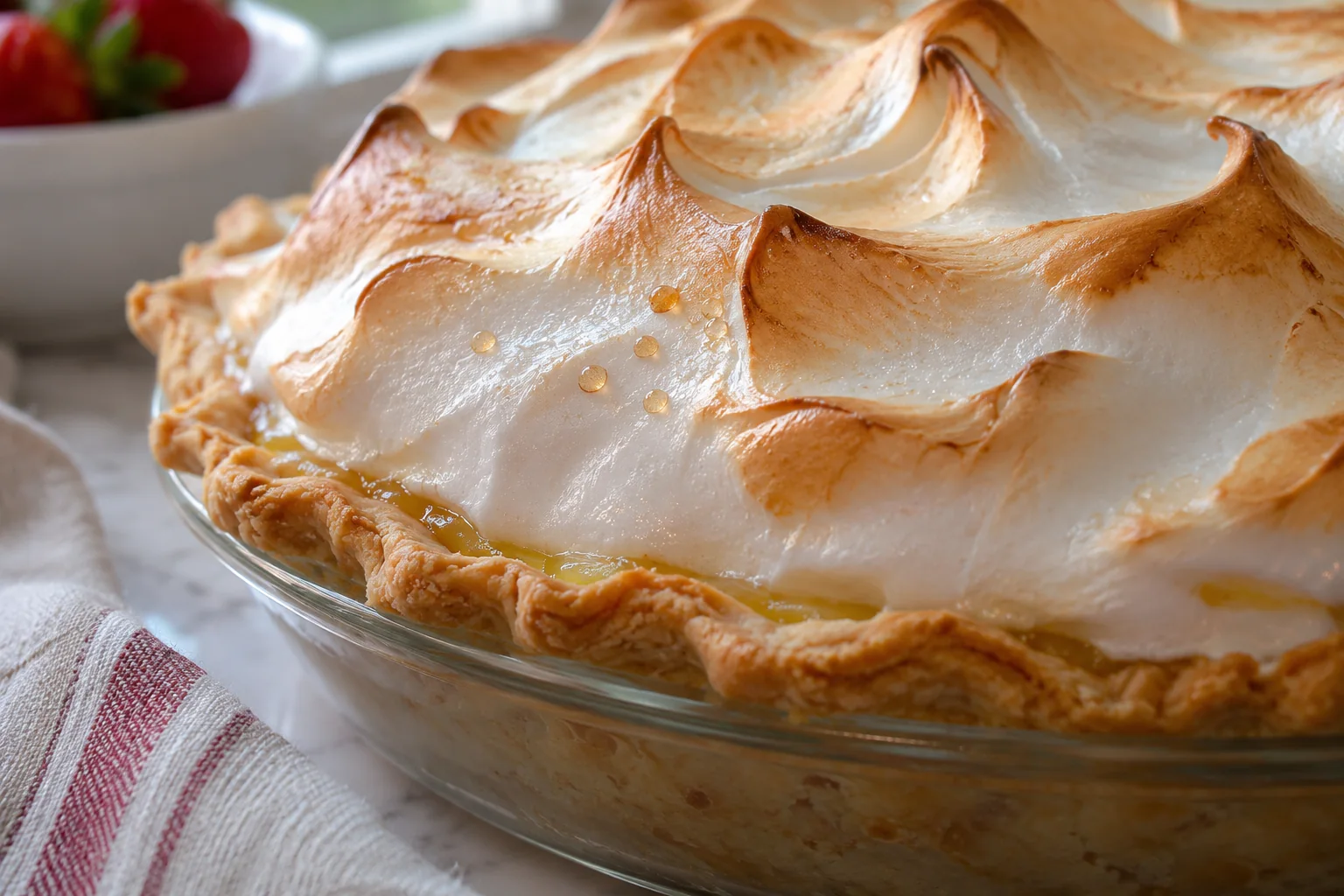
Weeping may appear as amber-coloured beads on the top of a meringue, clear syrup at the edge or liquid trapped beneath the foam. These patterns aren't identical. Beads on top may involve sugar and condensation, while a watery layer under a lemon meringue topping can involve undercooking, filling moisture or adhesion.
Understand the meringue type
French meringue typically whips raw egg whites and sugar before being baked. Swiss meringue warms egg whites and sugar over gentle heat before whipping; Italian meringue uses hot sugar syrup. Their sugar dissolution and cooking methods differ, so use the troubleshooting approach appropriate to the particular recipe.
Why undissolved sugar can cause beads
Sugar needs to be distributed and dissolved appropriately within the foam. Gritty crystals may attract moisture or produce syrupy droplets after baking. Many recipes add sugar gradually while whipping so the foam can absorb it more evenly.
How to check sugar dissolution
For a meringue recipe that calls for completely dissolved sugar, a tiny amount rubbed between clean fingertips may reveal grit, but raw egg mixtures are not safe to taste. Use a recipe-designed warming and whisking method for Swiss meringue, with appropriate food handling.
Humidity changes surface moisture
Meringue contains abundant sugar, which attracts moisture from humid air. A finished dry meringue can become sticky or bead in a damp kitchen. Cool and store according to the formula; some crisp meringue cookies require airtight dry storage, while meringue pie is perishable and needs refrigeration.

Overbaking can create droplets
Excess heat can cause the foam to contract and release moisture or produce surface beads in some meringues. Browning the peaks very dark isn't necessarily a sign the topping is perfectly cooked. Use the recipe's oven or torch instructions carefully, particularly when the underlying filling is delicate.
Undercooking is a separate risk
A French meringue topping should be cooked sufficiently according to a tested recipe. Light browning alone doesn't establish that the entire egg-white mixture reached an appropriate state. Follow the meringue method's doneness guidance and avoid serving raw egg-white foam inadvertently.
Lemon pie filling matters
A custard or lemon filling may release liquid as it cools, particularly if its starch and eggs weren't correctly heated or balanced. That moisture can collect beneath the meringue even when the foam looks stable. Use a lemon pie recipe designed for its topping rather than adding meringue to any loose lemon sauce.
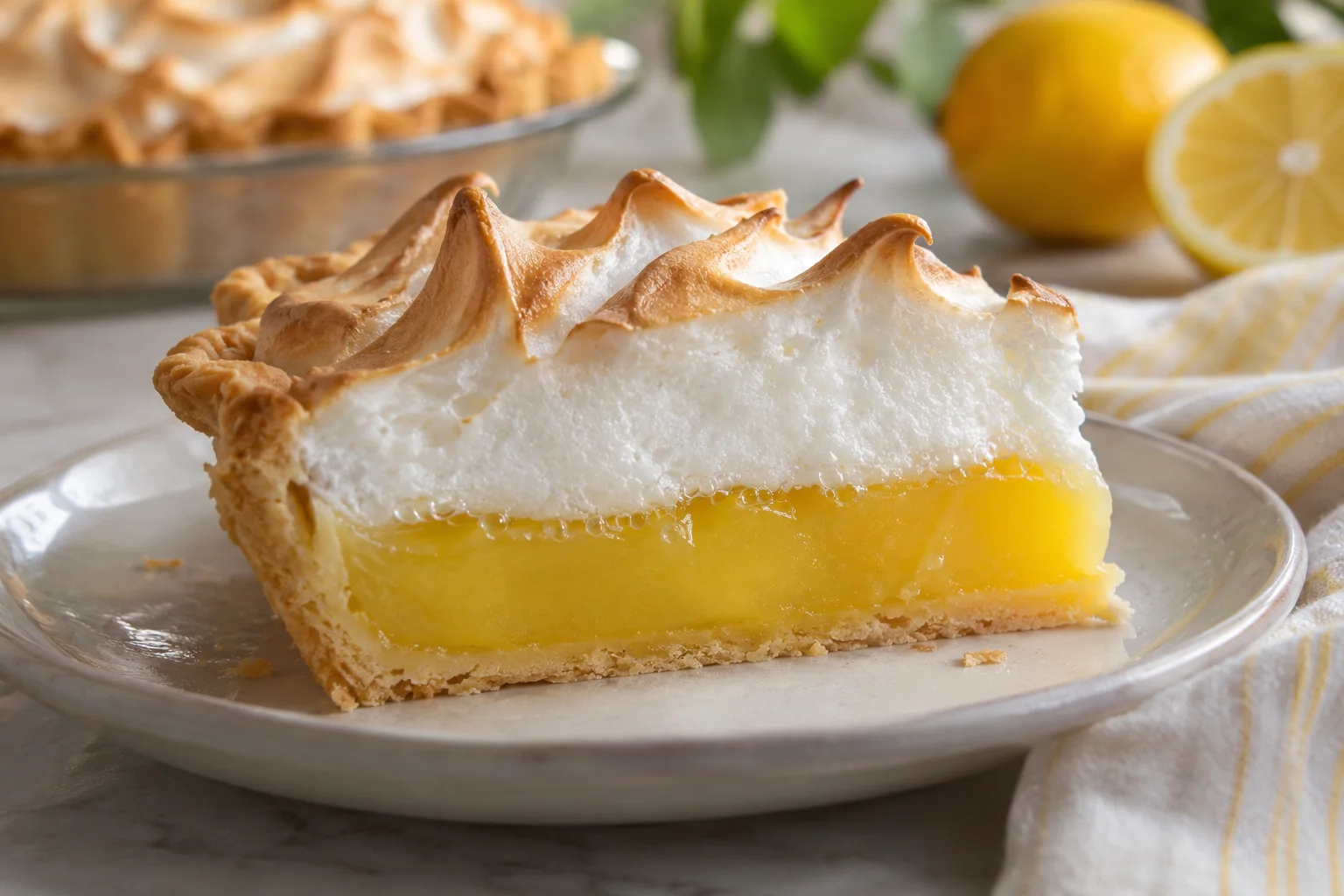
Recipe to try: Lemon Meringue Pie. A zesty, buttery shortcrust pastry filled with bright, tangy lemon curd and topped with billowing clouds of sweet, toasted meringue creates the perfect balance of sharp and sweet flavors.

Why some methods use hot filling
Certain lemon meringue pie recipes direct you to spread meringue over hot filling, allowing the interface to cook and adhere properly. Others are designed differently. Follow the specified assembly temperature rather than using cold filling because it seems easier to handle.
Seal the meringue to the crust
For meringue pies, spreading the topping to touch the pastry rim can help limit shrinkage and create a continuous surface. A floating island of foam with a gap around the edge allows filling moisture to escape in uncontrolled places. Use the recipe's instructions for sealing.
Do not pile it too thick without a plan
A very tall topping can be undercooked internally even when the exposed peaks turn golden. Use the intended quantity and oven or torch method. A dramatic mountain of meringue isn't automatically better than a moderate layer that can be cooked correctly.
The role of cornstarch in stabilization
Some tested meringue pie recipes use a cooked starch mixture or other stabilizing technique to reduce weeping. The purpose is to support the foam and manage moisture. Adding raw cornstarch directly to an arbitrary meringue may create lumps or alter texture without solving the problem.
Whipping to the correct peaks
Underwhipped foam may be weak and release liquid; very dry overwhipped whites can become clumpy and less stable. Use the peak stage specified for your meringue type. Continue to dissolve sugar without beating so long that the foam becomes broken and grainy.

Clean equipment improves stability
Fat residue or yolk can prevent whites from whipping efficiently. Use a clean bowl and whisk, separate eggs carefully and measure sugar accurately. These fundamentals reduce one source of foam weakness, though they won't fix a wet pie filling.
How condensation creates apparent weeping
A hot pie covered tightly while cooling can trap steam that condenses on the meringue. Cool according to the recipe before covering. Perishable pie must still be refrigerated promptly; preventing droplets is not permission to leave egg-and-dairy filling at room temperature overnight.
Why a refrigerator can affect texture
Refrigerated humidity and temperature changes may make some meringue toppings tacky or syrupy. This is particularly noticeable when the pie is repeatedly brought out and returned to the cold. Use a recipe that balances safe refrigeration with a suitable serving window.
Meringue cookies are a different product
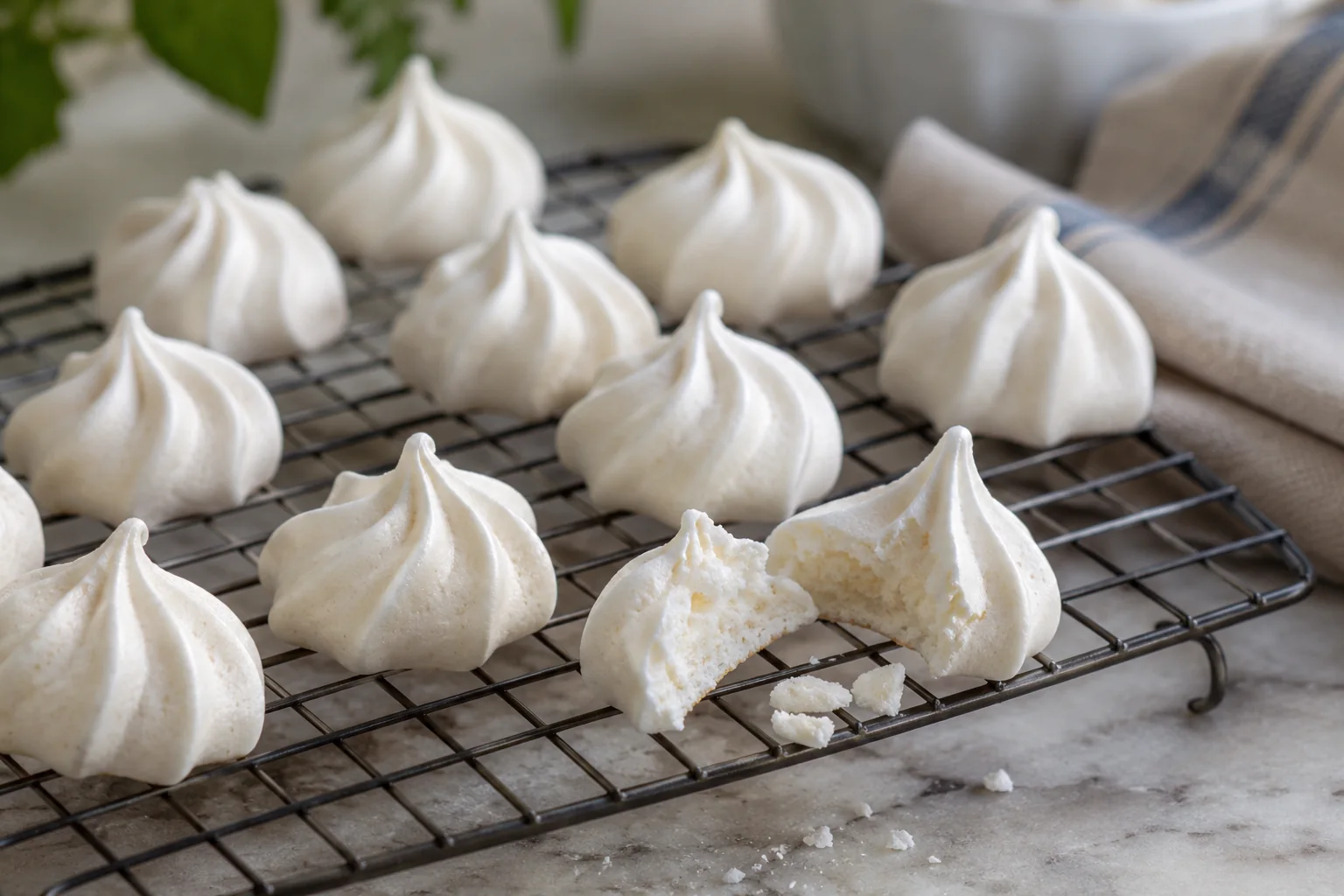
Dry baked meringue kisses aim for a crisp dehydrated structure. They can absorb atmospheric moisture and soften, but troubleshooting them differs from a lemon meringue pie's whipped topping. Follow the proper bake-and-dry schedule for the cookie recipe.
Recipe to try: Vegan Aquafaba Meringues. This is an egg-free aquafaba formula. Its whipping and baking behaviour differs from egg-white meringue, so follow its own method.
Can you repair a weeping meringue?
Once the topping has released a substantial syrup layer, brushing it off won't restore the internal structure. A few cosmetic droplets may be dabbed gently before serving, but do not disguise a potentially undercooked meringue. Improve the sugar dissolution, filling and cooking method next time.
Food safety comes first
Meringue pies commonly contain eggs and dairy and should be handled under the recipe's refrigeration requirements. Pasteurized eggs or a cooked meringue method may be appropriate for specific preparations. Never assume sugar, lemon acidity or browning alone makes an uncooked egg foam safe.
Frequently asked questions
Why are there amber beads on top? Sugar and moisture changes may contribute. Why is there water underneath? Filling moisture or insufficiently cooked foam may be involved. Can humidity cause weeping? Yes. Should I refrigerate lemon meringue pie? Follow safe perishable storage, generally yes.
Focus on the moisture's source
Identify where the liquid appears, then check sugar dissolution, whipping, topping doneness, filling consistency and cooling. A stable meringue topping is the result of coordinated cooking and storage, not one extra spoonful of sugar.
Recipe to try: Strawberry Shortcake Cream Pie. For a different topping style, this cream pie is an alternative to meringue. Keep its dairy filling safely refrigerated.
IN PICTURES
From the baking notebook
FROM THE RECIPE BOX


