
On this page
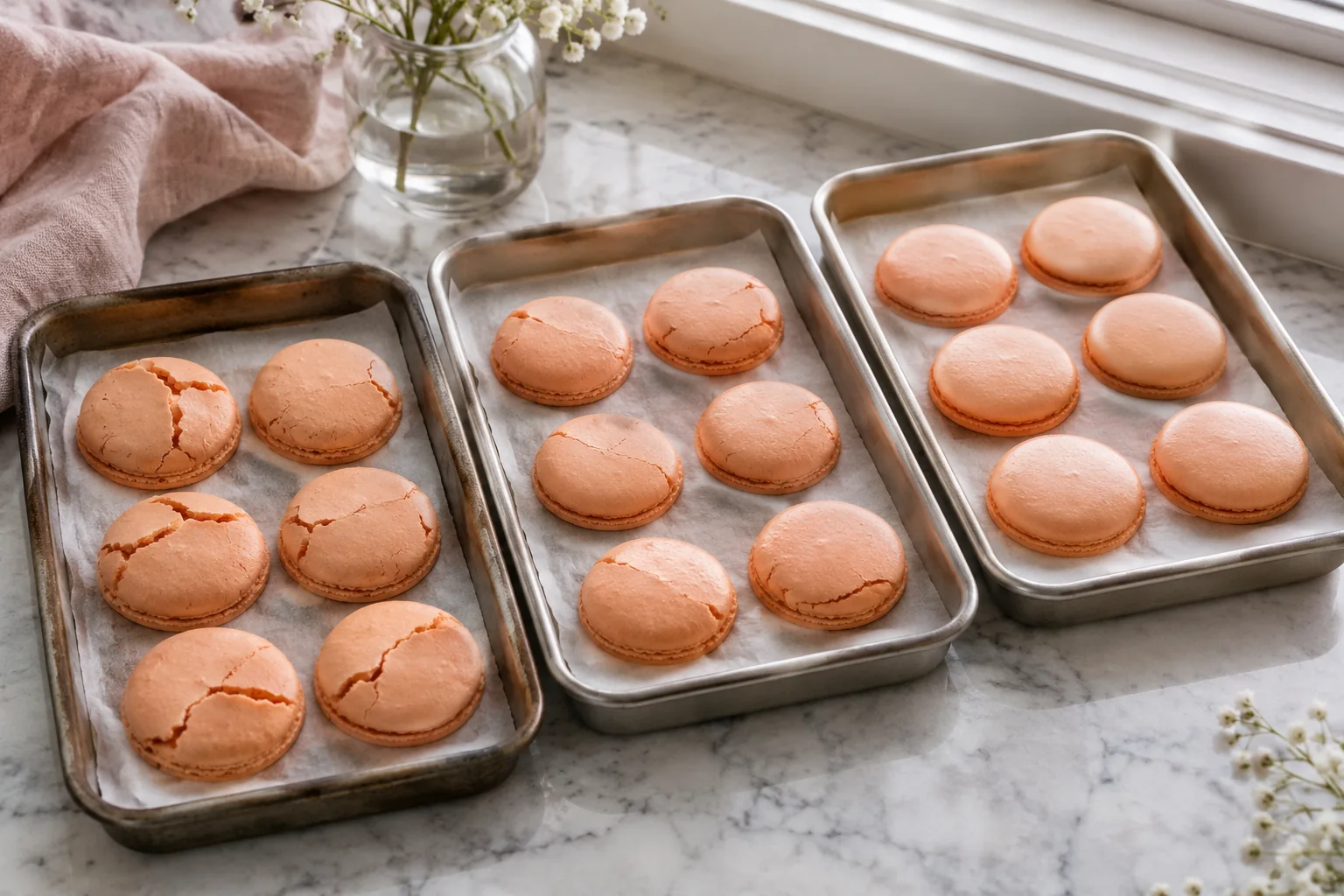
Cracked macaron shells are disappointing because the surface usually tells you something went wrong before the first bite. A smooth round that erupts into a jagged dome may have trapped air, a weak surface skin or an oven environment that expands the batter faster than the top can withstand. Fortunately, the cracks provide clues. Their shape, position and timing can help narrow the cause.
What a cracked macaron means
A macaron shell cracks when its exterior cannot accommodate internal expansion. That can happen because steam and gases push upward rapidly or because the top layer is weak and irregular. The defect may occur alongside missing feet, lopsided feet or hollow centres, but each symptom can have more than one cause.
Start with the recipe's meringue method
French, Italian and Swiss macarons build their egg-white foam differently. A resting or baking rule suited to one method may not fit another. Choose a tested formula and complete its entire process before combining tips from unrelated tutorials.
Recipe to try: Lemon Macarons. Follow this recipe’s own shell method, drying cues and filling instructions rather than mixing steps from different macaron methods.
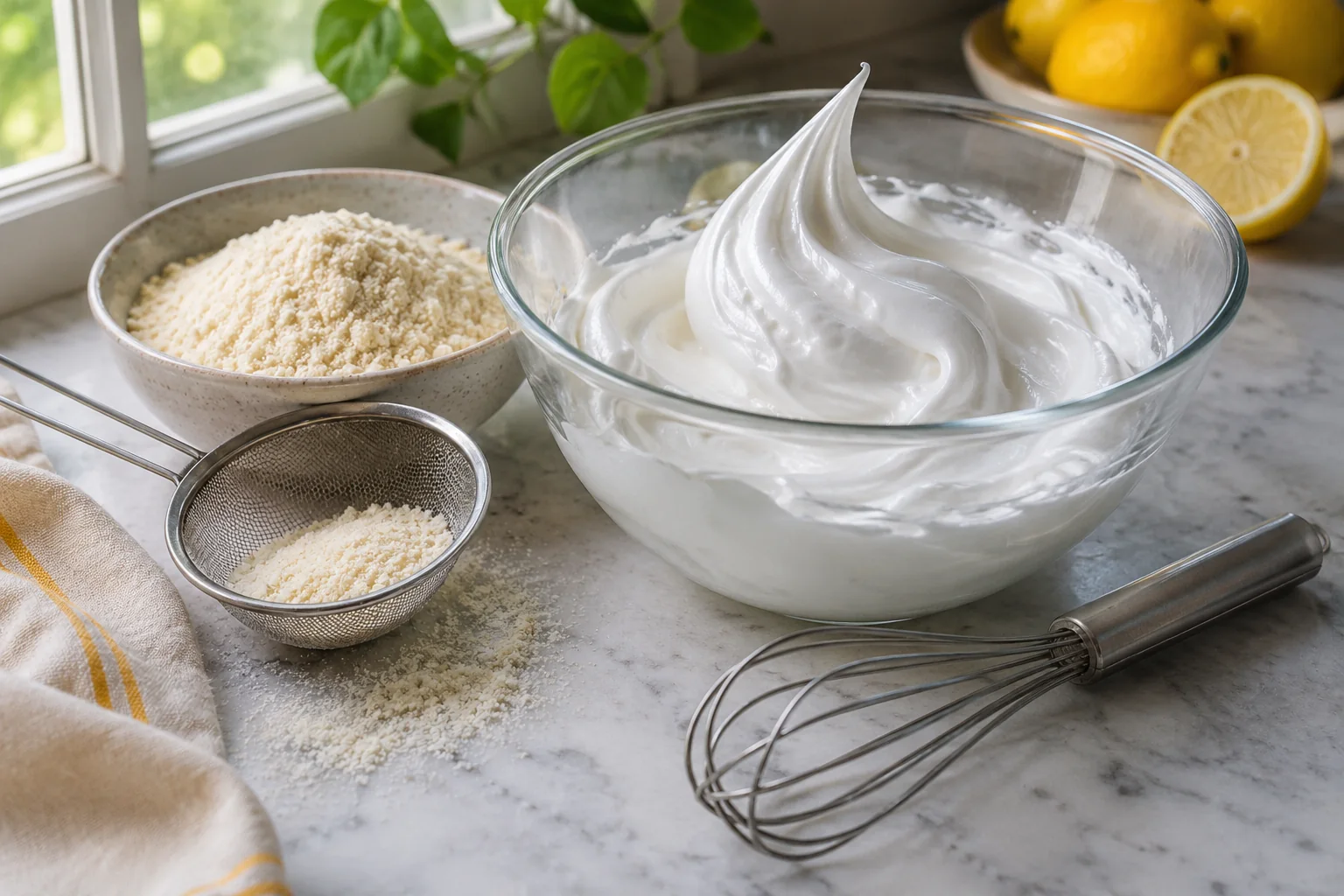
Resting a French macaron
Many French macaron recipes instruct piped shells to rest until the surface develops a dry, non-tacky skin. That skin can encourage expansion toward the base rather than rupturing the top. Humidity changes how long it takes, so use the tactile endpoint rather than exactly twenty minutes every time.
Why insufficient resting can crack shells
If the surface is still wet and fragile, internal pressure may break through the top during the first phase of baking. A proper rest can help, but not if the batter is too loose to hold shape. A long wait also won't fix a badly mixed meringue.
Humidity makes resting inconsistent
A humid kitchen slows evaporation at the surface. A tray that dries in twenty minutes on a dry day may take substantially longer on a rainy day. Move to an appropriately controlled room if practical, without blasting the piped shells with hot air that may distort them.
Large air bubbles cause local cracks
Trapped pockets can expand suddenly, pushing through a weak part of the dome. Tap the tray gently after piping as instructed and pop obvious surface bubbles with a clean suitable tool. Avoid over-tapping, which can spread otherwise well-formed rounds.
Check your piping technique
Hold the bag perpendicular to the baking surface and pipe equal rounds. Sudden jerks can trap large air pockets or leave high peaks. Release pressure before lifting the tip and smooth any small tip points according to the formula's instructions.
Why undermixing can crack tops
Stiff macaron batter may contain uneven lumps and a weakly integrated almond mixture. The rough surface can tear as it expands, and pointed peaks may bake into distorted shells. Fold gently to the intended ribbon consistency so piped rounds settle smoothly.
Why overmixing is also a problem
A thin collapsed batter spreads, develops weak structure and can bake unevenly. It may crack or remain flat without distinct feet. Overmixing cannot be repaired by adding extra almond flour after the correct ratio has already been lost.
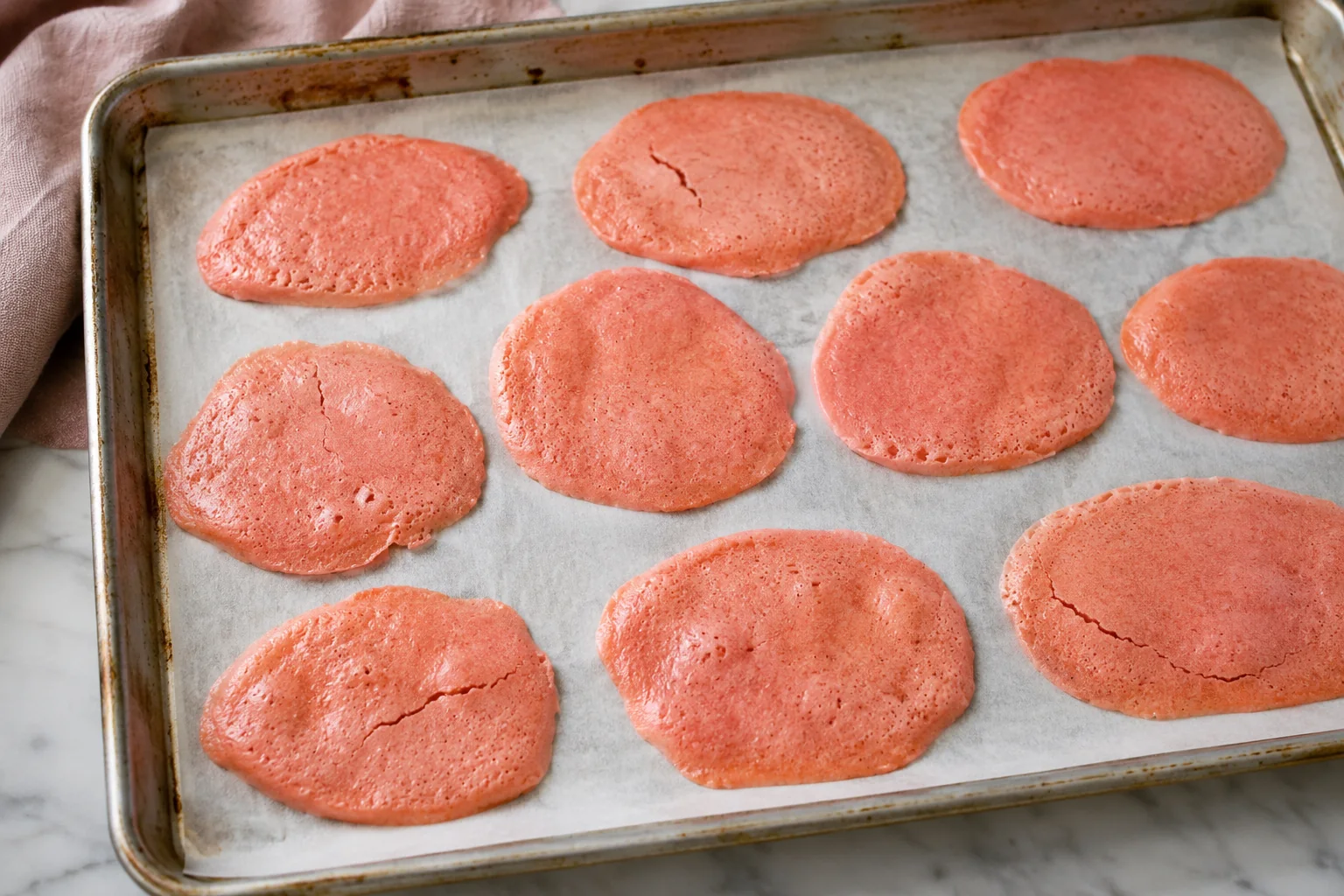
Meringue should be stable, not dry
Underwhipped egg whites lack support, while overwhipped dry meringue can be difficult to incorporate. Use the glossy peak stage appropriate to the method and scrape down the bowl where instructed. Strong meringue helps create a smooth, consistent shell.
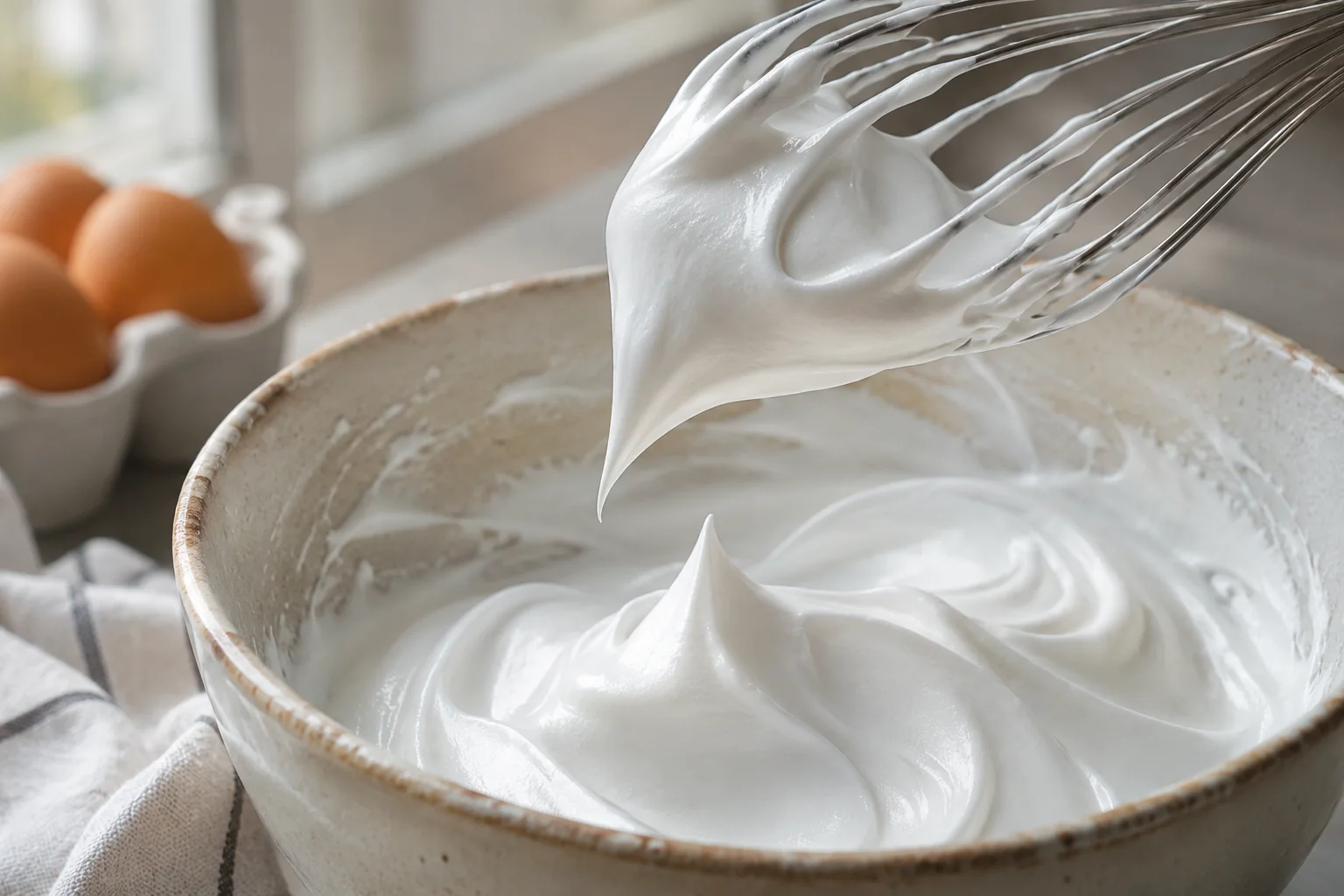
Oven heat that's too high
A hotter-than-intended oven can set the exterior and expand the centre aggressively, splitting the surface. It may also produce lopsided or excessively spread feet. Use a reliable oven thermometer before deciding the macaron recipe is defective.
Hot spots and uneven pans
If macarons crack only in one corner of the tray, suspect uneven oven heat, rack position or baking sheet characteristics. Compare multiple small batches with consistent piping and the same liner. A warped tray may also create an uneven baking surface.
Baking mats versus parchment
Silicone and parchment transmit heat differently, particularly on dark or doubled metal sheets. The correct choice depends on the tested formula. Don't change mat, pan and oven temperature all at once, because you'll lose the chance to identify the actual cause.
Why lowering heat too much can fail
A cooler oven may reduce violent top expansion but leave shells undercooked, sticky or hollow. Cracks should be addressed within the recipe's appropriate temperature range and alongside batter technique. A visually uncracked but raw-centred macaron isn't a successful fix.
Use consistent piping size
Large shells require a longer time for heat to reach the centre; tiny shells may overbake if treated like ordinary ones. Pipe with a template, keep diameters similar and bake according to a formula developed for that size.
Recipe to try: Birthday Cake Macarons. Keep piping size and the recipe’s shell method consistent when comparing your results.
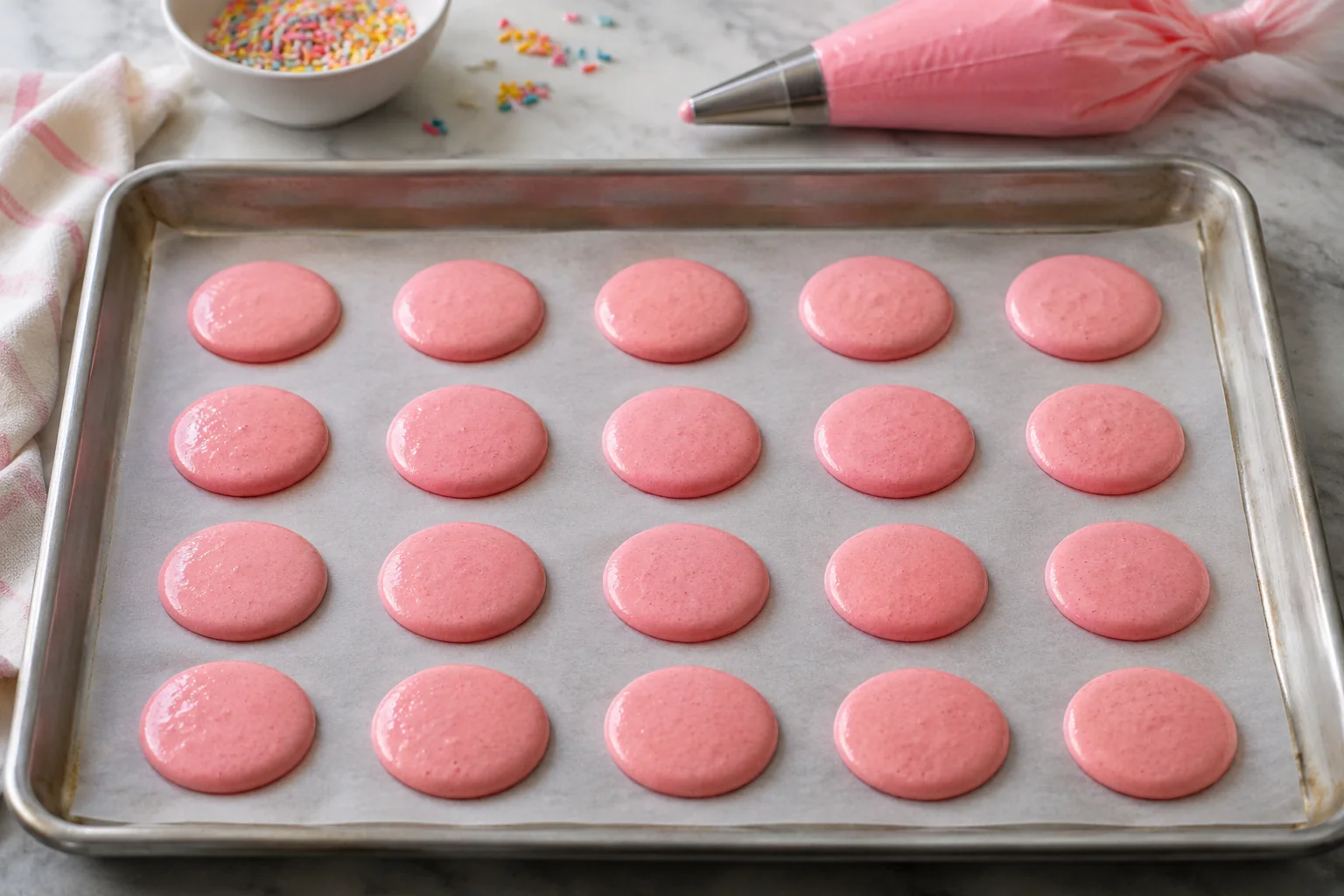
Don't disturb the oven prematurely
Opening the door repeatedly changes heat during the delicate rise and can contribute to inconsistent baking. Follow the method's rotation guidance. If the first tray cracks immediately, note when it happens; cracks forming early often suggest the initial expansion environment deserves attention.
Why cracks form near a weak spot
A bubble, unevenly folded almond flour or a region with poor skin development can become the easiest point for gas to escape. If cracks cluster around one piped tip or edge, inspect your piping and tapping before assuming a global oven problem.
What if the shell has feet despite cracks?
Feet show that expansion occurred near the base, but they do not guarantee a smooth top. The surface may still have been fragile or a large internal bubble may have escaped upward. Use both observations together rather than treating one good feature as proof the process was perfect.
How to use imperfect shells
Properly baked cracked macarons can still taste delicious when filled. They may be suitable for home desserts, crushed as a garnish or served casually. Don't try to disguise a wet uncooked centre beneath extra ganache; fully baking the shell remains essential.
A one-variable testing plan
Keep the ingredient weights, meringue and piping the same for successive trays. Adjust either the surface rest to reach the recipe's cue or oven heat within its specified range. Photograph cracks and feet to see whether the change improved the result.
Recipe to try: Champagne Macarons. This is a separate flavoured macaron formula; keep its ingredient proportions and filling method together.
Frequently asked questions
Do cracks always mean no skin? No. Can too many air bubbles cause cracking? Yes. Is the oven always too hot? No, mixing and rest also matter. Can I rescue cracked raw shells? Once baked, appearance won't reverse. Should I change sugar proportions? Not without a tested recipe.
Aim for a smooth, strong shell
Use stable meringue, fold to proper fluidity, release visible large bubbles, form the surface required by your method and bake at reliable heat. Cracks become much easier to prevent when the entire process is repeatable.
IN PICTURES
From the baking notebook
FROM THE RECIPE BOX


