On this page
Frangipane is the fragrant almond filling tucked beneath pears in classic tarts and between sheets of pastry in some galettes. When baked correctly, it sets into a moist, tender layer that tastes of almonds and butter without being runny. Although the name sounds elaborate, the basic idea is approachable: combine a measured almond filling with a pastry shell and fruit, then bake everything together according to a reliable recipe.
Frangipane in everyday baking
In many English-language recipes, frangipane means an almond cream made from ground almonds, butter, sugar and eggs. Some French pastry references reserve the word for almond cream blended with pastry cream. The difference is worth knowing, but either type should be identified by its actual ingredients rather than an assumed standard.
What does it taste like?
A baked almond filling has nutty richness, gentle sweetness and a tender, almost cake-like bite. It pairs beautifully with tart fruit and buttery pastry because the almond layer can contrast with both. Its texture should be set and moist, not liquid or chewy like unbaked almond paste.
Basic ingredients
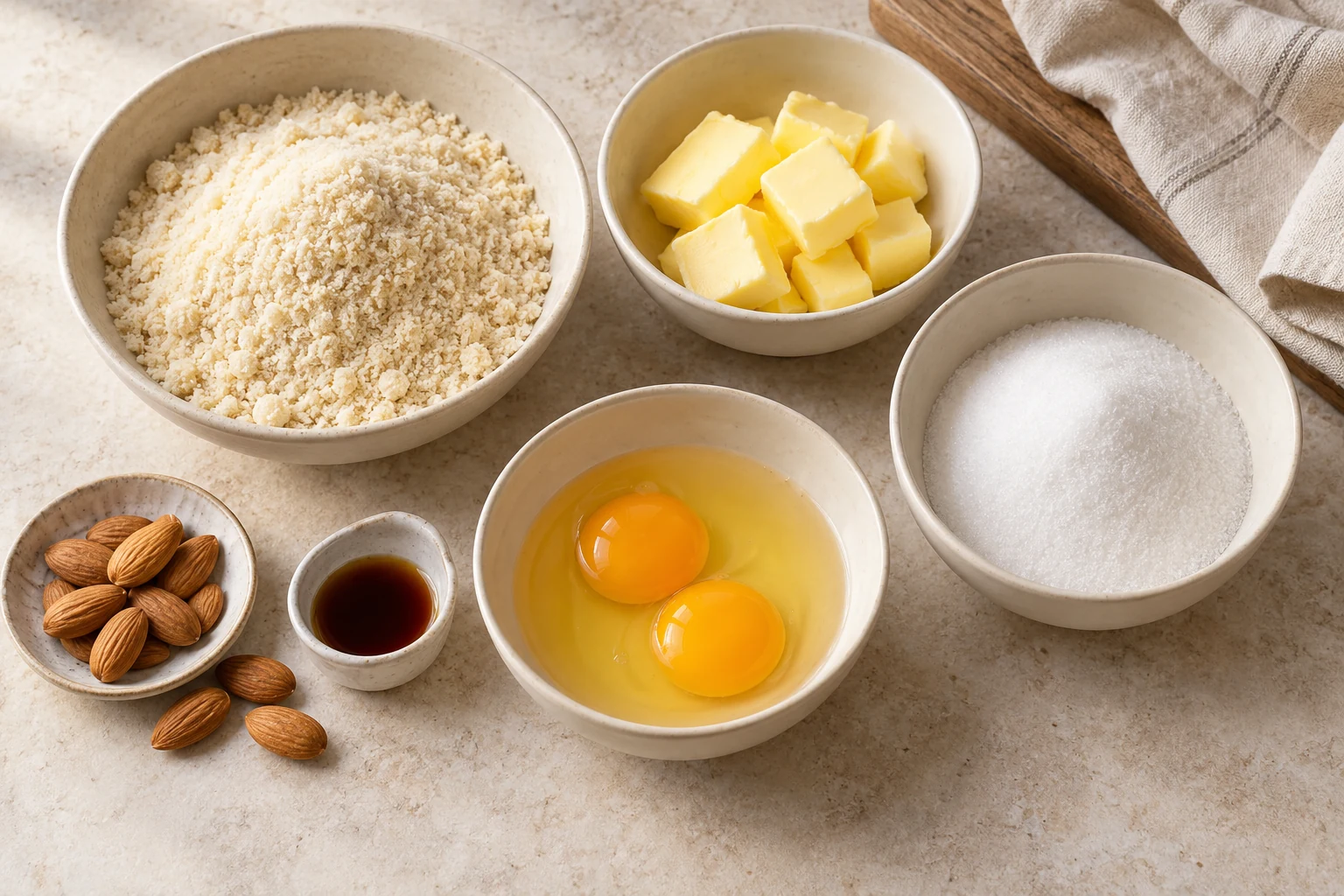
Common formulas use finely ground almonds, butter, sugar and egg; some add a little flour or starch for structure and a small amount of vanilla, rum or almond extract. The ratios vary by pastry style, so follow one coherent recipe rather than combining spoonfuls from several sources.
Almond flour and almond meal
Finely ground blanched almond flour produces a relatively delicate texture. Coarser almond meal can have more noticeable nut particles and colour from skins. Neither is inherently inferior, but they absorb and mix differently. Use the grind recommended by the formula.
The butter's role
Softened butter blends with sugar and helps create richness and tenderness. If it is completely melted when the method expects creaming, the texture and distribution may change. Follow the prescribed working temperature.
Why eggs are included
Egg proteins set during baking and help the almond mixture become cohesive. They also contribute moisture. That means conventional frangipane made with raw egg isn't intended to be eaten uncooked or simply piped onto a cold tart without baking.
How it differs from pastry cream
Pastry cream is a cooked milk-based custard thickened with eggs and often starch. It is commonly used cold in éclairs and fruit tarts. Almond cream is typically baked. Some frangipane formulas combine the two, but neither ingredient is automatically a substitute for the other.
How it differs from marzipan
Marzipan is a sweet almond paste used for modelling, covering cakes or confections. It has a different sugar and almond balance and doesn't behave as a ready-to-bake egg-based tart filling. Don't spread marzipan into a pie shell and assume it will bake like frangipane.
Classic pear tart

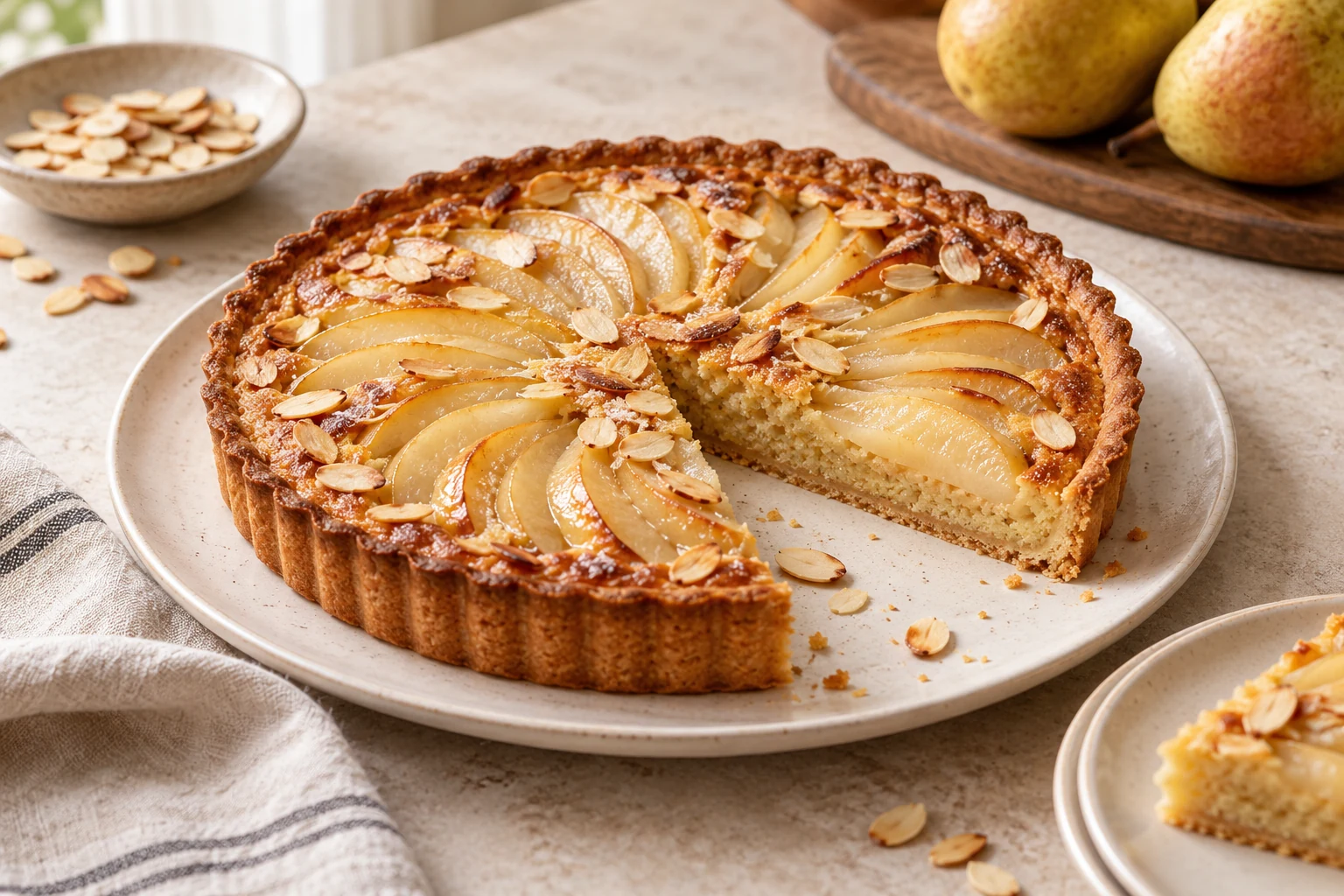
A pear tart may contain a pastry shell, measured almond filling and sliced or halved pears. The fruit can be fresh, poached or otherwise prepared according to the recipe. The almond cream rises slightly and bakes around the fruit, creating a cohesive slice.
Apple and stone-fruit versions
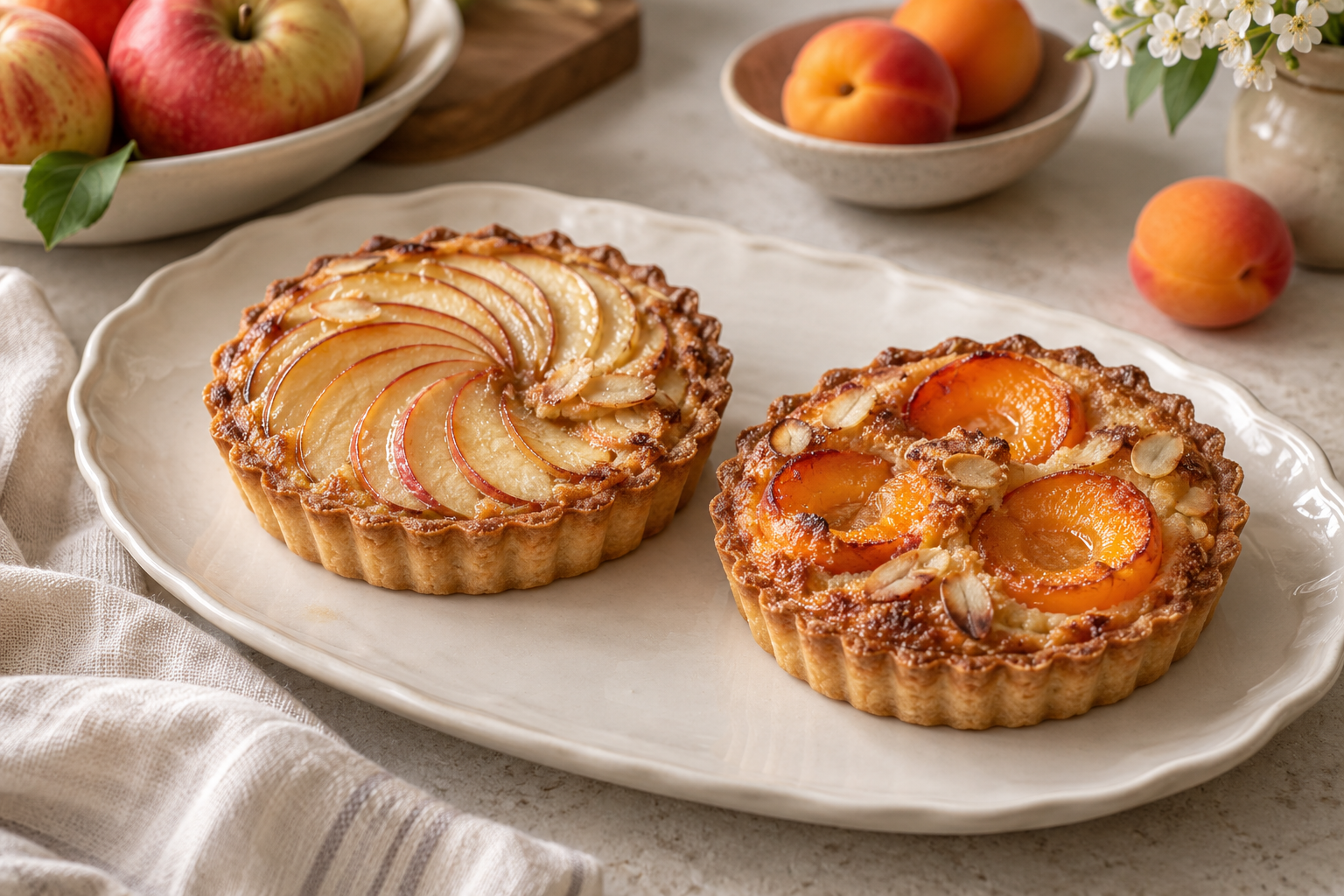
Apricots, cherries, plums and apples also pair well with almond filling. Each fruit brings a different moisture level and bake requirement. A very juicy fruit may need a formula designed to accommodate it rather than simply piling extra slices onto a shallow tart.
Frangipane in puff pastry
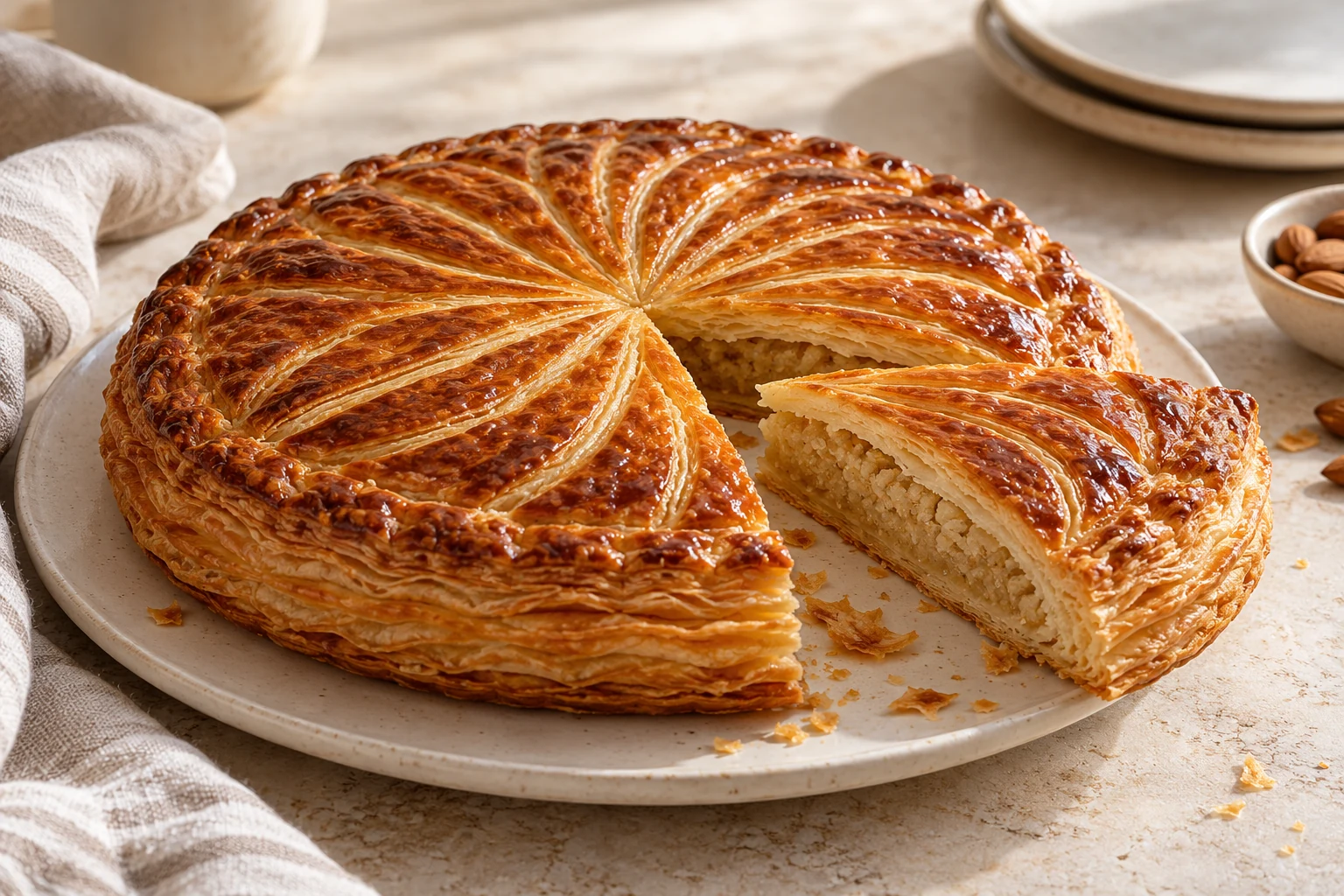
A galette or enclosed puff pastry can contain a measured almond filling. It is usually spread with a margin around the edge so the pastry can be sealed. Too much filling may leak or prevent the centre from cooking evenly. Follow the formula's chill, scoring and baking stages.
Mixing without separating

Cream butter and sugar as directed, then add egg gradually if specified before the almond flour. Ingredients at compatible temperatures combine more smoothly. If the mixture looks slightly split, avoid pouring in extra flour beyond the recipe as a guess.
How much should go in the tart?
A thin almond layer expands during baking, so leave the headroom recommended by the recipe. Filling a shell to the top before adding fruit can lead to spillover. The right thickness depends on the tart ring's depth and the intended fruit.
Does the shell need blind baking?
Some frangipane tarts bake the filling directly in an unbaked chilled shell; others partially prebake the pastry. Both methods can work when tested. Don't blindly blind bake a shell intended to cook with its almond filling, or the final rim may overbrown.
How to tell when it's baked
Follow the recipe's colour and texture cues. A set almond centre often feels gently firm rather than liquid and may turn golden. Fruit juice can make one area appear moist, so assess the actual filling rather than only the fruit surface.
Cooling and slicing

Allow the pastry and filling to cool for the time recommended. Slicing too hot can smear the almond layer or make a delicate shell crack. Some tarts are lovely slightly warm; others are easiest to serve at cool room temperature, subject to their storage requirements.
Can you prepare filling ahead?
Some recipes permit refrigerating prepared almond cream or assembling a tart in advance. Follow safe cold storage and the permitted window, since the filling may contain raw egg. Do not leave a bowl of almond cream out overnight to warm up for baking.
Troubleshooting leakage
Leaking can result from overfilling, a weak pastry seal or fruit producing more juice than expected. In puff pastry, filling spread too close to the edges can prevent a firm seal. Measure the filling and keep the rim clean.
Troubleshooting a soggy base
A very wet topping, underbaked pastry or incorrect oven method may soften the crust. Choose the exact fruit preparation and shell-baking schedule. More almond cream doesn't automatically absorb excess liquid; it may simply thicken the filling layer.
Frequently asked questions
Is frangipane an almond filling? Yes, in common baking use. Must it contain pastry cream? Terminology varies. Does it include raw eggs? Many recipes do, so it needs proper baking. Can it be nut-free? The traditional form contains almonds. Can you use it in cookies? Only in an appropriate baked recipe.
Start with a pear frangipane tart
A well-tested pear tart is a lovely introduction because the flavour pairing is classic and the layers are visible. Measure carefully, keep pastry cold and bake until the almond layer is properly set. Once you understand the base, try other fruits and shapes.
Related recipe: Pear and Almond Tart.
IN PICTURES
From the baking notebook
FROM THE RECIPE BOX


