On this page
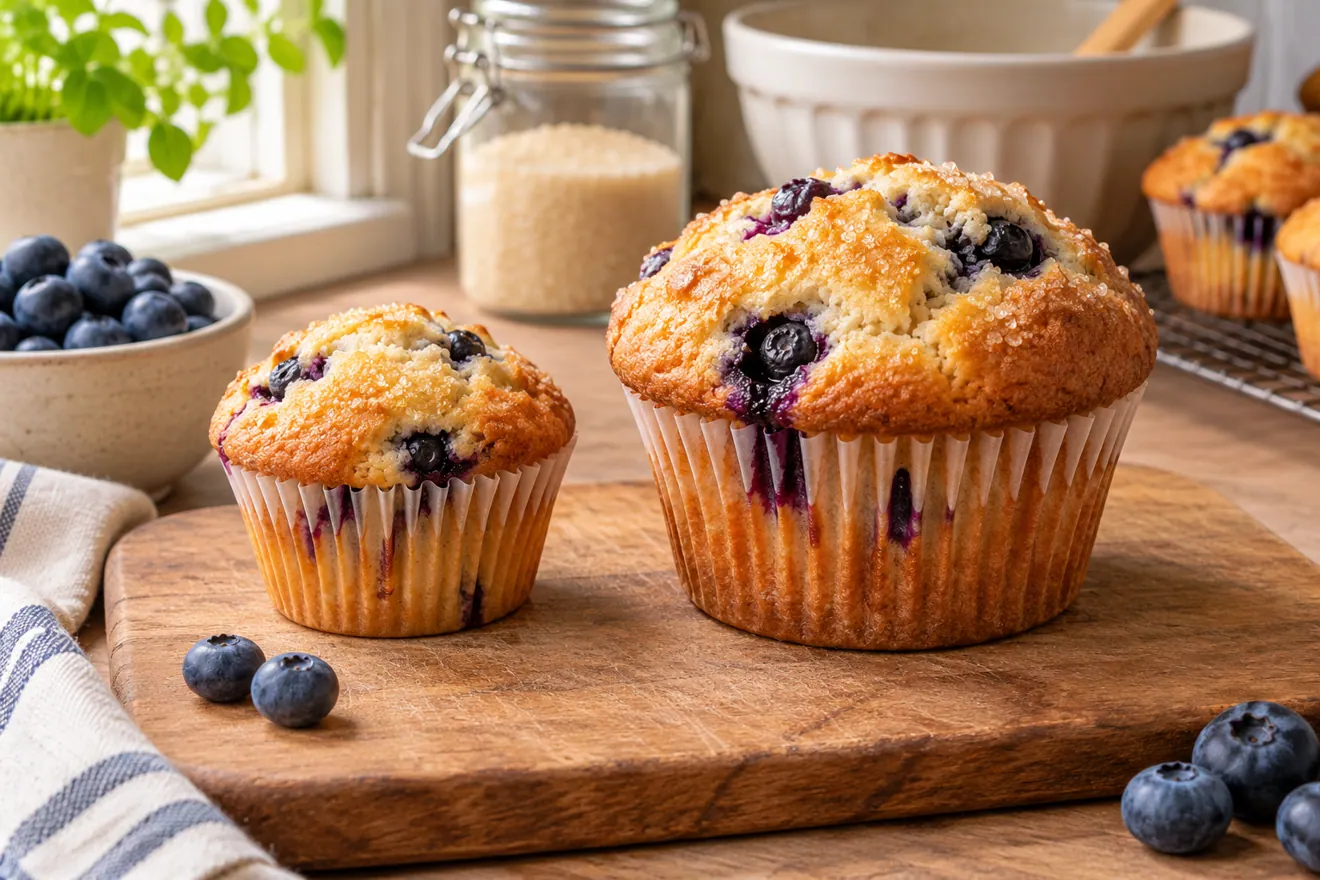
A jumbo muffin has that generous bakery-counter appeal: a tall, golden crown and a tender middle with plenty of berries or chocolate. But pouring a standard muffin recipe into oversized cups doesn't automatically produce a better muffin. The batter depth changes how heat reaches the centre, how the top browns and how long the muffin needs in the oven. Here's a practical way to compare standard and jumbo muffin baking times and plan a reliable conversion without losing the texture you love.
Standard versus jumbo muffins: what changes?
The biggest differences are cup capacity, batter depth and the resulting baking time. A jumbo pan may hold considerably more batter per well than a standard pan, but brands don't all use the same dimensions. Bigger muffins generally need longer for their centres to bake, even when their tops become golden quickly. A true jumbo pan, rather than an oversized liner squeezed into a regular pan, is important for consistent results.
Start with the size of the actual pan
Check the manufacturer's capacity if available. Some jumbo pans have six wells, but the number of wells doesn't establish an exact conversion because cup width and depth vary. If you compare two pans in your kitchen, measure their individual capacity using water outside the cooking process, dry thoroughly afterward, and calculate how the same batter yield would divide between them. Don't pour water into a hot pan.
Why jumbo muffins take longer
Heat reaches the exposed surface first, then travels toward the centre. A deeper portion gives heat farther to travel and contains more moisture that must be incorporated into a properly set crumb. That is why a jumbo muffin can look dark and ready outside while its middle is still wet. The right baking time is determined by the muffin recipe, actual pan and oven, not simply by multiplying the standard time by two.
A useful standard-muffin reference point
Those numbers apply to that tested formula. They do not mean every standard muffin bakes in the same window or that a jumbo conversion can use the same oven setting unchanged.
A practical jumbo baking-time approach
Use a recipe tested for the larger pan when possible. When testing a conversion, bake one jumbo muffin first using the original formula and an oven-safe pan. Start checking near the end of the normal bake window and continue until the centre is set. Record the batter weight, pan size and actual time so you can repeat the result.
Why a test muffin can save a batch
An unfamiliar jumbo pan deserves a small trial. If your batter keeps safely and the formula allows staged baking, bake one or two muffins at the intended fill level. Record the starting temperature, initial checking time, total bake time and final centre texture. A test is especially worthwhile when baking for a wedding brunch, school event or order where consistency matters more than using every gram of batter in one attempt.
How much batter belongs in a standard cup?
Many conventional muffin recipes suggest filling their liners around two-thirds to three-quarters full. The exact level depends on the batter's rise, leavener and topping. Use the recipe's fill guidance first. If it uses a specific scoop, weigh one scoop or record its volume so your future batches stay consistent.
How much batter belongs in a jumbo cup?
Because jumbo cups vary, the most reliable portion comes from the recipe's stated yield or the pan's capacity. A recipe developed for jumbo muffins may use more batter per well than a standard pan, sometimes filling high enough to create an exaggerated dome. Don't fill jumbo cups to the brim simply because a bakery muffin does; overfilling can cause spillover before the centre sets.
Can twelve standard muffins become six jumbo muffins?
Sometimes a standard twelve-muffin recipe may fill about six larger wells, but that assumes each jumbo cup holds roughly twice the batter used in the standard wells. Actual pan dimensions can make the yield higher or lower. Divide the recipe's total measured batter by the safe, tested portion for each jumbo well rather than treating six as an automatic result.
Why bakery-style muffin domes form
A beautiful dome comes from the batter's leavening, thickness, surface setting, oven heat and portion size. A high-heat start is part of some tested bakery muffin formulas, but not every batter tolerates it. An aggressive oven can brown the outside before the centre is ready. The best way to make a tall crown is to use a recipe written for tall muffins or a validated jumbo conversion.
Should you increase the oven temperature?
Not automatically. Higher initial heat may help certain recipes rise or brown, but it can also produce a crust that sets too quickly. For a batter with frozen fruit, mashed banana or dense chocolate pieces, centre doneness deserves particular attention. Use the developer's recommended temperature and check oven accuracy with a suitable independent thermometer if your batches behave unpredictably.
Checking a standard muffin for doneness
Follow the recipe's cues: a set top with appropriate springiness and a tester inserted into the actual crumb rather than a blueberry or chocolate chip. Some recipes specify a clean tester, while others accept a few moist cooked crumbs. If wet batter clings to the tester, continue baking. Rely on more than colour for chocolate muffins.
Use Blueberry Muffins as a standard-pan example. The initial hotter stage and lower finishing temperature apply to that batter.
Bake muffins through before tasting them. Wait until the muffins have baked through before tasting them.
Checking a jumbo muffin for doneness
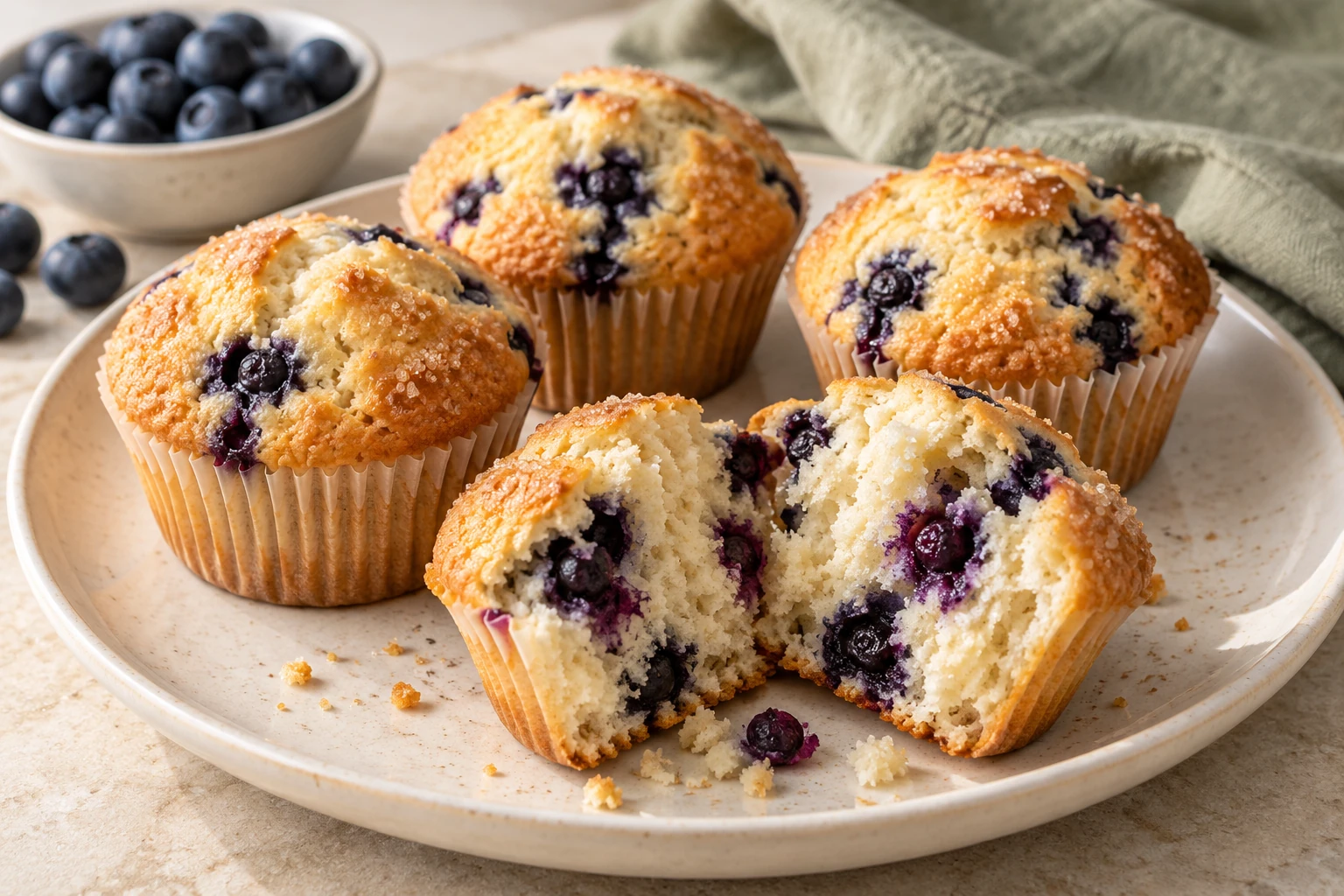
Because the middle is deeper, insert a long skewer or suitable probe far enough to reach the true centre. Check several central muffins rather than a small corner of the top. If the exterior is dark but the inside remains raw, follow the recipe's safe method for finishing the bake; consider whether a lower temperature or altered pan is warranted in a future batch.
Try Bakery-Style Jumbo Muffins for a formula built around larger wells. Start checking at the early time in the recipe and look for fully set crumb as well as colour.
How frozen berries influence timing
Frozen berries can cool muffin batter and release moisture as they bake. A standard blueberry muffin may already need a few additional minutes with frozen fruit; in a jumbo muffin, large frozen pockets can make the central doneness check particularly important. Use the recipe's berry quantity and handling method, usually folding frozen blueberries in while still frozen when specified.
Banana muffins and other moist batters
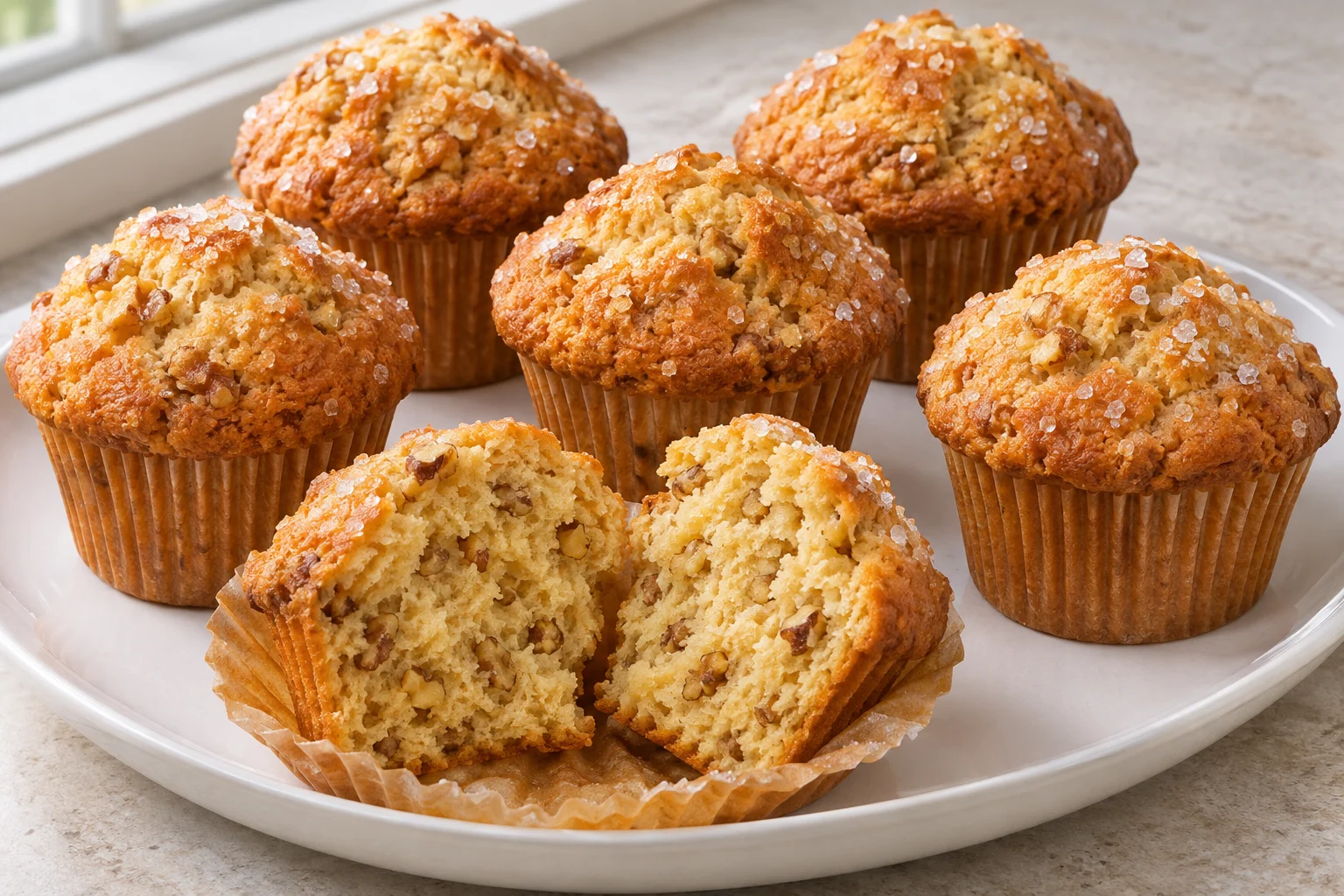
Banana, pumpkin and zucchini add water, sugars and solids that influence how a muffin sets. Oversized portions with too much fruit can develop gummy middles despite golden crowns. Weigh the fruit or purée as directed. Don't add extra banana just because the larger muffin looks as though it could hold more.
The purée in Pumpkin Muffins makes this an example of moist batter. Keep the recipe proportions and check for wet batter if you test a larger portion.

Chocolate chip and filled muffins
Large chunks and thick fillings can alter centre texture and confuse a toothpick test. A melted chocolate chip is not raw batter, while a ribbon of uncooked batter surrounding an oversized filling is a problem. For cream-filled jumbo muffins, use a tested stuffed-muffin recipe and observe refrigeration rules where applicable.
Metal, dark nonstick and silicone pans
Pan material and surface finish influence heat transfer, browning and release. A dark nonstick jumbo pan may colour differently from a light metal pan, while silicone cups may bake and brown differently. If you change both size and material in the same batch, it's harder to identify the cause of uneven results. Start with the pan intended by your recipe when possible.
Why muffins overflow
Overflow can result from too much batter, excess baking powder or soda, an unsuitable well size or a formula that rises more aggressively than expected. Measure the leaveners accurately and leave the headroom the recipe requires. Removing leavener randomly won't necessarily fix an overfilled pan; change the portioning first.
Why jumbo muffins are dry outside
A large muffin may sit in the oven long enough that the exposed edges lose moisture while the centre finishes. Overly hot baking, shallow metal walls and a recipe unsuited to jumbo portions can contribute. A tested jumbo formula balances portion, moisture and heat. If only the outside is dry, check temperature and bake duration before adding more liquid to the batter.
Why jumbo muffins sink
An underbaked middle can collapse during cooling. Excess leavening, excessive fruit or liquid, and incorrect mixing may also create an unstable rise. Record whether the muffin first domed dramatically then sank, or never set in the centre. These patterns help distinguish a structural failure from a simple appearance preference.
Cooling standard and jumbo muffins
Both benefit from the pan-rest time specified by the recipe, followed by transfer to a rack when appropriate. Jumbo muffins may retain heat longer, so don't package them while warm and steaming. Trapped moisture can soften the crust and make liners peel. Allow complete cooling before wrapping and freezing.
Freezing and reheating larger muffins
Some jumbo muffins freeze successfully when fully cooled and wrapped individually. A larger muffin usually takes longer to thaw or reheat than a mini muffin. Follow recipe-supported methods and avoid assuming the centre has warmed adequately simply because the outside feels hot. Perishable cheese or custard fillings need appropriate temperature control.
Quick comparison table
Standard muffins use smaller wells and generally bake more quickly. Jumbo muffins use larger, deeper wells and often need longer baking and more careful centre checks. Both require the recipe's correct oven temperature, portion size and cooling method. Neither pan size is inherently superior: standard suits lunchboxes; jumbo suits a substantial bakery-style breakfast.
Frequently asked questions
Do jumbo muffins always take twice as long? No; heat transfer and batter depth don't scale that simply. Can I use a twelve-muffin batter in a jumbo pan? Often with tested conversion and adjusted timing, but yields vary. What temperature should I use? Follow a jumbo version or the recipe's validated instructions. Why are mine raw inside? The portion may be too deep, time too short, or oven too hot.
A dependable conversion checklist
Use a reliable standard muffin recipe, check the capacity of your jumbo pan, keep ingredient weights unchanged, portion evenly and follow any official jumbo conversion. Test the centre rather than the crust, record the timing and cool correctly. The best jumbo muffin isn't merely a larger standard muffin; it's one whose centre has had time to become just as tender and well-baked as its golden top.
Related recipe: Bakery-Style Jumbo Muffins.
Some images are AI-generated illustrations of the dishes and techniques described.
IN PICTURES
From the baking notebook
FROM THE RECIPE BOX


