On this page
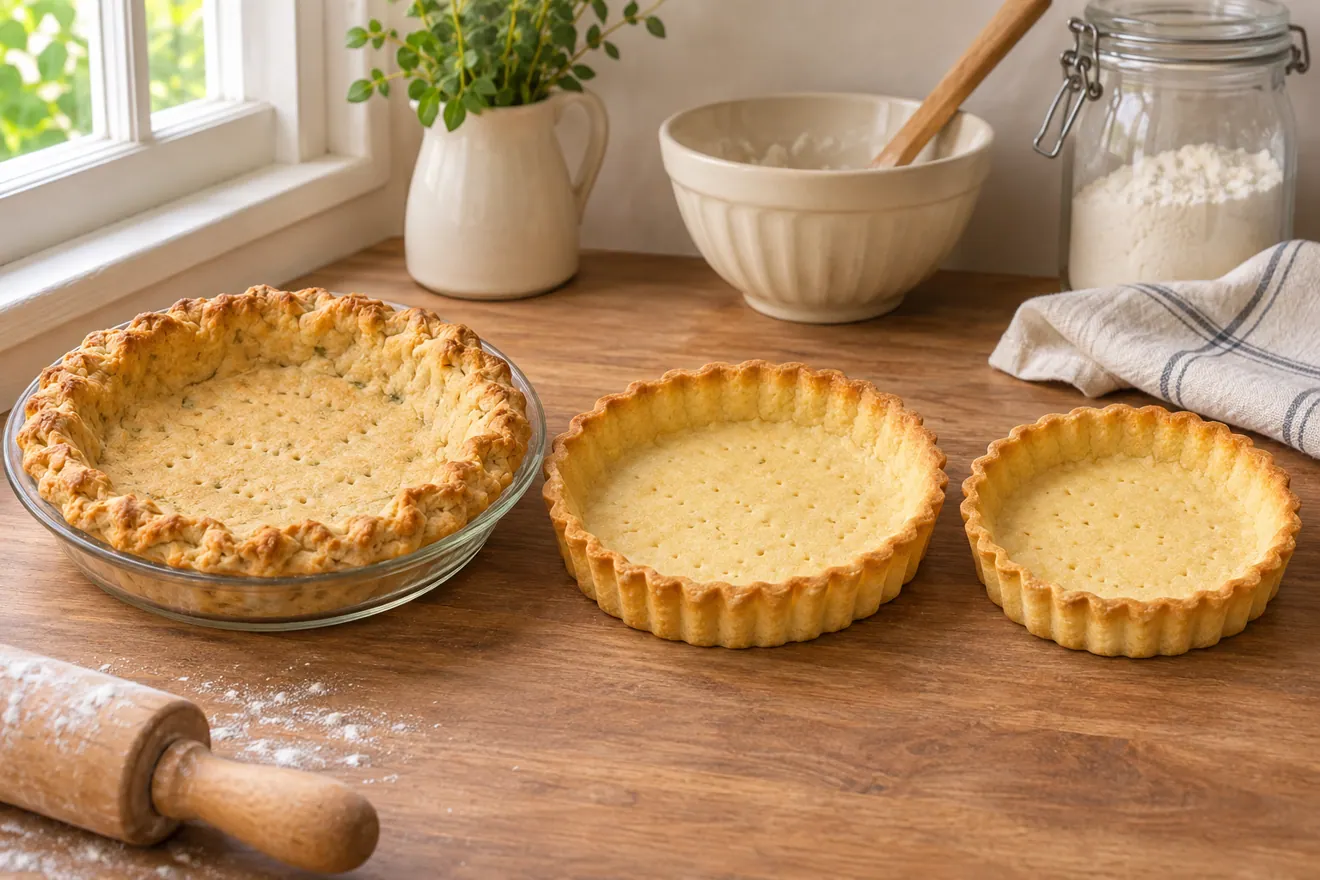
French pastry names can make a recipe sound complicated when the underlying choice is simple: do you want a flaky, relatively neutral crust or a sweet, tender tart shell? Pâte brisée, pâte sucrée and pâte sablée represent three common approaches with different ingredient balances and mixing techniques. Understanding them helps you choose a pastry that supports the filling rather than fighting it.
Pâte brisée: a versatile short pastry
Pâte brisée is generally a relatively unsweetened or lightly sweetened short pastry made with flour, fat, liquid and salt. Depending on technique, it can produce a tender, flaky result suited to quiches, savoury tarts and some fruit pies. It is often closer to a conventional flaky pie crust than to a sugar cookie.
Pâte sucrée: sweet tart pastry
Pâte sucrée is a sweetened pastry frequently made with butter, sugar and egg as well as flour. Its finished texture is often more cookie-like and tender than a flaky brisée.
Pâte sablée: a sandy, tender bite
Pâte sablée means a sandy-style pastry and is associated with a crumbly, rich, shortbread-like texture. Many methods work butter into flour to produce a sandy consistency before adding enough binder to bring it together. Formulas vary by school and baker, so use the exact technique specified.
How sweetness differs
Brisée is usually the least sweet and often works in savoury dishes. Sucrée and sablée are traditionally sweeter dessert tart pastries, though their relative sweetness isn't fixed across every recipe. The ingredient list matters more than the French label when planning a dessert.
How texture differs
Brisée often offers flake and crispness; sucrée aims for a defined, tender tart shell; sablée is commonly delicate and crumbly. All can become tough or soggy when improperly handled. They aren't guaranteed textures independent of mixing, rolling and baking.
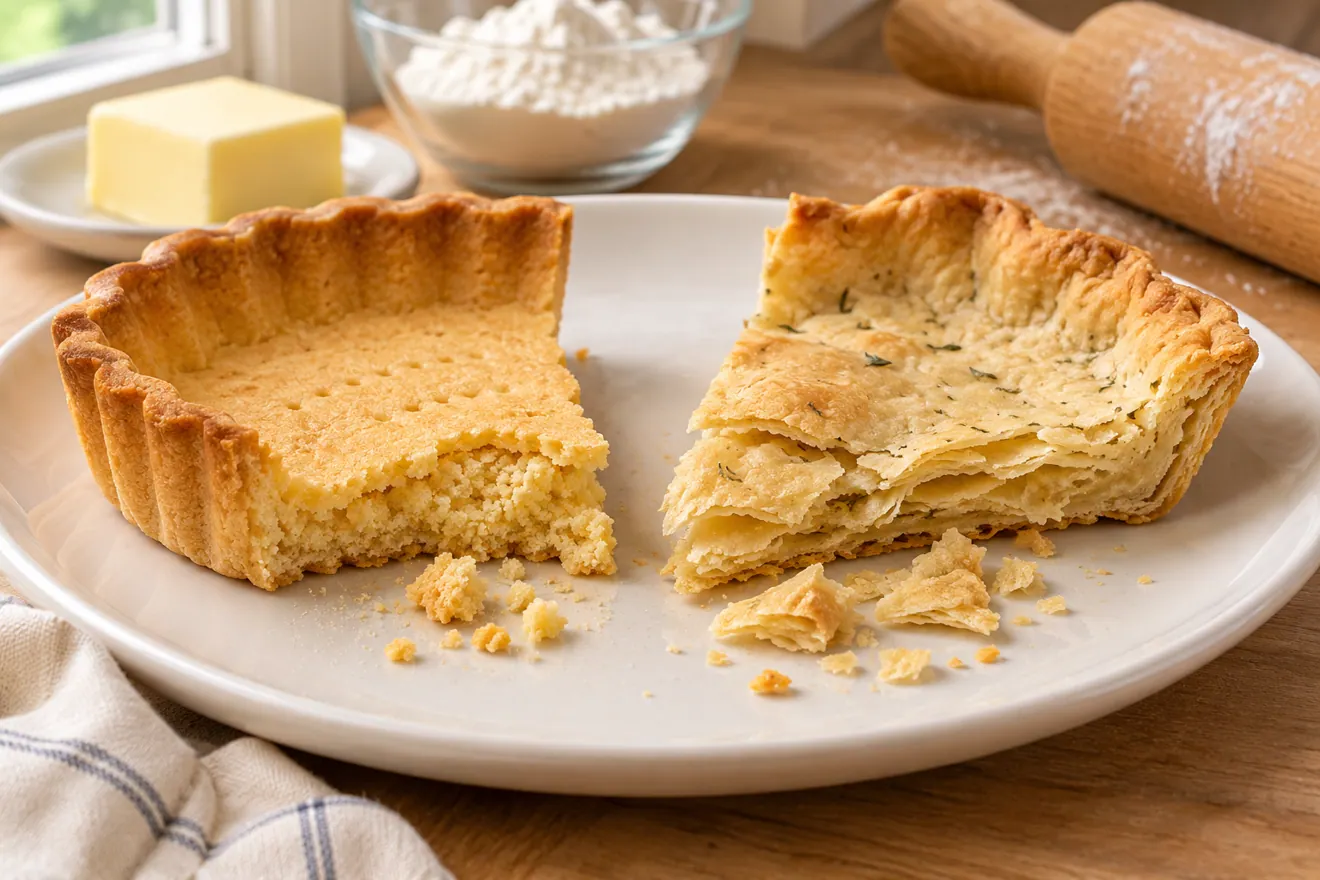
Break a cooled scrap baked alongside the shell. A tender sweet crust crumbles under gentle pressure, while a flaky dough reveals thin layers where the butter remained in small pieces.
Why fat distribution matters
When cold butter remains in small distinct pieces in brisée, it can create a flakier result. Sweet pastry methods may work fat more uniformly into the flour or cream butter with sugar. That reduces the large separate fat pockets typical of a flaky pie crust and creates a finer crumb.
The role of eggs
Many sweet tart doughs include egg or yolk for structure, richness and binding. A classic brisée recipe may rely mainly on water instead. The presence of egg isn't universal, so don't identify pastry type solely from one ingredient.
How the mixing methods differ
Brisée often uses a cut-in fat method with controlled water addition. Sucrée may use creaming or other short mixing methods, while sablée may use a sanding technique. Follow the sequence, especially whether butter should be cold or softened.
Choosing a pastry for quiche
A relatively neutral brisée can support savoury egg-and-cream fillings without a competing sugary flavour. Choose a quiche formula that specifies whether to blind bake before filling. An overly sweet sablée would change the intended taste.
Choosing a pastry for fruit tarts
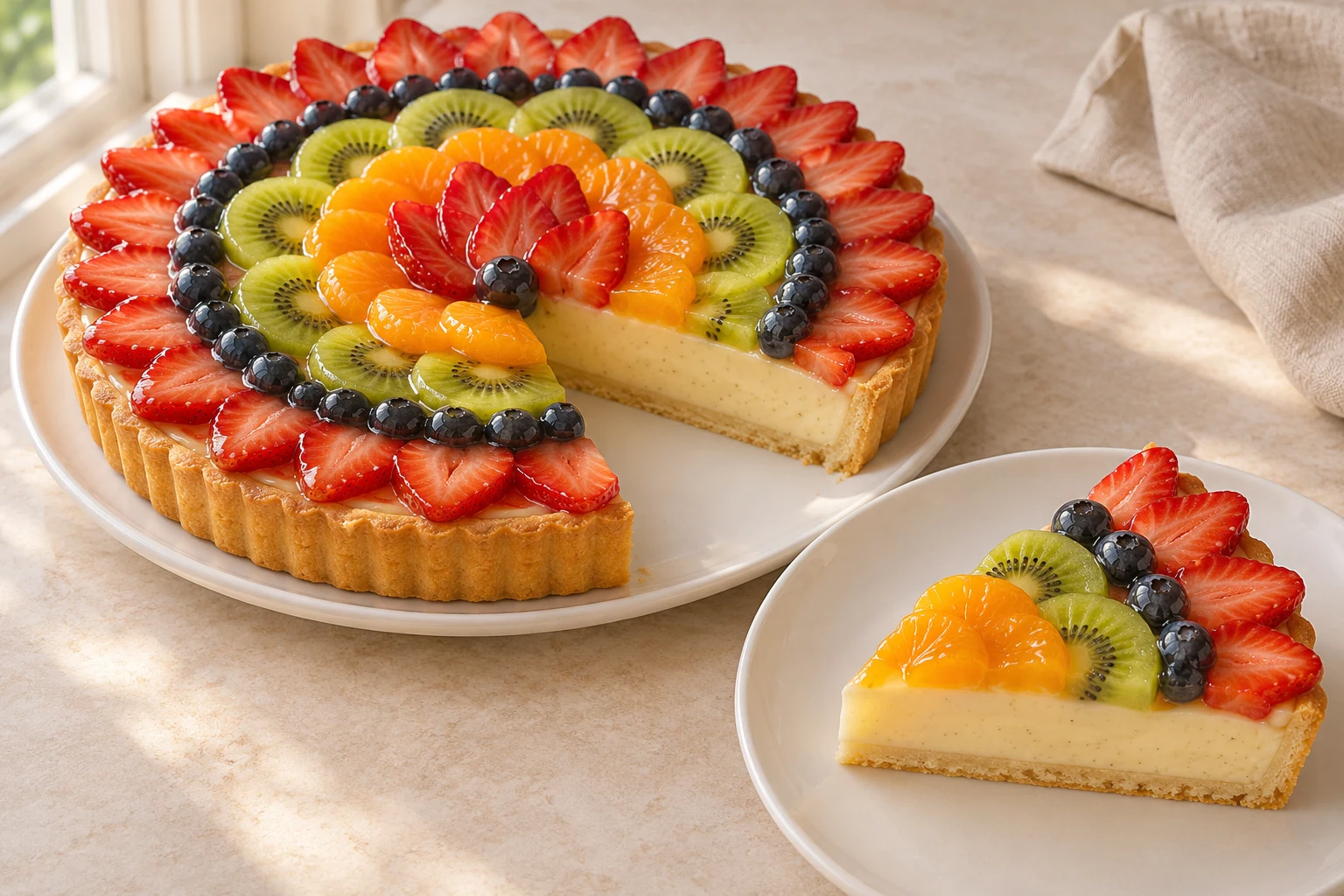
Sucrée is a popular choice for shells filled with cold pastry cream and fresh berries because it provides a neat, tender base. Sablée can also be delicious but may be more delicate. Select a filling quantity and serving method suited to the shell's strength.
See Classic Fruit Tart for a sweet short pastry that carries custard and fresh fruit. Chill the custard as it cools, and keep the filled tart refrigerated.
Choosing a pastry for chocolate tarts
Chocolate ganache can pair with either sucrée or sablée, depending on the desired texture. A firm, clean-edged crust supports precise slices, while a crumbly shortbread-like shell offers contrast. Use a formula designed for the ganache's weight and setting time.
Choosing a pastry for apple pie
A traditional deep double-crust apple pie generally benefits from a flaky pie pastry or suitable brisée rather than an extremely fragile sweet tart shell. A shallow apple tart with a baked filling may use sucrée. Shape and filling determine the better choice.
The flaky short pastry in Classic Apple Pie shows how a low-sugar dough works around a sweet filling. The dough is divided into separate portions for the base and top.

Rolling and chilling differences
Brisée benefits from cold fat and rest to maintain flakiness. Sucrée and sablée often require chilling to manage butter and protect shape, but can crack if too hard or dry. Some sweet dough formulas allow press-in preparation instead of rolling.
Why rolling thickness matters
Sweet tart dough can look neat when rolled thin and evenly, but too thin a shell may crack when unmoulded. A deep pie needs enough strength to handle fruit filling. Use the pastry recipe's rolling thickness and pan measurements rather than a universal ⅛-inch rule.
Blind baking
An empty tart shell filled after baking often needs thorough blind baking. Use the formula's docking, parchment and weight instructions. Some baked frangipane tarts cook the shell and filling together instead; don't blind bake unless directed.
Bake dough through before tasting.
Why pastry shrinks
Stretching dough to line a pan, excess gluten development and insufficient resting can contribute. Sweet dough may also slump when butter warms. Ease pastry gently into corners and chill after shaping as prescribed.
Storage before baking
Wrapped refrigerated dough rests and keeps fat in the right condition. Some recipes permit freezing well-wrapped disks or lined shells. Follow the individual pastry method and avoid abrupt freezer-to-hot-oven changes with glass or ceramic pans unless rated for that use.
What if your shell is too crumbly?
Excess flour, too little binder, incorrect fat texture or underbaking may contribute. Sablée is intentionally tender but should still hold together when properly baked and handled. Allow complete cooling and use an appropriate removable-bottom tart pan where specified.
What if the bottom is soggy?
An underbaked shell, wet filling or too-early assembly can soften even excellent pastry. Bake the shell fully, cool before cold filling and consider a recipe-approved moisture barrier. Changing from sucrée to brisée won't automatically solve a leaking fruit filling.
Frequently asked questions
Is pâte brisée sweet? Usually little or not at all. Which is most like a sugar cookie? Sucrée and sablée are closer to that texture. Which for quiche? Often brisée. Can I swap them directly? Not without considering the baking method and filling. Do all require eggs? No.
Choose by texture and filling
Use brisée when you want a relatively neutral flaky crust, sucrée when you want a tidy sweet tart shell, and sablée when you want a particularly tender, crumbly bite. Then follow that dough's precise fat temperature, resting and baking method. The name becomes useful once you know the texture you're choosing.
Related recipe: Classic Fruit Tart.
Some images are AI-generated illustrations of the dishes and techniques described.
IN PICTURES
From the baking notebook
FROM THE RECIPE BOX


