
On this page
A useful pantry isn't a cupboard full of exotic ingredients you bought for one recipe. It's a small collection of dependable foods that can turn a few fresh vegetables and one protein into dinner. Dried pasta, canned tomatoes, beans, grains and spices provide flexibility; frozen vegetables and properly portioned proteins make the system even stronger. The aim is to stock ingredients you actually cook with and know how to combine.
Start with your household's real habits
Before buying a long pantry checklist, look at what you cooked in the past two weeks. If you enjoy pasta and soups, tomatoes and beans are more useful than five specialty grains. If you regularly make curries, lentils and appropriate spices deserve space. Build the pantry around repeatable meals, not a picture of someone else's kitchen.
Pasta and noodles
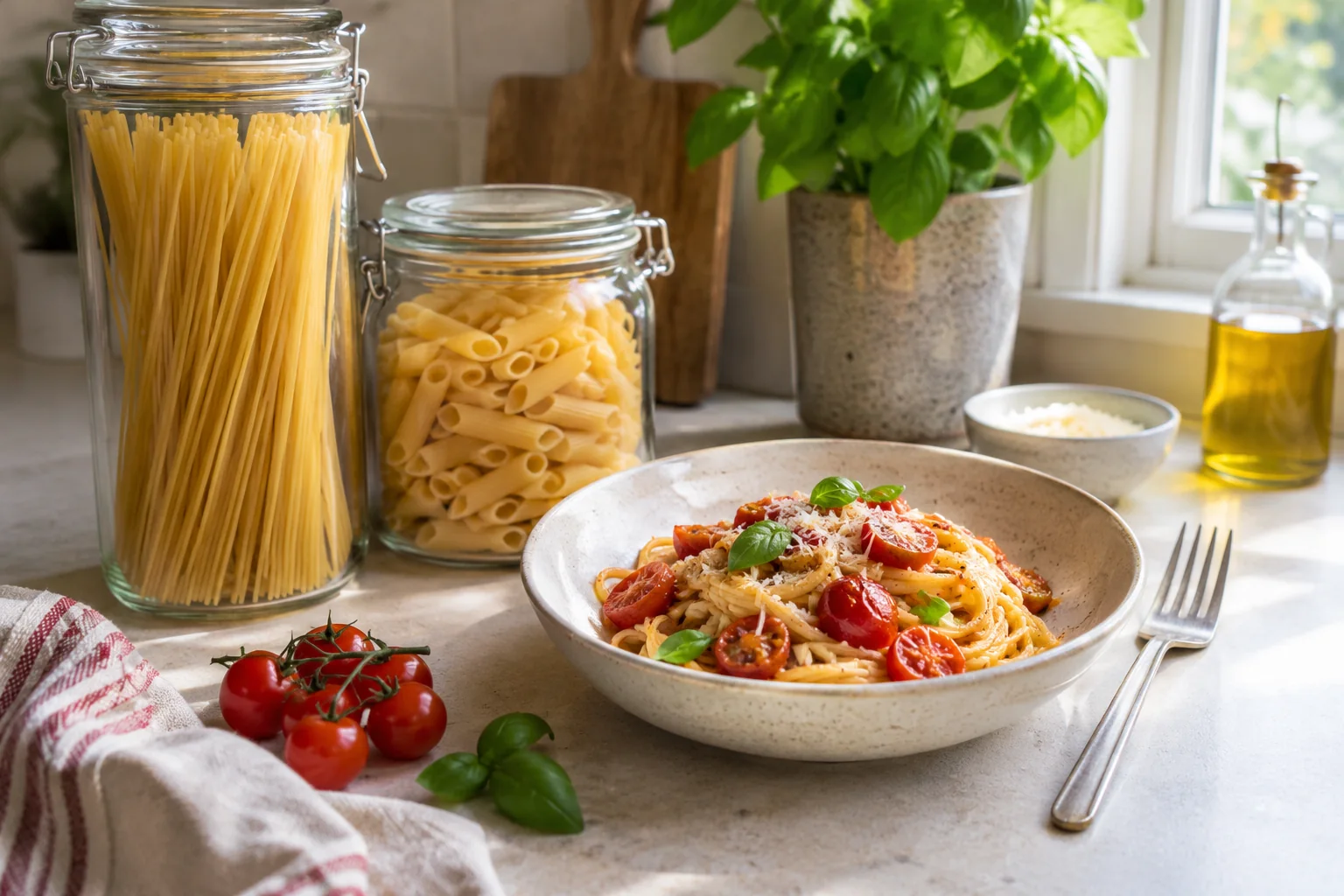
Dried pasta gives you a fast dinner base that can pair with tomatoes, oil, vegetables, eggs or beans. Keep one long and one short shape if you use both. Rice noodles or soba add variety, but buy them only when a planned meal will use them.
Recipe to try: Cherry Tomato Pasta. Follow this recipe’s ingredient amounts and complete method.
Rice as a versatile foundation
Rice can support stir-fries, curries, grain bowls and simple comfort food. Choose a type your household enjoys and store it in a dry sealed container. Brown rice takes longer to cook than many white rice varieties; plan timing or prepare safe chilled portions under proper storage guidance.
Recipe to try: Egg Fried Rice. Follow this recipe’s ingredient amounts and complete method.

Couscous, bulgur and other quick grains
Quick-cooking couscous can become a side or salad base when time is short. Bulgur and quinoa have different cooking times and textures. You don't need all of them; one reliable alternative to rice is enough for variety. Check labels for wheat and gluten if dietary restrictions matter.
Canned beans
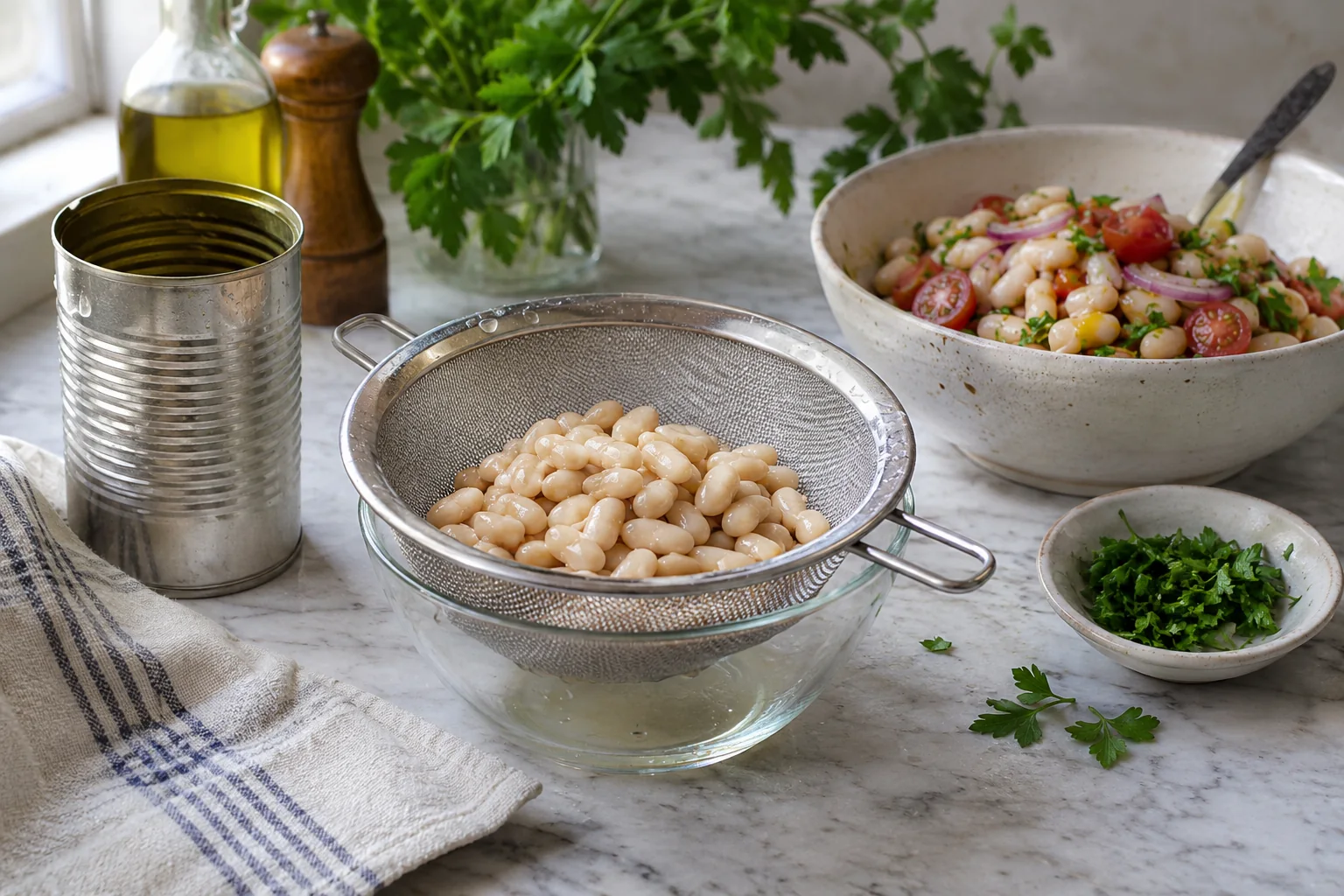
Chickpeas, kidney beans, black beans and white beans can quickly become soup, chili, warm salad or a skillet meal. Keep two varieties that suit your regular meals. Drain and rinse where the recipe calls for it, and watch added sodium if that matters to your household.
Recipe to try: White Bean Soup. Follow this recipe’s ingredient amounts and complete method.
Red lentils and other dry legumes
Red split lentils cook comparatively quickly into thick soups and dal-style dishes. Whole dried beans require longer soaking and cooking and may need specific preparation for safety, especially kidney beans. Choose a tested method rather than assuming every dried legume can be eaten after ten minutes of simmering.
Canned tomatoes
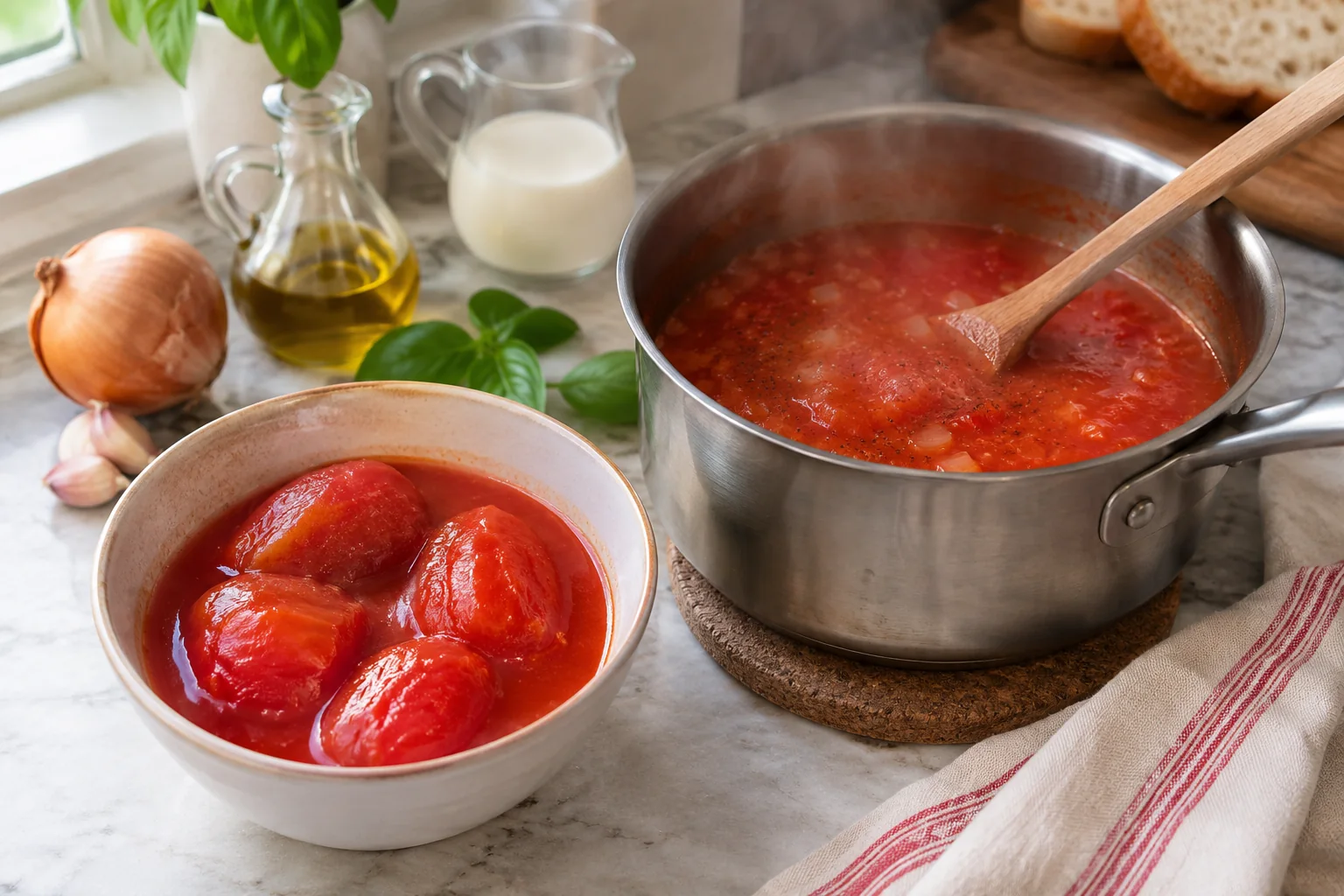
Whole peeled, crushed and diced tomatoes can form pasta sauces, chili and soup. One or two styles are usually sufficient because you can break down whole tomatoes by hand or blend them when needed. Tomato paste adds concentrated flavour in small quantities.
Recipe to try: Tomato Soup. Follow this recipe’s ingredient amounts and complete method.
Broth and stock
Shelf-stable broth or bouillon makes a quick soup, grain or pan sauce taste more complete. Check salt concentration and packaging, particularly when choosing between cubes, paste and liquid cartons. Refrigerate opened broth according to its label and never assume the original shelf life still applies after opening.
Olive oil and another cooking fat
A versatile olive oil can finish vegetables and dress salads; another appropriate neutral oil may suit higher-heat cooking. Butter or plant-based alternatives can be useful for flavour. Store fats away from heat and light according to their packaging and replace products that have gone rancid.
Vinegar and citrus flavour
A good vinegar brings brightness to beans, roasted vegetables and salad dressings. Lemon or lime is a fresh counterpart when available. You may only need one neutral vinegar and one stronger flavoured variety rather than a crowded shelf of bottles.
Garlic and onions
Onions and garlic are inexpensive flavour builders used across many savoury meals. Store them appropriately and inspect for spoilage. Powdered versions are useful backups when fresh ingredients run out, though their flavour differs from freshly chopped aromatics.
Salt, pepper and a short spice list
Start with salt, black pepper, paprika, cumin and one herb blend suited to what you cook. Add cinnamon or other spices if you bake. Buying tiny amounts and using them regularly is more economical than collecting large jars that lose aroma for years.
Soy sauce and umami ingredients
Soy sauce, miso or another savoury seasoning can deepen quick stir-fries and soups. These products vary in sodium and allergens such as soy or wheat. A little goes far; taste before adding more salt. If you don't cook with them regularly, they aren't obligatory pantry staples.
Mustard and a reliable condiment
Dijon mustard can anchor a vinaigrette, pan sauce or sandwich spread. Tomato paste, a favourite hot sauce and a dependable pickle can offer flavour without new recipes. Limit the list to condiments you'll finish before their quality declines.
Flour and baking basics
All-purpose flour, baking powder, baking soda and yeast matter if you regularly make flatbreads, quick breads or pizza. Check leavener freshness and store flour dry. If you're only cooking savoury stove meals, there's no need to maintain a large baking inventory just because a pantry checklist says so.
Recipe to try: Classic Cornbread. Follow this recipe’s ingredient amounts and complete method.

Peanut or seed butter
A suitable nut or seed butter can turn oats, toast or a quick sauce into a more satisfying food. Some products separate naturally; follow label storage instructions. Account for allergies, especially when meals will be shared outside the household.
Frozen peas and spinach
A freezer is part of the pantry system. Peas heat quickly into pasta or fried rice; spinach adds greens to soups and egg dishes. These small frozen additions reduce the need to buy a large fresh bunch for one recipe. Keep the freezer at -18°C (0°F) or colder.
Frozen individual proteins
Portioned chicken, fish, tofu or other suitable products make dinner planning easier. Label and store at safe freezer temperatures, and thaw using approved methods. Don't rely on a frozen block of raw meat cooking safely in the same time as thin fresh pieces.
How to build a dinner from staples
Choose one base such as pasta or rice, one protein such as beans or eggs, a vegetable and a flavour profile. For example: pasta, white beans, frozen spinach, garlic and tomato. Or rice, chickpeas, cumin, lemon and roasted carrots. This modular thinking is more useful than owning thirty ingredients with no plan.
A ten-item starter pantry
If space or budget is limited, try rice, pasta, canned tomatoes, canned beans, red lentils, broth, olive oil, garlic, onions and a small spice set. Add frozen vegetables when storage allows. These ingredients support many different meals without requiring a major investment.
Rotate stock instead of hoarding
Place newer purchases behind older ones and check use-by or best-before dates. Best-before is often about quality, but certain products have specific safety instructions and opened foods need separate handling. A pantry is only useful when you can see what is available.
Keep a simple inventory
A small list on the fridge or phone can note pasta, beans, grains and freezer portions. Cross off items as you use them and add them to the shopping list only when running low. This prevents buying duplicate cans while missing the one ingredient you need.
The emergency dinner test
Ask whether your pantry could make three sensible dinners with just one or two fresh ingredients. If not, add a versatile gap rather than another specialty sauce. A strong pantry solves ordinary Tuesday nights instead of chasing the perfect collection.
Stock less, cook more confidently
Choose staples that belong in several meals, keep them labelled and stored safely, and learn two or three ways to use each. The best pantry is the one that lets you make a good dinner when the refrigerator looks almost empty.
Related recipe: Mushroom Pasta.
IN PICTURES
From the baking notebook
FROM THE RECIPE BOX


