On this page
Oat flour has a gentle, naturally sweet flavour that fits beautifully into muffins, pancakes and simple cakes. It also sounds like an easy substitute for wheat flour: grind oats into a powder, then bake as usual. But oat flour behaves differently from all-purpose flour, and a recipe that relies on gluten for shape and structure may not survive a casual swap. Here's how to make it, choose it and use it without guessing at the quantities.
What is oat flour?
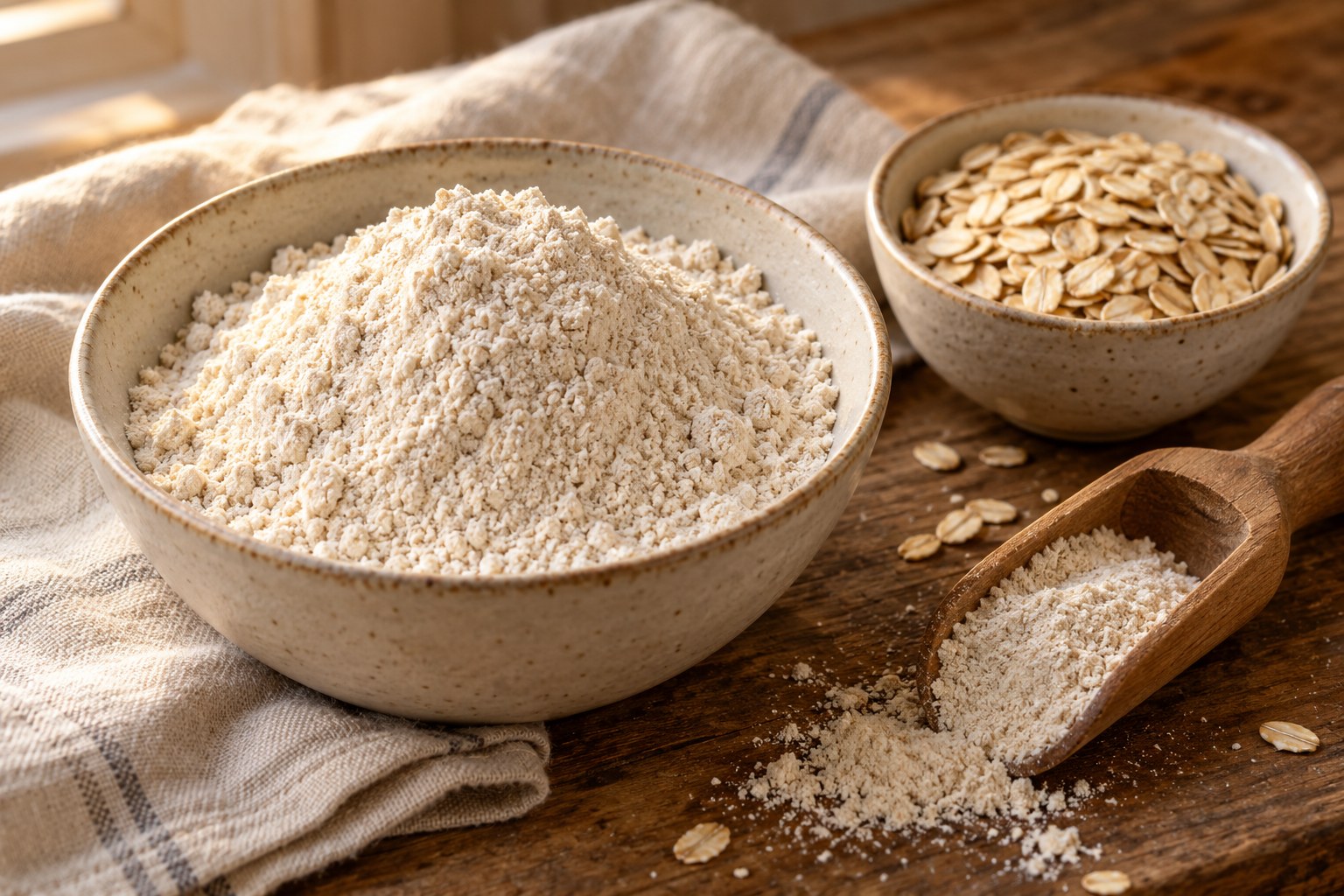
Oat flour is ground oats, usually produced from cleaned, dehulled oat groats or processed oat products. It brings the flavour and many characteristics of oats into a finer texture. Commercial varieties differ in particle size and processing; homemade oat flour may be coarser. In a cake or pancake, that difference can affect how smooth the batter feels.
Is oat flour gluten-free?
Pure oats do not contain the same gluten proteins as wheat, barley and rye, but ordinary oats can be cross-contacted with gluten-containing grains during growing and processing. People with celiac disease should choose properly labelled gluten-free oats and oat flour, follow medical guidance, and be aware that some individuals react to oat avenin. A package that merely says 'oats' is not a guarantee of gluten-free handling.
Why oat flour is not all-purpose flour
Wheat flour develops gluten when its proteins hydrate and are mixed; that network contributes elasticity and holds gases in breads and some cakes. Oat flour lacks that same gluten network, so it often needs eggs, starches or other binders in a formula. Simply replacing all wheat flour by volume can leave a fragile, dense or crumbly bake.
Oat flour versus ground oatmeal
Rolled oats can be ground into flour in a blender or processor. The resulting material may contain small flakes unless processed finely enough. Steel-cut oats are harder and may be difficult for ordinary appliances to grind uniformly, so do not assume every oat product can be processed identically. Use clean, dry equipment and follow its manufacturer instructions.
Making homemade oat flour
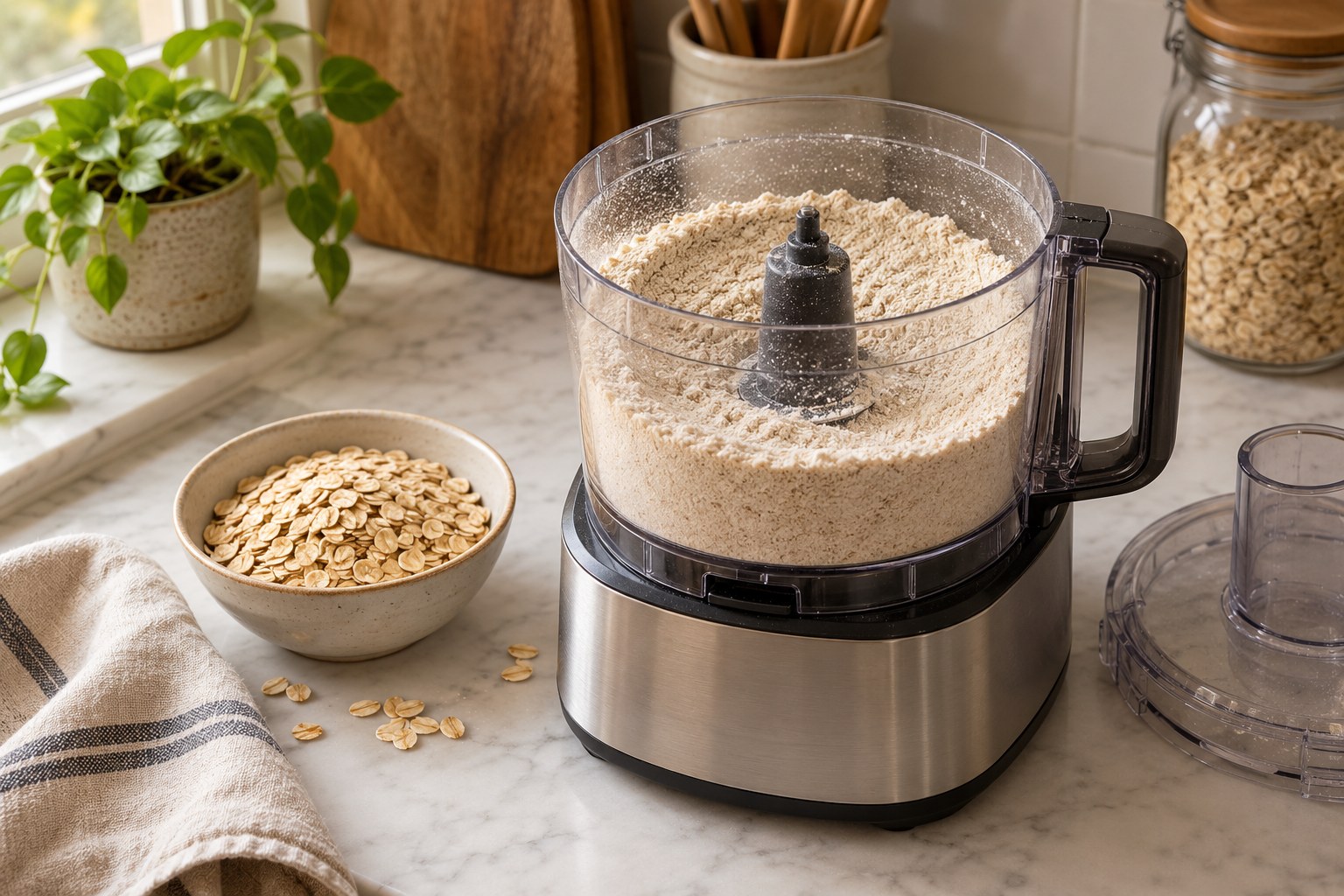
For a small batch, place suitable dry rolled oats in a clean food processor or capable blender and process until finely ground. Stop to scrape or shake the container if the appliance instructions permit. Allow any dust to settle before opening. Measure the resulting flour by the weight required in the recipe, not by assuming one cup of rolled oats becomes one cup of flour.
Homemade versus store-bought
Commercial oat flour is often ground more consistently, making it helpful for fine-textured cakes or recipes using a high oat-flour percentage. Homemade flour is convenient for casual pancakes, muffins or cookies, but it may retain a slightly grainy texture. If a recipe performs poorly, consider the flour's particle size before changing its liquid or leavening.
Can you substitute oat flour one-for-one?
Not as a general rule. Some recipes can tolerate replacing a measured portion of wheat flour with oat flour; others need additional binding and hydration adjustments. King Arthur Baking's gluten-free guidance classifies oat flour as a naturally gluten-free specialty flour, not an all-purpose 1:1 replacement. Use a recipe developed for oat flour whenever the amount is substantial.
Partial substitution in a wheat recipe
For a baker experimenting with a favourite muffin or cookie recipe, replacing only a small portion of the all-purpose flour can be a gentler starting point than replacing all of it. Keep the rest of the recipe unchanged for the test, weigh flour accurately and evaluate rise, tenderness and spread. The permissible percentage depends on the formula, so do not promise a universal upper limit.
Oat flour in muffins
Oat flour brings a pleasant grain flavour to blueberry, apple and banana muffins. Many successful recipes combine it with wheat flour or a suitable gluten-free blend. Oat flour can create a tender texture, but too little binding may leave a muffin fragile. A tested Blueberry Oat Breakfast Muffins formula offers an example of a balanced approach.
For a comparison, Protein Banana Oat Muffins use rolled oats and whole-wheat flour. They are an oat-based formula, not an oat-flour substitution guide.
Oat flour in pancakes
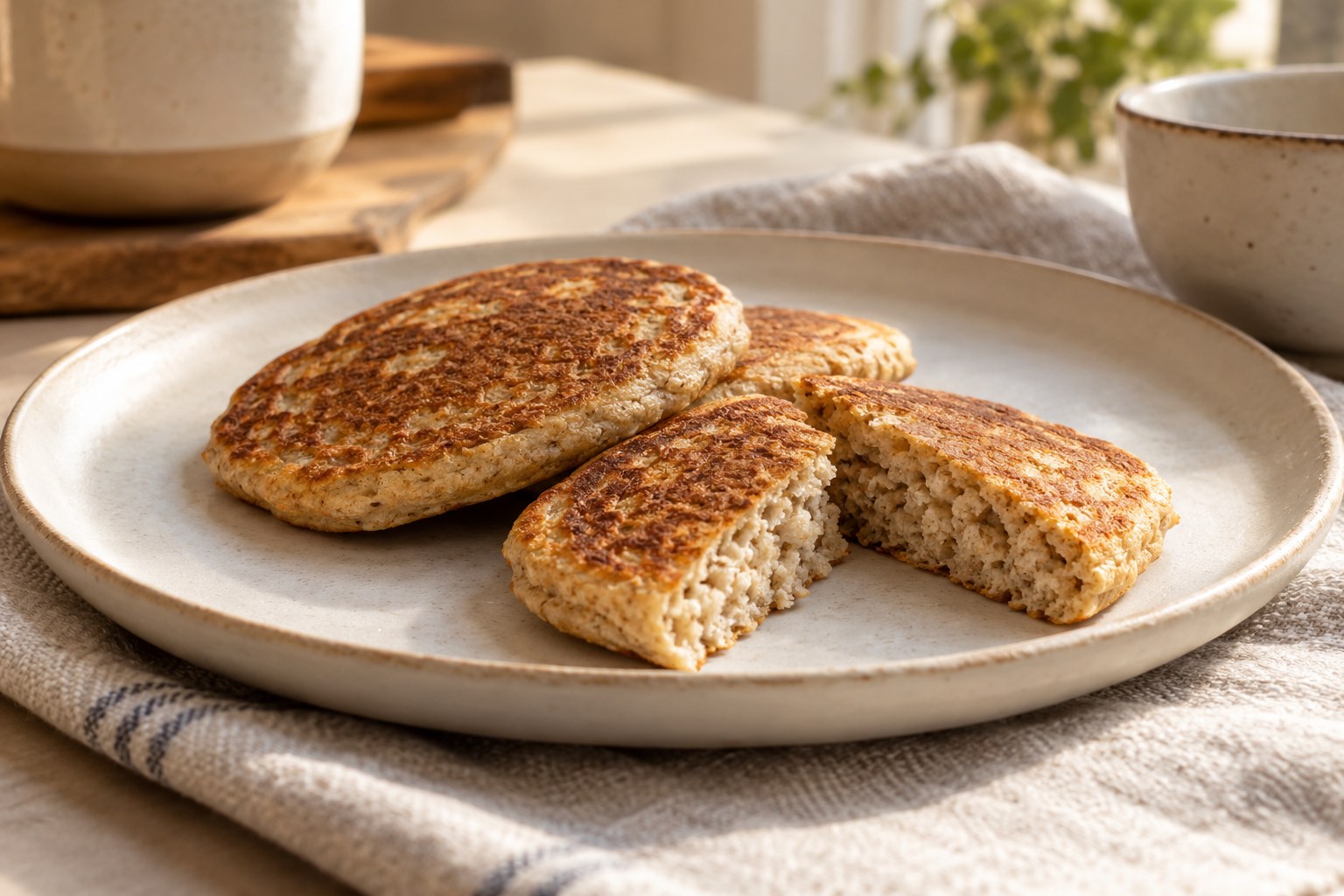
Pancakes are often more forgiving than tall layer cakes because they cook in small portions and need less long-range structure. A dedicated oat-flour pancake formula will specify the eggs, liquid and rest time needed for the flour to hydrate. If the batter thickens as it rests, adjust only according to the recipe rather than adding unmeasured milk.
Oat flour in cookies
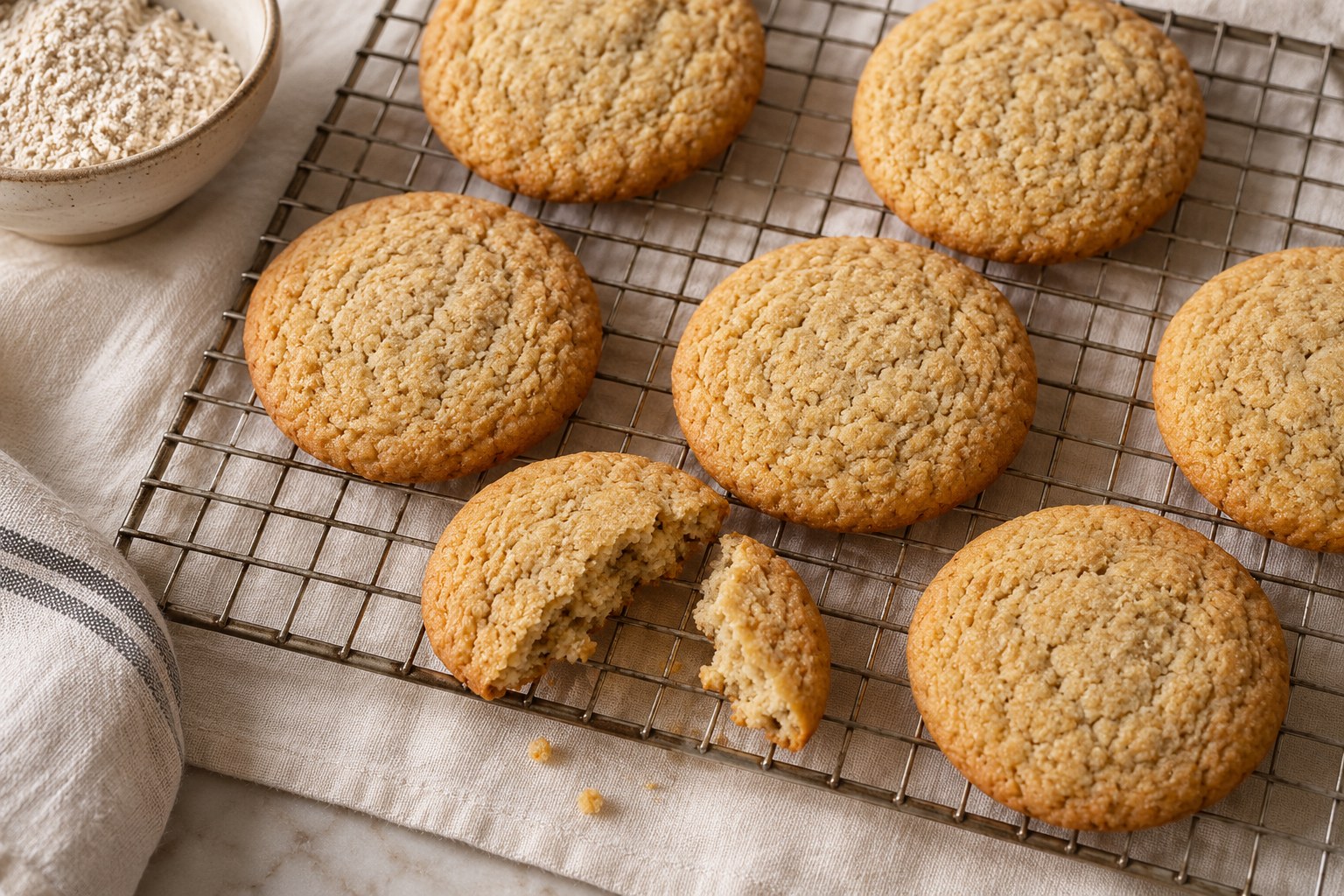
Oat flour can contribute a soft bite and toasted oat flavour. Cookies made primarily with it may spread or crumble differently from all-purpose-flour cookies. Sugar, fat and egg content are especially important. For predictable results, choose a cookie recipe designed for oat flour rather than replacing wheat flour in a favourite chewy cookie without testing.
Our Oatmeal Chocolate Chip Cookies use rolled oats and wheat flour. That texture is different from a cookie formulated primarily with finely ground oat flour.
Oat flour in cakes
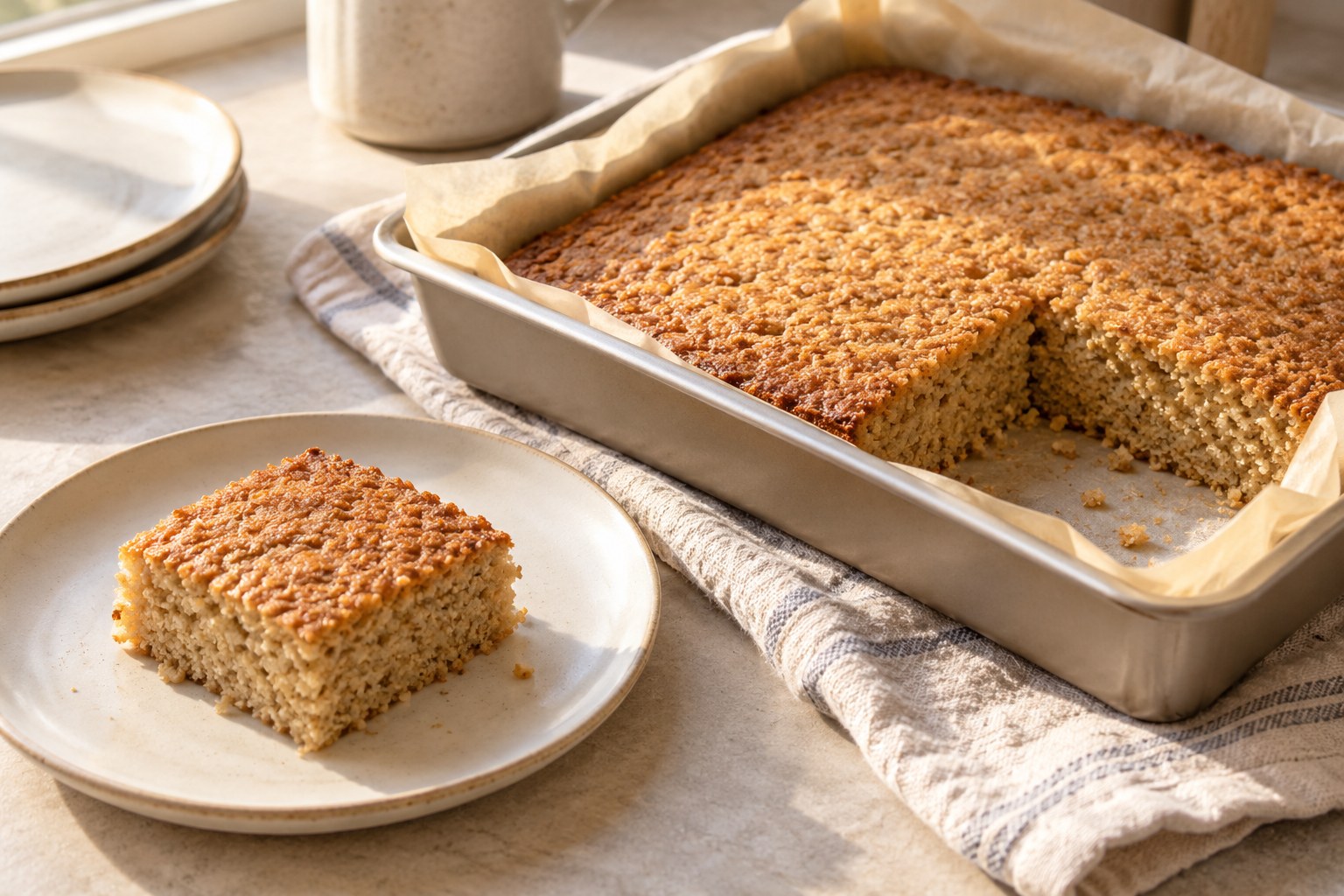
A tender snack cake or small loaf can be a natural place to use oat flour, provided the recipe accounts for structure. Very tall layer cakes and airy sponge cakes are more demanding. Flour weight, eggs, starch and moisture matter; a successful wheat cake might require an entirely new formula to work with 100% oat flour.
Oat flour in yeast bread
Ordinary yeast bread depends on dough strength and elasticity. Oat flour does not supply gluten in the manner bread flour does, so a loaf made entirely with it needs a purpose-built gluten-free structure and method. A small portion in a wheat loaf may add flavour, but the dough's handling and hydration can change.
Compare Honey Oat Sandwich Bread and Oatmeal Sandwich Bread. Both use soaked rolled oats alongside wheat flour; neither shows that oat flour can replace bread flour one for one.
How oat flour affects moisture
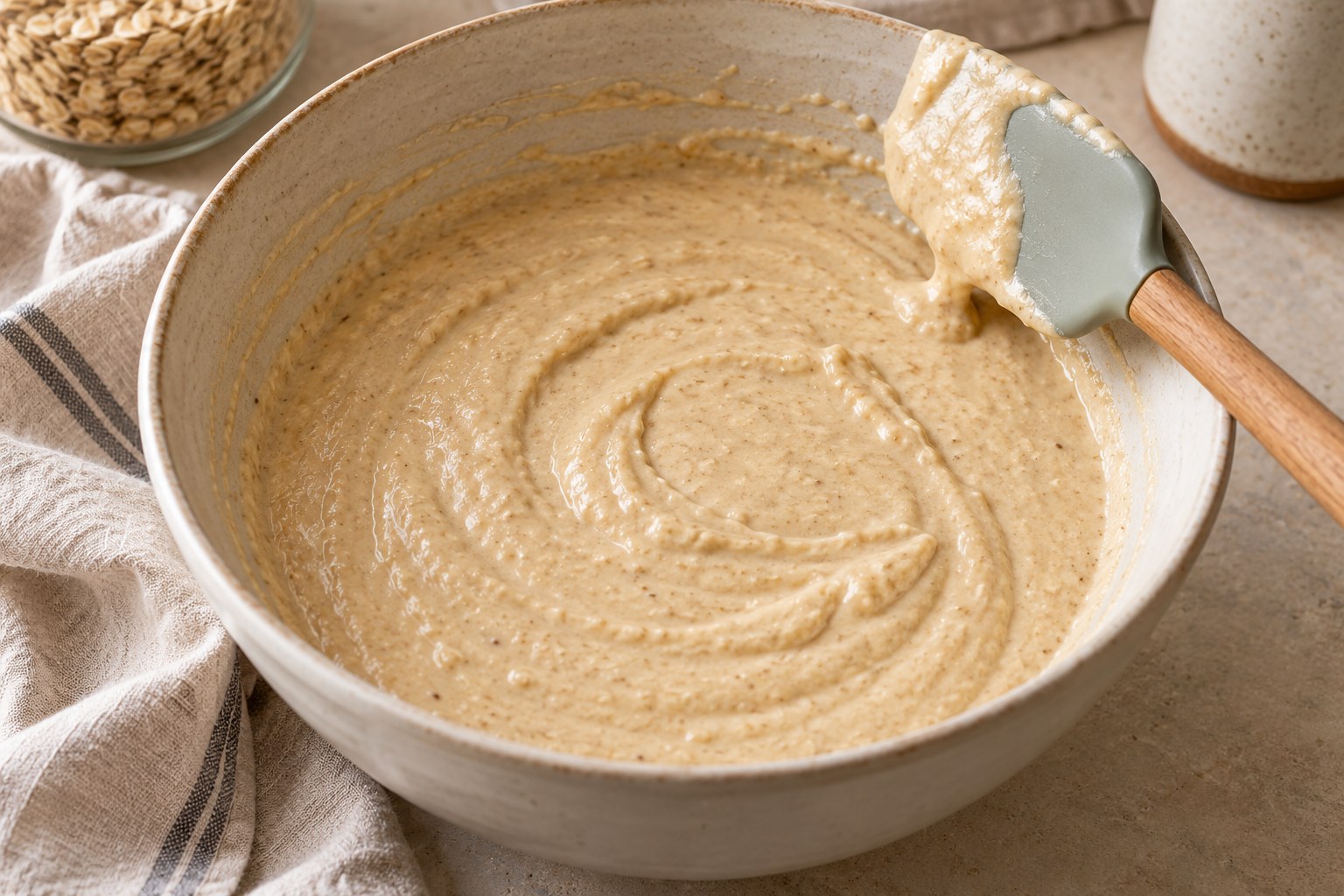
Oat flour contains soluble fibre and starches that interact with liquid differently from wheat flour. Batters may thicken after mixing, and the finished crumb can feel more moist or tender in some formulas. Longer resting isn't always better, however, because leavening may begin working as soon as wet and dry ingredients combine. Follow the recipe's timing.
Why your oat-flour cake turned gummy
An excessively wet formula, insufficient structure or incomplete baking can produce a dense, gummy centre. Coarse homemade oat flour may also hydrate unevenly. Review the recipe's flour weight, binder, pan size, bake time and cooling instructions before trying to correct the result with extra flour.
Why your cookies crumble
Without a suitable binding system, oat-flour dough may not hold together as firmly as a conventional wheat dough. Overbaking or slicing while warm can increase breakage. Let cookies cool as directed; their structure may firm as they cool. For the next batch, use a tested oat-flour recipe rather than adding an arbitrary extra egg.
Oat flour versus almond flour
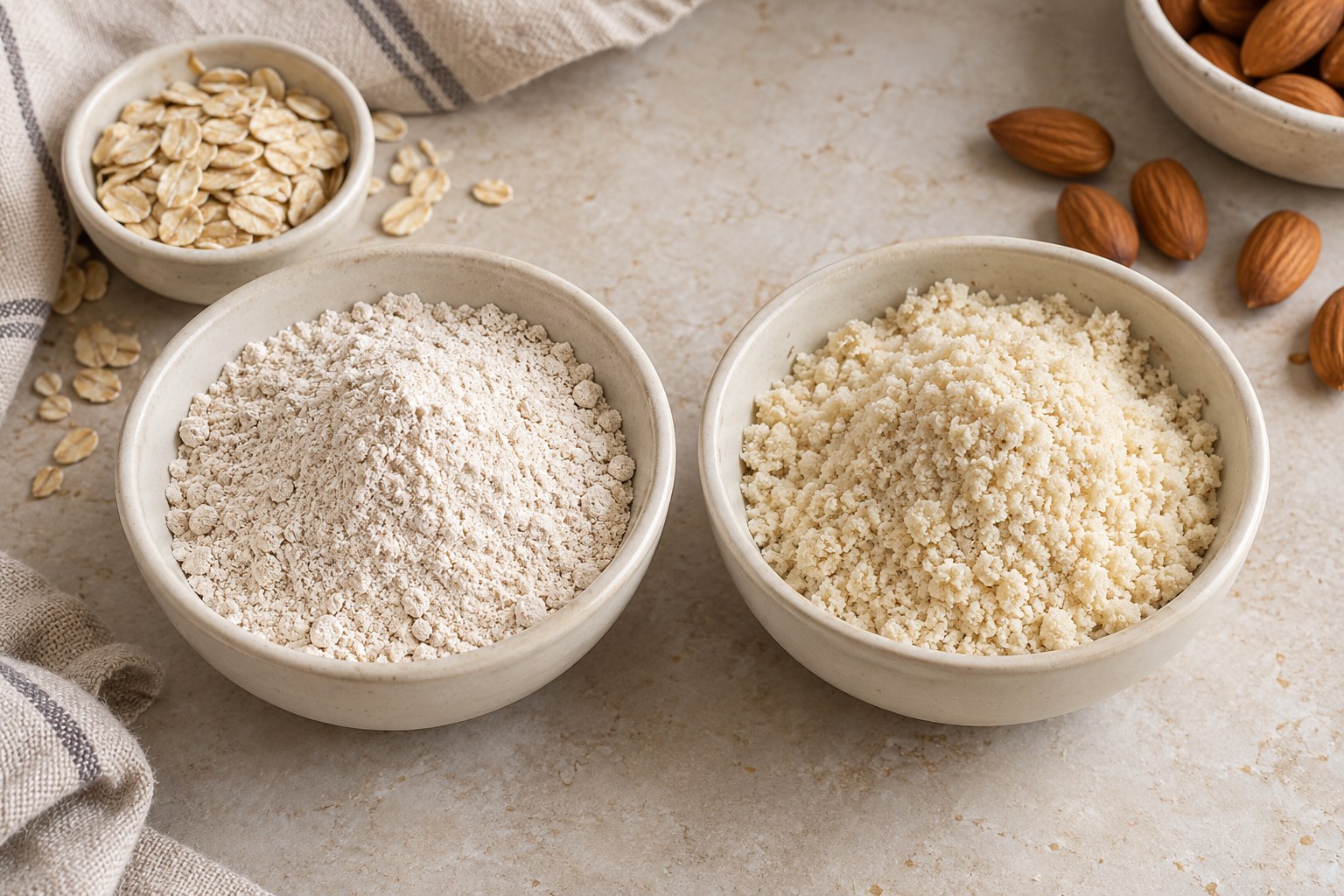
Almond flour contains significant fat from nuts and often yields a rich, tender result. Oat flour is starchier and behaves differently with water; neither substitutes directly for the other in a structured bake. Almonds are also tree nuts, which adds a separate allergy consideration.
Oat flour versus coconut flour
Coconut flour absorbs liquid very strongly and can require far more eggs or other fluid than oat flour in recipe-specific formulas. Treat them as distinct ingredients. A swap from oat to coconut flour cannot be assumed even if both are used in wheat-free baking.
Measuring oat flour correctly
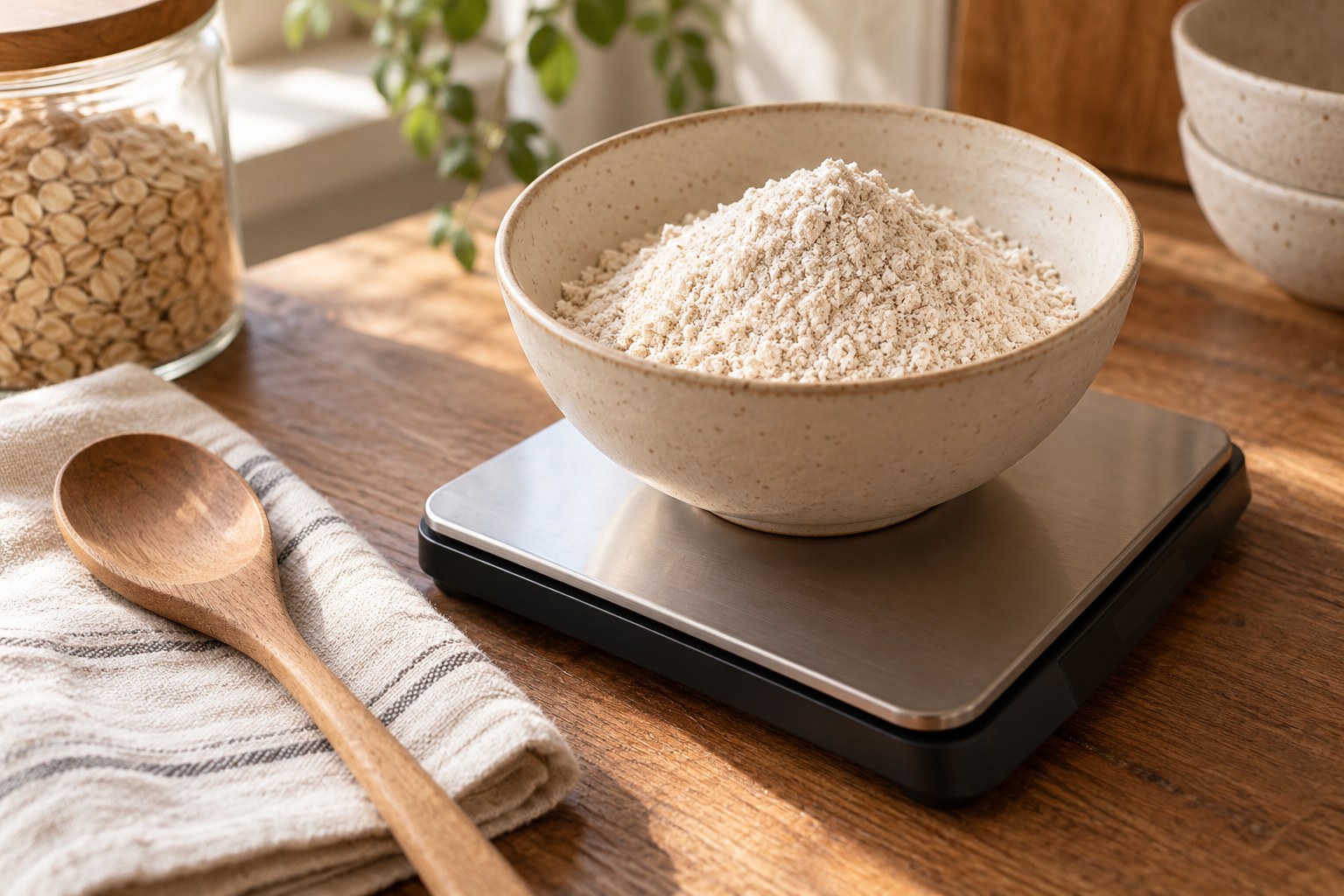
A cup of fluffy freshly ground oat flour can weigh differently from a packed cup, so use grams when provided. Spoon-and-level methods also depend on how finely the flour is milled. If you need to grind a large quantity, weigh the flour after grinding so your recipe receives the intended amount.
Storage and freshness
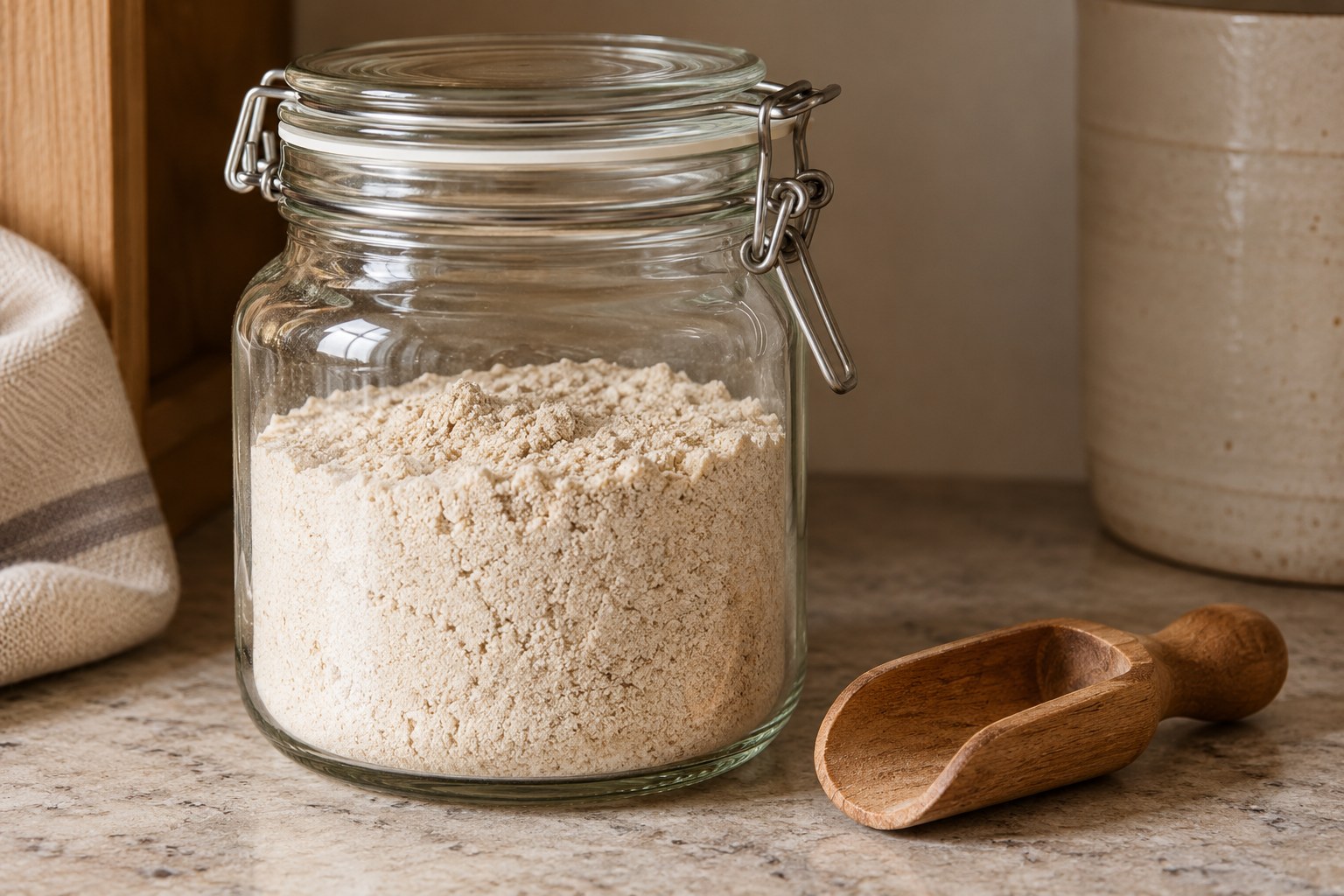
Keep oat flour in a clean, airtight container away from moisture, heat and strong odours. Whole-grain flours contain oils that can deteriorate over time, so follow the manufacturer's storage guidance, particularly after opening. If your homemade flour smells stale or rancid, don't use it for baking.
Frequently asked questions
Can I make oat flour from rolled oats? Often yes, with a suitable grinder and a fine enough result. Is oat flour automatically gluten-free? No; certification and cross-contact matter. Does it replace plain flour 1:1? Not reliably. Can I make bread with it? Use a yeast-bread recipe developed for oat flour or a tested blend.
The best way to start
Try one recipe specifically written for oat flour, such as pancakes or breakfast muffins. Notice how the flour hydrates and how the finished crumb feels. Once you know its behaviour, test small measured substitutions in other forgiving bakes, recording the weights and results.
Our Oat Flour Banana Bread is written for oat flour and is a better starting point than a blind one-for-one swap in a wheat recipe.
Further reading: King Arthur Baking technique reference.
IN PICTURES
From the baking notebook
FROM THE RECIPE BOX


