On this page
Children don't need an electric mixer to enjoy making something delicious. A sturdy bowl, whisk, spatula and a few measured ingredients can be enough for muffins, brownies, simple cakes and plenty of other recipes. Hand mixing also lets young bakers see the batter change and gives them a more direct role in the process.
The trick is choosing recipes that are actually written for mixing by hand. Some cakes rely on vigorous creaming of butter and sugar, while others are designed around a simple whisk or fold. These no-mixer baking recipes for kids are ideas for choosing the right projects, not an invitation to ignore the method in a recipe developed for a stand mixer.
Why Start with No-Mixer Baking?
Without a motor running, it can be easier to explain how ingredients combine. Children can learn to count scoops, measure accurately, whisk until smooth and stop mixing when the recipe says the batter is ready. The process is often quieter and easier to organize for a family baking afternoon.
Hand mixing also reduces the need for children to work near moving beaters. It doesn't eliminate ordinary kitchen hazards, though: hot ovens, raw batter, sharp tools and heated sugar still require adult supervision.
Essential Tools for a Hand-Mixing Baking Day
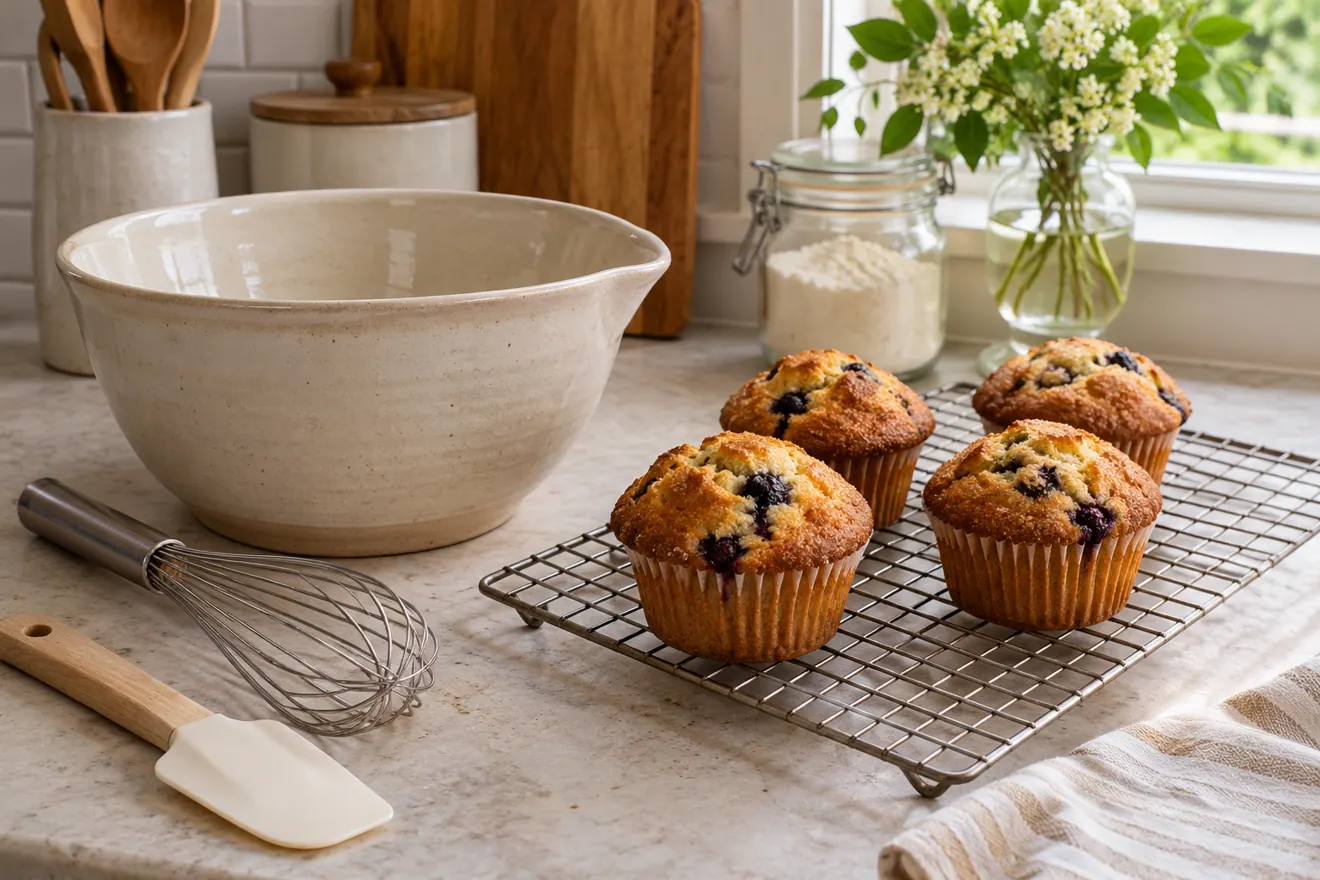
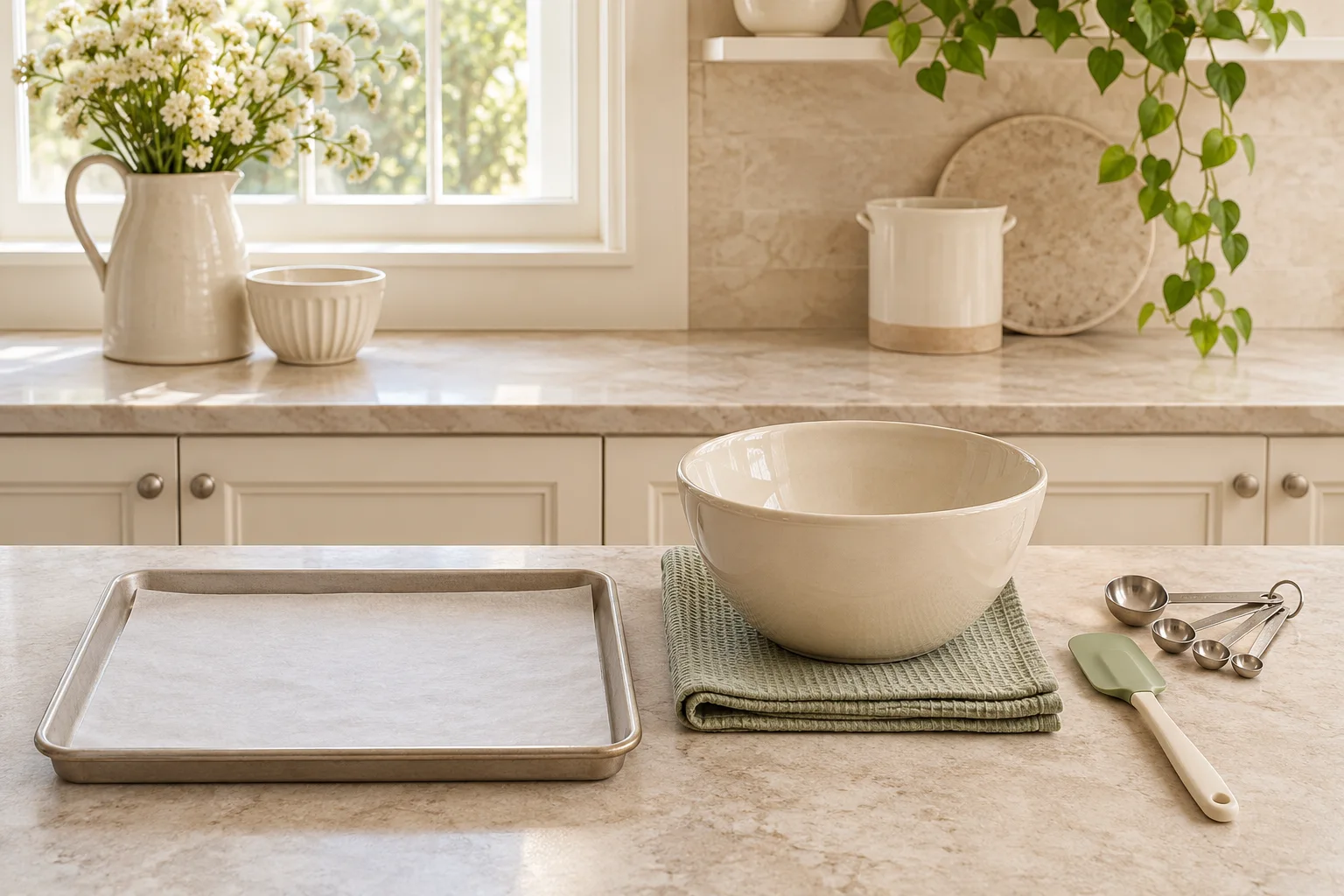
A large stable bowl, silicone spatula, balloon whisk, measuring cups or digital scale, parchment and a suitable baking pan cover many beginner projects. Add a muffin scoop, child-appropriate cookie cutter or pastry brush only when the recipe needs it.
Use a nonslip mat under the mixing bowl when helpful, and give children enough counter space to work without reaching over hot equipment. Prepare ingredients ahead for toddlers and let older children practice measuring.
Choose the tool by the cue in the method. Use a whisk when a light, even mixture is the goal and a spatula when you need to scrape to the bottom and fold. Use a spoon for thicker dough when the instructions call for stirring. A damp cloth beneath the bowl helps steady it for a small helper.
1. Banana Muffins
A recipe specifically designed for hand-mixed banana muffins is an excellent first project. Children can mash ripe bananas with a fork, combine wet ingredients in one bowl and gently fold them into the dry ingredients. The visible pieces of banana make the process interesting without complicated technique.
Don't keep mixing until every tiny lump disappears. Many muffin recipes work best when the ingredients are just combined. Follow the formula's flour and banana quantities so the muffins don't become heavy or wet.
Protein Banana Oat Muffins demonstrate the separate wet and dry bowls, then gentle mixing. Check the optional nuts and the protein powder ingredients.

2. Chocolate Brownies
Some cocoa brownie recipes use a whisk and spatula instead of a mixer. Children may enjoy watching cocoa combine into a glossy batter, but an adult must manage any hot melted butter or chocolate specified in the method.
Choose a tested hand-mixed recipe, measure ingredients carefully and bake until the specified doneness cues are met. Let the pan cool fully before children handle or slice the brownies.
Use Air Fryer Brownies for a whisk-and-spatula brownie method that calls for no electric mixer.

3. One-Bowl Vanilla Snack Cake
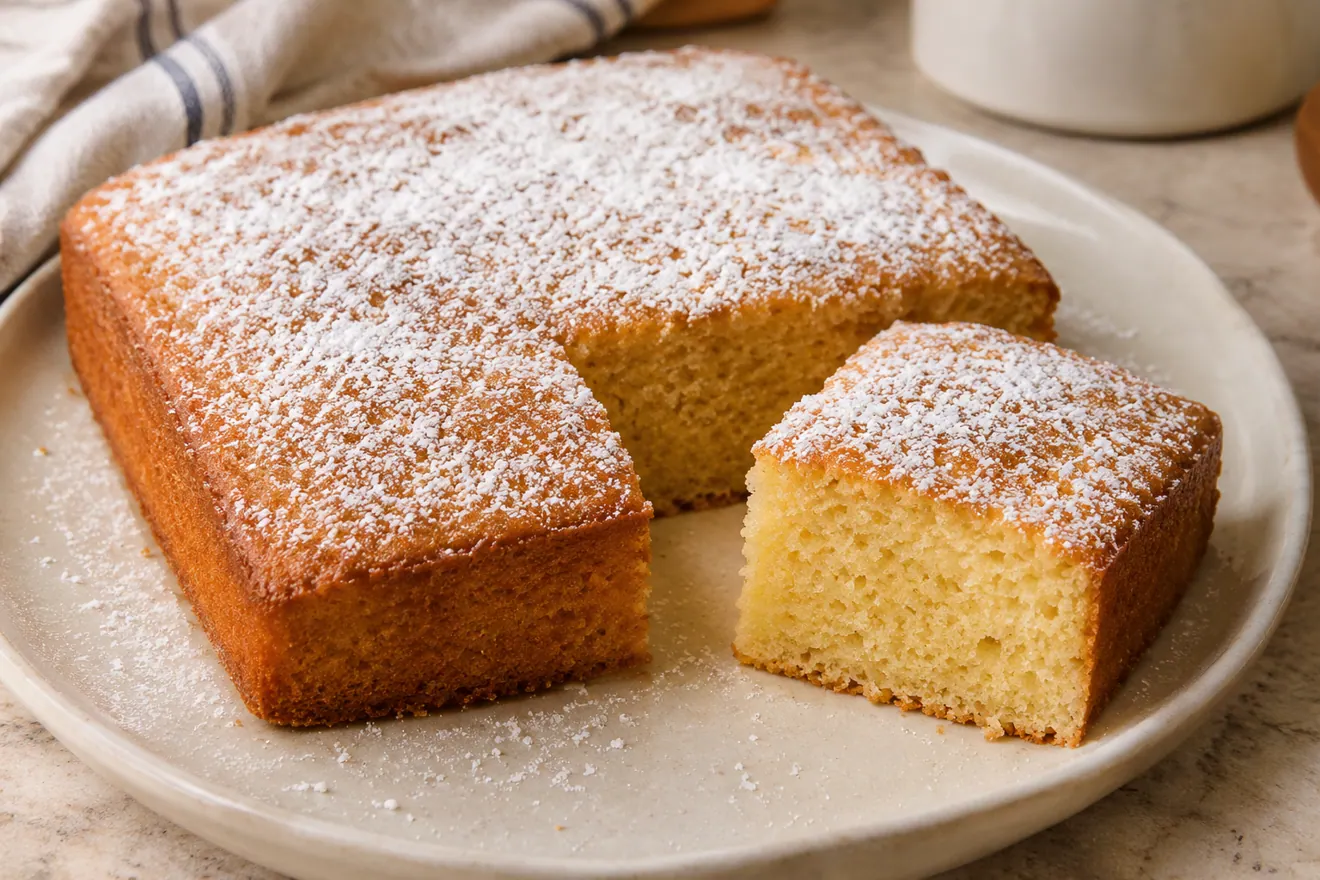
Certain snack cakes are designed for a simple whisked batter and a square or round pan. They can make a great family birthday project because frosting is optional and the cake can be served directly from the pan.
Check whether the recipe uses oil or melted butter; those methods often differ from a traditional creamed-butter sponge. Let the cake cool before decorating with icing or fruit.
4. Apple Cinnamon Muffins
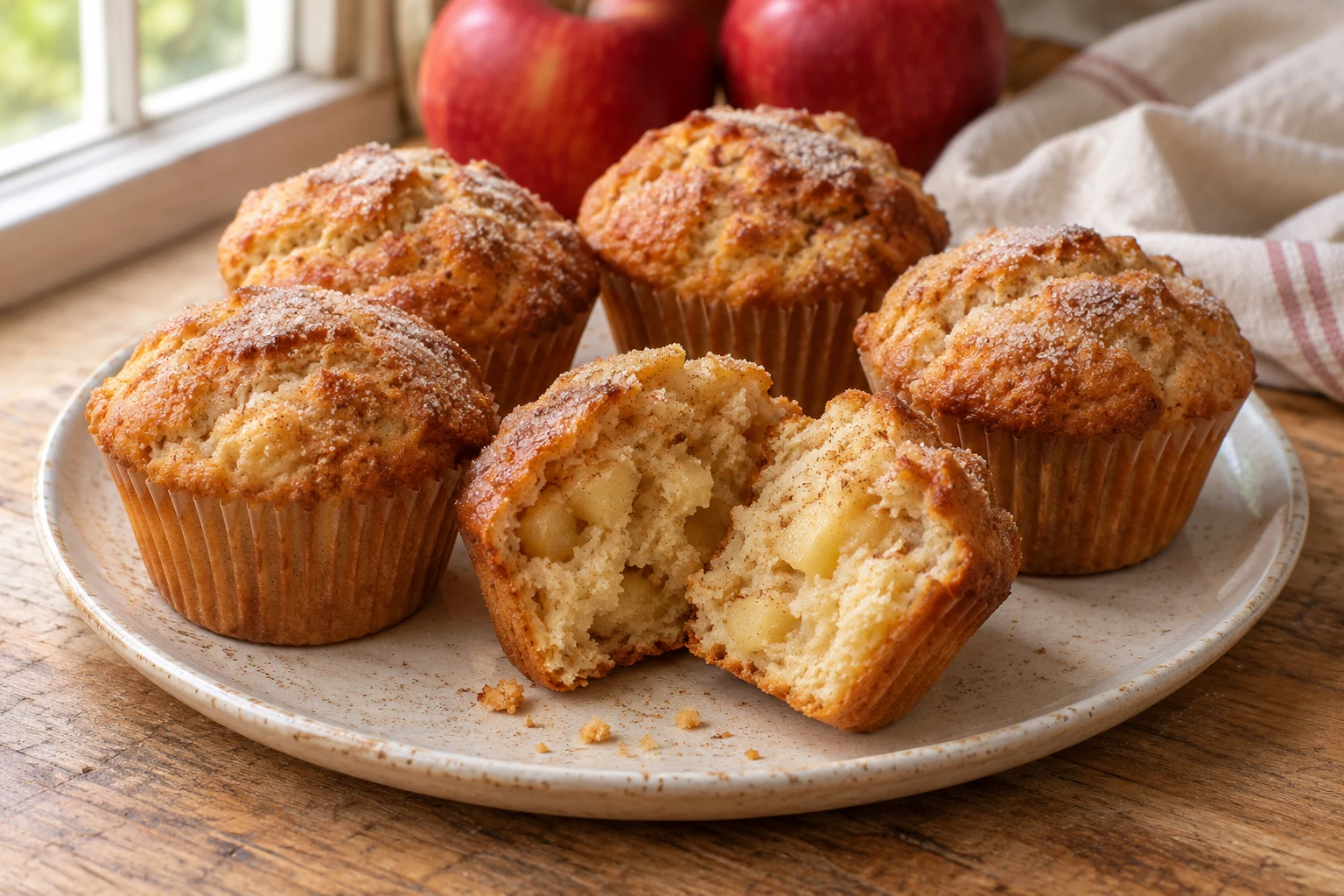
Apple muffins are useful when you want children to practice folding fruit into a batter. An adult can prepare the apple pieces with a sharp knife while younger helpers measure cinnamon, count muffin liners and stir the mixture.
Use the fruit size and quantity specified by the recipe. Large or excessive pieces can create wet pockets in the finished muffin.
Our Apple Cinnamon Muffins use a whisk for the dry ingredients. Follow the recipe’s mixing sequence and apple size.
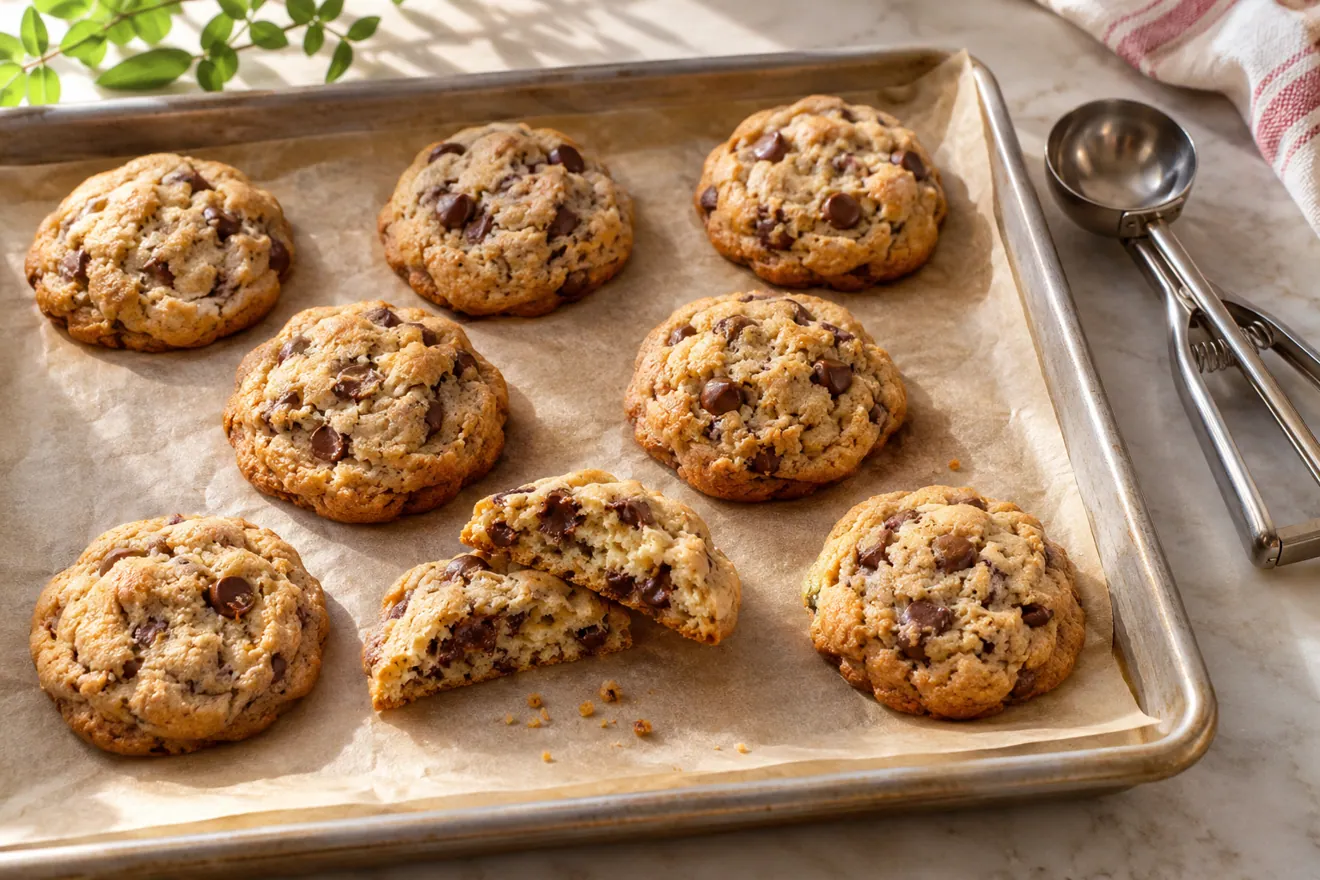
5. Simple Drop Cookies
Not all drop cookies require an electric mixer. Some recipes use melted butter and are written to be stirred with a spatula. A child can scoop dough onto a tray and watch the portions spread in the oven.
Don't substitute hand mixing for a creaming step unless the recipe supports it. For a child-friendly first cookie, choose a melt-and-stir or oil-based formula specifically developed for the method.
6. Fruit Crumble
A fruit crumble is one of the most approachable baking projects because the filling and topping are prepared separately. Children can measure oats or sugar and rub or stir a crumb mixture using the method specified, while an adult cuts the fruit.
Apples, pears and berries all release different amounts of juice. Use a recipe developed for the fruit and thickener involved, rather than swapping ingredients blindly.
Our Air Fryer Apple Crisp gives a hand-mixed topping for a small batch.

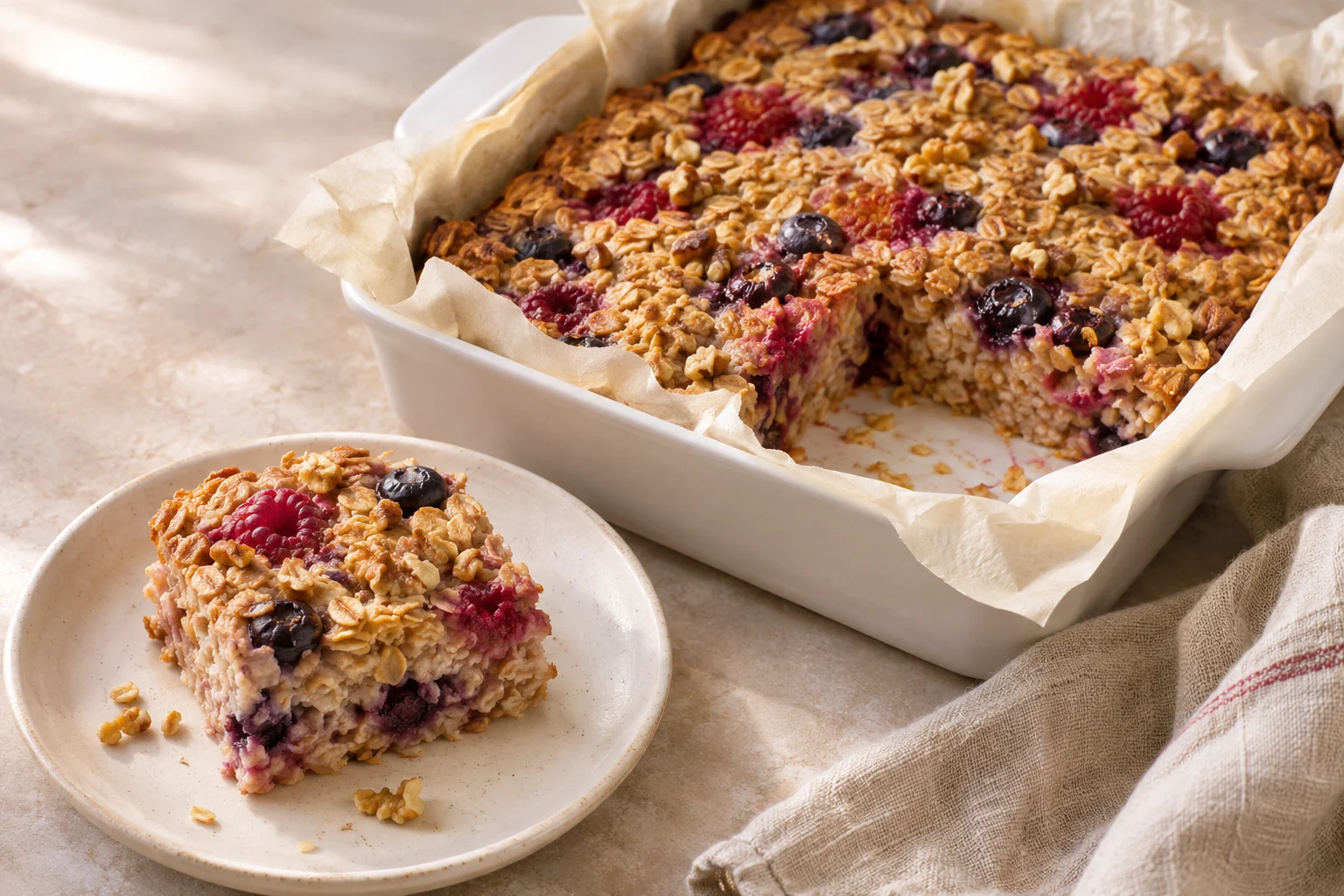
7. Baked Oatmeal
Many baked oatmeal recipes require only a bowl and whisk. Children can stir oats with the prescribed milk, egg or binder and add approved fruit or spice. The batter is usually poured into a baking dish rather than shaped.
Egg- and dairy-rich baked oatmeal must be cooked and refrigerated appropriately. Follow the recipe's storage and reheating instructions.
Try Baked Oatmeal for a bowl-and-whisk project. Check for nuts, cook the centre to 74°C (165°F), and refrigerate leftovers promptly.
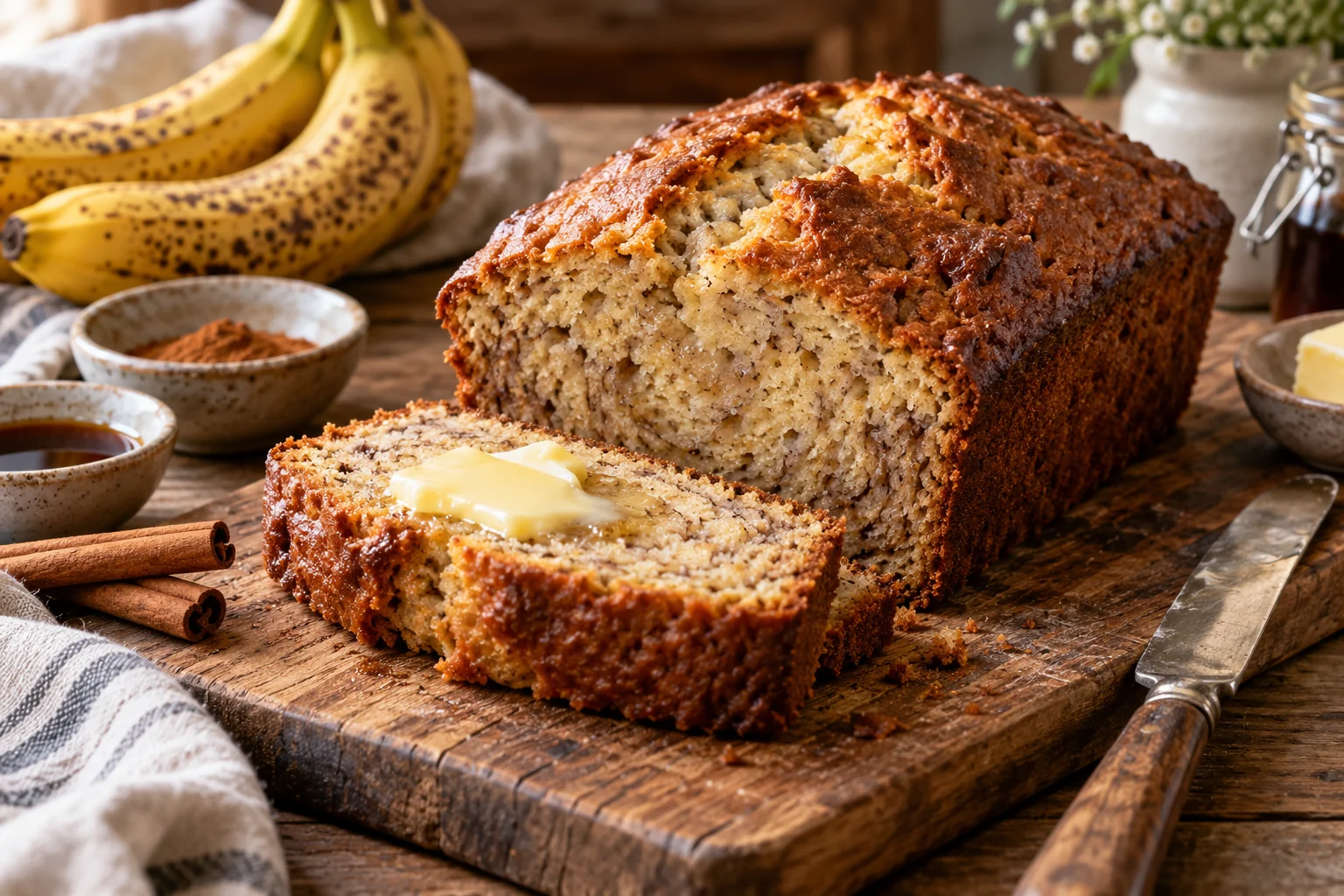
8. Easy Quick Bread
A pumpkin, banana or zucchini quick bread can teach patience. Mix wet and dry ingredients as instructed, fold gently and pour into a suitable loaf pan. Because quick bread takes longer to bake than small muffins, a child may enjoy checking its progress from a safe distance.
Moist additions affect structure. Use the specified fruit or vegetable quantity and avoid extra spoonfuls simply to use up leftovers. Cool before slicing so the center finishes setting.
Classic Banana Bread shows how to stir wet and dry ingredients together with a gentle hand.
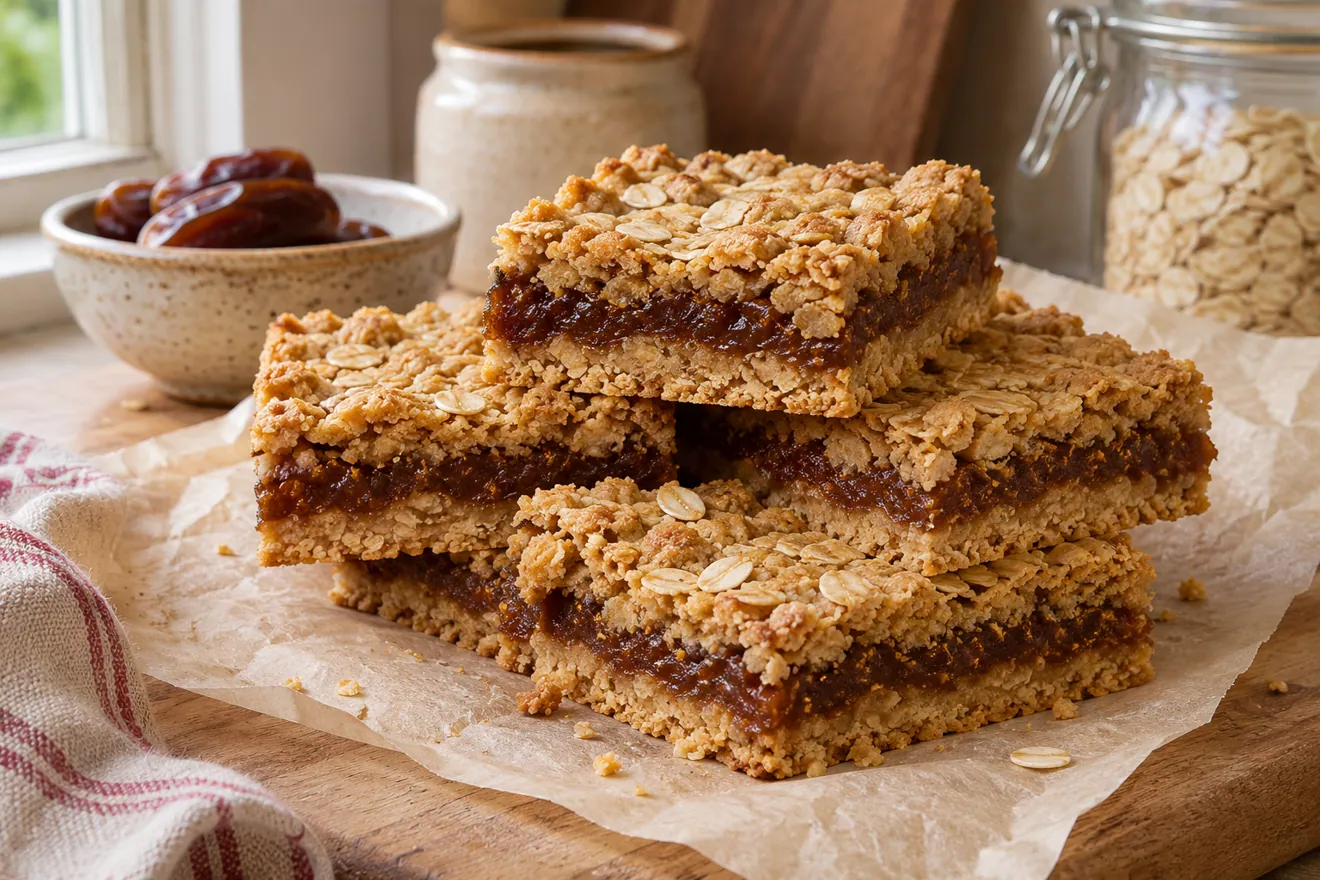
9. Oatmeal Bars
Bar recipes that use melted butter or oil may be simple to mix by hand. Children can measure oats, stir dry ingredients and help press a mixture evenly into a lined pan with a suitable safe utensil.
Choose a formula designed for bars. Trying to turn any cookie dough into a pan of bars can require different bake times and thickness adjustments.
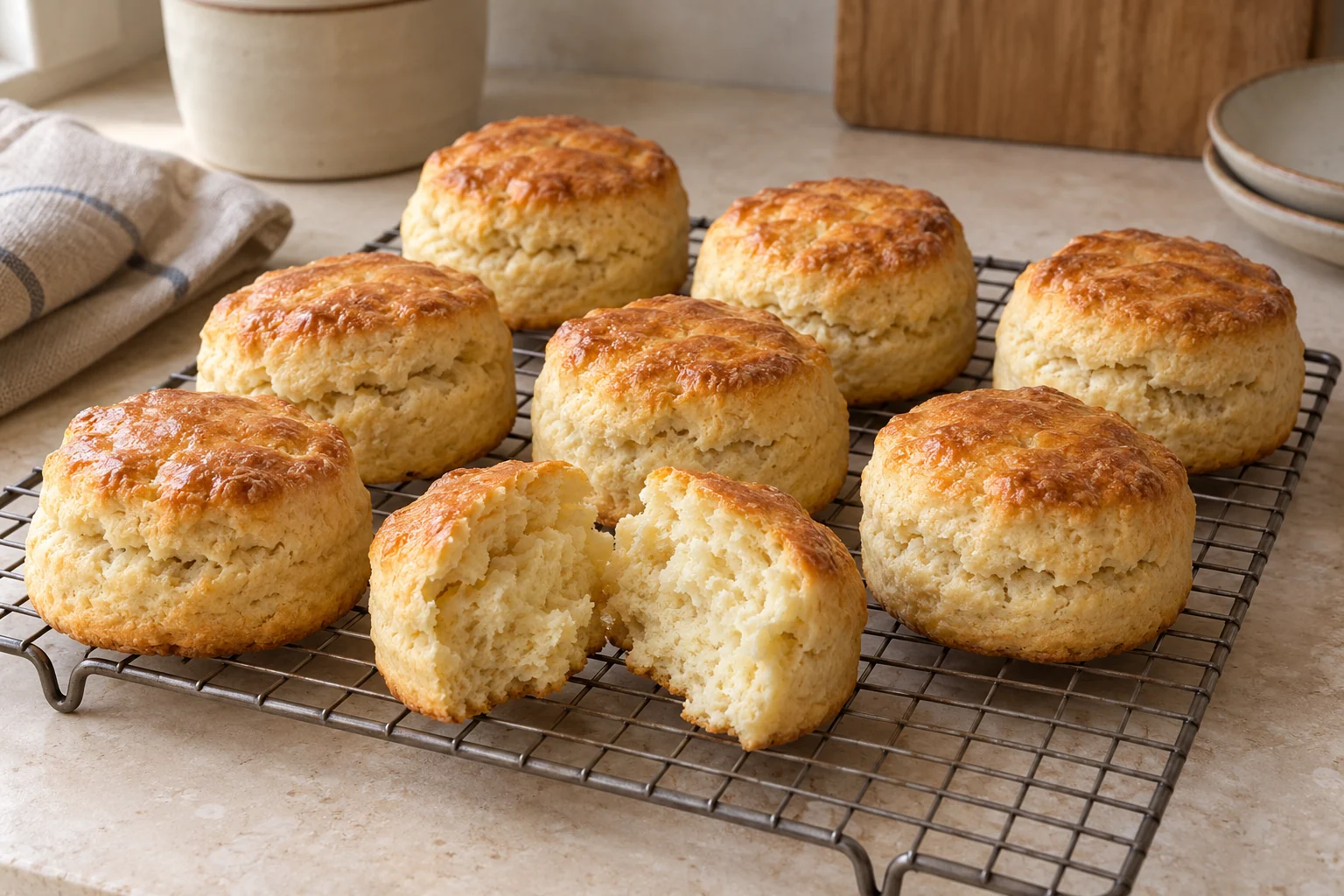
10. Scones Made by Hand
Our basic scones recipe provides a hands-on example of cutting cold butter into flour and bringing dough together without relying on a stand mixer. Assign cutting and oven tasks to an adult when baking with children.
Scones are a good next-level project for older children who want to learn about cold butter and gentle handling. Many recipes are intentionally mixed by hand using a pastry cutter, fingertips or a fork.
Avoid working dough until smooth like bread. Overhandling may make scones tough, while warming the fat can change their lift and texture. An adult should cut and transfer shaped scones as appropriate.
11. No-Knead Bread
Some yeast breads rely on time and hydration rather than prolonged machine kneading. A child can help combine flour, water, yeast and salt with a spoon, observe how the dough changes and learn about fermentation.
No-knead does not mean instant. The dough may need a long rise, and some recipes use a dangerously hot Dutch oven that only an adult should handle. Read the full method before choosing it for a young child.
Start No-Knead Whole Wheat Bread in advance so children can compare the dough before and after its rise.

12. Homemade Granola
A baked granola recipe is often mixed with a spoon in one bowl. Children can measure oats, cinnamon or other permitted dry ingredients, then help stir the coating after an adult handles any heated syrup.
Spread evenly on the sheet and bake according to the formula. Allow full cooling so the texture develops. Check nut and seed allergies before baking for others.
For a smaller appliance batch, our Air Fryer Granola uses a bowl for dry ingredients and a whisk for the coating. An adult should handle the hot basket.

What About Pancakes and Waffles?
Many pancake and waffle batters are hand-mixed, but cooking requires hot equipment. An adult should manage the griddle or waffle iron while children assist with mixing and measuring. Use a recipe that gives clear batter-rest and cooking instructions.
For a baking-only activity, muffins and a simple snack cake may be easier because the hot cooking step takes place inside an adult-controlled oven.
Which Jobs Suit Which Ages?
Preschoolers
Try counting liners, pressing large cutters or stirring a small cool bowl with assistance. Keep sessions short and avoid small hard toppings that may pose choking hazards.
Early School Years
Measuring preselected ingredients, whisking and scooping batter into pans can be satisfying. Demonstrate one step at a time and supervise closely near raw ingredients.
Older Children and Teens
Invite them to read the recipe, measure by weight, understand why the mixing method matters and record changes in texture. Hot ovens and sharp equipment still require supervision appropriate to their experience.
How to Teach the Muffin Mixing Method
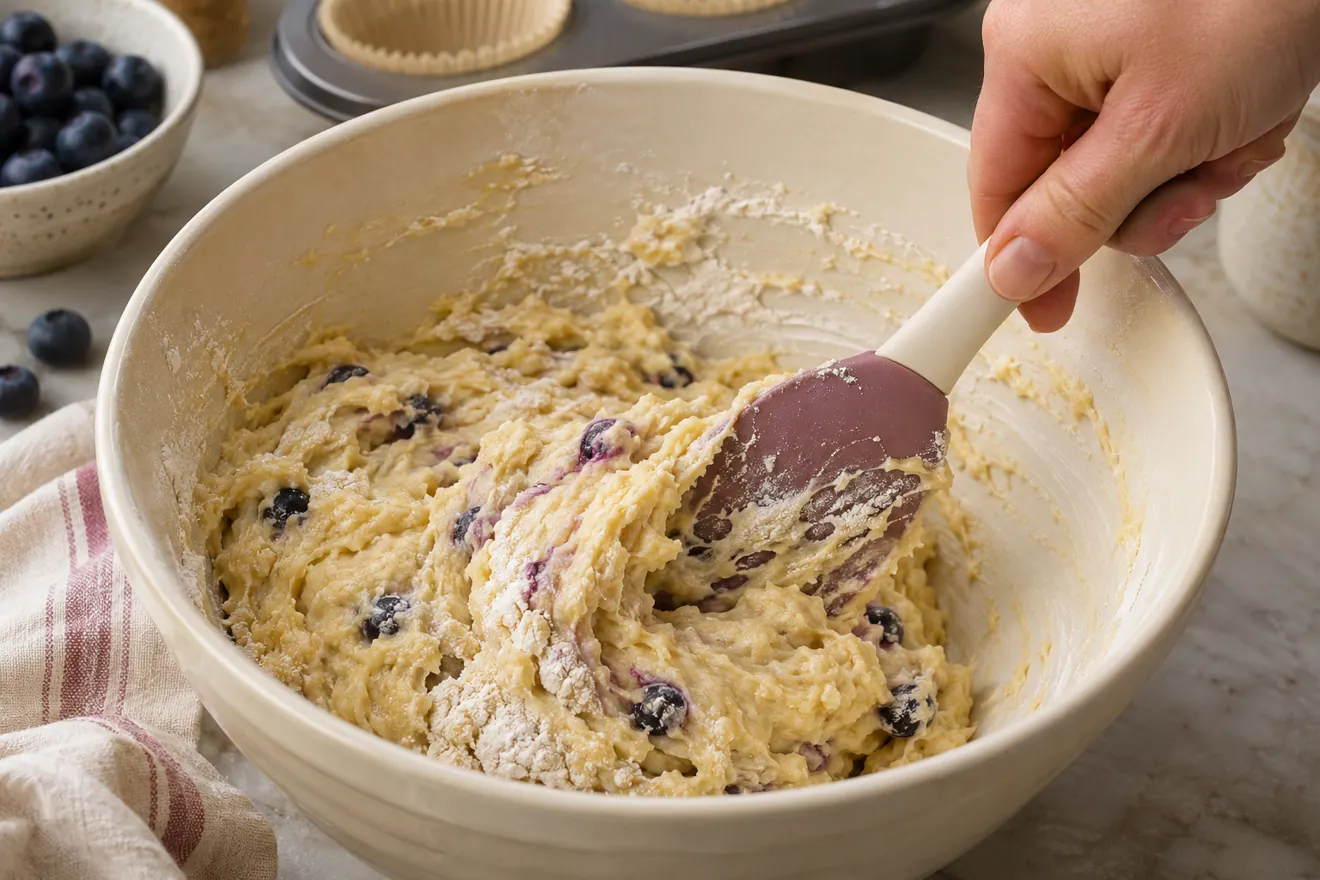
Start with a recipe written for separate wet and dry mixtures. Let a child whisk dry ingredients in one bowl and wet ingredients in another, then fold them together until the recipe's stated texture is reached. Explain that continued stirring after flour becomes hydrated can develop gluten and make certain muffins tough.
A few small lumps may be normal in some formulas, but the batter shouldn't contain pockets of unmixed dry flour. Follow the recipe rather than treating every lump as harmless.
Turn the bowl a little between folds so the spatula reaches every part of the mixture. Check the bottom for pockets of dry flour before portioning. A few small lumps can still be normal for some batters. Bake the mixture before anyone tastes it, and compare the cooled crumb together.
When a Recipe Really Does Need a Mixer
Some sponge cakes depend on whipped eggs for lift; certain butter cakes begin with thorough creaming; and meringues typically require substantial whipping. Those techniques may be impractical for children to perform by hand, particularly in larger batches.
Choose another recipe rather than skipping critical aeration. A cake recipe described as 'one-bowl' isn't necessarily hand-mixed; read the method, not just the title.
Read the mixing verbs before you set the ingredients out. If the method needs several minutes of electric creaming or asks for whipped eggs that hold a ribbon, save it for a mixer day. For hand mixing, pick a recipe that specifically combines melted fat or oil with the other wet ingredients or describes a deliberate whisk-and-fold method.
Kitchen Safety Without a Mixer
Wash hands before baking and after handling raw ingredients. Keep uncooked flour, eggs, dough and batter away from tasting spoons and finished food. An adult should handle knives, the oven, hot pans, and melted sugar or chocolate. Check allergies before sharing and choose soft toppings suitable for younger children. Health Canada’s flour handling guidance explains why baking is required before tasting dough.
Make a Simple 75-Minute Baking Plan
Choose a hand-mixed muffin or snack-cake recipe with a preparation, bake and cooling schedule that fits. Spend the first few minutes washing hands and gathering ingredients; let children complete measuring and stirring; then put them in charge of clearing the workspace while an adult manages the oven.
If the bake needs longer to cool before icing or eating, take a break. Don't rush a hot dessert just to finish the activity inside a fixed time.
Common Hand-Mixing Problems
The Batter Has Too Many Lumps
Check the recipe's expected texture. Use a whisk to break up dry ingredients before adding liquid when that method is specified. Don't overmix just to create an unnaturally smooth batter.
The Muffins Are Tough
Too much mixing after adding flour can be a cause, along with inaccurate flour measuring. Weigh ingredients and fold only as long as the formula requires.
The Brownies Are Dry
Overbaking, pan size and ingredient measurement can all contribute. The absence of a mixer is not necessarily the problem; compare your method and oven with the recipe.
The Dough Is Too Sticky
Some scone and cookie doughs are meant to be tacky. Follow the recipe's chilling or handling technique rather than pouring in extra flour immediately.
Frequently Asked Questions
Can kids bake cookies without an electric mixer?
Yes, with a cookie recipe developed for hand mixing, such as certain melted-butter formulas. Recipes requiring long butter creaming should not be casually converted.
What is the easiest baking recipe for a five-year-old to help with?
Hand-mixed muffins, a simple crumble or decorating fully cooled baked goods can offer clear, supervised tasks without complex tools.
Can I make cake batter with a whisk?
Some snack cakes are designed for that method, but whipped-egg sponges and certain butter cakes rely on aeration that a whisk may not provide easily by hand.
Is no-mixer baking better for learning?
It can make individual steps easier to observe, but the best learning experience is an age-appropriate, reliable recipe with safe supervision.
Small Tools, Real Baking Confidence
Hand mixing gives children a clear view of how ingredients become batter, dough and finally something edible. Pick formulas designed for a whisk or spatula, choose realistic jobs and allow time to learn. A bowl of muffin batter can teach just as much as an elaborate decorated cake.
Some images are AI-generated illustrations of the dishes and techniques described.
IN PICTURES
From the baking notebook
FROM THE RECIPE BOX


