On this page
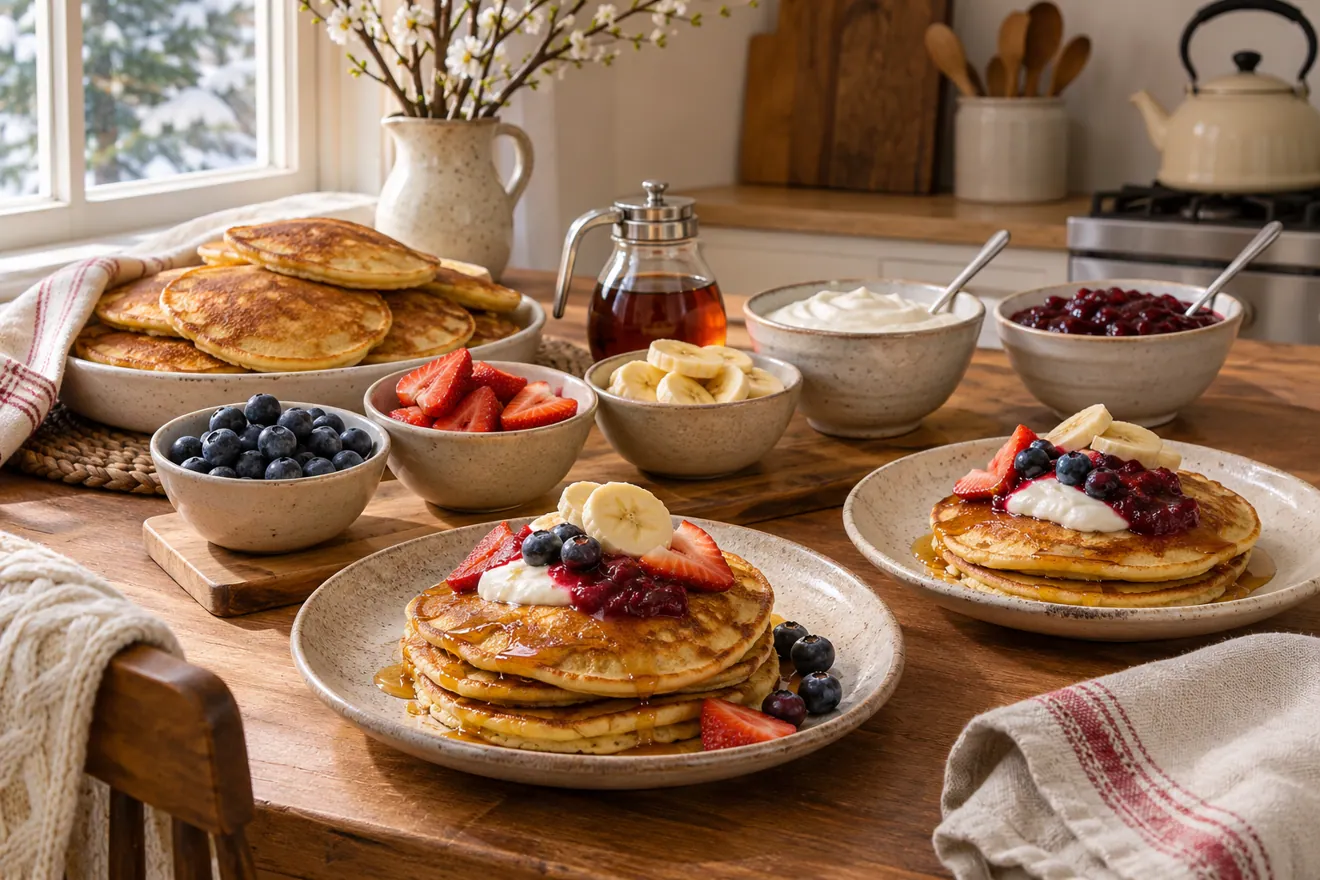
A pancake bar is one of the easiest ways to make weekend brunch feel like a celebration. Guests choose fruit, syrup and other toppings while you focus on making a good batch of pancakes. The challenge is keeping everything organized so pancakes don't go cold while a line forms around the stove.
Here's how to set up a pancake bar with a manageable menu, practical portions, a smooth cooking plan and a display that's welcoming rather than crowded.
Choose the Style of Pancake Bar
For a smaller group, cook traditional pancakes on a griddle and bring batches to the table. For a larger group, consider a sheet-pan pancake recipe developed for oven baking. You can also use a tested make-ahead pancake recipe if it specifies cooling and reheating instructions.
Don't turn a normal skillet batter into an oven recipe by guessing at a baking time. Batter depth, leavening and pan material influence the result.
Start with One Reliable Pancake Recipe
Use our one-bowl pancakes as a straightforward base: the published recipe makes eight pancakes, making it easy to calculate the number of batches you will need before preparing your toppings.
Classic buttermilk or milk-based pancakes are familiar and pair with many toppings. Choose a tested recipe, measure the flour accurately and follow the mixing instructions. Overmixing some pancake batters can make them tough.
If the recipe says to let the batter rest, include that time in your schedule. Cook a test pancake to check heat and consistency before making a full batch for guests.
Estimate How Many Pancakes You Need
The right number depends on pancake diameter, thickness, appetite and sides. Two or three moderate pancakes per adult can be a starting estimate when pancakes are the main dish; children and guests choosing other foods may eat fewer.
Use the recipe's stated yield instead of relying only on a rough number. If your batter makes twelve pancakes and you need thirty, determine whether the recipe can be scaled safely or prepare multiple original batches.
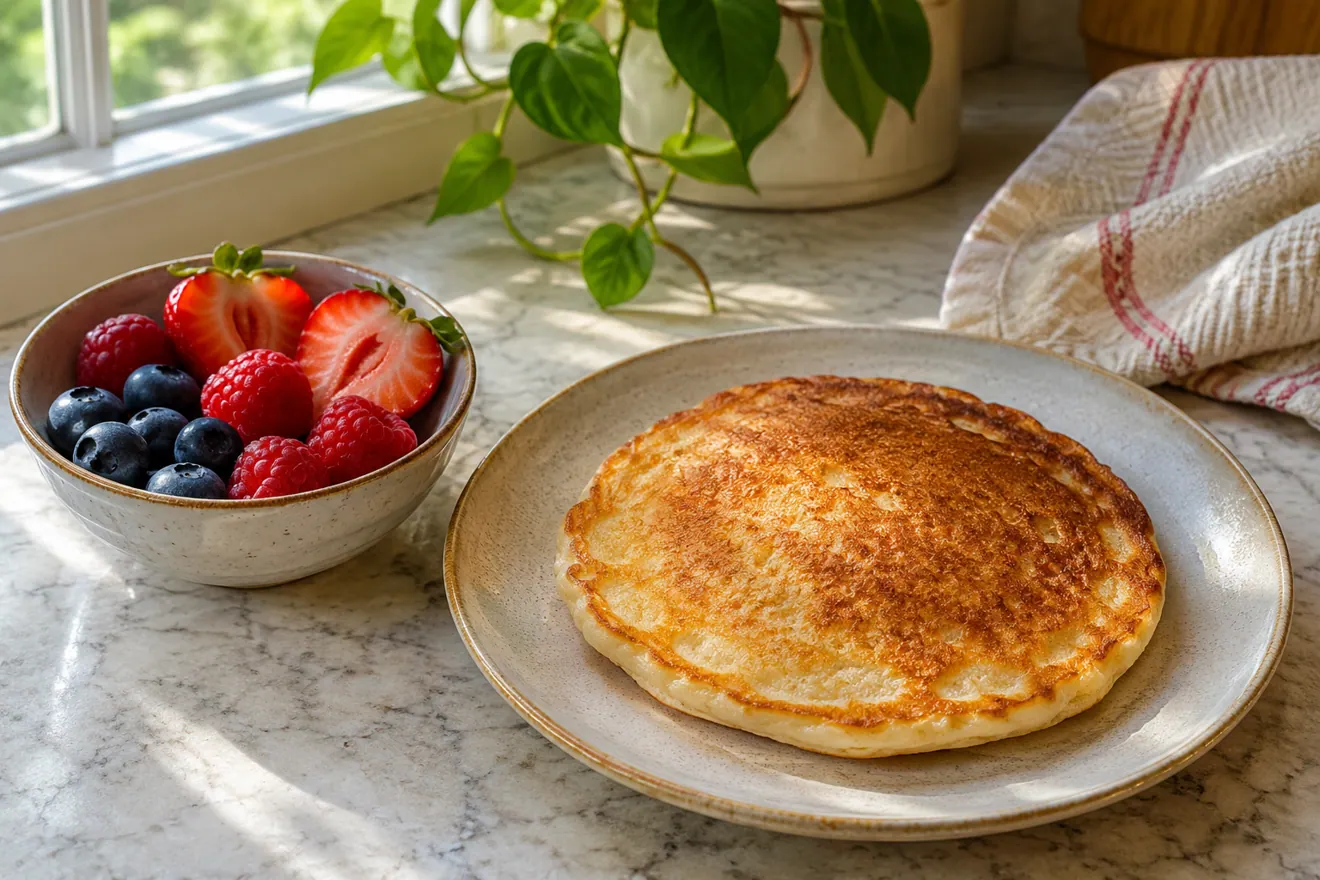
1. Fresh Berry Topping
Washed strawberries, blueberries or raspberries add colour and freshness. Choose what is in season or available at a reasonable price. Cut larger fruit at a suitable time and keep prepared fruit under appropriate storage conditions.
Offer one or two types rather than an expensive assortment that may go uneaten.
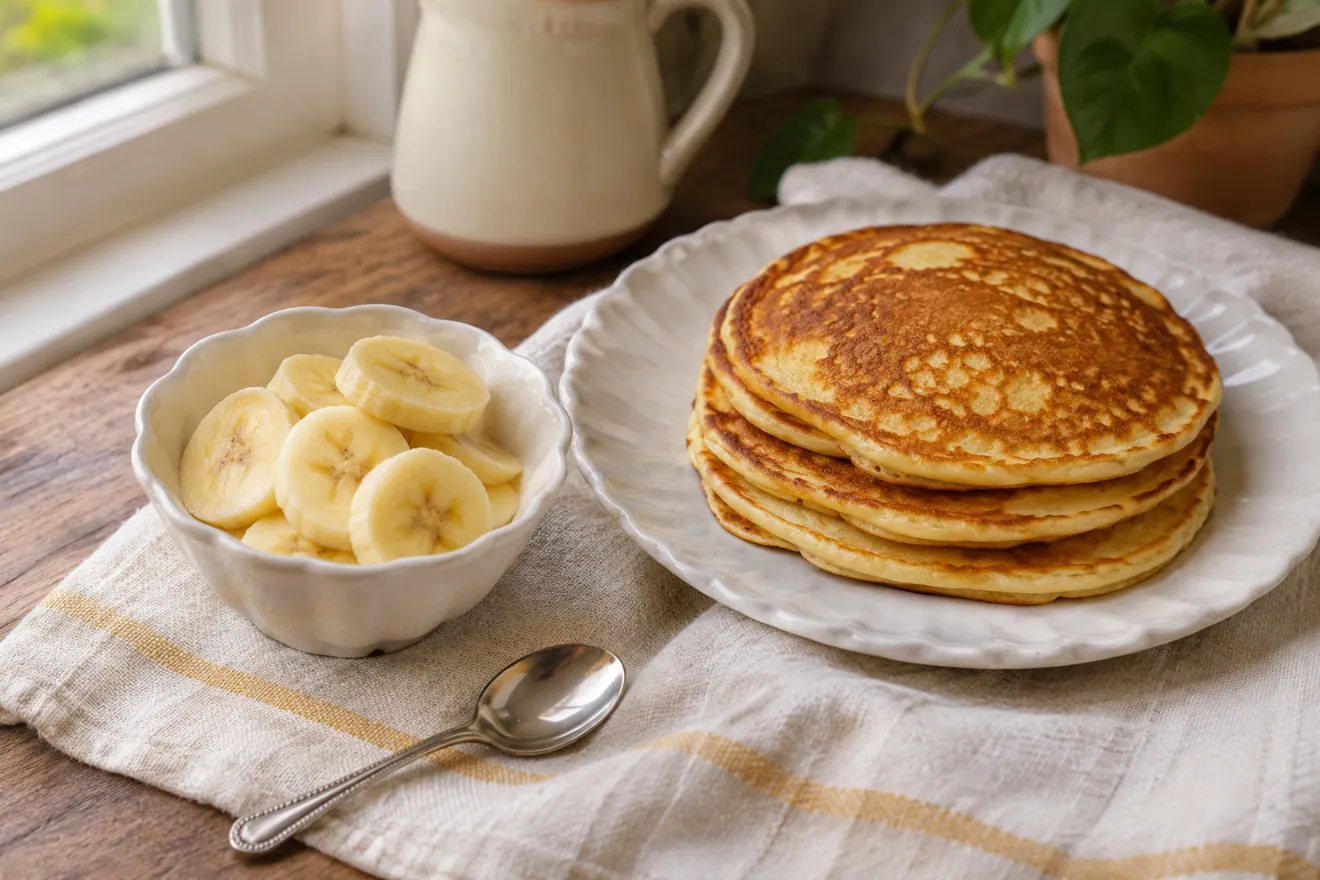
2. Banana Slices
Bananas pair with chocolate, maple and cinnamon. Slice them shortly before serving to reduce browning, and offer an age-appropriate texture for younger guests.
If making a dessert-inspired pancake bar, let guests combine banana with a small amount of chocolate sauce rather than coating every pancake beforehand.
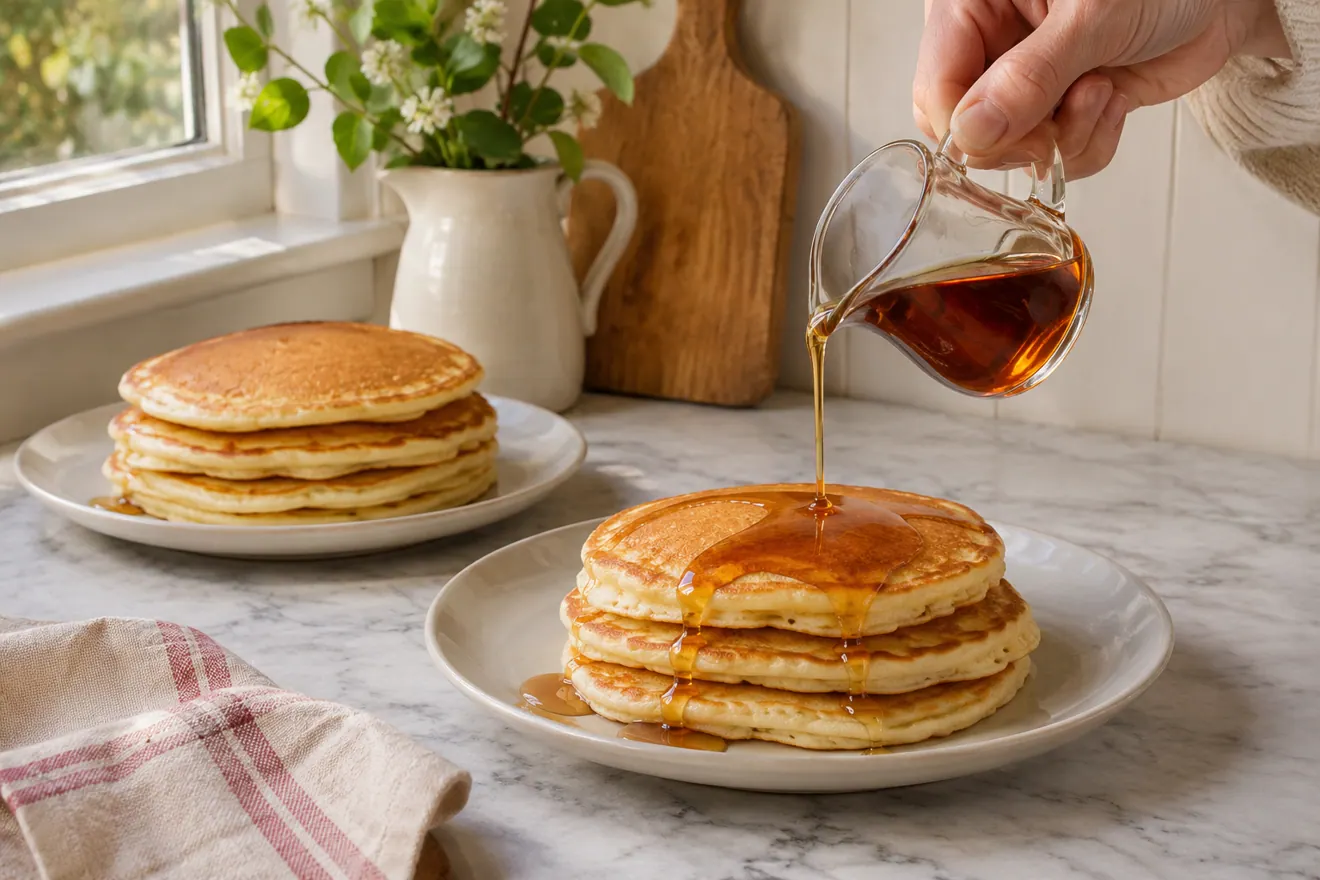
3. Pure Maple Syrup
A small jug of maple syrup gives the pancakes a classic finish. Set the jug on a washable tray to catch drips and include a clean serving spoon or suitable pour spout.
For guests who prefer less sweetness, offer butter or another appropriate option separately.
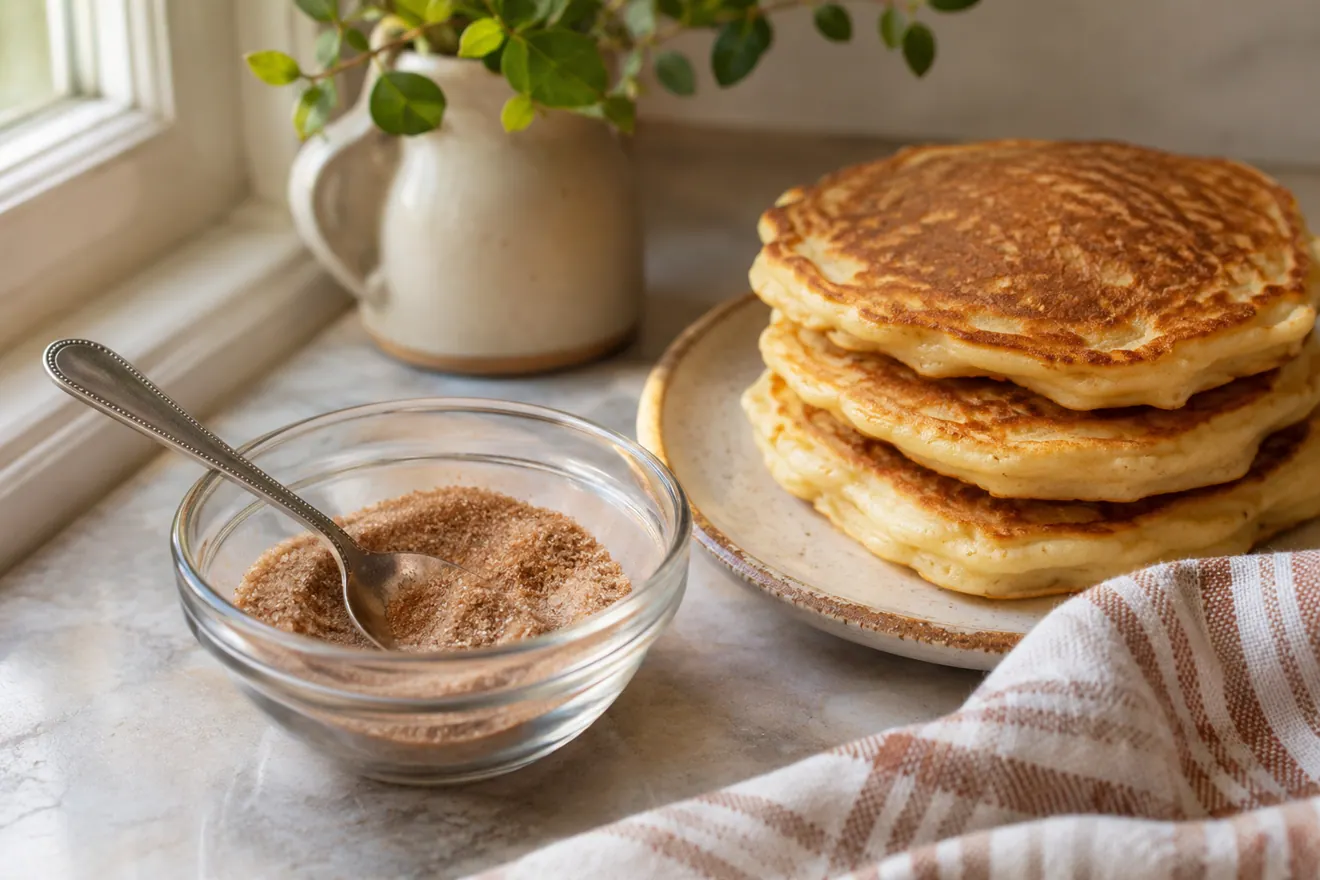
4. Cinnamon and Sugar
A restrained cinnamon-sugar mix can make plain pancakes feel warm and cozy. Place the mix in a shaker or small bowl and label it.
Ground cinnamon adds fragrance, but too much may mask other toppings. Leave the choice to guests rather than adding it to every batch.
5. Yogurt
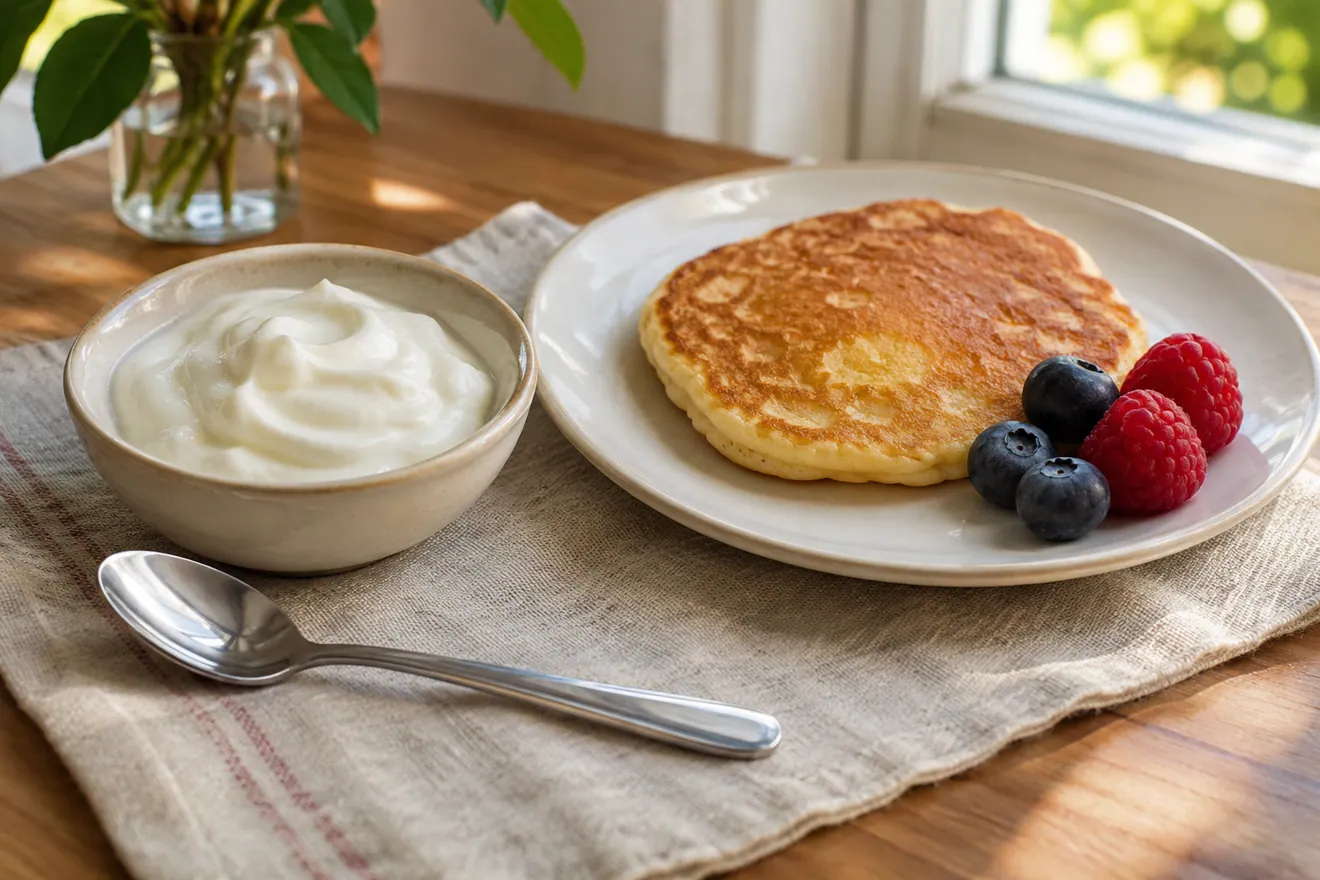
Plain or vanilla yogurt gives a creamy contrast to the warm pancakes. Because yogurt is perishable, keep it refrigerated until serving and put out smaller amounts with safe replenishment.
Use a dedicated spoon and consider a dairy-free alternative when guests request it.
Set up a small separate Greek Yogurt Parfait station if some guests prefer a cold breakfast.
6. Chocolate Chips or Chocolate Sauce
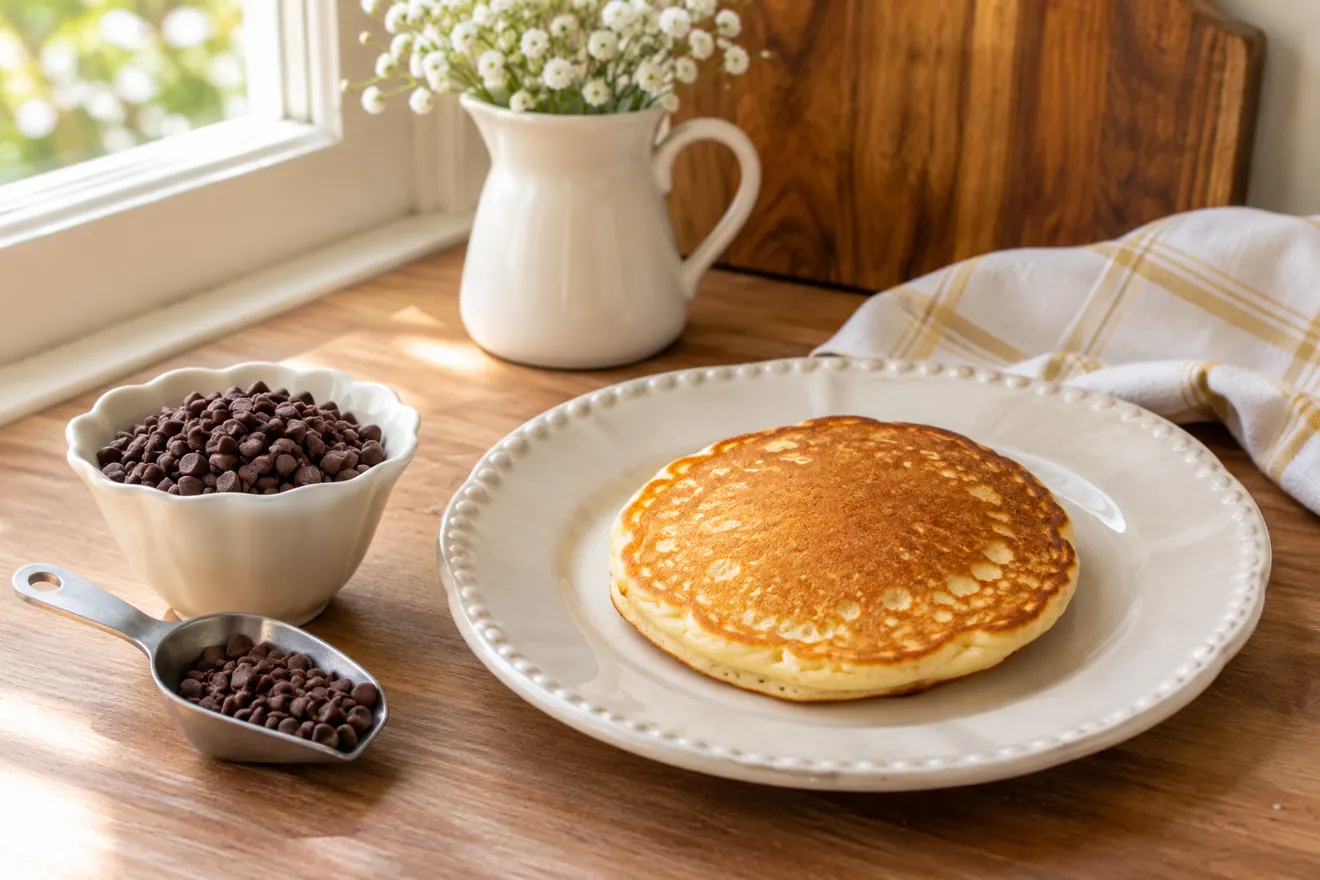
Mini chocolate chips are easy to sprinkle on a pancake without preparing a sauce. If using chocolate sauce, choose a tested or commercially prepared version and follow its storage guidance.
Keep hot chocolate and melted ingredients away from small children, and identify milk, soy or nut allergens where relevant.
7. Fruit Compote
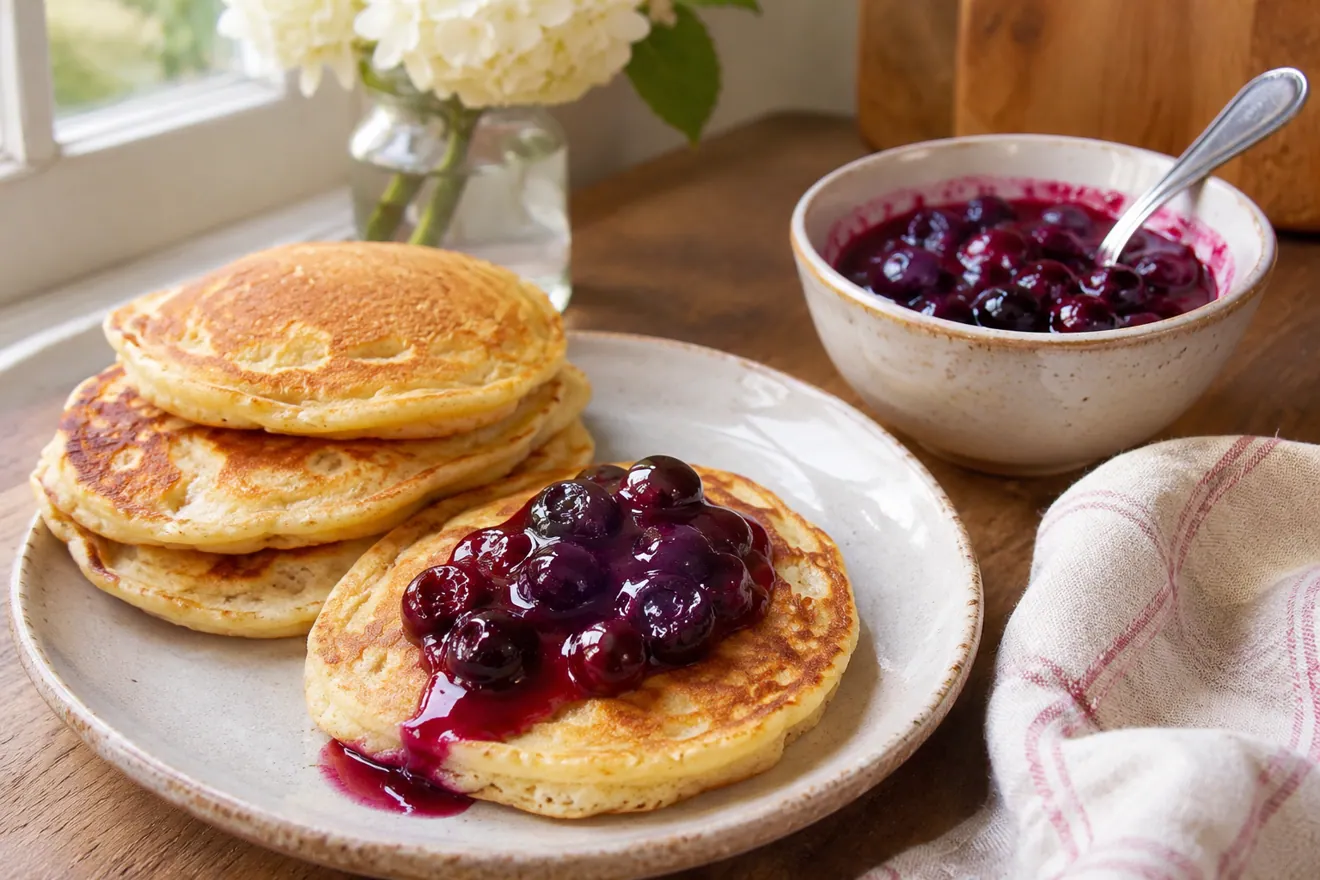
A cooked berry or apple compote can be made ahead when its recipe supports proper cooling and storage. This topping feels special, especially in winter when fresh berries may be expensive.
Serve at the recommended temperature and prevent a thick fruit sauce from sitting out too long if it needs refrigeration.
8. Toasted Nuts and Seeds
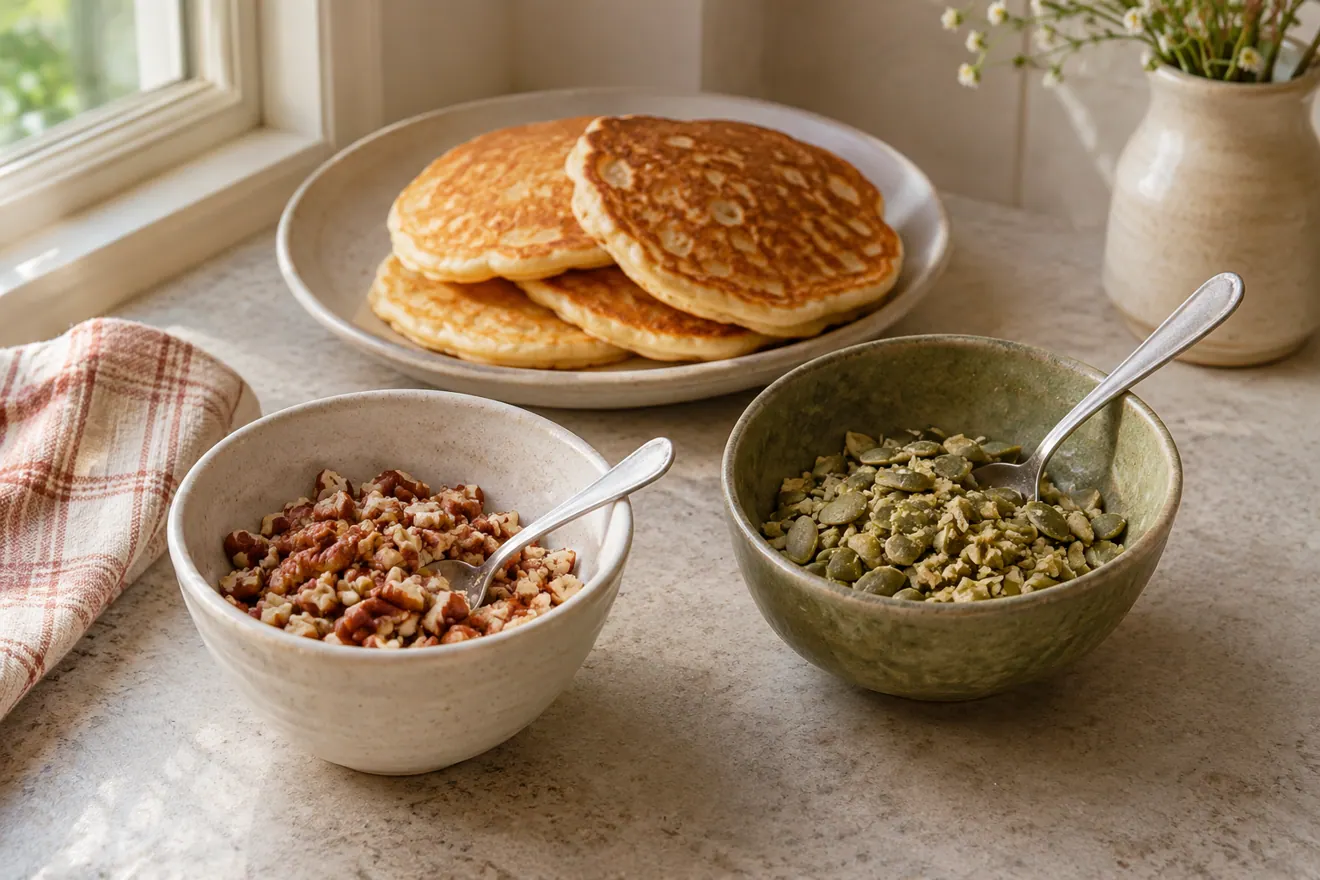
Chopped pecans, walnuts or appropriate seeds can add crunch. Keep them separate and clearly labelled because allergies and cross-contact matter. Whole nuts or hard toppings may be unsuitable for young children.
Toasting nuts can intensify flavour, but follow a suitable method and let them cool before setting them on the bar.
9. Lemon and Powdered Sugar
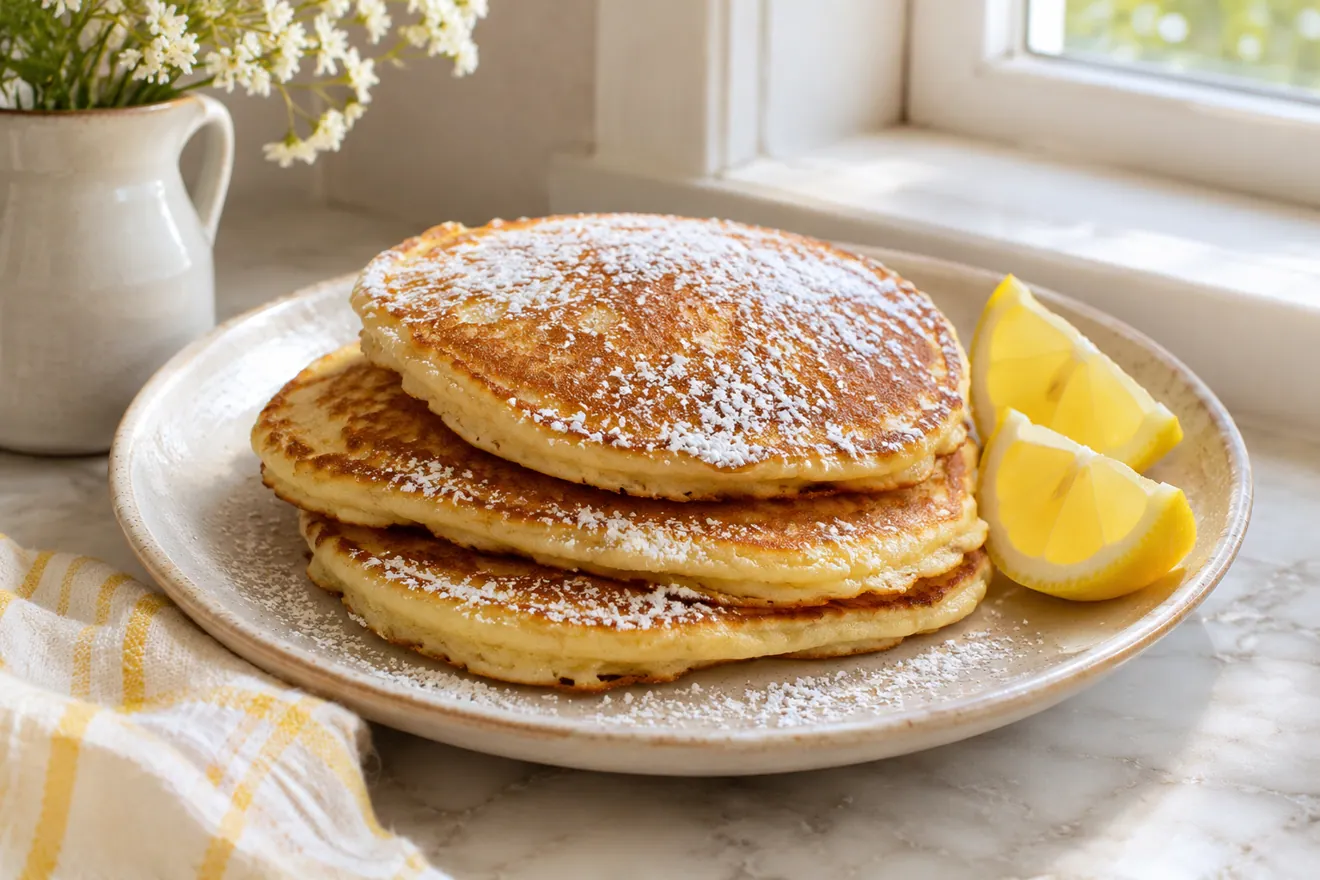
A little lemon with powdered sugar can create a lighter, crepe-inspired topping. It's particularly good with thinner pancakes, although guests may enjoy the contrast on fluffy pancakes too.
Use fresh lemon wedges or an appropriate serving method and offer napkins for sticky fingers.
10. Whipped Cream
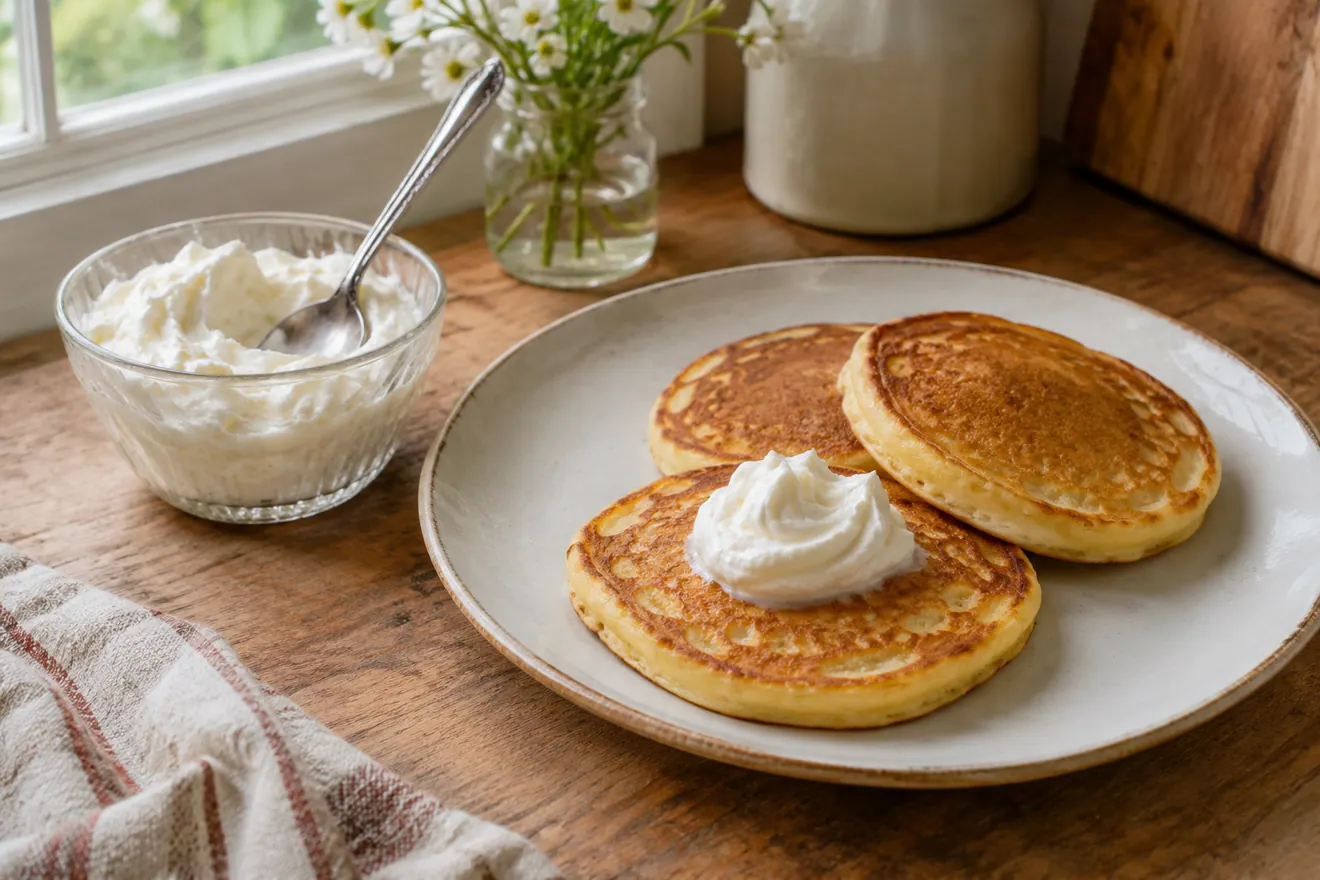
Whipped cream makes the pancake bar feel like a dessert station, especially for birthdays. It is perishable and needs temperature control; add it only when you have appropriate chilled storage and serving conditions.
For a casual family brunch, yogurt or a simple fruit topping may be easier to manage.
Arrange the Table in a Natural Order
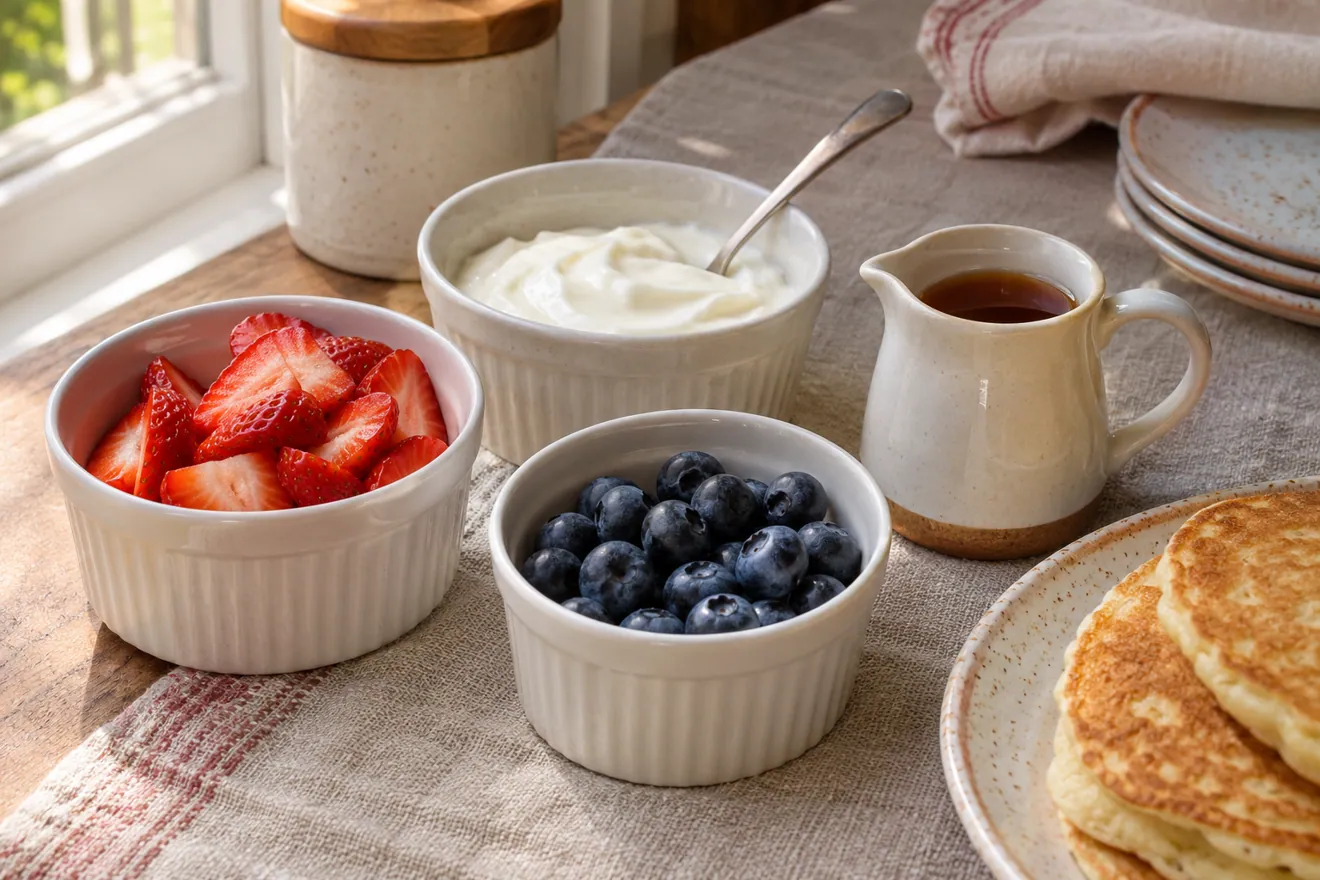
Start with plates, then place finished pancakes, followed by fruit, creamy toppings, crunchy toppings, syrups and napkins. Put drinks on a separate counter if possible so guests aren't trying to pour coffee over the pancake queue.
Use a tray under sticky bottles. Keep labels readable and serving spoons beside the correct topping.
Start with plates and plain pancakes, then place the toppings in small dishes. Put the topping spoons beside the dishes people will use them for. Keep chilled bowls small enough to replace with a fresh bowl from refrigeration.
Keep the Hot Griddle Away from the Serving Queue
Set the cooking station behind the counter or in another adult-controlled spot. Guests should not have to reach across a hot griddle to access the syrup. Keep cords safely positioned and allow space for lifting hot pans and flipping pancakes.
For children, an adult should handle the heat while they choose their toppings from a safe area.
How to Cook for Ten or More Guests
A griddle provides more surface area than a small skillet. Preheat according to the recipe, use consistent scoop sizes and avoid crowding the pan. Have a helper arrange fruit, refill drinks and carry cooked pancakes to the table.
If you need to hold pancakes briefly, use the recipe's safe warm-holding method. Some recipes recommend a low oven and separated pancakes; excessive holding can dry them or make them soft from trapped steam.
Sheet-Pan Pancakes are a useful option if a single griddle would slow the buffet.
What to Prepare the Day Before
Set out clean serving dishes, check your equipment and buy appropriate fruit. Prepare any tested compote or other recipe-approved components. Mix batter the night before only if the specific recipe supports refrigerator storage; leavening and texture may change after an unplanned long rest.
Milk, eggs, yogurt and other perishable foods must be refrigerated as required, not staged on the counter overnight.
A Pancake Bar Schedule
The night before: gather ingredients, confirm recipe yield and set the table. One hour before: prepare appropriate fruit and toppings, keeping perishables cold. Near serving: preheat the griddle, mix batter on the recipe's schedule and cook. During brunch: bring out pancakes in manageable batches and replenish chilled toppings safely.
Adapt the schedule to your actual recipe. A yeasted pancake batter may have a different preparation cycle.
A Balanced Menu Around Pancakes
Pancakes are sweet and filling, so fruit, yogurt or a savoury egg dish can complement them. You don't need muffins and French toast as well unless this is a large buffet with substantial appetites.
For a small family, pancakes and fruit may be plenty. For a group of twenty, consider one simple savoury side rather than a second full breakfast cooking station.
Add Breakfast Egg Muffins as a savoury option. Cook or reheat as directed and serve promptly.
Food Allergies and Dietary Needs
Check recipes and packaging for milk, wheat, eggs, nuts and any other allergens guests mention. Use separate dishes and utensils for each topping, and let guests know about shared pans or other cross-contact before they choose.
Keep yogurt, whipped cream and perishable toppings at 4°C (40°F) or colder until serving. Put out small amounts and discard perishable toppings left at room temperature for more than two hours.
Common Pancake Bar Mistakes
Too many toppings: the table becomes crowded and costly. Cold pancakes: the cooking plan is too slow or holding is poor. Overmixed batter: pancakes may turn tough. Unlabelled allergens: guests cannot choose safely. Warm dairy toppings: food-safety concerns arise. Cooking beside guests: hot equipment creates unnecessary risk.
Frequently Asked Questions
How many toppings should a pancake bar have?
Three to five thoughtfully chosen toppings are often plenty for a small group. Larger events may support more variety, but don't sacrifice serving space.
Can I make pancakes in advance?
Some recipes support freezing and reheating cooked pancakes. Follow the specific method rather than assuming all pancakes keep the same texture.
What can I serve with pancakes at brunch?
Fruit, yogurt, a simple egg dish and coffee or tea are useful additions without creating another complex meal.
How do I make pancakes for a big group?
Use a large griddle or a tested sheet-pan recipe, plan recipe yields and work in manageable batches with appropriate safe holding.
Keep the Pancakes Simple and the Choices Fun
A successful pancake bar is less about the number of toppings than how smoothly it works. Make a reliable pancake, give guests a few contrasting flavours and keep the cooking station separate from the serving area. The result is a brunch that feels festive without keeping the host at the stove all morning.
Some images are AI-generated illustrations of the dishes and techniques described.
IN PICTURES
From the baking notebook
FROM THE RECIPE BOX


