On this page
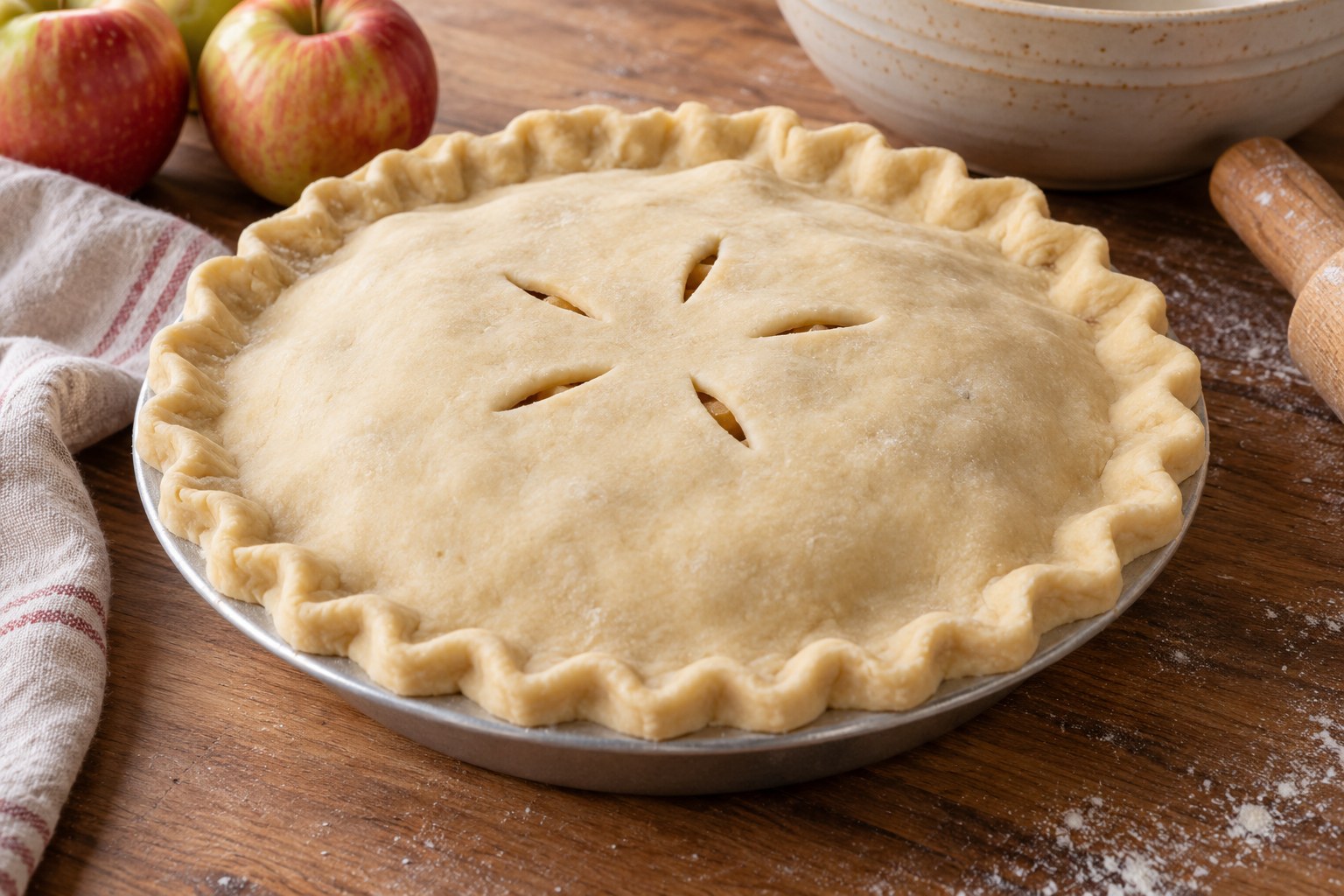
Freezing an unbaked pie can be one of the smartest ways to prepare for a holiday meal. Instead of making pastry, cutting fruit and baking on the same busy day, you assemble the pie when the kitchen is quiet and save the baking for later. When the recipe is designed for freezing, this can produce the pleasure of a freshly baked crust with much less last-minute work.
But not every pie belongs in the freezer unbaked. Fruit fillings, custards and delicate cream fillings behave differently, and the baking dish matters too. This guide explains how to freeze an unbaked pie safely, which recipes are usually suitable and what to check before it goes into the oven.
Choose a Recipe That Explicitly Supports Freezing
Fruit pies are common candidates, especially recipes designed to be assembled, frozen and baked directly from frozen. Some apple, berry and cherry pies include exact frozen-baking temperatures and longer bake times. Start with those instructions rather than inventing your own adjustment.
Custard and cream pies are a different category. Unbaked egg- or dairy-rich fillings may separate or cook unpredictably after freezing. Unless the recipe includes validated freezing instructions, prepare those desserts using their intended process instead.
Use the Right Pie Dish
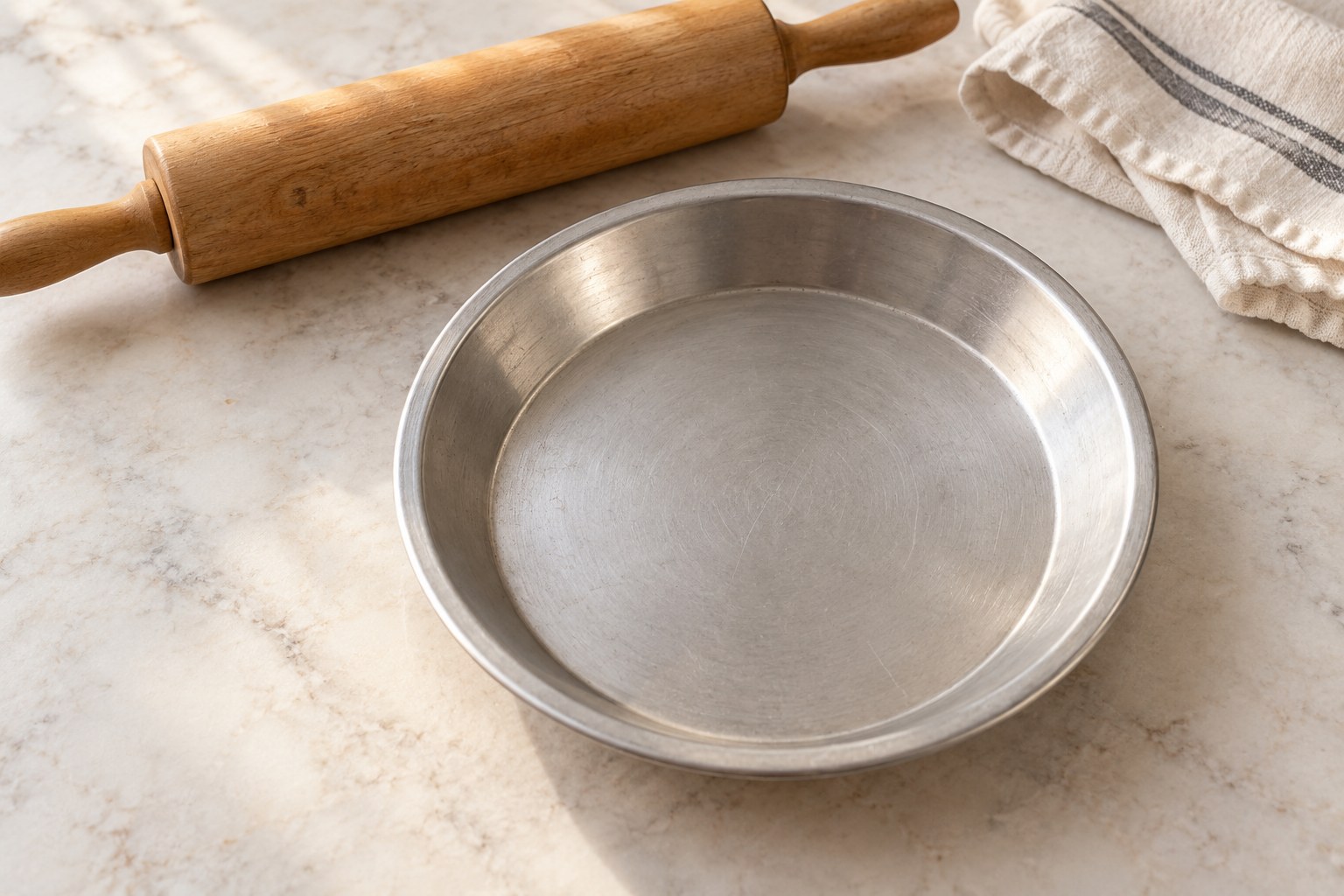
A suitable disposable metal or manufacturer-approved freezer-to-oven pie pan is often practical. Glass and ceramic dishes may crack or shatter when exposed to sudden temperature changes; don't move a frozen glass pie dish directly into a hot oven unless the manufacturer explicitly states that method is safe.
Check the pie plate's dimensions before assembling. A deep dish may need more filling and different baking instructions than a standard pan. The recommended dough quantity and baking time assume a particular geometry.
Make and Chill the Pastry
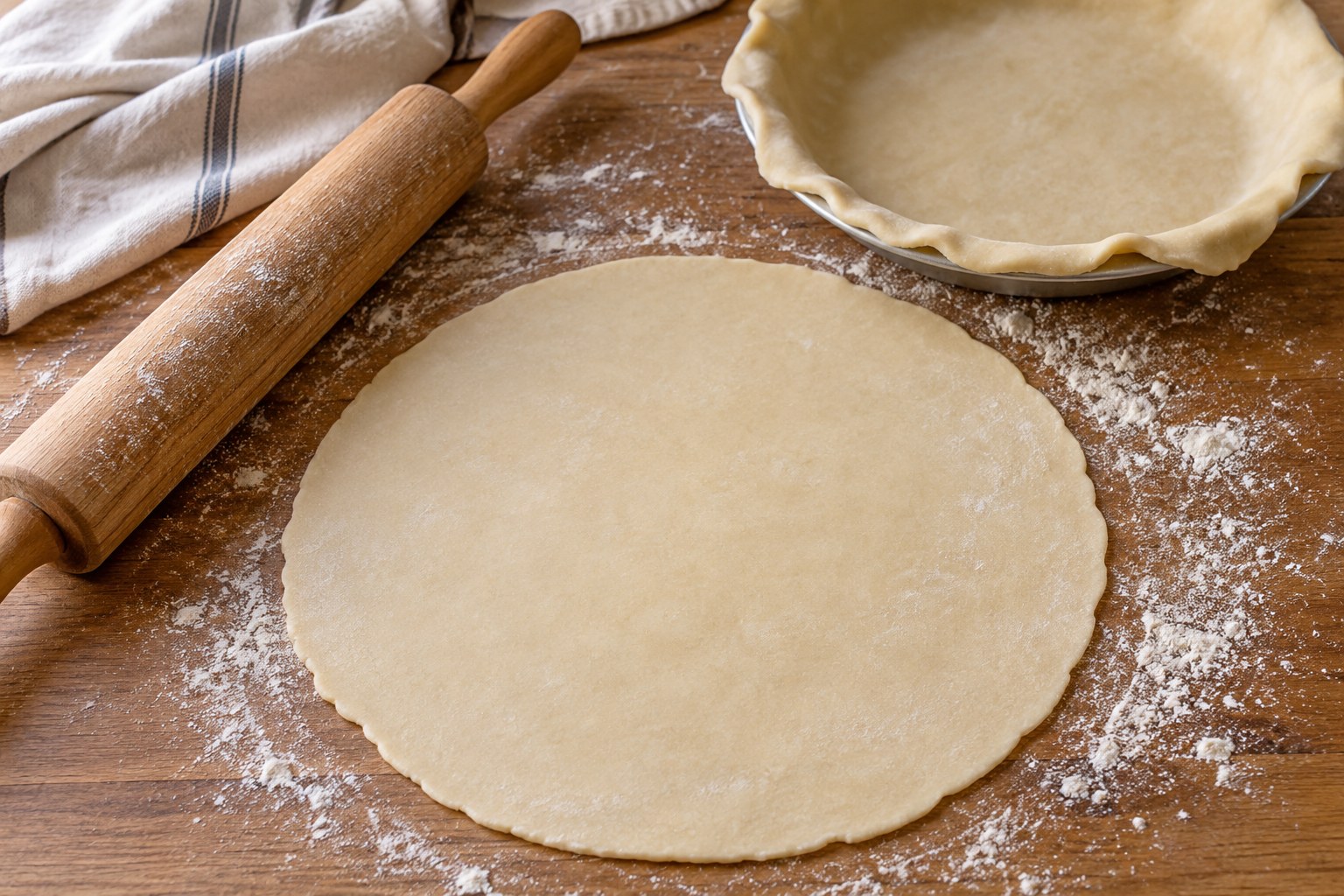
Prepare the dough according to the recipe, keeping butter or other fats at the specified temperature. Chilling the dough helps with rolling and can reduce shrinking for some methods. Roll to the required thickness and fit it gently into the pan without stretching.
Don't pull the dough tight to reach the rim; tension may cause it to shrink during baking. If making a double-crust pie, reserve enough dough for the top and any decorative edges.
Prepare the Fruit Filling Carefully
Slice fruit consistently and use the recipe's exact amounts of sugar, starch or other thickener. Apples, berries and stone fruit release different quantities of juice. A mixture that seems thick when cold may become watery as it bakes if the recipe wasn't developed for the fruit.
Some recipes use precooked fillings; others rely on raw fruit. Use the method specified. Do not swap canned pie filling for fresh fruit or frozen fruit without verifying that the formula supports it.

Assemble and Seal the Pie
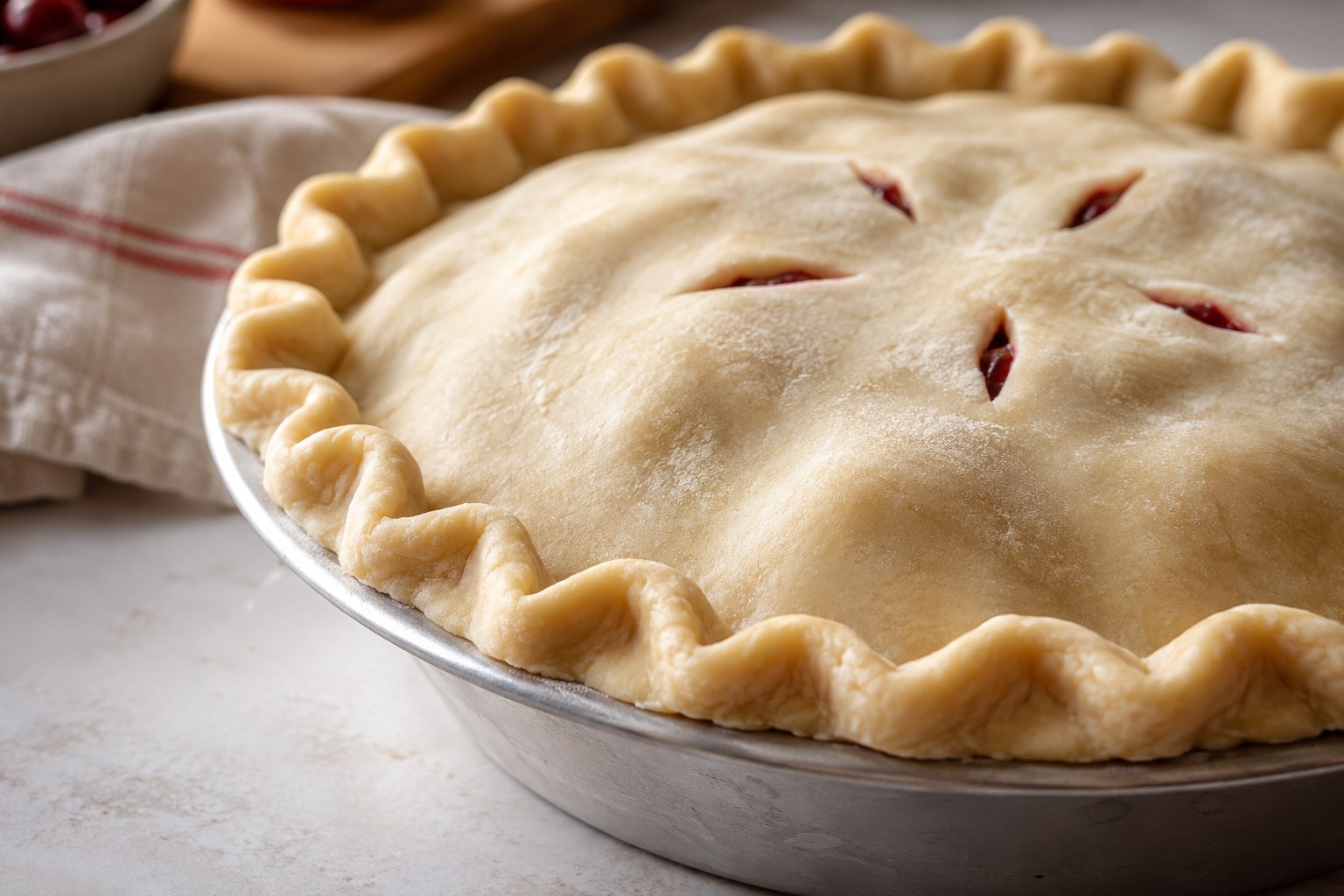
Add filling without exceeding the recipe's limit and apply the top crust, lattice or crumb topping as instructed. For a double crust, trim and seal edges securely. Cut vents where required so steam can escape during baking.
If a recipe calls for a particular egg wash, sugar finish or butter dotting, note whether that step is done before freezing or immediately before baking. The wrong timing may spoil surface texture.
Freeze Until Firm Before Wrapping Closely
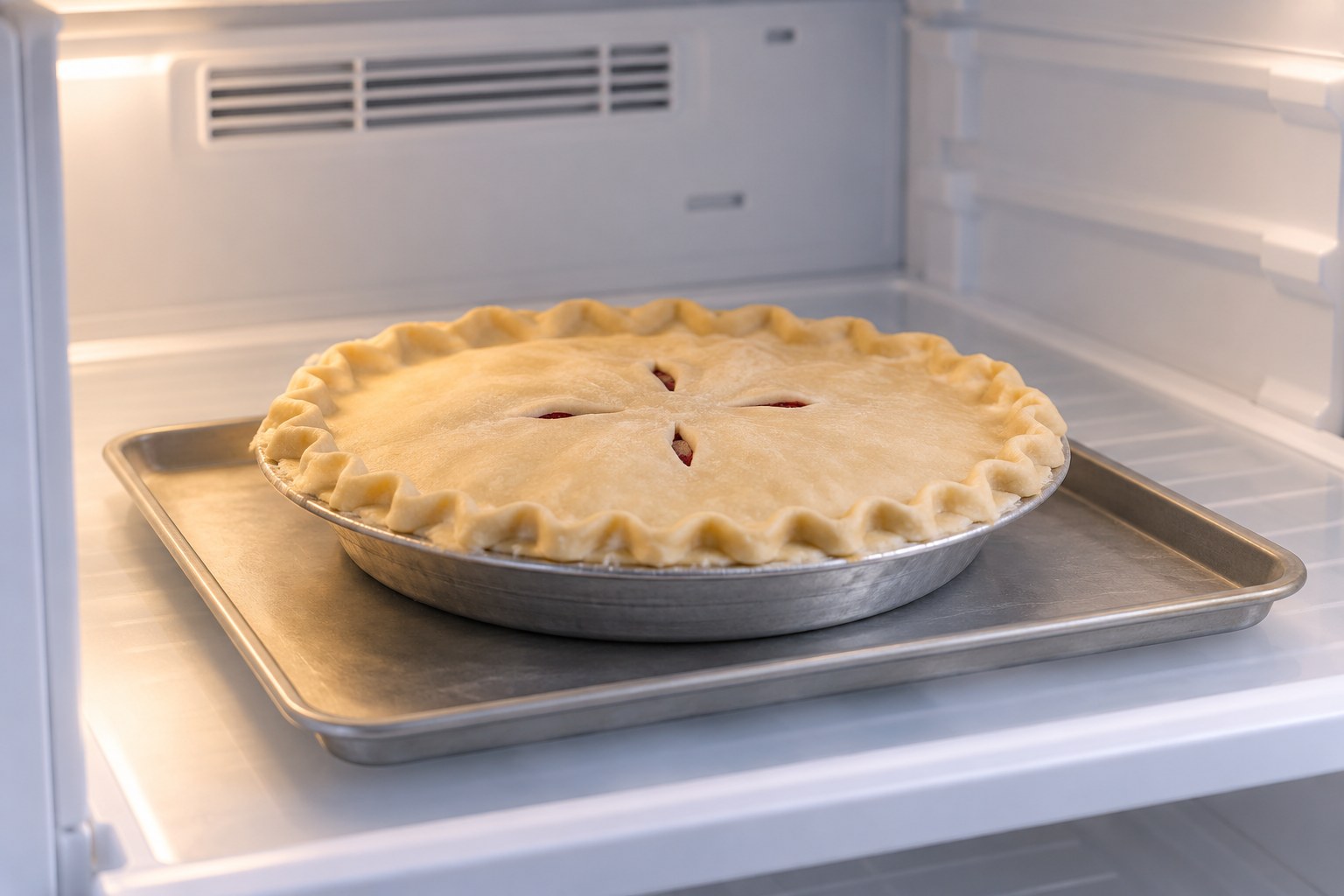
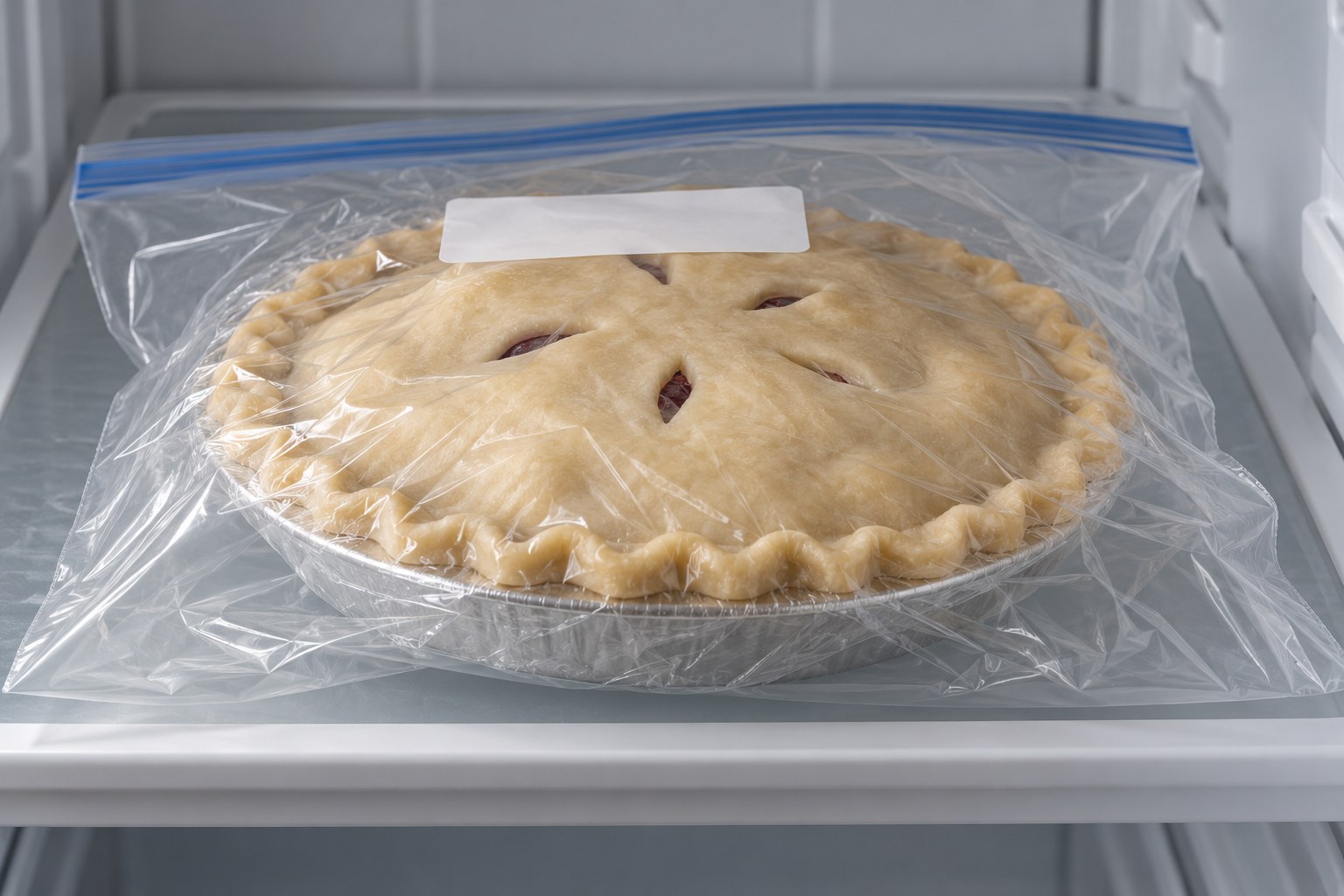
When the recipe calls for pre-freezing, place the pie level in the freezer until firm. This prevents soft pastry edges and decorations from being crushed by tight wrapping. Then wrap thoroughly in appropriate freezer-safe materials to reduce exposure to air and freezer odours.
Use a rigid covering or container where practical. Label the pie with its name, assembly date, pan type and precise baking instructions from the recipe. A frozen pie without baking directions is a frustrating discovery on Thanksgiving morning.
Should You Bake a Pie Directly from Frozen?
Often this is exactly what a freezer-designed fruit pie recipe recommends. Baking from frozen can help preserve the crust's structure, but the temperature, timing and oven position must match the recipe. Don't automatically thaw a frozen pie on the counter; the filling may become wet before the crust can bake.
For a pie in a metal pan, place it on an appropriate baking sheet if the recipe recommends catching drips. Check for a cooked bottom crust and properly bubbling filling as directed, not only a browned top.
Adjust Expectations for Baking Time
Frozen pies generally need a different baking schedule than freshly assembled ones. The exact difference depends on pie depth, fruit, oven and temperature. There is no single extra number of minutes that works for every frozen pie.
Some recipes begin at a higher temperature for the crust and then reduce the heat; others use a steady temperature. Follow the tested instructions. Protect overly browned edges only when recommended, and check the filling's set and doneness before removing the pie.
Avoid a Soggy Bottom Crust
Use fruit and thickener in the recipe's proportions, keep the dough properly chilled and avoid adding extra liquid. An unbaked pie frozen with an overly wet filling won't become dry simply because it was frozen. A suitable hot baking surface or oven position can help bottom browning when the recipe includes it.
Allow the baked pie to cool so the fruit filling can set. Slicing a bubbling pie straight from the oven can make the center look much runnier than it will after cooling.
What About Crumb-Topped Pies?
A fruit pie with streusel or crumb topping may have its own freezing method. Some recipes freeze the assembled topping, while others store it separately and add it before baking. The correct approach depends on whether the butter-flour crumbs hold up under wrapping and baking.
If the topping is fragile, use a rigid cover to prevent compression. A tightly wrapped pile of crumbs may fuse into a layer that bakes differently from a loose streusel.
Freezer Storage and Food Safety
Use a freezer operating at −18°C (0°F) or colder and label the pie date. Recipe-specific storage windows often describe best quality. Freezing does not eliminate the need for clean preparation, safe handling of ingredients or correct baking.
Do not freeze a pie made with spoiled fruit or allow perishable ingredients to sit out for long periods while decorating. Keep ingredients cold as required during assembly.
Common Mistakes
Freezing in an unsuitable glass plate: thermal shock can break it. Skipping thickener: fruit juices overwhelm the crust. Wrapping soft decorative edges: the design gets flattened. Thawing without recipe guidance: pastry may become wet and misshapen. Underbaking: a golden top can hide a raw bottom or unsettled filling.
Frequently Asked Questions
Can I freeze an unbaked apple pie?
Many apple pie recipes include a freezer method. Use a recipe that provides frozen-baking temperatures, timing and pan guidance.
Do I need to thaw it first?
Not necessarily. Some recipes specifically require baking from frozen, which is why you should follow their directions rather than an assumed rule.
Can I freeze a pie with egg wash?
Some recipes include egg wash before freezing; others recommend adding it just before baking. Follow the specific method.
How long will an unbaked pie keep frozen?
It varies by recipe and packaging. Use the recommended quality window and label dates clearly.
Can I use a frozen glass pie dish in the oven?
Do not assume so. Follow the manufacturer's freezer-to-oven safety instructions or use a suitable metal pan.
Fresh-Baked Pie, Less Holiday Work
The advantage of an unbaked frozen pie is not speed in the oven—it may actually take longer to bake. The advantage is having the messy assembly completed well in advance. Choose a freezer-tested fruit pie, protect it properly and keep its baking instructions with the package.
IN PICTURES
From the baking notebook
FROM THE RECIPE BOX


