On this page
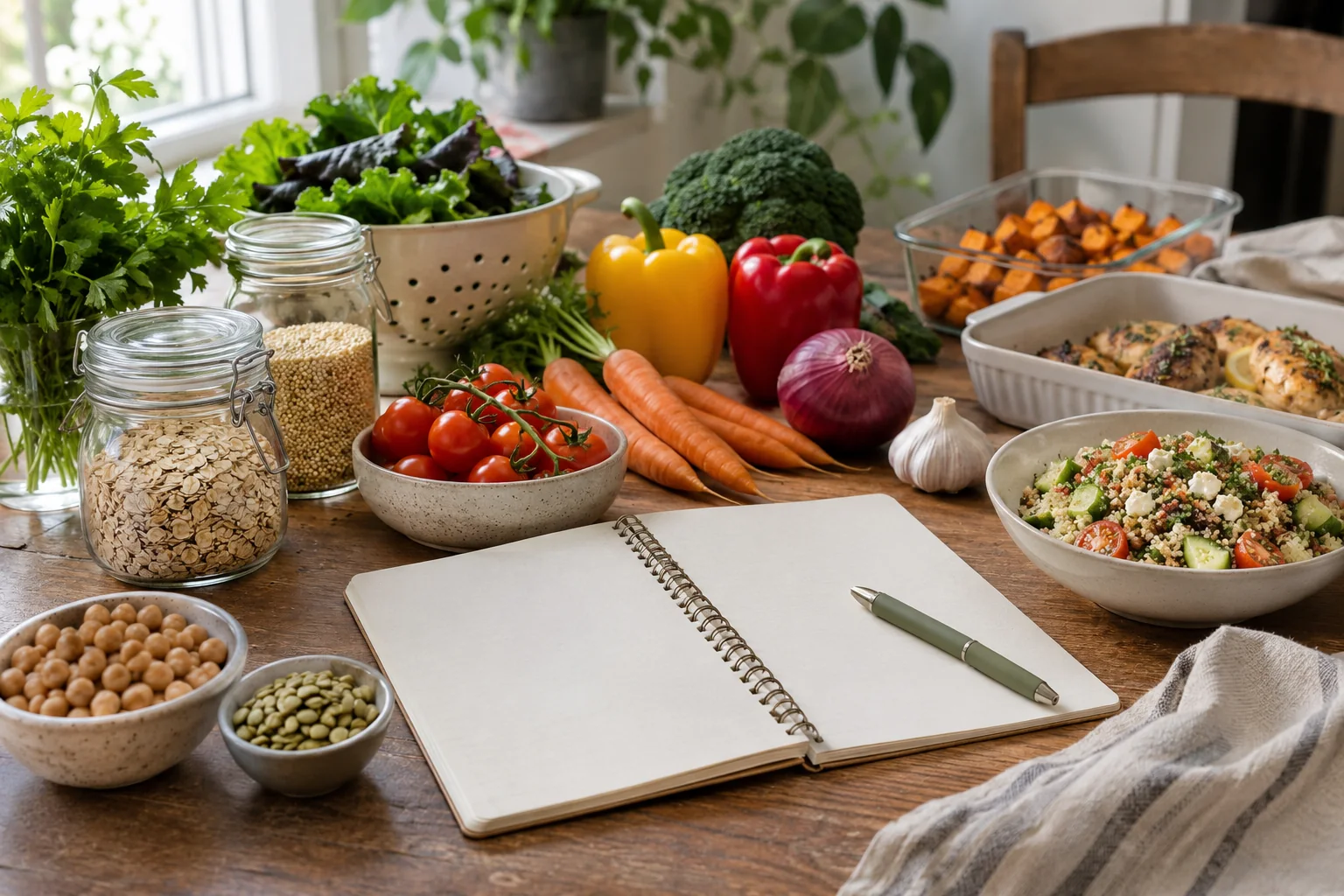
A weekly meal plan can be helpful without dictating exactly what you must eat every evening. Strict schedules often fall apart when someone works late, fresh vegetables look less appealing by Thursday or plans change unexpectedly. A flexible plan starts with a few anchor ingredients and several possible meals, leaving room for leftovers, shortcuts and the occasional night when you simply don't want to cook.
Plan around real life first
Look at the calendar before looking at recipes. Which nights are busy, which evenings allow slower cooking and when will someone be away? Put the simplest meals on the fullest days and save experimental baking or elaborate roasts for times when you have room to enjoy them.
Choose three or four planned dinners
Instead of writing seven detailed recipes, choose three or four main dinners and leave the rest flexible. One can produce intentional leftovers; another can be a pantry dinner. This prevents the feeling that you have failed if Friday's plans change.
Use an anchor ingredient
An anchor is a versatile component that appears in multiple meals: cooked lentils, roasted vegetables, chicken, rice, a tomato sauce or fresh spinach. When a family-size package is cheaper than a small one, plan its safe uses before purchasing it.
Recipe to try: Chicken Taquitos. Follow this recipe’s ingredient amounts and complete method.
Plan by meal style
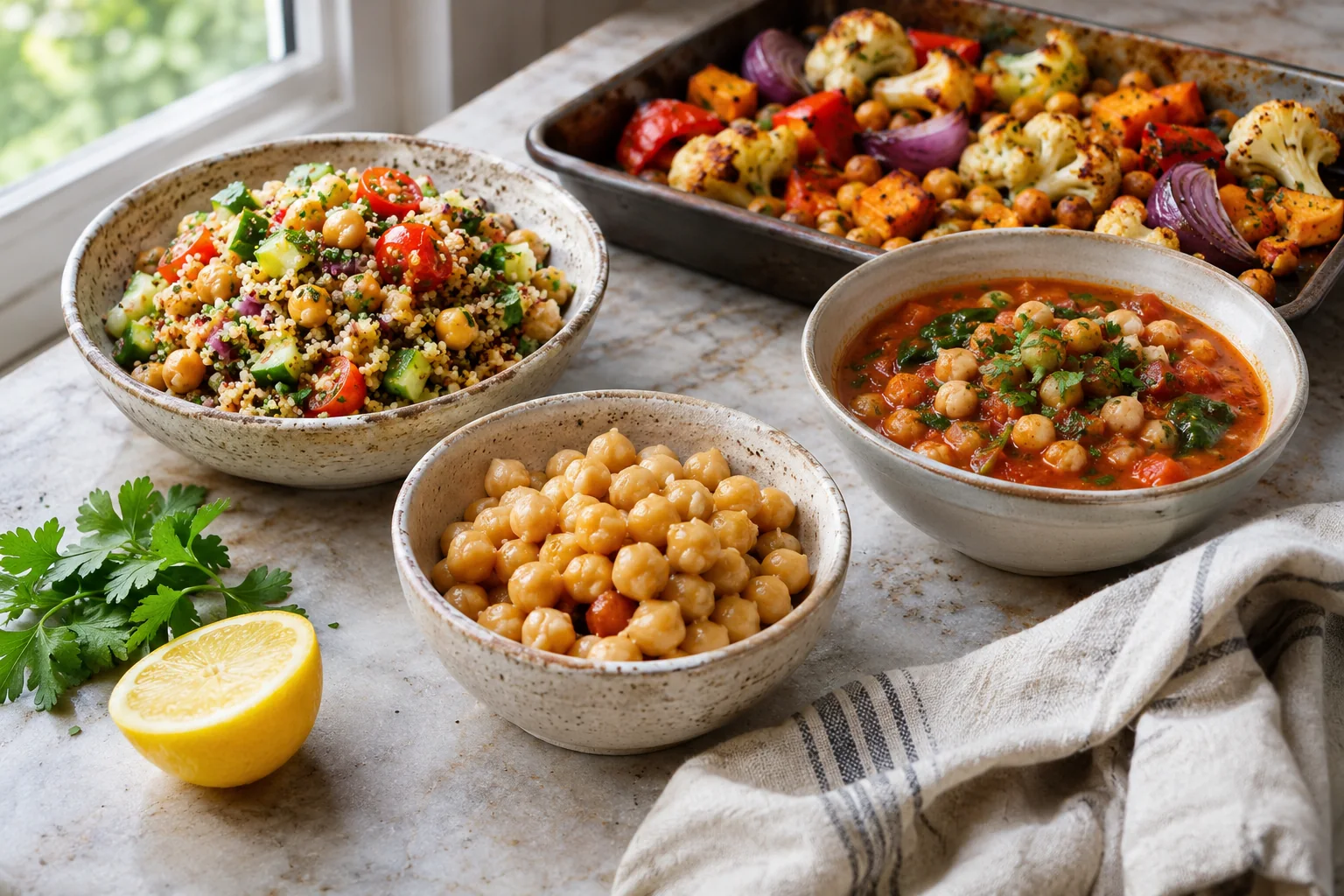
Choose a soup night, pasta night, tray-bake night and grain-bowl night rather than scheduling exact flavours too early. You can fill in the style based on what needs using. This provides structure without locking you into Tuesday's recipe when the weather suddenly turns cold.
A Monday example
Make a large but appropriately portioned tomato-and-white-bean soup with crusty bread and salad. Cool extra soup promptly into shallow containers. If the household doesn't want soup again immediately, freeze suitable portions rather than leaving them in the refrigerator until the weekend.
Recipe to try: Cherry Tomato Pasta. Use this pasta as one possible planned dinner; check its timing and portions against your actual Monday schedule.
A Tuesday example
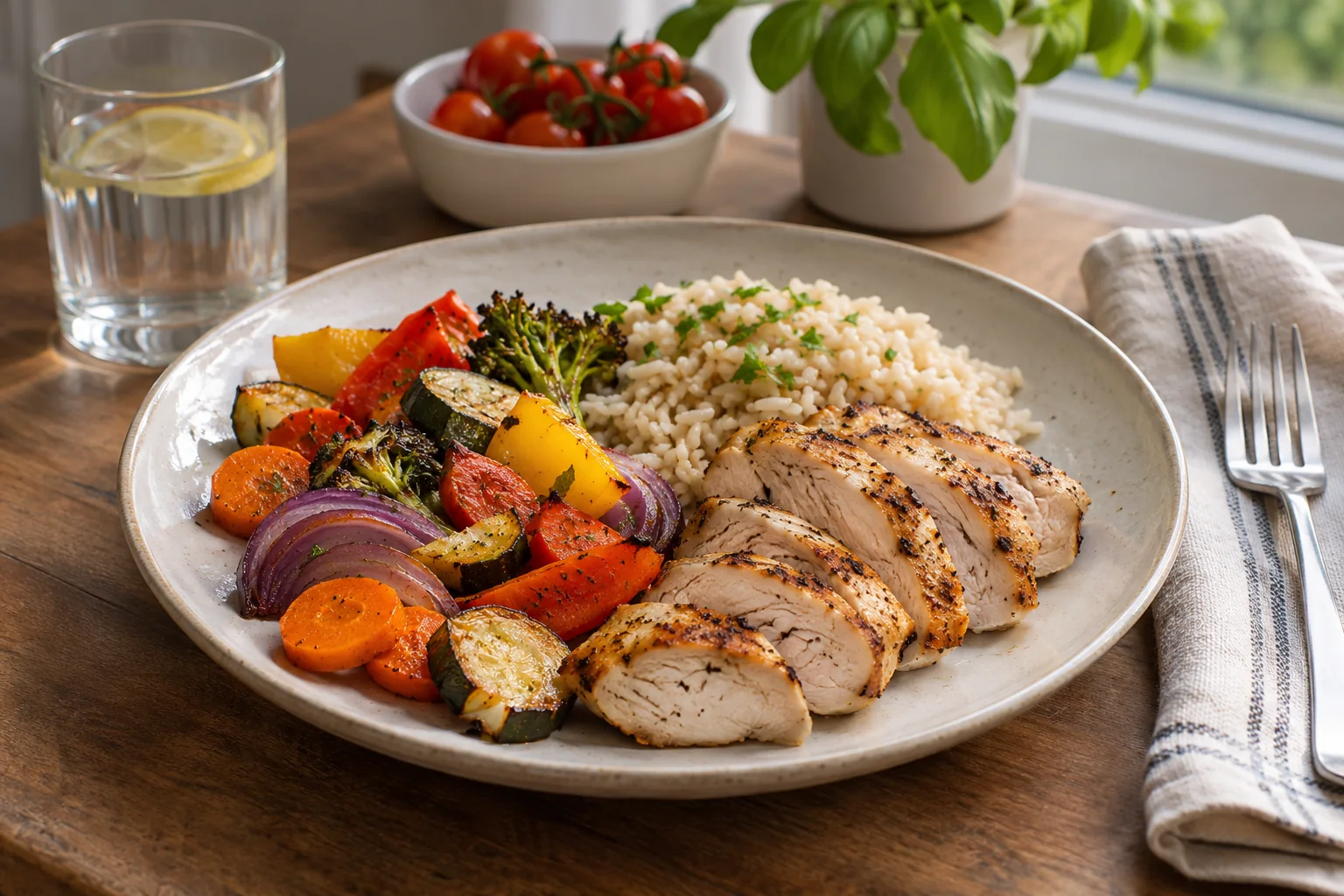
Roast chicken pieces or tofu with broccoli and potatoes, preparing only as much as the oven pan can handle properly. Reserve an extra portion of plain cooked protein safely for another meal. A flexible seasoning means tomorrow's dinner can use a different sauce.
A Wednesday example
Turn Tuesday's properly stored chicken into tacos, or use tofu in a rice bowl with cabbage and lime. The second meal feels different because you change the format and finishing flavours. Reheat leftovers safely and keep fresh toppings cold until eating.
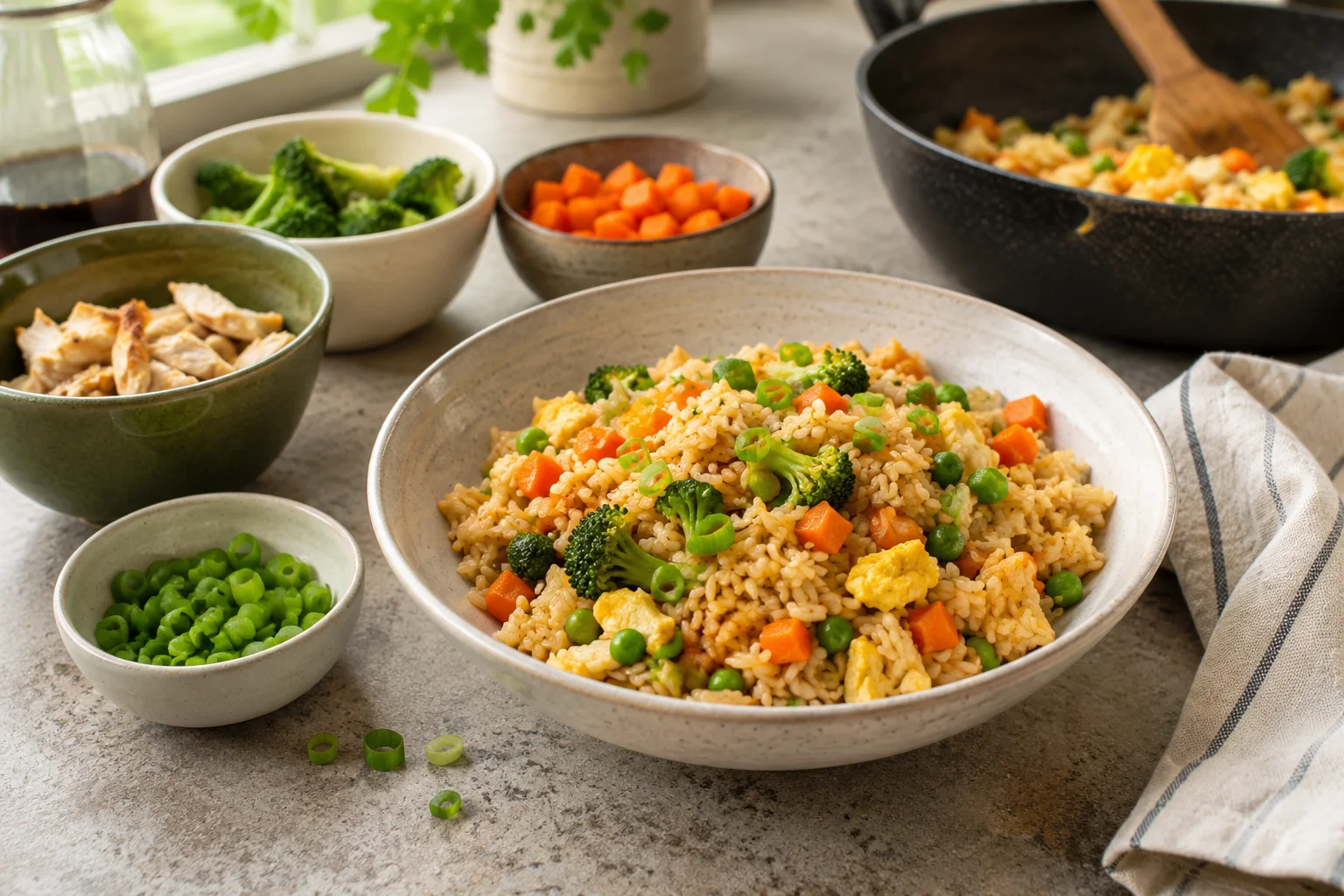
Recipe to try: Egg Fried Rice. A flexible dinner option for safely chilled rice. Plan the rice preparation and storage as part of the week.
A Thursday example
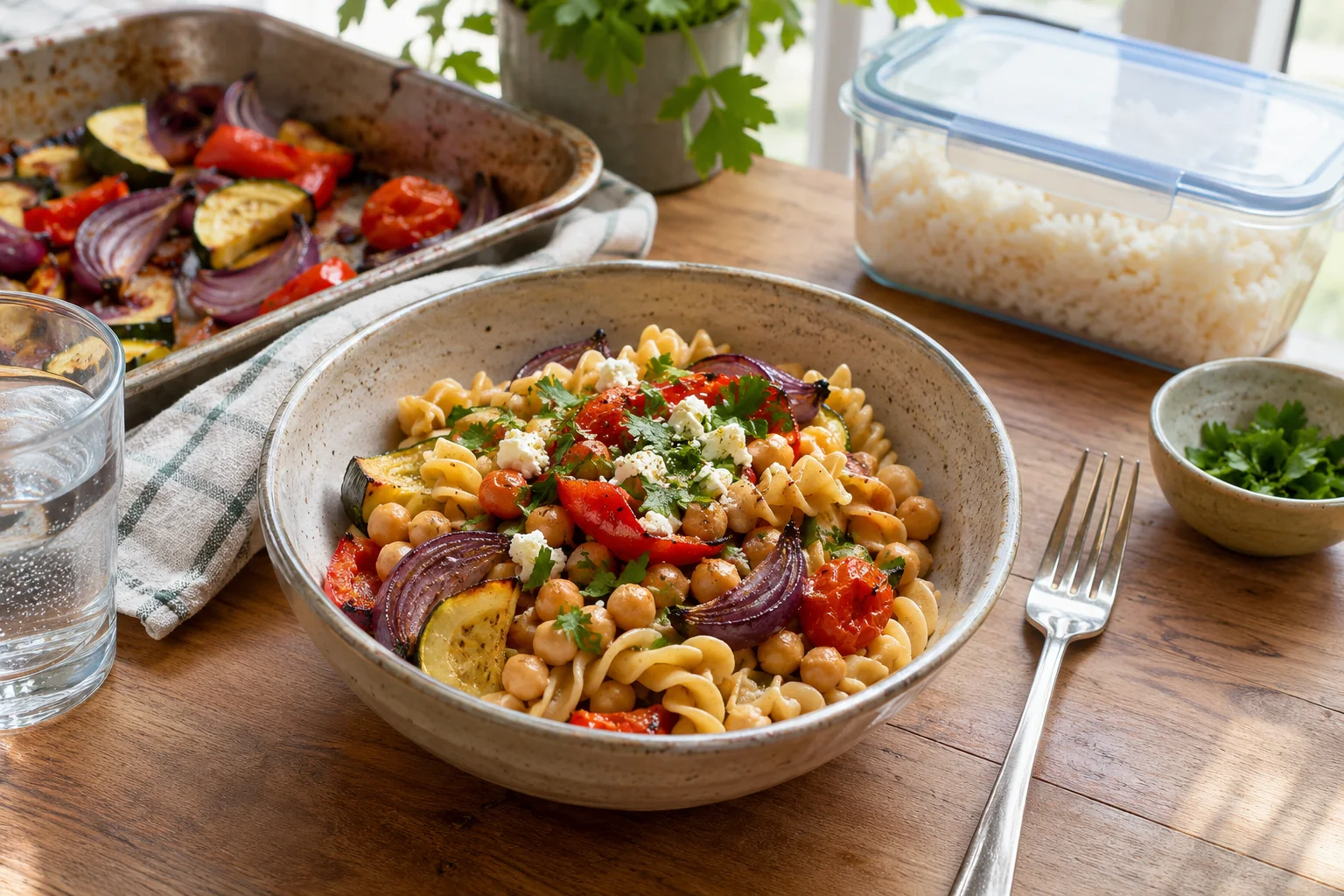
Choose a quick pantry pasta with chickpeas, frozen spinach, garlic and lemon. The meal is intentionally low-prep and uses products that don't depend on vegetables staying fresh for a full week. A small salad is optional when time and appetite allow.
A Friday flex night
Leave Friday open for leftovers, breakfast-for-dinner, takeaway or a simple meal based on what's left. A flex night reduces food waste because you can respond to unplanned changes rather than cook a fifth fresh recipe when the fridge already contains safe usable food.
Recipe to try: Vegetable Soup. A soup option for flex night; choose the recipe and storage schedule that fit the ingredients you have.
Balance perishables across the week
Use delicate greens, fish and other shorter-lived ingredients earlier after shopping, following product-specific safety windows. Save frozen vegetables, canned beans and dried pasta for later. This is about appropriate storage, not assuming every fresh item is safe for a particular number of days.
Shop by category
Write quantities under produce, protein, dairy or alternatives, pantry and freezer. Check each category against what is already available. A list structured this way makes it easier to notice that three planned dishes all need fresh basil or that you already have two bags of rice.
Count packages, not only recipes
A recipe may need half a tub of yogurt or two tablespoons of tomato paste. Plan another use before buying a large package. Use remaining yogurt as a dip and leftover tomato paste in a bean skillet or freeze appropriate portions under a safe method.
Plan portions honestly
A meal for two and a family dinner for six require different quantities. The goal isn't to cook enormous amounts and hope everyone eats them. Estimate appropriate servings and reserve leftovers only when there is a specific safe plan to use or freeze them.
Use intentional leftovers
A roast vegetable tray can supply both dinner and tomorrow's grain bowl. Keep components separate where possible and label the date. Reheated leftovers should reach the recommended safe temperature, and the same container should not be warmed and cooled repeatedly.
Keep breakfast and lunch simple
You don't need twenty-one distinct recipes across the week. Rotate a few dependable breakfasts and flexible lunches. Yogurt with fruit, eggs with toast, oatmeal and bean or grain bowls can cover many days while leaving more planning energy for dinner.
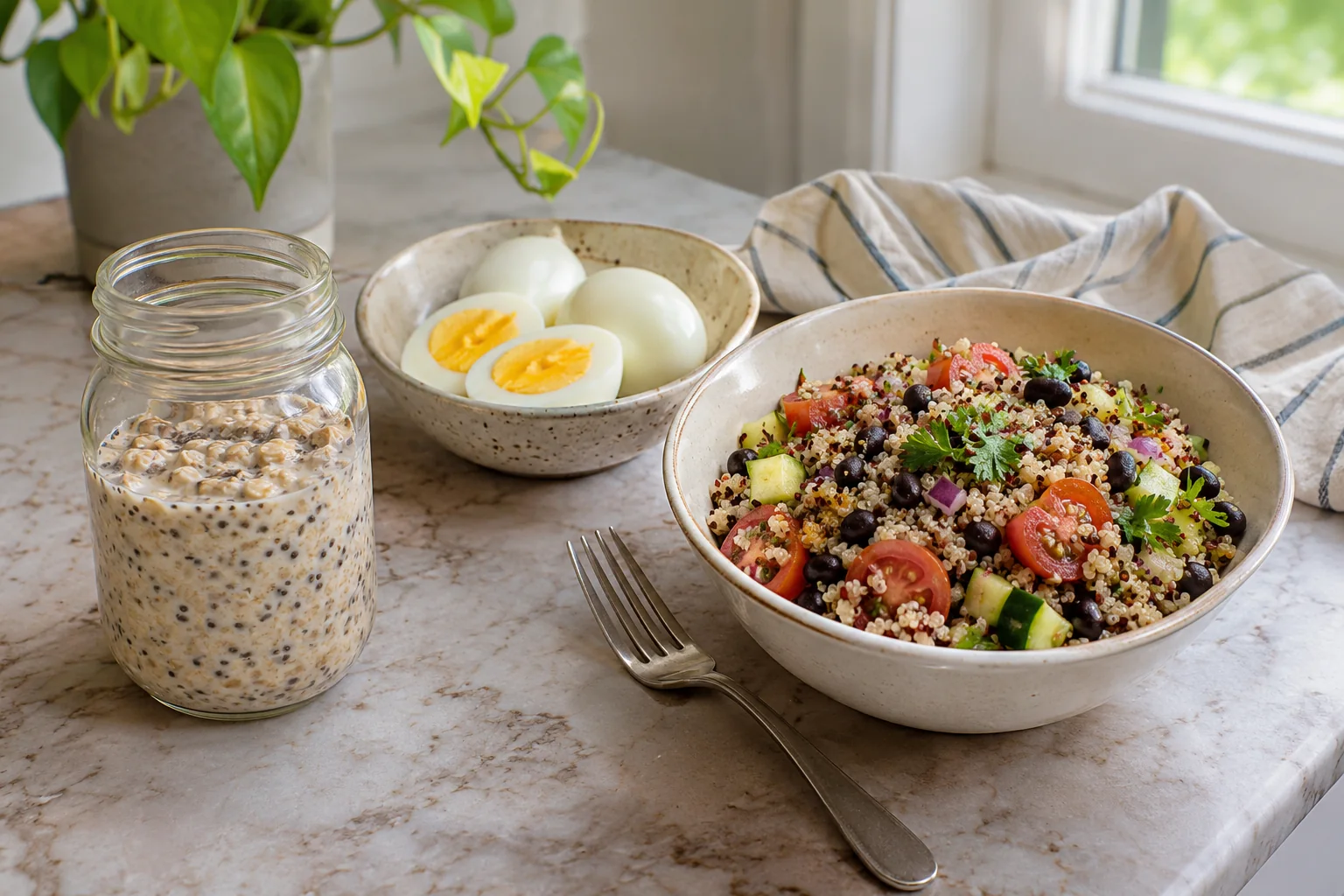
Recipe to try: Quinoa Salad Bowls. Follow this recipe’s ingredient amounts and complete method.
Use freezer backups
Keep a small labelled inventory of suitable frozen soups, cooked sauces or proteins and a bag of frozen vegetables. These reduce the need for emergency grocery shopping. Thaw and reheat under food-safe directions rather than leaving containers on the counter all day.
Consider the cooking equipment
A meal plan that requires the oven for three different dishes at the same time may create an avoidable bottleneck. Choose one-pot and one-tray meals across the week. If your kitchen has one small oven, the plan should reflect it.
What to prep on Sunday
Wash vegetables as appropriate, cook a versatile sauce, portion safe freezer foods and organize the pantry. Don't automatically cook all seven dinners in advance; freshness, quality and safe storage windows may make that a poor plan.
Use a twenty-minute prep session
Set a short timer to check the fridge, choose three dinners, write the missing groceries and identify one backup. Small consistent planning is often more sustainable than an elaborate spreadsheet that takes longer to update than dinner does to cook.
Build variety with flavour families
Tomato and herbs, cumin and lime, soy and ginger, and lemon and garlic can transform similar ingredients. A bag of frozen broccoli can belong in several meals without making all of them taste alike. Reserve sauces separately when reusing cooked components.
Make dietary needs part of the plan
If household members need gluten-free, dairy-free or other specialized meals, choose shared bases and suitable sauces where possible. Prevent cross-contact for allergies and verify packaged ingredients. Flexibility should simplify safe meal preparation, not make it harder.
Food safety limits the timetable
Refrigerate perishables within two hours and keep the fridge at or below 4°C (40°F). Some cooked foods have different recommended refrigerated windows, and soups may have shorter guidance than certain cooked poultry. Freeze components you won't eat in time rather than stretching them to fit the calendar.
A useful five-line meal plan
Write: one substantial cook, one intentional leftovers meal, one quick pantry meal, one vegetable-focused dinner and one flexible night. Add two breakfast choices and two lunch formats. This is enough structure for many households without a rigid seven-day menu.
Review what actually worked
At the end of the week, notice what was eaten, discarded or too time-consuming. Keep successful meal patterns and change the rest. A good plan gets easier with each week because it responds to real household habits.
Make the plan serve you
Use the calendar to anticipate busy days, choose shared ingredients, include a freezer backup and leave room for spontaneity. A flexible weekly plan reduces decisions without turning meals into another obligation.
IN PICTURES
From the baking notebook
FROM THE RECIPE BOX


