On this page
A tall layer cake makes a spectacular birthday or celebration centrepiece, especially when its slices reveal neat bands of sponge and frosting. But height multiplies small errors. A little doming becomes a leaning stack, extra filling creates a slide, and overfilling one pan can produce a burnt exterior with a raw middle. The easiest reliable approach is to think of tall-cake baking as a series of correct shallow cakes assembled carefully.
Plan height before mixing
Decide the number of layers, diameter and approximate final serving height first. Four modest cake layers may be easier to bake evenly than one extraordinarily deep round intended for multiple splits. Use a cake recipe designed for the total batter yield and number of pans.
Match pan dimensions to the formula
An eight-inch round and a six-inch round have noticeably different areas. Changing diameter without scaling changes batter depth and baking time. Follow the recipe's exact pan count, diameter and height; if scaling, use a reliable area-based conversion and account for egg quantities and pan capacity.
Don't fill pans to the rim
Cake batter expands during baking. The acceptable fill level varies with batter type and leavening, but a pan filled nearly to the top can overflow or remain raw in the centre. Divide the total batter evenly using a scale and keep adequate headroom according to the formula.
Make the batter consistently
Weigh dry ingredients and use eggs, butter and liquids at the temperatures specified. Some cakes are built by creaming butter and sugar; others use reverse creaming or an oil-based mixing method. Inconsistent mixing across multiple batches can produce layers with different textures and heights.
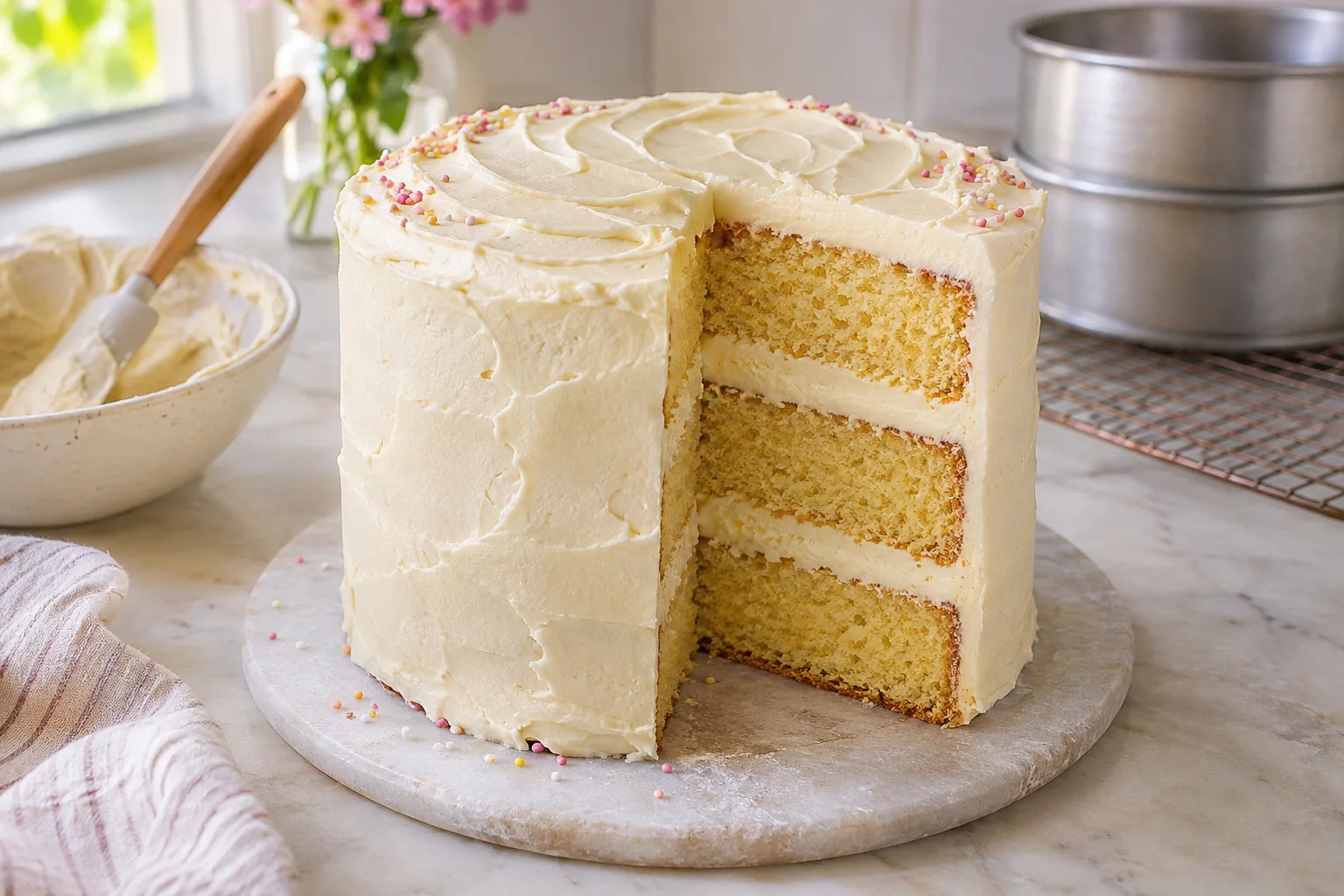
Recipe to try: Classic Vanilla Layer Cake. A tender, moist three-layer vanilla cake with silky buttercream frosting that delivers pure, aromatic vanilla flavor in every delicate, buttery bite.

Bake layers of equal batter weight
If four pans each receive a different quantity, they may dome and finish at different times. Weigh the batter in the mixing bowl and distribute it accurately. A scale is especially valuable when baking several small pans from a large batch.
Choose suitable pan material
Light-coloured metal cake pans are a useful reference for many formulas. Dark metal may brown edges sooner, and glass or ceramic behave differently. Use the specified pan when possible. A dramatically deep or unusual pan needs its own tested baking instructions.
Level the oven racks
An oven rack tilted by heavy cookware or incorrect positioning can encourage uneven batter distribution. Check that pans sit level and leave room for air circulation. Crowding too many rounds onto one rack can create uneven heating and inconsistent domes.
Preheat fully
Tall cake production often involves several batches, so preheat before loading the first pans. Do not put batter into a cooling oven while making the rest of the cake. Keep bake temperature consistent and use an independent oven thermometer if repeated results are uneven.
Use baking strips when appropriate
Damp cake strips can moderate heat near the pan walls in certain cake formulas, sometimes reducing doming. Use products rated for your pans and oven and follow their instructions. Strips aren't required for every recipe and are not an excuse to overfill a pan.
What about a heating core?
Very deep specialty cakes sometimes use an appropriate heating core to bring heat toward the centre. This is a method-specific piece of equipment; ordinary layer cakes generally don't need it. A professional tool cannot compensate for an untested deep-pan conversion.
Avoid opening the oven too early
A cake's structure is fragile during its initial rise. Opening the door repeatedly can introduce temperature changes and contribute to sinking in susceptible batters. Look through the window until the recipe's recommended check point.
Judge doneness for each layer
If pans share a rack but have slight differences in batter quantity, they may finish at different times. Look for the formula's centre spring and tester cues, or a validated internal temperature where supplied. A brown edge does not prove the middle is fully cooked.
Cool before removing from pans
Use the recipe's prescribed in-pan cooling interval, then transfer carefully to a rack where appropriate. Removing a delicate hot sponge too quickly can tear it; leaving certain cakes in hot pans too long can affect crust texture. Let all rounds cool fully before wrapping or filling.
Flatten domes without losing too much cake
Trim high domes once the cakes are stable and cool. Preserve enough height in every round for the intended layers. Severe doming may signal an oven or pan issue worth correcting next time rather than losing a quarter of every cake to trimming.
Torte or stack as planned
Some designs stack separately baked rounds; others split one or more thick cakes horizontally. If torting, mark equal heights and use a long serrated knife. Support the thin layers while transferring to avoid cracking them before the cake is assembled.

Choose frosting and filling that support height
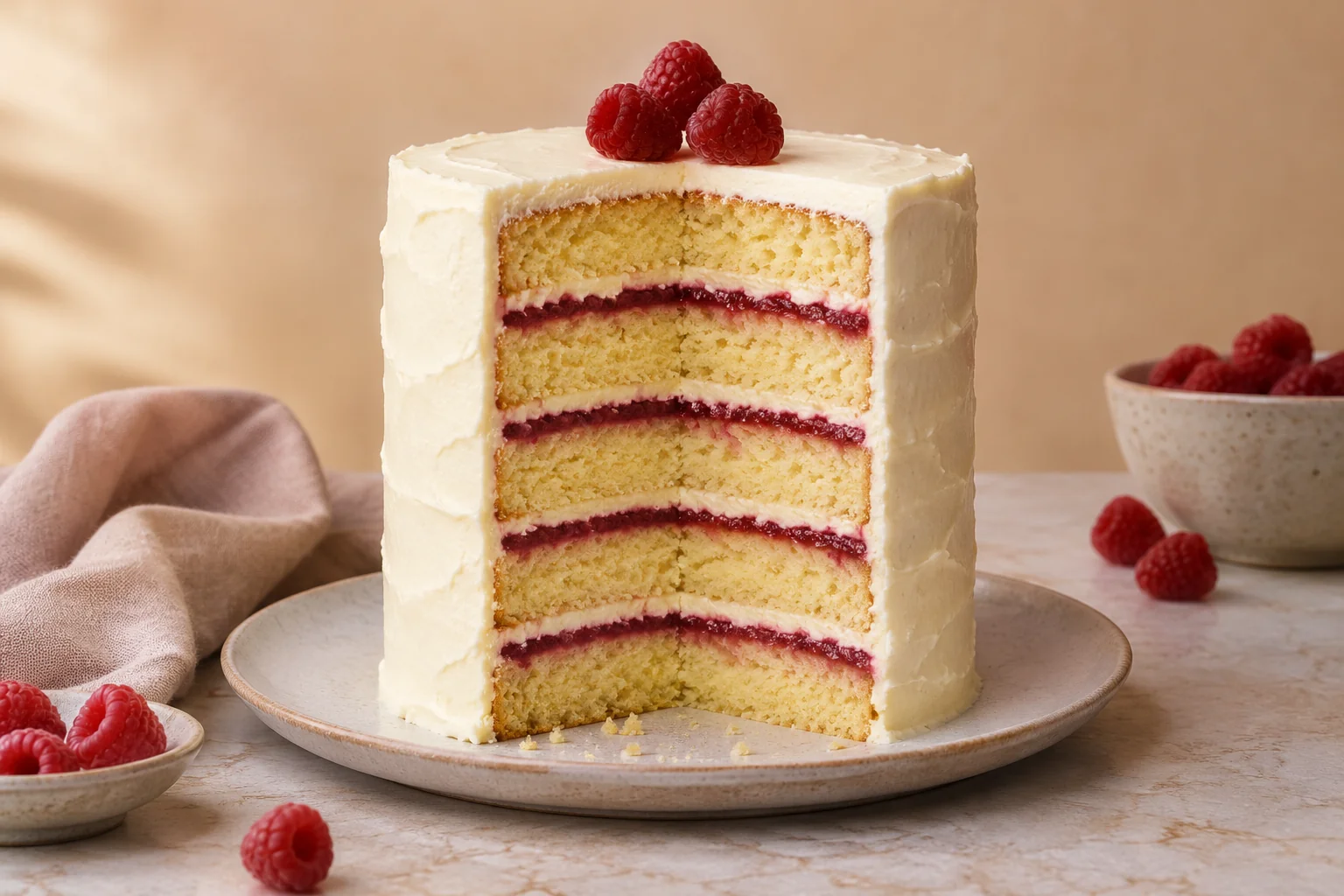
A sturdy buttercream or properly set ganache can support stacked sponge more predictably than loose fruit sauce. When using jam or curd, a buttercream dam helps contain the softer filling. Don't make each filling layer excessively deep just to increase height.
Recipe to try: Chocolate Layer Cake. Rich, decadent chocolate layers enveloped in silky frosting create a celebration-worthy cake with deep cocoa flavor and melt-in-your-mouth texture.

A crumb coat helps stabilize
Apply a thin coat to capture crumbs and refrigerate according to the frosting recipe so it firms before the final finish. This stage makes the next smoothing pass easier and may reveal whether any layers are already moving. Adjust the structure before continuing to decorate.
When are cake boards and dowels required?
An ordinary tall single cake may only need a sturdy base, while stacked tiers and very heavy designs need engineered food-safe support. Each upper tier should be carried by appropriate boards and dowels rather than resting on soft filling alone. Remove non-edible supports before serving.
How to transport a tall cake
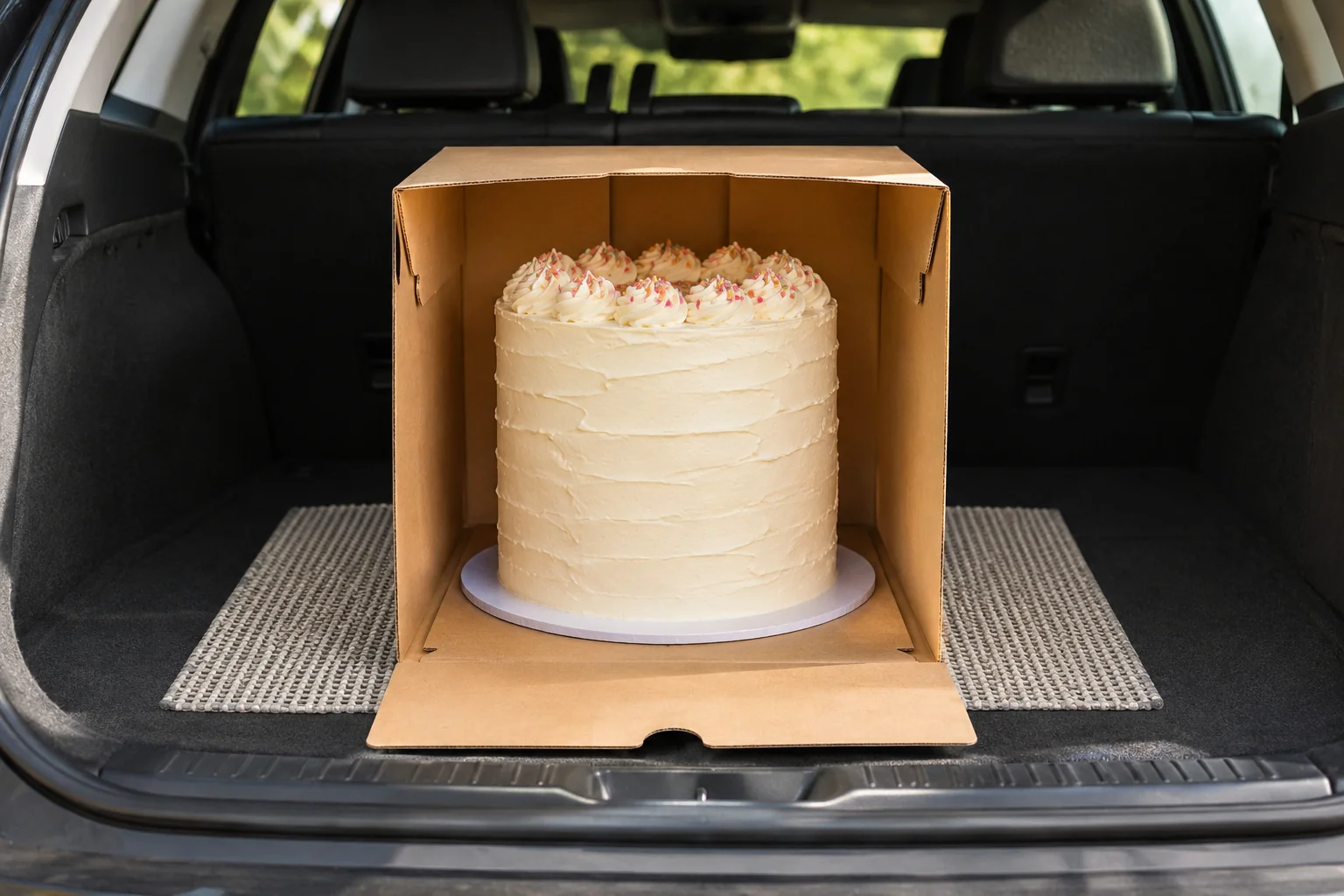
A tall cake has a relatively high centre of gravity. Chill it appropriately, use a strong board and rigid box, and place it on a level stable surface in the vehicle. Driving slowly won't compensate for a cake that lacks internal support.
Plan a make-ahead schedule
Bake layers a day in advance and store as directed if the recipe allows, then assemble and crumb coat before final decoration. This reduces the risk of frosting warm cake. Keep perishable fillings refrigerated and account for their service windows.
Frequently asked questions
Can I double batter into one pan? Not without a tested deep-pan method. Is six layers automatically better than four? No; stability and proportion matter. Do I need dowels? For multi-tier or very heavy designs, yes according to a support plan. Why is the cake crooked? Uneven layers, filling or board can contribute.
Think tall by thinking even
Correct pans, equal batter portions, fully baked layers, level surfaces and controlled fillings create an impressive cake. The secret to height is repeatable construction, not simply pouring a small-cake recipe into the deepest tin you own.
Recipe to try: Lemon Layer Cake. A show-stopping triple-layer cake bursting with bright lemon flavor, filled with tangy lemon curd, and wrapped in silky lemon buttercream for the perfect balance of sweet and citrus.
IN PICTURES
From the baking notebook
FROM THE RECIPE BOX


