On this page
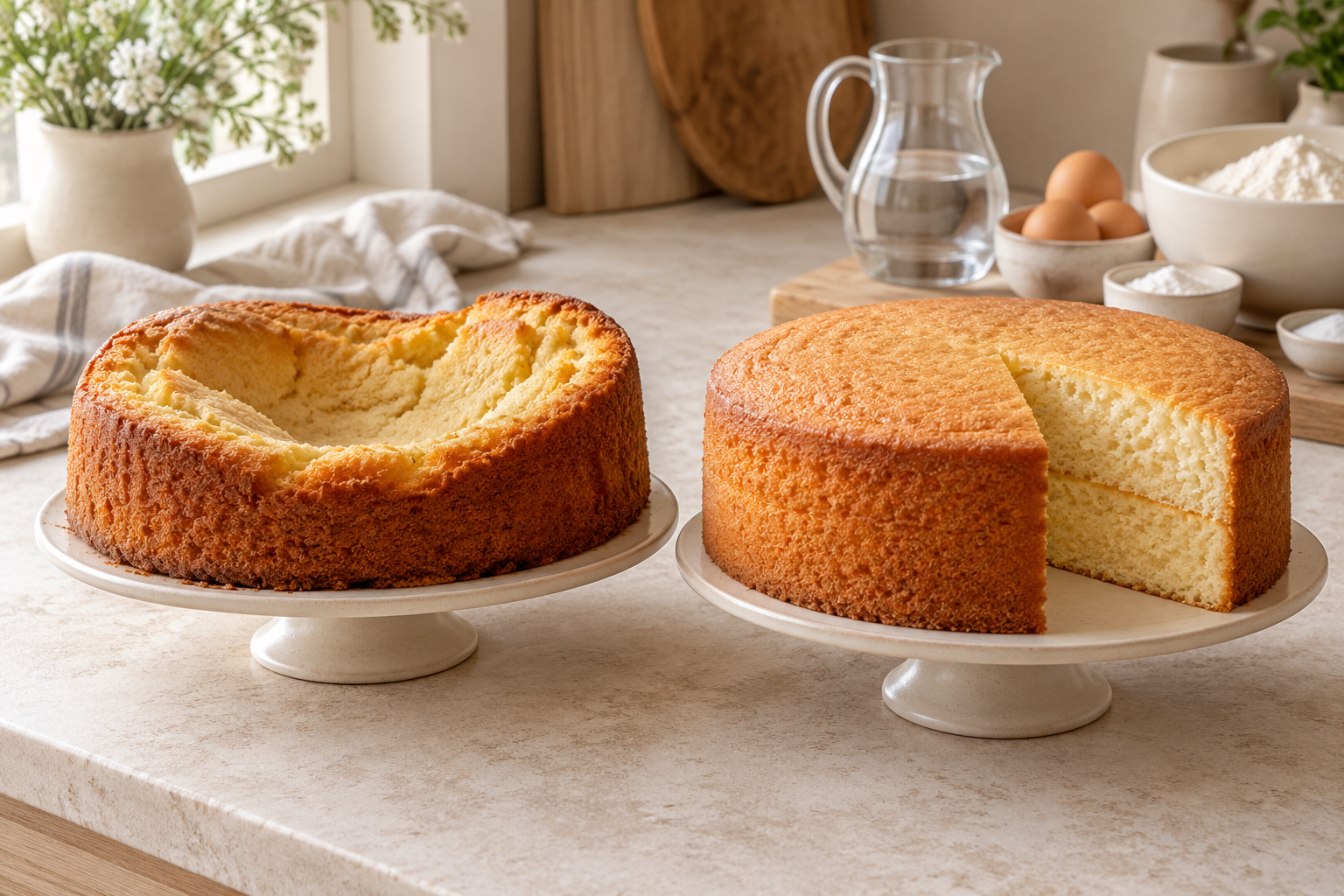
A cake recipe developed near sea level can behave differently in a mountain kitchen. Lower atmospheric pressure affects how gases expand and the temperature at which water boils. Moisture also evaporates differently, changing when a batter sets and how a bread crust develops. There is no single adjustment that fixes every high-altitude recipe: cakes, cookies, yeast bread and candy rely on different physical processes. Start by identifying the local elevation and the specific baking problem.
What counts as high altitude?
Many baking guides begin discussing adjustments around 3,000 feet, or roughly 915 meters, above sea level. Effects increase with elevation, but kitchen humidity, ovens and recipe design also matter. A baker at 3,500 feet may need a smaller adjustment than one at 8,000 feet. Use elevation-specific published guidance rather than treating every mountain town as identical.
Lower air pressure and rising
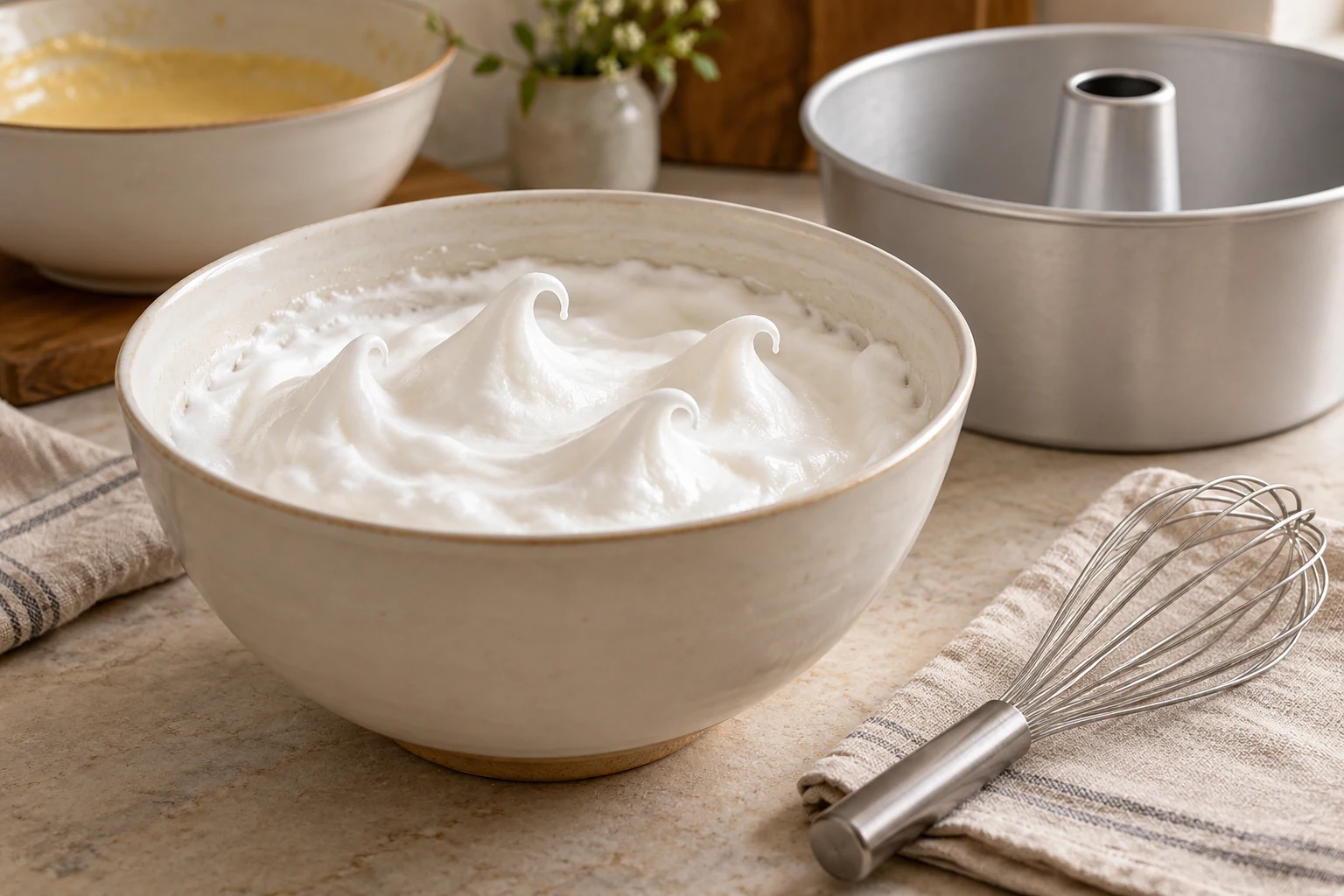
Gases in batter and dough can expand more readily as outside pressure decreases. A chemically leavened cake may rise quickly before proteins and starch have formed sufficient structure, then sink. This is one reason some high-altitude cake adjustments reduce leavening or alter baking heat. But reducing baking powder isn't necessarily the correct first step for every bread or cookie.
The boiling point changes
Water boils at a lower temperature as atmospheric pressure falls. A pot of boiling water therefore provides less heat at high altitude, which can lengthen cooking for certain foods and influence sugar syrup stages. Inside cake batter, water evaporation and boiling are part of a larger heat-and-moisture process. Do not apply sea-level candy thermometer temperatures blindly at a mountain elevation.
Evaporation affects moisture
Some baked goods dry faster at higher elevations because of lower pressure and often drier air. This can change batter consistency and final texture. A cake may need a tested liquid adjustment, while cookie spread may respond to flour and sugar balance. Adding a large splash of milk to every formula is not a reliable general solution.
Start with an accurate oven
Before adjusting a recipe, verify that the oven reaches its set point and the pan matches the instructions. An oven running cool can produce sinking cake at any altitude. A very dark pan can overbrown edges regardless of elevation. High-altitude baking is already variable, so eliminating ordinary measurement and equipment errors matters even more.
Why cakes may dome and collapse
A batter that expands too quickly before its structure sets can form a tall dome and later sink. Some cake formulas use less leavener, more flour, adjusted liquid or slightly higher baking temperatures at elevation. Those changes interact, and not all should be applied simultaneously. Choose an altitude guide for your exact recipe category and elevation band.
Leavening adjustments aren't universal
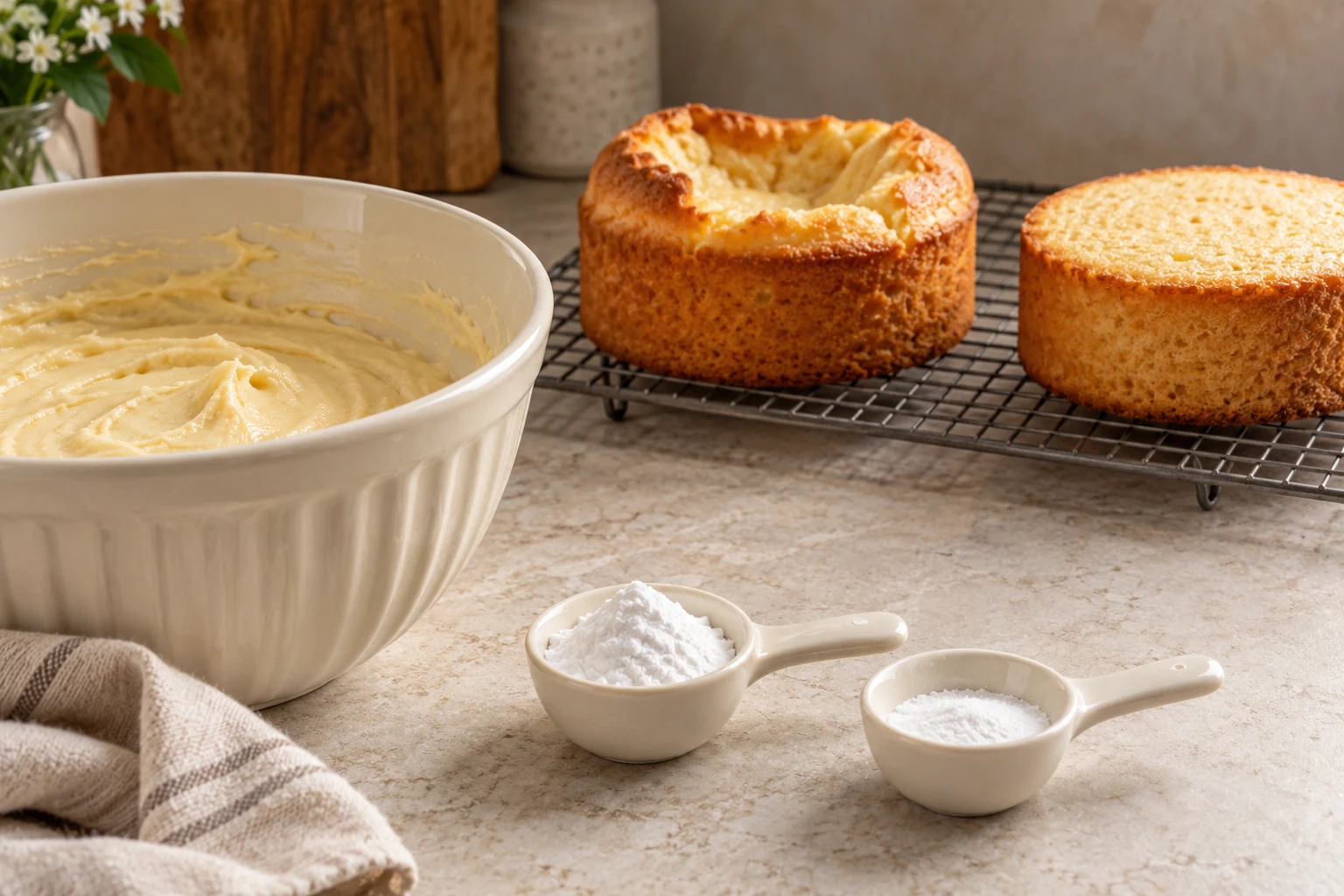
A recipe using baking soda with buttermilk has different chemistry from one relying on baking powder. Reducing soda without considering the acid balance can leave an overly acidic cake. Published high-altitude adjustments may specify different reductions for each. Follow the complete adaptation, including liquid and oven temperature where recommended, instead of borrowing one isolated teaspoon rule.
Sugar may need attention
Sugar contributes tenderness, moisture and delayed setting in cakes. Some high-altitude guides recommend modest reductions in particular formulas because rapid gas expansion and delayed structure can cause collapse. Removing a large fraction can leave cake dry. Make small tested changes appropriate to elevation and recipe style. A dense pound cake may respond differently from a delicate sponge.
Flour changes structure
Adding a little flour in a tested high-altitude adaptation may help certain cakes hold their expanded gas bubbles, but too much creates toughness. Flour protein and absorption vary by brand and country. Weigh ingredients accurately. A cake that sank because of inadequate baking won't automatically improve from extra flour, and a cookie designed to spread thinly may not need that same structural adjustment.
Liquid may need adjusting
Higher elevation and dry conditions can increase moisture loss, so some recipes call for additional liquid. The amount depends on altitude, pan depth and batter formula. Too much liquid can create a gummy center that sinks. Consult a credible conversion and maintain correct dairy acidity and fat content rather than adding arbitrary water to a carefully emulsified butter cake.
Baking temperature and time
Some high-altitude cake methods raise oven temperature slightly so structure sets earlier, often with an adjusted bake time. But a higher oven temperature may burn small cookies or delicate pastries. Recipe-specific guidance matters. Use a thermometer and monitor actual doneness instead of assuming every high-altitude bake needs more heat.
Chocolate cake considerations
Chocolate cake may include cocoa, buttermilk and baking soda, complicating the acid-base balance. Natural and Dutch-process cocoa differ in pH. If adapting at altitude, preserve the intended cocoa system or use a tested high-altitude chocolate cake recipe. Changing cocoa, leavener and elevation corrections at once obscures the cause of a failed bake.
Cookies at altitude
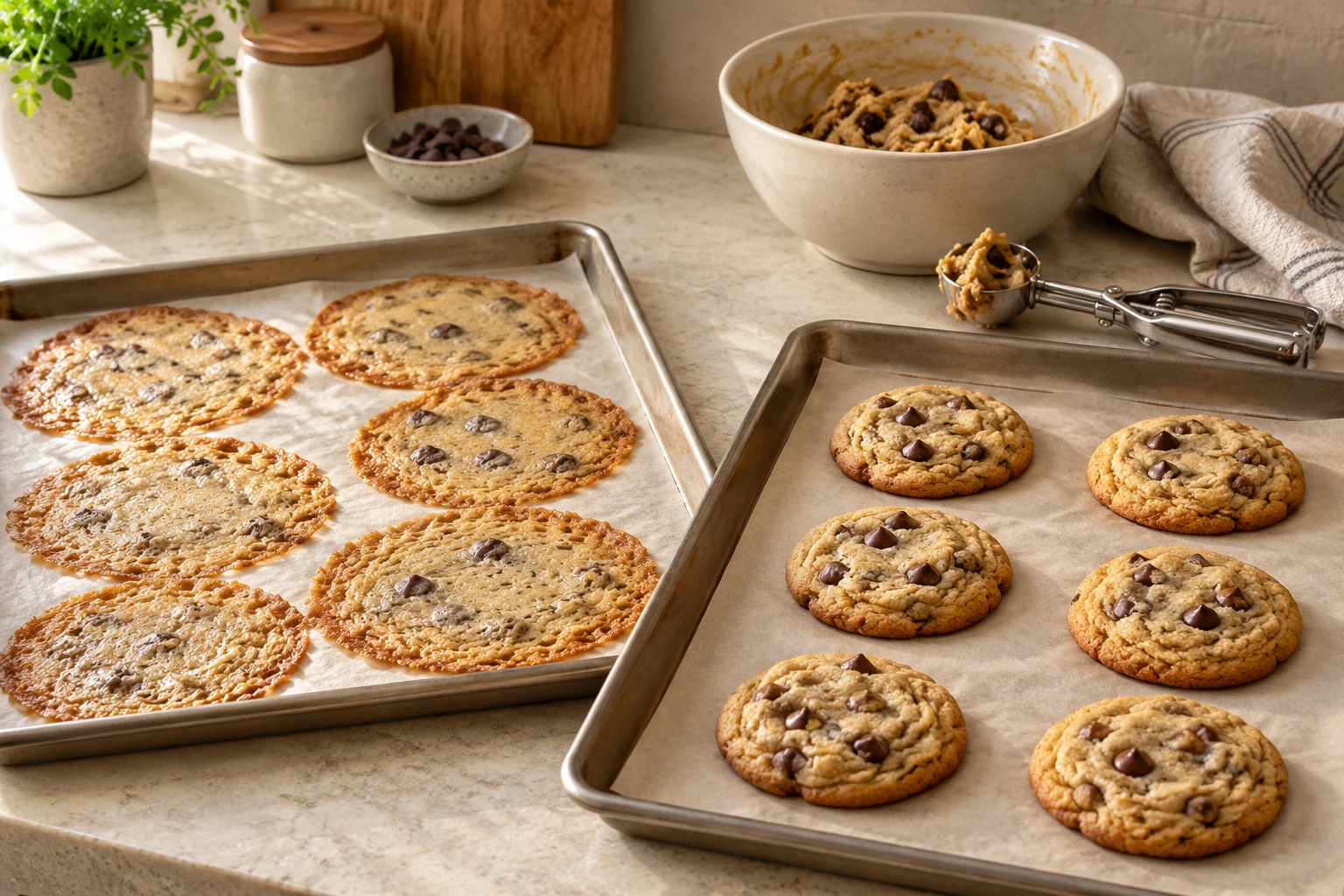
Cookie spreading can change because of differences in evaporation, gas expansion and formula balance. Depending on the recipe, a tested high-altitude adaptation might adjust flour, sugar, liquid or oven conditions. Don't assume every flat mountain cookie needs extra baking powder; that may worsen spread or flavor. Start with accurate dough weights and a cool baking sheet.
Muffins and quick breads
Muffins often use chemical leaveners and a moist batter, so altitude can affect rise and center setting. Overmixing still creates toughness, and overfilled liners can spill at any elevation. Use a tested muffin adaptation, portion consistently and verify doneness. A higher mountain oven doesn't erase the need for gentle mixing.
Yeast bread behaves differently
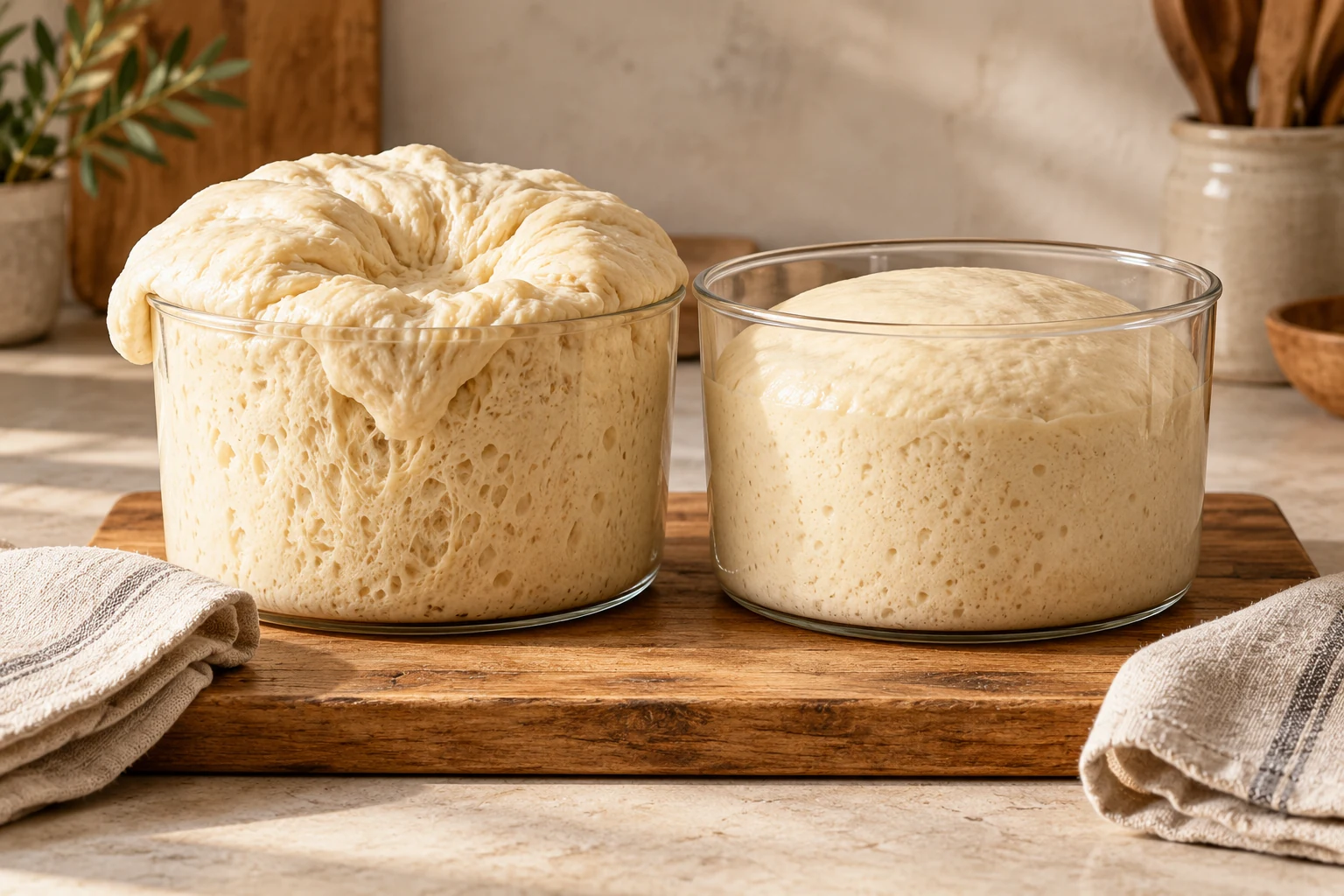
Yeast produces gas through fermentation, and lower air pressure can influence expansion. Bread may rise faster in some high-altitude conditions, though dough temperature and yeast activity remain crucial. Judge the dough by its rise and feel rather than only the clock. You may need to adapt proofing or hydration, but don't eliminate yeast or aggressively degas every dough without following a suitable bread method.
Sourdough at altitude
Sourdough fermentation depends on starter activity, flour, hydration and temperature as well as local conditions. A dry mountain climate can form a skin on uncovered dough, so cover properly. Observe bulk fermentation and final proof instead of using a sea-level timetable without interpretation. A dense loaf might still reflect a weak starter or underfermentation rather than the elevation alone.
Pie pastry challenges
A flaky pie crust uses cold solid fat and controlled hydration. Dry mountain air can alter how quickly dough surfaces dry, but adding excess water may develop gluten and toughen pastry. Follow the method's dough-feel cues and a tested regional adaptation. A soggy bottom may instead reflect wet filling or pan heat, issues unrelated to altitude.
Candy temperatures need special care
Sugar syrup stages depend on boiling temperature and concentration. Because water boils at a lower temperature at altitude, sea-level target temperatures may overcook a candy unless properly adjusted. Use an accurate candy thermometer and a validated altitude-specific formula or boiling-point adjustment method. Never judge a dangerously hot caramel by touching or tasting it.
Custards and cheesecakes
Egg-and-dairy desserts rely on protein coagulation and gentle heating. High altitude may change boiling and evaporation, but the safe cooking endpoint still matters. Use a tested method and pan depth, rather than assuming visible bubbles mean a custard is ready. Perishable finished desserts require refrigeration regardless of elevation.
Dryness versus collapse
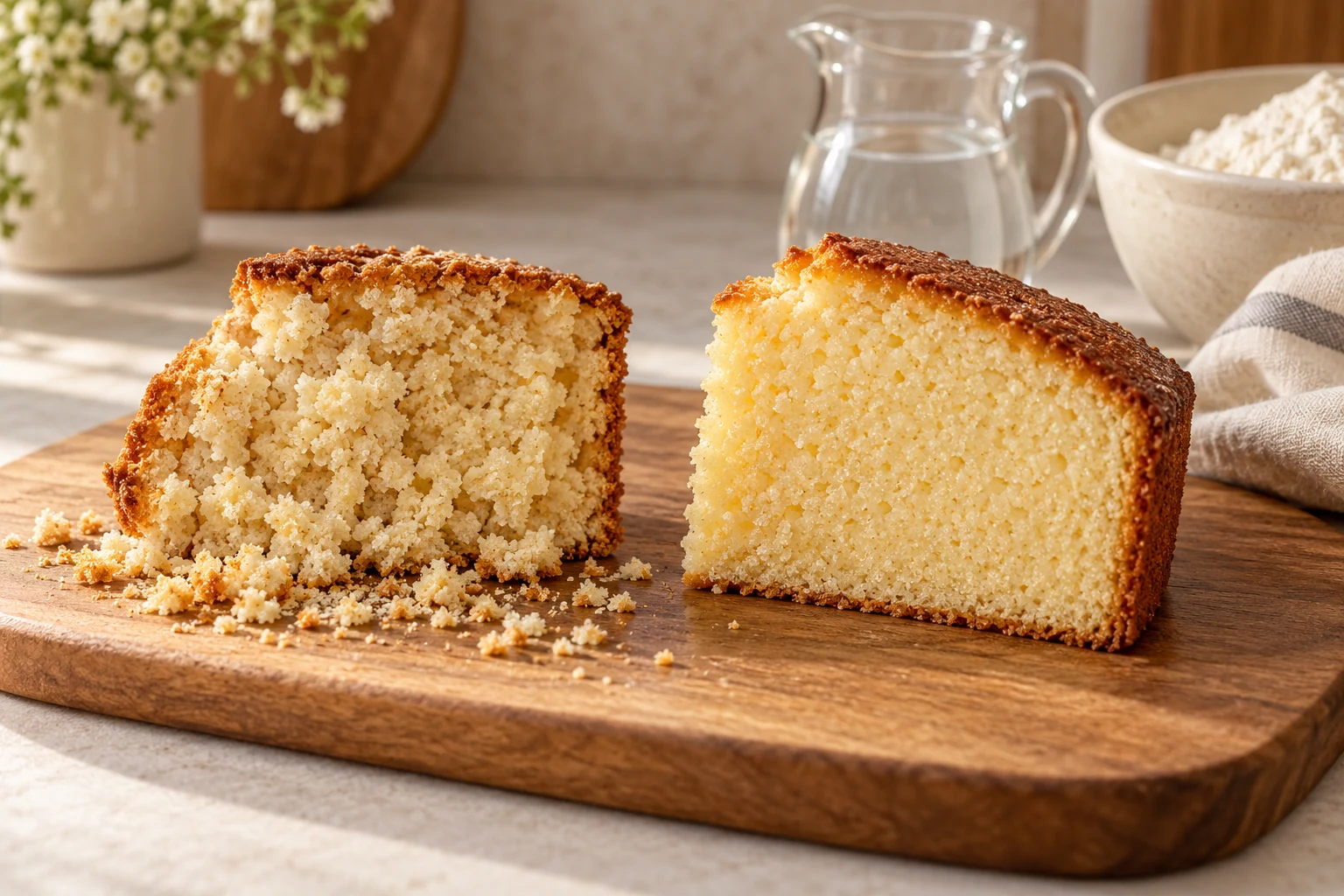
A dry cake suggests a different issue from one with a wet collapsed center. High elevation can contribute to both through separate mechanisms. Record whether the batter rose dramatically, how quickly the exterior browned and whether the crumb is gummy or dry. These observations identify which published adjustment to test next.
Use one trusted reference
Colorado State University Extension and King Arthur Baking provide practical high-altitude baking resources. Compare their guidance with the type of recipe you are using and the approximate elevation. Avoid combining every suggestion from several charts into one experimental cake. Choose the nearest suitable adaptation and follow it completely.
A home test schedule
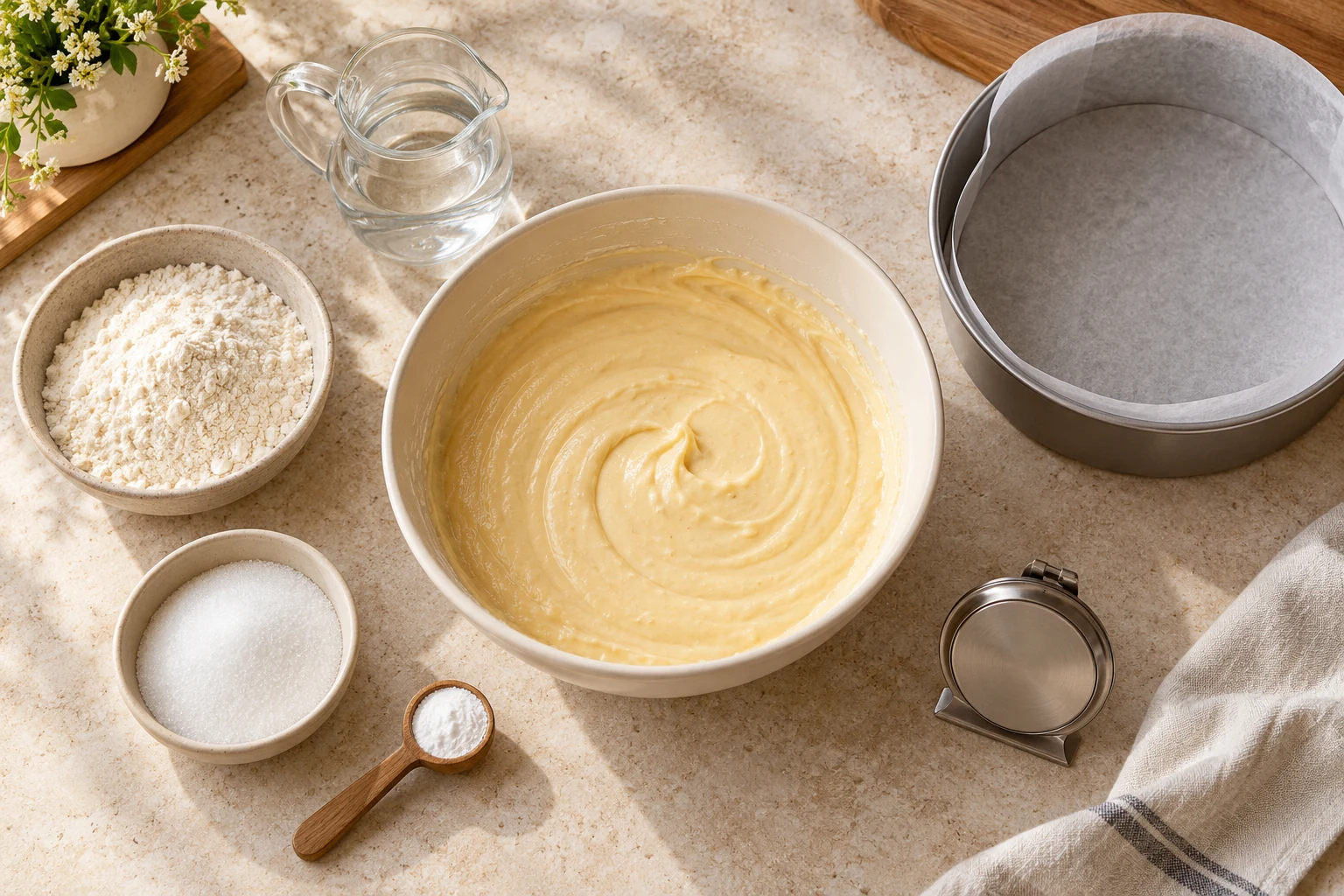
Bake a small familiar recipe using precise ingredient weights at your actual elevation. Record pan, oven, batter volume, rise and cooled texture. Choose one published altitude adaptation and repeat, keeping equipment consistent. This makes the effect visible and helps you build a personal altitude notebook for cakes, cookies and bread.
What to change when moving
If you recently moved from a low elevation to a mountain city, start by making one known cake using local ingredient brands and an accurate oven. A different flour protein content or oven calibration may be contributing alongside air pressure. Avoid concluding that every changed result is caused solely by altitude.
Frequently asked questions
Does every high-altitude cake need less baking powder? No. Does water boil at the same temperature? No. Will higher heat always help? Not for every bake. Can bread rise faster? It may under some conditions. Are cookie changes identical to cake changes? No. Do candy thermometer targets change? They may require altitude adjustment.
Bake for your actual location
Altitude influences gas expansion and moisture behavior, but the correct response depends on the formula. Use reliable elevation-specific guidance, record results and change one variable at a time. A mountain kitchen can produce excellent baking when the method accounts for its environment.
Related recipe: Classic Vanilla Layer Cake.
IN PICTURES
From the baking notebook
FROM THE RECIPE BOX


