On this page
Fall baking is less about one ingredient than about the way a kitchen begins to smell: apples softening under a crumble, maple warming in a cake, ginger and cinnamon drifting from the oven. It is the season for cozy loaves, fruit desserts, sturdy cookies and bakes that can be shared without elaborate decorating.
With so many flavours competing for attention, a good fall baking plan starts by choosing a few complementary ingredients and using them deliberately. This guide explains how to work with apples, pumpkin, maple and warm spices, then build a practical seasonal baking menu without everything tasting the same.
Start with Fresh Fall Fruit
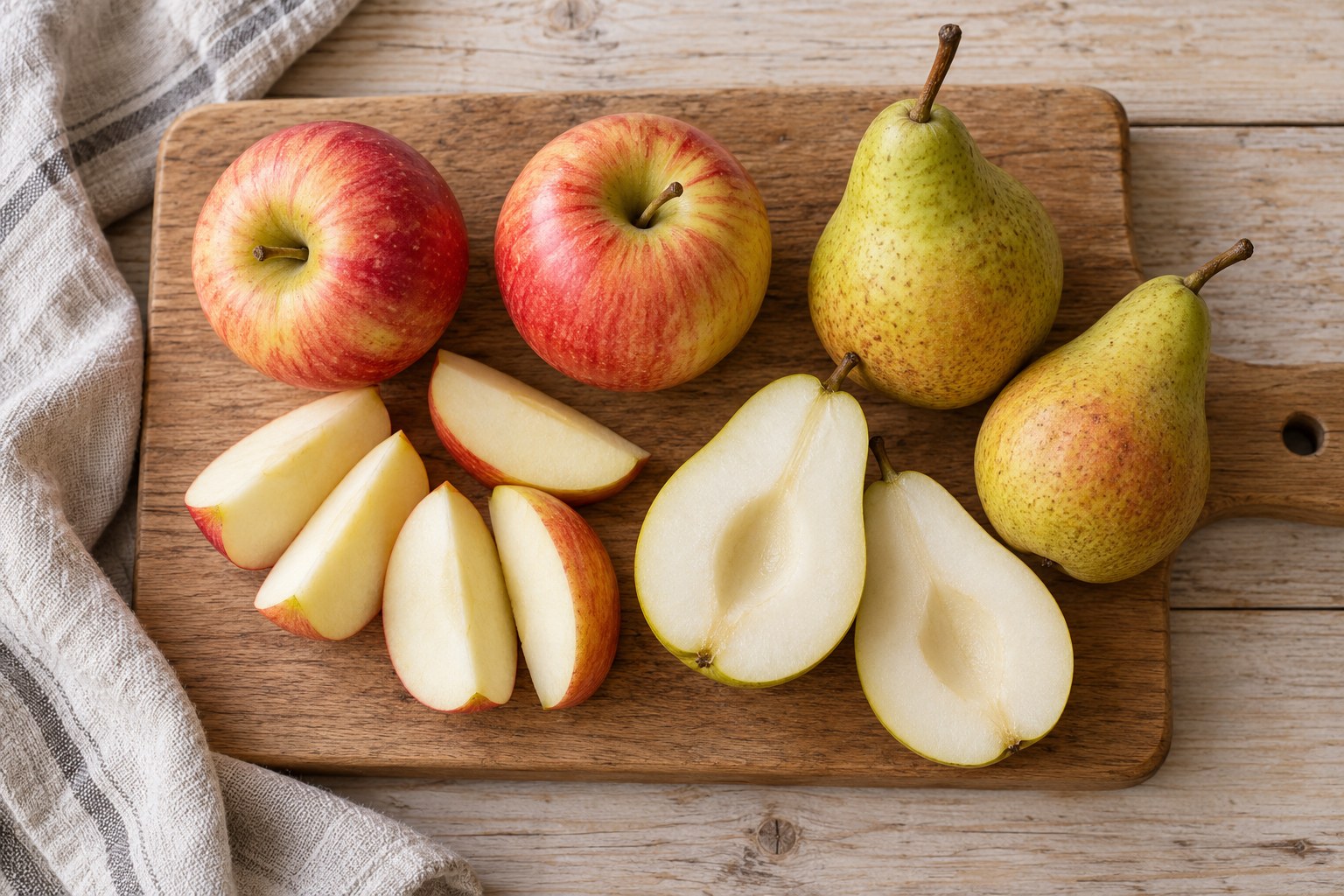
Apples and pears are wonderfully adaptable, but their ripeness affects the result. Firm apples hold shape in baked fillings; softer apples may be useful in sauces or cakes where tender fruit is welcome. Pears can move from under-ripe to very soft quickly, so choose firmness based on the recipe. Wash fruit, remove any damaged portions appropriately, and cut evenly for predictable cooking.
Don't automatically substitute frozen fruit for fresh. Frozen pieces often release additional water and may need different handling, thickener or baking time. Use a recipe that includes the form you have.
Apple Baking: Crisp, Cake or Galette?
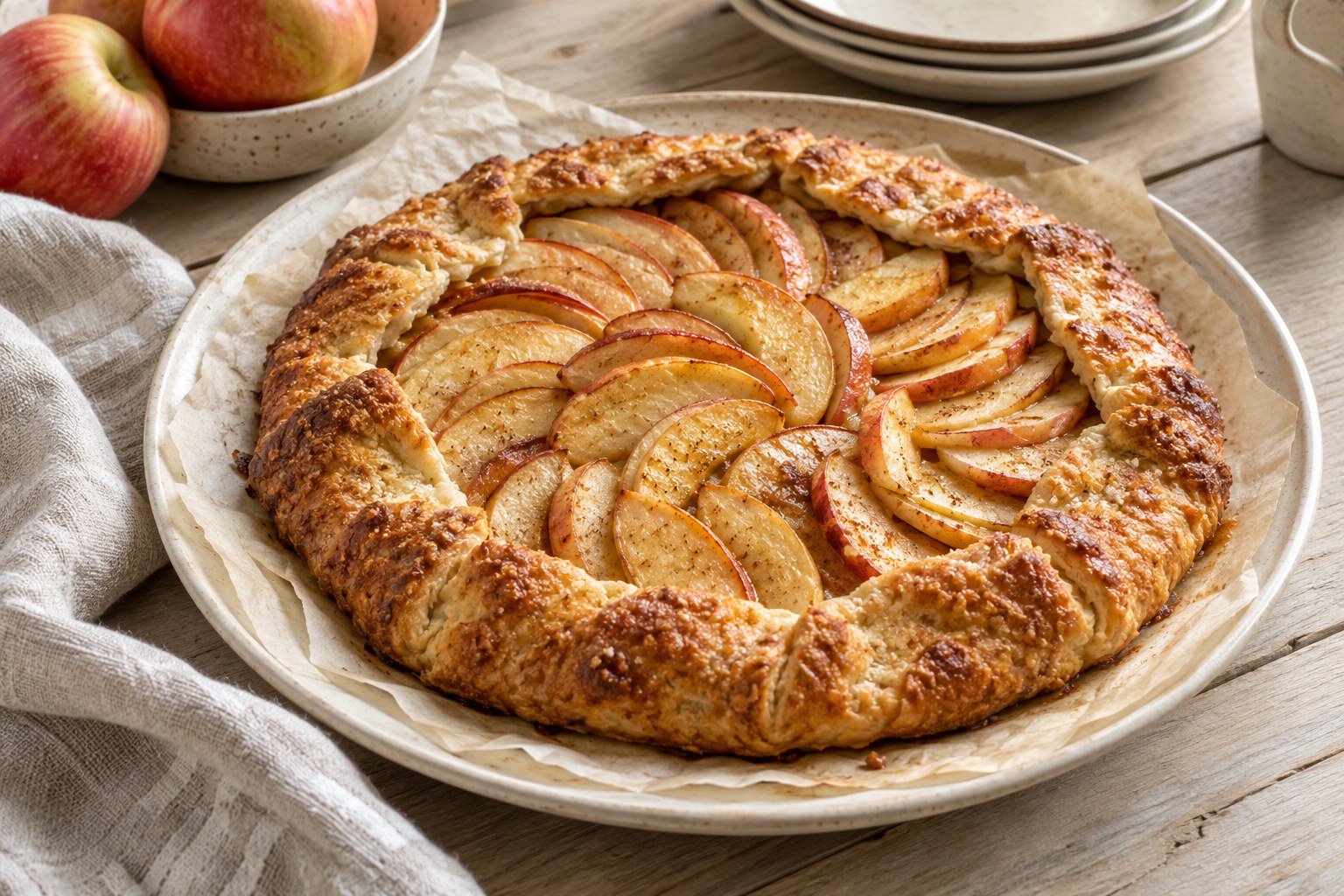
Apple crisp is a good first fall dessert because it focuses on the fruit without requiring pastry skills. For a more polished presentation, try a galette with chilled dough and evenly sliced apples. A tender apple cake can be easier to transport, while muffins are ideal for individual portions.
Choose apples for both flavour and structure. A tart, firm variety can balance a sweet topping; a more fragrant apple might be lovely in a simple cake. Keep the fruit quantity accurate because extra pieces add weight and juice.
Pumpkin: Moisture Is the Main Ingredient to Manage
Plain pumpkin purée is not the same as prepared pie filling. Purée contributes water and solids, while pie filling generally has added sweeteners and spices. Recipes developed for plain purée account for its effect on the crumb and texture.
Try pumpkin snack cake, muffins, soft cookies or a Bundt cake, selecting the result you actually want. Extra purée can make cookies cakey and loaf centers gummy. If you're making homemade purée, be aware that its moisture varies significantly.
Maple: An Ingredient, Not Just a Drizzle
Pure maple syrup adds a delicate toasted flavour, but it also adds liquid. Replacing dry sugar with syrup changes sweetness, moisture and browning. Start with a recipe designed for maple rather than swapping in equal quantities.
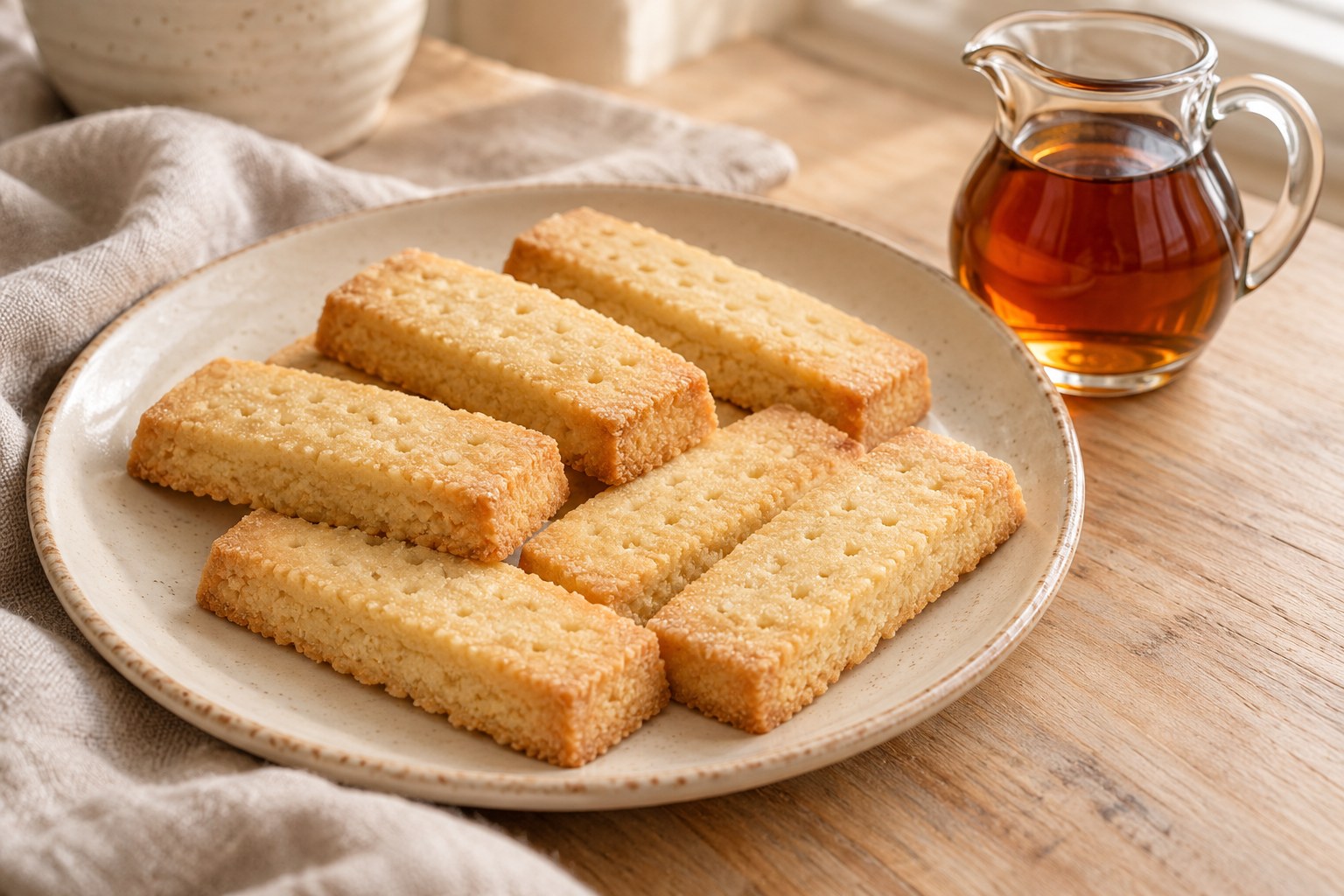
For the most obvious maple flavour, choose desserts with gentler supporting notes: shortbread, simple vanilla cake, pecan bars or a restrained glaze. A deeply spiced cake can bury the maple completely.
Pears: A Softer, More Elegant Fall Fruit
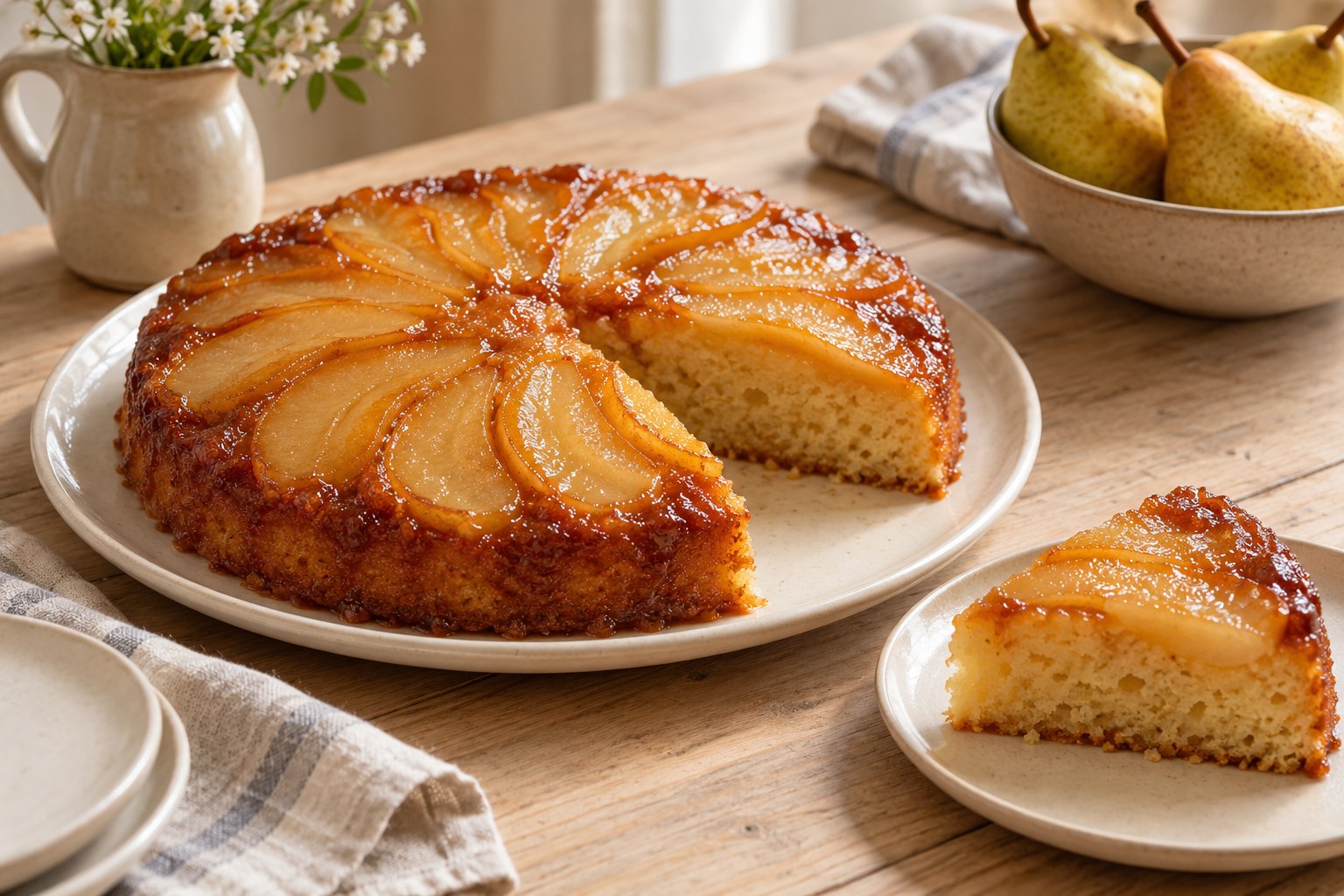
Pears pair beautifully with almonds, dark chocolate, ginger and vanilla. A pear galette, upside-down cake or maple pear crisp can feel festive without elaborate piping. Choose pears firm enough to maintain their shape in desserts with visible slices.
Pear desserts can turn watery when the fruit is very ripe or overused. Measure it and follow filling instructions, particularly for pastry recipes with crisp bottoms.
Cinnamon: Warmth Without Overpowering
Cinnamon is the most familiar fall spice, but too much can flatten everything into one taste. In apple crisp it may be prominent; in pear cake a light touch is often enough. Ground cinnamon varies in strength and aroma, so start with the amounts in the recipe.
Try pairing cinnamon with vanilla, toasted oats or brown butter. Remember that stronger spices may overpower subtle maple or pear flavours.
Ginger, Nutmeg, Cloves and Allspice
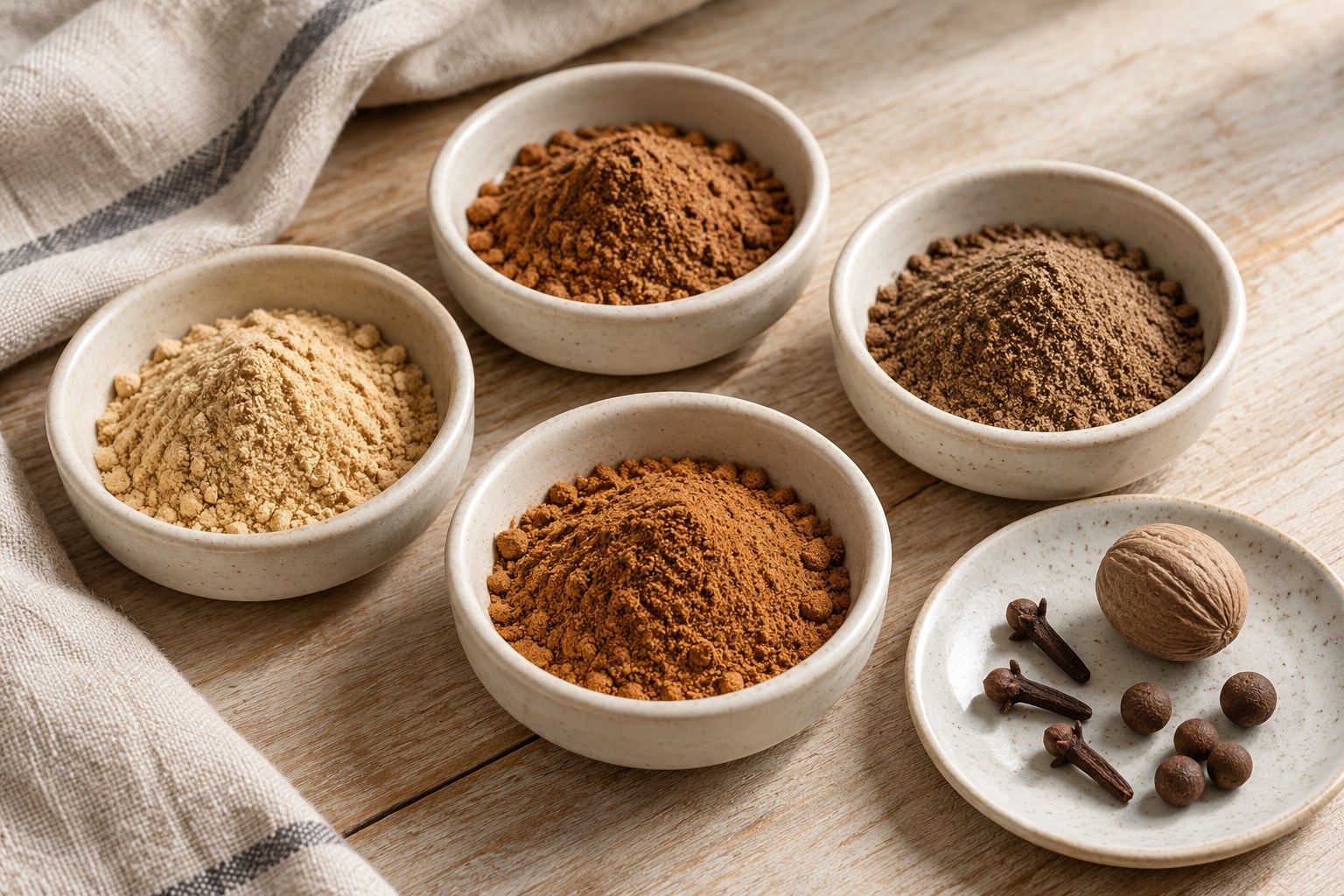
Ground ginger provides gentle bite; nutmeg adds a fragrant warmth; cloves can be powerful even in small quantities; allspice brings a round, complex note. These spices aren't interchangeable one-for-one, and a mixture designed for one cake may not suit every cookie.
Use freshly purchased, aromatic spices in the proportions specified, and replace stale jars when their aroma fades. For a fall dessert table, vary the spice intensity instead of using the same blend in every recipe.
Brown Butter and Toasted Nuts
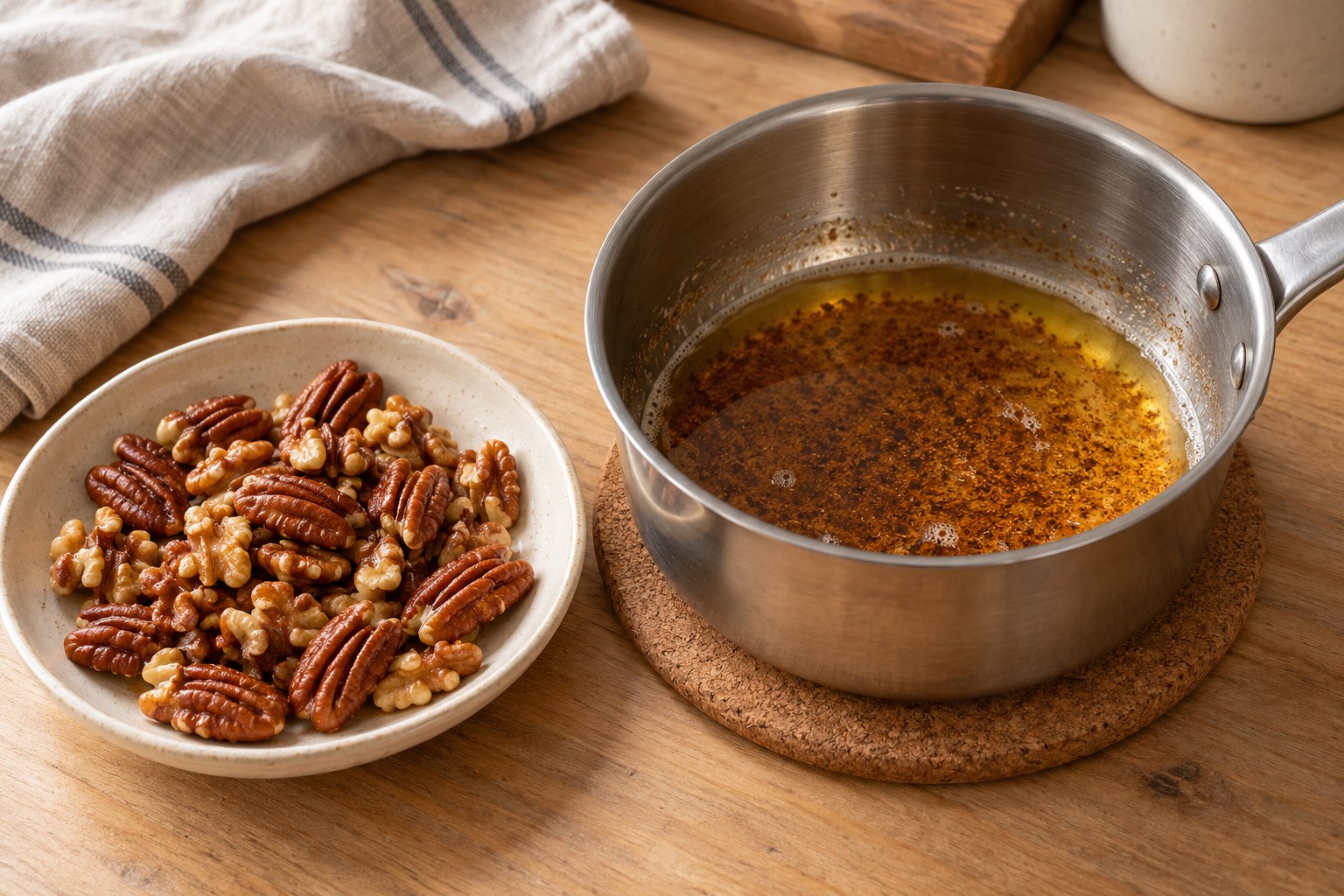
Brown butter gives a nutty aroma that complements apples, pears and maple. It also loses some water during browning, so using it in a recipe written for plain melted butter may change consistency. Follow a brown-butter-specific formula unless substitution instructions are given.
Toasted pecans and walnuts bring crunch to soft cakes and bars. Toast gently according to a recipe and let nuts cool before adding them where appropriate. Clearly label nut-containing desserts when sharing with guests.
Fall Baking by Occasion
For a Quiet Weekend
Choose one approachable bake, such as an apple crisp or pumpkin loaf, and enjoy it without a decorating project. Brew tea or coffee while it cools, and pack leftovers according to the recipe.
For Thanksgiving
Pair a fruit dessert with a contrasting bar or chilled cheesecake. Make sturdy components ahead, but leave whipped cream and fragile toppings until serving. Keep custard, cream and dairy-rich dishes properly refrigerated.
For a Holiday Gift
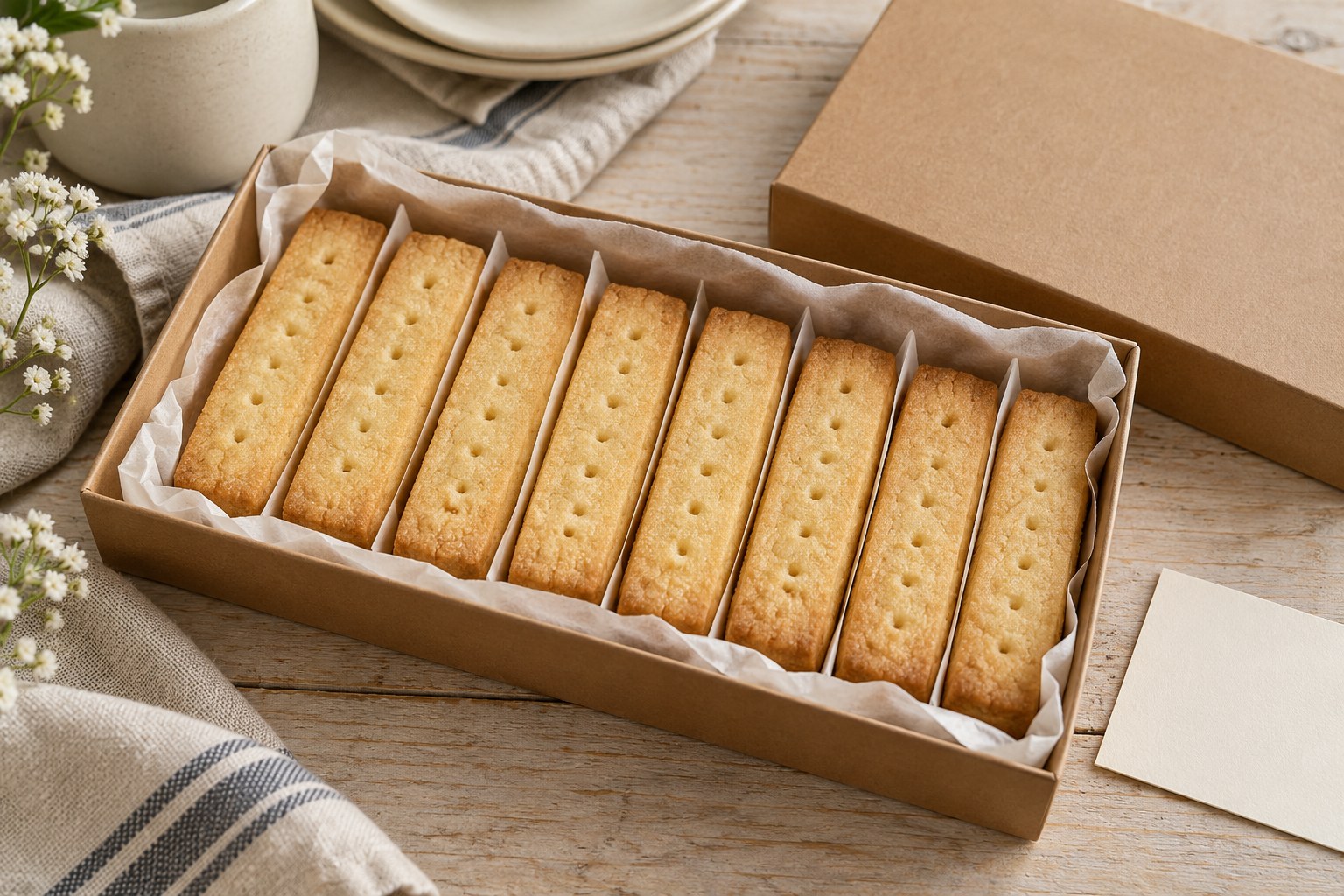
Sturdy shortbread, approved granola recipes and some loaf cakes can make thoughtful gifts. Check recipe storage windows, cool baked goods fully before packaging and include ingredient and allergen information.
How to Build a Fall Baking Pantry
Keep familiar staples—flour, sugar, baking powder, baking soda, salt, vanilla and appropriate fats—alongside a small collection of seasonal ingredients. Oats, cinnamon, ginger, maple syrup, canned plain pumpkin and a few varieties of apples can support many different recipes without buying twenty special products.
Before shopping, choose recipes first. A bag of specialty flour or a large bottle of flavouring isn't a saving if you only need a spoonful once.
Common Fall Baking Troubleshooting
Soggy fruit dessert: check fruit ripeness, filling thickener, pre-cooking directions and bake time. Gummy pumpkin loaf: confirm purée and flour quantities, pan dimensions and oven temperature. Flat cookies: review fat temperature, dough chilling and measuring. Bland maple cake: consider whether strong spices mask the flavour rather than adding more syrup.
Change one variable at a time when diagnosing a result. Accurate measurements and the correct pan are more useful than last-minute adjustments to a recipe that was already tested.
Make-Ahead and Storage
Some cake layers and cookie doughs have reliable freezing methods; cream-filled pastries and delicate fruit toppings may not. Store each dessert according to the specific recipe. Refrigerate perishable foods appropriately at 4°C (40°F) or colder and keep freezers at −18°C (0°F) or colder.
A good seasonal baking calendar includes cooling, wrapping, thawing and decorating, not just the minutes spent in the oven.
Frequently Asked Questions
What's the easiest fall dessert for beginners?
A simple apple crisp, a one-bowl recipe-approved pumpkin cake or basic muffins can be good starting points. Choose a recipe with clear steps and appropriate equipment.
Can I use pumpkin pie spice in everything?
It's convenient but can mask subtle flavours. Some desserts are better with just cinnamon or vanilla. Follow the recipe before substituting a blend.
Should I peel apples and pears?
It depends on the recipe and the fruit. Skins add texture and colour, but a smooth tart or filling may call for peeling.
How do I reduce food waste?
Choose recipes that share ingredients, freeze measured amounts of safely handled leftover purée, and plan small batches rather than overfilling an unrelated batter.
Make the Season Taste Like More Than One Spice
Fall baking becomes more interesting when every dessert has its own personality. Let apples bring acidity, pears bring fragrance, pumpkin bring tenderness and maple bring depth. Work from reliable recipes, plan the storage and save the warm-spice drama for the bakes that truly benefit from it.
IN PICTURES
From the baking notebook
FROM THE RECIPE BOX


