On this page
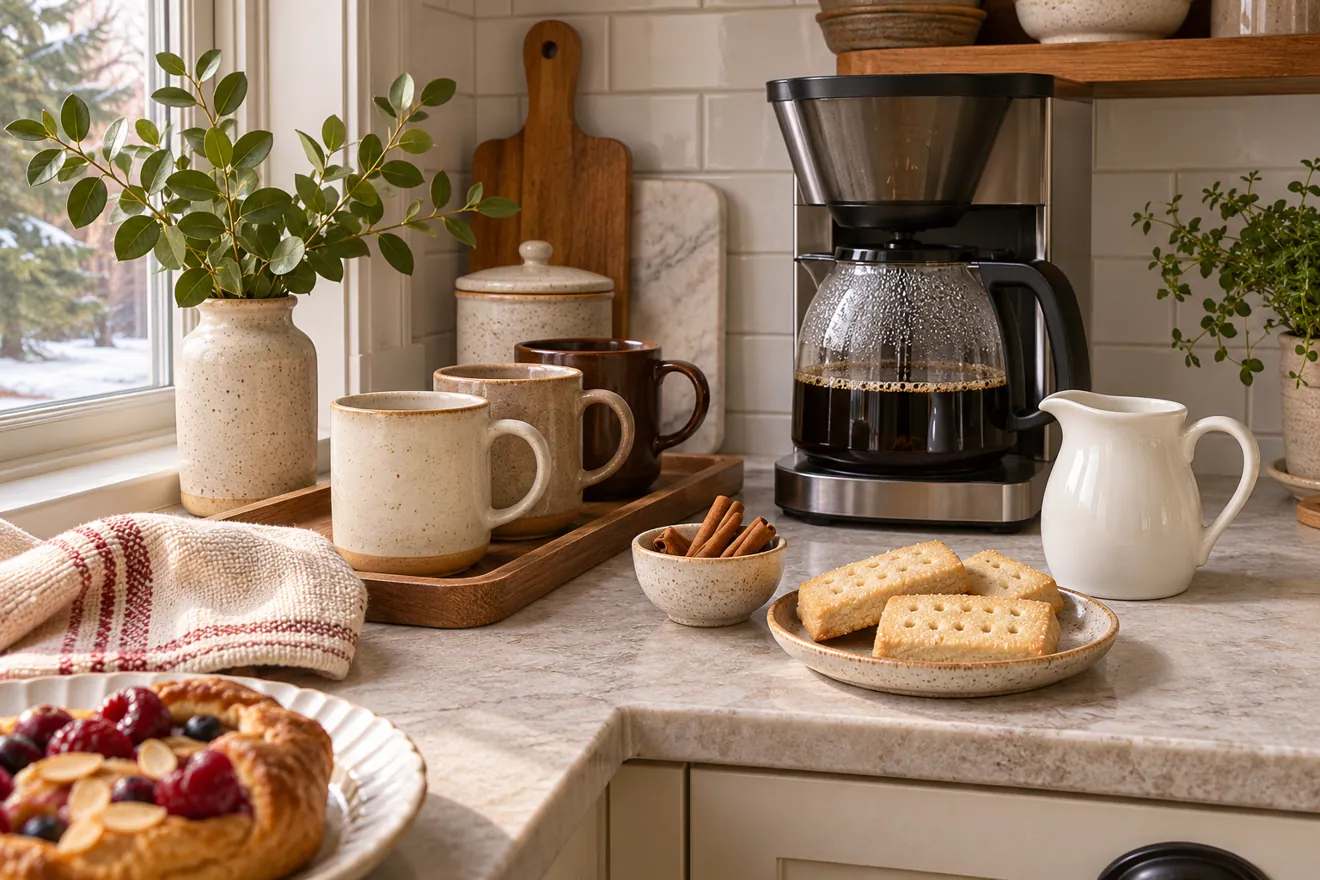
A brunch coffee bar should make guests feel at home, not as though they're standing in line at a busy café. With good coffee, a few thoughtfully chosen extras and a clear place to find mugs, anyone can pour a cup while you finish breakfast. You don't need an espresso machine, five syrups or matching cups to create something that feels special.
These coffee bar ideas for brunch focus on a practical self-serve setup: what to put out, where to arrange everything, which drinks to offer and how to keep the station tidy when people arrive at different times. The finishing touch is an easy menu that works with the food you're serving.
Start With the Way Your Guests Actually Drink Coffee
Before planning a coffee station, ask whether your guests prefer brewed coffee, espresso drinks, tea, decaf or no caffeine at all. A big batch of ordinary, well-made coffee is often more useful than complicated equipment that only one person knows how to use.
Consider when guests arrive. If everyone sits down together at 10 a.m., one fresh pot and a way to make more may be enough. If people drift in over two hours, think about an insulated carafe or a safe reheating and brewing plan rather than leaving a pot on a hot plate until it tastes stale.
Choose One Main Brewing Method
A drip coffee maker can serve a group efficiently; a French press is comfortable for a smaller table; and a single-serve machine may suit a handful of people but create a queue at a larger party. Espresso-based drinks can be lovely when someone is happy to make them, but they are less convenient for completely unattended service.
Choose equipment you already understand. Check water capacity, filters, coffee supply and power outlets in advance. Position cables where guests won't trip, and keep hot surfaces away from children's reach.
1. Classic Brewed Coffee Station
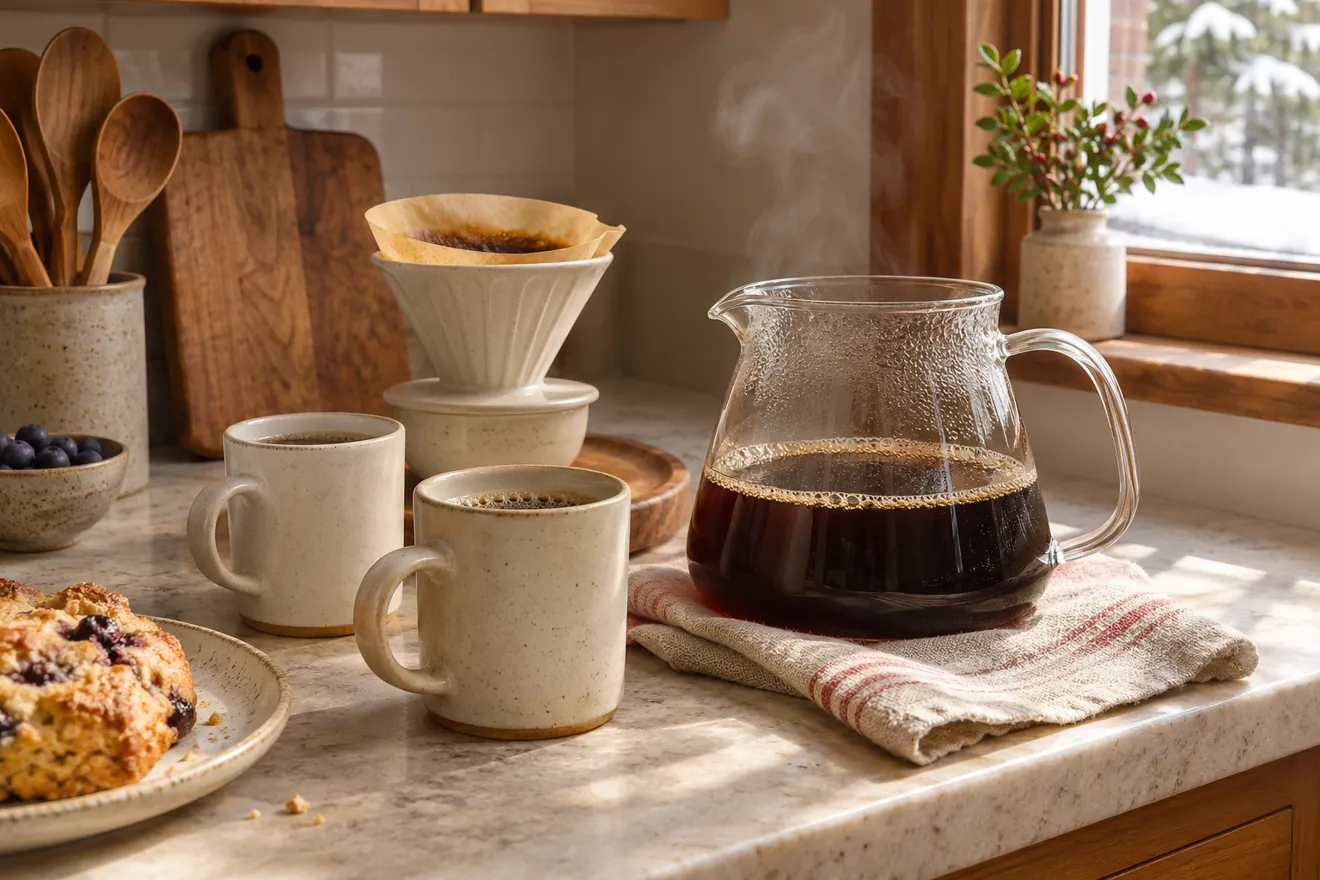
For an easy gathering, place freshly brewed coffee in a suitable insulated carafe beside clean cups, spoons and simple sweeteners. Keep sugar and any other additions in labelled containers. This creates a clear, low-maintenance station that people can use without instructions.
Use the coffee maker's recommended coffee-to-water ratio and brew method. Strong coffee isn't achieved reliably by leaving it on a warmer longer; prolonged heating often damages flavour.
2. A Small Decaf Option
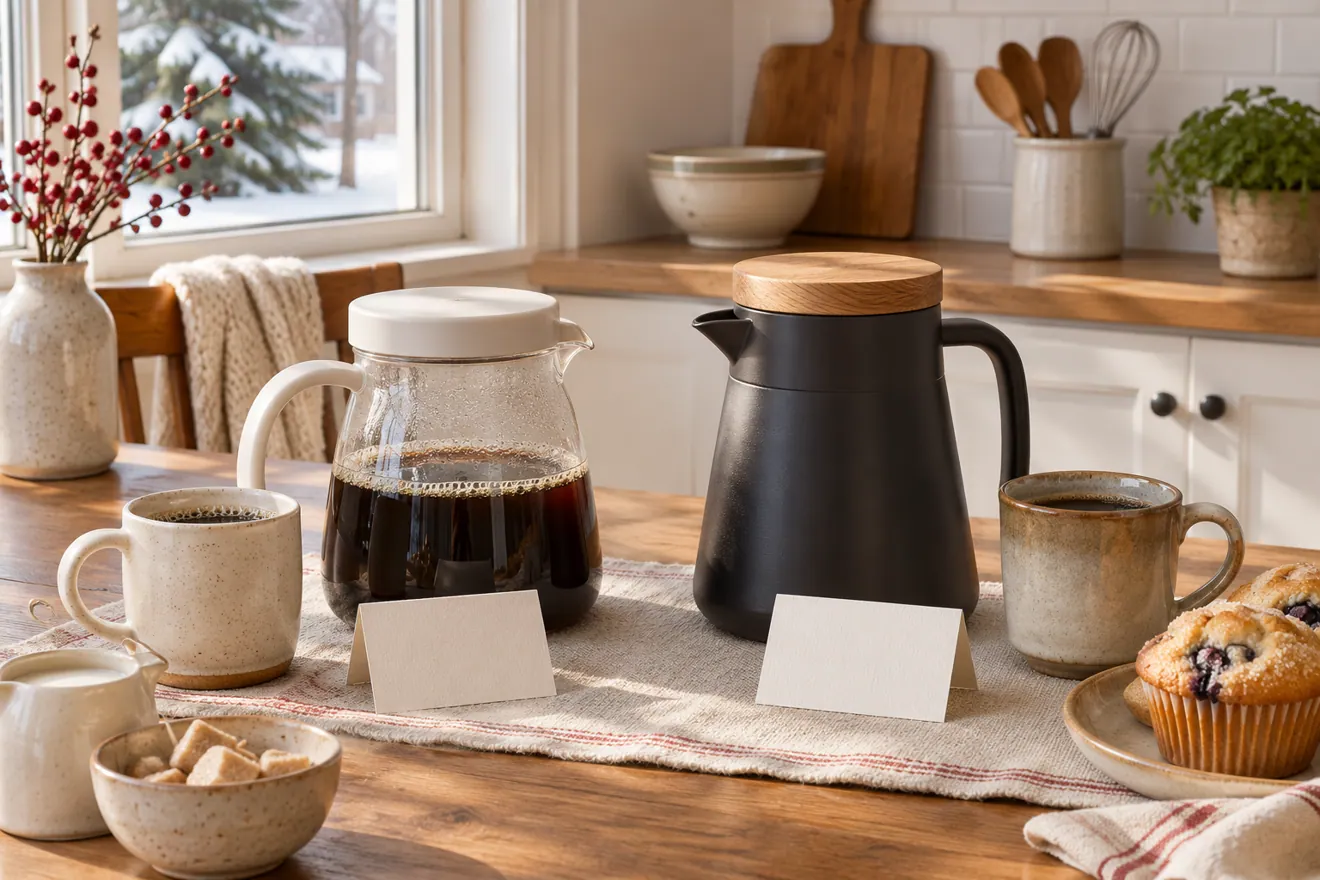
Offering decaf makes the station more welcoming for guests who avoid caffeine. It needn't take up as much space as the main brew. A smaller carafe, a few individually prepared servings or another suitable method can work if the equipment is available.
Label caffeinated and decaffeinated coffee clearly. Don't make guests guess which carafe is which, especially if they have a medical or personal reason to limit caffeine.
3. A Tea Corner
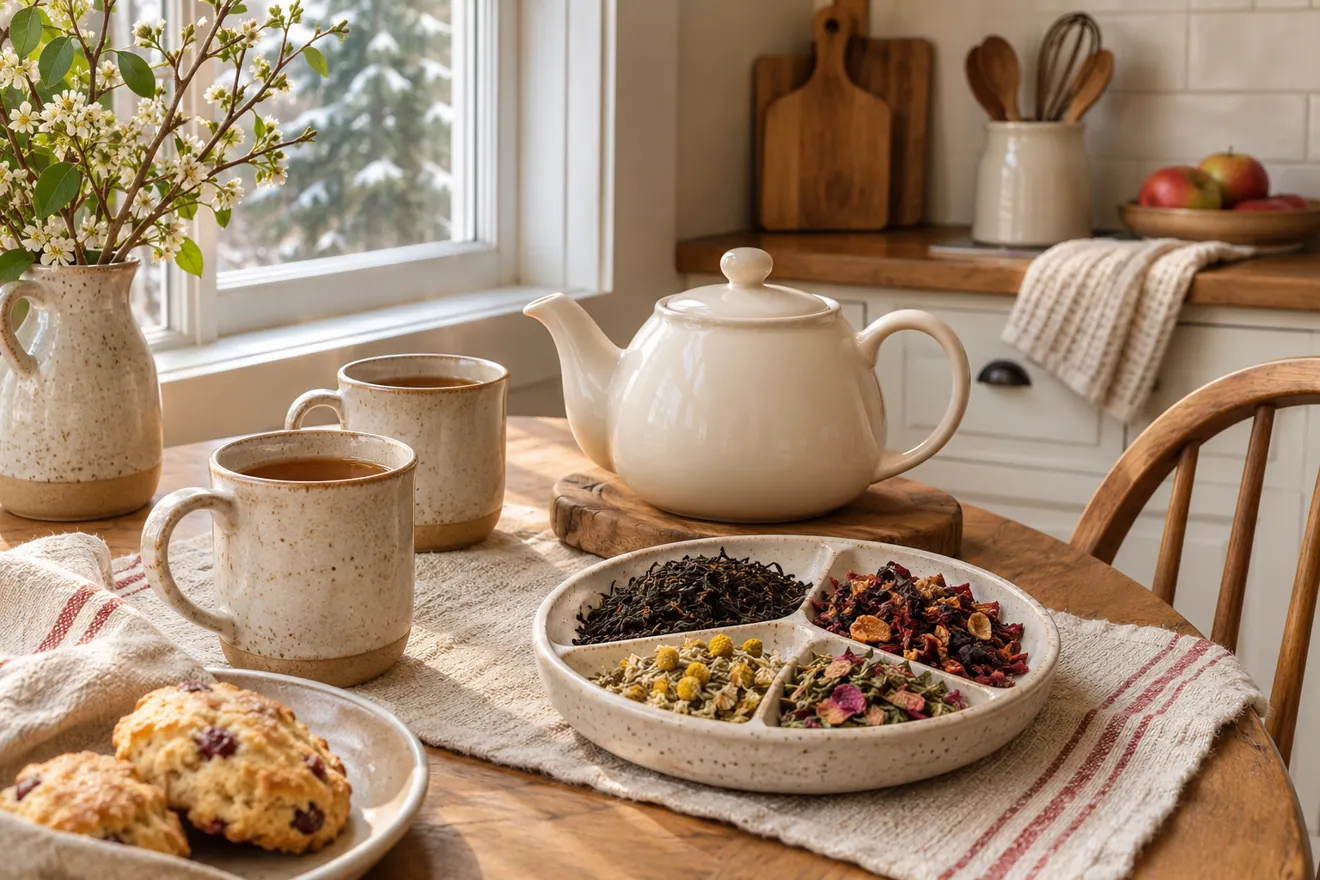
Tea drinkers shouldn't have to search through your pantry while everyone else enjoys coffee. Set out a few tea bags or loose-tea options with an appropriate infuser, clean cups and access to hot water. Black tea, herbal infusions and a decaffeinated choice provide enough variety for many groups.
Keep a hot-water dispenser or kettle in a stable, adult-controlled location. Very hot water can burn, so position the equipment away from the edge of the table and from young children.
4. Milk and Dairy-Free Alternatives
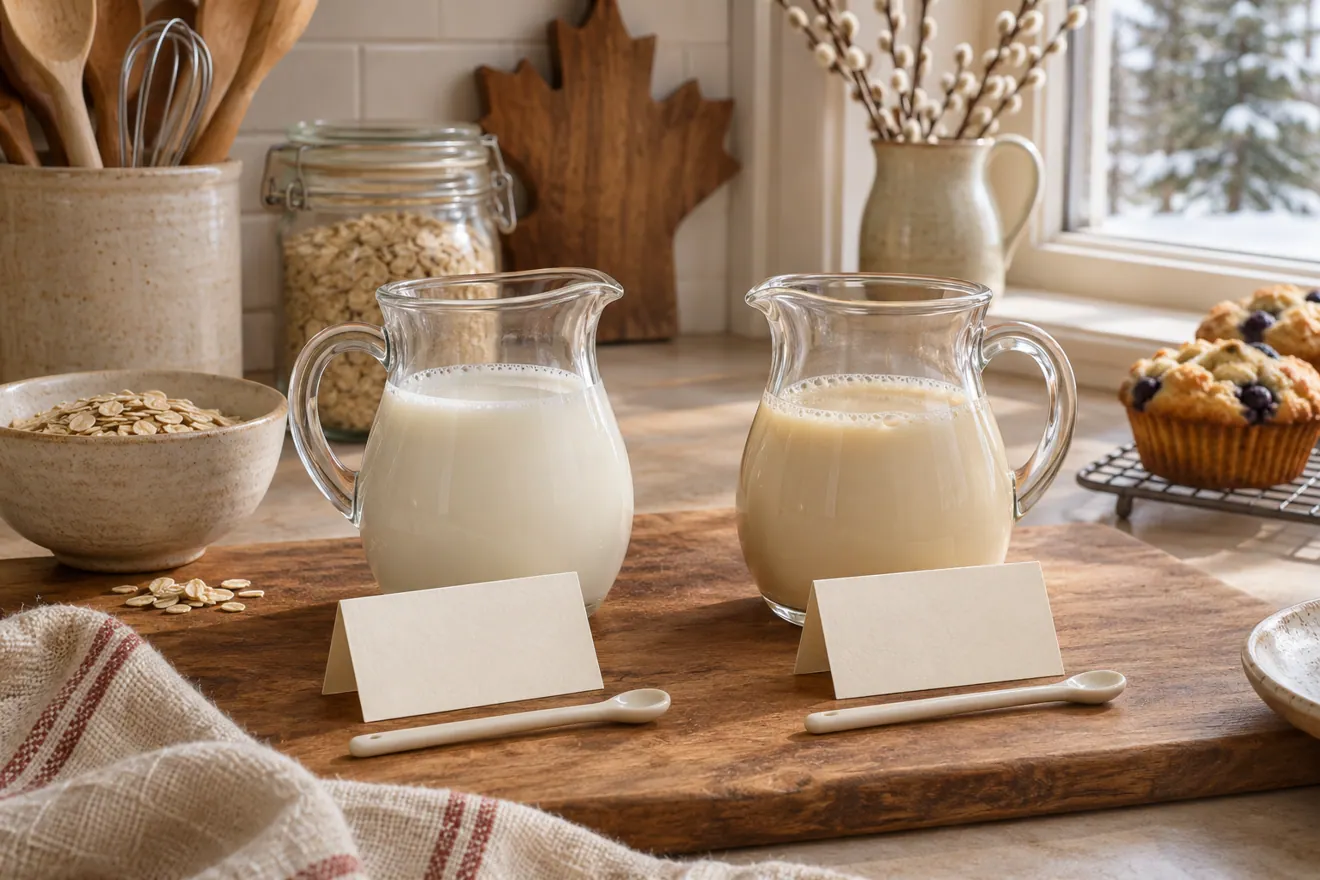
Provide one commonly requested milk and, if appropriate for the guests, a suitable non-dairy alternative. Oat, soy and almond beverages can taste different in coffee and may foam differently. Check for allergies before selecting a nut-based option.
Milk and many plant-based beverages require refrigeration after opening; follow package instructions. Put out small quantities and replenish from the refrigerator rather than leaving a large carton on the brunch table all morning.
5. Sweeteners Without the Clutter
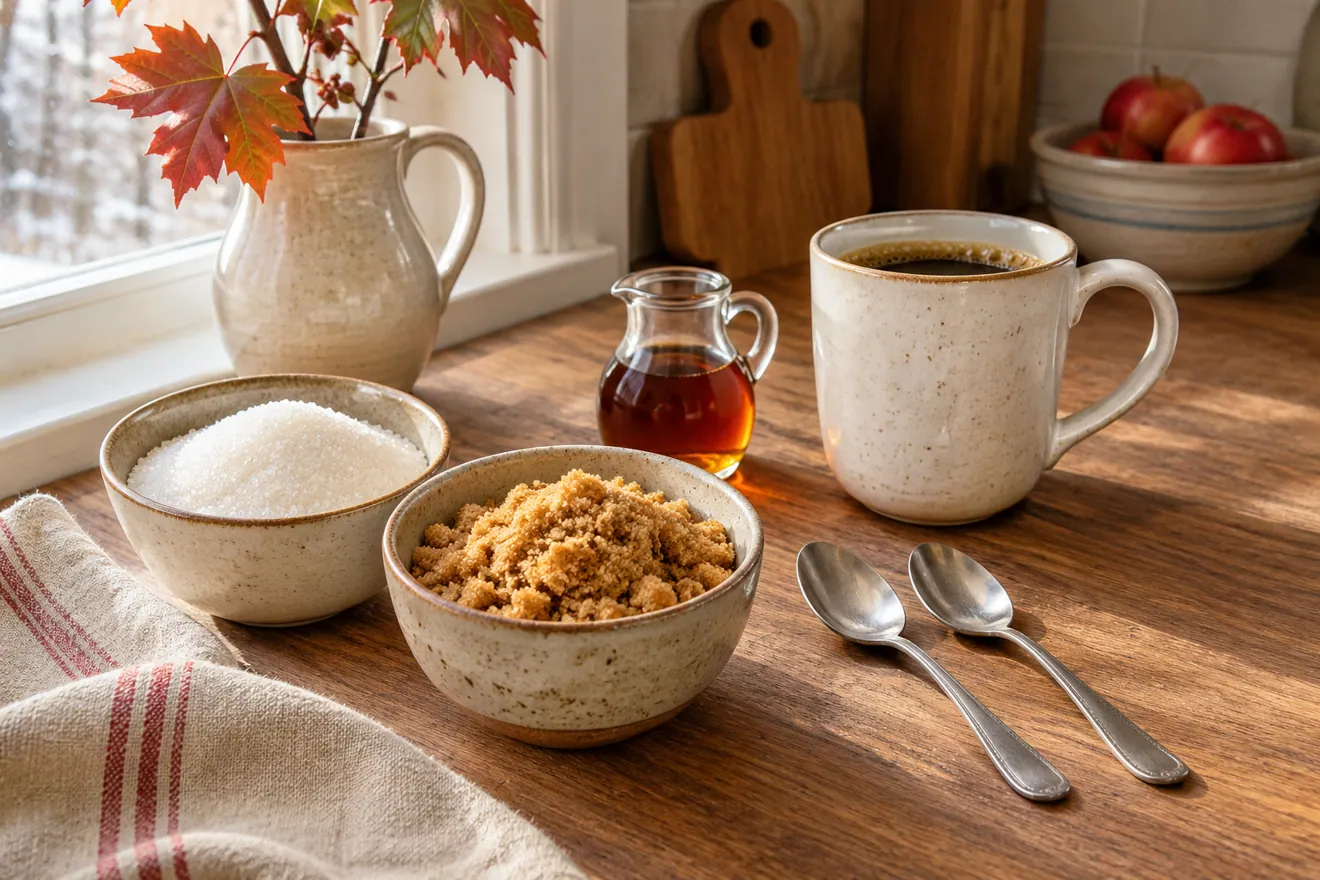
White sugar, a suitable alternative sweetener and perhaps a small amount of maple syrup can give people choice. You rarely need a dozen sweeteners. Provide clean spoons or individual packets, with a separate rest for used utensils.
Label anything unfamiliar. If you're serving maple syrup for pancakes too, keep the coffee portion in a clean small jug to avoid a sticky shared bottle moving repeatedly between stations.
6. Vanilla and Cinnamon
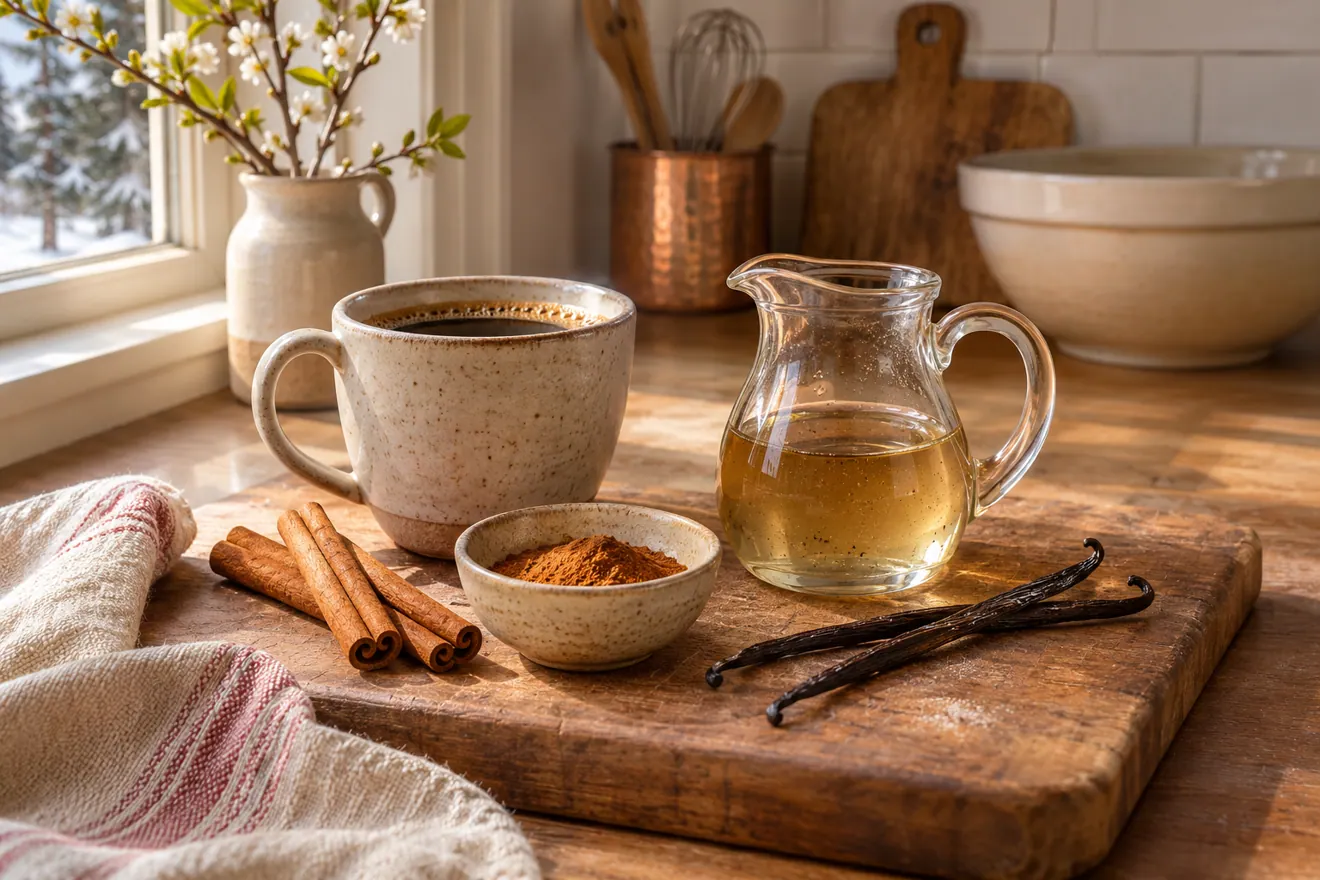
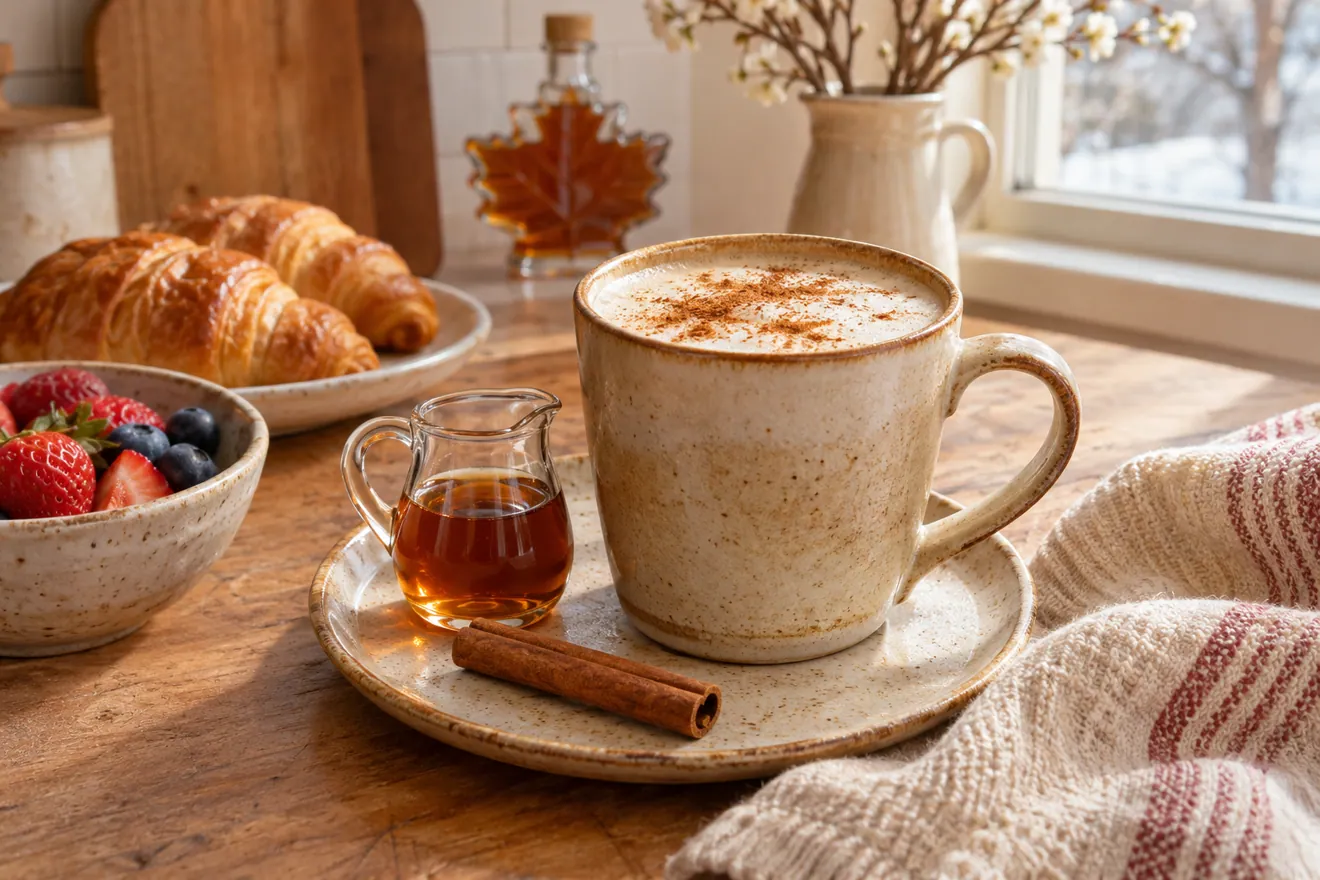
A touch of vanilla or cinnamon makes a simple coffee station feel warm and welcoming. Ground cinnamon can be offered in a small shaker, while vanilla-flavoured additions should be prepared using a food-safe tested method.
Not every flavouring mixes smoothly into coffee. Plain ground spices may float or clump, so give guests a spoon and don't promise a coffee-shop texture without the appropriate preparation.
7. A Chocolate or Mocha Option
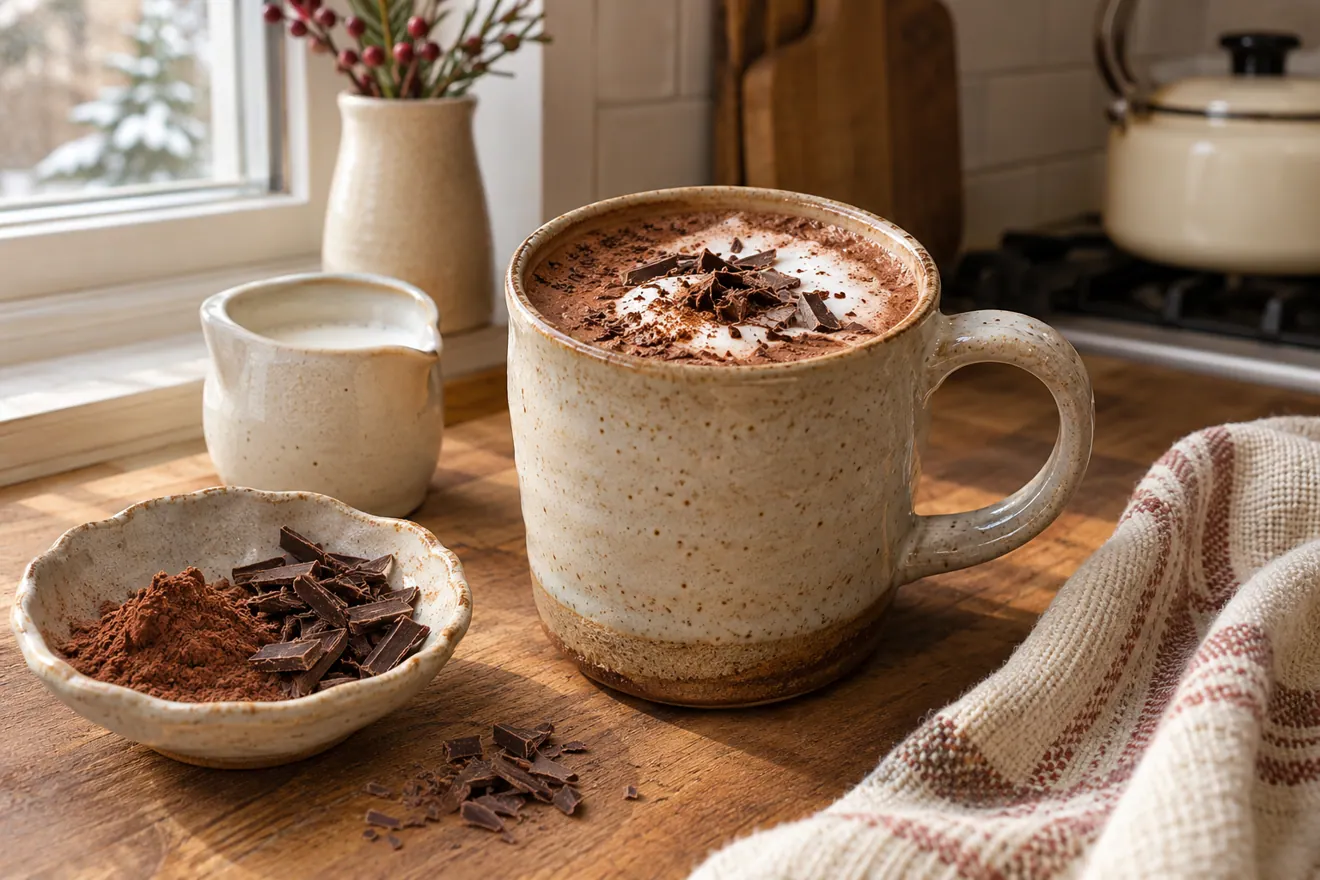
Chocolate can add a celebratory note, particularly with a winter brunch. A suitable prepared chocolate syrup may be easier for guests than loose cocoa powder, which can clump in liquid. Use an amount that complements rather than overwhelms the coffee.
Check storage instructions for sauces and keep bottles clean. Homemade ganache or dairy-rich chocolate sauce may need refrigeration and controlled serving time.
8. An Iced Coffee Option
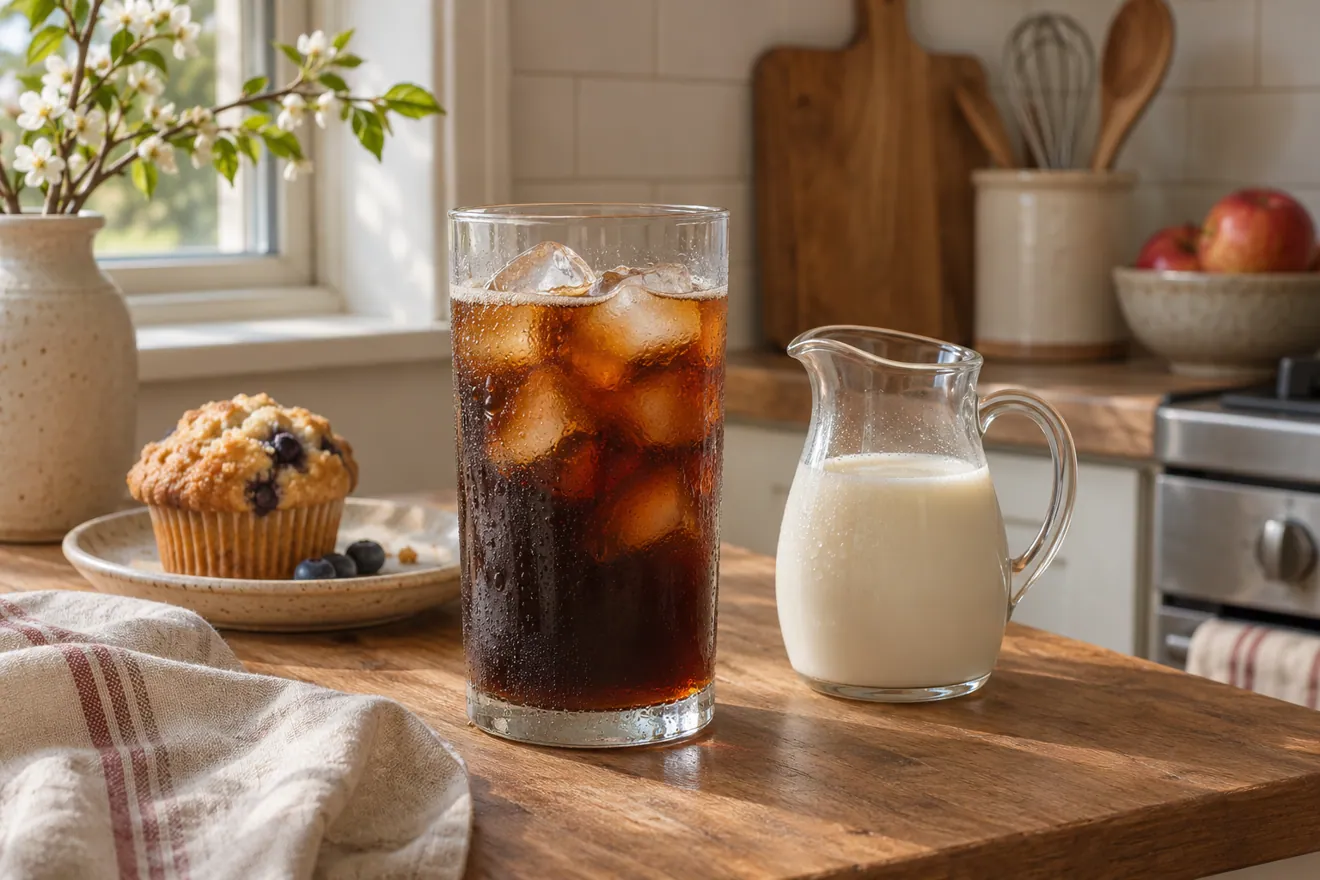
For warm-weather brunch, serve appropriately prepared chilled coffee over ice. Brew and chill it under suitable food-safety and quality conditions rather than pouring boiling coffee into a fragile glass of ice without care.
Offer ice in a clean covered container with dedicated tongs or a scoop, never a drinking glass. If dairy is available, keep it chilled separately so guests can prepare their drinks as needed.
9. A Simple Signature Drink
One optional signature coffee can make the table feel special without turning you into a full-time barista. Try a brunch-themed vanilla latte or iced cinnamon coffee using a tested recipe suited to your equipment. Write the instructions on a small card if guests can prepare it themselves safely.
If the recipe needs steamed milk or espresso shots, consider whether you want to make those drinks personally. A signature drink that requires constant supervision may not be the best choice for a relaxed self-serve gathering.
10. A Hot Chocolate Alternative
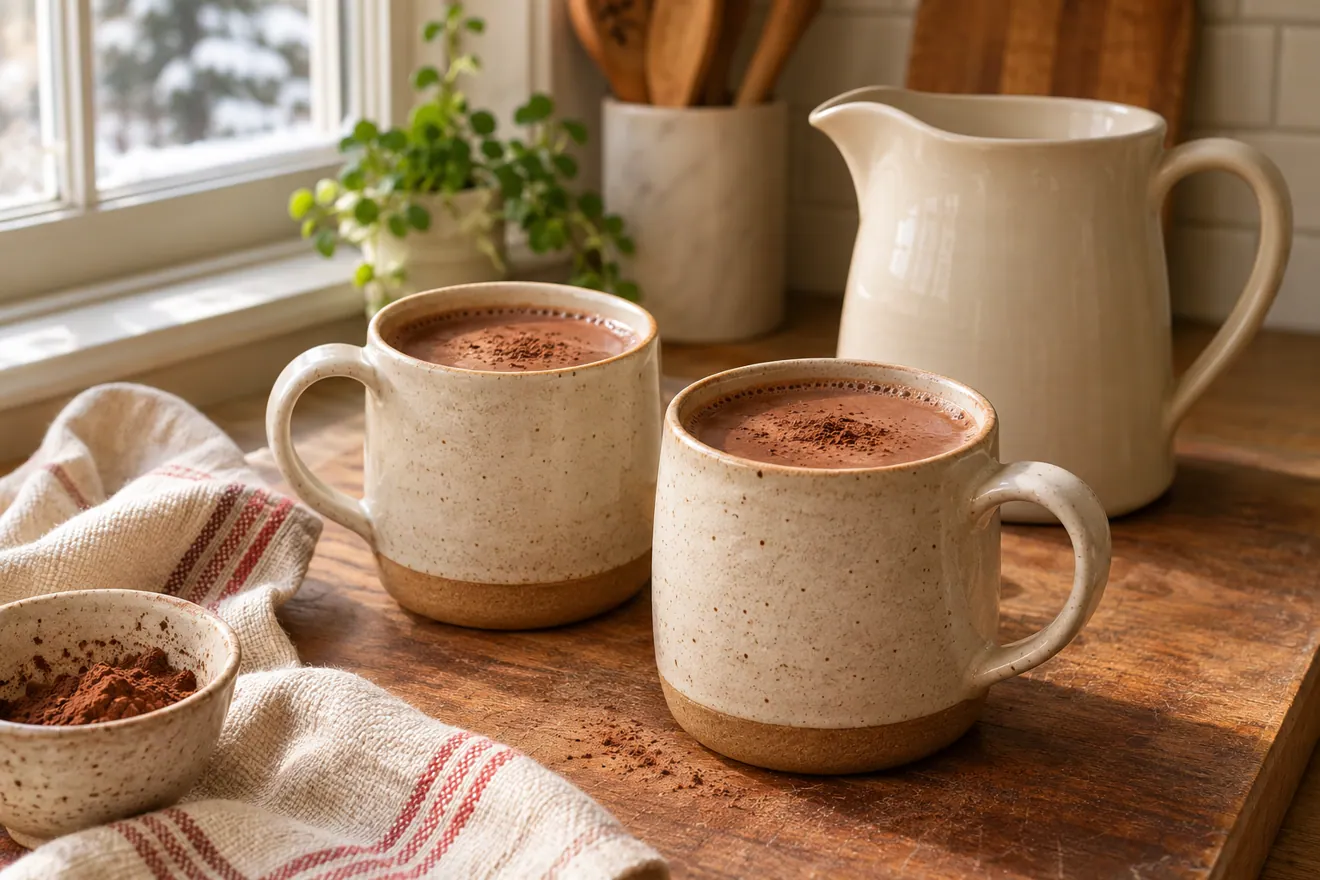
Hot chocolate is particularly useful when some guests don't drink coffee. A warm beverage can be served from appropriate equipment following the recipe, or guests can prepare an individual portion using an approved mix and hot milk or water.
Milk-based hot chocolate needs proper temperature control. Don't leave a lukewarm dairy drink sitting out through a long brunch.
11. A Small Biscuit or Cookie Plate
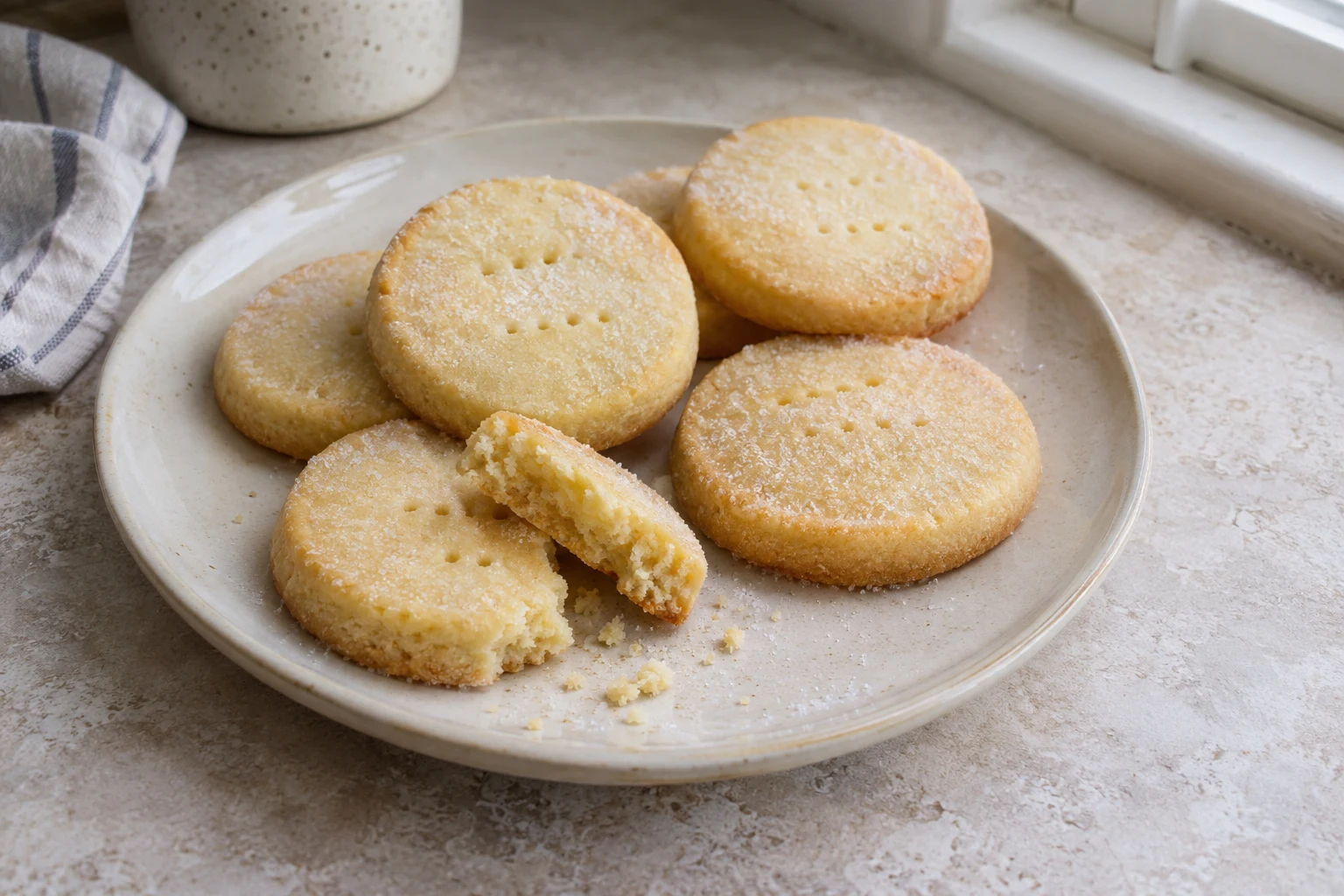
A few shortbread cookies, biscotti or simple vanilla biscuits near the coffee bar add an inviting touch. Choose sturdy recipes with suitable storage instructions and keep the plate separate from the main dessert display if space is limited.
Cookies containing nuts should be labelled. Keep crisp varieties protected from humidity and avoid overloading the station with treats that guests will also find on the brunch table.
A small plate of Vegan Shortbread Cookies is an easy make-ahead nibble. Keep it separate from drink ingredients and label the ingredients.
12. Seasonal Details
For autumn, a tiny cinnamon shaker and warm neutral napkins can establish a cozy mood. Winter might call for a small plate of spiced shortbread. In spring, a citrus-themed coffee cake and a simple vase can feel fresh.
Styling should not get in the way of reaching cups, pouring safely or reading labels. Keep flowers and non-food decorations away from drink openings and food-contact surfaces.
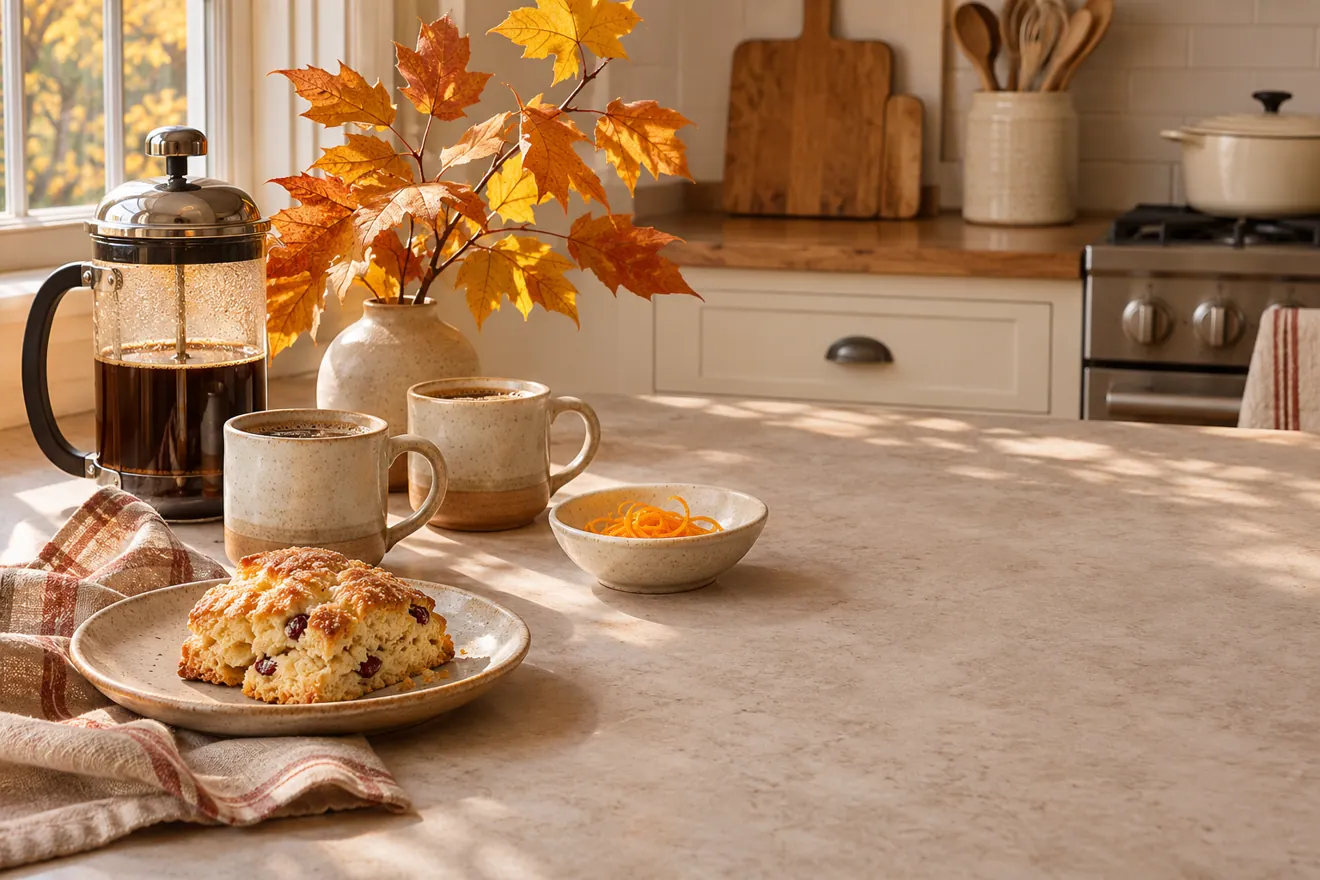
Arrange the Coffee Bar in the Order Guests Use It
Start with mugs, then the coffee or tea equipment, followed by milk, sweeteners and stirrers. Place napkins nearby and provide a waste container for tea bags, stirrers or disposable materials. Guests naturally move along the station instead of crossing in front of one another.
If space is narrow, put milk and toppings on a separate nearby tray. This keeps the hottest equipment from becoming the busiest point.
Start with clean mugs. Follow them with the brewing pot and provide a spot to set a mug down before adding milk. Keep stirrers and a used-spoon dish at the end. At a small gathering, this order usually makes a single brewing method enough.
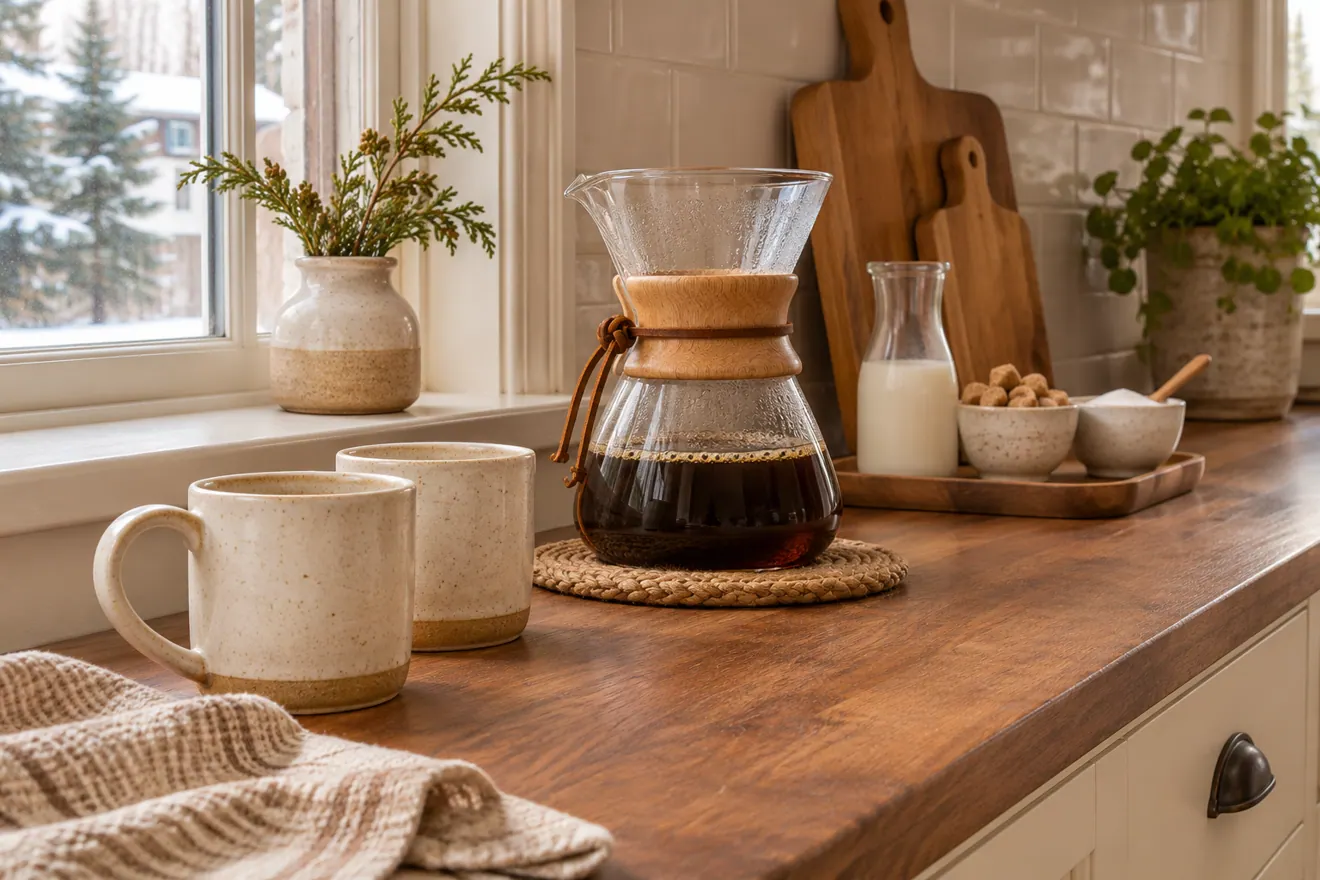
How Many Cups of Coffee Should You Prepare?
Ask how many people drink coffee and consider the likely number of cups each will have. Someone may drink only one cup while another has two. Make a reasonable first batch and keep ingredients ready for a refill rather than leaving a huge pot out unnecessarily.
Use your brewer's actual serving size. A manufacturer's “cup” may be smaller than the large mug on your table, so check the water markings and brew capacity.
Check the actual volume of your mugs against the brewer’s marked cups. If six guests want a 250 mL mug, your first round needs 1.5 L of brewed coffee. If the brewer holds less, brew a second small batch and set out tea or decaf separately.
Preparing the Station the Night Before
Wash mugs and spoons, set out nonperishable sweeteners, test the machine and arrange clean serving trays. Check that the filter, beans or grounds, kettle and carafes are ready. Lay out a labelled decaf option and tea selection.
Keep milk, opened non-dairy beverages and perishable sauces refrigerated overnight. Fill and operate coffee equipment according to the appliance's safety instructions, not by leaving temperature-sensitive ingredients on the counter.
Keeping Coffee Hot Without Ruining It
An insulated carafe helps retain warmth without constantly heating brewed coffee. Choose a clean, appropriate container and follow the manufacturer's temperature and cleaning instructions. A warmer may be convenient, but very long holding can create a flat or bitter taste.
For a long brunch, make another fresh batch. A refill usually tastes better than coffee that's been sitting since the first guest arrived.
Make the Station Friendly for Children
Keep hot water, espresso steam wands, heavy glass carafes and electrical cords away from children's reach. Set any cocoa or kid-friendly drinks in a separate supervised area if needed, with adults managing hot liquids.
Don't place an unstable stack of mugs beside a kettle. Choose sturdy containers and keep the table dry to reduce slipping.
Food Safety, Allergens and Cleanliness
Keep milk, cream and opened plant-based alternatives that require refrigeration at 4°C (40°F) or colder. Refill with a fresh small pitcher kept cold. Discard perishable items left at room temperature for more than two hours.
Put each milk, syrup and cookie choice next to its label and give it a clean utensil. Ask guests about allergies and explain any shared equipment or kitchen cross-contact.
A Minimal Coffee Bar Shopping List
You may need only coffee, tea, a small amount of milk, a non-dairy option if requested, sugar, napkins and a few cookies. Check your existing mugs, spoons, carafes and equipment before buying disposable cups or decorative containers.
Keep costs sensible by choosing one or two flavour additions. Guests will remember a warm welcome and good coffee more than a counter lined with unused syrup bottles.
Frequently Asked Questions
Do I need an espresso machine for a brunch coffee bar?
No. Good brewed coffee, a decaf or tea alternative and simple add-ins can make an inviting self-serve station.
How can I set up a coffee bar in a small kitchen?
Use one tray for mugs and coffee, a second for milk and sweeteners, and place nonessential decoration elsewhere. Leave a clear path for guests.
What milk alternatives should I offer?
Choose based on guest preferences and allergies. One suitable non-dairy option is often enough for a small group, provided it is stored correctly.
Can I prepare iced coffee the night before?
Many methods allow preparation ahead, but follow a tested recipe's cooling and refrigeration instructions and avoid leaving prepared dairy drinks unrefrigerated.
How do I stop the bar becoming messy?
Arrange items in serving order, provide utensil rests and napkins, and refill small containers instead of placing everything out at once.
Good Coffee, Easy Company
The nicest brunch coffee bar isn't the fanciest one. It gives guests a warm cup, an easy way to personalize it and no reason to interrupt the host for a spoon. Set up the essentials thoughtfully, make room for refills and let the conversation be the main attraction.
Related recipe: Cereal Milk Latte.
Some images are AI-generated illustrations of the dishes and techniques described.
IN PICTURES
From the baking notebook
FROM THE RECIPE BOX


