On this page
Christmas dessert is much easier to enjoy when at least one part of it is already in the freezer. Instead of baking, filling, frosting and cleaning up on the same day, you can make sturdy dessert components ahead and save the finishing touches for the holiday.
The trick is knowing which desserts hold their texture after freezing. A dense brownie behaves very differently from a cream-filled tart, and an unfrosted cake layer needs different packaging from a finished cheesecake. This guide explains what generally freezes well, what is better prepared fresh, and how to build a practical dessert plan without sacrificing the result you want to serve.
At a Glance: The Best Christmas Desserts to Freeze
- Especially freezer-friendly: unfrosted cake layers, brownies, blondies, sturdy bars, plain baked cookies, and many baked fruit pies.
- Good with some planning: baked cheesecake, certain baked sweet rolls, pastry shells, and unfrosted cupcakes.
- Better frozen in parts: layer cakes, fruit tarts, filled sandwich cookies, trifles, and desserts with fresh fruit or crisp garnishes.
- Usually best finished fresh: whipped-cream desserts, custard-filled pastry, delicate meringues, and desserts that rely on a crisp shell beside a wet filling.
These are general texture guidelines, not promises for every recipe. Use the storage and freezing directions for the specific dessert you are making whenever they are available.
1. Unfrosted Cake Layers: The Most Useful Make-Ahead Dessert
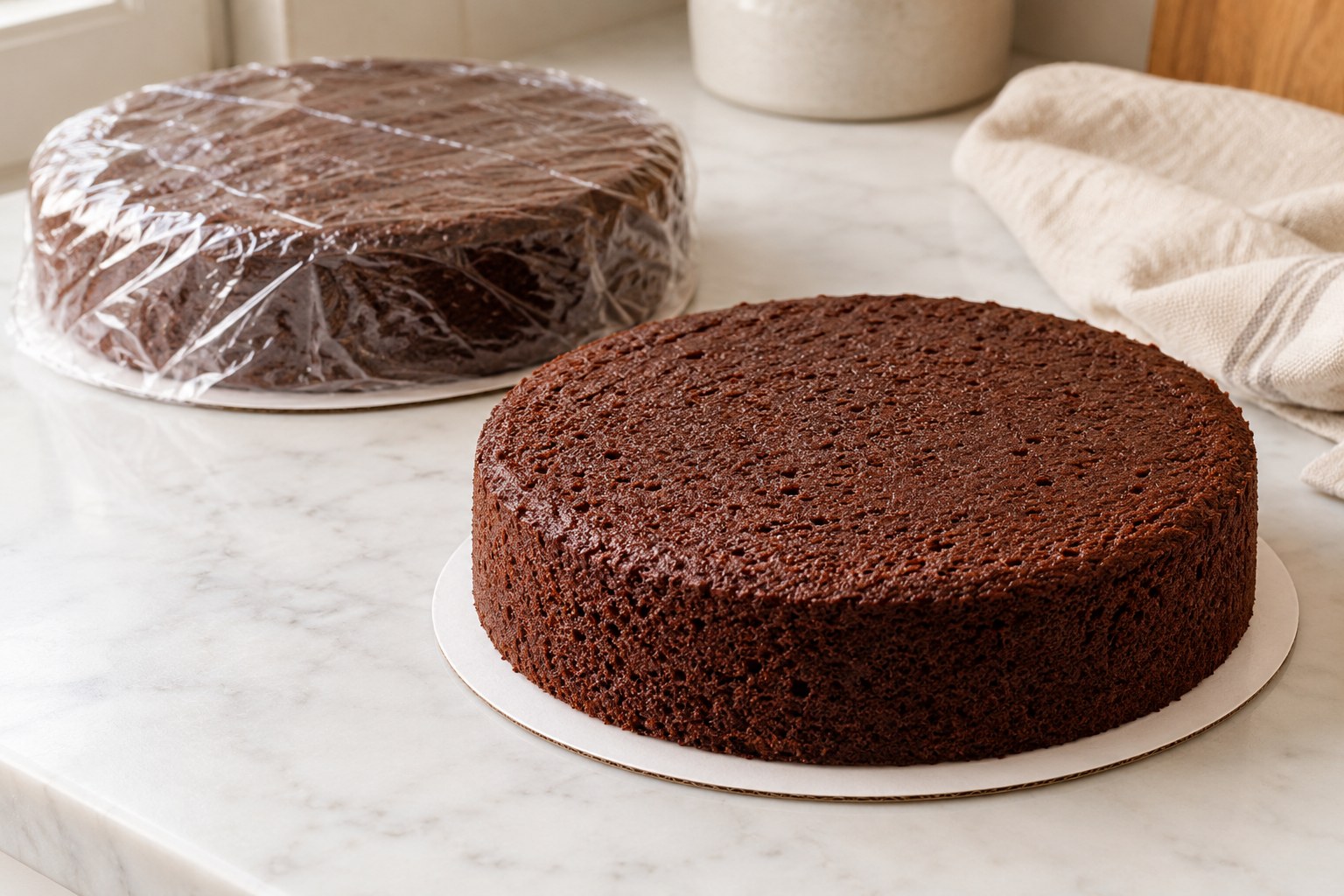
If you are serving a Christmas layer cake, freezing its layers is often the simplest way to spread out the work. Bake the cake, let it cool completely, and wrap each layer individually. Keeping the layers separate means you can thaw, level, fill and decorate them closer to serving without a last-minute baking session.
For a standard butter cake or sponge, place a sheet of parchment against delicate surfaces as needed, then wrap the layer tightly and place it in a freezer-safe bag or container. Avoid trapping warm steam inside the wrapping; condensation can affect both texture and the surface you plan to frost.
Finish later: buttercream, ganache, fresh fruit, piped decorations and any garnish that should stay crisp. Frosting a partly chilled cake can sometimes make handling easier, but follow the frosting recipe's temperature guidance rather than assembling a cake that is still frozen solid.
Best for: Christmas chocolate cakes, vanilla celebration cakes, spiced cakes and simple sheet cakes you plan to decorate.
2. Brownies and Blondies: Reliable Desserts for a Busy Holiday
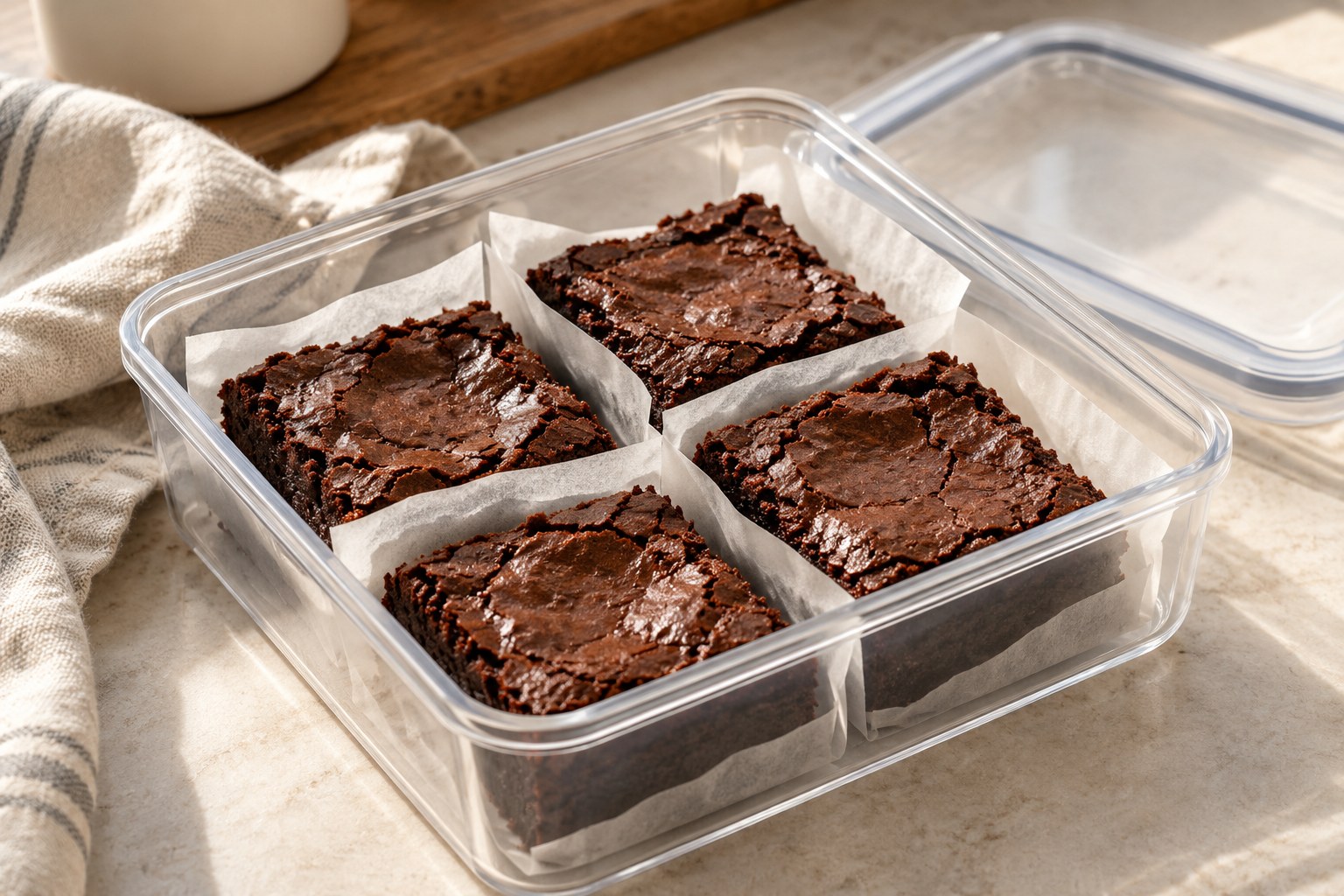
Brownies and blondies make excellent freezer candidates because their texture is relatively sturdy and they are easy to portion. Let the pan cool completely before deciding whether to freeze the slab whole or cut it into bars. A whole slab provides fewer exposed cut edges; individual bars offer grab-and-go portions for a cookie platter.
Separate cut pieces with parchment, then use an airtight freezer-safe container. If the brownies have a soft ganache layer, set that layer firmly before stacking, or freeze the base and add its topping later. Powdered sugar, crushed candy canes and delicate decorations look better when added after thawing.
Holiday idea: bake one pan of rich chocolate brownies and one pan of vanilla or brown-butter blondies. Cut both into small pieces so guests can try more than one dessert without taking a full bakery-sized square.
3. Baked Cheesecake: Make It Before the Holiday Rush
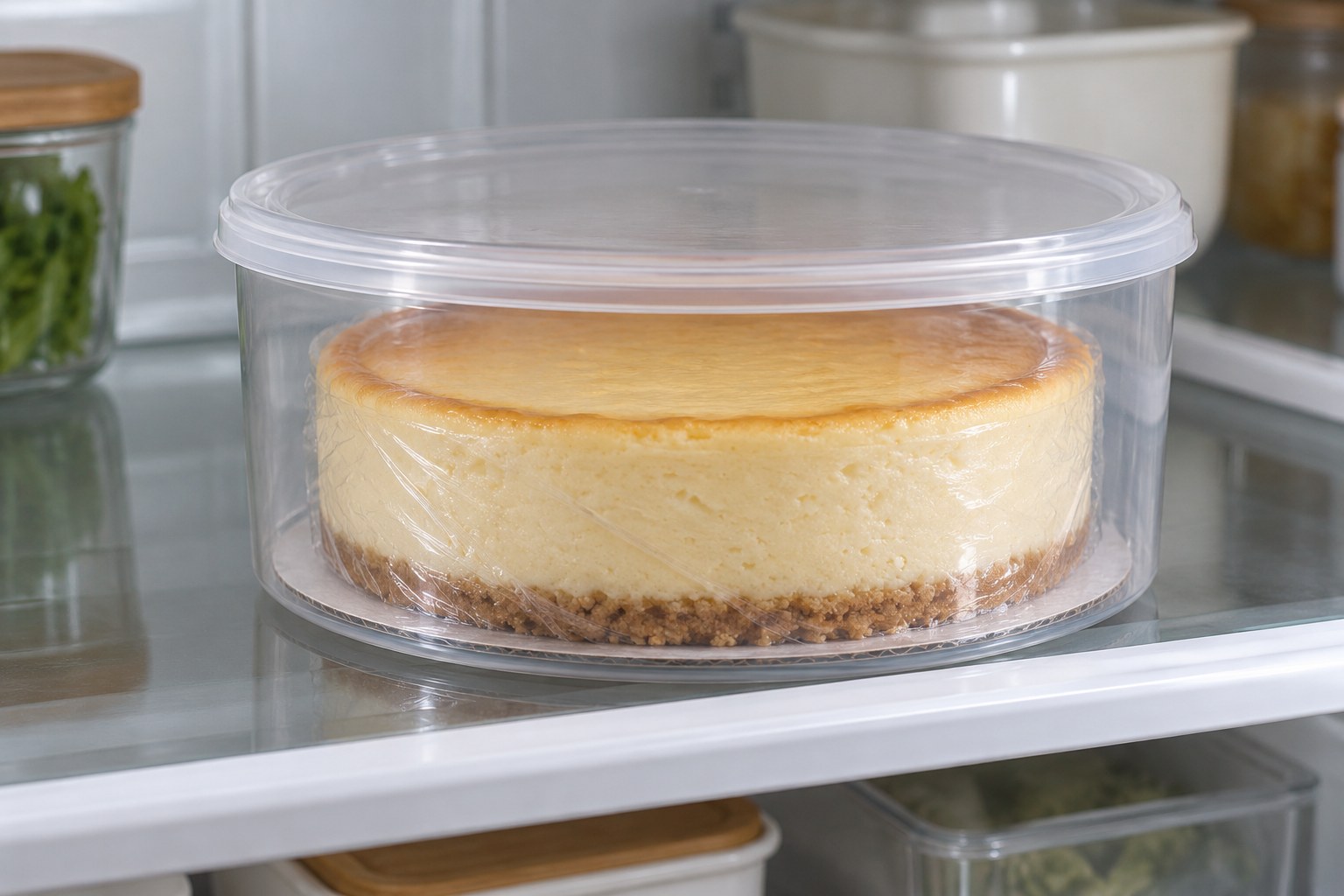
A fully baked cheesecake can be a useful make-ahead Christmas centerpiece, particularly if the recipe specifically supports freezing. Cool it as instructed, chill it thoroughly in the refrigerator, and freeze it without fresh fruit, whipped cream or sauces. Those toppings are easy to add once the cheesecake has thawed.
Protect the cheesecake from freezer odours with snug layers of freezer-safe wrapping and a rigid container when possible. Thaw it in the refrigerator, not on the kitchen counter. Cheesecake is perishable, and the refrigerator gives it a controlled thaw while helping it retain its structure.
What to add on serving day: cranberry compote, orange zest, chocolate curls, a spoonful of caramel or fresh berries. If your cheesecake is particularly airy or no-bake, check its own recipe first: gelatin, dairy alternatives and whipped fillings may react differently to freezing.
4. Fruit Pies: Freeze Before or After Baking, Depending on the Recipe
Apple, berry and other baked fruit pies may freeze well, but the best stage for freezing depends on the pastry, filling and recipe. Some pies are designed to go into the freezer unbaked and cook from frozen; others are easier to bake first and then freeze. Do not switch methods without adjusting the baking instructions.
If freezing an unbaked pie, use a freezer-safe pie plate, wrap thoroughly and label it with the correct baking directions. Glass dishes may not tolerate sudden temperature changes, so follow the dish manufacturer's instructions. If freezing a baked pie, cool it thoroughly and protect the crust from damage.
Keep this in mind: fillings that release a lot of water may soften the bottom crust. A pie baked fresh from a properly frozen unbaked state can be more appealing than a fully baked pie that has been frozen and reheated, but that is not a universal rule.
5. Unfrosted Cupcakes and Simple Loaf Cakes
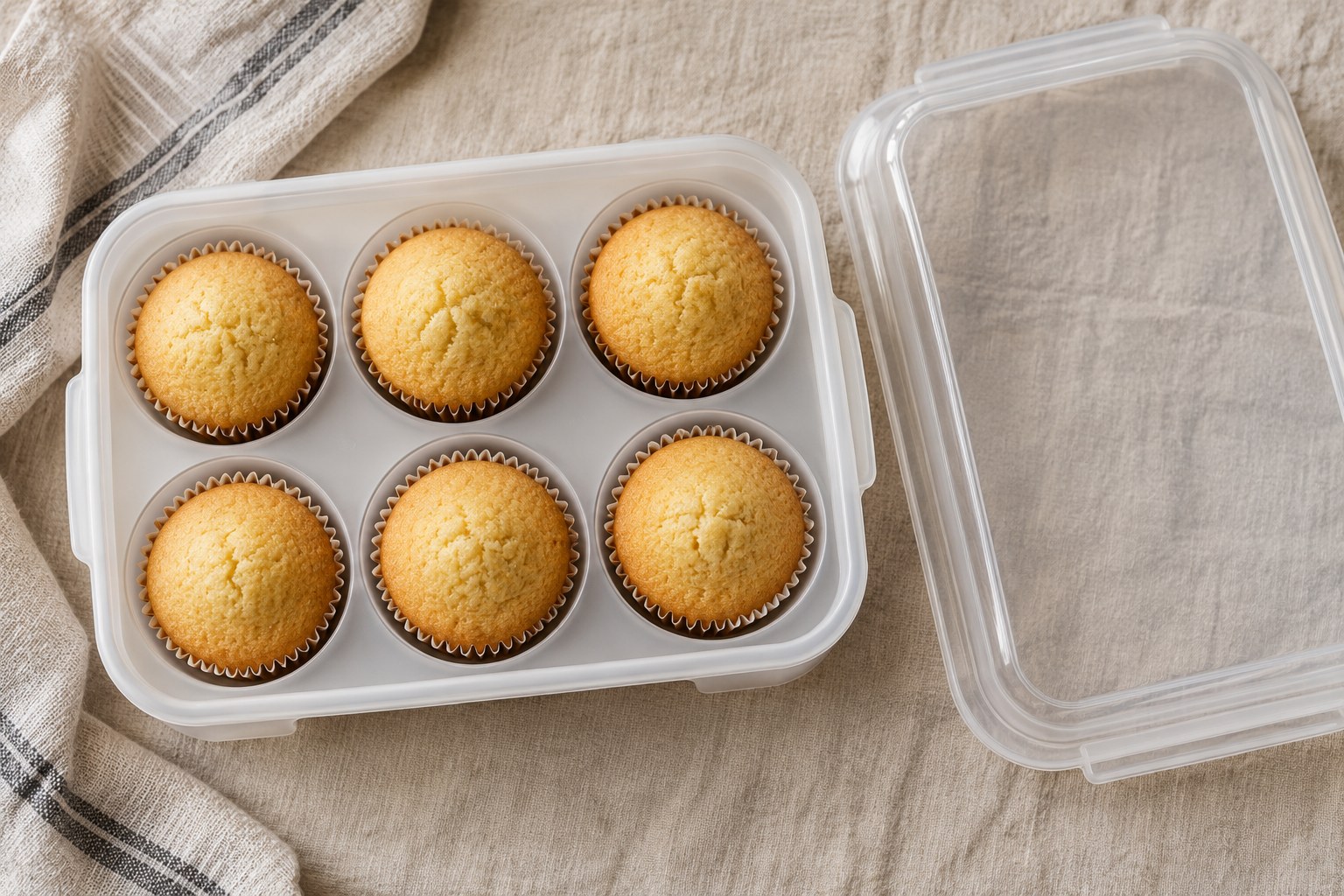
Plain cupcakes, pound cakes and many loaf cakes can be baked ahead and frozen before decorating. Their small size makes them convenient for family gatherings, school-free events and dessert platters where guests want a few different options.
Cool cupcakes on a rack before packing them in a single layer or separating layers carefully. Loaf cakes can be wrapped whole to reduce exposed surfaces or sliced individually for easy portioning. If you are making a citrus glaze, cream-cheese frosting or sticky topping, adding it closer to serving often produces a neater finish.
Best finishing touches: a quick vanilla glaze, lemon icing, cocoa dusting or a small swirl of freshly prepared frosting.
6. Cookies: Freeze the Baked Cookies or the Dough?
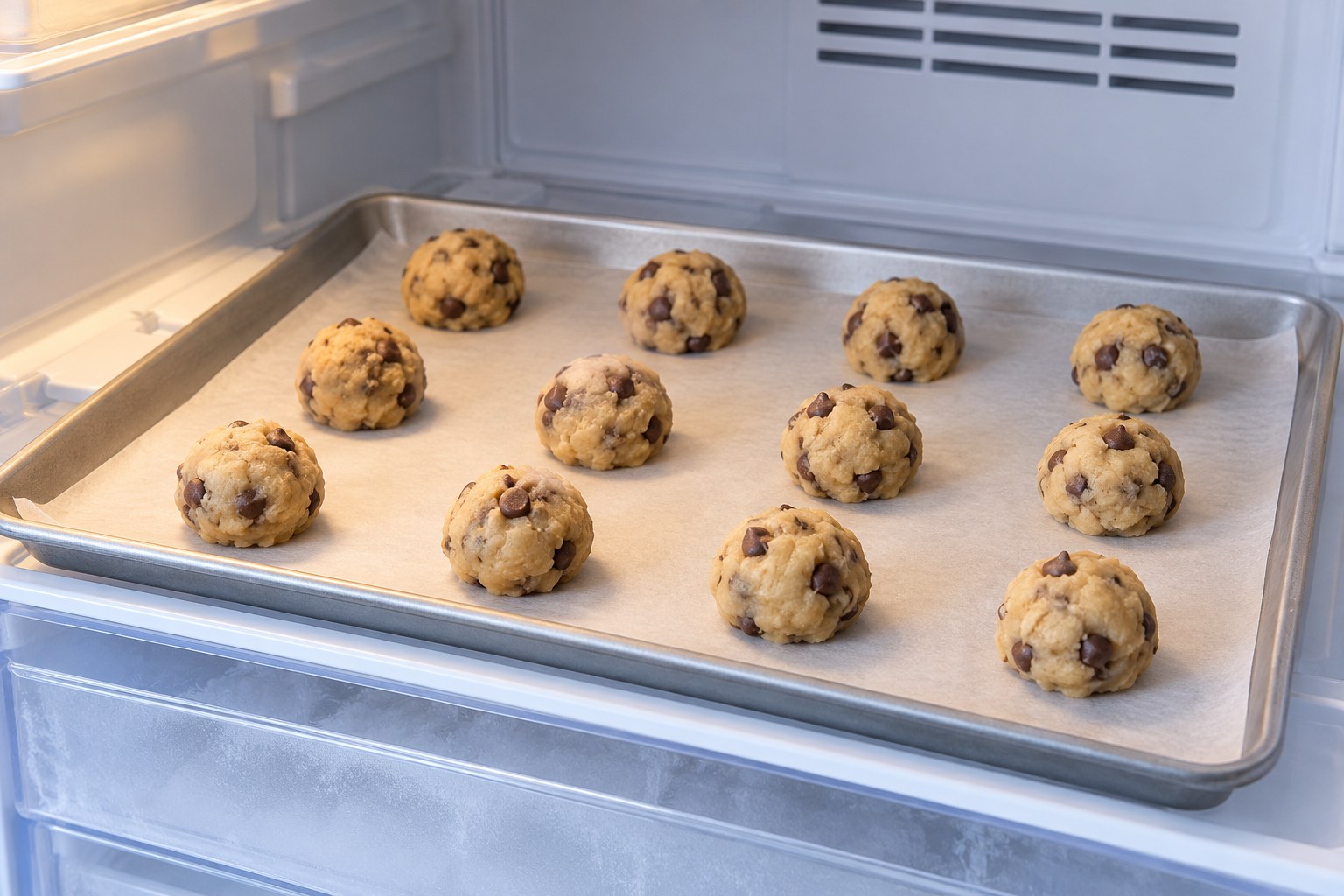
Both approaches can work, but they serve different goals. Freezing baked cookies means dessert is essentially finished: thaw, arrange and serve. Freezing cookie dough gives you the smell and texture of freshly baked cookies during Christmas week without needing to mix dough that day.
For drop cookies, portion the dough into individual balls before freezing if the recipe permits. Label the container with the cookie name, date and baking directions, including whether the dough should be thawed. For rolled cookies, the recipe may call for freezing a flattened disk or cut shapes instead.
Baked shortbread and other sturdy cookies should be completely cool before packaging. Keep crisp cookies apart from moist ones so their textures do not change during storage and thawing. Save powdered sugar coatings, glaze and some decorations for the last stage when appropriate.
Our separate make-ahead Christmas cookie guide handles cookie-specific timing in more detail; use this article to plan the wider dessert table.
7. Bars and Crumble-Based Desserts
Oat bars, baked crumble bars, some cheesecake bars and sturdy slice-and-serve squares can be helpful freezer options. The bars that hold up best generally have a stable baked base and a filling that does not release excessive moisture on thawing.
For bars with a soft fruit layer, freeze a test portion first if you are preparing them for an important event. Fruit filling can seep into the crust, and crisp toppings may lose some of their crunch. A little freshly baked crumble or toasted nuts added on serving day can restore contrast.
Chocolate bark and some candies can also be prepared ahead, but not every chocolate confection benefits from the freezer. Sudden temperature changes may cause condensation or affect appearance. Follow the specific confection's storage guidance.
8. Sweet Rolls and Buns: Freeze with a Reheating Plan
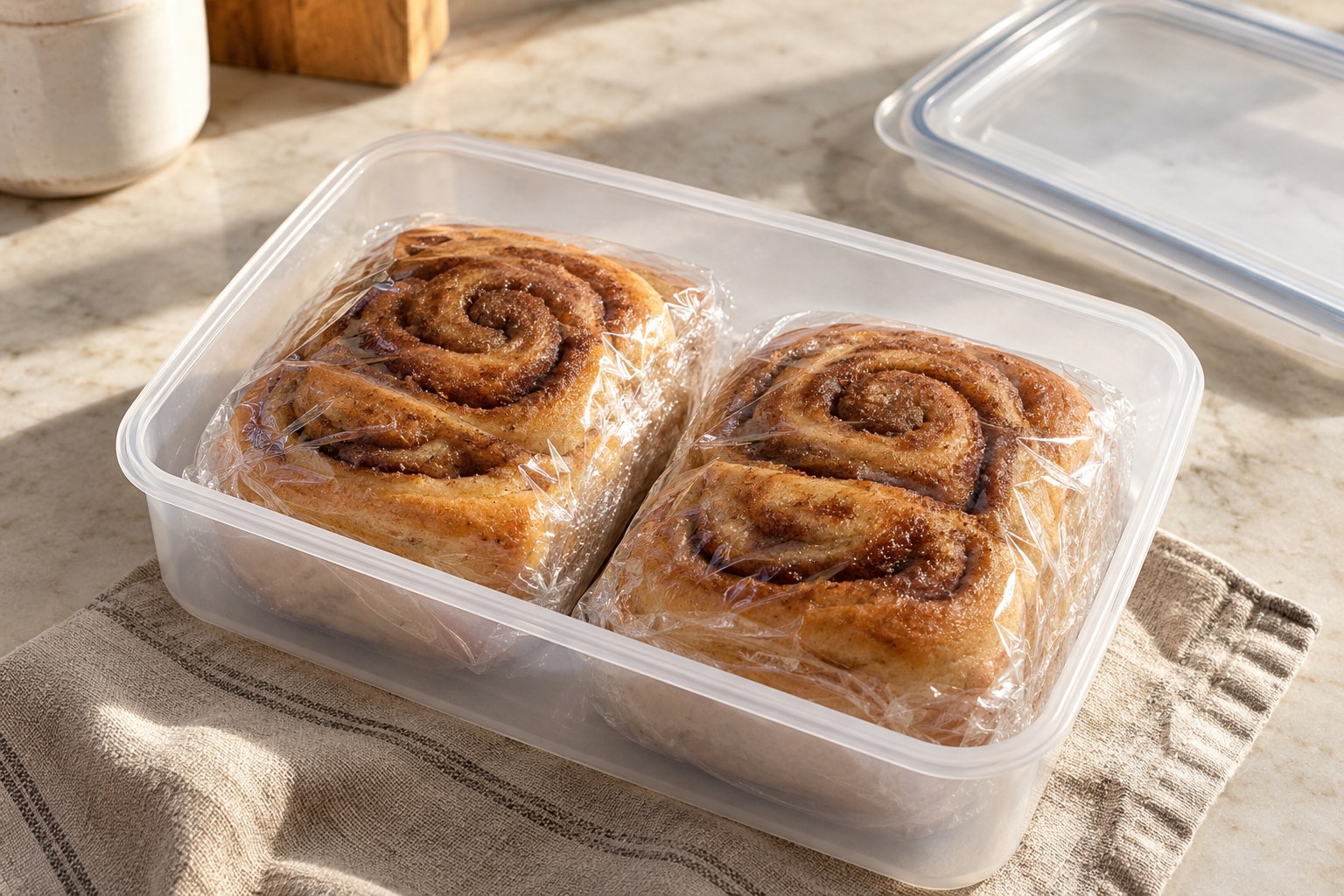
Many baked cinnamon rolls and sweet buns can be frozen before their final glaze. Wrap completely cooled buns individually or in portions, then thaw and warm them according to the recipe. This approach is particularly useful for Christmas breakfast and an informal dessert buffet.
Do not apply a delicate cream-cheese glaze before freezing unless the recipe explicitly recommends it. Instead, warm the buns and add fresh glaze when you are ready to serve. The filling, glaze and texture will all vary with the type of enriched dough.
If you want freshly baked buns rather than reheated ones, look for a recipe specifically developed for freezing shaped dough. Yeast dough timing after freezing is not interchangeable across recipes.
9. Tart Shells and Dessert Components
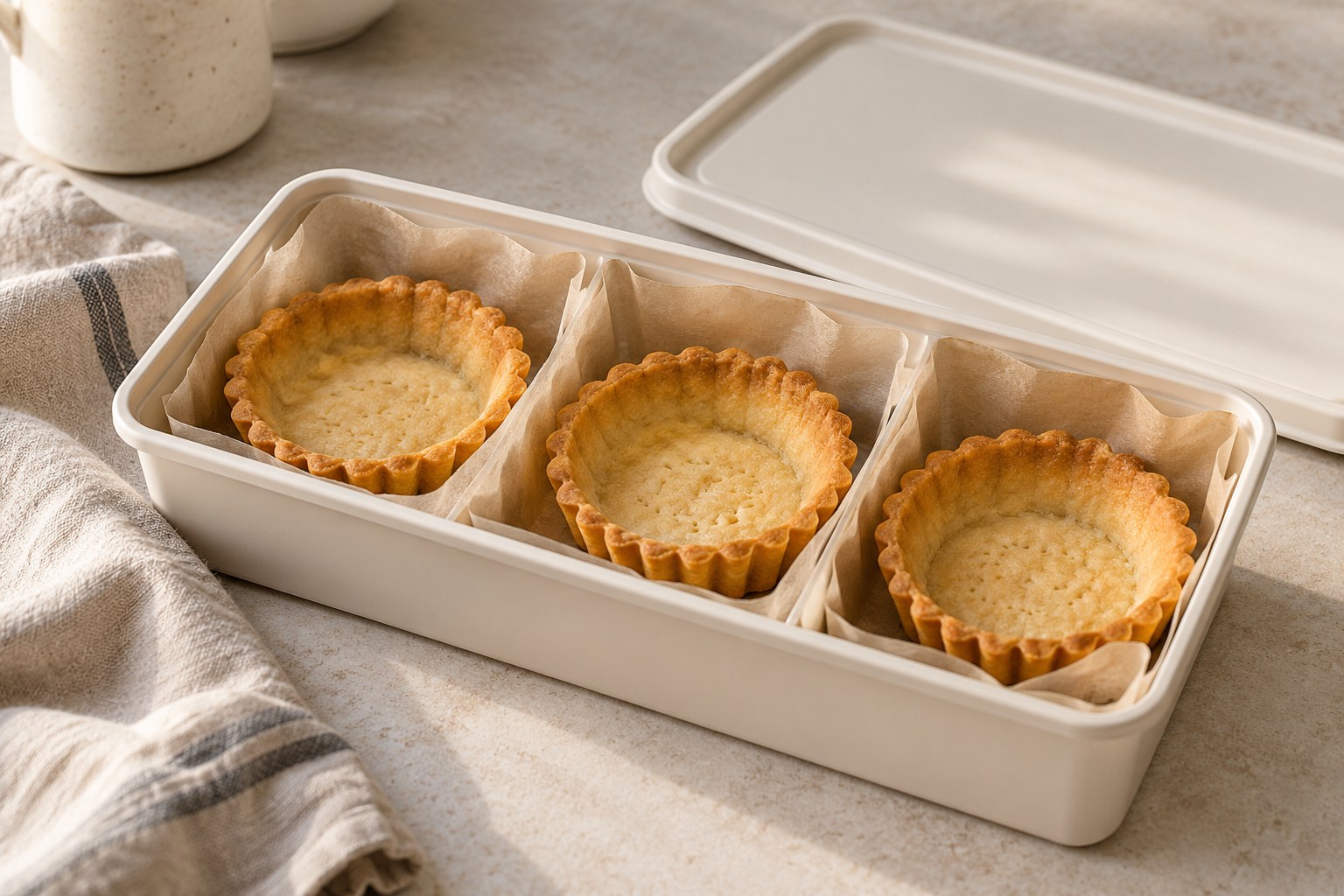
A tart does not have to be completely assembled to count as a make-ahead dessert. In fact, freezing components separately is often the better strategy. Depending on the recipe, you may be able to freeze a baked tart shell or unbaked pastry dough, then add pastry cream, curd, berries or a glaze close to serving.
Keep delicate baked shells in a rigid container so they are not crushed. Let them return to an appropriate serving or filling temperature while protecting them from moisture. If the shell loses a little crispness, use the recipe's guidance for refreshing it rather than automatically reheating a filled tart.
Ideal for: miniature fruit tarts, chocolate ganache tarts and holiday pastry trays with several different toppings.
10. Desserts That Usually Do Not Freeze Beautifully
Freezing preserves food, but it does not preserve every texture. A dessert can be safe after proper frozen storage and still look or feel disappointing on the plate.
- Whipped cream: some stabilized preparations freeze successfully, while ordinary whipped cream may weep or lose volume after thawing.
- Pastry cream and custard: many egg- and starch-thickened fillings can separate, become watery or turn grainy.
- Fresh-fruit-topped desserts: berries and sliced fruit may release juice after thawing.
- Delicate meringue: humidity and condensation can make it sticky or soft.
- Crisp pastries with wet fillings: assembled cream puffs, certain tarts and mille-feuille can lose the contrast that makes them special.
- Some no-bake desserts: gelatin, cream and dairy-free substitutes do not all freeze and thaw the same way.
The fix is often to prepare just the base. Freeze the cake, pastry shell or baked component, then make or add the sensitive topping later.
How to Freeze Christmas Desserts Without Freezer Burn
Cool Before You Wrap
Let baked goods cool fully as directed by their recipes. Warm desserts wrapped in airtight packaging create condensation that can later affect texture. Perishable foods, such as cheesecake, must still be cooled and refrigerated promptly according to food-safety guidance; do not leave them sitting out for hours to reach room temperature.
Package for the Shape
Wrap cake layers, loaves and brownies snugly to reduce contact with air. Use rigid containers for decorated cookies and fragile pastry. Place parchment between portions that might stick together. A double layer of suitable freezer packaging is helpful for longer storage, but avoid crushing tender desserts.
Label the Instructions, Not Just the Date
A useful freezer label includes the dessert name, freezing date, whether it is baked or unbaked, its components still to add, and the precise thawing or baking instructions from the recipe. A label such as “gingerbread cake — unfrosted — thaw refrigerated, then add frosting” is more useful than “cake.”
Keep the Freezer Cold
Keep the freezer at −18°C (0°F) or colder and the refrigerator at 4°C (40°F) or colder. Health Canada recommends these temperatures for safe food storage. Freezing time recommendations often describe quality rather than a universal moment when food becomes unsafe, so rely on the specific recipe's recommended freezer window and always note the date.
How to Thaw Desserts for Christmas
The safest thawing plan depends on the food. Thaw perishable desserts, including cheesecake and dairy- or egg-based fillings, in the refrigerator. Do not leave them on the counter overnight. Baked goods without perishable fillings may have different manufacturer or recipe guidance, so follow that rather than using a single rule for all desserts.
To avoid condensation on delicate icing or chocolate, consider how the wrapping and temperature changes affect the finish. Once a dessert has thawed, serve and store it according to its ingredients; some must go straight back into the fridge.
For general food safety, see Health Canada’s safe food storage guidance and its advice for cooling and thawing leftovers.
A Simple Christmas Dessert Freezer Timeline
Two to Four Weeks Before
Choose the menu, check each recipe's freezing instructions and buy suitable packaging. Bake and freeze the components that have a confirmed freezer method, such as cake layers, bars or specific cookie doughs. Write a short list of everything still needed on serving day.
One Week Before
Inspect the freezer inventory and make any sturdy items that are better stored for a shorter interval according to their recipes. Check how much refrigerator space you will need for thawing. A freezer plan is not complete unless there is enough room to thaw perishable desserts safely.
One to Two Days Before
Transfer desserts that need a slow refrigerated thaw into the refrigerator with enough lead time for their size. Prepare fillings, fruit toppings and decorating supplies according to the individual recipes. Do not assume a large, dense cheesecake thaws as quickly as a single brownie.
Christmas Eve or Serving Day
Finish frosting, glazing, dusting and garnishing. Bake any frozen cookie dough or unbaked pies using their own instructions. Arrange the dessert table only when the food can be held at a safe temperature; keep perishable treats chilled until serving.
Choose a Balanced Christmas Dessert Menu
A freezer-friendly dessert table needs variety more than volume. Try pairing one rich centerpiece with a chocolate square, a crisp cookie and something fruit-forward. If you freeze two cake layers, a batch of brownies and a portion of cookie dough, you already have enough components for several different textures.
For a small family gathering, a fully decorated cheesecake plus brownies may be plenty. For a larger party, cut richer desserts into smaller portions and offer a few alternatives. Make the menu fit the number of guests and the freezer space you actually have.
Plan around equipment too: one cake stand, a shallow platter of bars and a covered cookie tin may create a more inviting spread than five large cakes crowding the counter.
Frequently Asked Questions
Can I freeze Christmas desserts a month ahead?
Some desserts and components can maintain good quality for that long, but the acceptable window differs by recipe, filling and packaging. Check the specific instructions before making a month's worth of desserts.
Should I freeze a cake with frosting on it?
Often it is easier to freeze the unfrosted layers and decorate later. Some fully frosted cakes do freeze successfully, but buttercream, cream cheese frosting, fruit fillings and delicate garnishes do not behave identically. Follow the cake and frosting recipes together.
Can I refreeze thawed desserts?
Avoid planning around repeated freezing and thawing. It can damage texture, and food-safety rules depend on how and where the dessert thawed. Health Canada advises against refreezing thawed leftovers. Make smaller portions so you can take out only what you need.
Is it better to freeze a pie before or after baking?
Both methods exist. Freezing an unbaked fruit pie can preserve a freshly baked crust, but only when the recipe and baking dish are intended for that method. Use the specific instructions, especially for baking times and temperatures.
What dessert would you freeze first?
Start with something simple and stable: plain cake layers or a tray of brownies. They are easy to package, easy to portion, and flexible enough to decorate or serve in several ways.
The Best Holiday Dessert Is the One You Can Enjoy Serving
You do not need to make every dessert weeks ahead to benefit from the freezer. Freezing even one reliable component frees up time for fresh finishing touches and makes the holiday feel less rushed. Choose recipes that are tested for freezing, keep delicate toppings separate, label everything clearly and plan a safe thaw. Then spend Christmas serving dessert instead of racing the oven.
IN PICTURES
From the baking notebook
FROM THE RECIPE BOX


