On this page
A beautiful brunch doesn't need an expensive grocery list or a table crowded with specialty pastries. Many of the most comforting brunch foods begin with everyday ingredients: eggs, bread, oats, flour, milk or suitable alternatives, seasonal fruit and a few pantry staples. With one well-chosen main dish and a couple of easy accompaniments, you can make brunch feel generous without spending the entire weekend shopping and cooking.
These budget-friendly brunch ideas focus on recipes that are flexible, filling and realistic for a home kitchen. Rather than assigning prices that may not match your local store, we'll look at how to use ingredients efficiently, plan portions and keep hosting costs under control.
Start with a Budget and a Guest Count
Decide how much you want to spend before choosing recipes. Count your guests, then check the pantry for ingredients you already have. Flour, oats, baking powder, cinnamon and vanilla may cover the foundations for several brunch dishes, while eggs and fruit can serve more than one purpose.
Use the recipe's actual yield to decide how many batches are needed. Doubling a dish in one deeper pan may require a different baking method, so choose a tested larger-batch recipe or bake multiple original-sized pans.
Choose One Main Dish, Not Three
An inexpensive brunch often works best with one substantial centerpiece: pancakes, baked French toast, a savoury egg dish or baked oatmeal. Add a simple fruit bowl and a loaf or muffin tray only if the number of guests justifies it.
Too much variety raises costs and creates leftovers. Guests are usually happy with a few well-made items, especially when coffee and conversation are part of the experience.
1. Homemade Pancakes
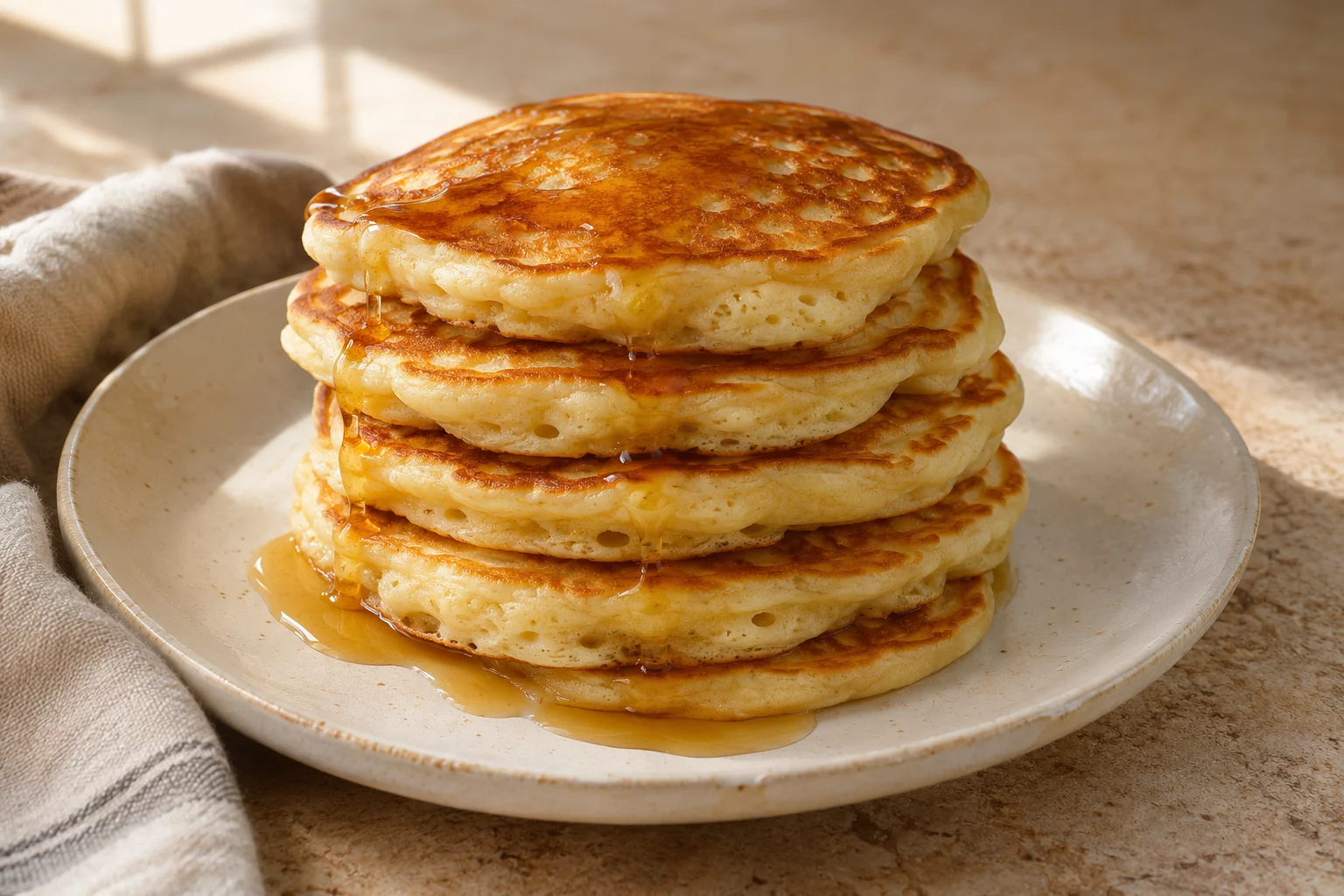
Our one-bowl pancakes recipe uses familiar pantry staples and yields eight pancakes. Multiply the recipe according to your guest count and serve with seasonal fruit rather than buying many specialty toppings.
A basic pancake recipe uses familiar pantry ingredients and can feed several people without speciality equipment. Choose a formula with clear mixing and cooking instructions, especially if you're working with baking powder or a batter that needs to rest.
Serve with seasonal fruit, a modest amount of syrup or yogurt. You don't need five sweet sauces to make a pancake breakfast feel complete.
2. Sheet-Pan Pancakes
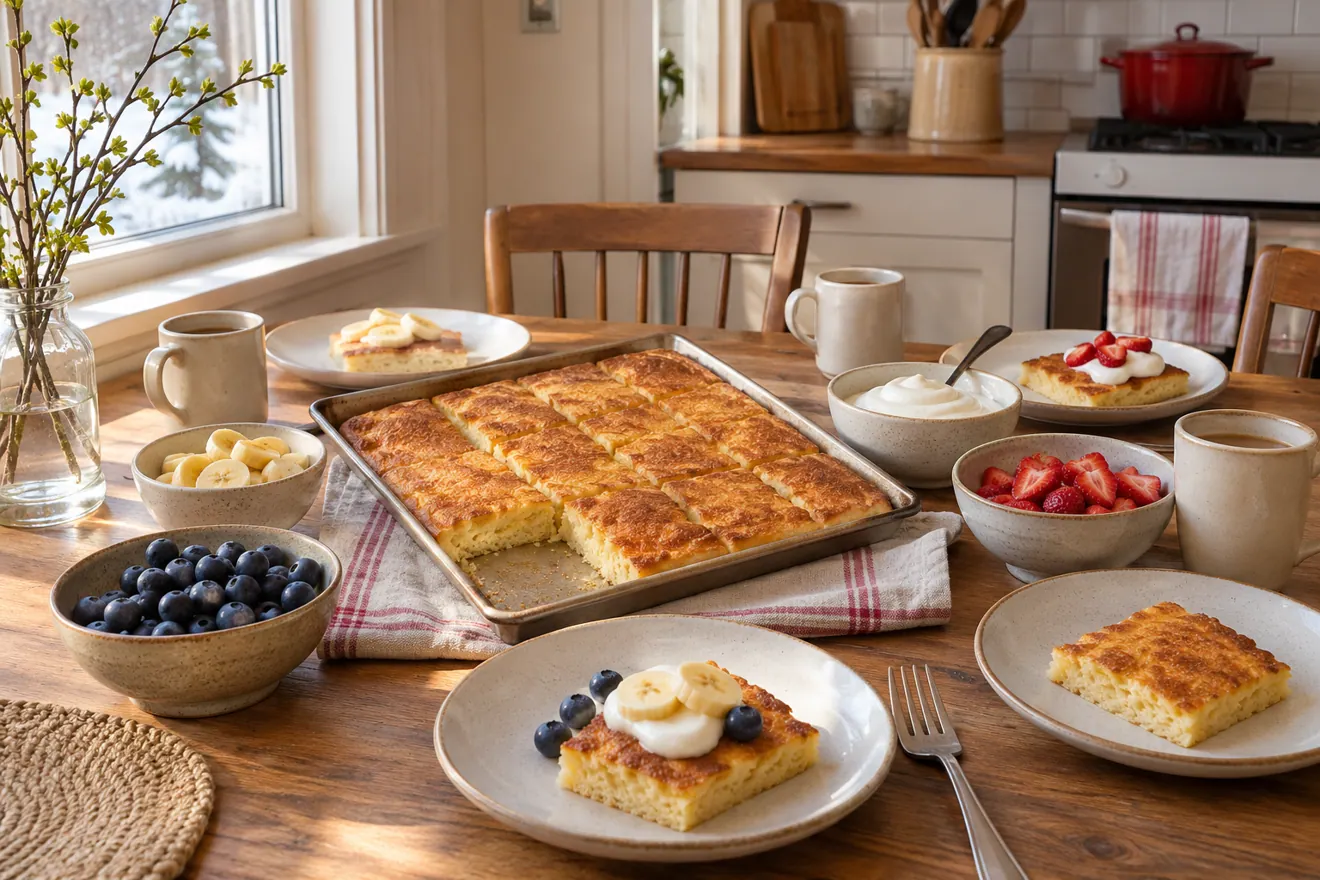
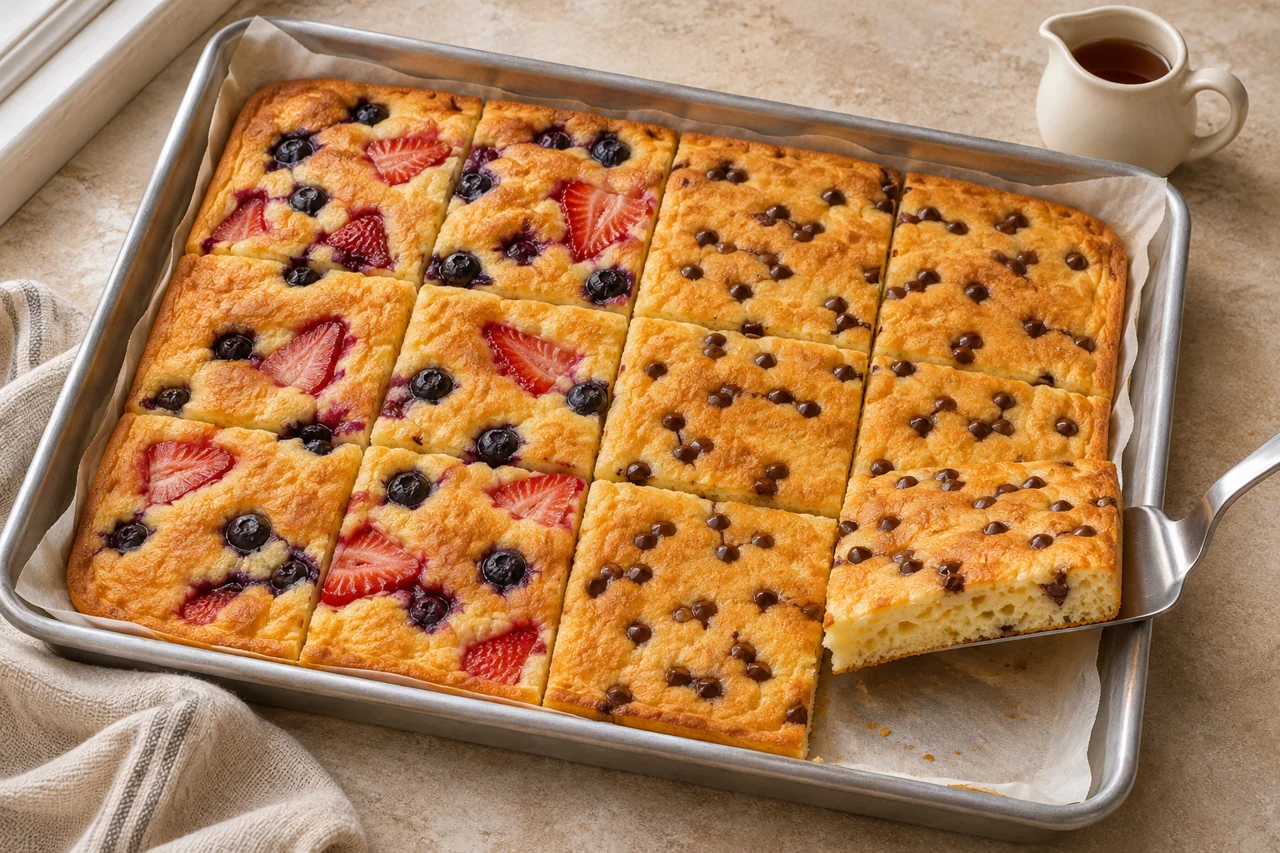
When cooking for a group, a tested sheet-pan pancake recipe can reduce stovetop time. Pour batter into the specified pan and bake according to its directions rather than guessing at a conversion from ordinary pancakes.
Cut into squares and serve from the pan. A few berries or banana slices can provide colour without expensive decoration.
Sheet-Pan Pancakes yield 12 squares in one pan. Check how many people will take a second piece before you bake another tray.
3. Baked French Toast
French toast casserole can make useful use of bread with a slightly firmer texture, depending on the recipe. Some versions are assembled the night before and refrigerated so the bread absorbs the egg custard.
Follow the recipe's safe overnight refrigeration and baking instructions. Eggs and dairy make temperature control important. A simple cinnamon topping can be more affordable than a complicated fruit-and-cream arrangement.

4. Baked Oatmeal
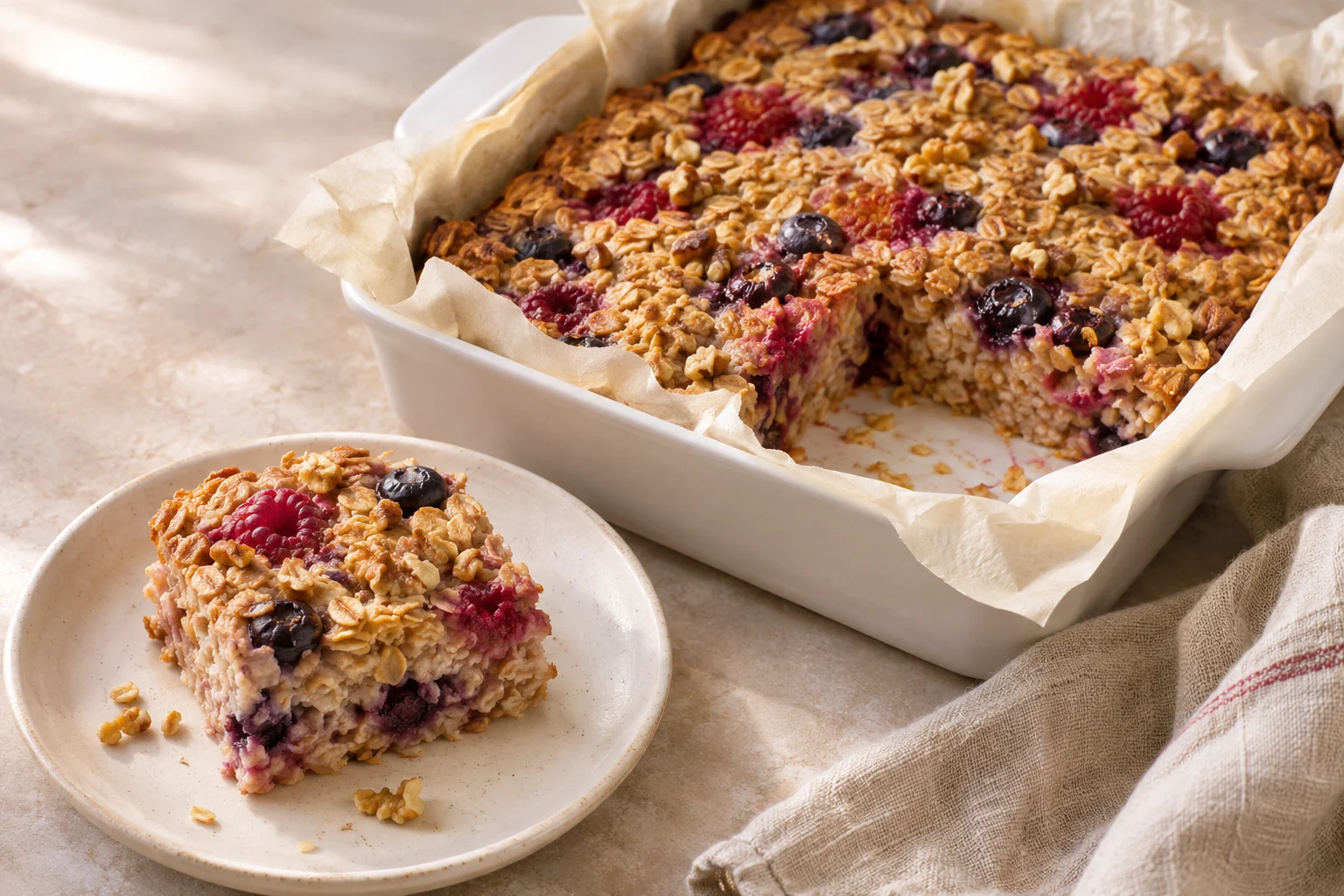
Oats are a practical foundation for a group breakfast. Baked oatmeal can be flavoured with cinnamon, banana or apples in recipes designed for those additions. A large dish is easy to portion and may reduce time spent at the stove.
Choose the correct oats and liquid ratio. If the bake contains eggs or dairy, refrigerate leftovers safely and reheat as directed.
Baked Oatmeal is a one-pan option. Choose fruit already on your shopping list and check the centre with a food thermometer.
5. Banana Muffins
Ripe bananas can become a convenient batch of muffins, particularly when you already have them on hand. A hand-mixed recipe may need only a bowl, whisk and muffin pan.
Stick to the specified banana quantity: extra mashed fruit can make the centers gummy. Pack leftovers only after full cooling, and freeze suitable portions when the recipe allows.

6. Simple Egg Bake
Egg bakes can feed a group and provide a savoury contrast to pancakes or muffins. A recipe may combine eggs with cooked vegetables, bread or potatoes. Use vegetables you can buy affordably in season, provided the formula supports the substitutions.
Don't add a large amount of watery raw vegetables without following appropriate preparation steps. Cook the casserole safely, and keep leftovers refrigerated.
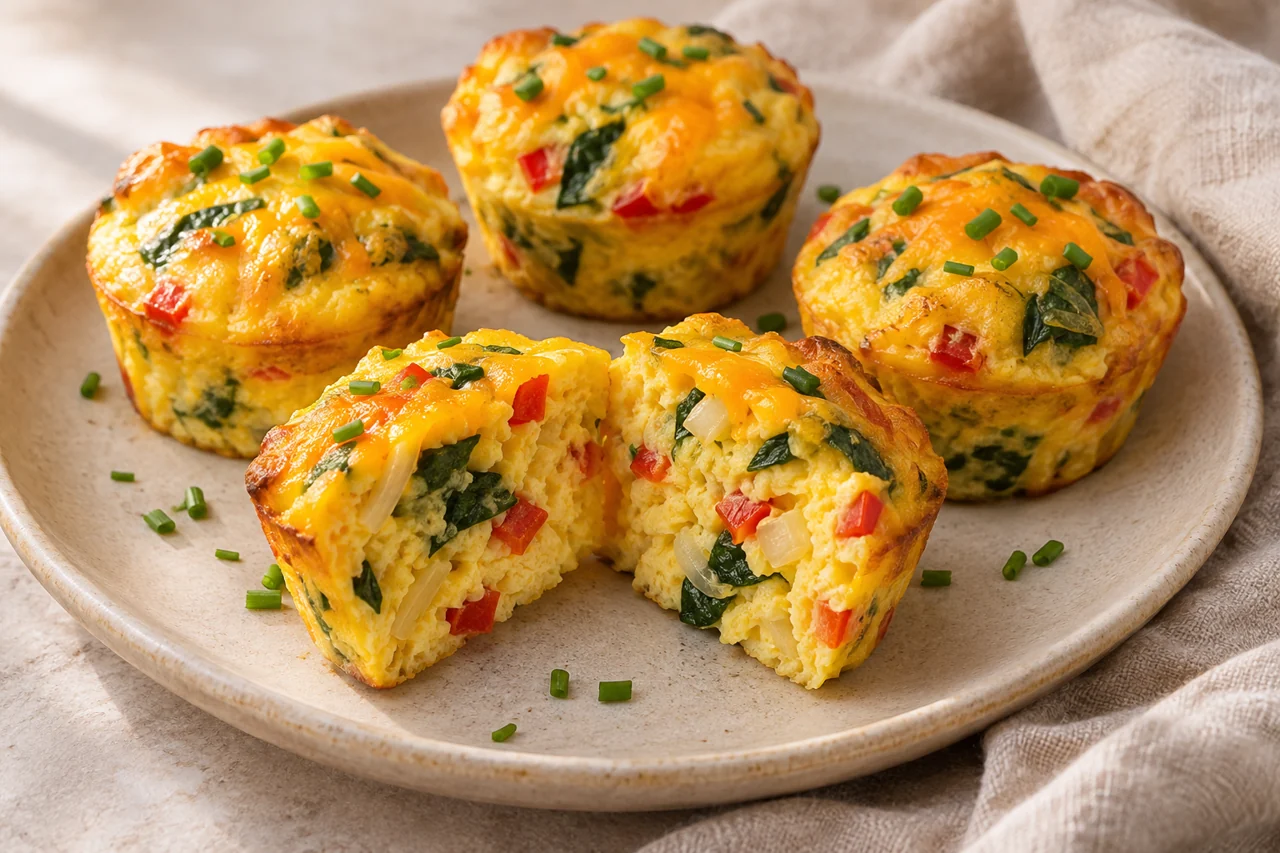
Breakfast Egg Muffins are an easy individual alternative to slicing a larger egg bake. Use the documented cook and storage directions.
7. Breakfast Potatoes
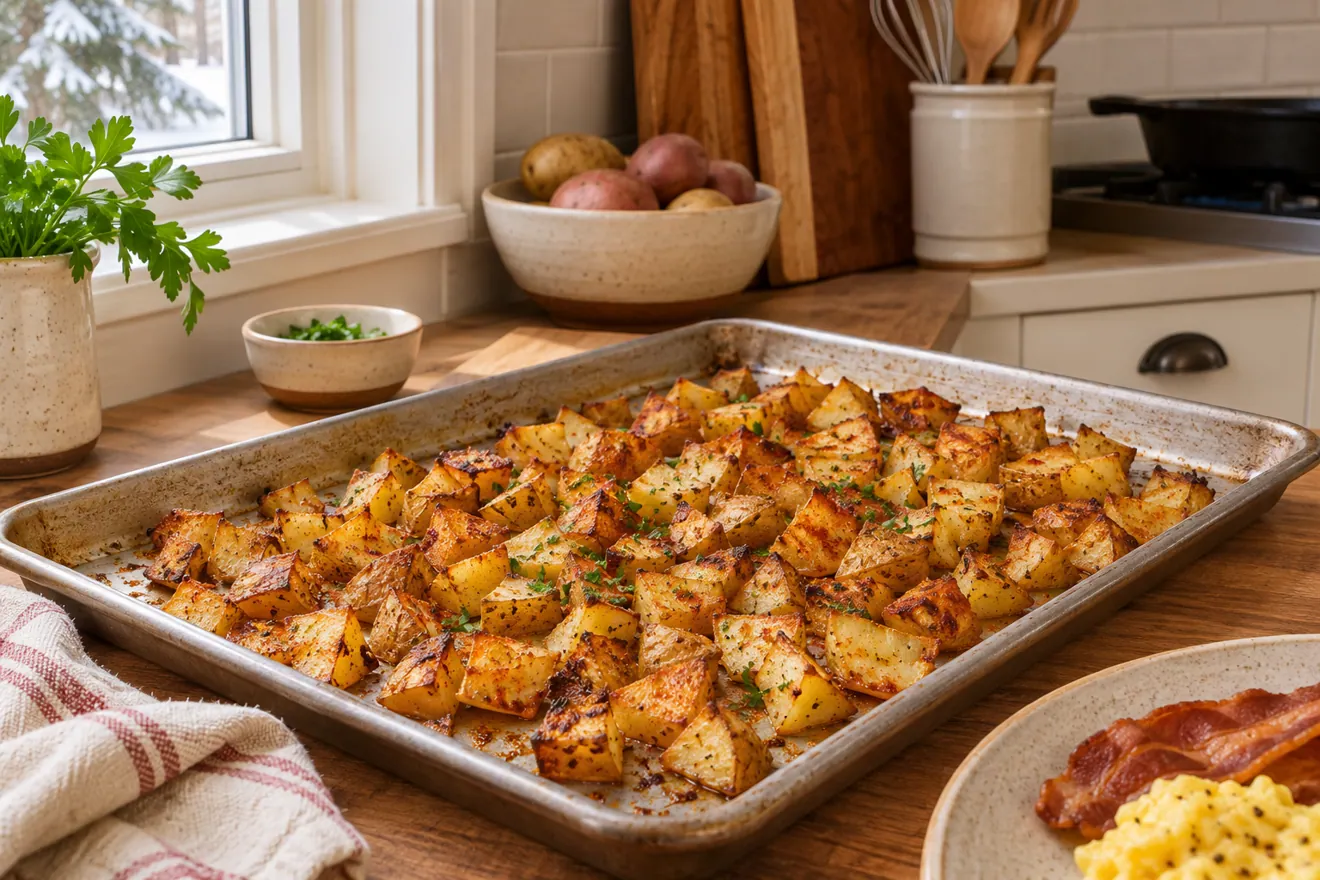
Roasted breakfast potatoes can turn a simple egg dish into a satisfying meal. Choose a recipe with measured seasoning, suitable cutting size and clear roasting instructions.
Spread potatoes so they roast rather than steam. If you want to prepare ahead, follow a tested method for cooling, refrigeration and reheating instead of keeping cooked potatoes at room temperature overnight.
8. Homemade Biscuits
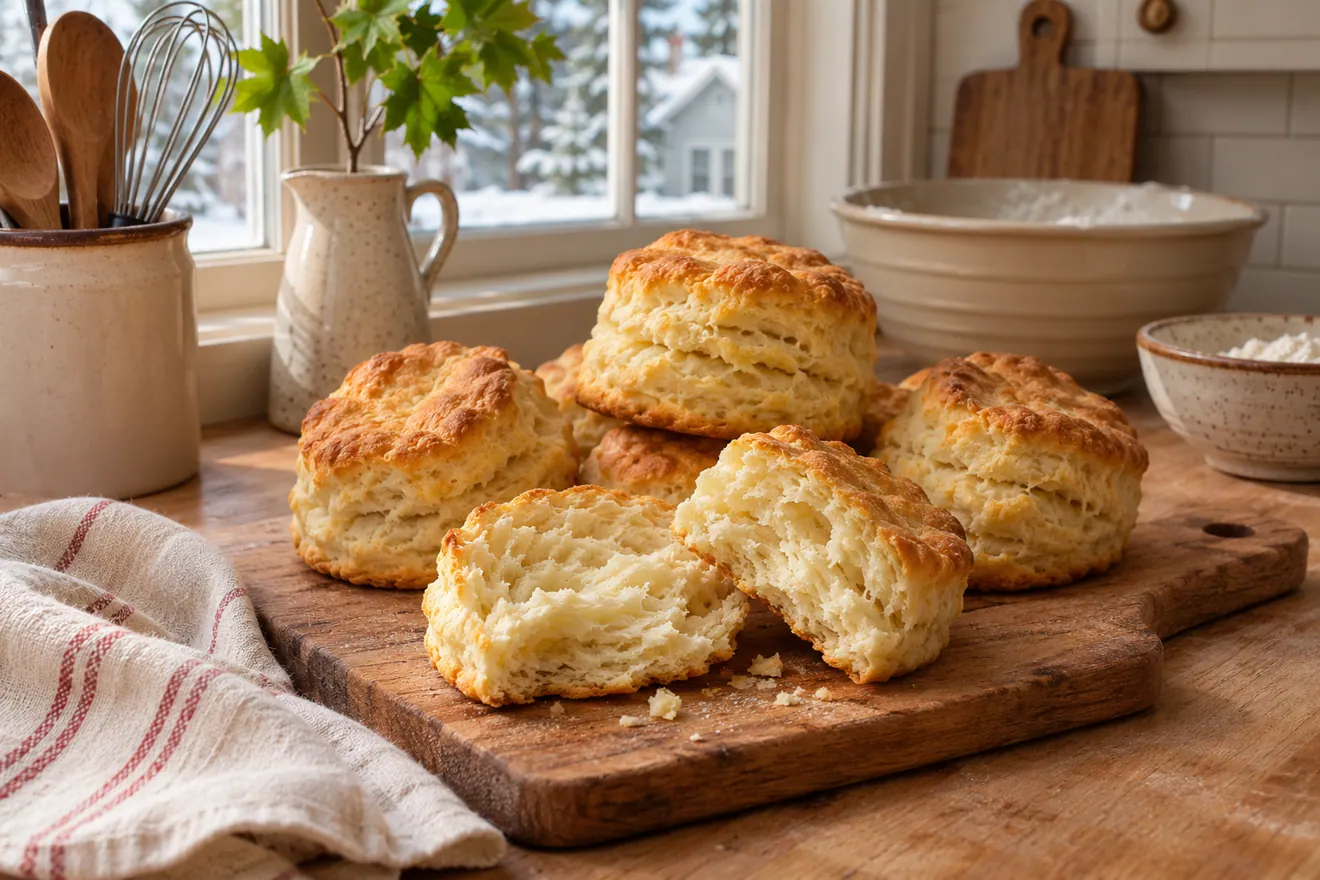
Simple biscuits can be comforting with eggs or jam. Many traditional recipes use flour, baking powder and a suitable fat, but technique matters: some require cold butter and gentle handling to achieve a tender texture.
Use the recipe's preferred flour and liquid quantities rather than overworking the dough. Homemade biscuits can be a more satisfying choice than expensive specialty pastries when you have time to bake them properly.
9. Plain Scones
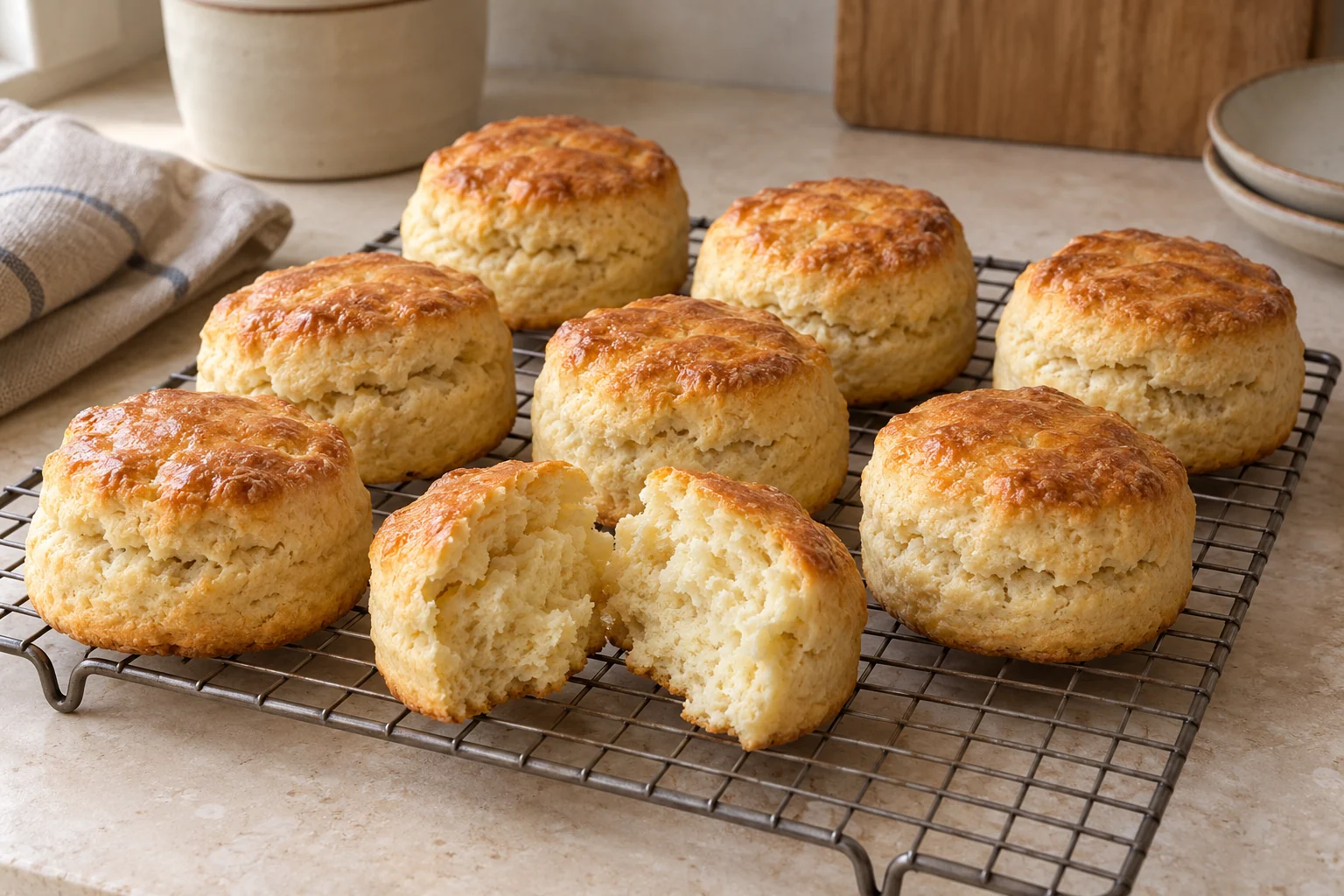
Vanilla or lemon scones can feel café-worthy without heavy decoration. Choose a recipe with common ingredients and avoid buying many different dried fruits, nuts and premium chocolate toppings.
Chill the dough if required, work gently and bake until properly coloured. A little citrus zest may add flavour without requiring a large amount of juice or syrup.
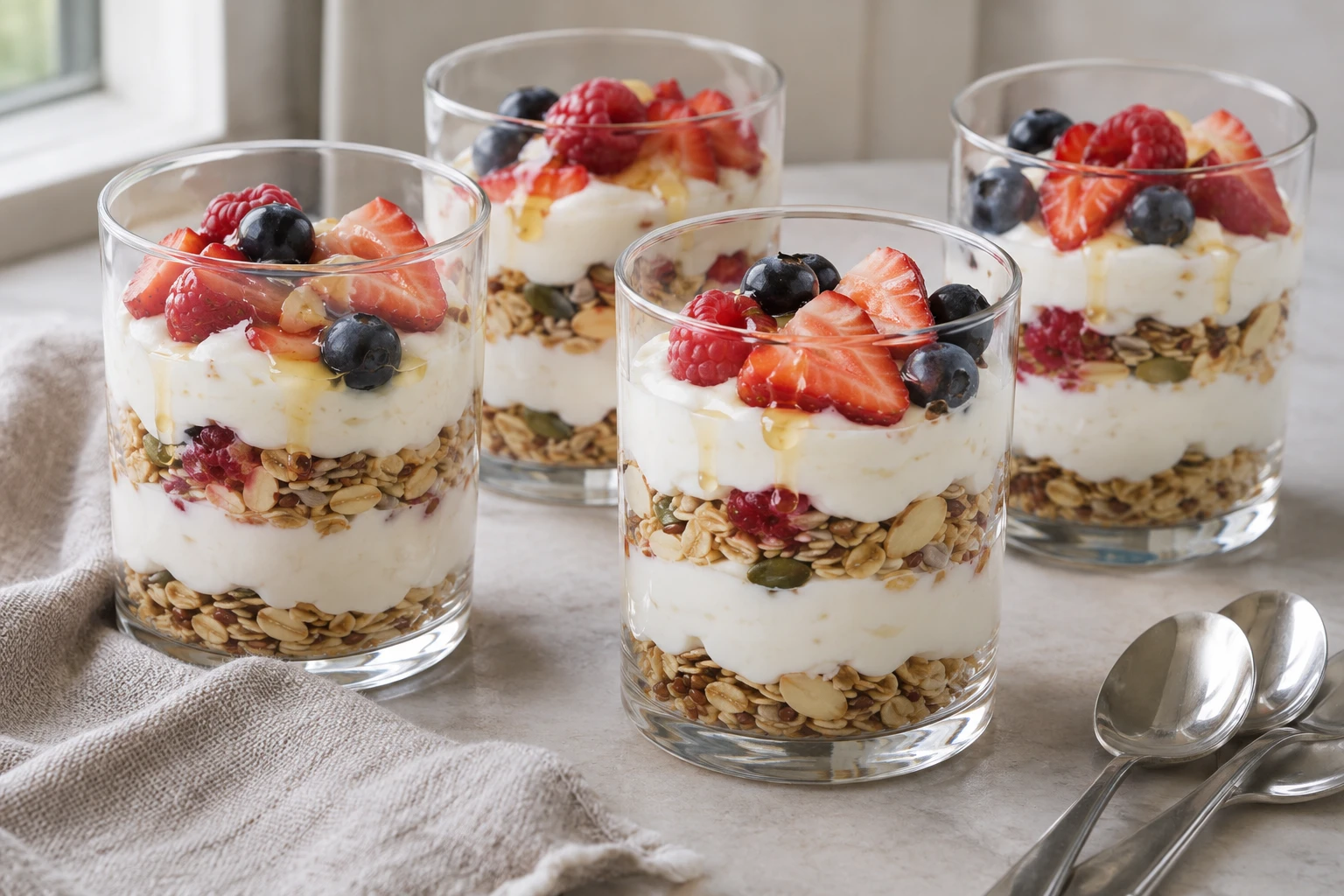
10. A Yogurt and Fruit Station
Instead of individually building parfaits, offer plain yogurt, one or two suitable fruits and a modest container of granola. Guests can create the portions they want, reducing the chance of uneaten pre-assembled cups.
Keep yogurt under refrigeration and add dry toppings at serving time. Homemade granola can be an option if the recipe, ingredient costs and prep time suit your plan.
11. Toast Bar with Simple Toppings
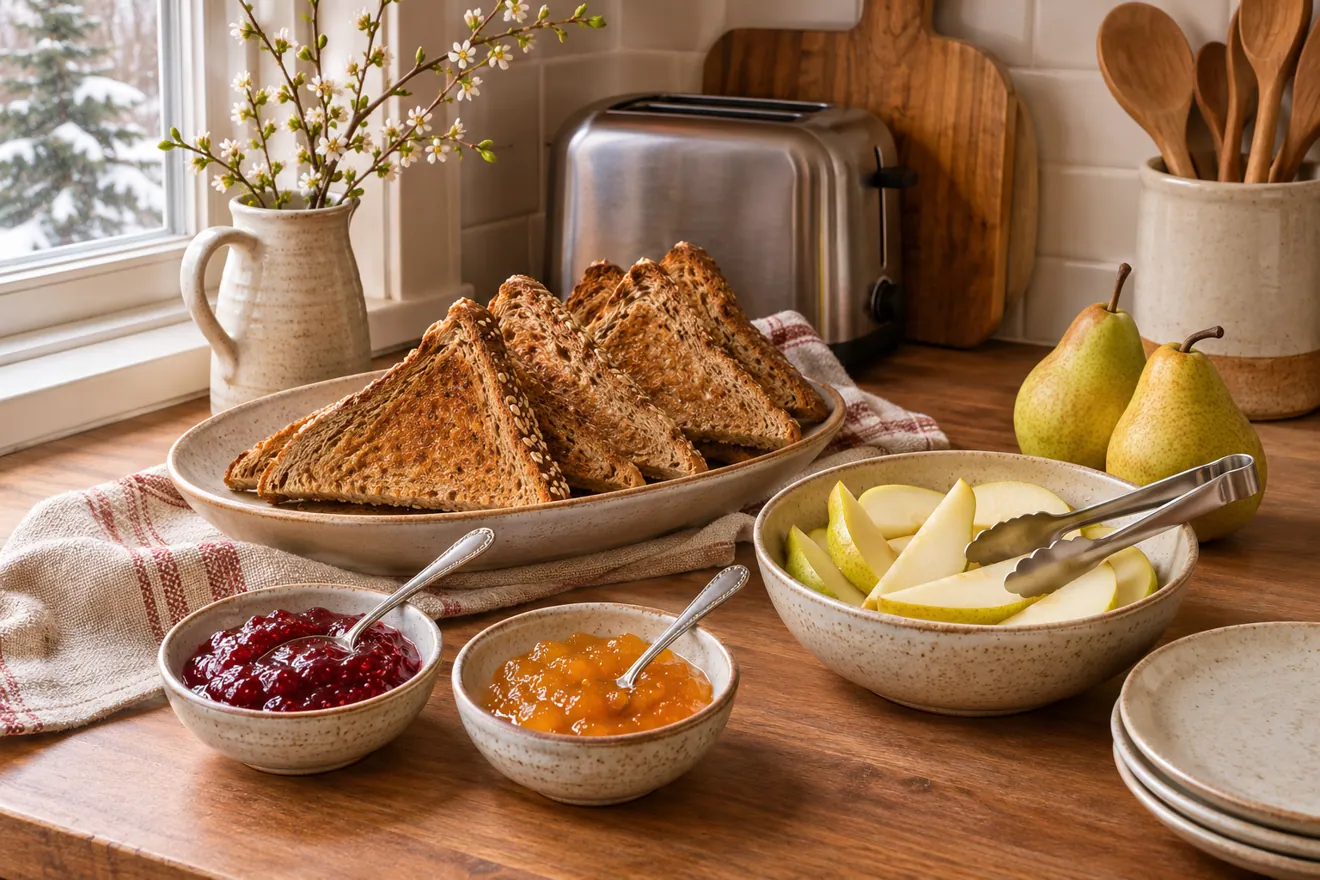
Toast can be a surprisingly enjoyable brunch component with fresh fruit, jam, eggs or another suitable topping. Use sturdy bread and provide a couple of options rather than an expensive assortment of spreads.
If toppings contain dairy, cooked eggs or other perishables, manage them under the proper storage conditions. Keep bread and moist toppings separate until serving so toast stays crisp.
12. Banana Bread or Lemon Loaf
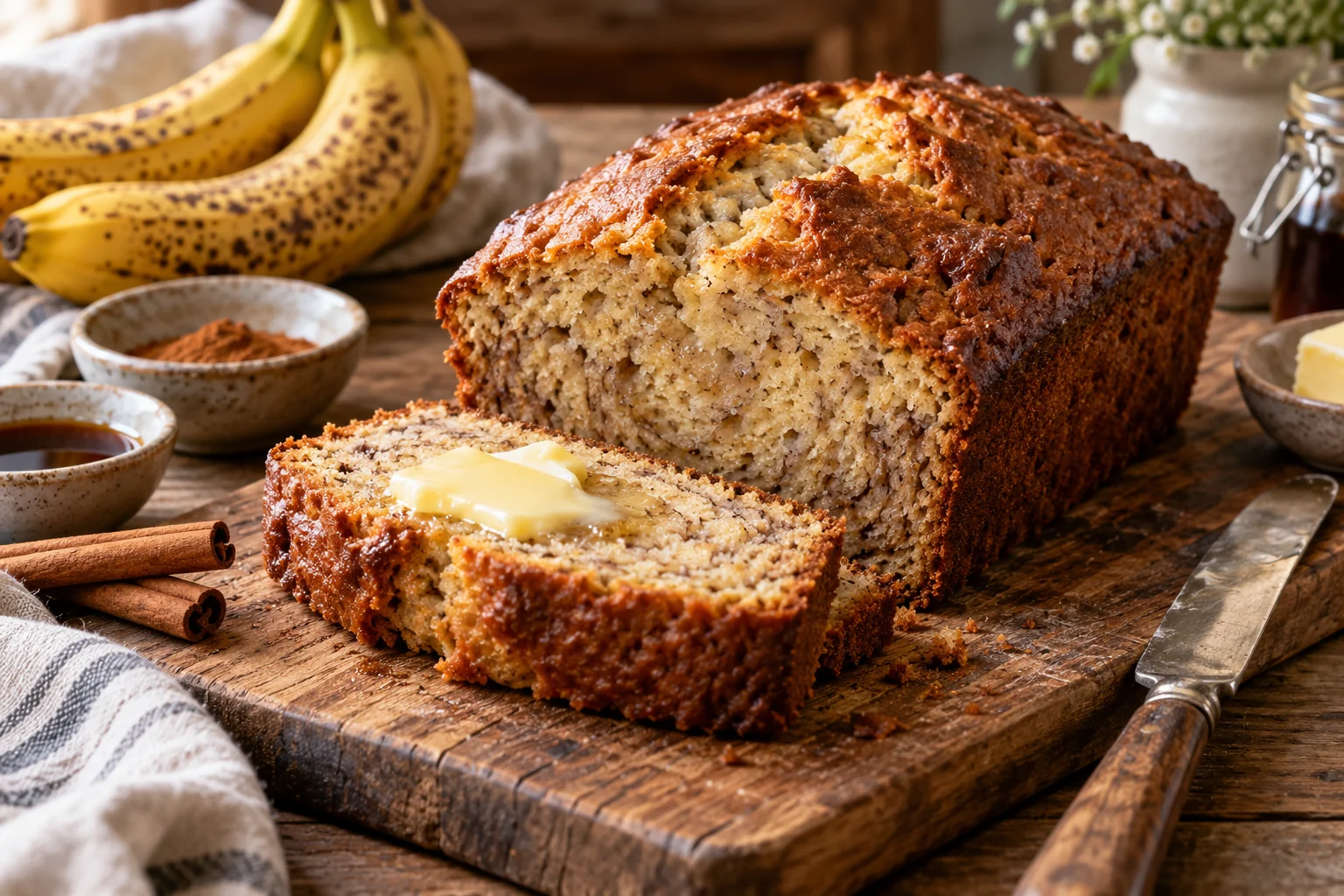
One home-baked loaf can add a sweet finishing note to brunch. A simple banana or lemon loaf is often less work than a tray of elaborate individual pastries and can be sliced according to appetite.
Cool the loaf thoroughly before wrapping. Skip perishable frosting when cold storage is difficult, and follow the recipe's stated storage window.
Make Classic Banana Bread ahead if you already have ripe bananas.
If citrus is the better buy, use the Iced Lemon Loaf as a separate option with the recipe’s sugar-and-lemon icing.
Use Seasonal Produce to Control Costs
Look at what is priced well locally instead of buying berries out of season simply because they look pretty in a photograph. Apples, oranges or bananas can make a satisfying fruit bowl. Frozen berries may work in baked recipes when the method supports them.
Fruit doesn't have to appear in every dish. A bowl of washed, prepared produce can balance a pancake or egg-based main more economically than several separate fruit desserts.
Make a Short Shopping List
Choose the menu before shopping, then group ingredients by category. If you plan pancakes and muffins, check how much flour, milk and leavening you need in total. If serving eggs and a casserole, verify the full egg count so you don't run short midway through cooking.
Use package sizes thoughtfully. Buying a very large container is not a saving if the remainder spoils before you use it.
How to Calculate Cost Per Guest
Add expected ingredient and consumable costs, then divide by the number of guests. For example, if an illustrative brunch costs $48 in groceries for eight people, the direct grocery cost is $6 per guest. Your actual figures will depend on location, store prices and what you already have.
Remember that cost per guest isn't a measure of how elaborate the table looks. A simple menu that people enjoy can be better value than many inexpensive dishes nobody eats.
Count only the share of a pantry package you use. For example, if a $4 bag of oats contains enough for four equal brunch batches, the oats contribute $1 to this batch. Add the other ingredients and divide by confirmed guests. This keeps a first-time pantry shop separate from the cost of the meal itself.
A Sample Budget Brunch for Six
Prepare a suitable baked French toast recipe for six, a bowl of seasonal fruit and coffee or tea. If you want a savoury component, add a small egg dish rather than an entirely separate elaborate main.
Make sure the casserole recipe's yield and storage fit the plan. The menu is intentionally compact, leaving more time to host.
A Sample Budget Brunch for Twelve
Choose two original-sized pans of a tested egg casserole or sheet-pan pancakes, according to the recipe's yield, and add a tray of banana muffins plus fruit. Keep toppings simple and offer drinks in pitchers or carafes rather than building individual specialty beverages.
For larger batches, consider oven space. Dishes that require different temperatures at the same time can create unnecessary delays.
If your main yields twelve portions, reserve one for each guest first. Offer fruit, toast or baked oatmeal for guests who want seconds, rather than buying a second set of expensive toppings.
What to Prepare the Day Before
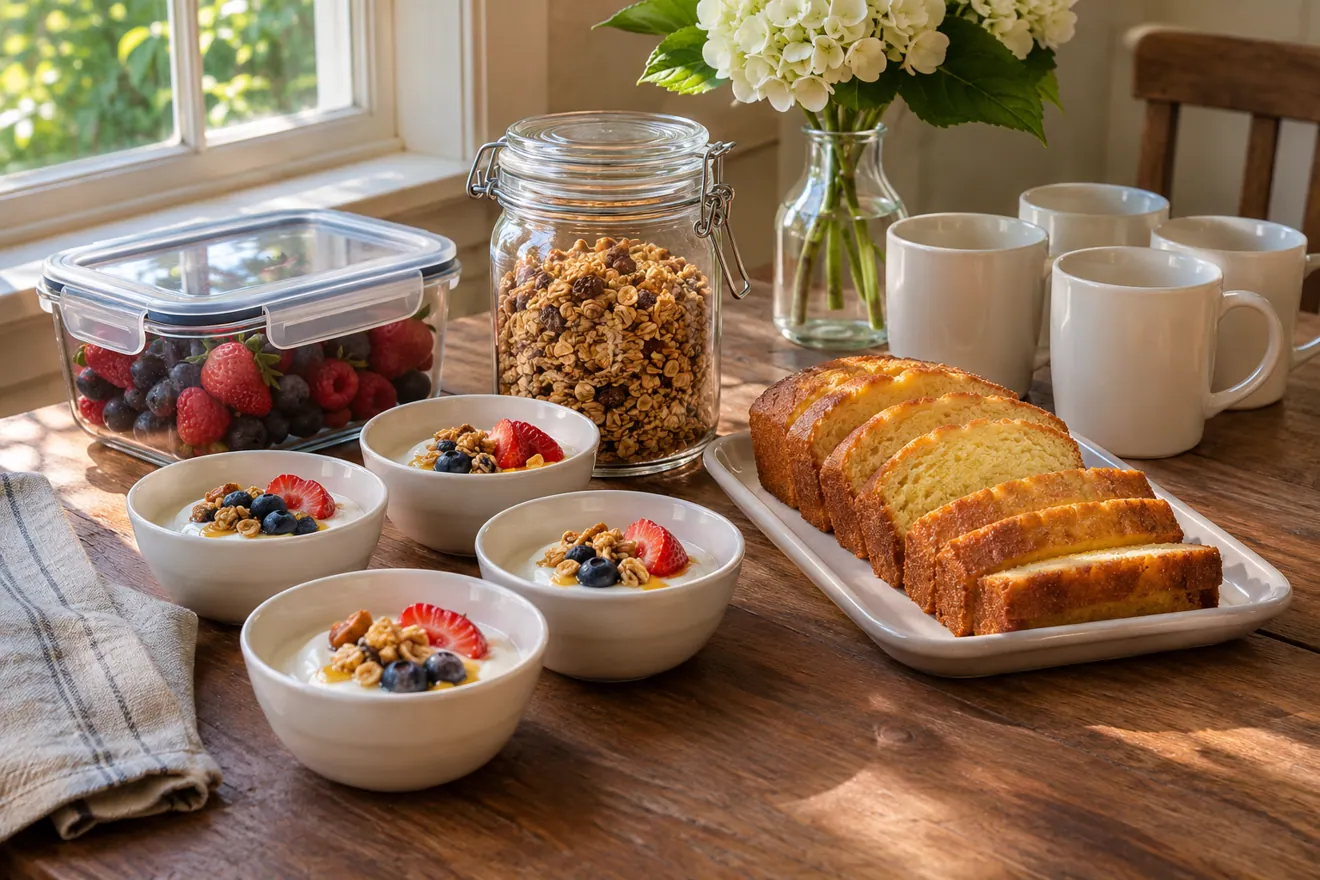
Set out plates, serving utensils and dry pantry ingredients. Bake muffins and loaves ahead when their recipes give a storage method. Assemble an overnight casserole only if a tested method calls for a covered refrigerator rest.
Keep perishable preparations at 4°C (40°F) or colder.
Ways to Reduce Brunch Waste
Ask about dietary needs and estimate actual portions before doubling recipes. Provide smaller plates for tasting and hold back extras under safe storage conditions. Save suitable leftovers according to their recipes rather than letting everything sit on the buffet until afternoon.
If making fruit salad, prepare an amount guests can realistically eat instead of chopping every piece of fruit you bought.
Common Budget Brunch Mistakes
Buying too many toppings: small purchases add up. Choosing complex individual pastries: they require extra time and supplies. Cooking multiple mains: the oven becomes overloaded. Ignoring guest preferences: food goes uneaten. Assuming homemade always costs less: specialty ingredients can make a recipe expensive.
Frequently Asked Questions
What's the cheapest brunch to make for a crowd?
A main dish built around common ingredients, such as oats, eggs or pancakes, can be economical. Compare actual local costs and the recipe's yield.
How can I make brunch look special without spending much?
Use clean simple platters, seasonal fruit and one attractive centerpiece rather than many decorative toppings.
Can I make brunch ahead on a budget?
Yes. Some muffins, loaves and specific egg casseroles allow advance preparation, subject to safe storage and recipe instructions.
How many different dishes should I make?
One main dish and two complementary sides are often enough for a small to medium gathering. Adjust for guest count and dietary needs.
Make the Gathering Feel Generous, Not Expensive
Budget brunch is really about good choices: one satisfying main, familiar ingredients, reasonable portions and a little advance preparation. When the menu fits your kitchen and guest list, nobody needs an elaborate spread to feel welcome.
Some images are AI-generated illustrations of the dishes and techniques described.
IN PICTURES
From the baking notebook
FROM THE RECIPE BOX


