On this page
Brown butter can transform a familiar chocolate chip cookie into something that smells of toasted nuts, caramel and warm shortbread. It also changes the dough. When butter is cooked, water evaporates and the milk solids brown, so the ingredient that returns to the bowl is not chemically identical to the original block. Understanding the flavour and moisture trade-off makes it much easier to produce delicious cookies consistently rather than hoping every golden pan behaves the same.
What actually happens when butter browns
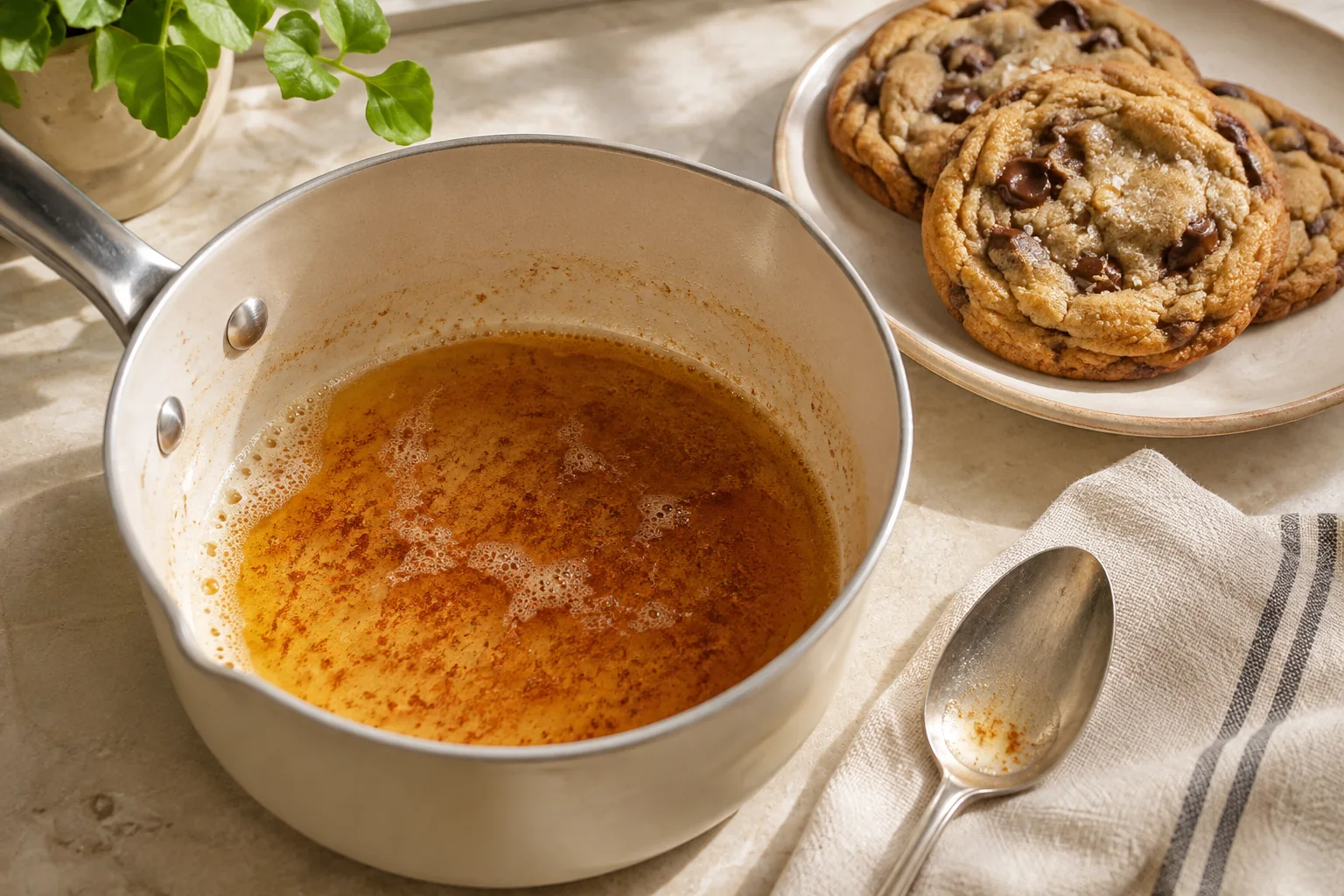
Ordinary butter contains butterfat, water and milk solids. As it heats, much of the water boils away, and the milk solids begin to brown through complex flavour-producing reactions. The colour deepens from pale yellow to amber, with brown flecks and a toasted aroma. The result is called beurre noisette, or hazelnut butter, because of its flavour—not because it contains nuts.
Why flavour becomes more complex
Browned milk solids bring roasted, toffee-like and nutty notes that ordinary melted butter lacks. The exact aroma depends on how far the solids brown before being removed from the heat. A pale batch tastes gentle; very dark solids can taste bitter. Cookies with uncomplicated butter-and-sugar flavours show this change especially clearly.
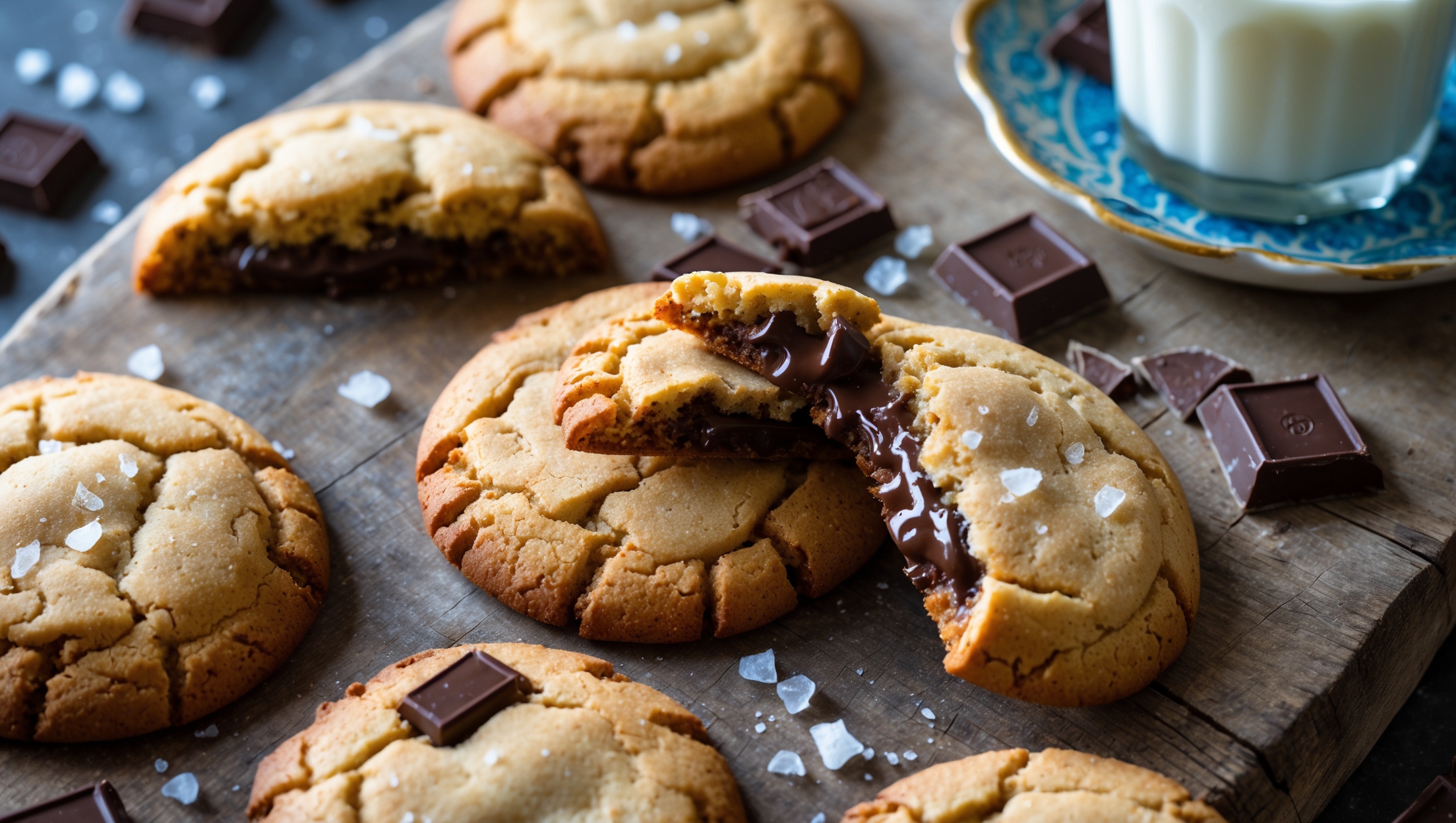
Recipe to try: Brown Butter Chocolate Chip Cookies. Rich, nutty brown butter infuses these irresistible chocolate chip cookies with caramel notes, creating the perfect balance of chewy centers and crispy edges that elevate the classic cookie to extraordinary heights.
The important hidden change: lost water
Butter contains fat, water and milk solids. During browning, water evaporates while the solids develop toasted flavour. Using the reduced batch in a formula written for ordinary butter changes hydration and can affect cohesion, spread and texture. Follow the recipe's before- or after-browning weight carefully.
Why weight before and after matters
If you begin with 113 g butter, the cooled browned result may weigh less. Replacing a recipe's specified 113 g of butter with that entire reduced batch changes the formula. Decide whether the recipe measures butter before or after browning, and follow that exact convention. A scale makes the difference visible.
Does brown butter always make cookies spread less?
No. Reduced water, the temperature and physical state of the butter, sugar proportions and dough rest all influence spreading. Warm liquid brown butter can behave very differently from cooled, spreadable brown butter. Judge the complete recipe rather than predicting the result from browning alone.
Recipes that combine browned and ordinary butter
Some recipes combine browned butter with ordinary butter to balance toasted flavour, moisture and creaming behaviour. The specified proportions and temperatures are part of that formula. Begin with a recipe designed for the combination rather than treating half-and-half as a universal conversion.
Creaming needs a workable fat texture
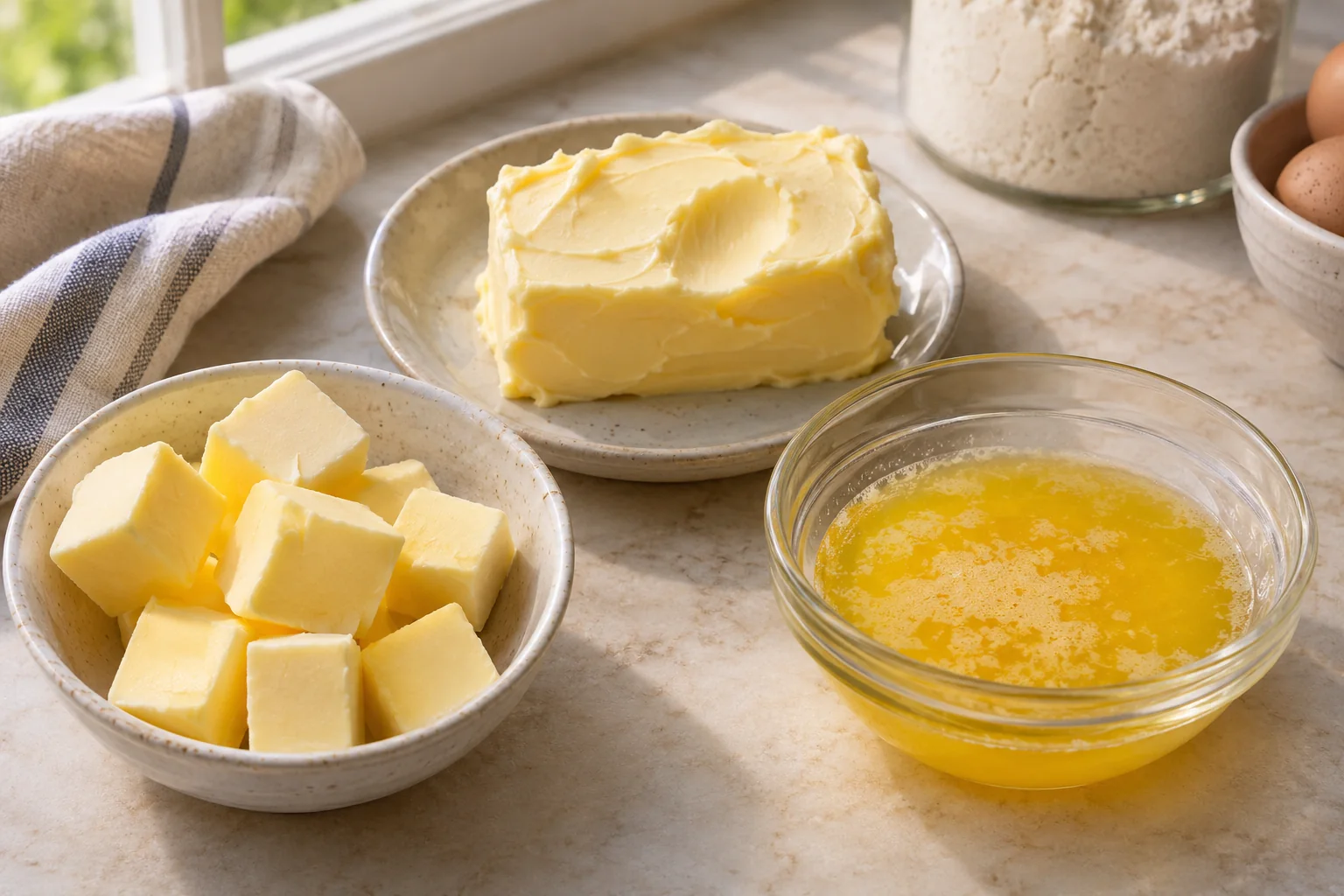
A recipe that creams softened butter with sugar is relying partly on air incorporation. Pouring hot liquid brown butter directly into all the sugar changes that process. Some tested recipes combine cooled brown butter with softened ordinary butter; others chill browned butter until it is spreadable before creaming. Use the method developed for the cookie.
Cooling before adding eggs
Very hot butter can warm or partially cook eggs when they are mixed together. Let it cool to the recipe's target before combining with other ingredients. A cool-to-warm fluid brown butter and a solid room-temperature batch will not behave identically, so follow the stated texture rather than a vague wait of five minutes.
Should you add water back?
Add water only when the recipe or a carefully specified conversion calls for it. Recipes written for brown butter may already balance the lost moisture through their other ingredients. Never pour water into dangerously hot fat; cool and combine ingredients in the order given by the method.
Brown butter and chewy centres
Chewiness reflects flour, sugar, hydration, eggs, fat and baking time together. Brown butter can deepen flavour in a chewy cookie but does not automatically make it chewier. A recipe with water replacement and balanced brown sugar may retain chew, while a dry dough made with all browned butter can become crumbly.
Brown butter and crisp edges
Some cookies made with brown butter develop appealing toasted edges because the formula and reduced moisture encourage a particular bake. Others remain soft throughout. For a crisp brown-butter cookie, select a recipe written for that texture rather than baking a soft one until excessively dark.
Which sugars complement it
Brown sugar can amplify caramel-like flavours, while granulated sugar can emphasize a crisp, clean sweetness. A blend often works well, but changing the sugar balance also changes spread. Don't assume dark brown sugar must be used simply because the butter is already brown.
Chocolate choices
Dark chopped chocolate adds a slightly bitter counterpoint to toasted butter. Milk chocolate makes the cookie sweeter and more mellow, and white chocolate can emphasize caramel-like notes. Keep the total mix-in weight within the recipe's intended range so the butter flavour remains noticeable.
Salt and vanilla
Salt helps balance sweetness and can make browned-butter notes more distinct. Vanilla adds warmth but may be less necessary in a deeply toasted formula. Measure both carefully; stronger flavour isn't an excuse to double salt or pour extra extract into a small batch.
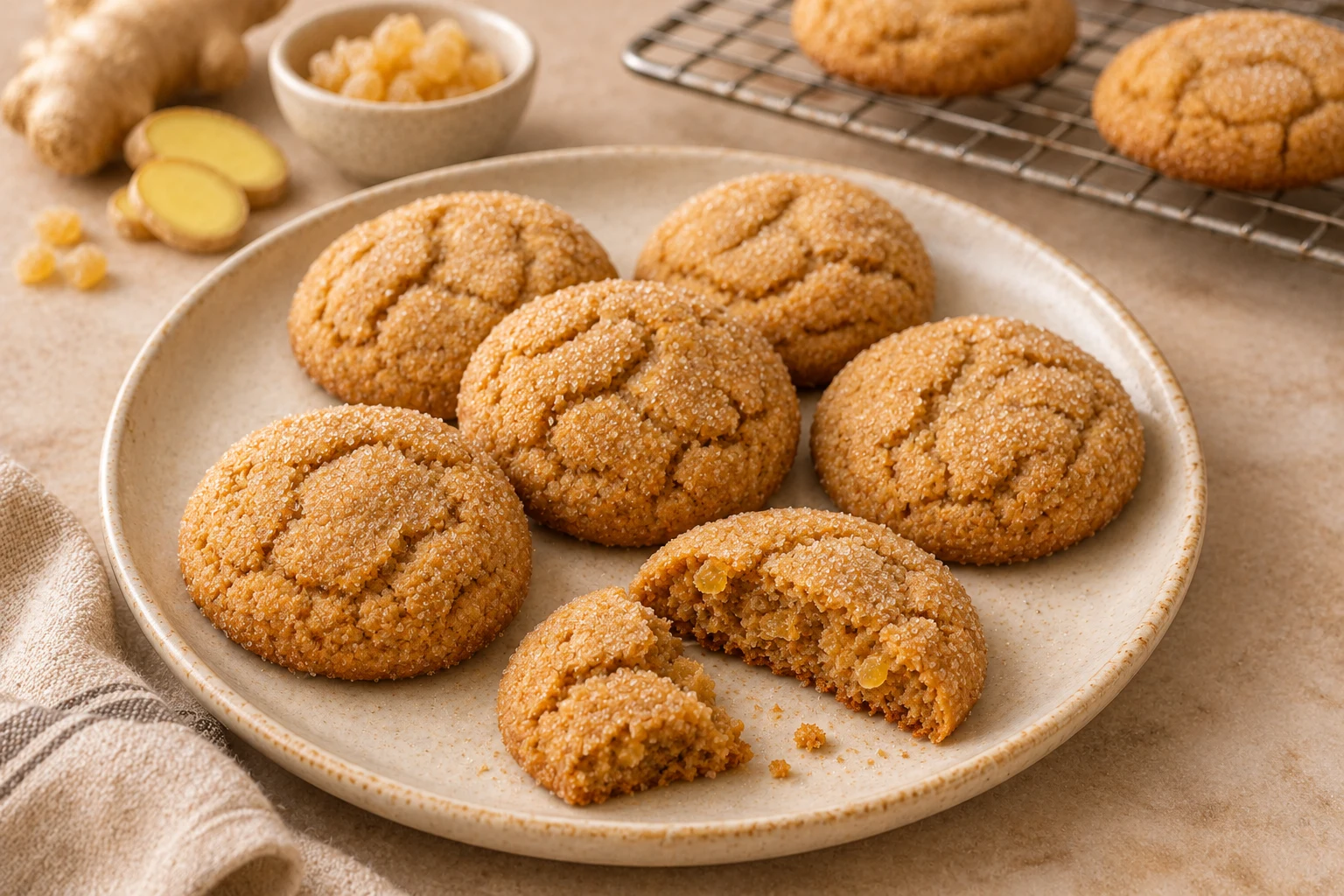
Recipe to try: Brown Butter Ginger Cookies. Crisp-edged, chewy-centered cookies infused with nutty brown butter, aromatic ginger, and warm spices that create the perfect balance of complexity and comfort in every bite.
How to brown butter without burning it
Use an appropriate light-coloured saucepan so you can see the milk solids change colour. Heat with controlled stirring or swirling and watch as the foam subsides and golden flecks appear. Remove the pan promptly when the recipe's target colour is reached; the hot pan can continue browning the solids after leaving the burner.
Keep the toasted flecks when directed
Much of the characteristic flavour lives in the browned milk solids. Many cookie recipes incorporate those flecks after browning. Some methods strain the butter for other uses, but discarding solids can reduce the flavour you were trying to create. Follow the recipe's directions.
Why burned butter cannot be rescued
Black, acrid milk solids can impart bitterness throughout the dough. Adding more vanilla, sugar or chocolate doesn't reliably fix that taste. If it smells burnt rather than warmly nutty, make a fresh batch instead of sacrificing flour, eggs and chocolate to an unpleasant base.
Why the dough may look greasy
Browning all the butter without restoring appropriate water or working temperature can leave a dough that separates or fails to hold together. Check whether you used the expected post-browning weight and whether the recipe requires an additional liquid. Avoid adding random flour, which can make the baked cookies dry.
Dough chilling still matters
Some brown-butter cookies need a rest for fat to firm and flour to hydrate. Others are designed to be mixed and baked promptly. A long chill can alter spread and flavour development. Read the actual recipe rather than assuming all cookie dough improves with an overnight refrigerator stay.
Food safety and handling
Hot butter can spit and cause burns when water evaporates. Use a suitable pan, keep hands away from splatter and avoid adding water directly to dangerously hot fat. Any water replacement belongs in the cooled butter at the stage prescribed by the recipe.
A simple side-by-side experiment
For learning, make a trusted cookie recipe once with its ordinary butter and once using a tested half-browned conversion. Keep flour weight, sugar, dough size, tray and oven temperature consistent. Compare spread, aroma, texture after cooling and next-day quality. Change just one variable to make the result meaningful.
Recipe to try: Classic Chocolate Chip Cookies. Buttery, golden-edged cookies with a soft, chewy center studded with pools of melted chocolate that offer the perfect balance of sweet vanilla dough and rich chocolate in every bite.

Frequently asked questions
Is brown butter a different kind of store-bought butter? No, it's a cooking technique. Does it contain nuts? Not unless added. Can I substitute it one-for-one? Only when a tested formula or conversion accounts for water and fat state. Will every cookie taste more nutty? The effect is most noticeable in butter-forward recipes.
Use brown butter deliberately
Treat browned butter as an ingredient with wonderful flavour and altered moisture, not simply as a prettier melted butter. Measure it correctly, cool it appropriately and choose a recipe that balances its composition. Your reward is toasted depth without sacrificing the cookie's intended texture.
IN PICTURES
From the baking notebook
FROM THE RECIPE BOX


