On this page
Apple pie is a classic for good reason, but fall's most useful fruit can turn into so much more than pie. Apples add a sweet-tart bite to tender cakes, caramelized edges to skillet desserts, freshness to crisps and a satisfying chew to baked bars. And because apples come in so many varieties, you can choose a dessert that feels bright and fruity or warm and cozy.
If you have a basket of apples to use up, you don't need to start with pastry dough. These apple desserts beyond apple pie include easy everyday bakes, impressive dinner-party options and make-ahead ideas. You'll also learn which apple textures work best, how to manage extra moisture, and how to avoid a soft or soggy finished dessert.
First, Choose the Right Apple for the Dessert
Not all apples cook the same way. Some soften into a sauce; others hold their shape after a long bake. A crisp, slightly tart apple can balance a rich cake or sweet crumble, while a sweeter variety may need less additional sugar in a recipe developed for it.
Granny Smith apples are firm and tart, which is why they are often used for baked desserts. Honeycrisp can provide a lively sweet-tart flavour but may behave differently depending on ripeness and cooking time. Braeburn, Pink Lady and other firm eating apples can also work in recipes that call for apples holding their shape. For applesauce-style desserts, softer varieties may be welcome.
The most reliable choice is the variety specified by your recipe. If substituting, consider firmness and acidity rather than simply picking whichever apple looks reddest. A mix of varieties can add flavour complexity when a recipe allows it, but wildly different textures can cook unevenly.
12 Apple Desserts That Aren't Apple Pie
1. Classic Apple Crisp
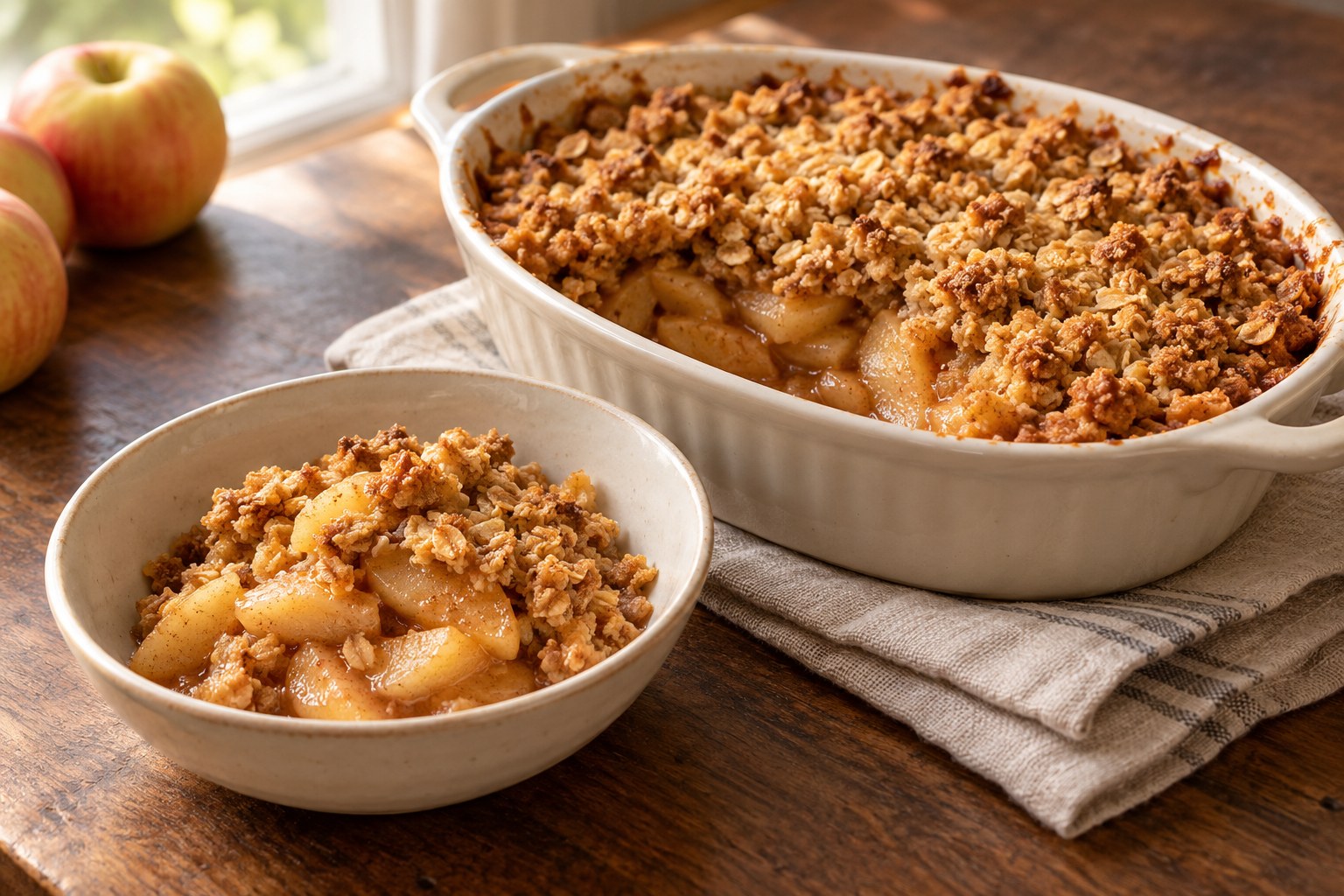
Apple crisp delivers much of the comfort of pie without the work of rolling and fitting pastry. Sliced apples bake beneath a crumbly topping usually made from ingredients such as flour, sugar, butter and sometimes oats. The contrast between soft filling and golden top makes the dessert feel complete on its own.
For a crisp topping, use the proportions in your recipe and keep the topping mixture appropriately crumbly rather than pressing it down into a solid sheet. Slice apples relatively evenly so they soften at a similar rate. Serve with vanilla ice cream or plain whipped cream if desired, keeping any perishable toppings refrigerated until serving.
2. Apple Crumble Bars
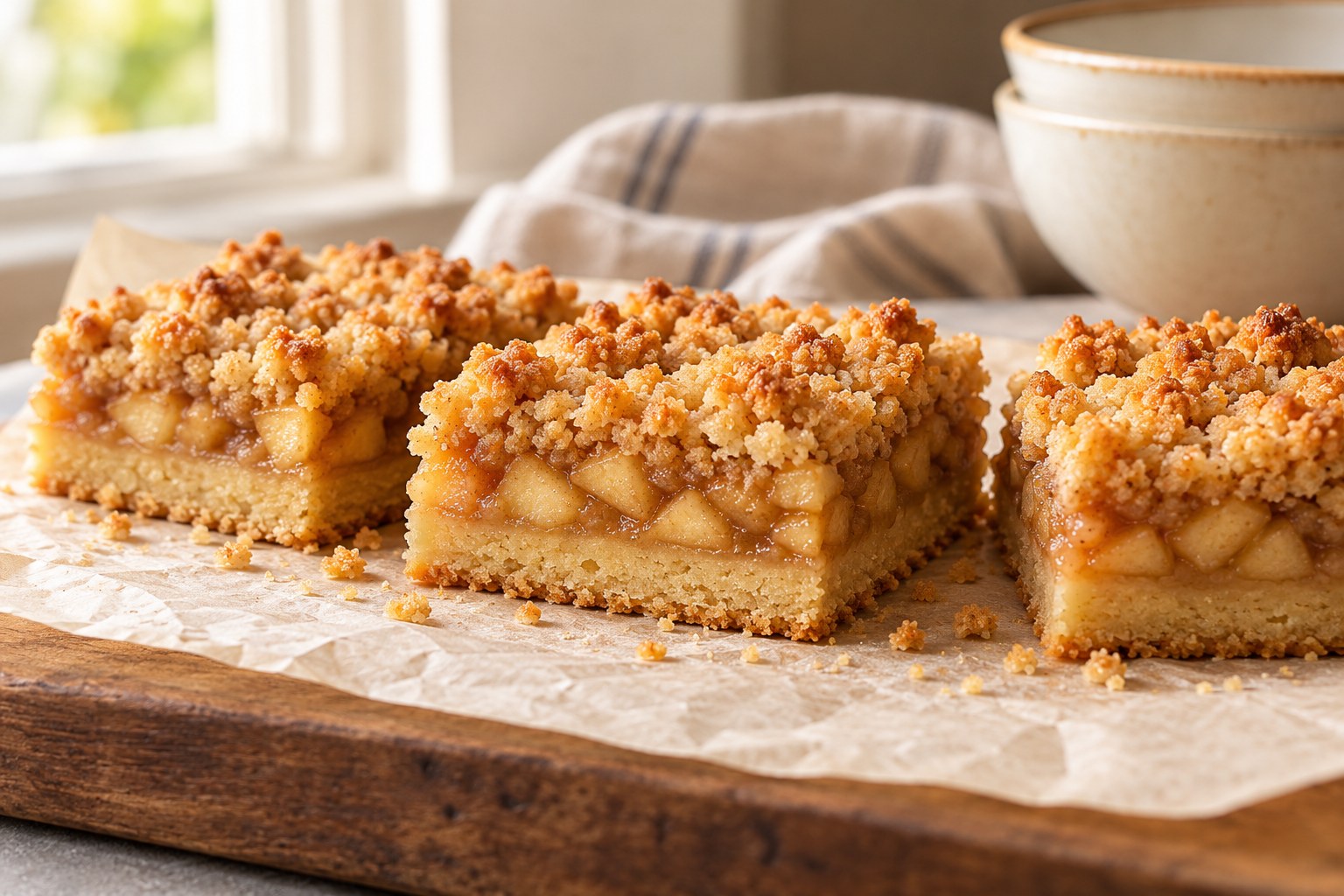
Bars are convenient for potlucks, packed lunches and gatherings where guests want smaller portions. A sturdy base supports a layer of apples, and a crumb topping provides texture. The biggest challenge is balancing the fruit's moisture so the bottom doesn't become soggy.
Follow a recipe that specifies how the apples should be cut and whether the filling needs pre-cooking. Cool the entire pan before slicing; warm fruit filling may not hold a clean edge. If you're packing bars, use parchment between layers and follow the recipe's storage directions.
3. French-Style Apple Cake
A simple apple cake can have a tender, lightly sweet crumb with apple pieces running through every slice. It's a beautiful option when you want dessert with coffee rather than a frosted celebration cake. A little vanilla and a restrained amount of cinnamon can enhance the fruit without hiding it.
Use an apple cake recipe with a deliberate fruit-to-batter ratio. Adding extra chopped apples may weigh down the batter and leave wet pockets. Let the cake cool enough to set before slicing; it often tastes lovely with just a small dusting of powdered sugar.
4. Apple Cinnamon Muffins
Apple muffins bring the flavours of fall into individual portions. Small, evenly diced apples distribute more predictably than huge wedges, though the right size depends on the chosen formula. A cinnamon-sugar finish or a little streusel adds aroma and crunch.
Avoid overmixing once the dry ingredients meet the wet ingredients if the recipe warns against it; excessive mixing can toughen the crumb. Fill muffin cups as directed, and check doneness in the cake portion rather than pushing a tester directly through a soft apple piece.
5. Caramel Apple Upside-Down Cake
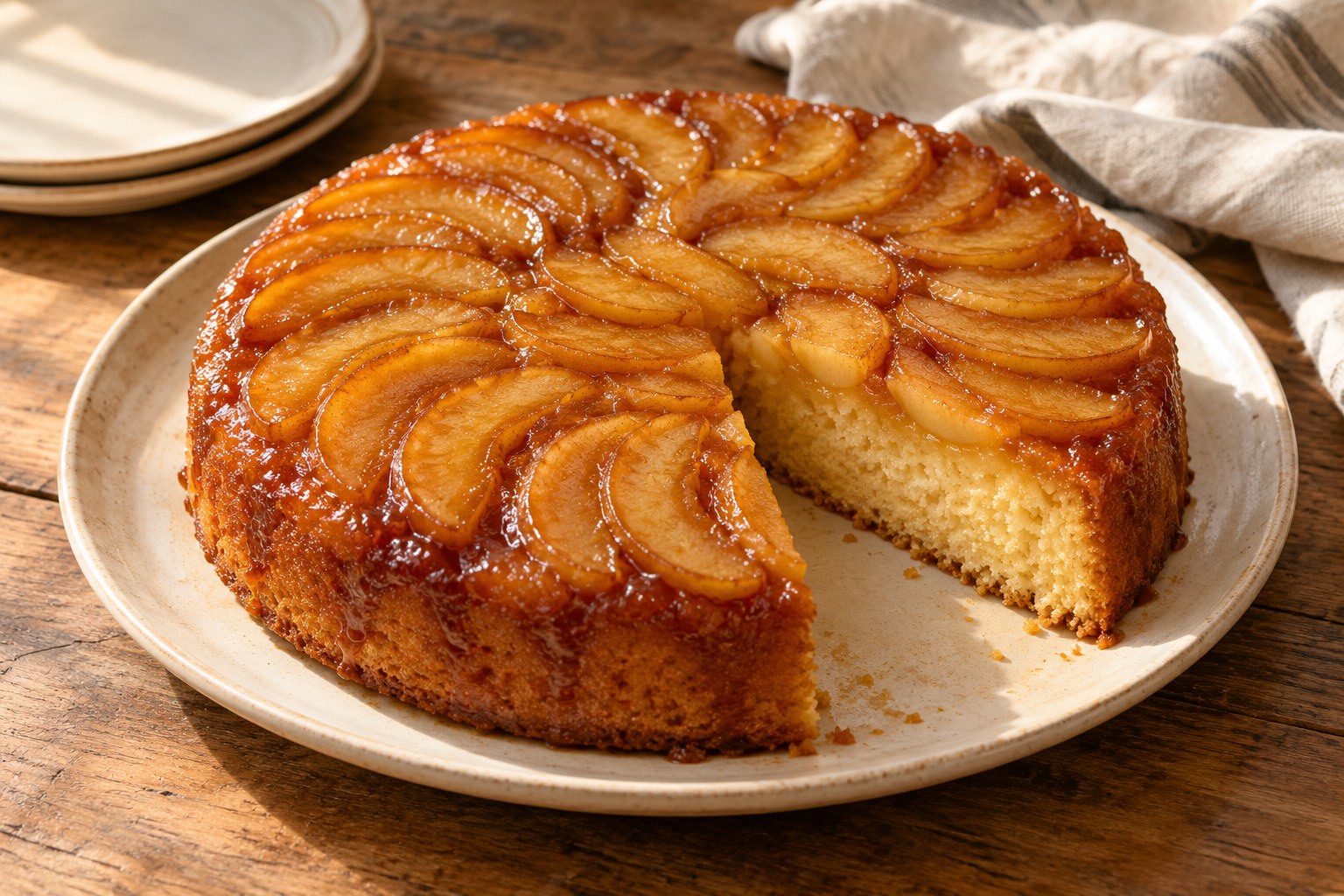
An upside-down cake creates a striking dessert with baked apple slices arranged over a caramel-like layer. Once the finished cake is inverted, the glossy fruit becomes the decoration. It is an attractive choice when you want a centerpiece without frosting.
Follow the caramel and pan instructions closely: molten sugar is extremely hot, and an adult should manage it. Arrange the apple slices evenly, allow the cake to cool for the recommended time, and invert carefully. Waiting too little or too long may affect release depending on the recipe.
6. Baked Apples with a Crumb Filling
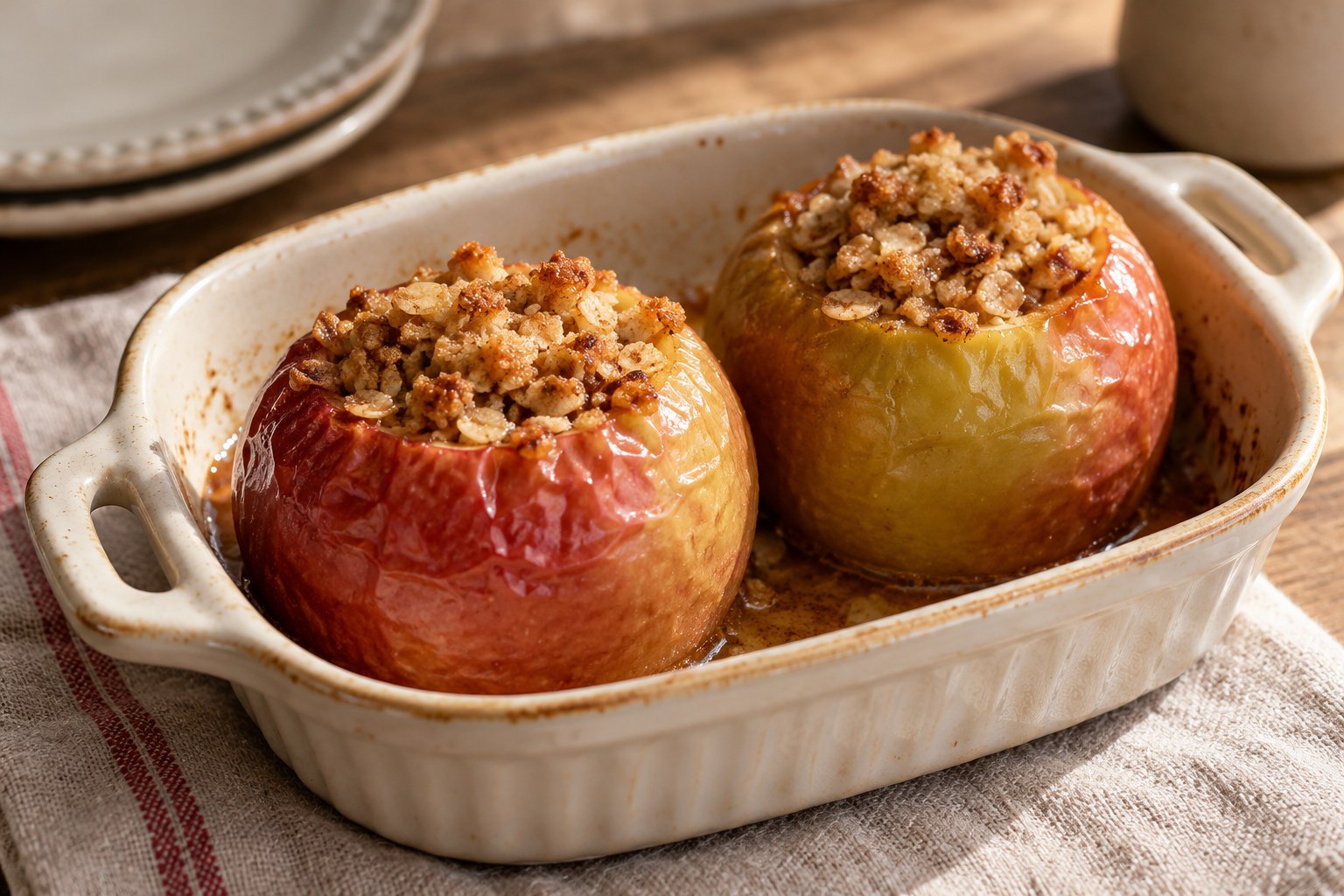
Whole baked apples are simple and especially inviting in small households. Core apples as directed without cutting through the base if the recipe requires the filling to stay inside. Fill with a measured mixture of oats, sugar, spices or dried fruit, then bake until tender.
Choose apples that hold their shape and use the exact bake time and temperature specified for their size. Serve warm with a spoonful of yogurt or cream if desired. This can be a better fit than a large cake when you're making dessert for just two or three people.
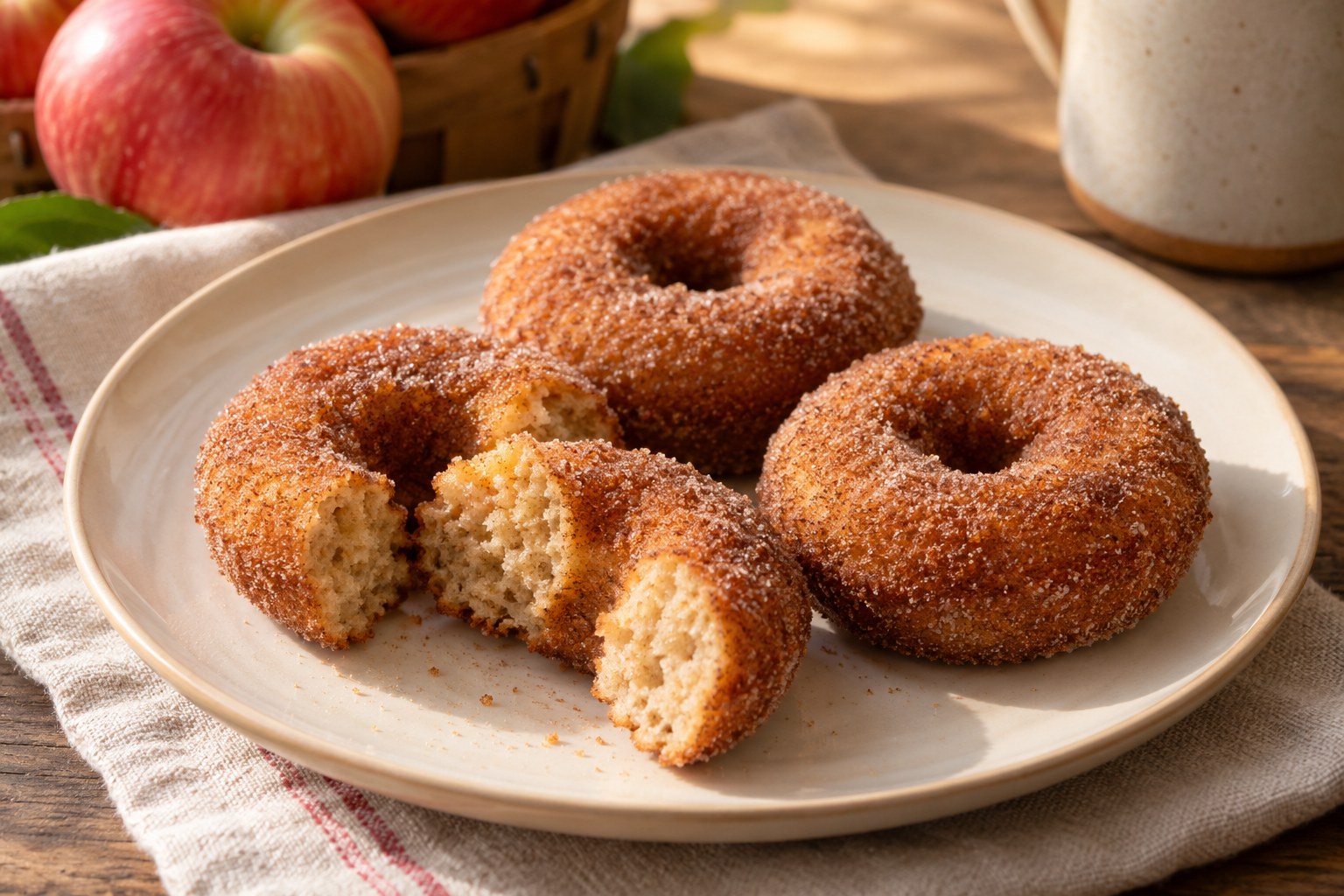
7. Apple Cider Doughnuts
Apple cider doughnuts taste like a visit to a fall orchard. Recipes often use reduced apple cider to build concentrated flavour without adding too much liquid. Some versions are baked, while others are fried; the two methods produce different textures and should not be treated as interchangeable.
If the recipe requires reducing cider, cool the reduction before adding it to the batter. Work from a tested formula with reliable temperature and doneness directions. Roll finished doughnuts in cinnamon sugar at the stage the recipe specifies, and plan to enjoy them while their texture is at its best.
8. Apple Cinnamon Rolls
Small pieces of apple can turn classic cinnamon rolls into a fall dessert, but apples release moisture during baking. Choose a recipe developed with fruit in the filling; piling raw apples into a standard cinnamon roll recipe can make the spirals slippery or underbaked.
Some recipes pre-cook the apple filling to manage moisture and concentrate flavour. Allow rolls to proof as directed, bake until the enriched dough is properly cooked, and add any glaze after baking. These are an especially cozy option for a weekend brunch or holiday breakfast.
9. Apple Galette
A galette is a rustic, free-form pastry with the edges folded over the fruit. It offers the flaky appeal of pie but without fitting dough into a pie plate. A little variation in the fold is part of its charm.
Chill pastry as instructed and keep the filling within the center, leaving enough dough for a secure border. Thin, even slices make an attractive overlapping pattern. Follow the recipe's guidance on sugar, thickener and baking surface so fruit juices don't make the bottom pastry soggy.
10. Apple Bread Pudding
Apple bread pudding is a comforting way to transform bread into a substantial baked dessert. The bread absorbs a custard mixture while diced or sliced apples provide texture. It can feel like a cross between French toast and a warm fruit dessert.
Use a recipe intended for apples because extra fruit moisture changes the custard balance. Bake until the egg-based mixture is safely set according to the recipe. Refrigerate leftovers promptly and reheat following food-safety guidance rather than leaving a custard dessert on the counter overnight.
11. Apple Oatmeal Cookies
Oatmeal cookies with small apple pieces offer chewy texture with occasional soft fruit bites. These are not typically as crisp as plain oatmeal cookies, because fresh apple brings extra water. A little cinnamon or vanilla is often enough flavouring.
Choose a recipe that has already accounted for the moisture. Do not simply add a cup of chopped fresh apple to a favourite crisp-cookie formula and expect the same result. Bake similar-sized portions together and cool thoroughly before storing.
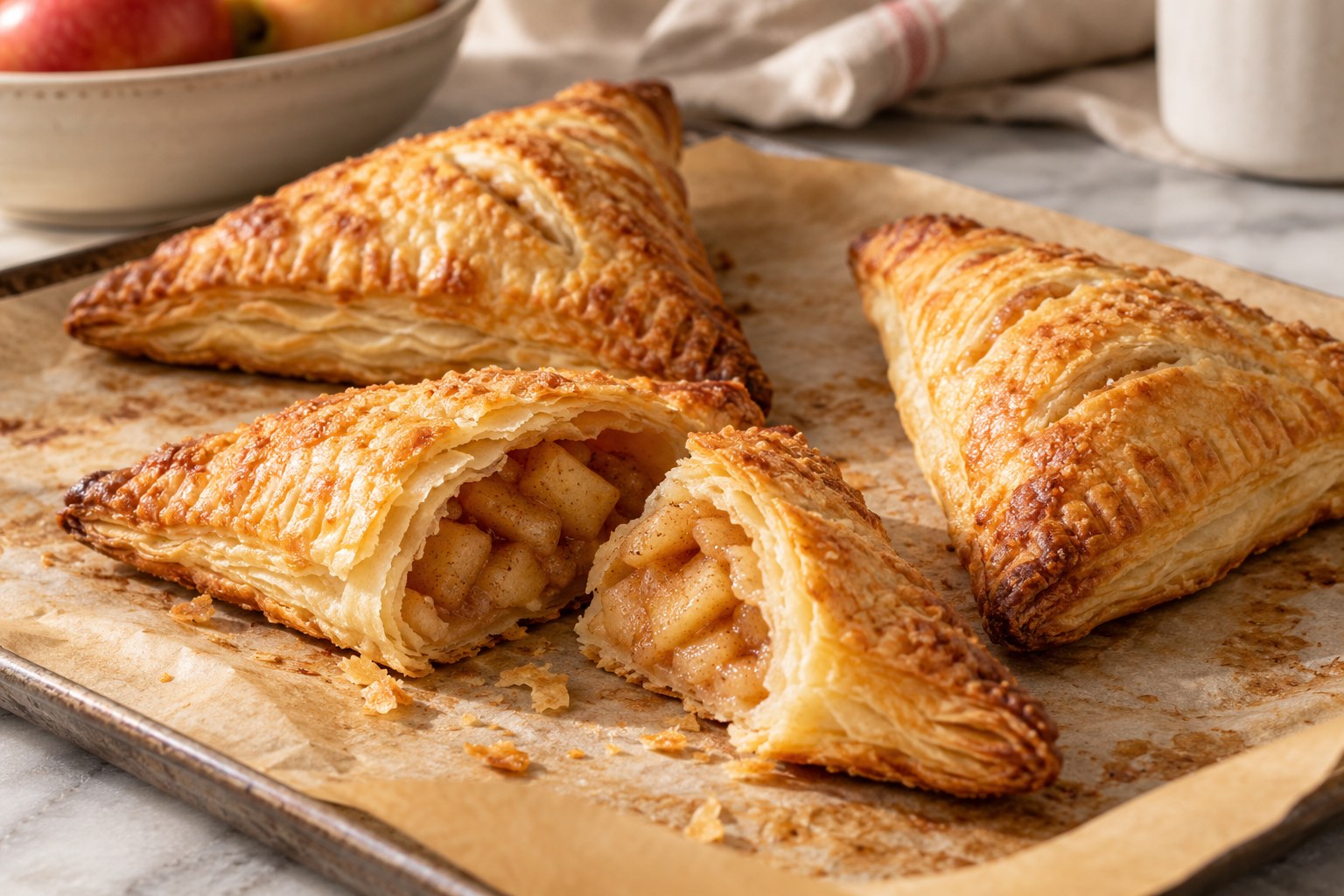
12. Apple Turnovers
Turnovers offer individual pastry portions with a warmly spiced fruit center. Frozen puff pastry can make the process more accessible, as long as you thaw and handle it according to package directions. A fruit filling that is too wet may leak during baking.
Use the recipe's suggested filling quantity and sealing method. An adult should manage sharp knives and the hot oven. Let turnovers cool enough before tasting: fruit fillings can remain extremely hot even when the outside feels warm rather than scalding.
Which Dessert Works Best for Your Occasion?
For a casual family dinner: make a crisp or baked apples. For a bake sale or potluck: choose crumble bars or muffins with a recipe-supported storage window. For a special dinner: an upside-down cake or galette looks impressive without elaborate piping. For a weekend kitchen project: cinnamon rolls, turnovers or cider doughnuts give you something hands-on to make.
When putting together a dessert table, vary the textures. A crisp and a crumble bar are both crumb-topped fruit desserts; pairing one of them with a tender apple cake or flaky turnover gives guests a better range of choices.
Five Simple Apple and Spice Pairings
Apple and cinnamon: the classic combination for muffins, crisps and cakes. Apple and vanilla: softer and subtler, particularly good in simple cakes. Apple and caramel: rich and celebratory, but balance sweetness carefully. Apple and lemon: brightens a filling and can help control surface browning when a recipe calls for it. Apple and ginger: adds lively warmth to a galette or crumb dessert.
Nutmeg, cloves, cardamom and maple can also work, but moderation matters. A heavily spiced filling can overpower a delicate apple. Select the flavour profile first, then follow the proportions in a recipe designed for it.
How to Prepare Apples for Baking
Peel or Leave the Skin On?
It depends on the dessert. Peeled apples are often preferred for smooth fillings, while skin-on pieces can add colour and texture in rustic bakes. Thicker skins may remain noticeable after baking. Follow the recipe and consider the apple variety rather than assuming one approach works for everything.
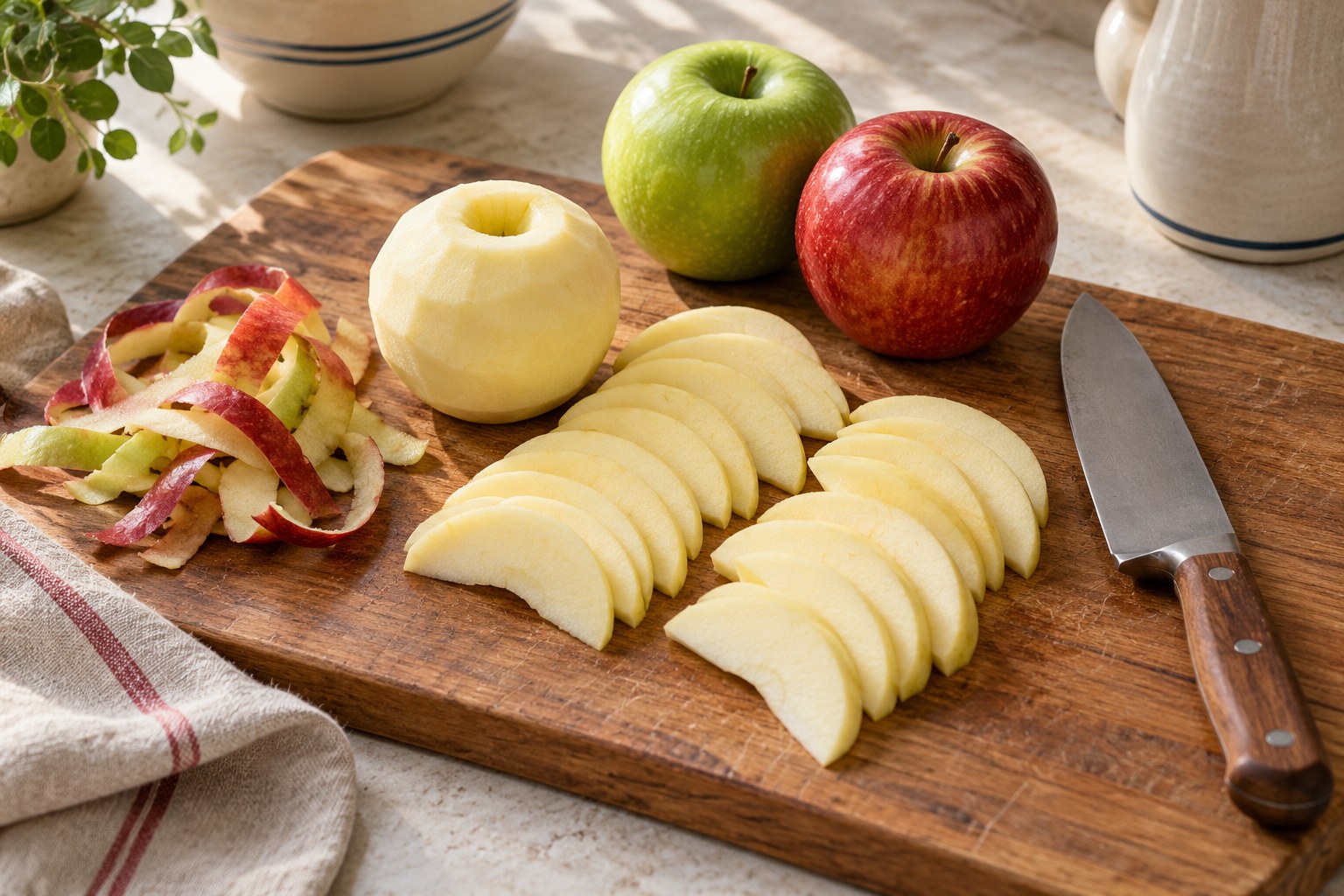
Cut Consistently
Evenly cut pieces cook more predictably. Thin slices suit layered arrangements, while small dice work better in muffins and some cookies. Large chunks need more time to soften and may leave wet pockets in cake batters. Use an appropriately sized knife and a stable board.
Do Not Add Extra Fruit Blindly
An extra apple may seem harmless, but it can change a batter's moisture, weight and baking time. For crisps and cooked fillings, the ratio of fruit to topping and thickener still matters. If you have excess apples, make a second small dessert rather than overloading the first.
Why Did My Apple Dessert Turn Out Soggy?
A watery filling is one of the most common apple baking frustrations. Different apples release different amounts of juice, and even the same variety changes with ripeness. Overfilling the pan, underbaking, cutting fruit too large or choosing a recipe that doesn't balance moisture can all contribute.
For a galette or turnover, check how the recipe manages fruit juices and whether the pastry must be chilled before baking. For apple muffins or cake, review the specified weight and size of the pieces. For crisp, remember that a bubbling filling does not guarantee the topping is fully baked.
Avoid making several fixes at once. The most useful next step is to compare your ingredients, apple variety, pan size and bake time against the tested formula.
How to Keep Apples from Browning While You Work
Cut apples can brown when exposed to air. In many baked desserts this is purely cosmetic, because they will brown further in the oven. If appearance matters during preparation, work efficiently and use the recipe's method for handling cut fruit, which may involve a little citrus juice.
Do not soak apples in a large bowl of water without considering how that added moisture may affect the bake. Drain and dry them as the recipe specifies. A few brown edges on apples heading into a cinnamon cake are rarely worth changing the liquid balance.
Can You Freeze Apple Desserts?
Some apple crisps, baked fruit pies, cake layers and specific pastries can be frozen ahead, while others suffer from soggy toppings or softened pastry. Always use the exact dessert's freezing directions. For best texture, a recipe may ask you to freeze a component before baking, or to freeze a fully baked item and reheat it later.
Package foods appropriately and label the date. Thaw perishable desserts, including those with custard or dairy-based fillings, in the refrigerator. As a general food-safety reference, keep refrigerators at 4°C (40°F) or colder and freezers at −18°C (0°F) or colder. If a dessert includes ice cream, whipped cream or cream-cheese frosting, store that component separately according to its needs.
Plan a Small Fall Apple Baking Day
Start with two recipes that use apples differently. You could make a pan of crumble bars for the week and bake two stuffed apples for dessert tonight. Or prepare an apple cake for a family visit and a batch of muffins for a later breakfast. This keeps the shopping list short and lets you enjoy varied results.
Before starting, read both recipes from beginning to end. Check whether ingredients need to be cold or at room temperature, how long the desserts cool, and which pan sizes you need. Peel and cut fruit only when the recipes call for it so the pieces don't sit around for too long.
If baking with children, assign age-appropriate tasks such as measuring oats or sprinkling a cooled topping while an adult handles sharp knives, hot sugar and the oven. A simple crisp is often a more relaxed first project than caramel or delicate pastry.
Frequently Asked Questions
Which apples are best for baking?
Firm varieties that hold their shape are common choices for sliced-fruit desserts, while softer apples can work for a smooth sauce. Granny Smith is a frequently used tart option; other choices depend on the recipe. Look for firmness and flavour rather than one universal 'best' apple.
Can I use sweet apples instead of tart ones?
Sometimes, though the dessert may taste sweeter or the fruit may soften differently. Use a recipe that supports the substitution, and avoid changing sugar quantities drastically without understanding how they affect texture.
Can I make apple crisp ahead?
Many apple crisp recipes allow some advance preparation. The best approach varies: some are assembled and refrigerated, some frozen unbaked, and others reheated after baking. Use the recipe's storage and reheating directions to keep the topping as crisp as possible.
Is an apple galette easier than apple pie?
A galette avoids fitting pastry into a pie dish and crimping a full double crust, so it can be more approachable. It still requires careful dough handling and moisture management.
Why do apples shrink during baking?
Apples lose water and their structure softens as they cook. Different varieties shrink by different amounts. That is normal, although a filling that becomes unexpectedly flat or watery may suggest a mismatch between the apple and the recipe.
What can I bake with just two apples?
Consider stuffed baked apples or a small-batch dessert specifically scaled for two apples. It's better to choose an appropriately sized recipe than to guess at halving a complex cake formula.
Let Apples Be the Star Beyond Pie Season
A warm apple crisp, glossy upside-down cake or flaky turnover can be every bit as comforting as a traditional apple pie. Choose a recipe that matches the apple's texture, keep an eye on moisture, and balance sweetness with acidity and spice. With a few simple methods, a basket of apples becomes a whole season of desserts—not just one pie.
IN PICTURES
From the baking notebook
FROM THE RECIPE BOX


