Directions
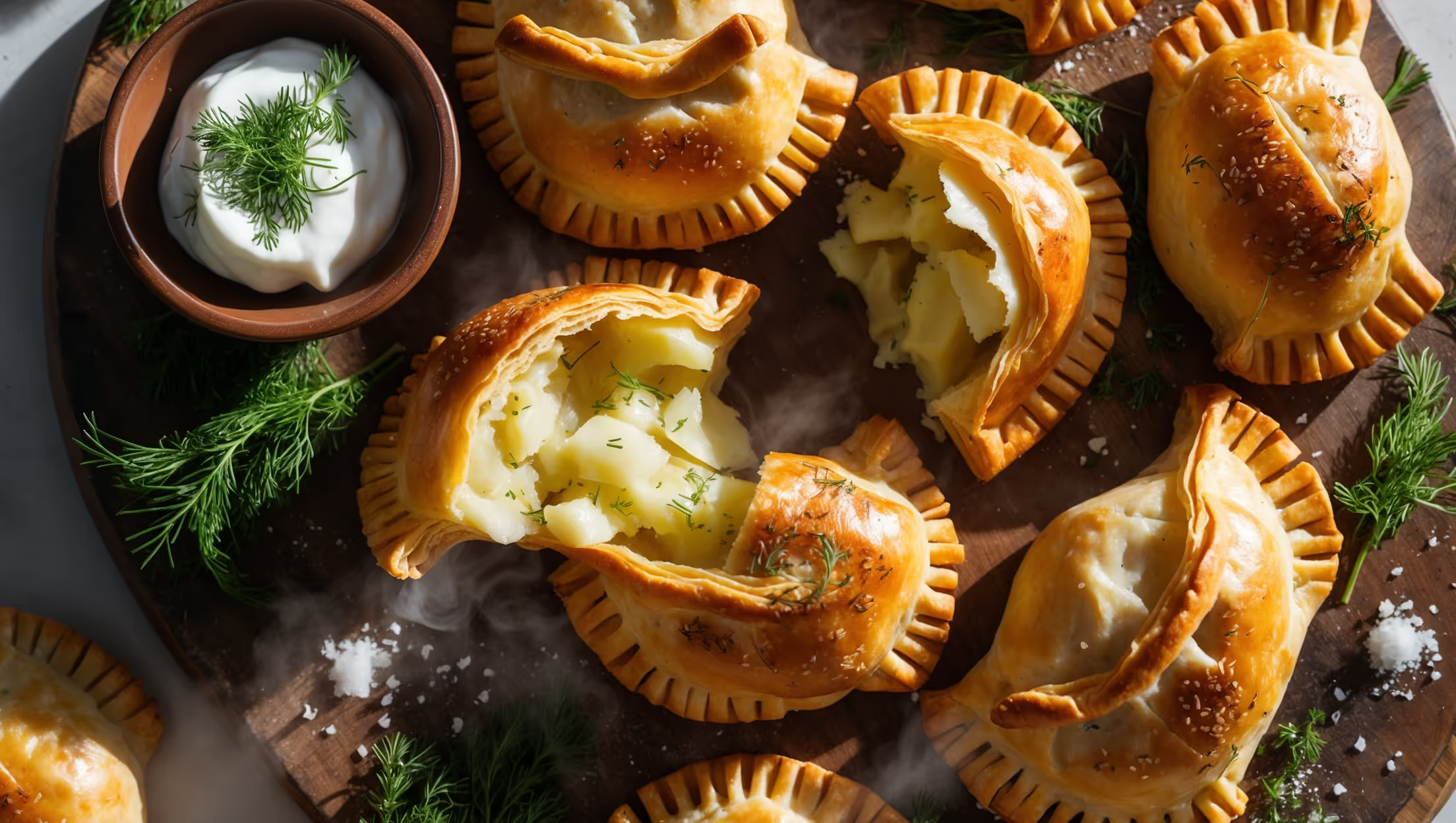
<ol class="no-list-style"><li class="MethodStepper"><h4 class="step-title">Step 1</h4>Start by making the pastry dough. In a large bowl or food processor, combine the flour, salt, and sugar. Add the cold cubed butter and pulse or use your fingertips to work it into the flour until the mixture resembles coarse breadcrumbs with some pea-sized butter pieces still visible. These butter pockets will create steam during baking, resulting in those desirable flaky layers.</li><li class="MethodStepper"><h4 class="step-title">Step 2</h4>Gradually add the ice-cold water, a tablespoon at a time, mixing gently until the dough just comes together. Be careful not to overwork the dough or add too much water, as this will develop the gluten and make your pastry tough rather than tender. The dough should hold together when pressed but shouldn't feel wet or sticky.</li><li class="MethodStepper"><h4 class="step-title">Step 3</h4>Form the dough into a disc, wrap it in cling film, and refrigerate for at least 30 minutes. This resting period allows the gluten to relax and the butter to firm up again, which is crucial for achieving that perfect flaky texture.</li><li class="MethodStepper"><h4 class="step-title">Step 4</h4>While the dough is chilling, prepare the filling. Place the diced potatoes in a pot of cold salted water, bring to a boil, and cook until fork-tender, about 15 minutes. Drain thoroughly and return to the hot pot for 30 seconds to evaporate any excess moisture - this prevents a soggy filling.</li><li class="MethodStepper"><h4 class="step-title">Step 5</h4>In a separate pan, melt the butter over medium heat and sauté the onions until soft and translucent, about 5 minutes. Add the garlic and cook for another minute until fragrant. The slow cooking of the onions develops their natural sweetness, which complements the earthy potatoes beautifully.</li><li class="MethodStepper"><h4 class="step-title">Step 6</h4>Mash the potatoes with the warm milk until smooth but still with some texture. Stir in the sautéed onion-garlic mixture, chopped herbs, salt, pepper, paprika, and cheese if using. Allow the filling to cool completely before assembling the pies - a warm filling will melt the butter in your pastry and compromise its flakiness.</li><li class="MethodStepper"><h4 class="step-title">Step 7</h4>Preheat your oven to 200°C (180°C fan/gas mark 6) and line a baking sheet with parchment paper. Remove the dough from the refrigerator and allow it to sit at room temperature for 5-10 minutes to make it easier to roll.</li><li class="MethodStepper"><h4 class="step-title">Step 8</h4>On a lightly floured surface, roll out the dough to approximately 3mm thickness. Use a 10cm round cutter or small bowl to cut circles from the dough. Re-roll scraps as needed, but try to do this minimally as each re-roll will make the pastry less tender.</li><li class="MethodStepper"><h4 class="step-title">Step 9</h4>Place about 1-2 tablespoons of potato filling in the center of each circle, being careful not to overfill. Brush the edges with beaten egg, then fold the dough over to create a half-moon shape. Press the edges firmly to seal, then crimp with a fork or your fingers to ensure they don't open during baking.</li><li class="MethodStepper"><h4 class="step-title">Step 10</h4>Transfer the hand pies to the prepared baking sheet, spacing them about 3cm apart. Cut a small vent in the top of each pie to allow steam to escape during baking. Brush the tops generously with beaten egg for a beautiful golden finish.</li><li class="MethodStepper"><h4 class="step-title">Step 11</h4>Bake for 20-25 minutes until the hand pies are golden brown and crisp. You might see butter bubbling from the pastry - this is a good sign that your pies will be flaky! Allow them to cool on the baking sheet for 5 minutes before transferring to a wire rack.</li><li class="MethodStepper"><h4 class="step-title">Step 12</h4>Serve your potato hand pies warm or at room temperature. They're delicious on their own but also pair wonderfully with a dollop of sour cream, Greek yogurt, or a simple side salad. If making ahead, you can refrigerate them for up to 3 days and reheat in a 180°C oven for 10 minutes to restore crispness.</li></ol>