Directions
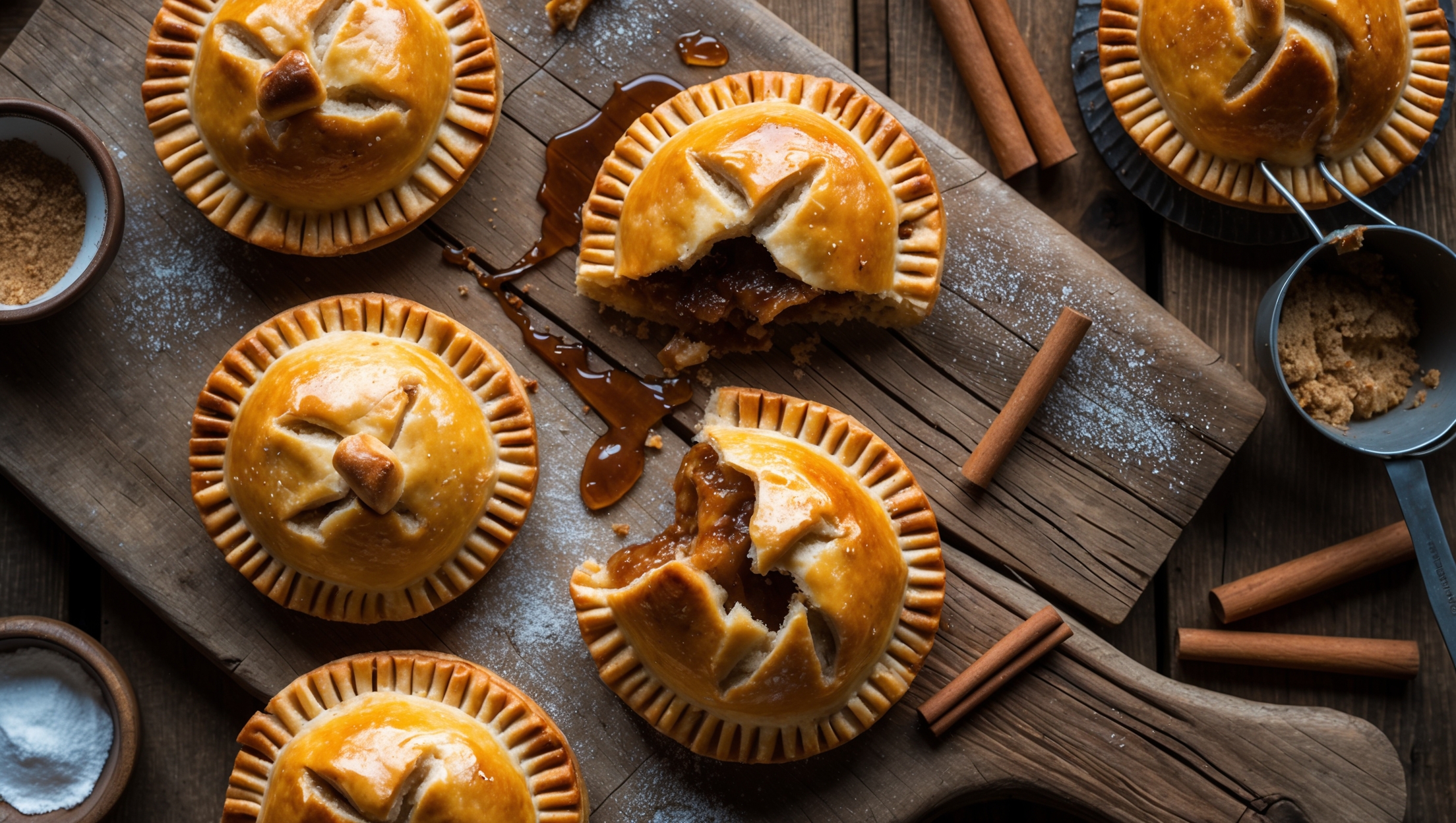
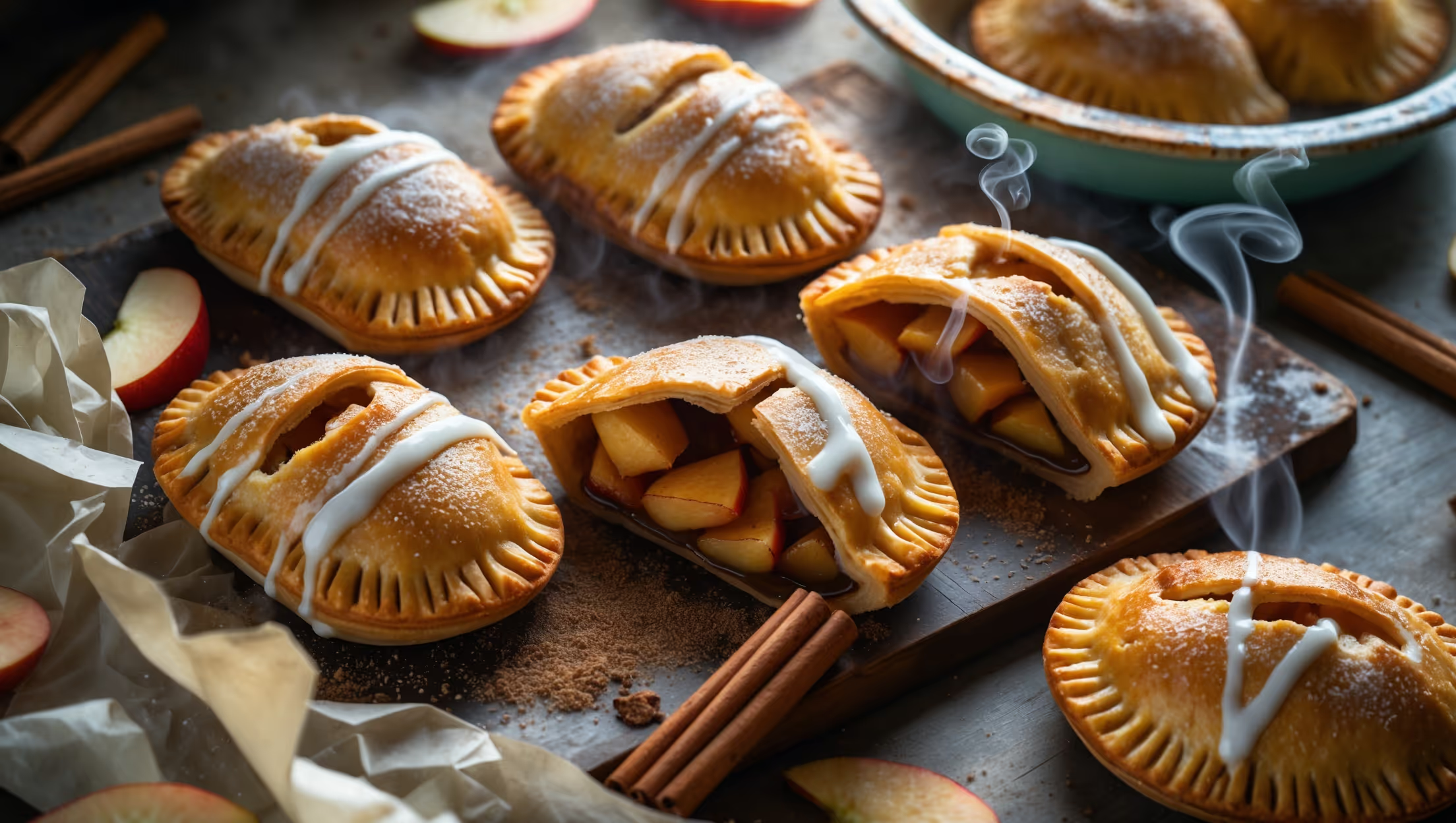
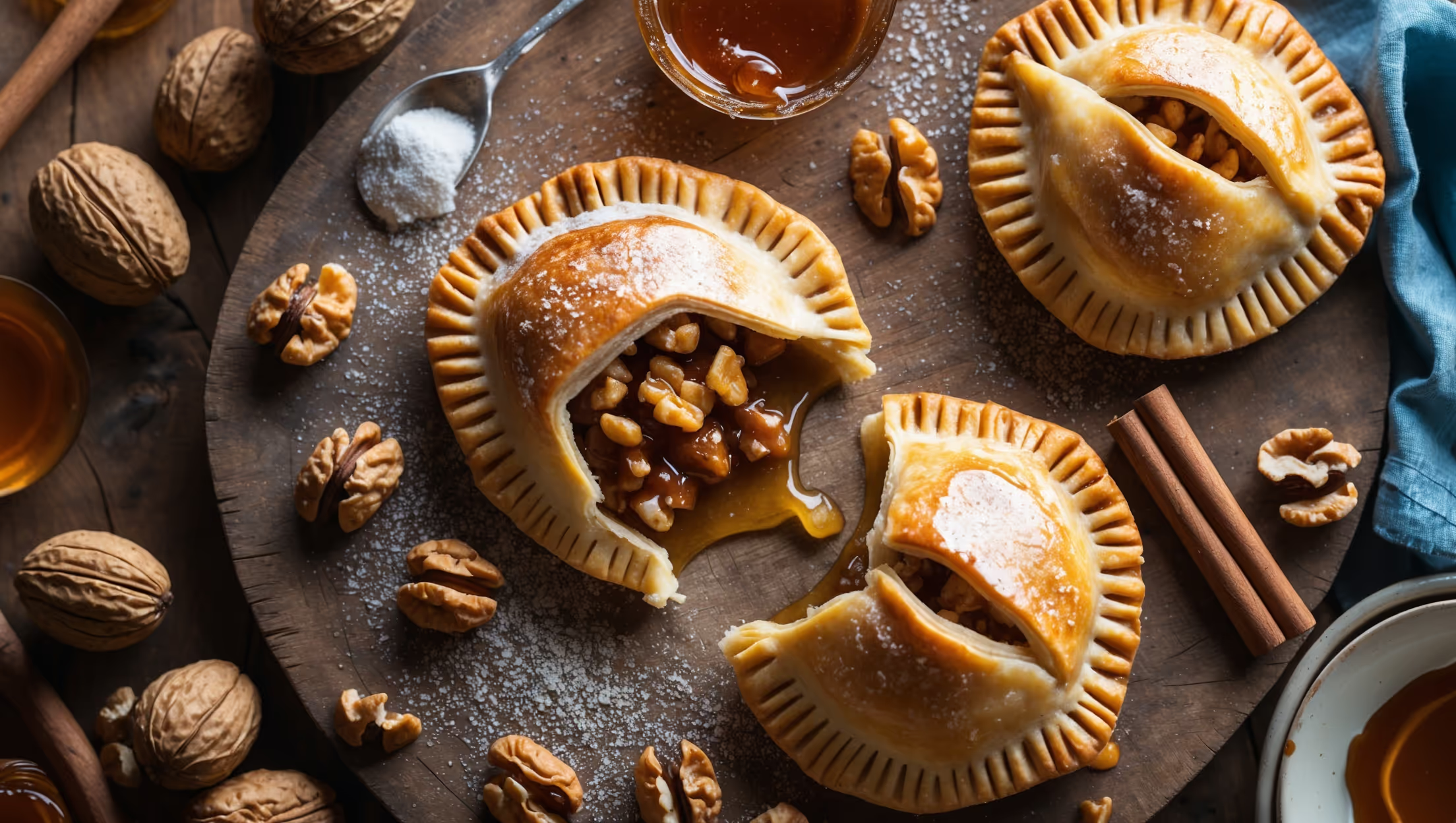
<ol class="no-list-style"><li class="MethodStepper"><h4 class="step-title">Step 1</h4>Prepare the pastry dough: In a large bowl, whisk together the flour, salt, and sugar. Add the cold cubed butter and use your fingertips to quickly rub it into the flour until the mixture resembles coarse breadcrumbs with some pea-sized butter pieces remaining (these butter pockets are crucial for creating flaky layers in your pastry).</li><li class="MethodStepper"><h4 class="step-title">Step 2</h4>Drizzle in the ice water, 1 tablespoon at a time, mixing gently with a fork until the dough just starts to come together. You may not need all the water – stop adding when the dough holds together when pressed. The dough should be slightly shaggy but cohesive, not smooth or wet.</li><li class="MethodStepper"><h4 class="step-title">Step 3</h4>Turn the dough onto a lightly floured surface and form into a disk without overworking it. Wrap tightly in plastic wrap and refrigerate for at least 1 hour or up to 2 days. Cold dough ensures the butter doesn't melt before baking, which is essential for achieving flaky layers.</li><li class="MethodStepper"><h4 class="step-title">Step 4</h4>While the dough chills, prepare the filling by combining the brown sugar, flour, cinnamon, and salt in a medium bowl. Pour in the melted butter and vanilla extract, then stir until you have a moist, crumbly mixture that holds together when pressed. The flour helps thicken the filling and prevents it from leaking excessively during baking.</li><li class="MethodStepper"><h4 class="step-title">Step 5</h4>Preheat your oven to 190°C (375°F) and line two baking sheets with parchment paper. Remove the chilled dough from the refrigerator and let it sit for 5 minutes to slightly soften, making it easier to roll out.</li><li class="MethodStepper"><h4 class="step-title">Step 6</h4>On a lightly floured surface, roll the dough to approximately 3mm (1/8 inch) thickness. Using your round cutter, cut out as many circles as possible. Re-roll scraps once to cut additional circles – you should aim for 16 circles total to make 8 hand pies.</li><li class="MethodStepper"><h4 class="step-title">Step 7</h4>Place 8 of the pastry circles on your prepared baking sheets. Spoon about 1 tablespoon of the brown sugar filling into the center of each, leaving a 1cm border around the edges. Be careful not to overfill, or your pies might burst during baking.</li><li class="MethodStepper"><h4 class="step-title">Step 8</h4>Brush the borders of the pastry circles with beaten egg, which acts as edible glue. Place the remaining pastry circles over the filling and gently press the edges together to seal. Use a fork to crimp the edges decoratively and ensure a tight seal.</li><li class="MethodStepper"><h4 class="step-title">Step 9</h4>Use a small knife to cut 2-3 small vents in the top of each hand pie to allow steam to escape during baking. Brush the tops generously with beaten egg wash, which creates a beautiful golden shine, and sprinkle with demerara sugar for a delightful crunch and extra sweetness.</li><li class="MethodStepper"><h4 class="step-title">Step 10</h4>Refrigerate the assembled hand pies for 15 minutes before baking. This final chill helps the pastry maintain its shape and ensures maximum flakiness by re-solidifying the butter in the dough.</li><li class="MethodStepper"><h4 class="step-title">Step 11</h4>Bake for 18-22 minutes, or until the hand pies are golden brown and the filling is bubbling through the vents. If some pies are browning faster than others, rotate your baking sheets halfway through.</li><li class="MethodStepper"><h4 class="step-title">Step 12</h4>Allow the hand pies to cool on the baking sheets for 5 minutes before transferring to a wire rack. The filling is extremely hot when fresh from the oven, so give them time to cool slightly before serving.</li><li class="MethodStepper"><h4 class="step-title">Step 13</h4>If you'd like to add a glaze, whisk together the powdered sugar, milk, and vanilla extract until smooth. The glaze should be thick enough to coat the back of a spoon but still drizzle easily. Once the pies are just warm (not hot), drizzle the glaze over the tops in a zigzag pattern.</li><li class="MethodStepper"><h4 class="step-title">Step 14</h4>Enjoy the hand pies warm or at room temperature. Store any leftovers in an airtight container at room temperature for up to 2 days, or freeze unglazed hand pies for up to 3 months and reheat in a 150°C (300°F) oven for 10 minutes for a fresh-baked taste anytime.</li></ol>