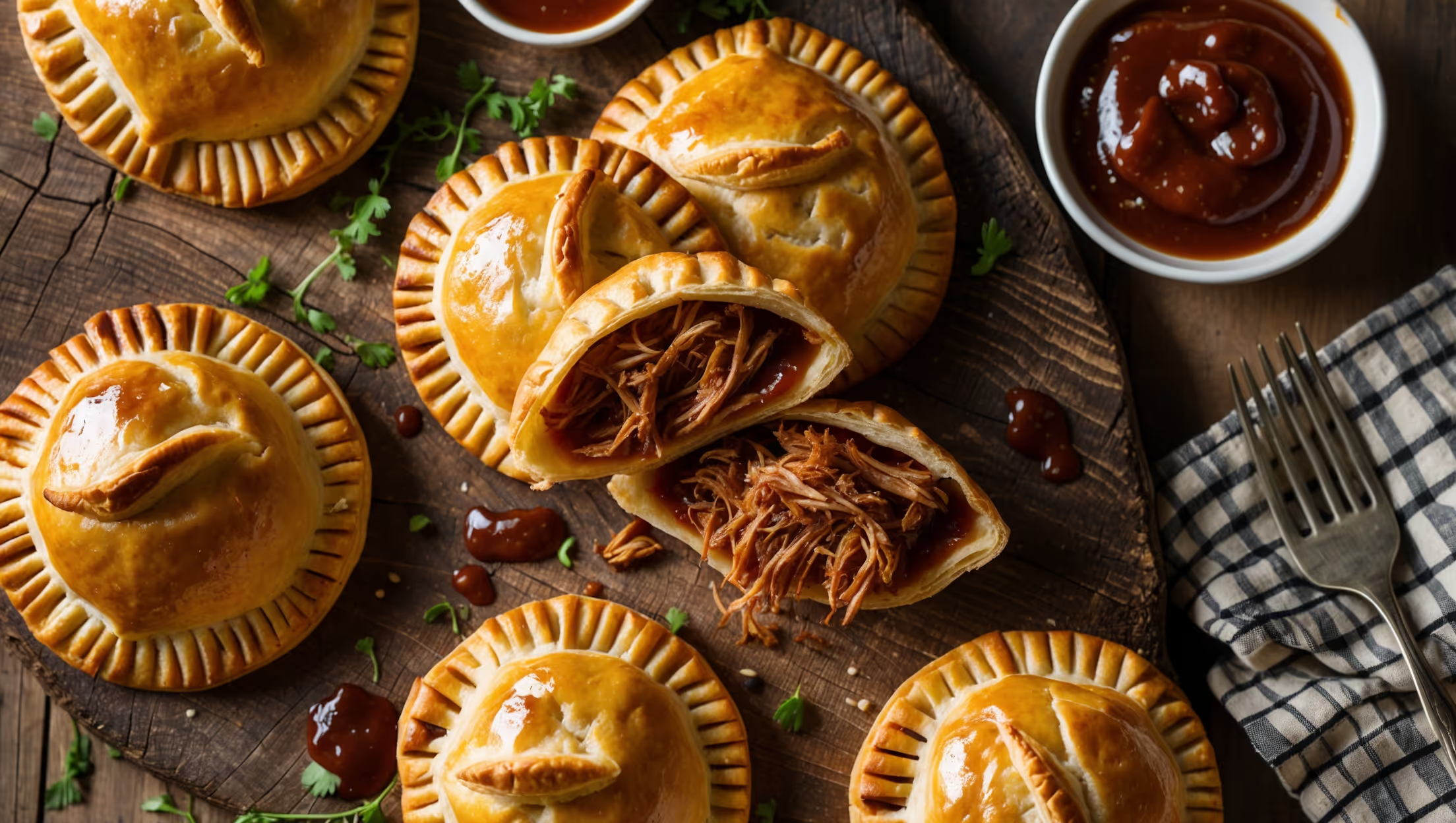
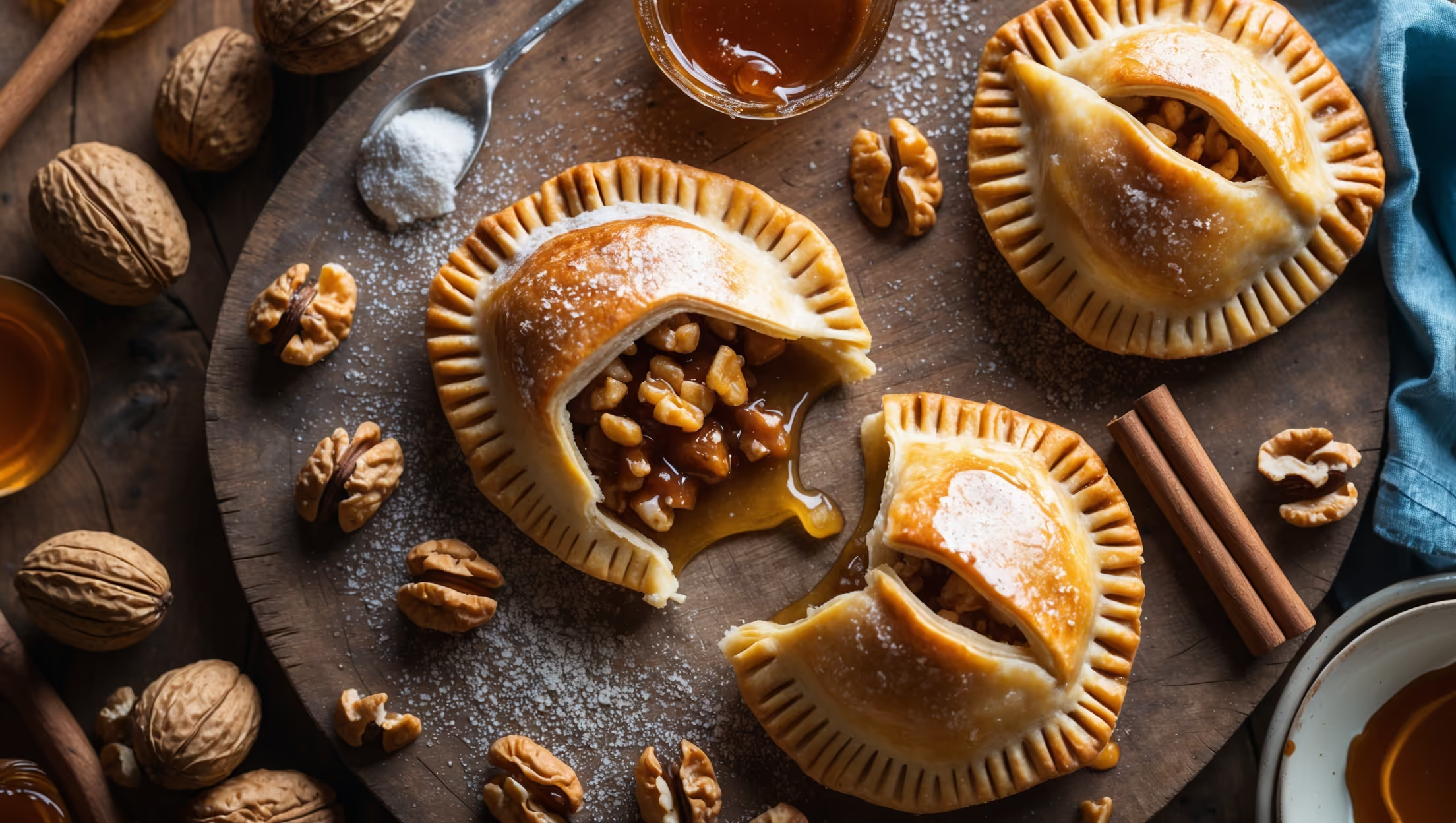
Directions
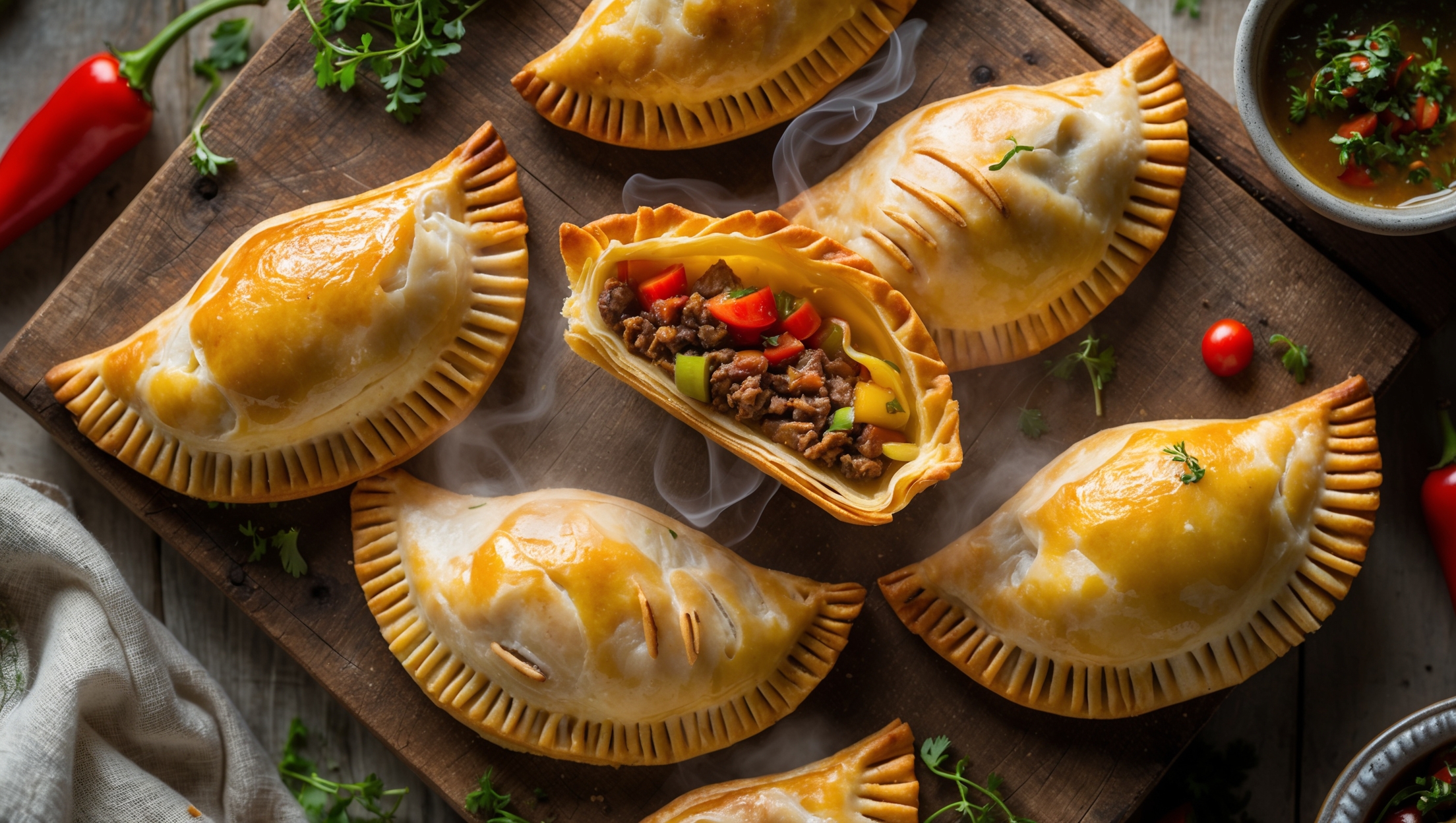
<ol class="no-list-style"> <li class="MethodStepper"> <h4 class="step-title">Step 1</h4> Make the dough by combining flour and salt in a large bowl or food processor. Add the cold cubed butter and pulse or use your fingertips to work it in until the mixture resembles coarse breadcrumbs with some pea-sized pieces remaining. The varying sizes of butter create pockets of steam during baking, resulting in flaky layers. </li> <li class="MethodStepper"> <h4 class="step-title">Step 2</h4> Whisk together the egg, ice water, and vinegar in a small bowl. The vinegar helps inhibit gluten development, ensuring a tender crust. Gradually add this mixture to the flour mixture, stirring until the dough just comes together. Be careful not to overwork the dough, which can make it tough. </li> <li class="MethodStepper"> <h4 class="step-title">Step 3</h4> Turn the dough onto a lightly floured surface and gently gather it together, then divide into two equal portions. Shape each into a disc, wrap in plastic wrap, and refrigerate for at least 1 hour or up to 2 days. This resting time allows the gluten to relax and the butter to firm up, making the dough easier to handle. </li> <li class="MethodStepper"> <h4 class="step-title">Step 4</h4> While the dough chills, prepare the filling. Heat olive oil in a large skillet over medium heat. Add onions and sauté until translucent, about 4-5 minutes. Add garlic and cook for 1 minute until fragrant. The slow cooking of onions develops their natural sweetness, which balances the savory filling. </li> <li class="MethodStepper"> <h4 class="step-title">Step 5</h4> Add ground beef, breaking it up with a wooden spoon, and cook until browned. Stir in bell pepper, cumin, paprika, oregano, and cayenne (if using). Cook for 5-7 minutes until vegetables have softened. The browning of the meat creates rich, complex flavors through the Maillard reaction. </li> <li class="MethodStepper"> <h4 class="step-title">Step 6</h4> Remove from heat and stir in olives and raisins if using. Season with salt and pepper to taste. Transfer to a bowl and allow to cool completely. Hot filling would melt the butter in the dough, compromising the final texture. </li> <li class="MethodStepper"> <h4 class="step-title">Step 7</h4> Preheat oven to 190°C (375°F) and line two baking sheets with parchment paper. Take one disc of dough from the refrigerator (keeping the other chilled) and roll out on a lightly floured surface to about 3mm (1/8 inch) thickness. If the dough feels too firm, let it sit for 5-10 minutes until workable but still cool. </li> <li class="MethodStepper"> <h4 class="step-title">Step 8</h4> Using your cutter or bowl, cut out as many circles as possible. Place about 1.5 tablespoons of filling in the center of each circle, being careful not to overfill or the empanadas may burst during baking. Leave a 1cm border around the edge for sealing. </li> <li class="MethodStepper"> <h4 class="step-title">Step 9</h4> Whisk together the egg and water for the egg wash, then brush it lightly around the edges of each dough circle. The protein in the egg creates a natural glue that helps seal the edges. Fold the dough over to create a half-moon shape and press the edges together firmly with your fingers. </li> <li class="MethodStepper"> <h4 class="step-title">Step 10</h4> Use the tines of a fork to crimp the edges decoratively and ensure a tight seal. Place the formed empanadas on the prepared baking sheets, leaving 2cm between each. Repeat with remaining dough and filling, gathering and re-rolling scraps as needed (though be aware that each re-roll will make the dough slightly less tender). </li> <li class="MethodStepper"> <h4 class="step-title">Step 11</h4> Brush the tops of each empanada with egg wash to create a beautiful golden-brown finish during baking. For extra flavor, you can sprinkle with a pinch of flaky sea salt or sesame seeds. Use a sharp knife to cut a small vent in the top of each empanada to allow steam to escape during baking. </li> <li class="MethodStepper"> <h4 class="step-title">Step 12</h4> Bake for 22-25 minutes, rotating the pans halfway through, until the empanadas are golden brown and the bottoms are well-baked. Look for a rich color that indicates a fully cooked, crisp crust. If they're browning too quickly, cover loosely with foil. </li> <li class="MethodStepper"> <h4 class="step-title">Step 13</h4> Allow to cool on the baking sheets for 5 minutes before transferring to a wire rack. Empanadas are delicious served warm or at room temperature. Store any leftovers in an airtight container in the refrigerator for up to 3 days, or freeze for up to 3 months. Reheat in a 150°C (300°F) oven for 10-15 minutes until warmed through. </li> </ol>