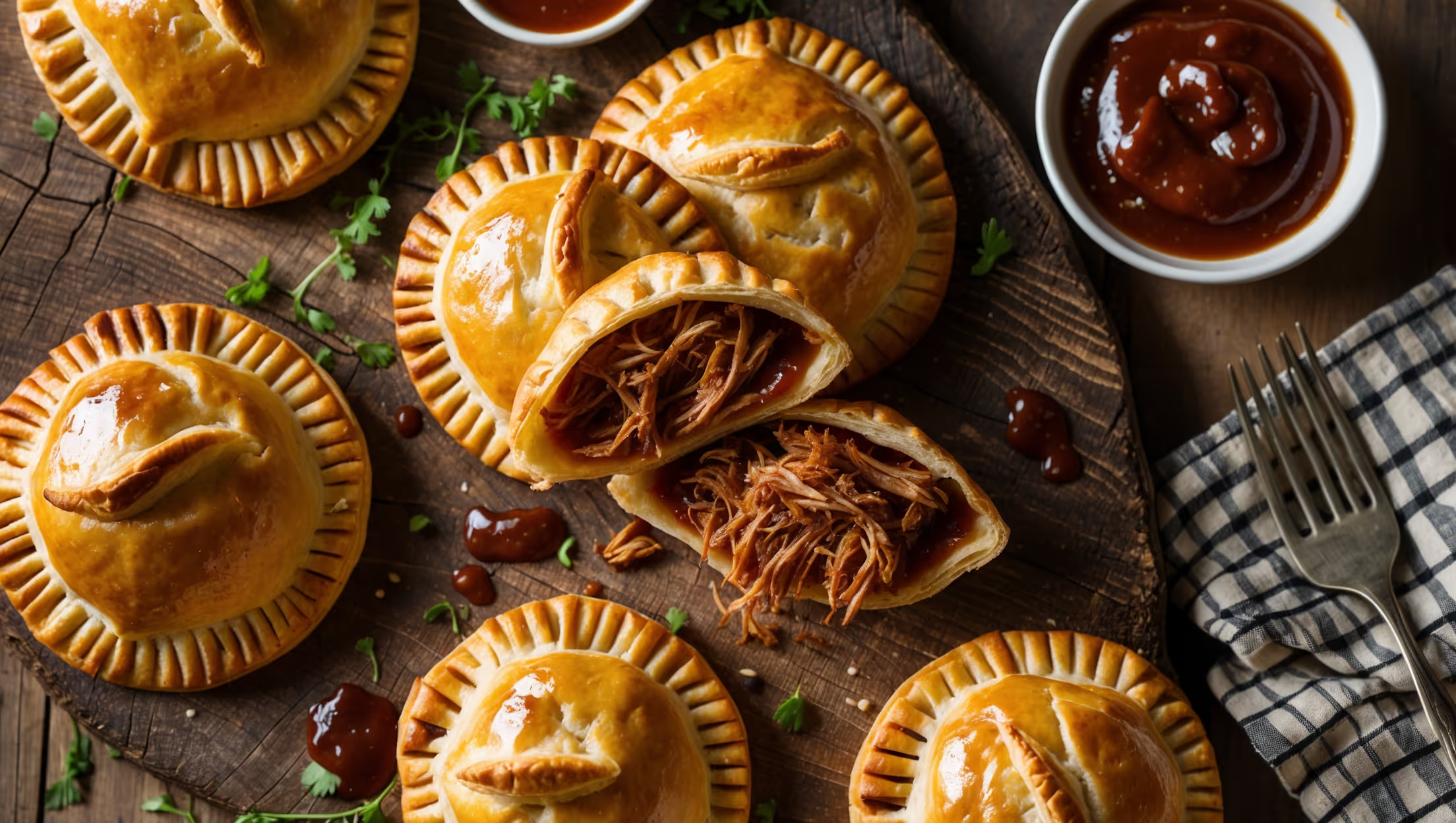
Directions
<ol class="no-list-style"> <li class="MethodStepper"> <h4 class="step-title">Step 1</h4> Begin with the lime curd as it needs time to cool. In a heatproof bowl, whisk together eggs and sugar until well combined but not airy. Add the lime zest and juice, whisking until smooth. The acid in the lime juice will begin to thicken the egg proteins even before heating. </li> <li class="MethodStepper"> <h4 class="step-title">Step 2</h4> Set the bowl over a saucepan of simmering water (ensuring the bottom doesn't touch the water), creating a double-boiler. Cook the mixture, stirring constantly with a silicone spatula, until it thickens enough to coat the back of a spoon, about 10-15 minutes. The temperature should reach about 75-80°C, but don't exceed 82°C or the eggs might scramble. </li> <li class="MethodStepper"> <h4 class="step-title">Step 3</h4> Remove from heat and stir in the butter, one cube at a time, allowing each to melt completely before adding the next. This gradual incorporation creates a silky, emulsified texture. Strain through a fine-mesh sieve to remove any zest and potential egg bits, creating a perfectly smooth curd. </li> <li class="MethodStepper"> <h4 class="step-title">Step 4</h4> Cover the curd directly with plastic wrap (touching the surface to prevent a skin from forming) and refrigerate for at least 2 hours or overnight. The curd will continue to set as it cools, reaching the perfect pipeable consistency. </li> <li class="MethodStepper"> <h4 class="step-title">Step 5</h4> For the pastry, combine flour, salt, and sugar in a food processor (or a large bowl if working by hand). Add the cold butter and pulse until the mixture resembles coarse breadcrumbs with some pea-sized pieces remaining. These butter pieces will create steam pockets during baking, resulting in flaky layers. </li> <li class="MethodStepper"> <h4 class="step-title">Step 6</h4> Add ice-cold water one tablespoon at a time, pulsing briefly between additions, until the dough just begins to come together when pinched. It should still look somewhat shaggy. Cold water and minimal handling prevent gluten development, ensuring tenderness. </li> <li class="MethodStepper"> <h4 class="step-title">Step 7</h4> Turn the dough out onto a lightly floured surface, divide in half, and shape each half into a disc without kneading. Wrap in plastic wrap and refrigerate for at least 1 hour or up to 2 days. This resting period allows the gluten to relax and the butter to firm up, critical for flaky pastry. </li> <li class="MethodStepper"> <h4 class="step-title">Step 8</h4> Preheat your oven to 190°C and line two baking sheets with parchment paper. Remove one disc of dough from the refrigerator (keeping the other chilled until needed) and roll on a lightly floured surface to about 3mm thickness. If the dough becomes too soft at any point, return it to the refrigerator for 10 minutes. </li> <li class="MethodStepper"> <h4 class="step-title">Step 9</h4> Using an 8cm round cutter, cut as many circles as possible. Re-roll scraps once to cut more circles. You'll need an even number of circles for tops and bottoms. Place half the circles on the prepared baking sheets, spaced about 5cm apart. </li> <li class="MethodStepper"> <h4 class="step-title">Step 10</h4> Place about 1 tablespoon of chilled lime curd in the center of each circle on the baking sheet, leaving a 1cm border. Be careful not to overfill, or the curd might leak during baking. Brush the exposed edges with beaten egg to help seal the pies. </li> <li class="MethodStepper"> <h4 class="step-title">Step 11</h4> Top each with a remaining pastry circle, gently pressing the edges with your fingers to seal, then crimping with a fork to create a decorative edge and ensure they're well-sealed. Cut a small vent in the top of each pie to allow steam to escape, preventing the filling from bursting through the seams. </li> <li class="MethodStepper"> <h4 class="step-title">Step 12</h4> Refrigerate the assembled pies for 15 minutes to re-chill the pastry (crucial for flakiness). Then brush the tops with egg wash and sprinkle with coarse sugar for sparkle and crunch. The egg wash creates a golden, shiny finish as the proteins coagulate during baking. </li> <li class="MethodStepper"> <h4 class="step-title">Step 13</h4> Bake for 22-25 minutes, rotating pans halfway through, until the pies are golden brown. The deeper color not only looks beautiful but indicates properly cooked, crisp pastry. Some filling might bubble through the vents, which is perfectly normal. </li> <li class="MethodStepper"> <h4 class="step-title">Step 14</h4> Allow the pies to cool on the baking sheets for 5 minutes, then transfer to a wire rack to cool completely. The filling is extremely hot right out of the oven and needs time to set. Serve at room temperature or slightly warm for the perfect contrast between flaky pastry and tangy curd. Store leftovers in an airtight container in the refrigerator for up to 3 days. </li> </ol>