Directions
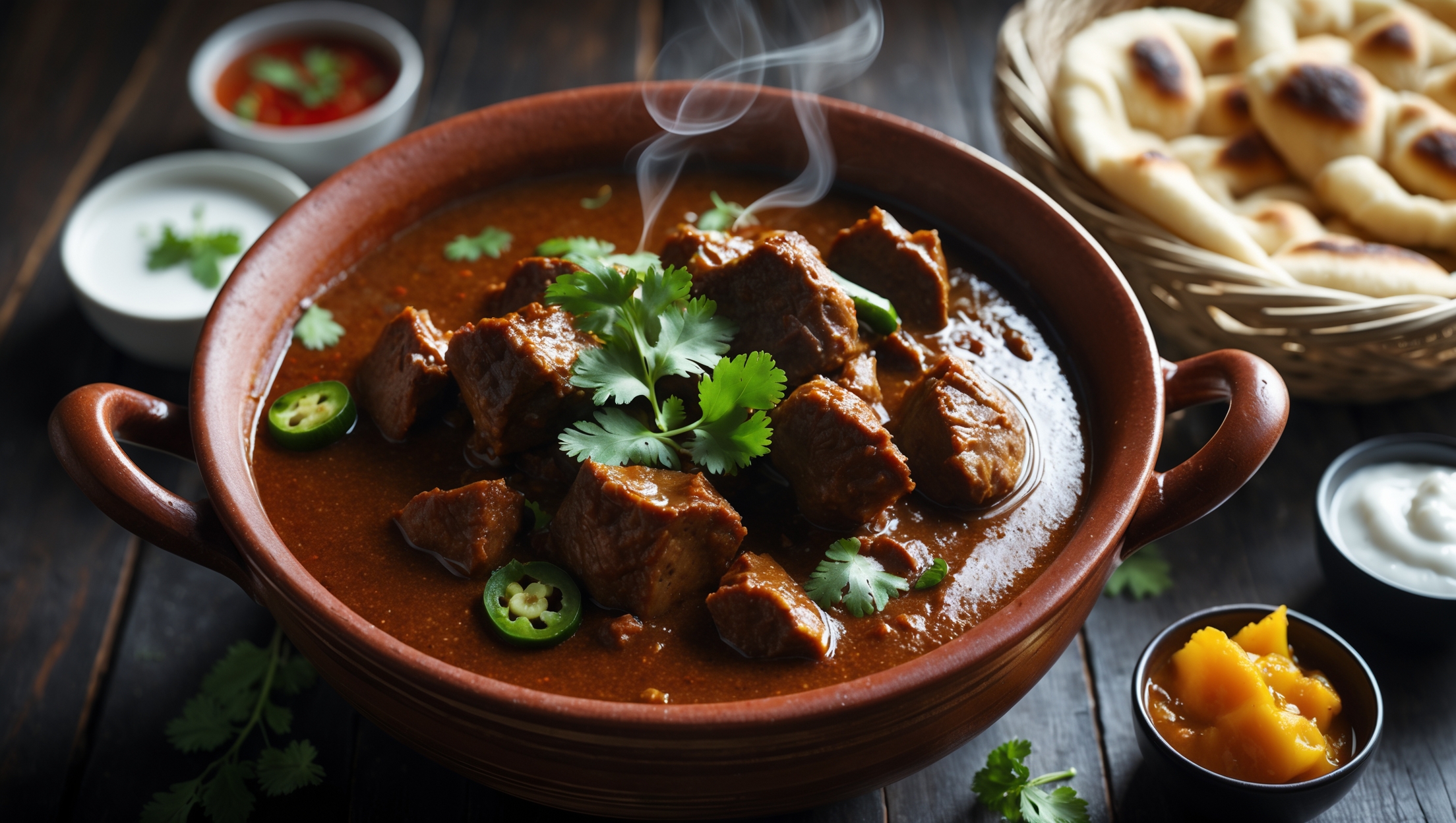
<ol class="no-list-style"> <li class="MethodStepper"> <h4 class="step-title">Step 1</h4> Preheat your oven to 160°C (140°C fan/gas mark 3). Pat the lamb pieces dry with paper towels - this ensures proper browning rather than steaming the meat. </li> <li class="MethodStepper"> <h4 class="step-title">Step 2</h4> Mix all the spice mix ingredients together in a small bowl. This pre-mixing ensures even distribution of spices throughout your curry. </li> <li class="MethodStepper"> <h4 class="step-title">Step 3</h4> Heat the vegetable oil in your Dutch oven over medium-high heat. Working in batches to avoid overcrowding (which would cause steaming instead of browning), sear the lamb pieces until golden brown on all sides, about 2-3 minutes per batch. Transfer the browned meat to a plate and set aside. </li> <li class="MethodStepper"> <h4 class="step-title">Step 4</h4> Reduce the heat to medium and add the diced onions to the same pot. Cook for 8-10 minutes, stirring occasionally, until they're soft and golden brown. This slow caramelization creates a sweet depth of flavor that forms the base of your curry. </li> <li class="MethodStepper"> <h4 class="step-title">Step 5</h4> Add the minced garlic and grated ginger, cooking for another minute until fragrant. The aromatic oils release quickly, so be careful not to burn them as they'll turn bitter. </li> <li class="MethodStepper"> <h4 class="step-title">Step 6</h4> Add the spice mix to the pot and stir constantly for 1-2 minutes until the spices become aromatic. This toasting of the spices in oil (known as blooming) intensifies their flavors and removes any raw taste. </li> <li class="MethodStepper"> <h4 class="step-title">Step 7</h4> Stir in the tomato paste and cook for another minute, allowing it to caramelize slightly which adds umami depth to the curry. </li> <li class="MethodStepper"> <h4 class="step-title">Step 8</h4> Pour in the canned tomatoes and stock, then return the lamb to the pot along with any accumulated juices (these contain valuable flavor). Bring everything to a gentle simmer, scraping the bottom of the pot to release any browned bits (this is called deglazing and concentrates flavor). </li> <li class="MethodStepper"> <h4 class="step-title">Step 9</h4> Cover the Dutch oven with its lid and transfer to the preheated oven. Bake for 2 hours, or until the lamb is fork-tender. The low, consistent heat of the oven allows the collagen in the lamb shoulder to slowly break down into gelatin, creating that wonderful melt-in-your-mouth texture. </li> <li class="MethodStepper"> <h4 class="step-title">Step 10</h4> Remove from the oven and carefully stir in the yogurt. The yogurt adds creaminess and helps to balance the spices - make sure your curry has cooled slightly before adding to prevent curdling. </li> <li class="MethodStepper"> <h4 class="step-title">Step 11</h4> Return the pot to the stove over low heat and simmer gently, uncovered, for 5-10 minutes to allow the sauce to thicken slightly. If you prefer a thicker curry, you can simmer it longer. </li> <li class="MethodStepper"> <h4 class="step-title">Step 12</h4> Taste and adjust the seasoning if necessary. Garnish with fresh coriander leaves and serve hot with naan bread or rice. Your curry should have a rich, complex flavor with tender lamb that practically falls apart at the touch of your fork. </li> </ol>