Directions
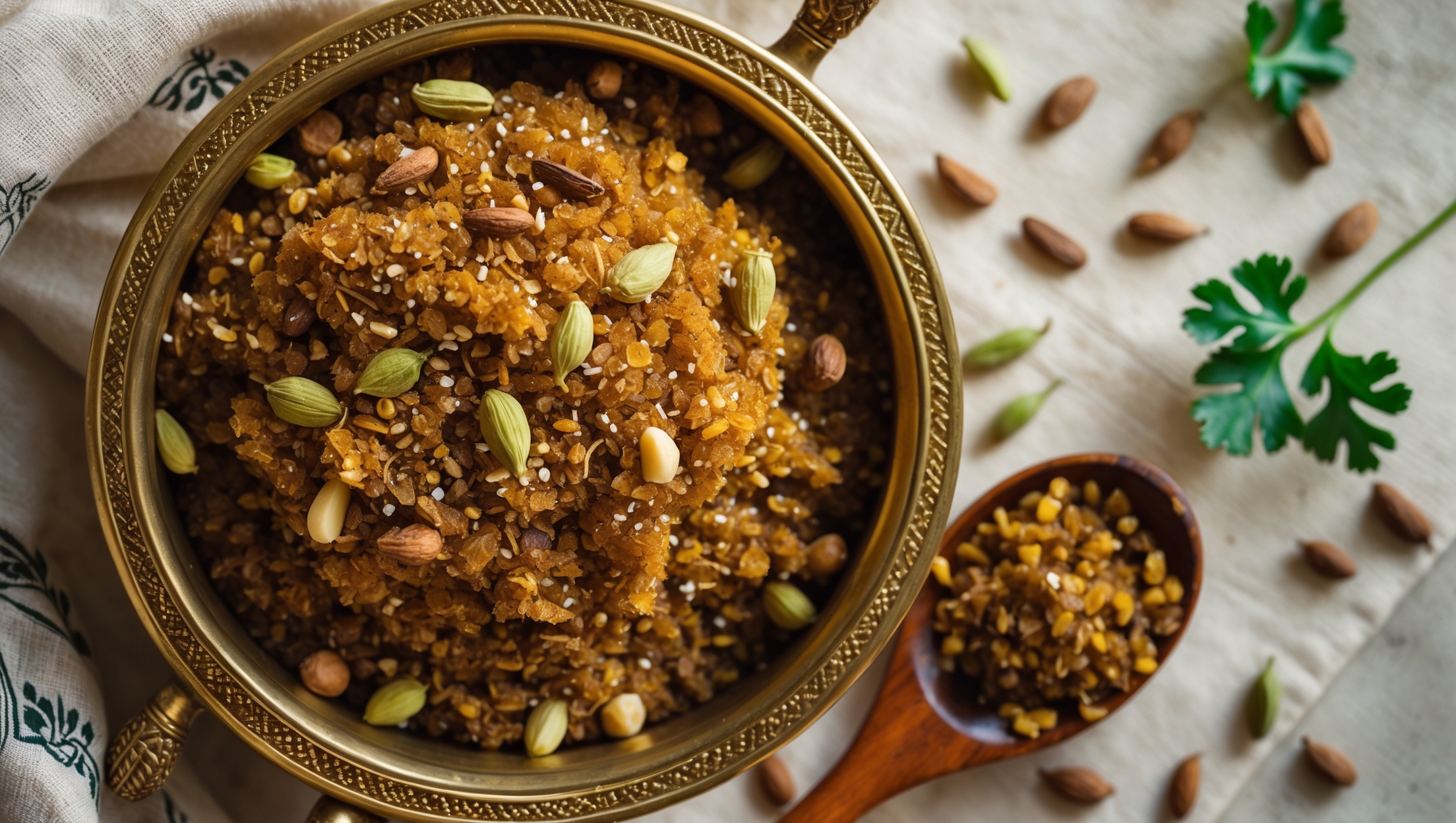
<ol class="no-list-style"><li class="MethodStepper"><h4 class="step-title">Step 1</h4>Begin by cleaning the coriander seeds to remove any impurities. Spread them on a flat surface and pick out any stones or debris. This ensures your panjiri has the pure flavor of coriander without unwanted elements.</li><li class="MethodStepper"><h4 class="step-title">Step 2</h4>Heat a heavy-bottomed pan over medium-low heat. Add the coriander seeds and dry roast them, stirring continuously to ensure even roasting. This should take about 8-10 minutes until the seeds turn golden brown and release a strong fragrance. Properly roasting the seeds is crucial as it develops the characteristic nutty flavor of panjiri.</li><li class="MethodStepper"><h4 class="step-title">Step 3</h4>Once roasted, transfer the seeds to a plate and let them cool completely. The cooling process ensures they'll grind properly without clumping. When cool, grind them to a fine powder in a food processor or spice grinder, working in batches if necessary.</li><li class="MethodStepper"><h4 class="step-title">Step 4</h4>In the same pan, add the whole wheat flour and dry roast it on medium-low heat until it turns light golden brown and emits a nutty aroma, about 5-7 minutes. Stirring constantly prevents burning and ensures even cooking. The roasted flour creates the distinctive warm base note in the panjiri.</li><li class="MethodStepper"><h4 class="step-title">Step 5</h4>Chop the almonds and cashews into small pieces, then dry roast them separately in the pan until they turn slightly golden and fragrant, about 3-4 minutes. Set aside to cool. Properly roasted nuts add essential texture and nutritional value to the mixture.</li><li class="MethodStepper"><h4 class="step-title">Step 6</h4>In the same pan, melt the ghee over low heat. Ghee should be warm but not smoking hot. Add the roasted whole wheat flour and stir continuously to ensure it absorbs the ghee evenly. This should take about 2-3 minutes.</li><li class="MethodStepper"><h4 class="step-title">Step 7</h4>Add the ground coriander powder to the ghee and flour mixture. Mix thoroughly to ensure even distribution. The ghee helps release the essential oils in the coriander, enhancing its therapeutic properties.</li><li class="MethodStepper"><h4 class="step-title">Step 8</h4>Now add all the remaining spices – dried ginger powder, cardamom powder, nutmeg powder, fennel seeds (if using), and black pepper powder. Mix well to combine. Each spice contributes specific healthful properties and flavors to this Ayurvedic mixture.</li><li class="MethodStepper"><h4 class="step-title">Step 9</h4>Turn off the heat and allow the mixture to cool slightly, about 5 minutes. Then add the jaggery powder and roasted nuts. Mix thoroughly until everything is well incorporated. Adding jaggery to a slightly cooled mixture prevents it from burning while still allowing it to melt and distribute evenly.</li><li class="MethodStepper"><h4 class="step-title">Step 10</h4>Allow the panjiri to cool completely before transferring to an airtight container. The flavors develop and meld together as it cools. Dhaniya Panjiri can be stored at room temperature for up to 3-4 weeks, making it a convenient superfood to have on hand.</li><li class="MethodStepper"><h4 class="step-title">Step 11</h4>To serve, enjoy 2-3 tablespoons of panjiri either dry or mixed with warm milk. It's traditionally consumed during winter months or by new mothers during postpartum recovery for its warming and nutritive properties.</li></ol>