Directions
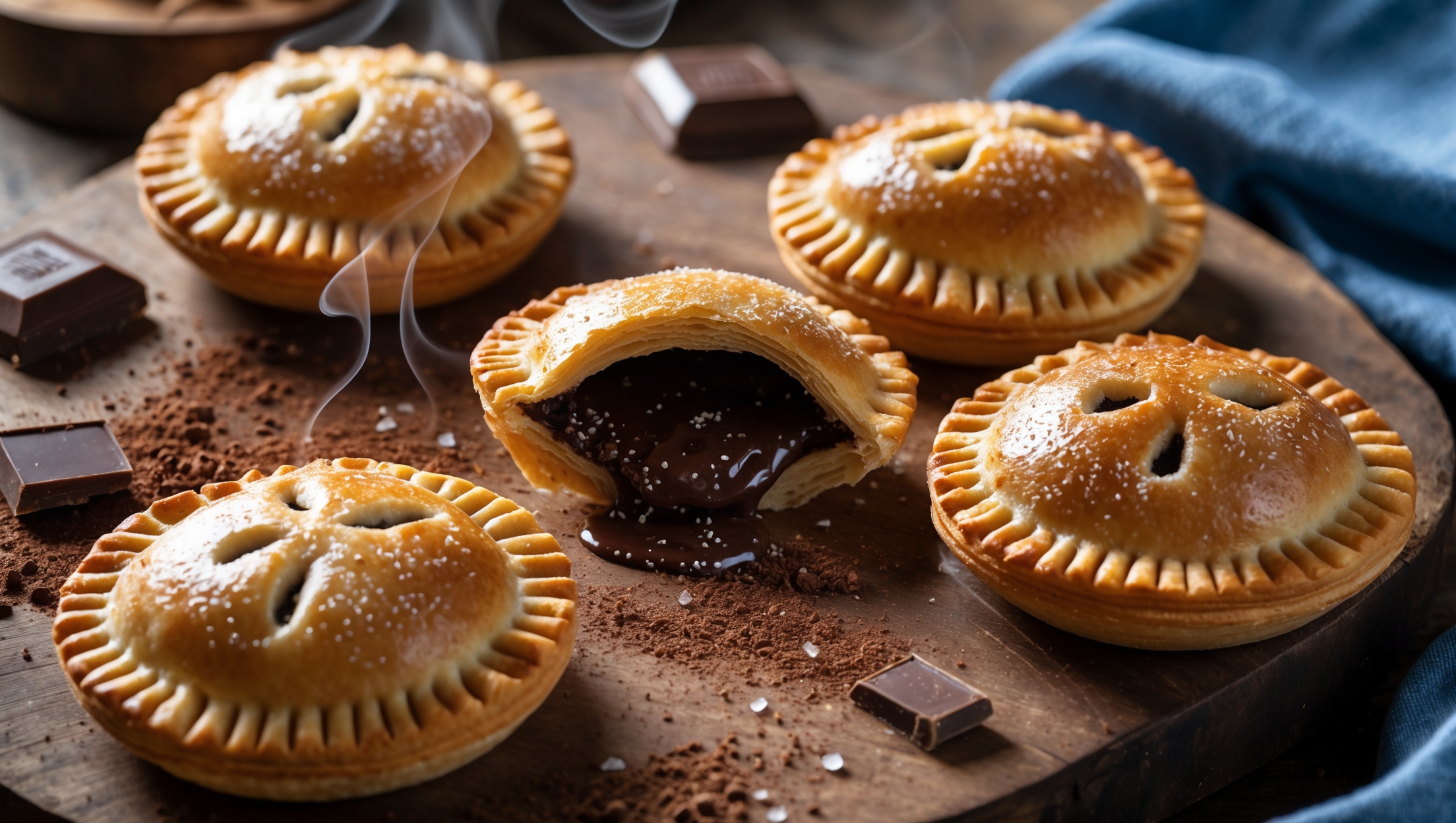
<ol class="no-list-style"> <li class="MethodStepper"> <h4 class="step-title">Step 1</h4> Begin by making the pastry. In a large bowl or food processor, combine the flour, sugar, and salt. Add the cold cubed butter and pulse or use your fingertips to work it in until the mixture resembles coarse breadcrumbs with some pea-sized butter pieces remaining. These butter pieces are crucial as they create steam pockets during baking, resulting in flaky layers. </li> <li class="MethodStepper"> <h4 class="step-title">Step 2</h4> Gradually add the ice-cold water, 1 tablespoon at a time, mixing gently until the dough just comes together. You may not need all the water – stop when the dough holds together when pinched. Shape the dough into a flat disc, wrap in plastic wrap, and refrigerate for at least 1 hour. Chilling relaxes the gluten and firms up the butter, ensuring a tender, flaky crust. </li> <li class="MethodStepper"> <h4 class="step-title">Step 3</h4> While the dough chills, prepare the chocolate filling. Place the chopped chocolate in a heat-proof bowl. In a small saucepan, heat the cream, butter, and sugar until it just begins to simmer. Pour this hot mixture over the chocolate and let it sit for 2 minutes. Add the vanilla and salt, then whisk until smooth and glossy. This ganache-like filling will be runny at first but will thicken as it cools. Refrigerate for about 30 minutes until spreadable but not solid. </li> <li class="MethodStepper"> <h4 class="step-title">Step 4</h4> Preheat your oven to 190°C (375°F) and line two baking sheets with parchment paper. On a lightly floured surface, roll out the chilled dough to approximately 3mm (1/8 inch) thickness. Using a 10cm (4-inch) round cutter, cut out as many circles as possible. Re-roll scraps once to cut additional circles – you should aim for 16 circles total. </li> <li class="MethodStepper"> <h4 class="step-title">Step 5</h4> Place 8 dough circles on your prepared baking sheets. Spoon about 1 tablespoon of the chocolate filling onto each circle, keeping it centered and leaving a 1cm border around the edges. Be careful not to overfill, as this can cause leakage during baking. Brush the borders lightly with beaten egg to help seal the pies. </li> <li class="MethodStepper"> <h4 class="step-title">Step 6</h4> Top each filled circle with another dough circle. Press the edges firmly with your fingers to seal, then crimp with a fork or pie crimper to create a decorative edge that also ensures the filling stays contained. Cut a small vent in the top of each pie to allow steam to escape during baking. </li> <li class="MethodStepper"> <h4 class="step-title">Step 7</h4> Brush the tops of the hand pies with the remaining egg wash for a golden finish. Sprinkle with demerara sugar for a delightful crunch and sparkle. Return the assembled pies to the refrigerator for 15 minutes – this final chill helps the pastry maintain its shape during baking. </li> <li class="MethodStepper"> <h4 class="step-title">Step 8</h4> Bake in the preheated oven for 22-25 minutes, rotating the pans halfway through, until the pies are deeply golden brown. The extended baking time ensures the bottom crust is fully cooked and not soggy. Some chocolate may bubble through the vents – this is normal and adds to their rustic charm. </li> <li class="MethodStepper"> <h4 class="step-title">Step 9</h4> Allow the hand pies to cool on the baking sheets for 10 minutes before transferring to a wire rack. The filling will be extremely hot straight from the oven! Let them cool for at least another 20 minutes before enjoying – though they're delicious warm, the filling needs time to set slightly. Store any leftovers in an airtight container for up to 3 days, reheating briefly in a 160°C (325°F) oven to restore crispness. </li> </ol>