Directions
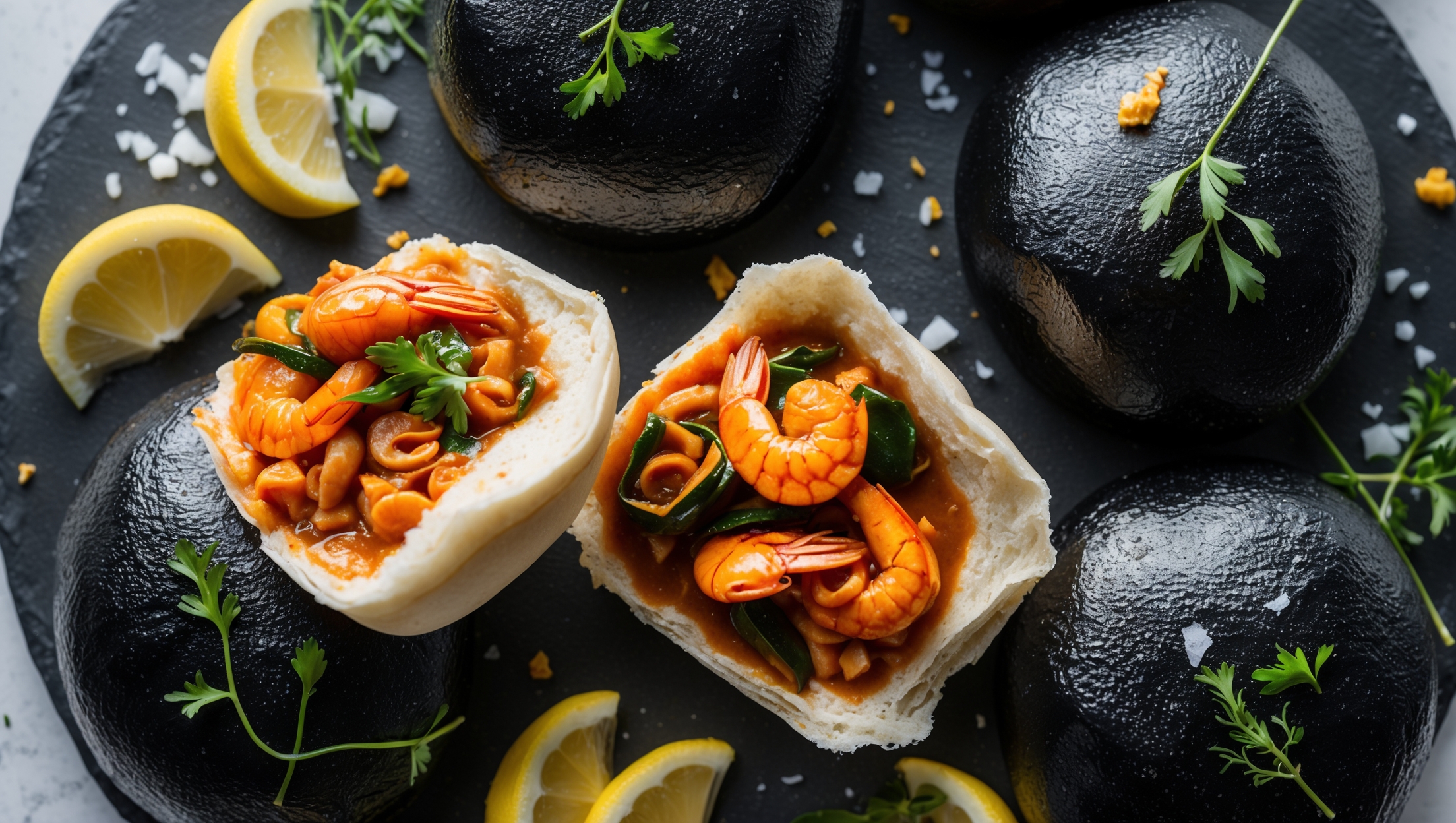
<ol class="no-list-style"><li class="MethodStepper"><h4 class="step-title">Step 1</h4>Begin by making the charcoal dough. In the bowl of your stand mixer, combine the bread flour and activated charcoal powder, whisking thoroughly to distribute the charcoal evenly - this ensures the dramatic black color will be consistent throughout your dough.</li><li class="MethodStepper"><h4 class="step-title">Step 2</h4>In a separate small bowl, mix the warm milk (around 38°C - should feel just warm to the touch), yeast, and sugar. Let it stand for 5-10 minutes until foamy, which indicates your yeast is active and ready to provide a good rise.</li><li class="MethodStepper"><h4 class="step-title">Step 3</h4>Add the yeast mixture, egg, and salt to the flour mixture. Using the dough hook attachment, mix on low speed until combined. Gradually add the softened butter, piece by piece, waiting until each piece is fully incorporated before adding the next. Increase to medium speed and knead for 8-10 minutes until the dough is smooth, elastic, and pulls away from the sides of the bowl. The dough will be slightly tacky but not sticky - this indicates the perfect hydration level.</li><li class="MethodStepper"><h4 class="step-title">Step 4</h4>Transfer the dough to a lightly oiled bowl, cover with plastic wrap or a damp cloth, and let rise in a warm place (around 24-27°C) for 1-1.5 hours until doubled in size. The slow rise allows for complex flavor development within the dough.</li><li class="MethodStepper"><h4 class="step-title">Step 5</h4>While the dough is rising, prepare your caramelized seafood filling. Heat olive oil and 1 tablespoon of butter in a large pan over medium heat. Add the onions and cook until translucent and beginning to caramelize, about 5-7 minutes. This slow cooking process releases the natural sugars in the onions.</li><li class="MethodStepper"><h4 class="step-title">Step 6</h4>Add the garlic and cook for another minute until fragrant. Stir in the tomato paste and cook for 2 minutes until it darkens slightly, which concentrates its flavor and adds depth to your filling.</li><li class="MethodStepper"><h4 class="step-title">Step 7</h4>Increase the heat to medium-high and add the chopped seafood. Cook for 2-3 minutes, stirring occasionally. Pour in the white wine or fish stock, saffron (if using), and paprika. Allow the liquid to reduce by half, which concentrates the flavors while maintaining moisture.</li><li class="MethodStepper"><h4 class="step-title">Step 8</h4>Add the remaining tablespoon of butter and stir until melted and the sauce has slightly thickened. The butter creates an emulsion that gives the filling a silky texture. Remove from heat, stir in fresh parsley, season with salt and pepper to taste, and let cool completely. A warm filling would start cooking the dough prematurely and release moisture that could make your buns soggy.</li><li class="MethodStepper"><h4 class="step-title">Step 9</h4>Once the dough has doubled in size, gently punch it down to release excess air. Turn it out onto a lightly floured surface and divide into 8 equal portions (about 80g each). Use a kitchen scale for precision if available.</li><li class="MethodStepper"><h4 class="step-title">Step 10</h4>Working with one portion at a time, flatten the dough into a disc about 10-12cm in diameter, making the edges slightly thinner than the center. Place about 1-1.5 tablespoons of the cooled seafood filling in the center. Gather the edges of the dough up around the filling and pinch firmly to seal, ensuring there are no openings where the filling could leak during baking.</li><li class="MethodStepper"><h4 class="step-title">Step 11</h4>Place the filled buns, seam-side down, on a parchment-lined baking sheet, leaving about 5cm between each bun to allow for expansion. Cover loosely with a clean kitchen towel and let proof for another 30-40 minutes until puffy but not quite doubled in size.</li><li class="MethodStepper"><h4 class="step-title">Step 12</h4>Preheat your oven to 190°C. When the buns have finished proofing, gently brush the tops with egg wash, being careful not to press too hard which could deflate them. Sprinkle with sesame seeds if desired.</li><li class="MethodStepper"><h4 class="step-title">Step 13</h4>Bake in the preheated oven for 18-20 minutes until the buns are puffed and the bottoms sound hollow when tapped. Despite the charcoal color, you'll know they're done when they feel firm to the touch and have a slight sheen from the egg wash.</li><li class="MethodStepper"><h4 class="step-title">Step 14</h4>Transfer to a wire rack and allow to cool for at least 10 minutes before serving. The resting period allows the structure of the buns to set and the filling to reach the perfect temperature. Serve warm, perhaps with a light drizzle of extra virgin olive oil or a small dish of high-quality butter for an extra touch of indulgence.</li></ol>