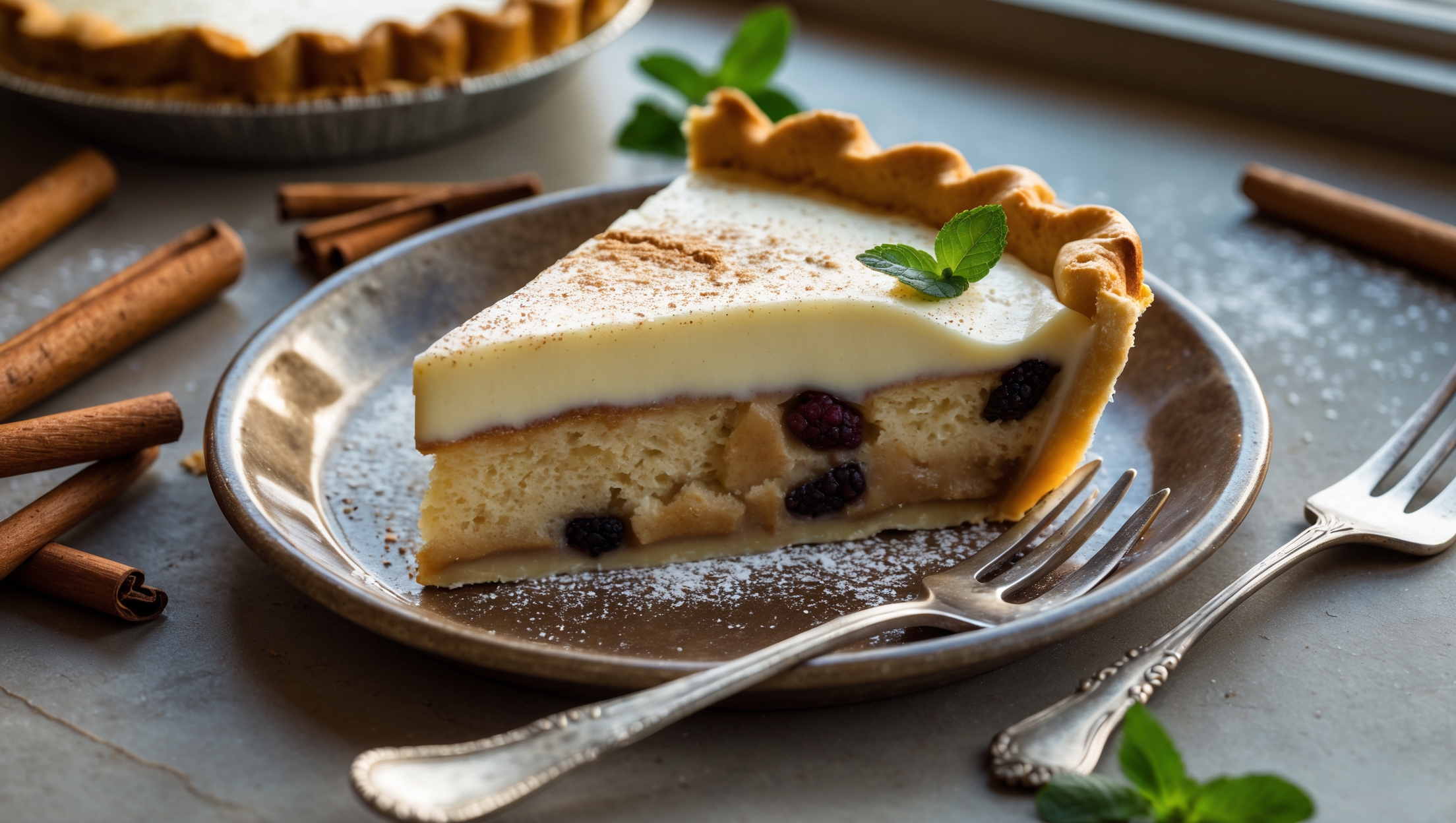
<ol class="no-list-style"><li class="MethodStepper"><h4 class="step-title">Step 1</h4>Begin with the pie crust. In a food processor (or using your fingertips), combine the flour, cold cubed butter, sugar, and salt until the mixture resembles coarse breadcrumbs with some pea-sized pieces of butter remaining. These butter pieces are crucial for creating flaky layers in your crust. Gradually add the ice water, 1 tablespoon at a time, pulsing until the dough just comes together when pinched. Be careful not to overwork the dough, which can make it tough.</li><li class="MethodStepper"><h4 class="step-title">Step 2</h4>Form the dough into a disk, wrap in plastic wrap, and refrigerate for at least 30 minutes. This resting period allows the gluten to relax and the butter to firm up, resulting in a more tender crust. Meanwhile, preheat your oven to 180°C.</li><li class="MethodStepper"><h4 class="step-title">Step 3</h4>On a lightly floured surface, roll the chilled dough into a circle about 3mm thick and large enough to fit your 23cm pie dish with some overhang. Carefully transfer the dough to the dish, gently pressing it into the corners without stretching. Trim the excess dough, leaving about 1cm overhang, then fold and crimp the edges. Prick the bottom several times with a fork (this prevents bubbling), then line with parchment paper and fill with baking weights or dried beans.</li><li class="MethodStepper"><h4 class="step-title">Step 4</h4>Blind bake the crust for 15 minutes, then remove the weights and parchment and bake for an additional 5-7 minutes until the bottom is just starting to dry out but not browning. This partial baking ensures your crust won't become soggy from the bread pudding mixture. Remove from the oven and let cool slightly while preparing the filling.</li><li class="MethodStepper"><h4 class="step-title">Step 5</h4>For the bread pudding layer, place the bread cubes in a large bowl. In a separate bowl, whisk together the milk, cream, eggs, sugar, vanilla, cinnamon, and nutmeg until well combined. Pour this mixture over the bread cubes, gently pressing down to ensure all bread is soaked. Let stand for 15 minutes, occasionally pressing the bread down to absorb the liquid. The bread should become very soft but not mushy. If using raisins, fold them in now.</li><li class="MethodStepper"><h4 class="step-title">Step 6</h4>Carefully transfer the soaked bread mixture into the par-baked crust, spreading it evenly. The bread pudding will puff up slightly during baking but will settle as it cools. Bake at 180°C for 30-35 minutes until the bread pudding is set in the center and the top is golden brown. A knife inserted in the center should come out mostly clean with no liquid. Remove from the oven and allow to cool completely before adding the custard layer.</li><li class="MethodStepper"><h4 class="step-title">Step 7</h4>While the bread pudding layer is cooling, prepare the custard cream. In a medium saucepan, heat the milk and half the sugar with the vanilla seeds (and pod if using) until steaming but not boiling. In a separate bowl, whisk together the egg yolks, remaining sugar, and cornstarch until smooth and pale yellow. This thorough mixing prevents lumps in your custard.</li><li class="MethodStepper"><h4 class="step-title">Step 8</h4>Slowly pour about half of the hot milk mixture into the egg mixture while whisking constantly. This technique, called tempering, gradually raises the temperature of the eggs without scrambling them. Pour this mixture back into the saucepan with the remaining milk and cook over medium heat, whisking continuously, until the custard thickens and begins to bubble gently (about 5-7 minutes).</li><li class="MethodStepper"><h4 class="step-title">Step 9</h4>Once thickened to a pudding-like consistency that coats the back of a spoon, remove from heat and stir in the butter until melted. If using vanilla extract instead of a pod, add it now. Pour the custard through a fine-mesh sieve into a clean bowl to remove any lumps or bits of cooked egg. Press plastic wrap directly onto the surface of the custard to prevent a skin from forming and allow to cool to room temperature, stirring occasionally.</li><li class="MethodStepper"><h4 class="step-title">Step 10</h4>Once both the bread pudding layer and custard have cooled, gently spread the custard over the bread pudding layer, creating a smooth top. Refrigerate the pie for at least 4 hours or overnight to allow the custard to set firmly and the flavors to meld.</li><li class="MethodStepper"><h4 class="step-title">Step 11</h4>Just before serving, sprinkle the 3 tablespoons of sugar evenly over the custard layer. For a caramelized finish, use a kitchen torch to melt and brown the sugar (like a crème brûlée), or place under a preheated broiler for 1-2 minutes, watching very carefully to prevent burning. The caramelized sugar adds a delightful crunch that contrasts beautifully with the creamy custard and soft bread pudding.</li><li class="MethodStepper"><h4 class="step-title">Step 12</h4>Allow the caramelized sugar to harden for a few minutes, then dust lightly with powdered sugar if desired. Slice and serve, taking care to cut through the caramelized top with a sharp knife. The pie is best enjoyed on the day the top is caramelized, but can be stored covered in the refrigerator for up to 3 days.</li></ol>