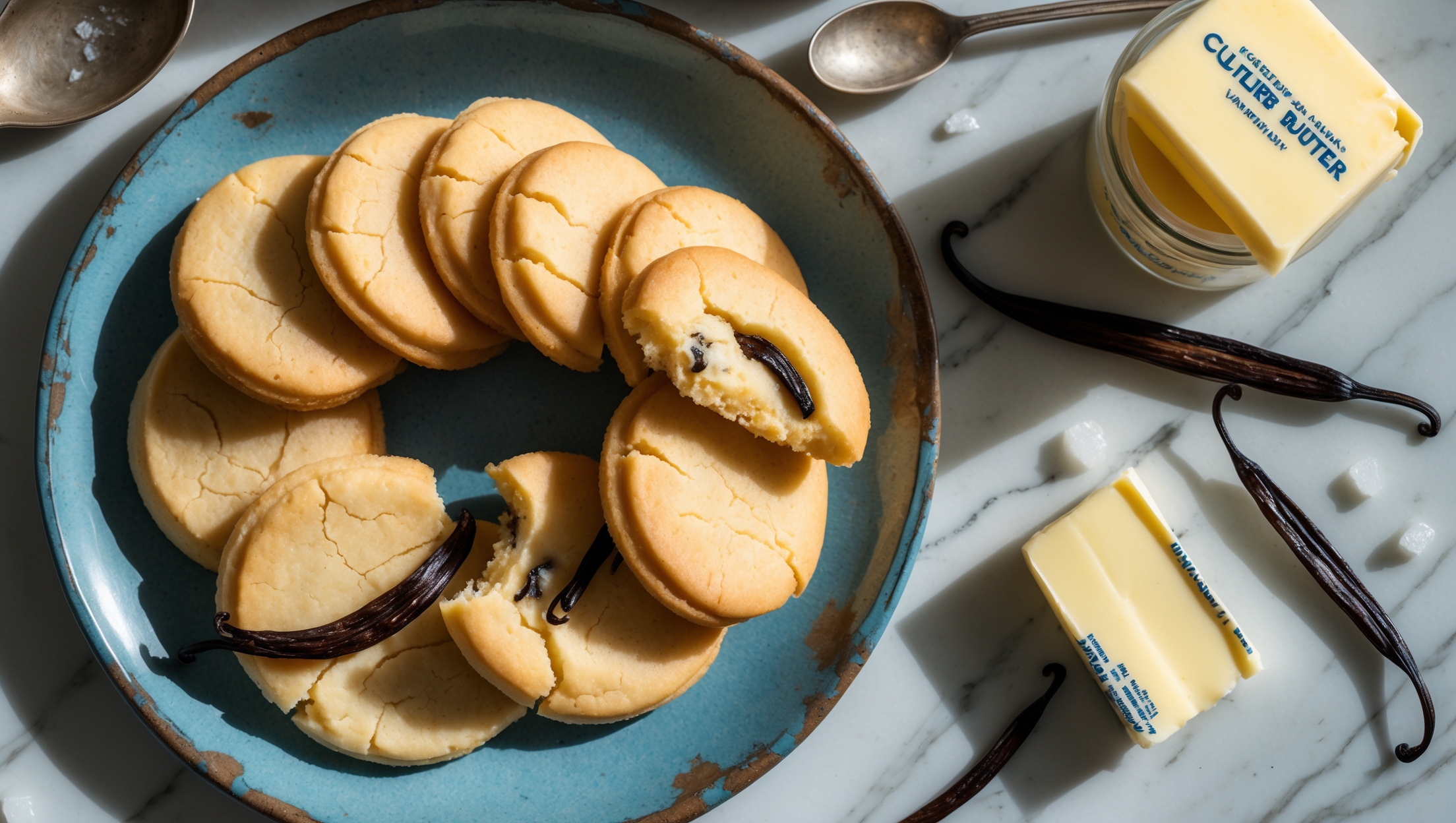
Directions
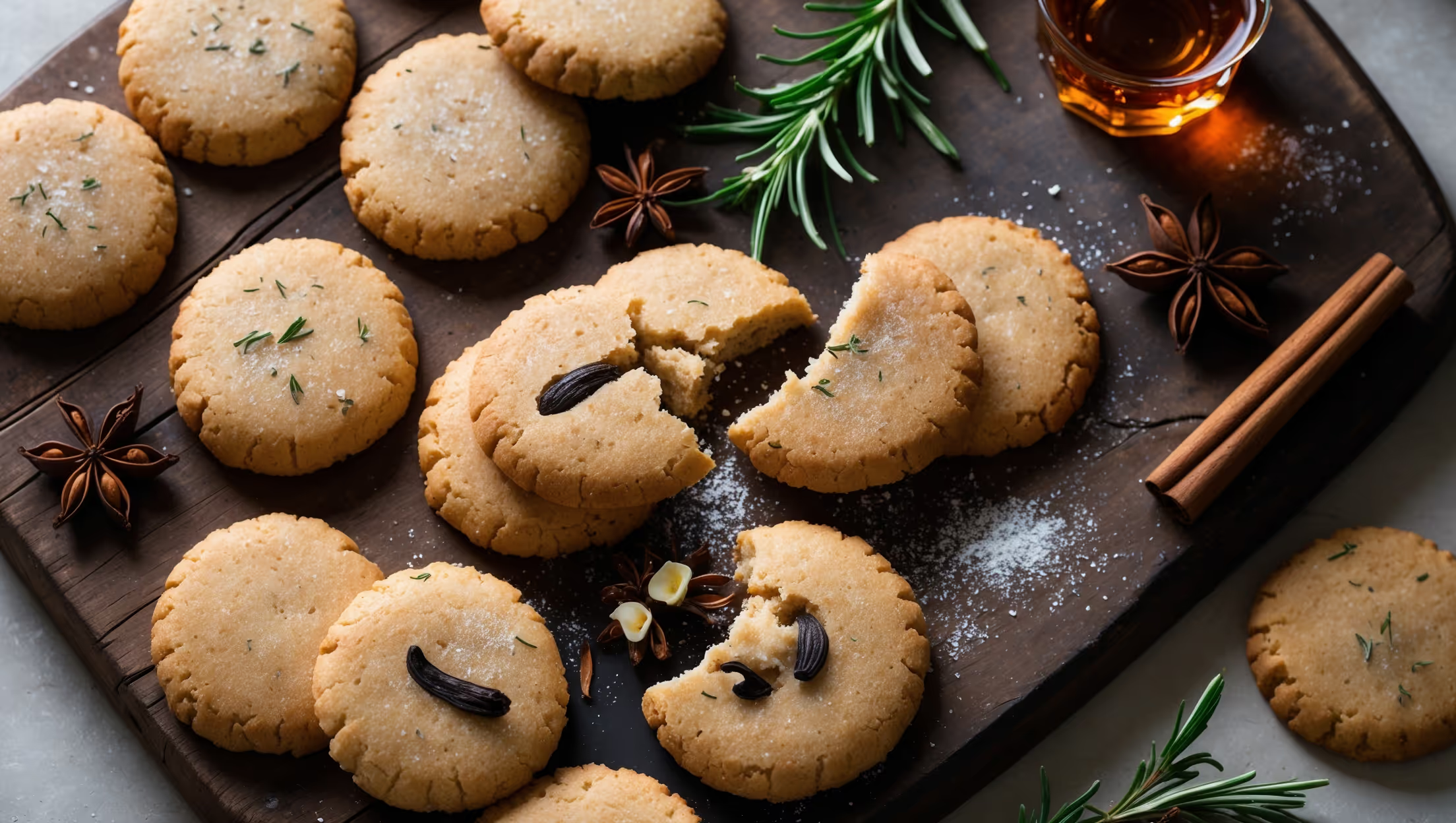
<ol class="no-list-style"><li class="MethodStepper"><h4 class="step-title">Step 1</h4>Begin by preparing your barrel-aged butter 48 hours before baking. In a small saucepan, gently melt 250g butter over low heat until just liquefied. Add bourbon, vanilla bean seeds and pod, oak chips, rosemary, cinnamon stick, and star anise. Simmer on the lowest possible heat for 5 minutes, stirring occasionally. This gentle heating helps the flavors integrate while preventing the butter from browning.</li><li class="MethodStepper"><h4 class="step-title">Step 2</h4>Remove from heat and let cool for 15 minutes. Transfer the entire mixture, including all aromatics, to a clean glass jar with a tight-fitting lid. Seal and refrigerate for 48 hours, shaking gently once or twice during this time to redistribute the flavors. The slow infusion allows the butter to develop complex notes that would be impossible to achieve with quick methods.</li><li class="MethodStepper"><h4 class="step-title">Step 3</h4>After 48 hours, remove the butter from the refrigerator and allow it to soften slightly at room temperature for 20 minutes. Strain through a fine-mesh sieve into a bowl, pressing gently to extract all the butter while leaving behind the solid aromatics. You should have approximately 200g of richly flavored, amber-tinted butter.</li><li class="MethodStepper"><h4 class="step-title">Step 4</h4>Preheat your oven to 160°C (320°F) and line two baking sheets with parchment paper. In the bowl of a stand mixer fitted with the paddle attachment, beat the infused butter on medium speed for 2 minutes until creamy and lightened in color.</li><li class="MethodStepper"><h4 class="step-title">Step 5</h4>Add the sifted icing sugar and sea salt to the butter. Beat on low speed until just incorporated, then increase to medium speed and beat for 3 minutes until pale and fluffy. This extended creaming creates tiny air pockets in the dough that will give your cookies their melt-in-the-mouth texture.</li><li class="MethodStepper"><h4 class="step-title">Step 6</h4>Sift together the flour and cornstarch. With the mixer on low speed, gradually add the dry ingredients to the butter mixture, mixing just until the dough comes together and no dry spots remain. Over-mixing at this stage will develop gluten and make your cookies tough rather than tender.</li><li class="MethodStepper"><h4 class="step-title">Step 7</h4>Turn the dough out onto a lightly floured surface and gently press it together with your hands. Divide in half and shape each portion into a disk. Roll each disk between two sheets of parchment paper to approximately 6mm (¼ inch) thickness. If the dough becomes too soft to work with, chill it for 10 minutes before continuing.</li><li class="MethodStepper"><h4 class="step-title">Step 8</h4>Using a 5cm round cookie cutter, cut out cookies and transfer them to the prepared baking sheets, spacing them about 2.5cm apart. They won't spread much but need room to bake evenly. Gather and re-roll scraps once, but no more than that to prevent tough cookies.</li><li class="MethodStepper"><h4 class="step-title">Step 9</h4>Sprinkle the tops of the cookies lightly with raw sugar. Chill the shaped cookies on the baking sheets for 15 minutes before baking - this helps them maintain their shape and creates a more tender texture by allowing the butter to firm up.</li><li class="MethodStepper"><h4 class="step-title">Step 10</h4>Bake in the preheated oven for 12-15 minutes, rotating the pans halfway through. The cookies should remain pale with just the slightest golden color at the edges - be careful not to overbake as the delicate aromatics can become bitter. They'll appear slightly soft when removed from the oven but will firm up as they cool.</li><li class="MethodStepper"><h4 class="step-title">Step 11</h4>Allow the cookies to cool on the baking sheets for 5 minutes, then transfer to a wire rack to cool completely. As they cool, you'll notice the aromatic notes becoming more pronounced. Store in an airtight container at room temperature for up to 1 week, or freeze for up to 3 months. The flavors actually improve after 24 hours as they continue to develop and meld.</li></ol>