
On this page
A bowl of meringue can rise into glossy peaks, yet the finished dessert may slump after it comes out of the oven. The collapse might be a shallow dip in a lemon pie topping, a pavlova sinking in the middle or little meringue kisses that lose height. These are related but distinct outcomes. Stable meringue depends on clean tools, correctly whipped whites, sugar incorporation, gentle heat and a finishing method suited to the dessert.
What collapse means
A collapsed meringue loses volume or structural strength after whipping or baking. It may shrink from the crust edge, cave in at the centre or turn dense and sticky. A pavlova is expected to have a softer interior than a dry meringue cookie, so evaluate the dessert against its intended texture.
Egg whites provide the foam
Whipping unfolds egg-white proteins and traps bubbles. Those proteins help surround air pockets that later expand under heat. The foam is sensitive to fat, excessive mechanical stress and the ratio of sugar to egg whites. It must be stable enough to hold shape until the structure sets.
Recipe to try: Lemon Meringue Pie. A zesty, buttery shortcrust pastry filled with bright, tangy lemon curd and topped with billowing clouds of sweet, toasted meringue creates the perfect balance of sharp and sweet flavors.
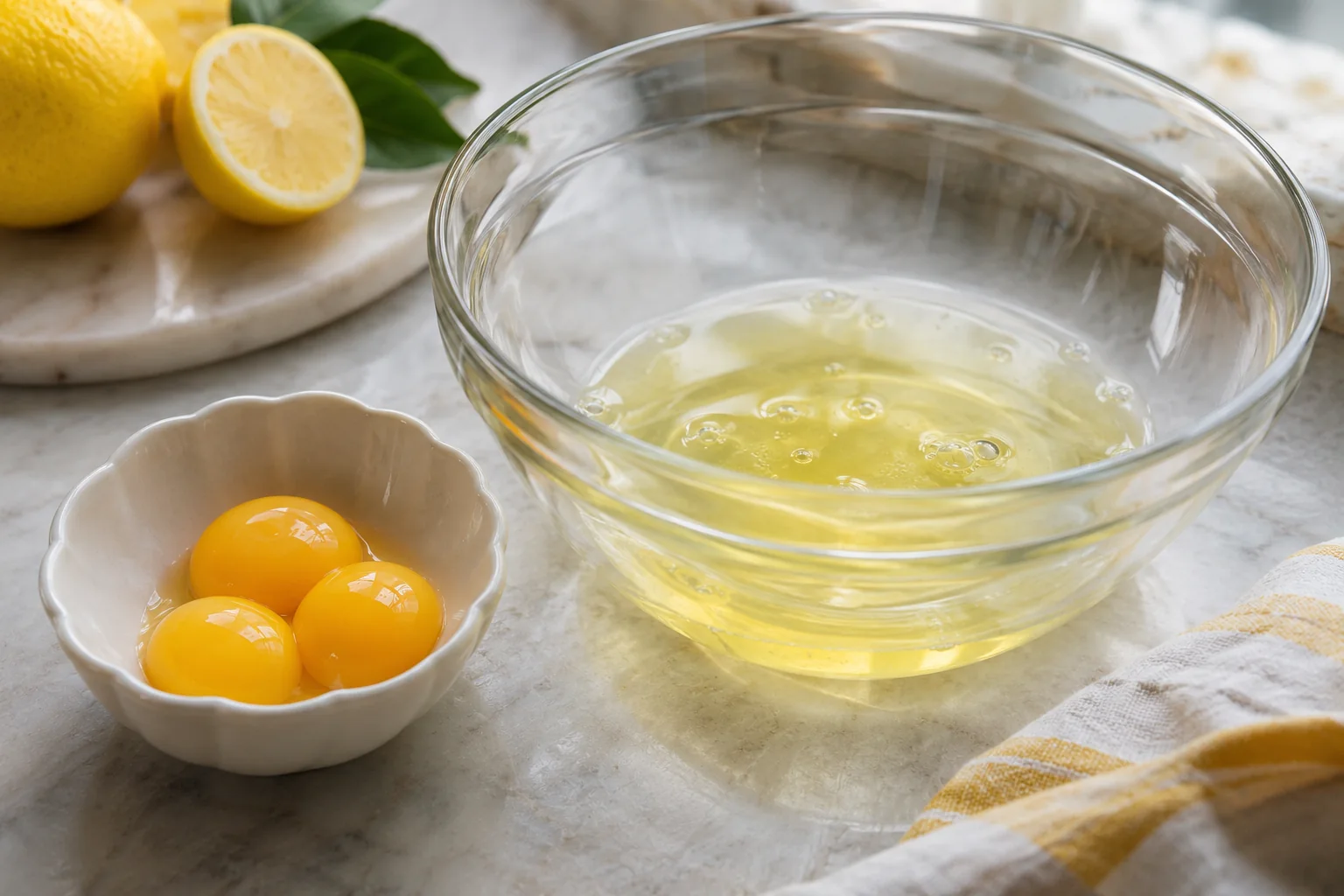
Clean bowls matter
Butter, oil or egg yolk on the mixing equipment can reduce foam formation. Use a clean dry bowl, carefully separated whites and a whisk free from grease. If a significant amount of yolk enters a batch intended for stiff meringue, starting with new whites is often more reliable than trying to beat through the problem.
Start whipping at the recipe's speed
Some methods begin at moderate speed to create a fine, stable bubble structure before increasing the rate. Immediately whipping at maximum speed may form large unstable bubbles in certain formulas. Follow the mixing schedule rather than treating faster foam as automatically stronger foam.
Add sugar deliberately
Sugar helps stabilize meringue, but its incorporation method matters. French meringue often adds sugar gradually as the whites develop. Swiss and Italian methods use different warming or syrup steps. A meringue with gritty undissolved sugar may become sticky or unstable later.
Underwhipping causes weak shape
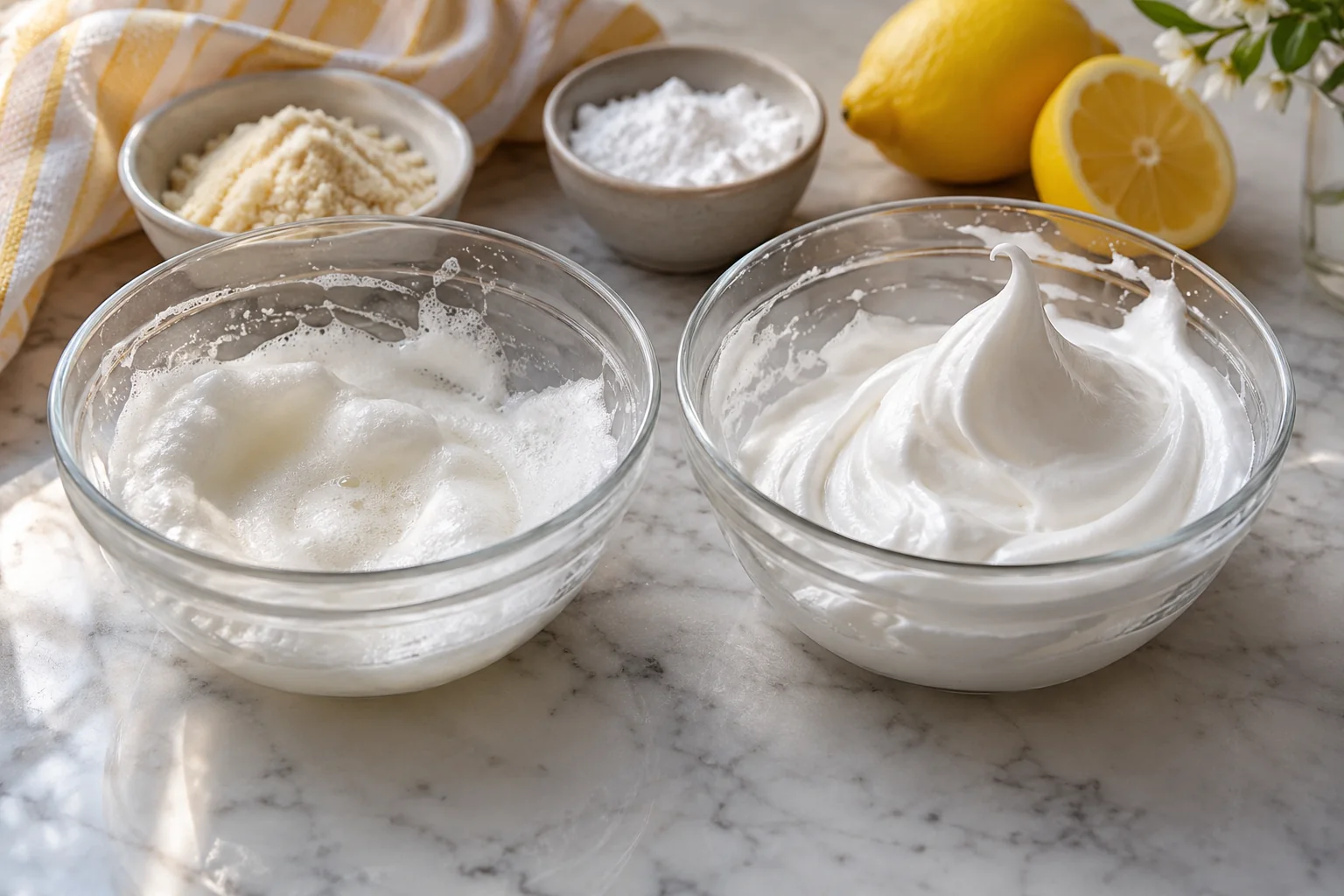
A loose foam may not support tall peaks or retain the air needed for lift. The mixture can spread before baking or slump on a pie. Continue whipping to the stated soft, medium or firm peaks as appropriate. A recipe that asks for soft peaks should not automatically be beaten until completely stiff.
Overwhipping can be just as damaging
Dry grainy whites lose their smooth elastic character and can form clumps that are hard to fold or pipe. The foam may release liquid or bake with an uneven structure. If the mixture has become severely broken, adding more sugar won't necessarily restore its original consistency.
Use the intended egg-white temperature
Some recipes use room-temperature whites for easier whipping; Swiss meringue heats whites and sugar to a specified stage. Use the exact method, including food safety guidance. Don't heat an ordinary mixing bowl of egg whites randomly in the microwave.
The role of cream of tartar or acid
A little acid can help stabilize egg-white foam in certain formulations. Some recipes use cream of tartar or lemon juice in measured amounts. More acid is not always better, and substitutions should follow a tested method.
Why baking temperature is important
Meringue needs enough controlled heat to set its structure without scorching or expanding violently. A very hot oven can brown the outside quickly while leaving a weak wet interior; an oven too cool for the formula can fail to set it adequately. Use the recipe's actual temperature and time.
Avoid opening the oven prematurely
A sudden temperature drop while a delicate meringue is setting can contribute to shrinking or collapsing. Pavlova and meringue cookies often use slow baking and cooling stages. Follow the method instead of repeatedly opening the door to inspect the colour.
Slow cooling for pavlova
Some pavlova methods recommend leaving the finished shell in the switched-off oven to cool gradually, reducing thermal shock. The centre may settle slightly and stay marshmallow-like by design. A completely flat wet centre is different and may suggest underbaking or an unstable foam.
Meringue pie toppings
A pie meringue needs to adhere to its filling and cook according to its method. Shrinkage from the pastry rim can occur when the topping is poorly sealed or contracts during cooling. Spread to the crust edge when the recipe calls for it and respect the filling's assembly temperature.

Why water at the base matters
A loose filling or weeping meringue can create a slippery layer beneath the foam, making it appear to sink or separate. Check that a lemon filling was thickened and cooked correctly, and that the topping was prepared to the appropriate peak stage.
Crisp meringue cookies
For kisses or nests, the structure is usually intended to dry into a crisp shell. Too-short baking or humid storage can make them sticky and fragile. A recipe that makes soft pavlova should not be used unchanged to make tiny fully crisp meringue cookies.
Recipe to try: Vegan Aquafaba Meringues. This is an egg-free aquafaba formula. Its whipping and baking behaviour differs from egg-white meringue, so follow its own method.
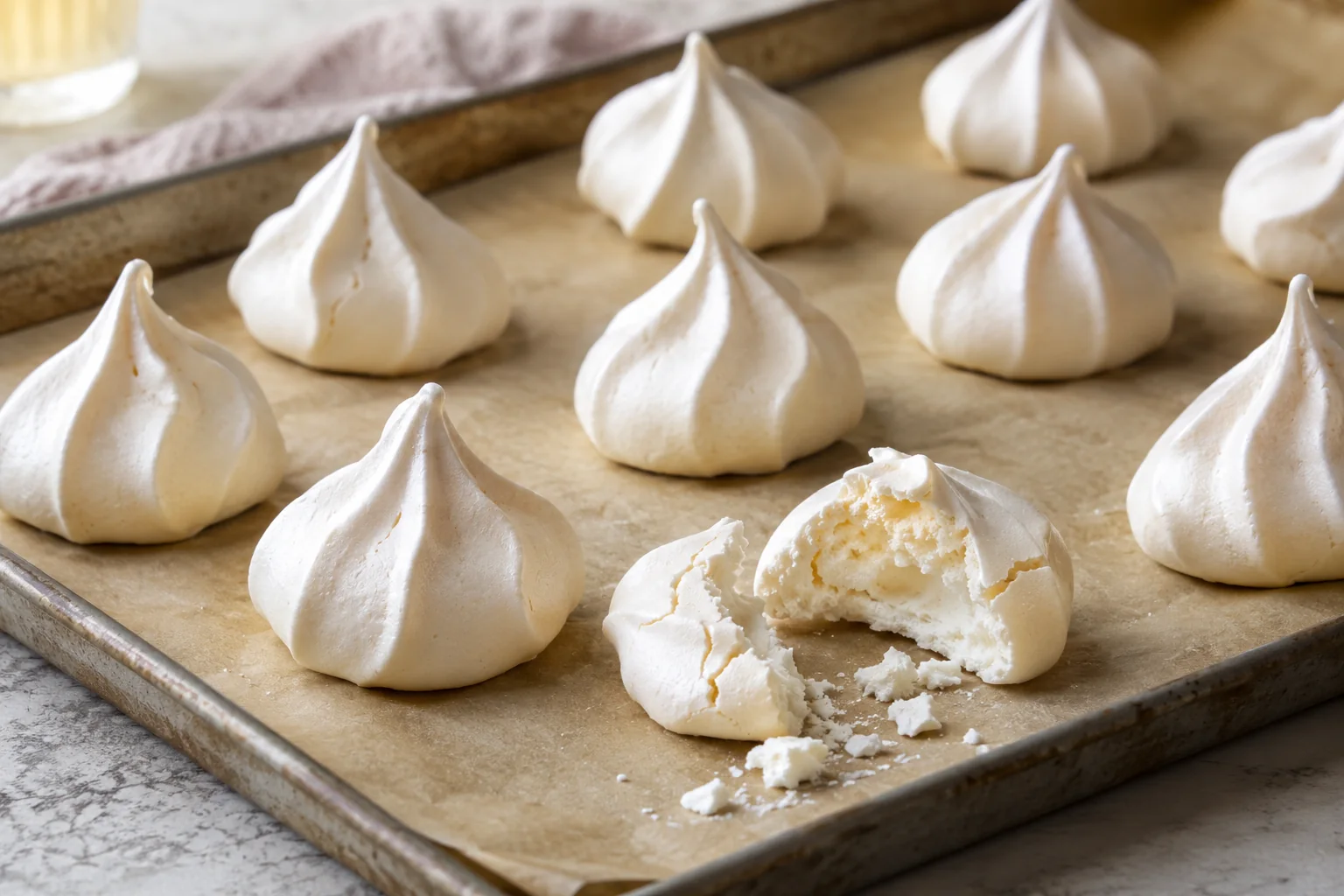
Humidity after baking
Sugar-rich meringue absorbs moisture readily. A crisp shell can soften or become tacky in humid air, losing its shape under a wet topping. Store dry meringues according to their recipe and fill or garnish close to serving when possible.
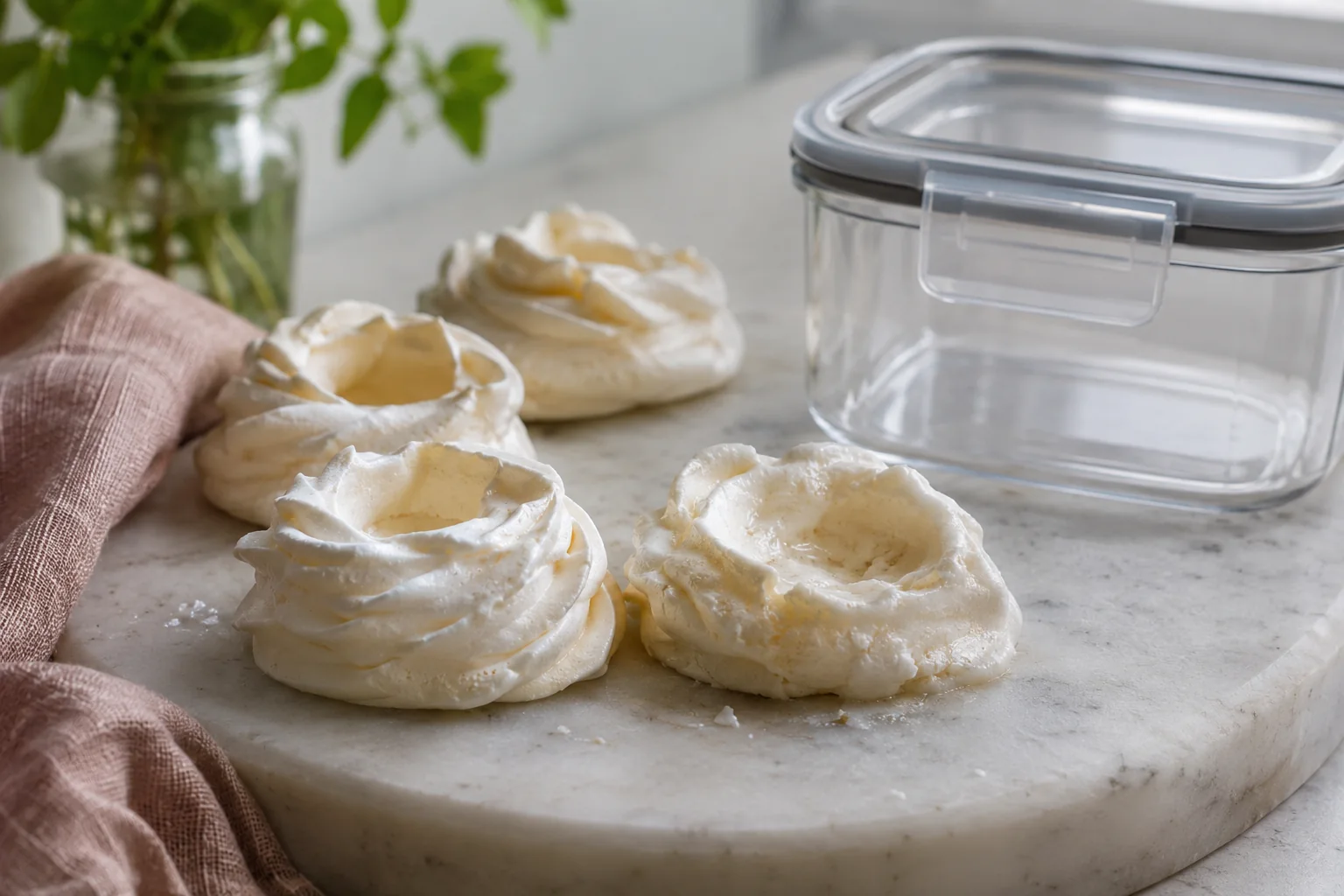
Why oversized portions collapse
A very tall mound takes longer to heat and dry internally than small piped kisses. A large pavlova needs its own bake and cool schedule. Increasing portion size without changing the method can leave a structurally weak centre.
Toppings can crush a delicate base
Heavy fruit, a thick pool of cream or hot sauce can weigh down fragile meringue. A pavlova should generally be cooled before its intended topping is added, and juicy garnishes are often best applied near serving. Avoid trying to carry a topped nest unsupported.
When the dessert is still usable
A pavlova that has cracked and sunk slightly may still taste lovely with appropriate fresh fruit and cream, provided it was safely cooked. A meringue pie with an obviously raw topping isn't rescued by decoration. Judge eating quality and safety separately from perfect height.
A controlled troubleshooting plan
Keep the egg-white weight, sugar quantity, bowl and oven position constant. Record peaks, sugar dissolution, baking time and how the meringue cooled. Change the suspected cause one at a time, such as the whipping endpoint or bake duration.
Recipe to try: Lemon Macarons. Follow this recipe’s own shell method, drying cues and filling instructions rather than mixing steps from different macaron methods.
Frequently asked questions
Does collapsing mean too little sugar? Sometimes, but other factors matter. Can you whip whites again after baking? No. Does a pavlova always stay tall? Some settling is normal. Why does pie topping shrink? Cooling, adhesion and moisture can contribute. Can humidity ruin crisp meringue? Yes.
Protect the foam through every stage
Whip clean whites to the proper stage, add sugar as designed, cook sufficiently and cool as instructed. Meringue is delicate, but a consistent process makes its beautiful volume much more repeatable.
IN PICTURES
From the baking notebook
FROM THE RECIPE BOX


