
On this page
An air fryer can be exceptionally useful for cooking chicken, fish, meatballs and quick dinners. It brings heated air around the food in a compact space, helping surfaces brown while cooking the centre. But it does not make every recipe faster, healthier, less oily or foolproof. Those outcomes still depend on the cut, its size, the coating, the machine, and whether the food reaches a safe internal temperature.
This practical guide gathers 25 verified air-fryer protein recipes, plus four useful sides and bowls, from the What's Baking? recipe collection. Instead of repeating short promotional descriptions, it shows what each recipe actually contains, how much preparation and cooking time its recipe card lists, where the tricky steps occur, and how to put the finished food into a real meal.
The older version of this roundup promised 75% less oil, 50% less cooking time and perfect results every time. Those are not measurements established for these particular recipes, so this guide removes them. It also corrects the claim that cooked meat stays fresh for four or five days without qualification: see Health Canada's leftovers advice for safer storage guidance.
Start here: Pick your protein and read the complete recipe card
Think about tonight's needs before choosing a cooking temperature. Boneless chicken breast, bone-in thighs, a whole bird and raw ground-turkey burgers are not interchangeable. A thick ribeye and small steak cubes may come from a similar ingredient, yet require different handling. Fish and shellfish need especially careful timing, while battered items also contain flour, egg or dairy that matters for food allergies.
Recipe-card times are estimates, not guarantees. Preparation does not include every possible delay: thawing, brining, marinating, chilling, resting, preheating or cooking a second basket may add time. A whole chicken whose card says fifteen minutes of prep and fifty minutes of cooking is not a reliable thirty-minute dinner. If you cook for a large household, confirm how many servings your machine can hold safely in a single layer.
The core method is straightforward: read the ingredients, prepare food safely, preheat if the specific machine or recipe requires it, arrange an uncrowded layer, and check the thickest section with a clean thermometer. Do not remove food simply because the surface looks crisp. The official Health Canada safe cooking temperatures chart is an essential companion to this article.
A practical temperature-and-safety reference
Food safety is about the internal temperature of the food, not merely the air fryer's dial. According to Health Canada's chart, chicken and turkey pieces require 74°C (165°F), whereas whole poultry requires 82°C (180°F). Ground poultry, including turkey burgers, requires 74°C. Ground beef or pork requires 71°C (160°F), as do pork chops. Fish needs 70°C (158°F), and shellfish needs 74°C. Whole beef and lamb cuts have doneness-specific guidance, with medium-rare at 63°C (145°F). These values refer to the food at the appropriate probe location, not the circulating air.
For a burger, insert a digital thermometer through the side to the centre. For bone-in pieces, avoid touching the bone. Measure separate pieces if sizes vary. A whole bird must be checked properly at its thickest edible sections as instructed by Health Canada. Wash the probe between raw and cooked food checks, and sanitize surfaces and utensils that contacted raw meat.
Never treat an air-fryer time chart as a substitute for those checks. An appliance's setting may help estimate when to start measuring, but the centre of the food decides when the cooking is complete. Follow more restrictive professional guidance when preparing meals for vulnerable people or a medically managed diet.
How to get crispness without overcooking
A crisp exterior requires air movement and controlled surface moisture. If a recipe calls for dry chicken skin or lightly oiled fish, prepare the outside accordingly. Moist marinade clinging to the food can encourage steaming. Likewise, excessive breading sometimes creates a damp coating that does not crisp even when the centre is cooked.
Cut portions to similar dimensions when the recipe allows. Do not crowd them into a mound or stack them to save a batch. A compact basket may need two or more runs, which alters the total time. Some recipes instruct you to flip or shake food; for delicate fish, the right approach may involve very little handling. Always check the manufacturer's guidance before using parchment or foil because unrestricted airflow and keeping loose paper away from the heating element matter.
A light brush or spray of oil can promote browning and improve seasoning adhesion. But not all coatings behave alike: panko creates a distinct crunch, flour can form a battered crust, and fat under chicken skin can render without a breading mixture. Oil use varies by recipe, so avoid promising a universal percentage saved compared with deep-frying.
Chicken and poultry: Verified air-fryer recipe choices
The links below lead to existing What's Baking? recipes. Use the exact recipe page for appliance settings, ingredients and detailed instructions; this companion guide concentrates on planning, timing and technique.
Air Fryer Chicken Wings
Recipe-card timing: 15 minutes preparation plus 20 minutes cooking. Main ingredients: Wings, olive oil, baking powder and pantry spices.
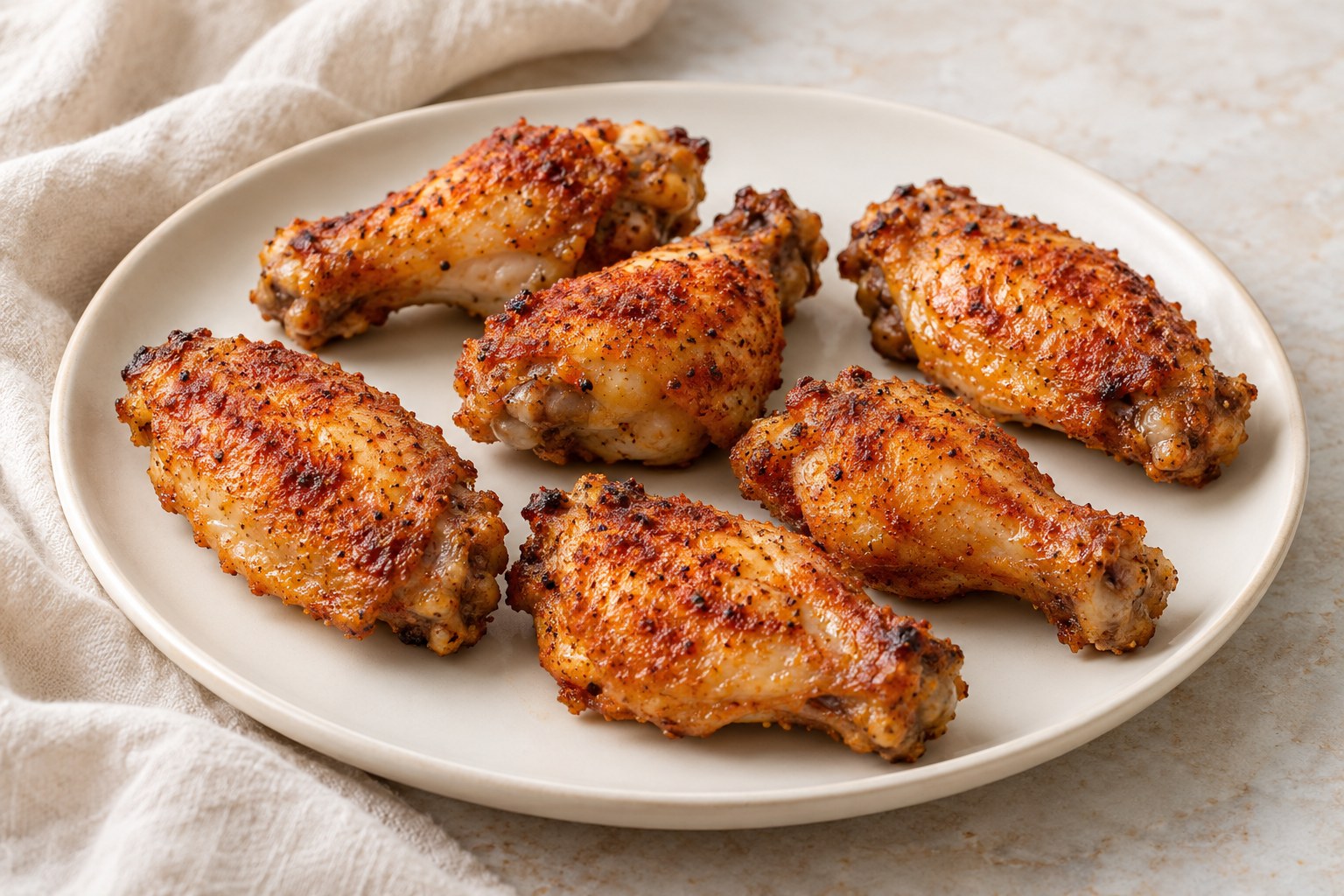
Dry the skin well and use the specified small amount of baking powder, which is not the same thing as baking soda. Leave room around every wing and turn as the recipe instructs.
For serving, toss in a prepared sauce only after cooking if you want to protect the crisp surface. A single full basket may need two runs.
Air Fryer Chicken Thighs
Recipe-card timing: 10 minutes preparation plus 20 minutes cooking. Main ingredients: Eight bone-in, skin-on thighs, olive oil, paprika and thyme.

The source recipe uses bone-in thighs, not boneless fillets. Its size and shape make the centre more important than how quickly the skin browns. Use a digital thermometer beside but not against the bone.
Pair thighs with a vegetable medley and a warm grain. They can be prepared in advance when cooled and stored safely.
Air Fryer Whole Chicken
Recipe-card timing: 15 minutes preparation plus 50 minutes cooking. Main ingredients: A 1.5 kg whole chicken, lemon, garlic and herbs.

A whole chicken is not automatically a sub-one-hour meal; the card alone lists 65 minutes of prep and cooking, before possible resting or basket checks. Check that the bird fits without touching the heating element or blocking airflow.
A whole bird needs the whole-poultry safe temperature, not the lower chicken-piece temperature. Make the leftovers into a meal only after proper cooling and refrigeration.
Air Fryer Chicken Breast
Recipe-card timing: 10 minutes preparation plus 12 minutes cooking. Main ingredients: Four boneless, skinless breasts, olive oil, paprika and oregano.

Choose breasts of similar thickness and do not assume the thin end and thick end finish together. A thermometer offers a better finish line than a promise of exactly twelve minutes.
Slice cooked breast for a meal bowl or salad; keep sauce separate until serving if meal-prepping.
Air Fryer Chicken Tenders
Recipe-card timing: 15 minutes preparation plus 12 minutes cooking. Main ingredients: Chicken strips, flour, egg, panko crumbs and herbs.

These tenders use a three-stage coating with wheat and egg; they are not unbreaded chicken pieces. Apply the coating evenly, use the oil as directed, and avoid stacking the strips.
Serve with vegetables and a dipping sauce. Check allergen labels when cooking for a school or family gathering.
Air Fryer Chicken Nuggets
Recipe-card timing: 15 minutes preparation plus 10 minutes cooking. Main ingredients: Diced chicken breast, panko, flour, eggs and paprika.
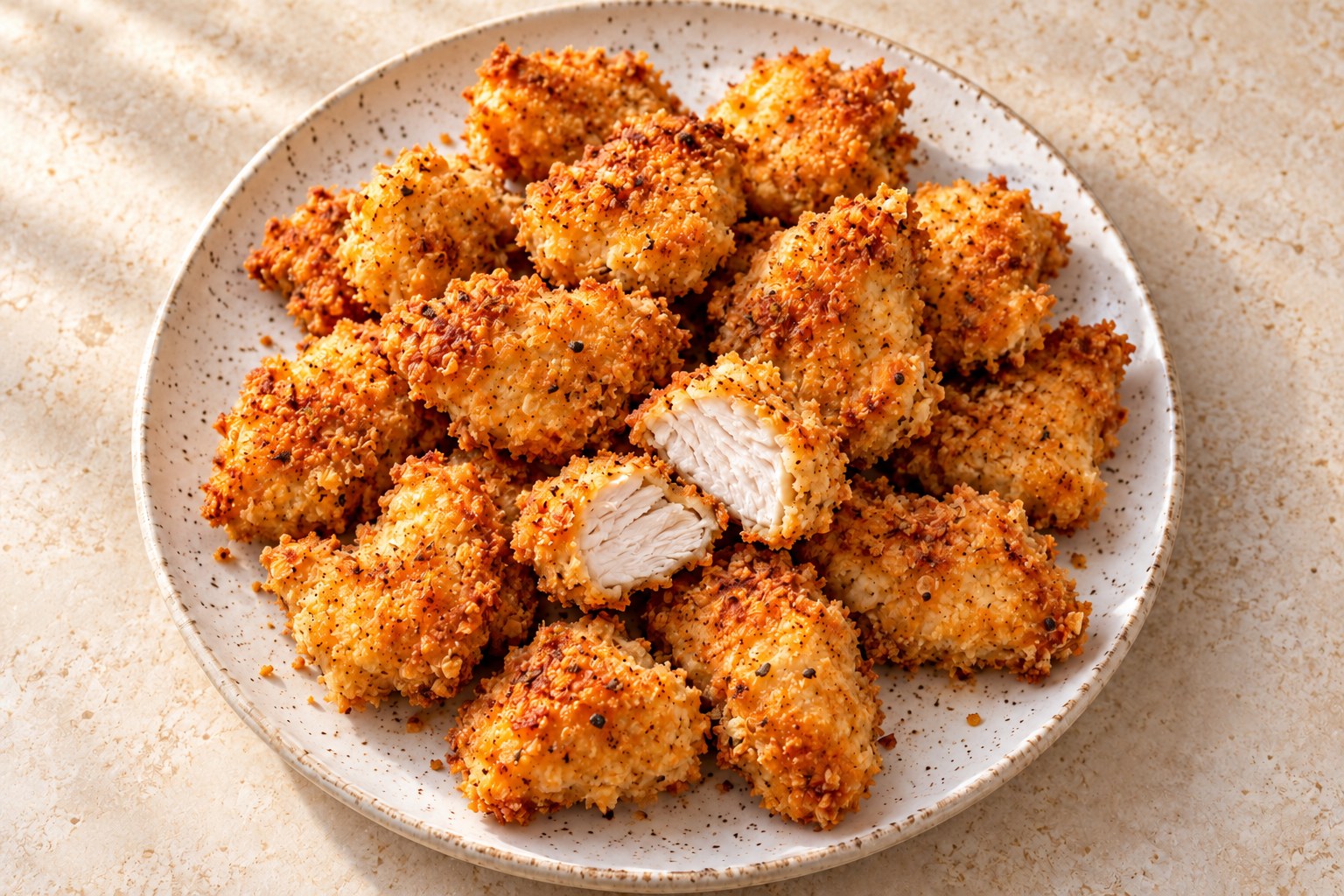
Homemade nuggets must cook all the way through despite their small size. Keep pieces similarly sized and allow air around the coating. Do not treat frozen store-bought nuggets as having the same directions.
A practical make-ahead dish for family meals, but check the temperature of cooked poultry before serving.
Air Fryer Chicken Parmesan
Recipe-card timing: 15 minutes preparation plus 12 minutes cooking. Main ingredients: Chicken breast, flour, eggs, panko, Parmesan, marinara and mozzarella.

This is a layered, sauced chicken dish with dairy, wheat and egg, not a plain lean-protein recipe. Crisp the coated chicken at the proper stage, then add marinara and melting cheese following the source instructions.
Enjoy it with a salad or another compatible side. Adding sauce early may soften the coating.
Air Fryer Fried Chicken
Recipe-card timing: 15 minutes preparation plus 25 minutes cooking. Main ingredients: Skin-on drumsticks and thighs, buttermilk, flour and seasoning.
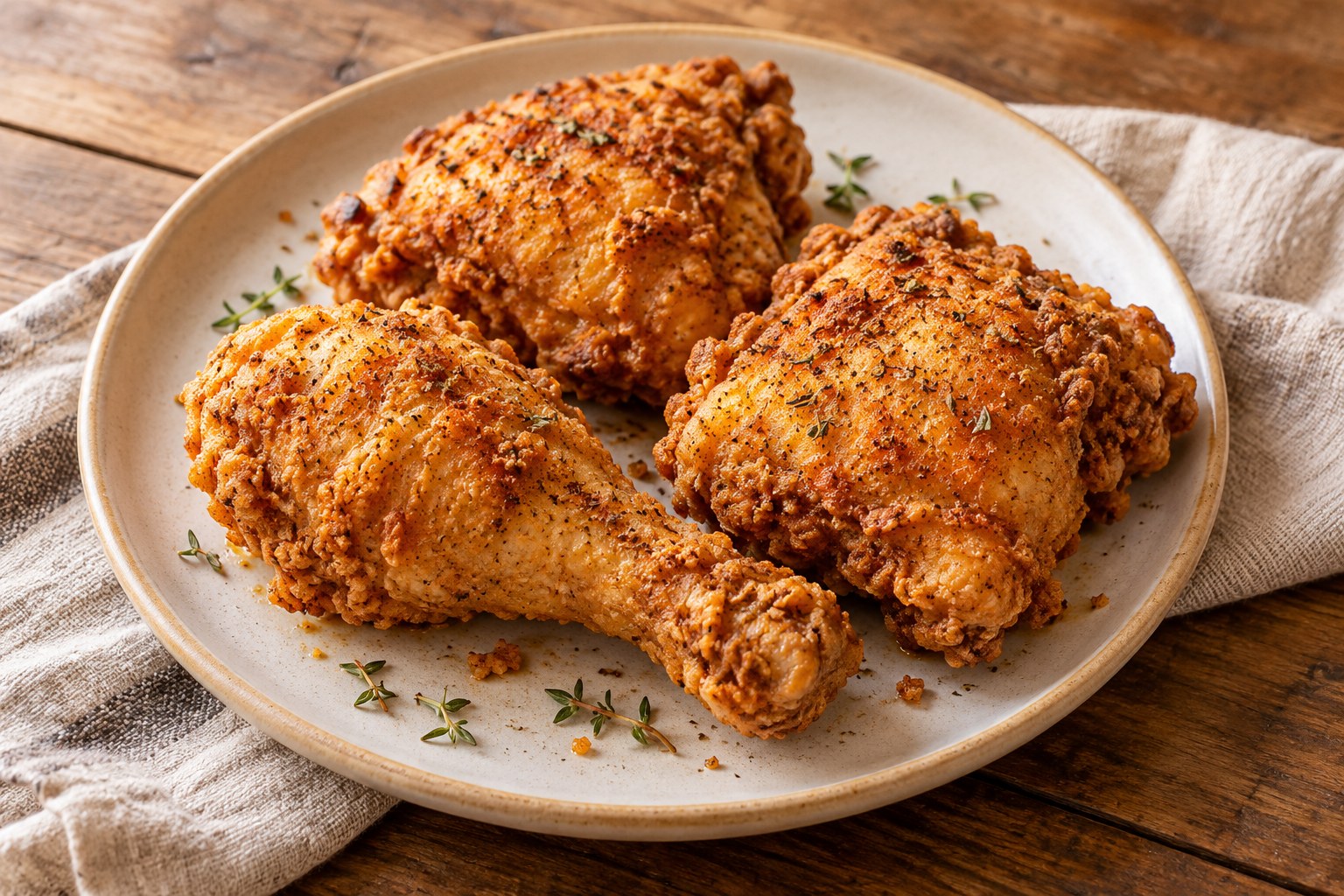
The published recipe uses skin-on chicken pieces with buttermilk and flour. Calling these boneless tenders would change the timing, coating and safety check. Brown coating is not proof the bone-in meat is done.
Plan at least 40 minutes from the listed prep and cook times, plus any resting and batches.
Air Fryer Buffalo Wings
Recipe-card timing: 15 minutes preparation plus 25 minutes cooking. Main ingredients: Chicken wings, baking powder, hot sauce, butter and honey.
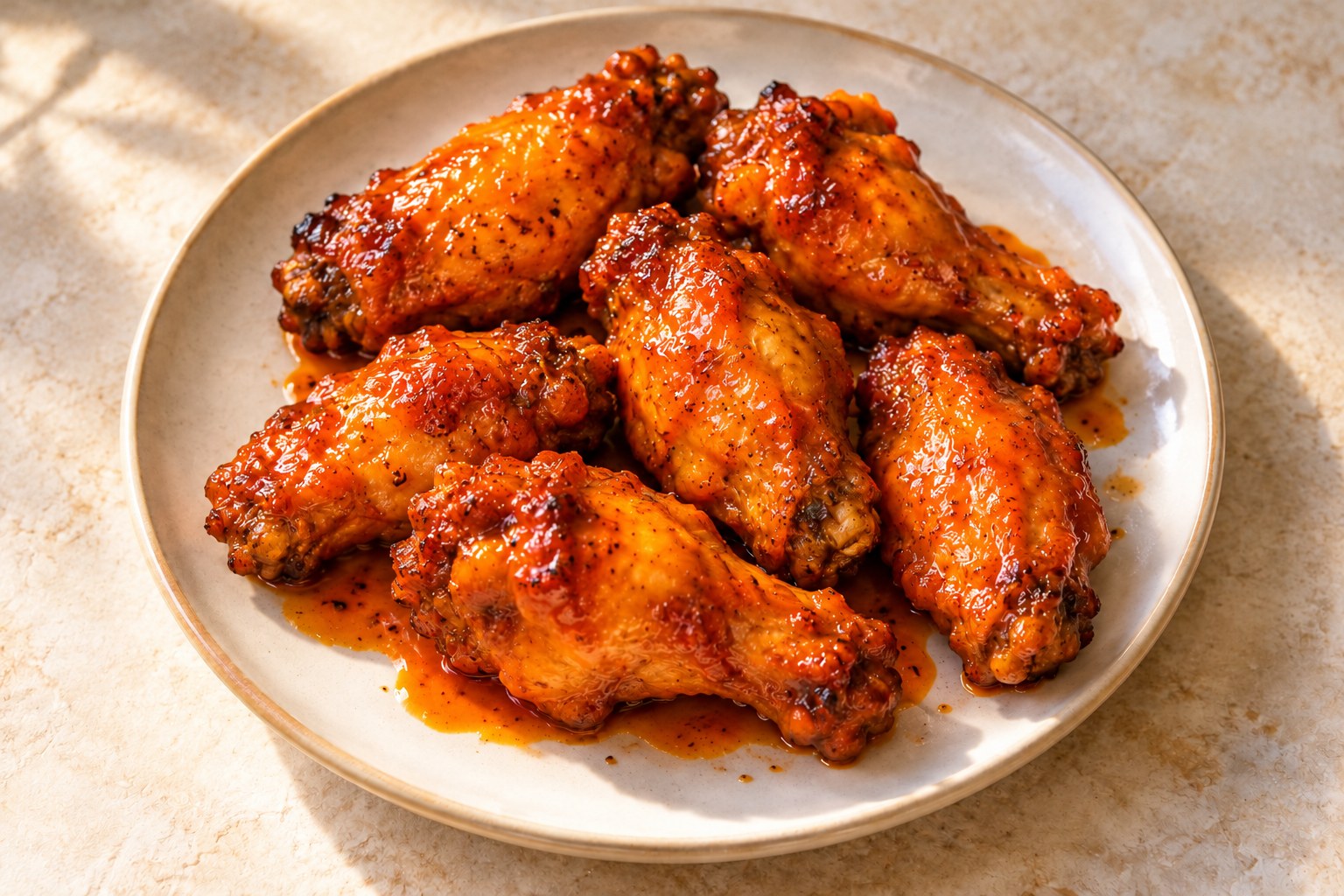
Buffalo wings differ from the plain wings recipe because its sauce contains butter and honey. Toss with sauce at the stage specified; coating them early can change texture.
Serve with celery and a cooling dip if desired. Do not describe this recipe as sugar-free or dairy-free as written.
Air Fryer Chicken Drumsticks
Recipe-card timing: 10 minutes preparation plus 20 minutes cooking. Main ingredients: Eight drumsticks, olive oil, paprika, garlic and thyme.
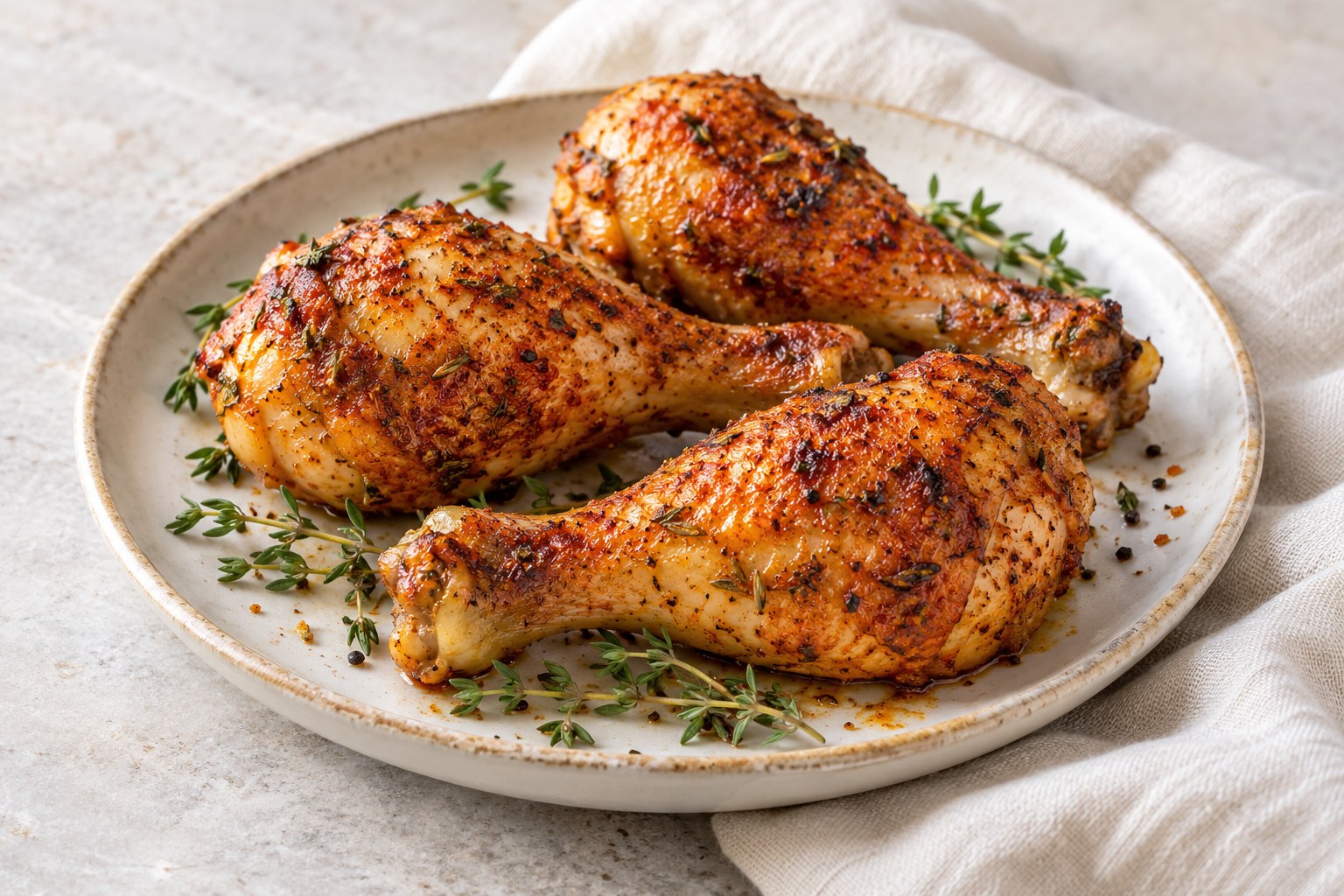
A single jointed cut is simple to portion and season, but one thick drumstick can lag behind another. Position pieces with space for circulation and probe the meatiest area away from the bone.
Use as a straightforward family main. Include a prepared vegetable and grain for a full dinner.
Fish and shellfish: Verified air-fryer recipe choices
The links below lead to existing What's Baking? recipes. Use the exact recipe page for appliance settings, ingredients and detailed instructions; this companion guide concentrates on planning, timing and technique.
Air Fryer Salmon
Recipe-card timing: 10 minutes preparation plus 12 minutes cooking. Main ingredients: Four salmon fillets, lemon, garlic, dill and olive oil.

Salmon can dry out when held in a hot basket after cooking. Prepare sides first, pat the skin dry if included, and keep portions similar in thickness.
The recorded method is a lemon-dill preparation. It does not include a maple glaze unless you deliberately use a separately tested variation.
Air Fryer Shrimp
Recipe-card timing: 10 minutes preparation plus 8 minutes cooking. Main ingredients: Peeled raw shrimp, olive oil, paprika, lemon and optional cayenne.
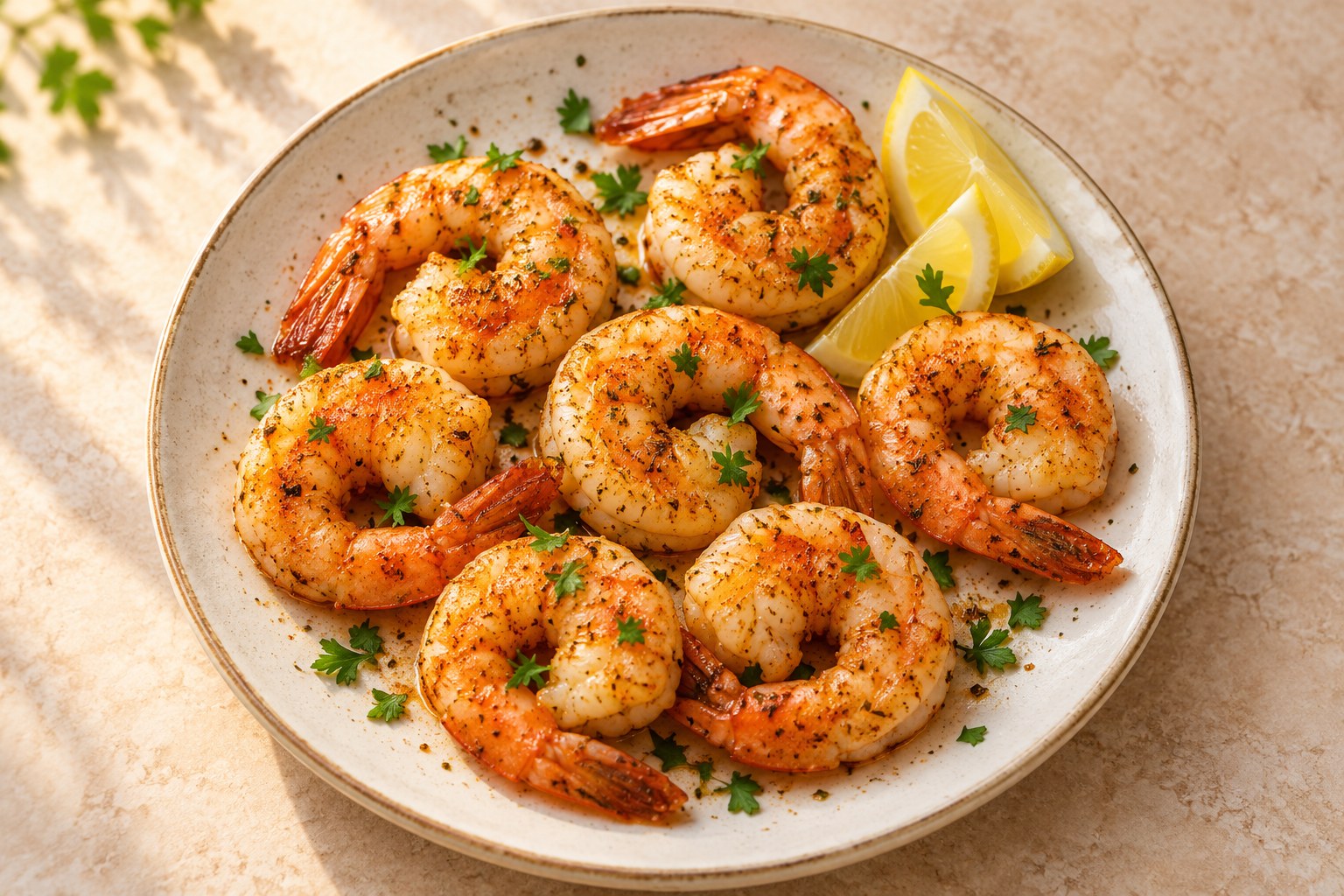
Shrimp cook rapidly and can become chewy if left too long. Spread them rather than piling them into the basket, and use safe shellfish-doneness guidance.
Serve with a grain bowl or salad. Shrimp are a crustacean allergen; shared utensils and baskets require careful cleaning.
Air Fryer Fish Fillets
Recipe-card timing: 10 minutes preparation plus 12 minutes cooking. Main ingredients: White fish, flour, eggs, panko and seasonings.
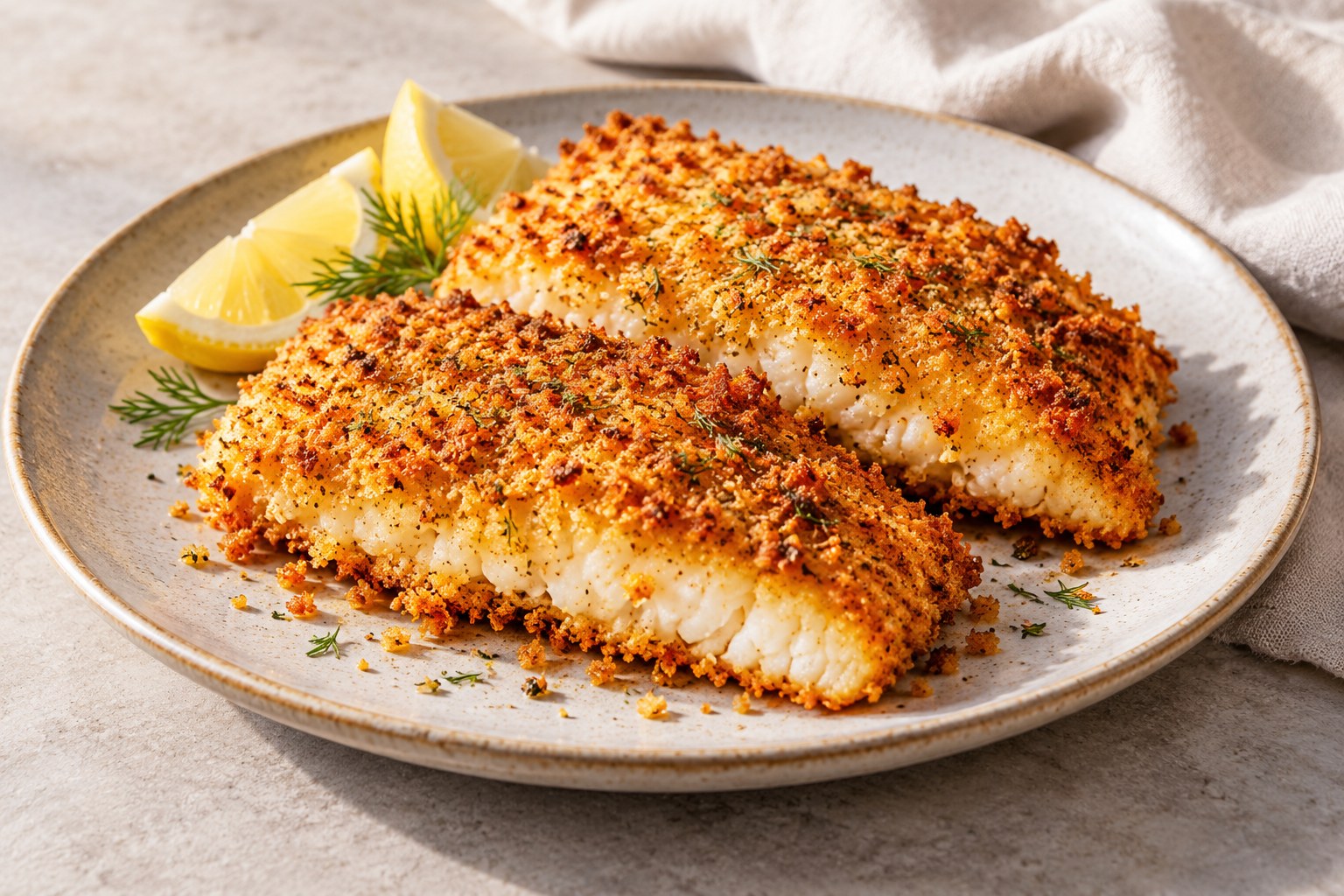
The source recipe is for breaded cod, haddock or tilapia; it contains wheat and egg. The coating creates crunch but changes calories and dietary suitability compared with uncoated fish.
Keep fillets evenly sized and remove gently to protect the crumb. Do not confuse this with the distinct plain tilapia recipe.
Air Fryer Tilapia
Recipe-card timing: 10 minutes preparation plus 12 minutes cooking. Main ingredients: Tilapia, olive oil, garlic, paprika and optional panko.
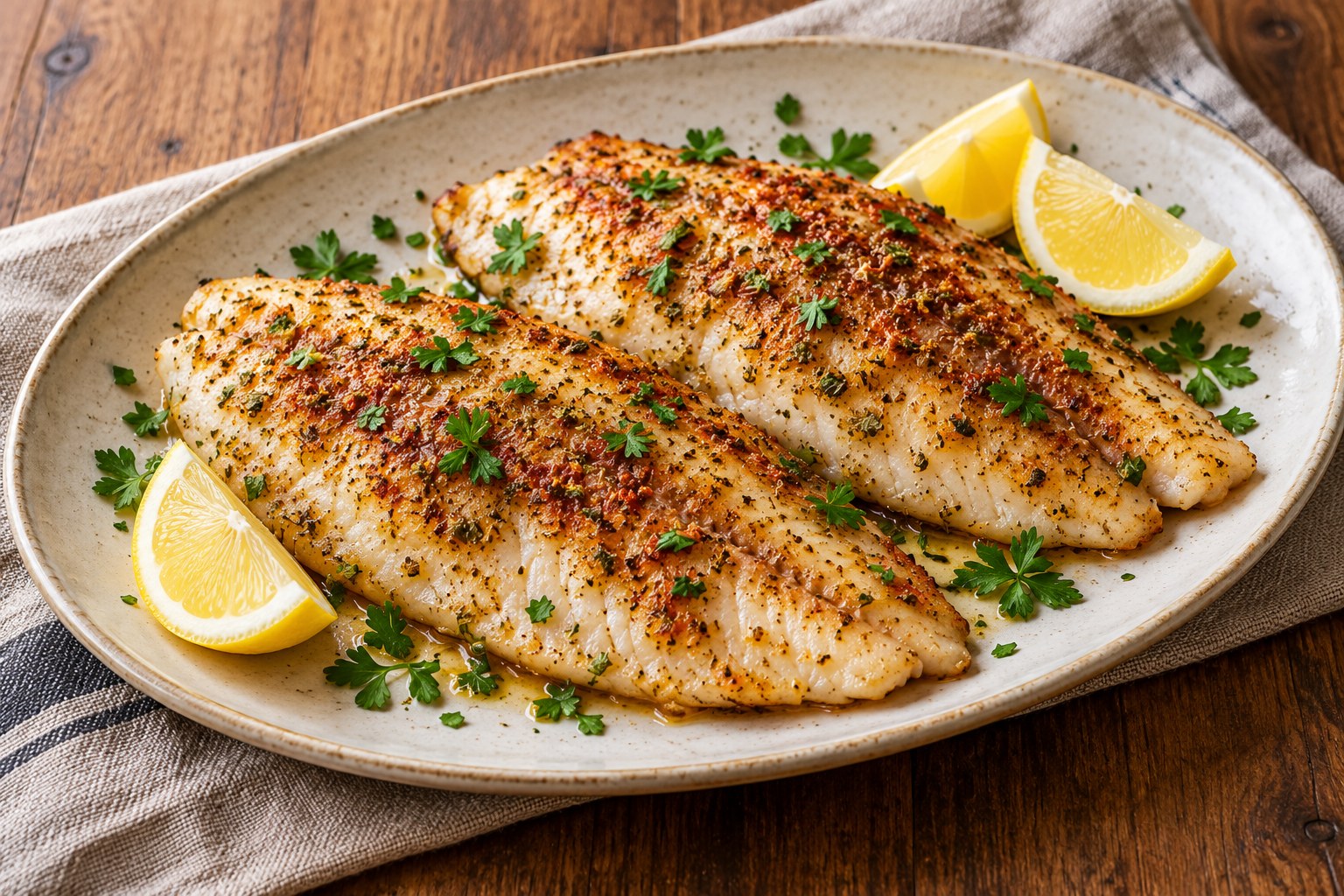
This tilapia can be cooked simply seasoned, with panko as an optional finish. That optional breadcrumb matters for gluten restrictions.
Serve with lemon and a vegetable side; do not overhandle delicate cooked fish.
Air Fryer Catfish
Recipe-card timing: 15 minutes preparation plus 12 minutes cooking. Main ingredients: Catfish, cornmeal, plain flour, eggs, milk and Cajun spices.
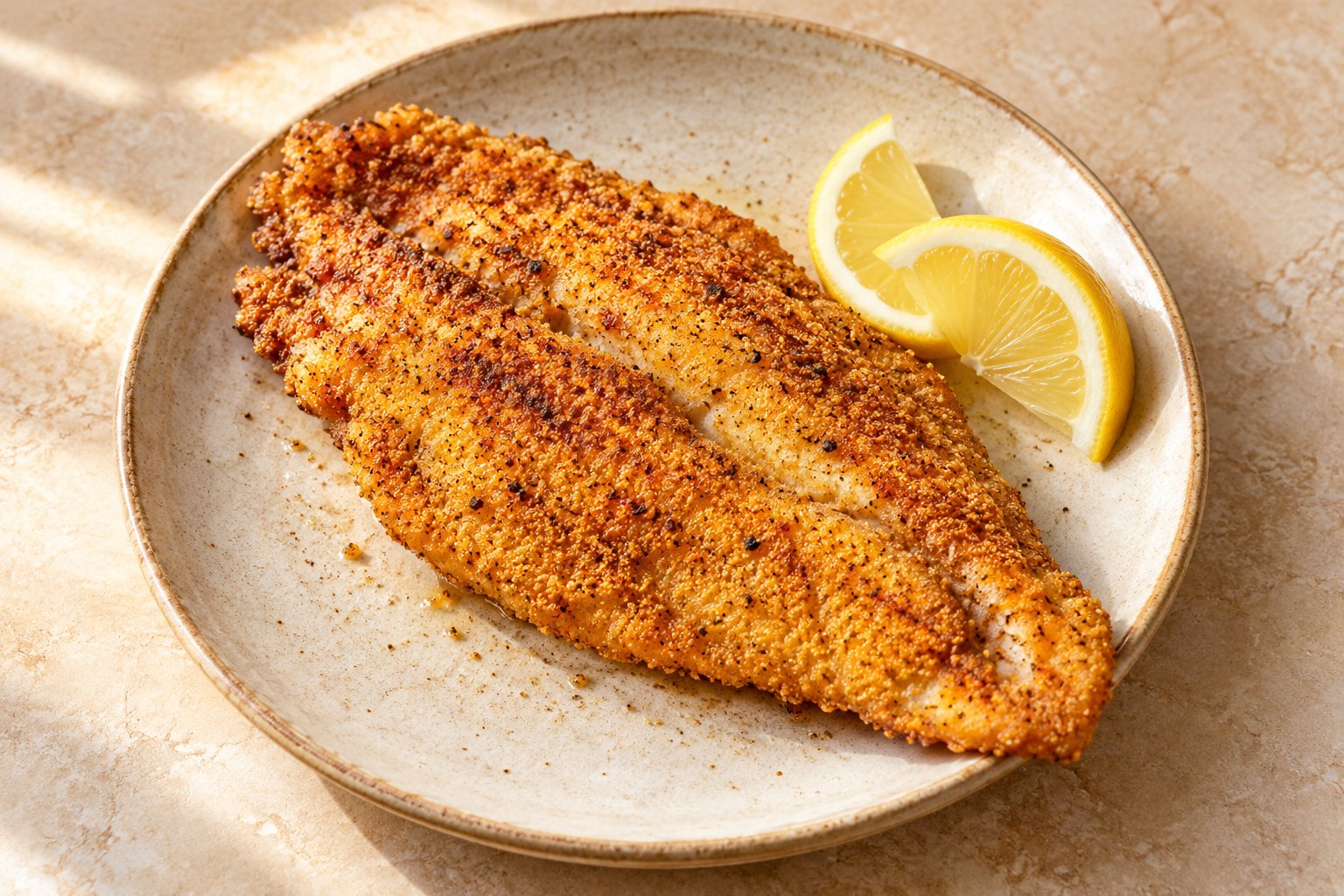
This is not a cornmeal-only fish recipe. The flour, eggs and milk in its coating should be highlighted for guests who avoid those ingredients.
Crisp the coating in a single layer and check the centre rather than relying only on colour.
Air Fryer Crab Cakes
Recipe-card timing: 20 minutes preparation plus 12 minutes cooking. Main ingredients: Crabmeat, panko, mayonnaise, egg, mustard and herbs.
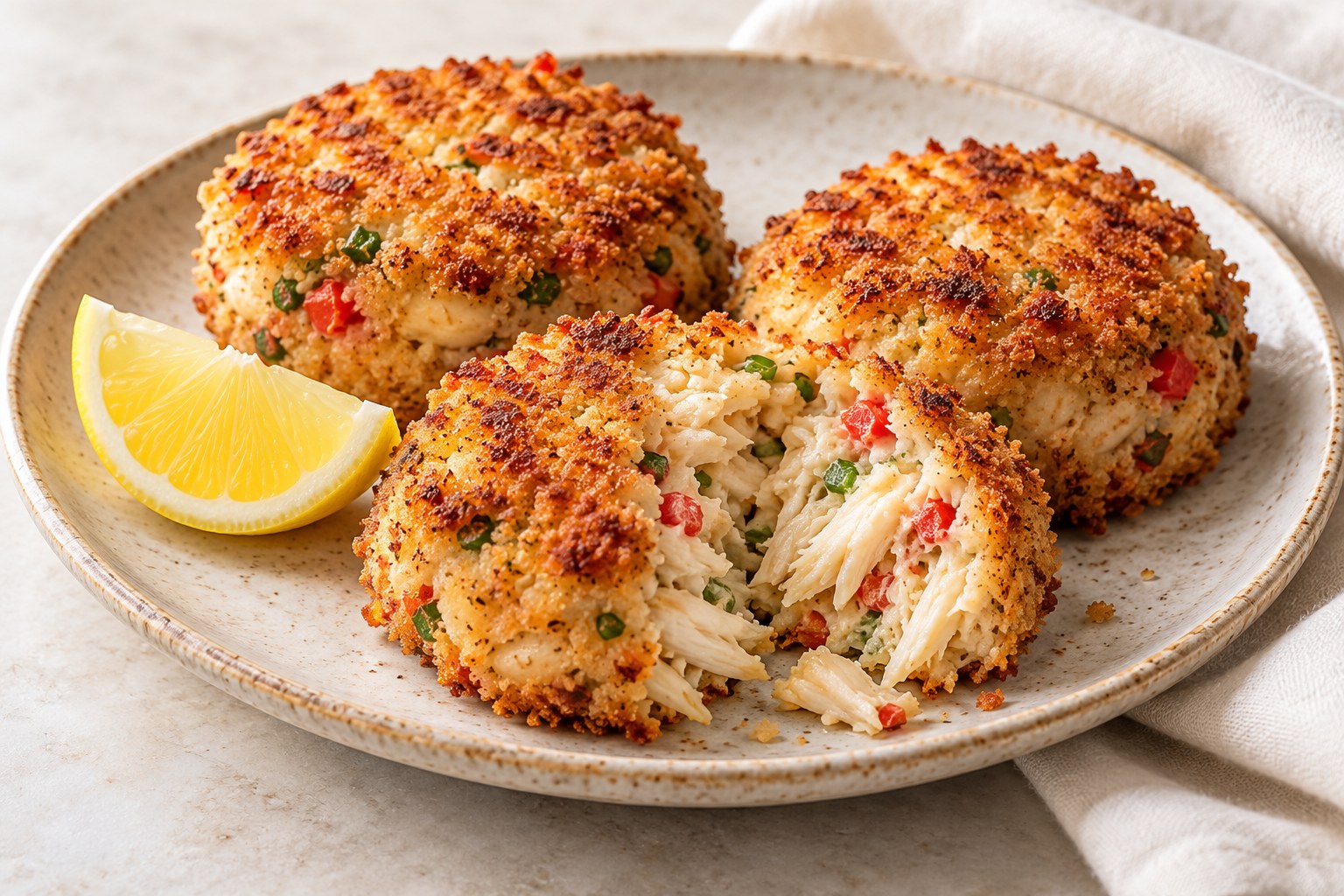
Crab cakes are delicate and have several common allergens: shellfish, wheat and egg. Shape consistently and chill if the recipe calls for it; avoid making them too thin to transfer.
They are excellent as a smaller seafood main with salad. The listed 32 minutes already exceeds a 30-minute promise.
Beef and pork: Verified air-fryer recipe choices
The links below lead to existing What's Baking? recipes. Use the exact recipe page for appliance settings, ingredients and detailed instructions; this companion guide concentrates on planning, timing and technique.
Air Fryer Steak
Recipe-card timing: 15 minutes preparation plus 12 minutes cooking. Main ingredients: Two ribeye steaks, oil, herbs and garlic butter.
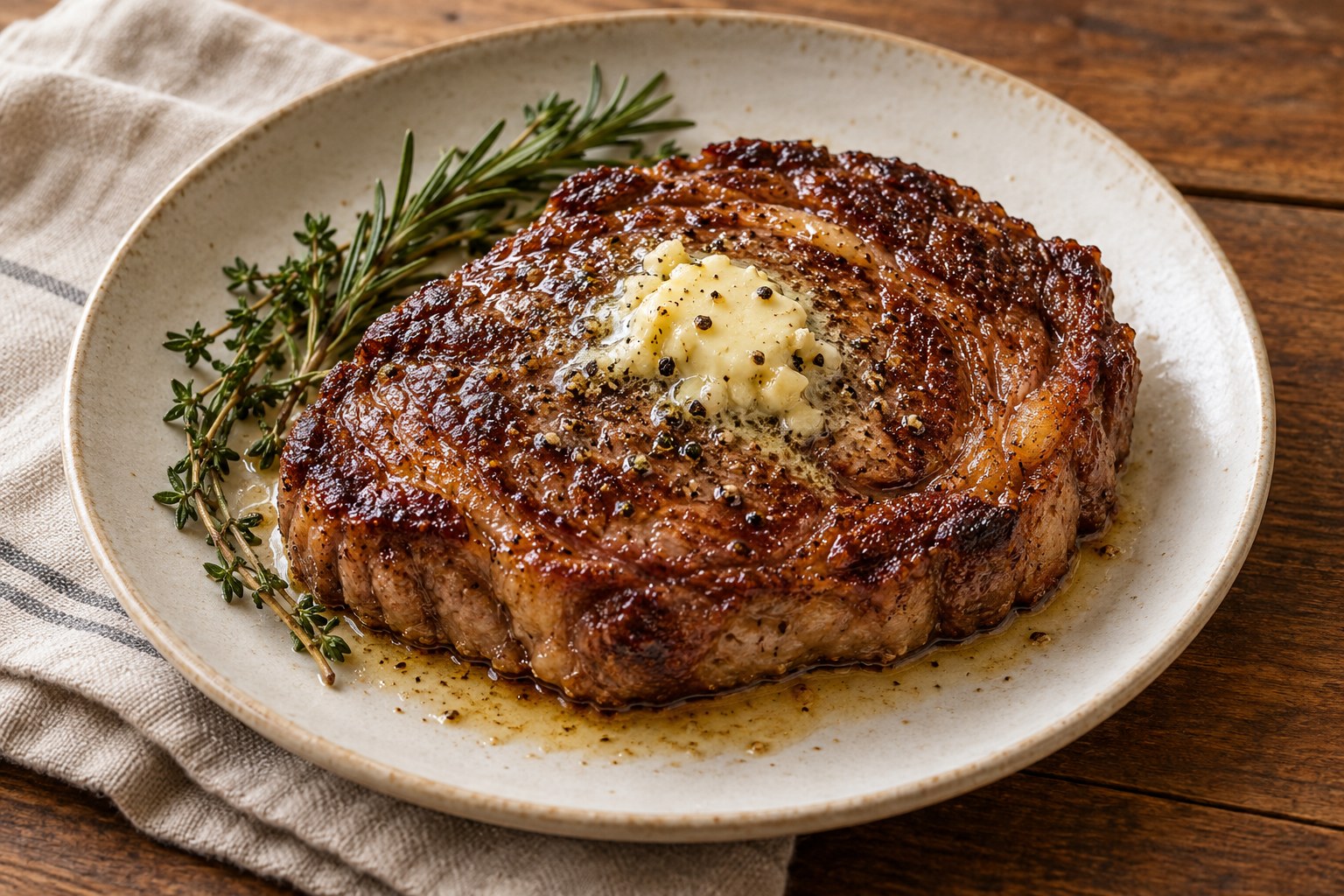
The full source method includes a tempering step before cooking, so the displayed 27-minute prep-plus-cook total is not necessarily the entire elapsed time. Thickness matters and colour is an unreliable safety measure.
Serve with vegetables and let the steak rest appropriately. Do not assume air frying creates true grill marks.
Air Fryer Steak Bites
Recipe-card timing: 15 minutes preparation plus 8 minutes cooking. Main ingredients: Cubed sirloin or ribeye, olive oil, rosemary and butter.
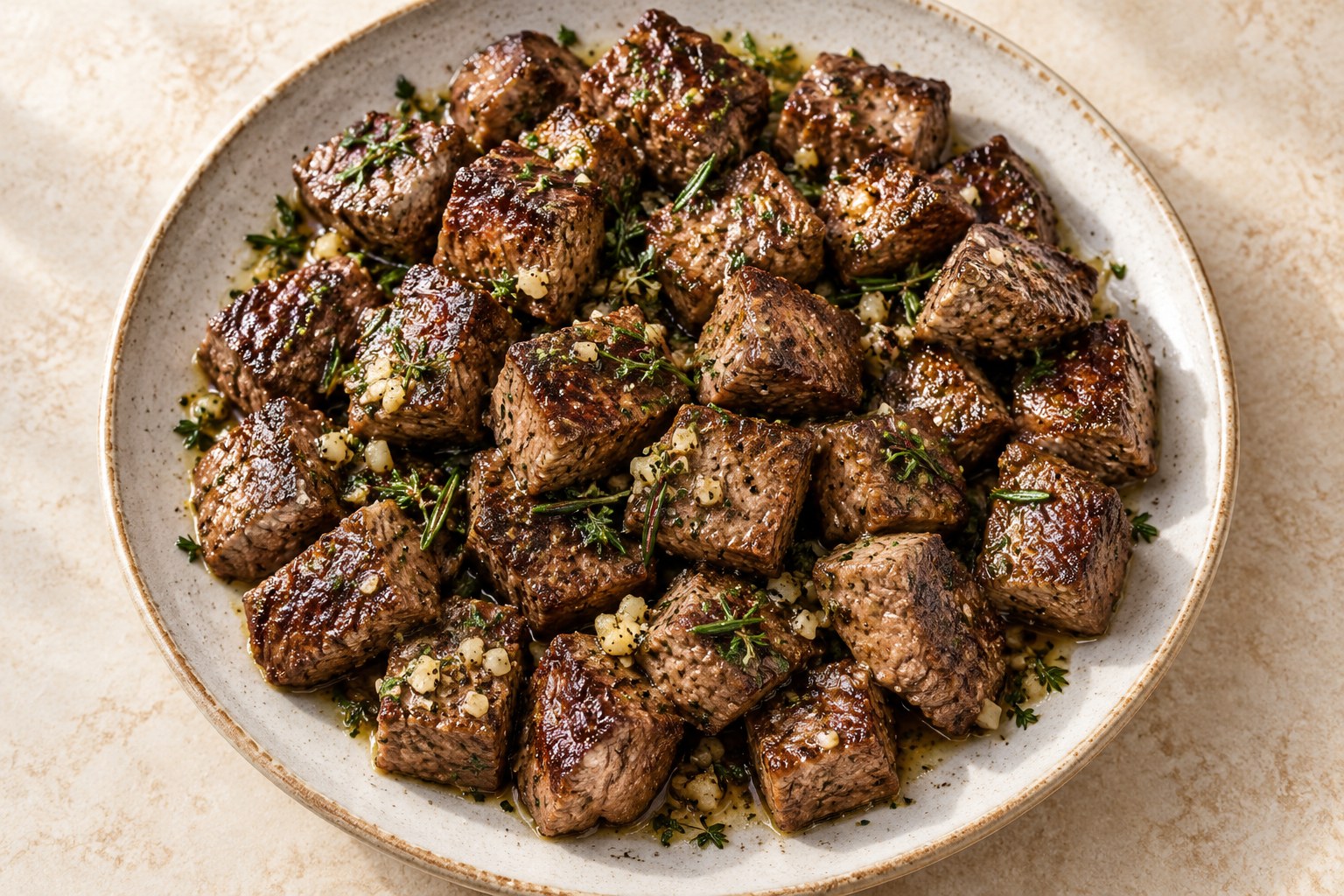
Small cubes brown quickly, so uniform size and an uncrowded basket are essential. They are not guaranteed done in six minutes; the published card lists eight minutes of cooking.
Add garlic or butter as the instructions specify. Steak bites pair with a pre-cooked grain and roasted vegetables.
Air Fryer Hamburgers
Recipe-card timing: 15 minutes preparation plus 12 minutes cooking. Main ingredients: Ground beef, seasonings, buns, cheese and vegetables.
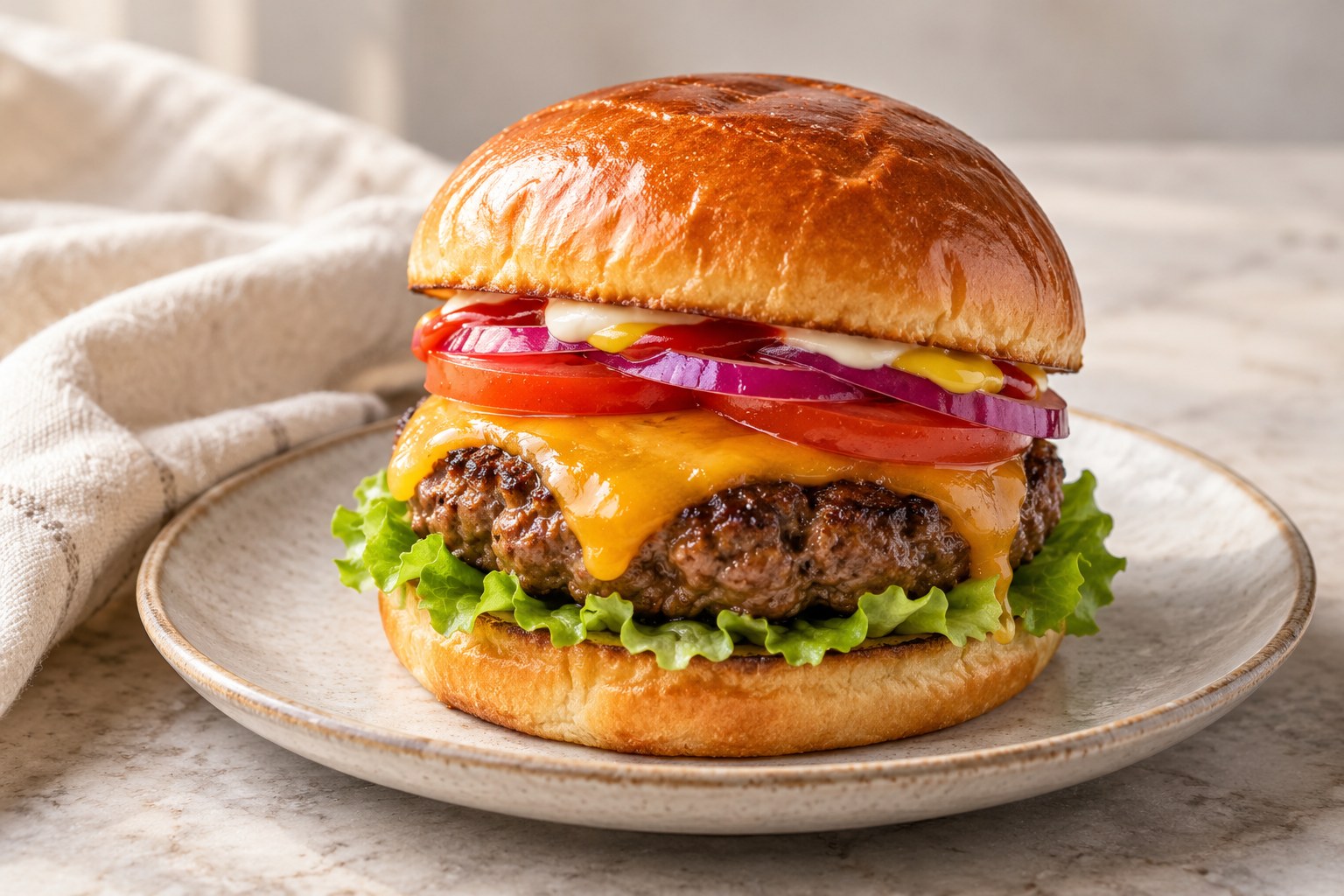
Ground beef requires a different safe internal temperature from an intact steak. Insert the thermometer from the side toward the centre of the patty; outside colour and juices can mislead.
Buns, cheese and condiments are part of the published meal and should be counted for allergens and ingredients.
Air Fryer Pork Chops
Recipe-card timing: 10 minutes preparation plus 12 minutes cooking. Main ingredients: Four boneless pork chops, olive oil and simple herbs.
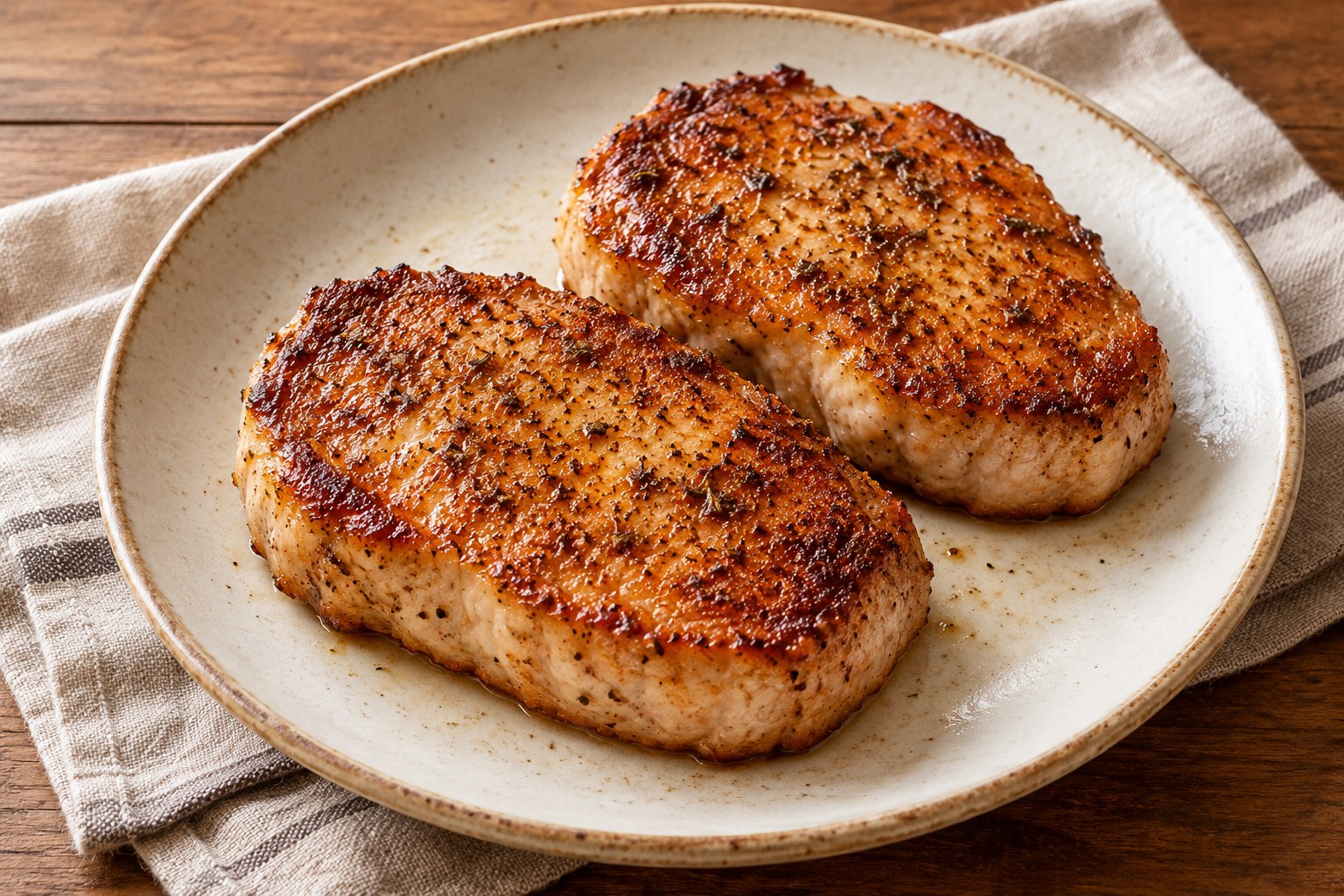
The recipe uses boneless chops, not bone-in cuts. Trim evenly, season, and probe the thickest chop. Pork needs its own current safe cooking temperature.
Serve with potatoes or a crisp salad. Brief resting can help maintain an appealing texture.
Air Fryer Bacon
Recipe-card timing: 2 minutes preparation plus 8 minutes cooking. Main ingredients: Eight bacon slices.
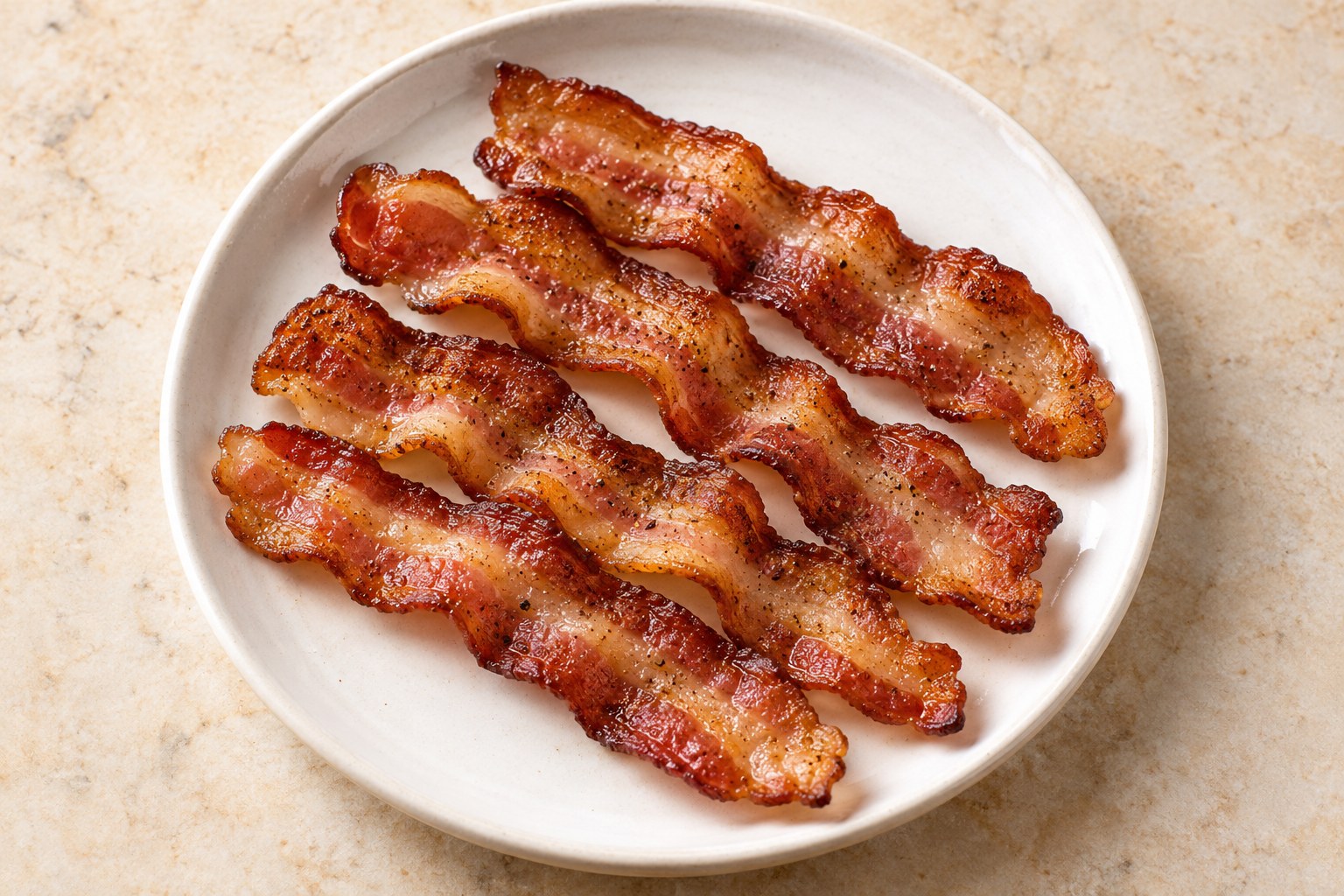
Bacon is a topping or breakfast component, not the equivalent of a balanced, high-protein dinner. Rendered fat and cooking fumes also require attention to the manufacturer cleaning instructions.
Use modest portions as a garnish and avoid claiming that air-frying removes sodium or makes processed meat inherently healthy.
Air Fryer Ham Steak
Recipe-card timing: 5 minutes preparation plus 10 minutes cooking. Main ingredients: A fully cooked ham steak, honey, brown sugar and mustard.
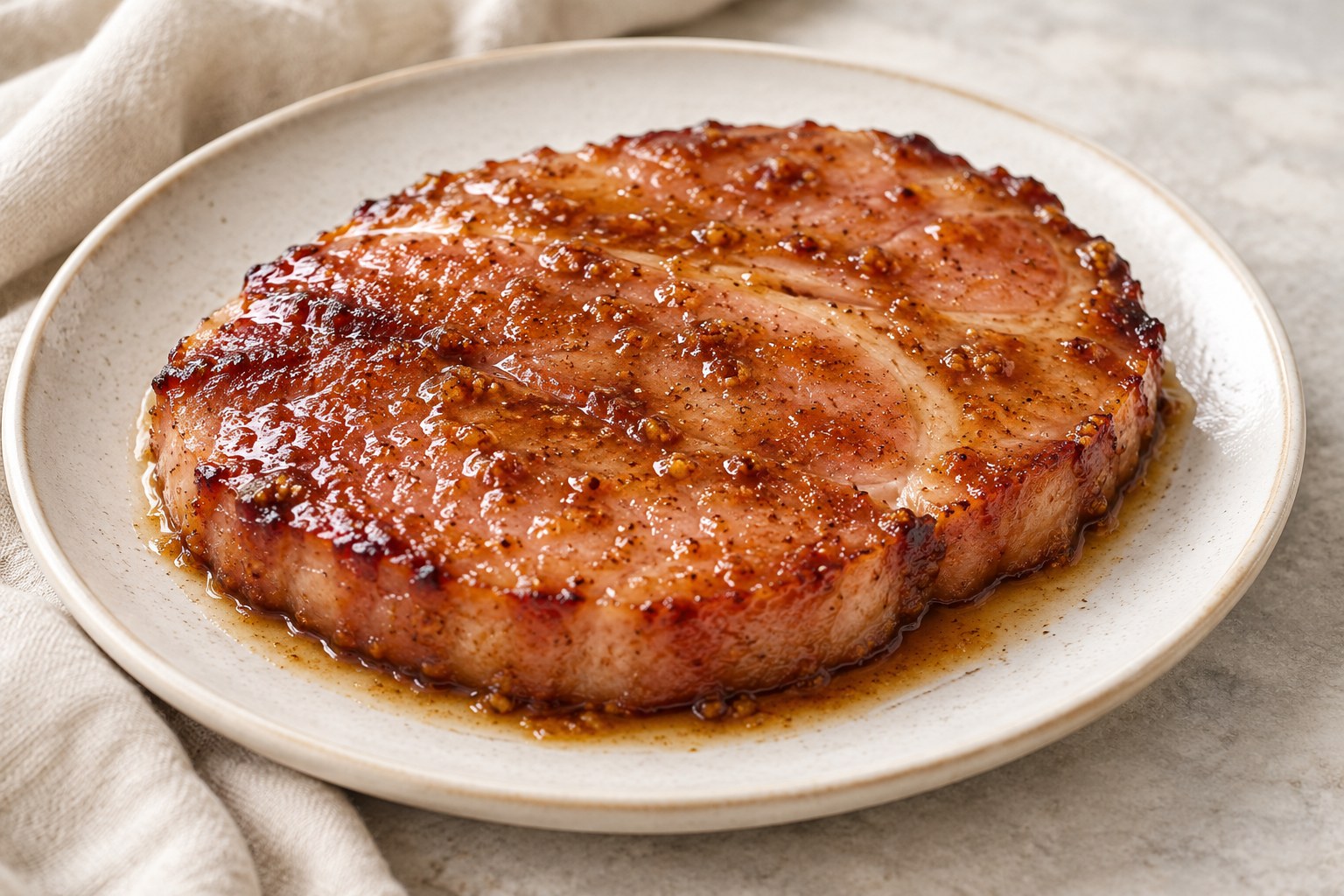
This recipe starts with a fully cooked ham steak and includes a sweet glaze. The label and handling directions matter, especially when another ham product needs cooking rather than reheating.
It is a convenient quick main with green vegetables; note added sugars from honey and brown sugar.
Other savoury proteins: Verified air-fryer recipe choices
The links below lead to existing What's Baking? recipes. Use the exact recipe page for appliance settings, ingredients and detailed instructions; this companion guide concentrates on planning, timing and technique.
Air Fryer Turkey Burgers
Recipe-card timing: 15 minutes preparation plus 12 minutes cooking. Main ingredients: Ground turkey, grated zucchini and carrot, breadcrumbs and egg.

The vegetables can help keep the mixture moist, but the patty is still raw ground poultry and must reach poultry safe internal temperature. Flour or bread allergens can arise from the crumbs and bun.
Check doneness at the centre, not the shade of the browned exterior, and keep uncooked patties chilled.
Air Fryer Lamb Chops
Recipe-card timing: 10 minutes preparation plus 12 minutes cooking. Main ingredients: Eight lamb rib chops, garlic, rosemary, lemon and oil.
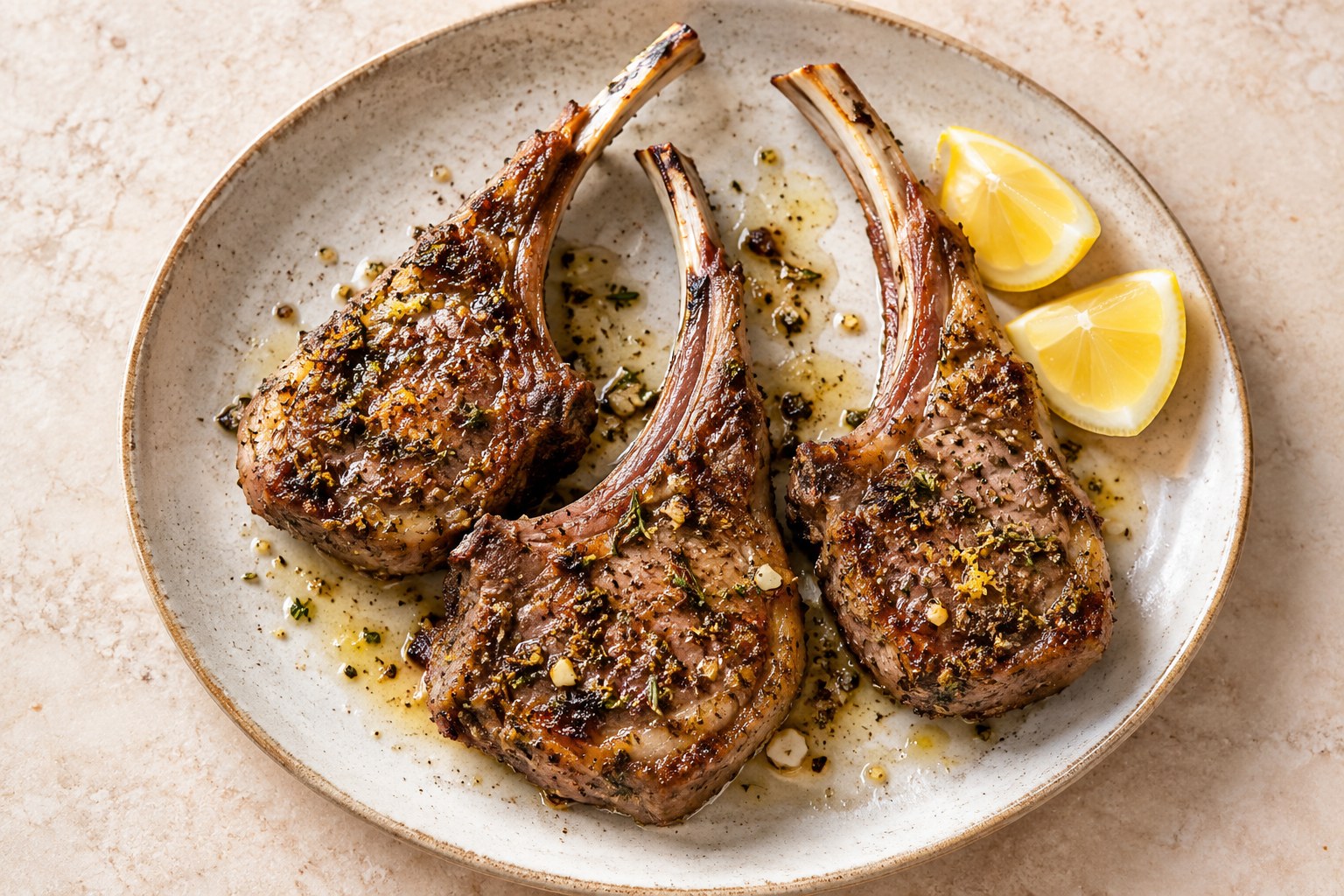
These are lamb rib chops, not a large boneless joint. Cook times change with chop thickness and starting temperature. Keep oil and herbs from smoking excessively.
Pair with a grain or salad and probe according to the appropriate whole-cut temperature guidance.
Air Fryer Meatballs
Recipe-card timing: 15 minutes preparation plus 12 minutes cooking. Main ingredients: Ground beef and pork, egg, breadcrumbs, Parmesan, onion and herbs.

The source recipe is a beef-and-pork mixture containing eggs, wheat and dairy. Meatballs are ground meat, so use the ground-meat safe temperature, not the intact steak figure.
Keep meatballs uniform for even cooking. Serve with sauce, vegetables or pasta, and freeze planned leftovers promptly.
Four dependable companions for an actual dinner
A protein dish is only one part of the meal. A vegetable, starch or bean-based side helps the dinner feel complete without requiring a complicated second entrée. These four recipes were linked in the original article and have been verified in Webflow's Recipes CMS. The last two are not air-fryer recipes; they are included because they pair well with air-fried foods.
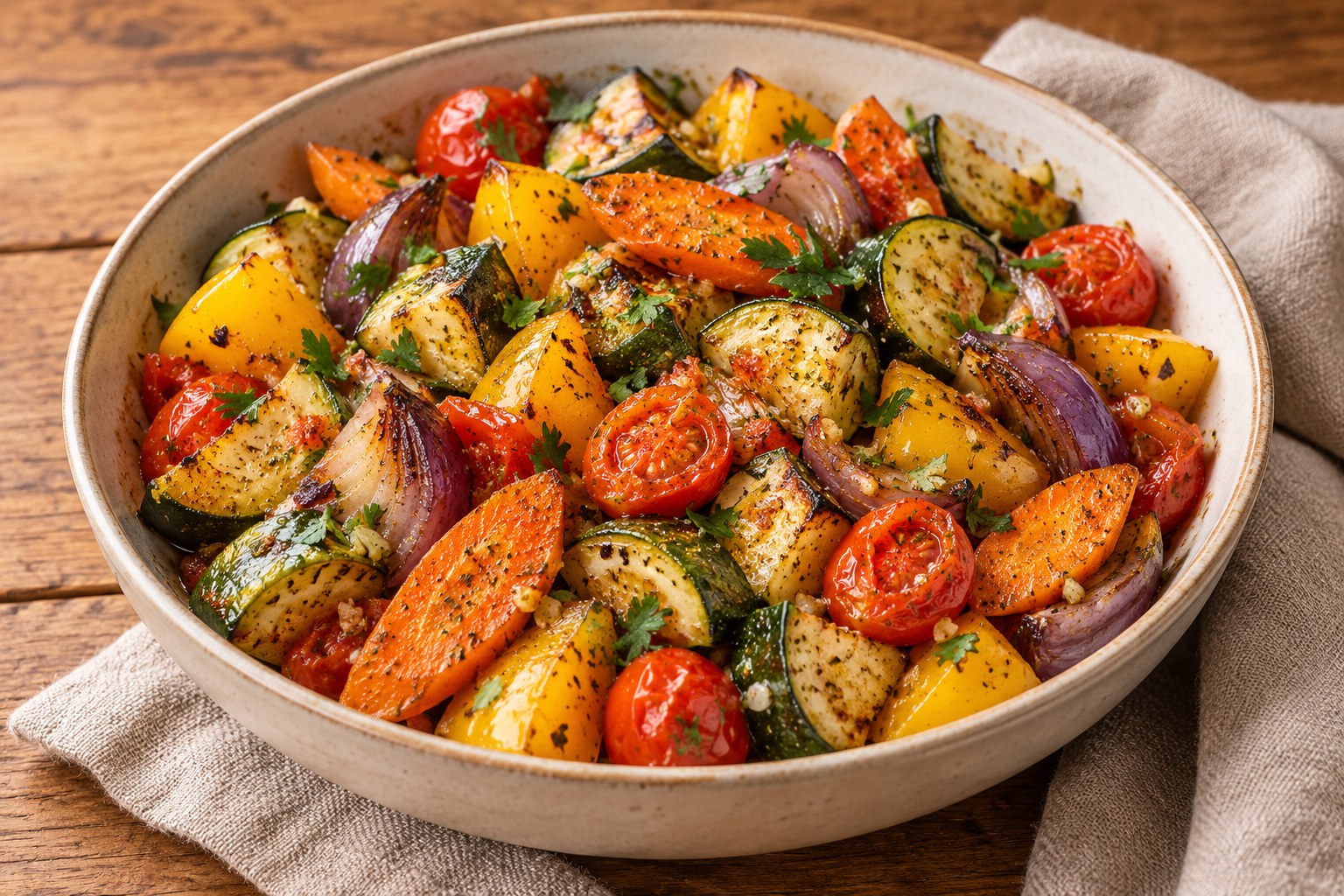
Air Fryer Veggie Medley
What is in it: zucchini, peppers, carrots, tomatoes and onion. This is a flexible vegetable companion, not another meat recipe. Use even pieces and avoid flooding the basket with liquid.
Air Fryer Potato Wedges
What is in it: russet potatoes, oil, garlic and rosemary. Wedges can cook while protein rests, but larger batches may need separate cycles. Plan for ten minutes of preparation and twenty minutes of cooking.

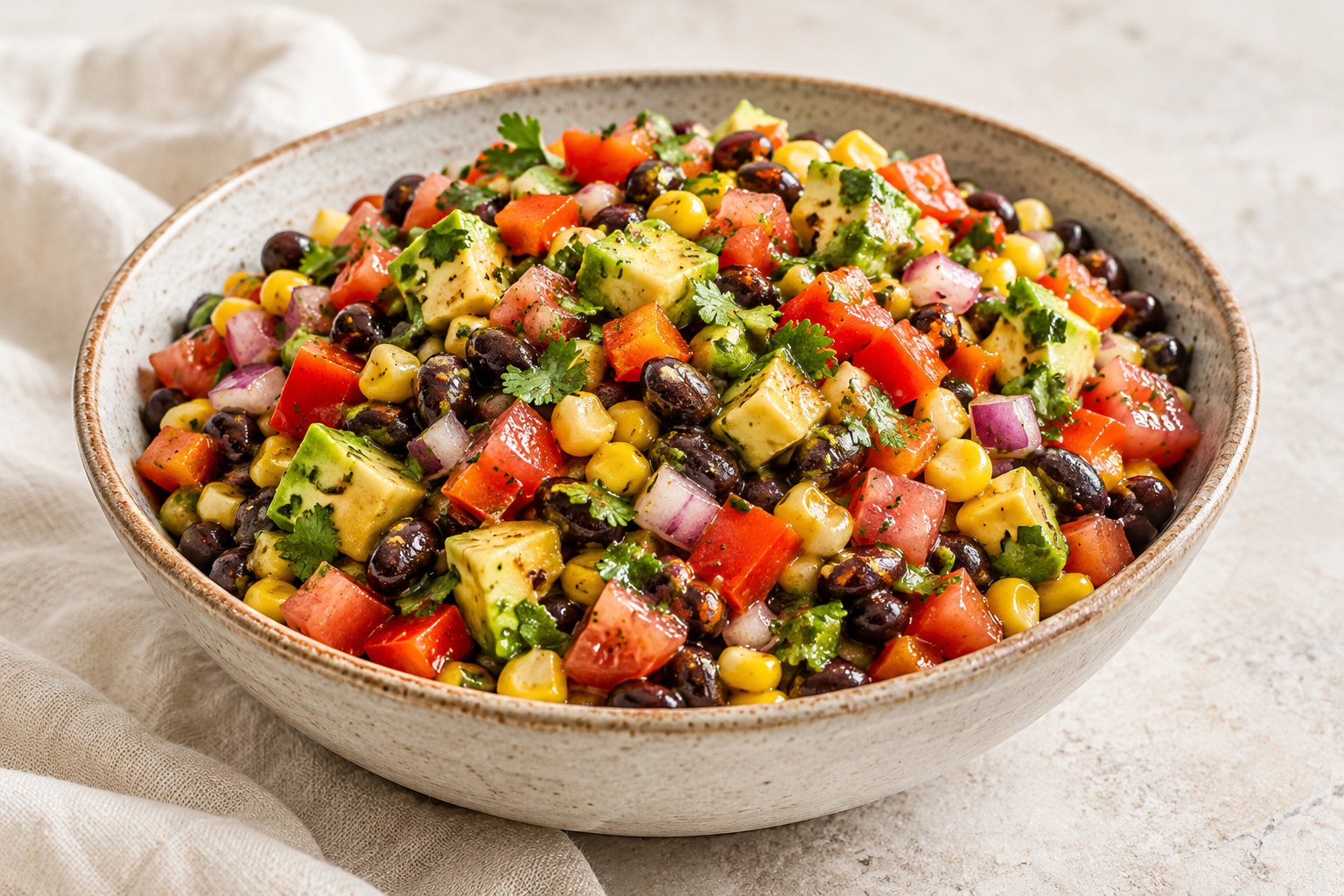
Black Bean and Corn Salad
What is in it: beans, corn, avocado, tomato, lime and herbs. This is a no-cook bowl with plant protein and fibre; it is not an air-fryer dish. Serve chilled and refrigerate leftovers appropriately.
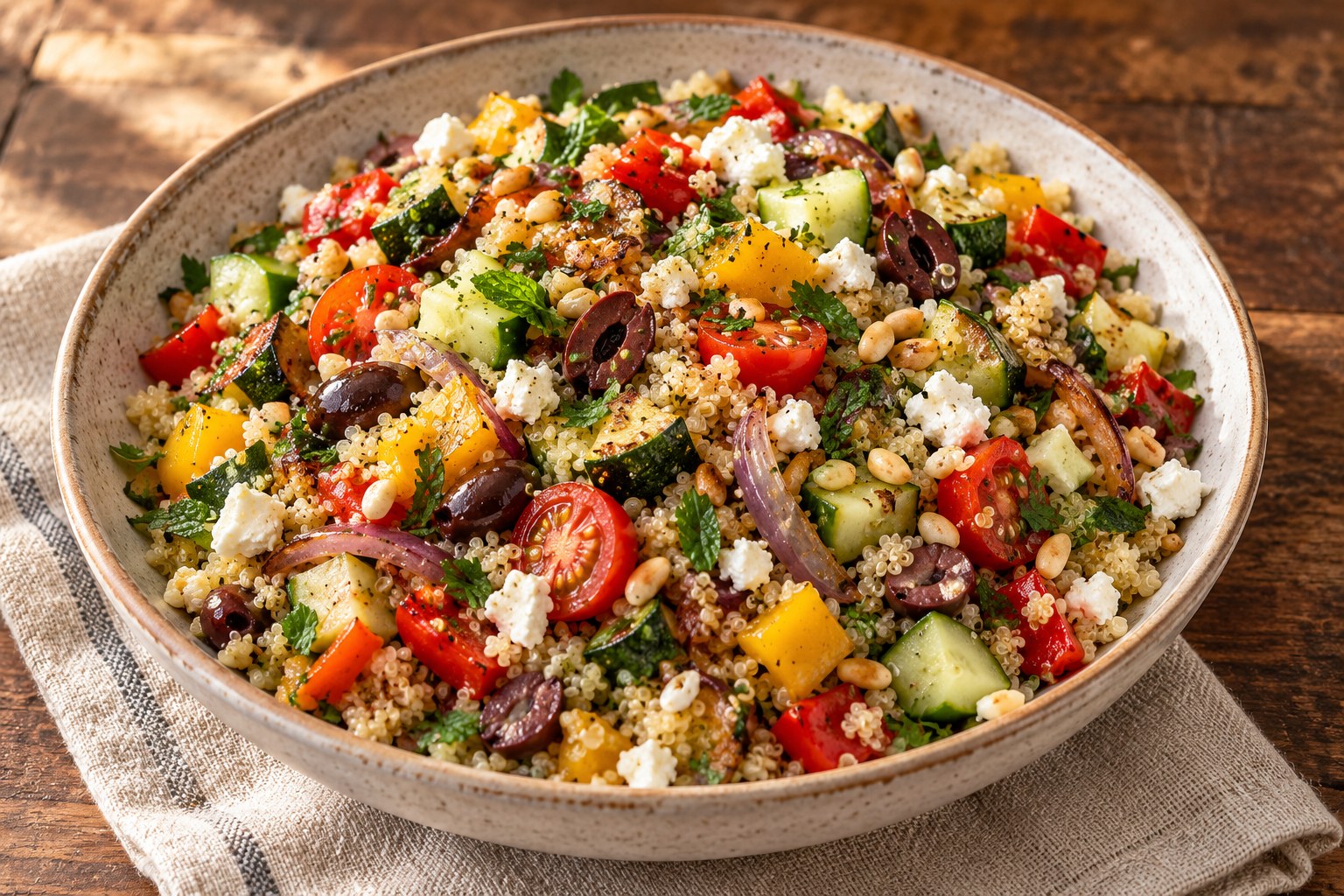
Mediterranean Quinoa Bowl
What is in it: quinoa, vegetables, feta, olives, pine nuts and lemon. A full grain-based accompaniment rather than something cooked only in an air fryer. The published method includes cooking quinoa; check dairy and nut allergens.
Match the cooking method to the food rather than forcing one setting
The fastest approach is not always the hottest approach. Delicate fish can dry out, breaded chicken can brown before its thickest section is ready, and some vegetables need enough time to soften before their outer surface crisps. Use the temperature and timing sequence in the linked recipe as a starting point, then measure safe doneness where applicable. Do not assume every chicken recipe needs the same temperature because they all share an appliance.
A whole chicken has more mass and a thick centre; it also needs sufficient basket clearance. Bone-in pieces require care near the joint and sometimes cook unevenly when packed together. Boneless breast is relatively quick but susceptible to dryness. Breaded tenders and fish need space around each coated surface; sauce should go on at the stage the recipe specifies. Steak cubes are small and finish rapidly, while whole steaks depend on thickness and the doneness you want.
When a recipe repeatedly comes out too dark or undercooked, inspect the variables before changing the whole formula: portion size, basket capacity, preheat behaviour, moisture, oil, coating thickness and actual internal temperature. Make one small adjustment at a time and note the result.
Plan a five-evening dinner rotation using the collection
Monday — Chicken breast and vegetables. Prepare Air Fryer Chicken Breast and Air Fryer Veggie Medley. If your basket fits only the chicken, cook the vegetables separately or use the oven. Do not let cooked chicken stand unrefrigerated while waiting for a long second batch.
Tuesday — Shrimp and a cool salad. Pair Air Fryer Shrimp with Black Bean and Corn Salad. Make the salad first so the small shrimp can be served promptly. Choose another protein if anyone has a shellfish allergy.
Wednesday — Pork chops and potatoes. The Air Fryer Pork Chops use boneless pieces; serve with Potato Wedges. Prepare the potatoes in a separate cycle if the basket is too small for both. A thermometer matters more than whether the crust looks brown.
Thursday — Turkey burgers. Make Air Fryer Turkey Burgers. Their recipe includes grated vegetables, egg and breadcrumbs, which affect texture and allergens. Cook to the safe temperature for ground poultry and finish with appropriate fresh toppings.
Friday — Salmon and a quinoa bowl. Serve Air Fryer Salmon beside Mediterranean Quinoa Bowl. The quinoa recipe includes feta and pine nuts, so check dairy and nut restrictions. Cook the grain component first, then the fish.
This is a flexible meal outline, not a diet prescription or claim about exact protein grams. Swap days based on grocery freshness, available time and food preferences.
Shop once, then prep strategically
Start with quantities from the chosen recipe cards rather than guessing. A four-serving chicken recipe is not identical to an eight-drumstick package for a household of four. Add proteins to the grocery list, then choose overlapping vegetables, herbs and sides. Garlic, lemon, paprika and thyme appear in several recipes and can often serve multiple meals without buying a completely different spice collection.
Prep tasks should improve the evening without creating unsafe storage. You may wash suitable vegetables, portion raw proteins into leak-proof containers, mix dry seasonings and plan side dishes. Keep raw poultry and seafood separate from ready-to-eat salad ingredients. Never leave a large batch of raw meat out on the counter while another batch cooks. Thaw in a safe method, and do not assume that setting a frozen raw piece in a hot appliance for five extra minutes will be sufficient.
When cooking in batches, the first batch should not be abandoned at room temperature for the entire second or third run. Plan your sequencing so meals are served promptly or stored safely. If you intend to reheat the protein later in the week, use shallow containers for cooling and label the day of cooking.
Keeping leftovers safe without drying them out
Health Canada's leftovers guidance advises eating refrigerated leftovers within two to three days or freezing them for later use, and reheating leftovers to 74°C (165°F). This is more cautious than the old article's blanket four-to-five-day claim. Refrigerate promptly and use a clean, suitable container rather than leaving cooked fish or meat on a counter as it cools indefinitely.
Reheated breaded foods may regain some crunch in an air fryer, but that does not excuse inadequate reheating. A lower temperature for longer, a covered method, or adding a small amount of moisture may work better for some lean proteins. Reheat only the portion you intend to eat; repeated heating and cooling harms both texture and safe handling.
Seafood and thin chicken strips are particularly easy to overcook on reheating. Freeze planned portions that will not be consumed promptly, and identify the contents and date. A successful meal-prep routine depends on reliable cooling and storage as much as on a quick cooking method.
Troubleshooting: The five common failures
The outside is browned but the inside is still raw
Browning is happening before heat reaches the middle. This is common with thick chicken pieces or overly hot settings. Check the internal temperature, reduce overcrowding and follow the original recipe's sequence. Never guess that bone-in meat is safe from the appearance of its skin.
Chicken breast turns out tough or dry
The piece may be smaller or thinner than the recipe's example, or it may have cooked well past its safe temperature. Compare thickness and starting temperature with the recipe and test the centre at the appropriate stage. Sauces can improve mouthfeel but cannot undo overcooking.
The breading refuses to crisp
Too much surface moisture, an uneven coating, or a crowded basket may be the cause. The source's fish fillet, chicken nugget and fried chicken formulas use different breadings; do not assume one universal coating rule. Arrange food in a single layer and use a light amount of oil where written.
Smoke appears during bacon or chicken cooking
Rendered fat may be hitting hot surfaces or residue may already be in the drawer. Stop and follow the appliance's safety and cleaning instructions; avoid attempting makeshift fixes near the heating element. Grease management differs between models.
Fish flakes apart during removal
Thin fillets are delicate. Limit unnecessary flipping and use a suitable spatula, then transfer gently once the fish reaches safe doneness. A coating can help support some fish, but it may introduce wheat or egg allergens. Decide on the preparation before beginning.
Frequently asked questions
Does an air fryer always use 75% less oil?
No. Oil use depends on the food and recipe being compared. A lightly brushed fish fillet differs enormously from deep-fried breaded fish, while air-fried bacon releases much of its own fat. The earlier fixed percentage was not verified for these meals.
Can I cook a whole chicken in 50 minutes?
The published recipe estimates fifty minutes of cooking plus fifteen minutes of preparation. Actual elapsed time may be longer, and the chicken must reach the safe whole-poultry internal temperature. Check appliance capacity before beginning.
Are burgers cooked when they look brown?
No. Ground meat must meet its appropriate safe internal temperature. Health Canada advises inserting a thermometer through the side into a burger's centre, and ground poultry and ground beef have different temperature requirements.
Are air-fried chicken nuggets gluten-free?
Not the linked recipe as written. Its ingredients include panko and plain wheat flour, as well as eggs. Check all ingredients and cross-contact risks if cooking for someone with celiac disease or a serious allergy.
Which recipes can be ready relatively quickly?
From the listed prep-plus-cook totals, chicken breast, shrimp, salmon, steak bites and pork chops are reasonable starting points for time-limited evenings. These estimates exclude extra batches, rests or thawing. A whole chicken and breaded fried chicken need more time.
Are fish and shellfish interchangeable?
No. They have distinct textures, cooking needs and allergy categories. Shrimp and crab contain crustaceans; salmon, tilapia and catfish are fish. Adaptations must respect the ingredient and dietary requirements of the people eating.
Can I store cooked air fryer meat all week?
Not safely by default. Health Canada's leftovers guidance recommends consuming refrigerated leftovers within two to three days or freezing them. Reheat leftovers thoroughly to the recommended internal temperature, and discard food that has been handled unsafely.
Is it safe to stack chicken pieces in the basket?
For crisp, even cooking, avoid piling pieces on one another unless your appliance and recipe specifically allow a configuration that circulates heat adequately. Cooking in more batches can be better than an overfilled basket, provided food is kept safe between batches.
What is the best first recipe to learn the appliance?
Begin with a manageable portion of chicken breast, pork chops or salmon, reading the matching recipe carefully and using a thermometer. Start with two servings if that fits your machine; record your successful timing for that cut and appliance model.
Do I need a special brand or a six-quart air fryer?
No single basket size guarantees results. Look at the usable cooking area, temperature reliability, ease of cleaning and clear manufacturer instructions. A larger basket can reduce the number of batches for some families, but its capacity still has limits.
Final thoughts: Better technique beats a bigger promise
A useful air-fryer protein guide should make dinner more predictable, not promise perfection. The 25 linked mains in this collection cover a wide range of ingredients and cooking needs. The four verified sides make it easier to turn a protein into a complete meal without confusing what actually cooks in the appliance.
Choose the recipe that fits your ingredients, read every step, plan the total preparation time, use safe internal temperatures, and leave room for air to circulate. The convenience of air frying comes from controlling these ordinary variables carefully. For a shorter set of ideas, see 16 High-Protein Air Fryer Recipes That Actually Taste Amazing, which focuses on a smaller roundup of mains and accompaniments.
IN PICTURES
From the baking notebook
FROM THE RECIPE BOX


