On this page
The easiest way to make Christmas baking feel manageable is to stop treating every cookie as a Christmas-Eve task. Some doughs can be portioned and frozen weeks ahead, some cookies keep well after baking, and others are best left until the final day or two.
This guide helps you decide what to freeze, what to refrigerate, what to bake early and what to save for later. For recipe ideas, pair it with our Christmas cookie recipe roundup and our Christmas cookie box guide.
First, Decide What Kind of Cookie You Are Making
Not every cookie should be frozen in the same form. Plan around the dough and the finished texture.
Drop Cookie Dough
Portion the dough into balls before freezing so you can bake only what you need. Many drop-cookie doughs can be baked from frozen with a little extra baking time, but follow the individual recipe for the best result.

Roll-Out Cookie Dough
Flatten the dough into discs or sheets before chilling or freezing. This helps it thaw more evenly and makes rolling easier later.

Slice-and-Bake Dough
Shape the dough into logs before freezing. Let the log soften only enough to slice cleanly, then bake according to the recipe.
Fully Baked Cookies
Cookies that freeze well should be completely cool before wrapping and freezing. Freeze in smaller portions so you do not have to thaw the entire batch at once.
Christmas Cookies That Work Well in a Make-Ahead Plan
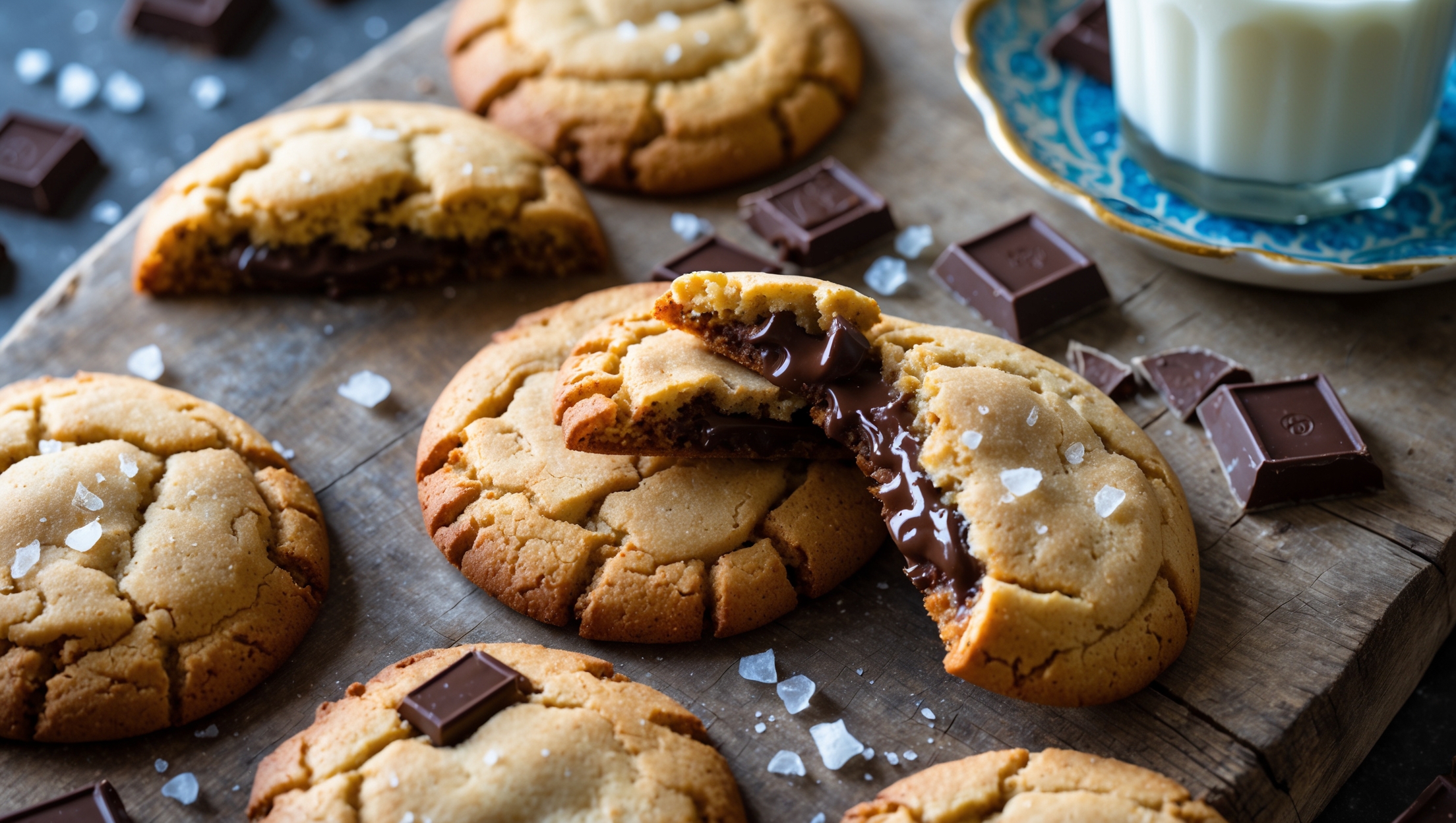
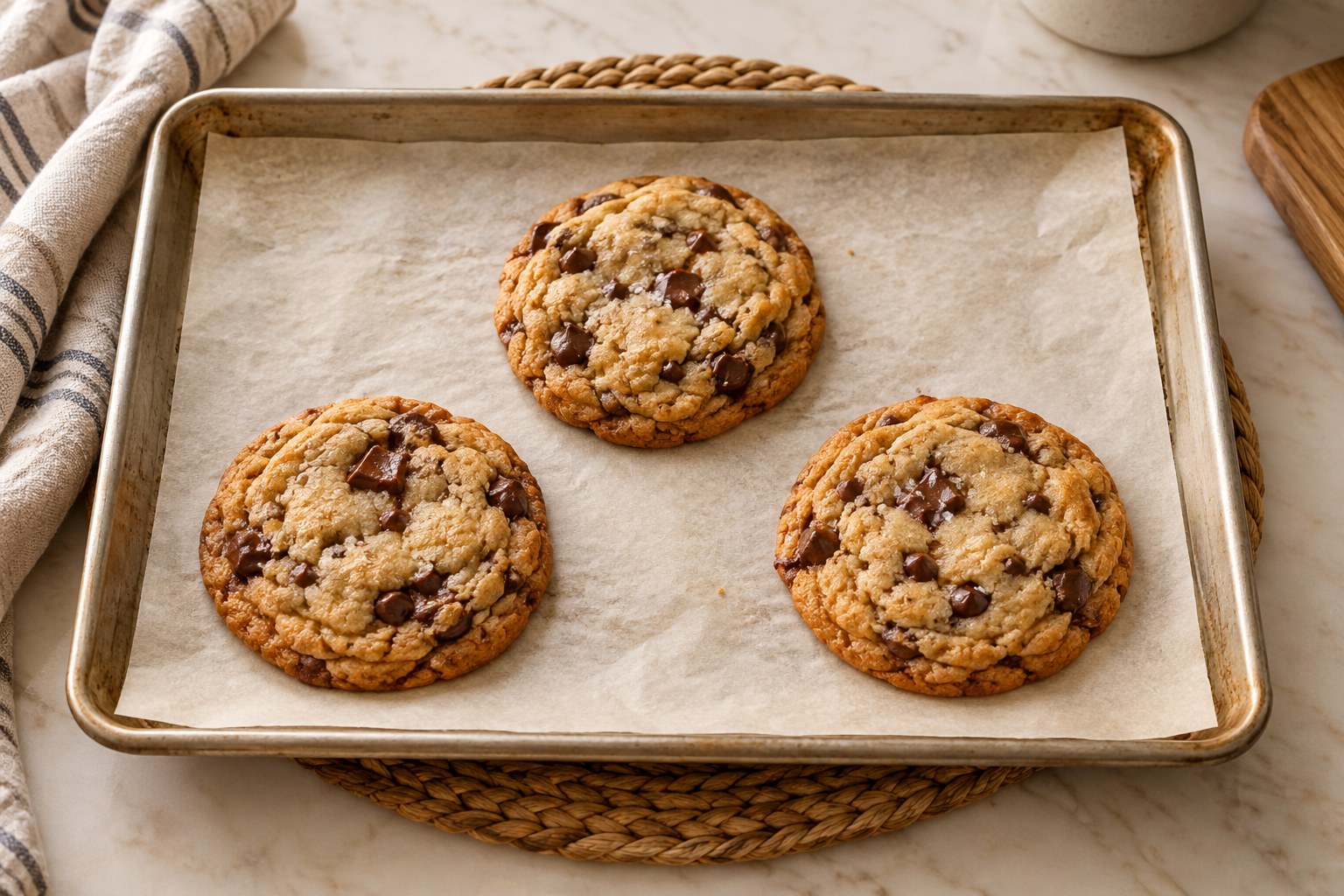
Brown Butter Chocolate Chip Cookies
For a drop cookie like this, portioning dough before freezing makes holiday baking much easier. You can also freeze fully baked cookies once completely cooled.
Pistachio Pinwheels
This recipe is especially useful for planning ahead: the unbaked logs can be frozen for up to two months, while baked pinwheels can be frozen for up to three months. That makes them one of the strongest make-ahead choices in the holiday lineup.

Gingerbread Cookies
Gingerbread is a useful cookie to schedule before the final rush. Prepare the dough in advance according to the recipe, then save the rolling, cutting and decorating for a later baking day.

Jam Sandwich Cookies
Finished jam sandwich cookies can be frozen for up to three months. For the neatest presentation, thaw them carefully so the filling and cookie surfaces stay intact.
Vegan Shortbread Cookies
Shortbread is useful even when you do not freeze it. Stored airtight, it can keep for up to one week, so it can be one of the earlier cookies you bake for a holiday box.
Christmas Sugar Cookie Sandwich Cookies
The dough can be made ahead and chilled overnight. Bake the cookies first, then assemble the sandwiches closer to serving or gifting so the finished cookies look fresh and the filling stays neat.
A Simple Christmas Cookie Timeline
2 to 4 Weeks Before
Choose your recipes, buy packaging and key ingredients, and freeze only doughs or baked cookies that are confirmed freezer-friendly in their individual recipes.
About 1 Week Before
Bake good keepers such as shortbread. Refrigerate dough only for the period allowed in its recipe; freeze it if your baking date falls beyond that limit.
3 to 4 Days Before
Bake sturdy cookies and decide which frozen doughs need to move into your baking schedule.
1 to 2 Days Before
Bake the cookies you want freshest, fill sandwich cookies and decorate gingerbread or sugar cookies.
Serving or Gifting Day
Pack only cookies that are completely cool and fully set. This protects crisp textures, fillings and decorations.
How to Label Frozen Cookie Dough
Write the cookie name, freezing date, baking temperature and any thawing or baking-from-frozen instructions directly on the freezer bag or container. Holiday baking becomes much easier when you do not have to search for the recipe instructions later.

How to Thaw and Bake
Many drop-cookie doughs can go from freezer to oven with additional baking time, while roll-out dough and slice-and-bake logs usually need enough softening to be workable. Follow each recipe rather than applying one thawing rule to every cookie.
Do Not Freeze Everything Just Because You Can
Freezing is most useful when it protects quality and saves time. If a cookie keeps well for several days at room temperature, like shortbread, simply baking it earlier may be easier. Filled and decorated cookies may also look best when finished closer to gifting.
Freezer-Friendly Cookies: Choosing the Right Method
The type of cookie determines what you should freeze. Drop cookies can often be frozen as scooped dough; slice-and-bake cookies can be frozen in logs; roll-out cookies can be prepared as flattened dough sheets; and sturdier already-baked cookies may be frozen after cooling. Fillings, delicate decorations and chocolate coatings introduce different texture and storage requirements, so follow each recipe instead of assuming all holiday cookies will behave alike.
Drop-cookie dough
Follow the mixing and chilling instructions, then scoop uniform dough balls onto a parchment-lined tray. Freeze until firm and move them into a labelled freezer bag or container. This allows you to remove a handful for fresh cookies without thawing a whole batch. King Arthur Baking's freeze-and-bake guide recommends the tray-first method to prevent portions sticking together.
The first tray is a test. Baking time depends on the original recipe, scoop weight, frozen temperature and your oven. Some drop cookies bake well from frozen, but do not apply a universal extra three or five minutes to every dough.
Roll-out dough
Divide gingerbread or sugar-cookie dough into flat discs or prepared sheets before protecting it in the freezer. Flattened dough thaws more evenly and is easier to roll. Work in small portions so unused dough remains cold. If the recipe asks you to chill cut shapes before baking, do not skip that step merely because the dough was frozen earlier.
Slice-and-bake cookie logs
Prepare the filled or patterned log carefully so it has an even diameter, wrap it snugly and protect its shape from heavier freezer items. The Pistachio Pinwheels recipe specifically permits freezing unbaked logs for up to two months. Follow its cutting instructions; forcing a knife through a rock-hard log can damage both the pastry and your hands.

Fully baked cookies
Cool completely before freezing to avoid trapped steam. Keep cookies in airtight freezer containers, ideally separated by type. Thin shortbread and delicate filled cookies may need a rigid container with parchment between layers. Always assess how the texture looks after thawing before planning an entire gift box around the method.

Six Recipes With Different Make-Ahead Strategies
Brown Butter Chocolate Chip Cookies
Our Brown Butter Chocolate Chip Cookies yield approximately 18 and require at least two hours of dough refrigeration, preferably overnight. The published instructions also discuss freezing portioned dough and baked cookies. Prepare the dough in advance, then bake nearer the gifting date if you want a fresher-baked texture.
Pistachio Pinwheels
Pistachio Pinwheels yield about 24. The shaped log rests for at least two hours before slicing, and the recipe permits frozen unbaked logs. These spirals add a green accent to a cookie box, but clearly label pistachios and any optional almond extract.
Gingerbread Cookies
Gingerbread Cookies yield about 24 and use molasses, ginger, cinnamon, nutmeg and cloves. The written method requires chilling the dough for at least two hours or overnight before rolling and cutting. Plan enough additional time for icing to dry before packing; wet decoration can smear even when the biscuit itself is fully baked.
Jam Sandwich Cookies
Jam Sandwich Cookies yield about 18 completed sandwiches. The cookie halves should cool before being assembled with jam, and the published recipe permits freezing finished cookies. For the crispest appearance, you can instead prepare the plain halves ahead and fill them closer to gifting. Choose the strategy that best suits the recipe and how far the box must travel.

Vegan Shortbread Cookies
Vegan Shortbread Cookies yield about 18 and are best made with cold vegan block butter. The recipe suggests airtight storage for up to one week, meaning they can be baked earlier without freezing when the storage conditions are suitable. Vegan still does not mean gluten-free or nut-free; check all ingredients.
Christmas Sugar Cookie Sandwich Cookies
Christmas Sugar Cookie Sandwich Cookies yield about 12 completed sandwiches, which require 24 baked cookie halves. Their dough needs at least two hours of chilling before baking. Save the filling and assembly stage for when the cookies have cooled, and follow the specific buttercream storage instructions.

A Four-Week Holiday Cookie Timeline
Four weeks before gifting
Choose four to six recipes, record their yields, and calculate the number of finished cookies you need. Buy freezer-safe bags, parchment, labels and sturdy cookie boxes. Identify allergies before finalizing the selection, because a nut-filled cookie may not suit every recipient.
Three weeks before gifting
Make doughs that their recipes explicitly allow you to freeze. Portion drop-cookie dough, prepare pinwheel logs and label each packet with the recipe name, date, scoop or slice size, and baking instructions. Store different dough types separately, especially where tree nuts and peanuts are involved.
Two weeks before gifting
Test-bake a few cookies from frozen dough to confirm the actual spread and doneness in your oven. Note any recipe-specific adjustments and avoid making broad changes without testing. This is also a useful time to prepare non-food packing materials and simple ingredient labels.
One week before gifting
Bake sturdy cookies that keep well in airtight storage according to the specific recipe. Do not leave raw flour-and-egg dough in the refrigerator indefinitely; use the manufacturer's and recipe's limits, or freeze appropriately. Check that all decorations and fillings are available before the final baking days.

Two or three days before gifting
Bake remaining batches and cool them on wire racks. Keep gingerbread and strongly flavoured cookies away from mild varieties when storing. Work by baking temperature and dough type so you do not confuse tray timings or place a chilled cookie in an oven set for the wrong recipe.

One day before and gifting day
Assemble sandwich cookies, add fillings, finish decoration and allow chocolate or icing to set fully. Pack sturdier cookies below delicate ones, using food-safe parchment and dividers. Keep perishable filled cookies refrigerated and transport them under suitable conditions; freezing does not automatically make all fillings shelf stable.
Holiday Batch Mathematics and Shopping
Eight gift boxes containing twelve cookies each need 96 finished cookies before you budget for breakage or tasting. The six recipes above yield different amounts: roughly 18 chocolate chip cookies, 24 pinwheels, 24 gingerbread cookies, 18 jam sandwiches, 18 shortbreads and 12 sugar-cookie sandwiches per batch. Calculate from those published yields rather than assuming one recipe always makes two dozen. Remember that a sandwich cookie's yield refers to assembled cookies, not its separate halves.
Buy what you need for the selected recipes, not the whole collection. A four-variety plan often looks more intentional than a crowded assortment with many similar cookies. Measure specialty ingredients such as pistachios, molasses and chocolate carefully and do not forget that fillings and decorative icing may need their own shopping quantities.
Make-Ahead Troubleshooting
Why do my frozen dough balls spread differently?
Starting temperature, butter content and ball size can affect how dough spreads. Check the first tray and follow recipe-specific directions rather than promising a fixed extra baking time for every frozen cookie.
Why did my pinwheels crack while cutting?
The log may be too hard to slice safely or the filling may have an uneven thickness. Let it soften according to the recipe, use a stable cutting board and cut evenly. Do not force a knife through a rock-hard frozen log.

Why did my crisp cookies soften after thawing?
Condensation, insufficient cooling before freezing or loose packaging can affect texture. Try a small batch first. Reheating may suit some unfilled cookies, but not necessarily cookies with buttercream, glaze or chocolate decoration.
Do I need to refrigerate every filled cookie?
Storage depends on the actual filling and the recipe. Cream, custard, cream cheese and some other dairy-based fillings require refrigeration. Do not make a blanket room-temperature promise for every sandwich cookie, especially if a box will be mailed or left in a warm car.
Can children taste dough while helping?
No. Uncooked eggs and flour can contain harmful microorganisms. CDC guidance advises against eating raw cookie dough and recommends cleaning hands and equipment after handling raw dough. Bake cookies fully before anyone tastes them.
Build a freezer inventory that you will actually use
Making cookies ahead saves time only when you can remember what is in the freezer and what each package needs next. A plain bag labelled “cookies” can turn a helpful plan into detective work, especially when several batches look alike. Record the recipe name, date, number of portions, whether the contents are raw dough or baked cookies, and the next step required. A small note taped to the outside of a freezer container works just as well as a spreadsheet.
For example, you could label one package “Pistachio pinwheels — unbaked log — slice and bake per recipe” and another “Gingerbread cutouts — baked and undecorated — thaw and decorate.” Those labels prevent you from trying to slice a fully baked cookie or accidentally baking a portion twice. If your household manages food allergies, include ingredients that need special care, and keep the corresponding packages separated to avoid cross-contact.

Keep a simple inventory on the freezer door listing the recipe, portions and intended bake date. Cross each item off as it is used. This also makes it easier to plan how many cookies are needed for a box without opening every container during a busy week.
Choose between freezing dough and freezing baked cookies
Raw dough and fully baked cookies solve different scheduling problems. Freezing raw, individually portioned dough lets you serve cookies that have just come out of the oven, but you still need the necessary baking time and a clean oven on the final day. Freezing baked cookies saves that final cooking step but can change some textures or decorations as the product thaws.

When a recipe requires a rolled shape, freezing a dough disc or log is often practical. If its defining feature is a fragile filling or delicate glaze, it may be easier to freeze just the baked shells when the recipe permits, then complete assembly later. The recipe card is the deciding authority: not every dough will spread correctly from frozen, and not every frosting can survive freezing and thawing without a visible change.
Ask yourself these three questions: Will I have time to bake on gifting day? Is the filling delicate or perishable? Has the original recipe actually provided freezing guidance? The answers tell you whether to freeze prepared dough, baked unfilled cookies, or a finished cookie—or simply bake closer to serving.
A realistic three-cookie preparation example
Suppose you want a holiday tray containing Brown Butter Chocolate Chip Cookies, Pistachio Pinwheels and Jam Sandwich Cookies. Rather than baking all three on the same afternoon, begin with the recipes that offer flexible dough storage and keep their different needs on separate notes.
Make the pinwheel dough and shape the log according to its instructions before freezing. Prepare the chocolate chip dough in whatever advance form the recipe permits, keeping portions consistently sized. For jam sandwiches, plan to assemble close to serving when possible, so the surfaces and visible filling look tidy; if you freeze the finished cookies, follow the recipe's specific directions for protecting them.
Two days before the gathering, check that your frozen dough is still appropriately stored and schedule the oven time. The day before, prepare sturdy baked cookies and let them cool before placing them into separate airtight containers. On serving day, fill sandwiches, finish decorations and pack the assortment. This is an example of organising the work, not a substitute for the exact storage and food-safety instructions in each recipe.

How to avoid freezer flavour and texture problems
Protect the dough from dry freezer air
Use an appropriate freezer-safe container or close-fitting wrap. A loose wrapper around a dough log leaves exposed edges that can become dry; a bag with a great deal of empty space offers less protection against air exposure. Portion dough before freezing where appropriate so you can remove just what you need.

Do not rush condensation-prone decorations
When cold cookies meet warm, humid air, condensation can form on their surfaces. Delicate icing, powdered sugar and thin chocolate coatings may lose their finish. Thaw and decorate according to the recipe instructions, allowing the temperature to equalise safely before presenting the cookies. Never leave perishable fillings out for an extended period simply to prevent condensation.
Separate crisp cookies from chewy cookies
King Arthur Baking explains that storage together can cause crisp cookies to soften while chewy cookies lose moisture. If you are assembling a Christmas box with both kinds, package the varieties separately inside the larger container; the visual assortment need not mean they share the same airspace.

Do not treat freezer time as a safety guarantee
Freezing can keep properly stored food in useful condition for longer, but it does not turn unsafe raw dough into something safe to taste, nor does it make a fresh-cream filling shelf-stable after thawing. Follow manufacturer and authoritative food-safety advice for handling raw ingredients, refrigeration and thawing. If you have not kept a reliable freezing date and storage history, do not disguise uncertainty with a made-up safe shelf life.
Frequently asked make-ahead cookie questions
Can I bake all my Christmas cookies from frozen dough?
Some recipes allow it, especially certain portioned drop cookies, but there is no single rule for all sixteen styles. Rolled dough may need softening; larger frozen dough balls can require a different bake time; delicate shapes may need more care. Follow the linked recipe rather than guessing an identical number of extra minutes for every tray.
Should I decorate gingerbread before freezing?
That depends on the icing and the individual recipe. When you need especially neat lines or bright decorative colours for gifts, freezing plain cookies and decorating later is often easier. Give finished icing sufficient time to dry or set before stacking.
Can I freeze filled sandwich cookies?
Some can be frozen, but the filling matters. Jam, buttercream, cream cheese and whipped cream are not interchangeable for storage purposes. Follow the relevant recipe and its refrigeration requirements rather than assuming the assembled cookie is shelf-stable.
How do I prevent accidentally baking too much?
Count your gift boxes and desired cookies per box first. Portion dough based on those quantities, label the freezer packages, and bake only the amount you need. Extra unbaked portions can remain frozen when the recipe and storage conditions allow.
What freezing can and cannot solve
Freezing helps spread the preparation work, but it cannot correct a recipe that was mixed incorrectly or dough that has already dried out. The best results start with accurate weighing, the prescribed chilling time, and airtight packaging. A dough prepared weeks in advance should be labelled with the recipe name, portion size and date. Add the oven temperature and whether the recipe permits baking directly from frozen, since that information is easy to forget during a busy December.
A freezer also does not remove allergens or make an uncooked dough safe to eat. Raw flour and eggs may carry harmful organisms. Always keep frozen raw dough separate from ready-to-eat cookies, clean shared equipment carefully and do not let children sample unbaked dough while assembling their gift boxes.
How to decide whether to freeze a finished cookie
Use a small trial batch if a cookie is fragile, covered with chocolate, or has a filling. Cool one or two cookies completely, freeze using the intended protective packaging, and thaw as the recipe instructs. Evaluate the bite, appearance and filling after thawing. If the crisp edge is lost or the coating becomes cloudy, it may be better to freeze only the unbaked dough and finish the cookies closer to serving.

For sturdy shortbread, ordinary airtight storage over a shorter period may be easier than freezing. For brown-butter chocolate chip cookies, freezing pre-portioned dough can allow just-baked flavour on gifting day. For jam sandwiches, baking the halves ahead and adding the jam later can preserve neat edges. The method should follow the type of cookie rather than being chosen merely because there is room in the freezer.
How to manage multiple batches without mixing them up
Maintain a simple inventory of each cookie's name, number of dough portions, storage location, and baking date. If you make thirty-six gingerbread pieces and twenty-four pistachio pinwheels, keep the two containers clearly distinguished and note that the pistachios contain a tree-nut allergen. A written inventory also makes shopping more efficient: you can see whether you still need chocolate, icing sugar, molasses or parchment before the final baking weekend.
When baking, move only the dough needed for one recipe to the worktop. Keep the remaining portions appropriately chilled or frozen, and clean tools between allergen-containing doughs. Avoid changing several variables at once; bake a small test tray if the dough was frozen, then use the observed spread and texture to guide the remainder of that specific batch.
Make-ahead cookie questions
Does freezing make cookies fresher than baking the same day?
No. The point is preserving suitable dough or baked cookies for later use. A properly baked fresh cookie may be excellent without ever visiting the freezer. Use freezing when it makes the holiday schedule more practical.
Can I freeze cookies that contain nuts?
Some recipes allow it, including the published Pistachio Pinwheels. Protect the flavour and texture with suitable packaging, and keep the allergen label attached through freezing, thawing and final gifting.
What happens when my freezer is crowded?
Packages may be crushed, air circulation may be affected, and you may lose track of what was frozen. Freeze tray portions until firm, then transfer them into organized labelled bags or containers without compressing fragile dough or baked biscuits.

Set up a freezer inventory for holiday dough
Label each package with the cookie name, freezing date, number and approximate weight of portions, oven temperature and any instructions from the recipe on baking from frozen. Store your inventory with the holiday baking calendar so it is easy to plan which recipe to bake first. Group packages by the type of dough and keep nut-containing ingredients clearly identified.
On baking day, take out only the number of portions needed for one tray. Keep other packages protected from thawing while the oven is occupied. Bake a trial tray according to the original recipe, because frozen dough can change the spread and cooking time. Never promise exactly the same result for a large chilled cookie and a small frozen one.
Use freezer storage to move work away from the busy final days, not to bypass food safety. Raw cookie dough containing untreated flour and eggs must not be tasted. Cookies with delicate or perishable fillings can require refrigeration after assembly even if their plain shells were successfully frozen for weeks.
For a practical last check, photograph the labelled frozen packages and place the baking schedule where everyone helping can see it. Keep a notebook with the results of the first frozen-dough test tray. Small notes about portion size, spread, and the actual oven setting can prevent repeated mistakes when the final batches are baked.
The Goal Is a Calmer Baking Week
A good make-ahead plan spreads the work across several days or weeks. Freeze the recipes that truly benefit from it, bake good keepers early, and leave only the freshest or most delicate cookies for the final stretch.
A Freezer-to-Oven Checklist
- Freeze portions in a single layer before transferring them to an airtight container.
- Keep the recipe name and baking instructions with the dough.
- For roll-out dough or logs, follow the recipe’s thawing instructions; do not force a hard log through a knife.
- Leave decorations or fillings until later when freezing would damage their finish.
- Check the first tray for doneness rather than assuming the usual fresh-dough timing.
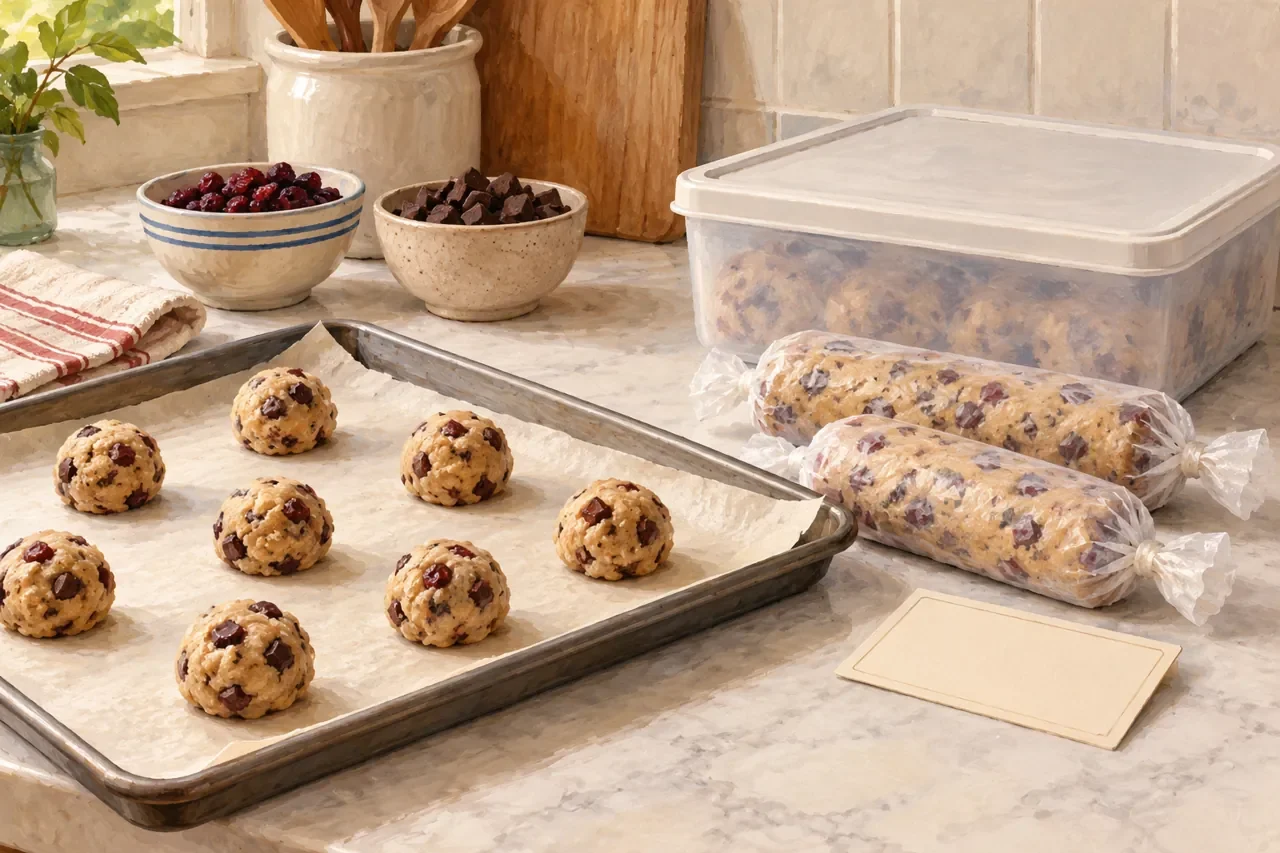
AI-generated editorial illustration. The food represents serving or preparation ideas rather than documented recipe-test results.
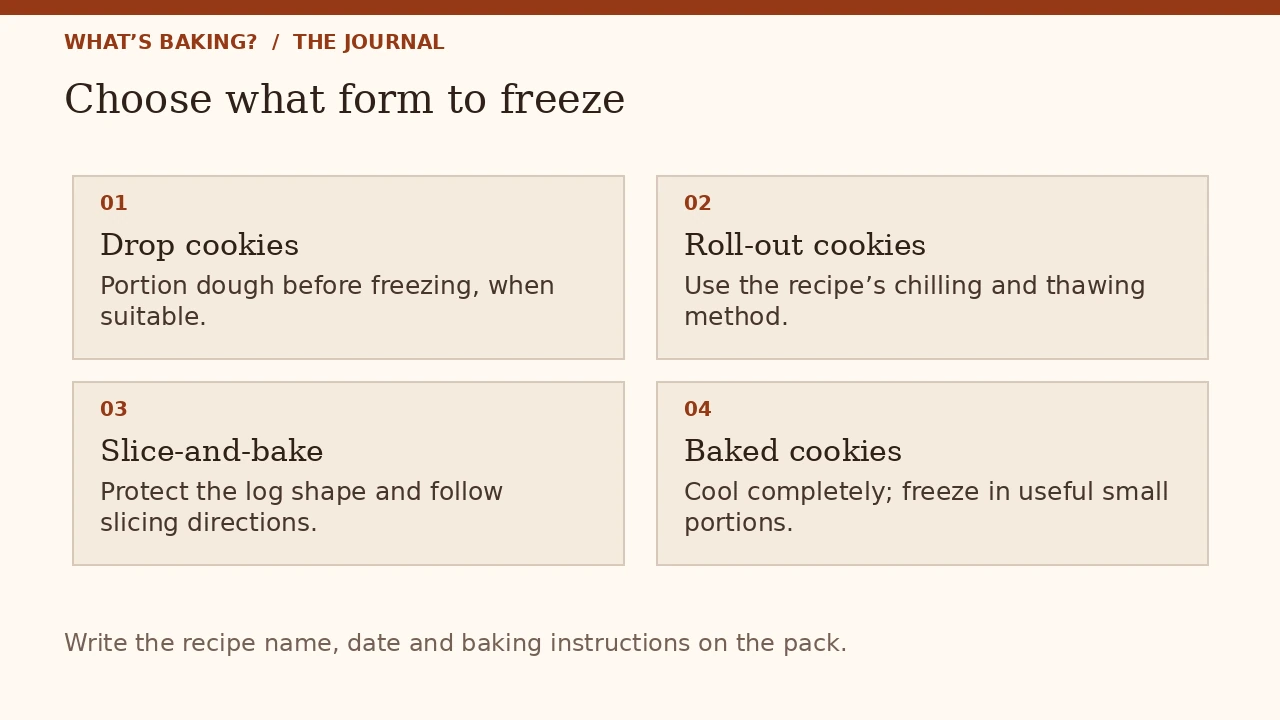
Original editorial quick-reference graphic. Follow the article and each linked recipe for the full instructions.
IN PICTURES
From the baking notebook
FROM THE RECIPE BOX